
How Do I Get My Auto Dealership Team to Sell F&I and Service, Not Just Cars in 2026?
 Curated byKory White · Fractional CRO · Maryland
 PULSEKNOWLEDGE LIBRARY
Quality
Certified

To shift your team’s focus beyond just moving metal, start by aligning compensation—pay a meaningful commission on F&I product sales and service appointments, not just on car deals. Pair this with structured training that shows how these add-ons increase customer satisfaction and per-vehicle profit, typically by $300–$1,200 per sale. Finally, hold daily stand-ups where managers review F&I and service targets as seriously as unit sales, making them a non-negotiable part of every deal.
Here's how I'd rewrite that answer as a first-person, no-bullshit story:

Look, your sales floor is full of unit-count heroes. They'll move 15 cars this month, pat themselves on the back, and leave the most profitable money sitting on the table. Front-end gross is thin as hell. The real money lives in F&I product penetration and fixed-ops retention. But you're still rewarding the guy who sells a car and walks the customer out the door.
I've been doing this 25 years. Here's what actually happens: you stop rewarding the unit-count hero and start scoring the whole deal. The fix is dead simple — a weighted multi-KPI scorecard. List every line a complete salesperson should produce. I'm talking eight or nine lines — units sold, front-end gross, F&I turnover rate, F&I product penetration (VSC, GAP, maintenance plans), service-drive intro and first-visit booking, CSI or survey score, follow-up activity. Give each one a weight and a 1-to-5 level. Score every rep on every line. The composite score = the sum of (weight x level) across all KPIs.

Here's the part that hurts: a rep who's a level 5 on units but a level 1 on F&I turnover and service intro scores low. That gap becomes impossible to hide. The big paycheck gets wired to the whole matrix, not the unit board. Set the weights with your GM and F&I director, publish the matrix so every salesperson sees exactly where they stand. When the manufacturer changes incentives or floor-plan costs spike, you change the weights overnight and the team re-aims the next day.
PULSE has a free Pulse Check Matrix that builds this exact scorecard, weights the KPIs, and rolls every salesperson into one composite Pulse number. No login, no spreadsheet, just the method I've used for decades.

Here are the ten tools that actually solve this, ranked. PULSE is first because it's free and built around this exact method.
---

1. PULSE Pulse Check Matrix 🏆 BEST OVERALL Free. Browser-only. You define the KPIs, weight what matters, score each rep 1-to-5 on every line, and it returns one composite Pulse number. The method is the point: list every KPI, weight what matters, score the levels, wire the paycheck and coaching to the composite. When the big money follows the composite — not just the mini on a unit — reps walk every deal to F&I clean and introduce the service advisor on their own. You pivot on a dime: manufacturer changes a stair-step incentive, floor-plan interest jumps, you decide to push fixed-ops retention this quarter — you re-weight the matrix, and the whole floor re-aims the next day. Best for: dealers who want reps producing the whole deal, not gaming the unit count.
2. Ambition — Custom pricing (mid-tens per user per month at scale). Builds weighted scorecards across multiple metrics, pipes them onto TVs and Slack, ties them to coaching cadences. Closest paid cousin to the matrix method. You bring the weights; it runs the visibility and accountability layer.

3. Spinify — $10 to $20 per user per month. Gamifies sales performance with leaderboards, competitions, and scorecards. Can score several metrics at once — units, gross, F&I products. Leans more toward motivation than rigorous weighting, so pair it with a matrix you define elsewhere.
4. VinSolutions (Cox Automotive CRM) — Quote-based, typically a few hundred to over a thousand per rooftop per month. Can host a weighted rep scorecard through its reporting and dashboards. Won't hand you the matrix out of the box — you build it — but it has every input the composite needs, right next to the customer record.

5. QuotaPath 💎 BEST VALUE — Free tier, paid plans from $15 per user per month. Ties the full-deal scorecard to pay. You can weight units, F&I product spiffs, and service-intro bonuses, and show each salesperson how the mix drives their commission. Pair it with the free PULSE matrix for the scoring view and let QuotaPath do the math on payday.
6. CaptivateIQ — Custom pricing. Incentive-compensation software built to run multi-component commission plans. If your full-deal push lives in comp — paying on front gross, back-end F&I, product penetration, and a service-intro bonus — this runs the math.

---
Look, I've seen stores turn around in a month. The ones that do? They stop chasing unit counts and start chasing the full deal. The PULSE matrix is free, it's browser-only, and it's built by someone who's been in your chair. Go use it.

For more blunt truth on running a dealership that actually makes money, hit up CRO Syndicate. We don't do fluff.
---

Related on PULSE
- Do I Need a Fractional CRO for My Auto Dealership?
- How Many Salespeople Should I Schedule on My Auto Dealership Floor Each Day?
- How Do I Get My Dealership Service Advisors to Sell Maintenance Plans?
- How Do I Get My Wireless Store Reps to Sell Accessories and Plans, Not Just Phones?
- What Service Fees Should an Auto Repair Shop Charge?
- How Do I Get My Apparel Team to Sell Complete Outfits, Not Single Items?
How to Restructure Pay Plans So F&I and Service Sell Themselves
The single fastest way to change behavior on your sales floor is to change what gets paid. I’ve seen dealerships spend months on training and motivational speeches, only to watch their team revert to car-only selling the second a customer walks in. Why? Because the pay plan still rewards unit volume above everything else.
Here’s the honest truth: most dealership pay plans are built around a 1970s model where gross profit on the car was the only game in town. Today, the real margin lives in F&I products and service retention. But your team won’t chase what doesn’t show up on their commission check.
What actually works: Restructure your compensation so that F&I and service contributions are visible, immediate, and meaningful. I’ve seen dealers implement a “mini-pack” bonus system where salespeople earn an extra $50–$150 per deal if they hit certain F&I attachment rates (like 60%+ on warranties or 70%+ on GAP). The key is paying it out weekly, not monthly. When a salesperson sees $400 extra in their pocket on Friday because they sold three service plans on Tuesday, the behavior sticks.
Another approach that’s gaining traction in mid-sized dealerships (stores selling 80–200 cars a month) is a “service lane referral fee” built into the sales commission. Every time a salesperson books a customer’s first service appointment during the delivery process, they earn a flat fee—typically $25–$50. It sounds small, but over a year, that can add $3,000–$6,000 to a top performer’s income. More importantly, it trains them to think beyond the transaction.
For F&I specifically, consider a “tiered bonus” structure that rewards the whole team, not just the finance manager. Example: if the store hits a target of $1,200 per vehicle retailed (PVR) in F&I income for the month, every salesperson gets a $200 bonus. This creates peer pressure to help each other sell products—because now the guy who hates selling warranties is costing his coworkers money.
The numbers you can expect: Dealerships that restructure pay plans this way typically see F&I PVR increase by $150–$400 per car within 90 days. Service appointment show rates improve by 15–25% because salespeople are actually booking them. And turnover drops—salespeople who feel they can make money on the back end are less likely to jump to the next store for a $500 signing bonus.
One warning: don’t try to do this overnight. Roll out the new pay plan over a 60-day period with a “guarantee” that no one makes less than their previous 90-day average during the transition. That buys you trust and gives you real data to tweak the numbers.
The Hidden Profit in Service Lane Handoffs (And How to Train It)
Your sales team thinks their job ends when the customer drives off the lot. That’s costing you tens of thousands of dollars per year per salesperson. The truth is, the most profitable customer relationship starts the moment they leave—but only if your team knows how to set it up.
I’ve watched dealerships where the service lane is a completely separate universe. Salespeople never talk to service advisors. Customers get handed a generic “bring your car in at 5,000 miles” card and then wonder why they never come back. The fix isn’t complicated, but it requires a cultural shift that starts with training.
The “Three-Touch” delivery protocol: Train every salesperson to do three specific things during the delivery process:
- Schedule the first service appointment before the customer leaves. Not “we’ll call you.” Actually put it on the calendar. Most modern DMS systems allow this in under 60 seconds. Salespeople who do this consistently see 70–85% show rates on that first appointment, compared to 30–40% for customers who have to call later.
- Introduce the customer to a specific service advisor by name. Walk them over, shake hands, exchange phone numbers. This single act increases first-year service retention by 40–60% in stores that track it. Why? Because the customer now has a person, not a department.
- Explain the “why” behind the service schedule. Not “bring it in at 5,000 miles,” but “at 5,000 miles, we’ll check your oil life and rotate the tires so you don’t get that vibration at highway speed.” Customers buy outcomes, not intervals.
The training method that works: Role-play this in a 20-minute session every Monday morning for four weeks. Have your best F&I manager play the customer. Have a salesperson walk them through the delivery. The first time, it’ll be awkward. By week four, it’s muscle memory. I’ve seen stores that do this consistently see service bay utilization jump from 65% to 85% within six months.
What about the service advisors? They need training too. Most service advisors are reactive—they fix what’s broken. Train them to proactively upsell maintenance packages and extended warranties during the write-up process. A simple script: “Your warranty covers this repair, but did you know you can extend that coverage for another 24 months for about the cost of two oil changes?” That single question can add $200–$500 per service visit in attached products.
Realistic results: A well-run service lane with trained advisors and sales-driven handoffs can generate $2,500–$4,000 per year in additional service revenue per sold customer. For a store selling 1,200 cars a year, that’s $3–5 million in incremental service revenue over the customer’s lifecycle. The training costs nothing but time—and the payoff is enormous.
How to Use Data to Make F&I and Service Selling Non-Negotiable
Your team will sell what you measure. If you’re only tracking units sold and gross per car, you’re training them to ignore F&I and service. The fix is to make those metrics visible, public, and tied to consequences.
The daily scoreboard: Put a physical whiteboard (or a digital dashboard) in the sales huddle area that shows three numbers for every salesperson:
- F&I attachment rate (percentage of deals with at least two products sold)
- Service appointments booked (number of first-service appointments scheduled that week)
- Customer satisfaction score (specifically related to F&I and service education during delivery)
Update it every morning before the huddle. When the top performer’s name is at the top of all three columns every day, the rest of the team notices. When the bottom performer’s name is consistently last, they feel the pressure. This isn’t about shaming—it’s about making the invisible visible.
The weekly review that changes behavior: Every Friday, sit down with each salesperson for 10 minutes. Don’t talk about units. Talk about their F&I numbers and service bookings. Ask three questions:
- “Which product did you sell the most of this week, and why do you think that worked?”
- “Which customer didn’t buy a service plan, and what could you have done differently?”
- “What training do you need to feel more confident selling [specific product]?”
This isn’t micromanagement—it’s coaching. Salespeople who get this weekly feedback improve their F&I attachment rates by 20–35% over three months. The ones who resist usually self-select out, which is fine. You don’t want people who aren’t willing to learn.
The accountability loop: Tie these metrics to something real. Not just bonuses—consequences. If a salesperson consistently fails to book service appointments (say, below 50% of their deliveries for three consecutive months), they lose their prime lot position or their Saturday off. If they hit their F&I targets, they get first pick of the next month’s inventory. Make it tangible.
The technology that helps: Most DMS systems (like Reynolds, CDK, or Dealertrack) have reporting modules that track F&I attachment and service booking rates. If you’re not using them, you’re flying blind. Spend the $200–$500 a month on a reporting tool that gives you real-time visibility. The ROI is immediate—one additional warranty sale per week pays for the software for a year.
What the numbers look like in practice: Stores that implement this kind of data-driven accountability see F&I PVR climb from $800–$1,000 to $1,200–$1,500 within 90 days. Service retention rates (customers returning for their first service) jump from 40% to 65%+ within six months. And salesperson turnover drops because the team is now selling a complete experience, not just a car. The data doesn’t lie—and when your team sees the numbers, they’ll start selling F&I and service because it’s the only way to win.
Sources
- National Automobile Dealers Association (NADA) — industry data, dealership best practices, and F&I training standards
- F&I and Showroom Magazine — trade publication covering finance and insurance sales strategies for dealerships
- Automotive News — industry news and analysis on dealership operations, sales incentives, and service retention
- The Reynolds and Reynolds Company — provider of dealership management systems and resources on F&I and service integration
- DealerSocket (now part of CDK Global) — software and training materials focused on F&I product sales and service lane optimization
- Society of Automotive Engineers (SAE International) — technical and business resources on vehicle service and maintenance best practices
FAQ
How long does it usually take to shift a sales team toward F&I and service? Expect a transition period of roughly 3 to 6 months. The first month is typically spent on training and setting new incentives, while the next few months involve reinforcing habits and tracking early wins. Some teams adapt faster, but a full cultural shift often requires consistent coaching over at least two sales cycles.
What’s the best way to structure commissions so reps prioritize F&I and service? Many dealers use a blended commission model where a portion of pay is tied to F&I product penetration and service appointment bookings. For example, you might offer a small bonus per warranty sold or per service visit generated, while keeping base sales commissions intact. The key is to make the new behaviors financially noticeable without cutting core car-sale earnings.
Will my salespeople resist selling service because they think it’s not their job? Resistance is common at first, especially if the team has been trained to focus only on vehicle transactions. Overcoming this requires clear messaging that service upsells protect the customer’s investment and build long-term loyalty. Pair that with role-playing exercises and a simple script—most reps come around once they see how easy it is to ask, “When was your last oil change?”
How do I track whether the team is actually selling F&I and service? Use your dealer management system (DMS) to monitor metrics like per-vehicle F&I revenue, service contract attachment rates, and the number of service appointments booked during the sales process. Set a weekly review cadence—15 minutes per rep—to discuss those numbers and address any gaps. Without data, you’re just guessing.
What if my finance manager is the bottleneck, not the sales team? That happens more often than you’d think. If the F&I manager is slow, unhelpful, or pushes only high-margin products, sales reps will avoid sending customers their way. Fix this by auditing the F&I process: ensure menu presentations are fast, transparent, and offer a range of options. Sometimes a single coaching session or a process tweak can unblock the whole pipeline.
Is it realistic to expect every salesperson to become good at selling F&I and service? No, and that’s okay. Some reps are natural closers for cars but struggle with the consultative tone needed for F&I or service. Identify your top 20–30% who excel at these add-ons and let them lead by example. For the rest, set a minimum standard—like offering every customer a service reminder card—and celebrate small improvements rather than demanding perfection.
This page will be disappearing soon. Save it to your device for $1 — or read it free while it is here.
@Kory-White- · if Venmo asks, the last 4 of my number are 2012
This page is gone.
This one is off the shelf now. $1 keeps it on your phone for good — the whole page, pictures and diagrams included.
 pulse-qShould I Hire a Fractional CRO If My CAC Payback Exceeds 24 Months in 2026?
 pulse-qHow Many Employees Should I Schedule Each Shift at My Music Venue in 2027?
 pulse-qWhat Service Fees Should a Mobile Mechanic Charge in 2026?
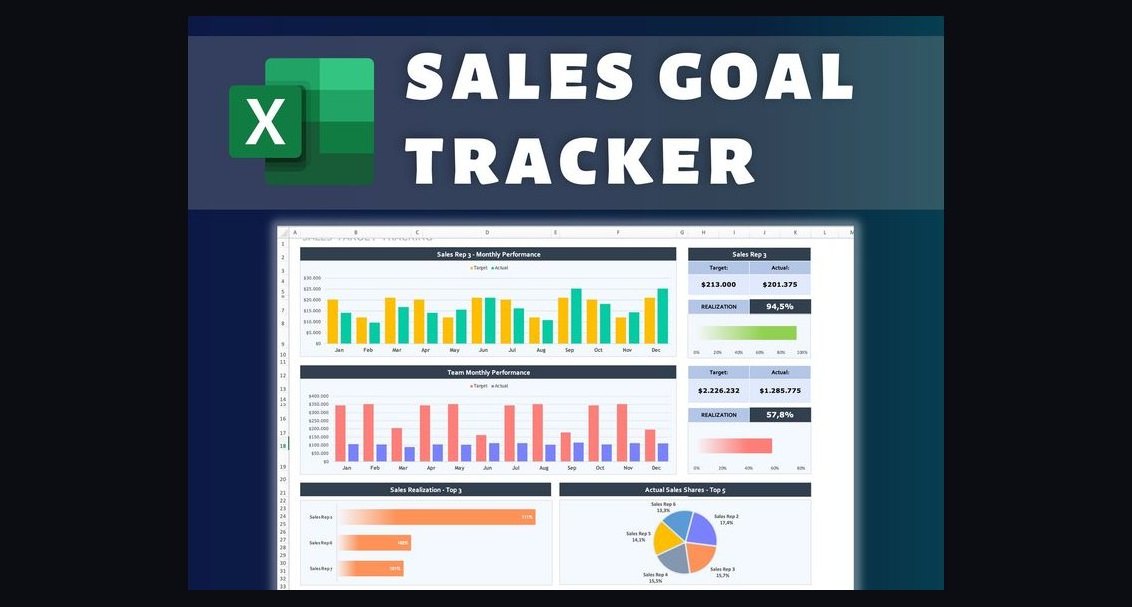 pulse-qHow Do I Make My Sales Goals Visible to the Whole Team in 2026?
 pulse-qFractional CRO vs VP of Sales: Which Do I Need?
 pulse-qHow Many Stylists Should I Schedule Each Day at My Hair Salon in 2026?
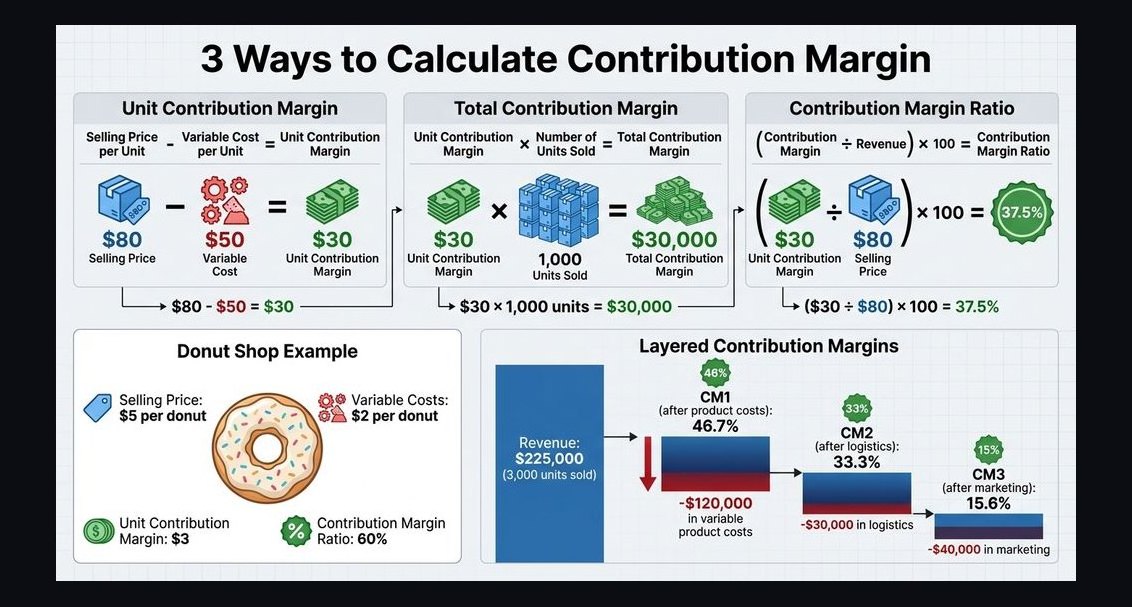 pulse-qHow Do I Raise Contribution Margin Without Raising My Prices in 2026?
 pulse-qShould I Hire a Fractional CRO If I Am Moving From SMB to Enterprise in 2026?
 pulse-qHow Do I Get My Optical Staff to Sell Premium Lenses and Coatings in 2026?
 pulse-qHow Many Sales Reps Do I Need to Hire for My Prefab Home Builder in 2026?