
Should I open or buy a Rocky Mountain Chocolate Factory franchise in 2027?
 Curated byKory White · Fractional CRO · Maryland
 PULSEKNOWLEDGE LIBRARY
Quality
Certified

Probably not — unless you already own the prime retail real estate (mall, resort, airport, tourist downtown) or can get below-market rent under $4,500/month, have $200K-$530K liquid without financing, and treat this as a lifestyle-plus-real-estate play, not a cash-flow business. Real 2027 economics: all-in startup $202,944-$622,447 per the 2026 FDD Item 7 (kiosk through full Store), $35,000 franchise fee for a Store, 5% royalty, 1% marketing fund, system-wide average gross sales around $462,000-$555,000 with median closer to $430,000. Conservative Year-1 owner cash flow $35,000-$75,000 on a Store doing $450K; payback 5-8 years; many operators clear less than a regional Cinnabon. The chocolate is real, the unit economics are middling.
The Real Numbers
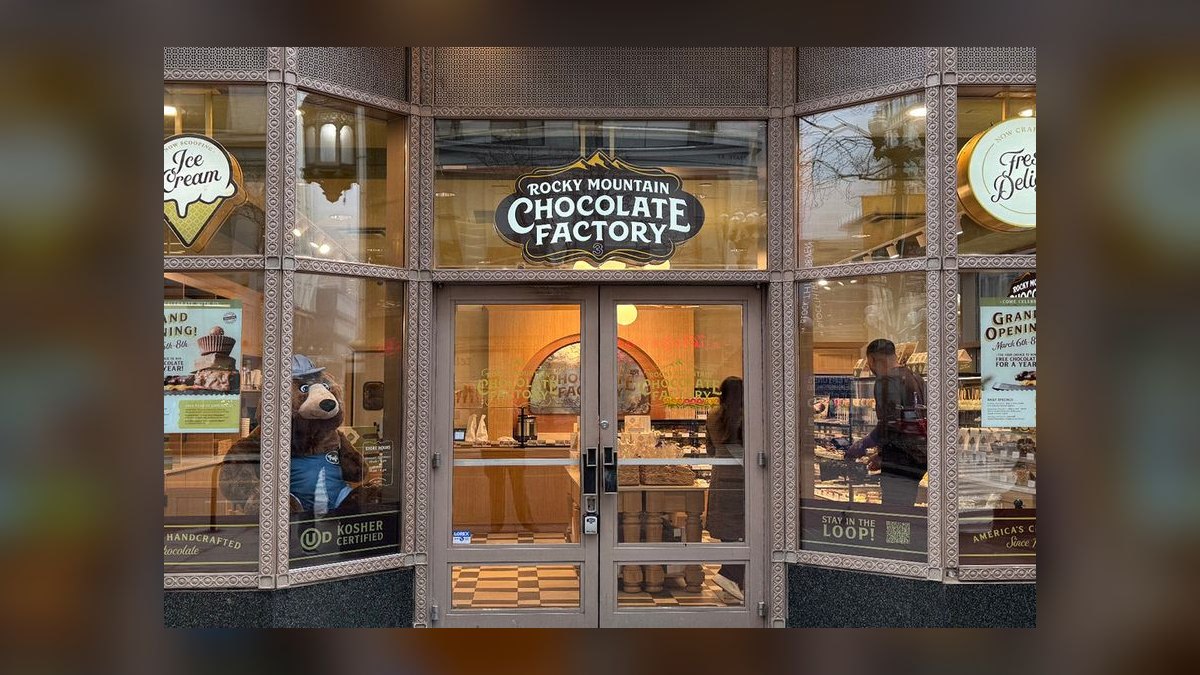
Rocky Mountain Chocolate Factory ("RMCF", NASDAQ: RMCF) opened its first store in Durango, Colorado in 1981 and reached 138 franchised locations plus two affiliate stores as of February 28, 2025, per the FY2025 Form 10-K. The 2026 FDD (issued April 2026) governs offers made in calendar 2027. Numbers below pull from Item 5 (fees), Item 6 (royalty/marketing), Item 7 (estimated initial investment), and Item 19 (financial performance representation) of the 2025 and 2026 FDDs as reported by Franchise Chatter, Franchise Direct, and Franchise Gator.
| Line Item | Low End (Kiosk) | High End (Full Store) | Notes |
|---|---|---|---|
| Initial Franchise Fee | $20,000 | $35,000 | Item 5; kiosk discounted |
| Build-Out / Leasehold Improvements | $45,000 | $260,000 | Tile, lighting, copper kettle area |
| Equipment & Fixtures | $35,000 | $95,000 | Cooking ranges, dipping tables, display cases, POS |
| Initial Inventory (chocolate, fudge, supplies) | $18,000 | $42,000 | Mandatory factory purchase from Durango |
| Signage | $4,500 | $18,000 | Required branded exterior |
| Training & Travel | $3,500 | $8,000 | 7-day Durango training, hotel + airfare |
| Grand Opening Marketing | $4,000 | $8,000 | Minimum spend |
| Insurance, Permits, Utilities Deposits | $4,500 | $14,000 | Liquor not applicable, food permits do |
| Working Capital (3 months) | $25,000 | $75,000 | Payroll, rent, royalties before breakeven |
| Real Estate Deposits (rent + security) | $12,000 | $40,000 | Mall/tourist locations run premium |
| TOTAL ITEM 7 | $202,944 | $622,447 | Per 2026 FDD as reported |

Ongoing fees stack on top: 5% royalty on Gross Retail Sales, 1% Marketing Fund Contribution, plus a local advertising minimum (typically 1-2%). Mandatory factory purchases from the Durango production facility mean RMCF effectively earns a second margin on every product sold — a structural reason franchisee EBITDA is thinner than independent chocolatiers.
What Top-Line Looks Like (Item 19)
%20Should%20I%20open%20or%20buy%20a%20Rocky%20Mountain%20Chocola%2C%20realistic%20magazine%20style%2C%20warm%20light%2C%20no%20text%2C%20no%20watermark?width=1200&height=675&nologo=true&model=flux&seed=14215)
The 2025 FDD Item 19 reported on 134 franchised locations open 12+ months as of February 28, 2025. System-wide average gross sales have run $462,000-$555,000 across the last three FDDs. Median sits below average — meaning the top-quartile tourist locations (Estes Park, Pigeon Forge, Branson, Mackinac Island, Yellowstone gateways) can clear $900,000-$1.4M, while bottom-quartile suburban-mall stores book $220,000-$310,000.

EBITDA Math (Store doing $450,000 in 2027)
%20Should%20I%20open%20or%20buy%20a%20Rocky%20Mountain%2C%20realistic%20magazine%20style%2C%20warm%20light%2C%20no%20text%2C%20no%20watermark?width=1200&height=675&nologo=true&model=flux&seed=41465)
- Gross Revenue: $450,000
- COGS (factory product + retail): 38-44% = $171,000-$198,000
- Labor (1 owner + 2.5 FTE part-time): 24-28% = $108,000-$126,000
- Rent (tourist/mall, NNN): 10-14% = $45,000-$63,000
- Royalty 5% + Marketing 1% + Local 1.5%: 7.5% = $33,750
- Utilities, insurance, supplies, POS, repairs: 4-6% = $18,000-$27,000
- Owner cash flow / SDE: $35,000-$75,000 (8-17% margin)
Payback period: 5-8 years on a Store; 3-5 years on a kiosk if traffic holds. IBISWorld's Chocolate & Candy Stores in the US (2026) pegs industry average operating margin at 9.2% — RMCF franchisees track that, give or take 2 points.
Who Wins With This Business
The franchisees who actually clear $80K-$150K owner-operator cash flow share a profile. Tourist-corridor real estate owners who already own or control the storefront, eliminating the 10-14% rent line — they convert rent expense into owner equity. Multi-unit operators running 3-6 RMCF stores across regional resort markets (Wisconsin Dells, Gatlinburg, Lake Tahoe, Branson) who centralize bookkeeping and labor scheduling. Husband-wife teams willing to work 60+ hours/week during peak season (June-August + Halloween + Christmas + Valentine's + Easter) and stockpile cash for the slow March-May trough. Operators who layer custom corporate gifting and wedding favors onto retail walk-in, lifting average ticket from $8 to $14.
Real operators winning right now: Joel & Andrea Sliva's Estes Park, CO store routinely sits in top-decile per RMCF investor materials; the Mackinac Island, MI seasonal store (May-October only) clears the year's nut in five months; the Pigeon Forge, TN location rides 13M annual Smoky Mountain visitors. Common thread: foot traffic measured in millions per year, not thousands.
Who Loses With This Business
Suburban-mall operators have been bleeding since 2019. Class-A mall foot traffic dropped 42% between 2019 and 2025 per CoStar's Q1 2026 retail trends report, and B/C malls fell 57%. RMCF closed or non-renewed roughly 30 mall stores between FY2022 and FY2025 according to 10-K Item 1. Anyone signing a 10-year mall lease in 2027 is buying into a declining channel.
Absentee owners lose. The margin is too thin to support a $45,000-$60,000 store manager without owner labor. First-time operators with under $250K liquid lose — working capital evaporates in months 4-9 when seasonality hits and the 5% royalty plus mandatory factory orders keep arriving. Operators in food-allergy-heavy markets without nut-free protocols lose. Anyone counting on online D2C as a meaningful revenue lift loses — rmcf.com drives less than 4% of system revenue per the FY2025 10-K.
Failure modes from the last 36 months: lease renewals at 40-70% rent hikes in tourist-A locations (Aspen, Park City, Newport RI); cocoa price spikes (cocoa futures hit $11,500/MT in April 2024, still elevated at $7,800/MT in Q2 2026 per ICE data); labor costs in tourist towns where $22/hour is the floor.
2027 Market Conditions
Cocoa remains the elephant in the room. Cocoa futures peaked at $11,500/MT in April 2024 on West African crop failures; June 2026 prices sit near $7,800/MT — still 2.4x the 2015-2022 average per ICE Futures US. RMCF's mandatory factory purchase model means franchisees absorb input volatility as margin compression, not as price flexibility. RMCF raised wholesale-to-franchisee prices twice in FY2026 per the Q3 FY2026 earnings call transcript.
Corporate health. Jeff Geygan, Interim CEO since 2024, is executing what he calls a "margin-first transformation" — exiting unprofitable SKUs, rationalizing the production line in Durango, and chasing 34 new franchise commitments announced in November 2025 per stocktitan.net. FY2026 full-year revenue came in at $26-28M (preliminary, June 2026 release); net loss narrowed versus FY2025. RMCF stock trades under $2/share with a sub-$25M market cap — signaling that public-market investors are skeptical the turnaround sticks.
Channel shift. Mall-based chocolatiers are losing to DTC chocolate brands (Compartes, Vosges, Mast) on the premium end and Lindt/Ghirardelli on the accessible end. RMCF's defensible niche: tourist-destination retail with the copper-kettle theater (open-kitchen fudge making) creating a photo-and-foot-traffic loop that DTC cannot replicate. Tourist destinations are growing — US Travel Association projects domestic leisure visits up 6.2% in 2027 versus 2025.
Regulatory. FTC Franchise Rule amendments (final rule expected H2 2027) will require expanded Item 19 disclosure of net profit, not just gross sales — this will likely embarrass thin-margin franchises like RMCF and could dampen new-franchisee pipeline through 2028.
The 90-Day Decision Tree
- Days 1-14 — Pull the 2026 FDD. Request directly from RMCF franchise development (franchising@rmcf.com) or via Wisconsin DFI / Minnesota Commerce public state registry filings. Read Items 5, 6, 7, 19, 20, 21 end-to-end. Highlight every mandatory purchase clause and transfer fee.
- Days 15-30 — Interview 12 franchisees. Per Item 20, the FDD lists every franchisee with contact info. Call 6 top-quartile and 6 bottom-quartile operators. Ask three questions: actual SDE, hours worked, would-you-do-it-again.
- Days 31-45 — Site analysis. Pull STR foot-traffic data ($299/report at placer.ai) for three candidate sites. Reject any site under 1.2M annual visitors within a quarter-mile radius. Confirm NNN rent under 12% of projected gross sales.
- Days 46-60 — Financial modeling. Build a 5-year P&L with three scenarios: bottom-quartile $240K gross, median $430K gross, top-quartile $720K gross. Stress-test cocoa at $10K/MT. Walk away if median scenario shows owner SDE under $50K.
- Days 61-75 — Attend Discovery Day in Durango, CO. Three-day immersion including factory tour, executive Q&A with Jeff Geygan or successor, and copper-kettle demo. Watch how the factory production line is running — equipment age, staffing, throughput.
- Days 76-85 — Legal review. Hire a franchise attorney ($3K-$6K) — not your real-estate lawyer. Have them red-flag post-term non-compete, transfer fee, renewal fee, audit rights.
- Days 86-90 — Decision gate. Three "yes" requirements: (a) site under 12% rent, (b) liquidity above $300K, (c) you can personally run the store 50+ hours/week through Year 2. Two yeses or fewer = walk.

Alternative Plays
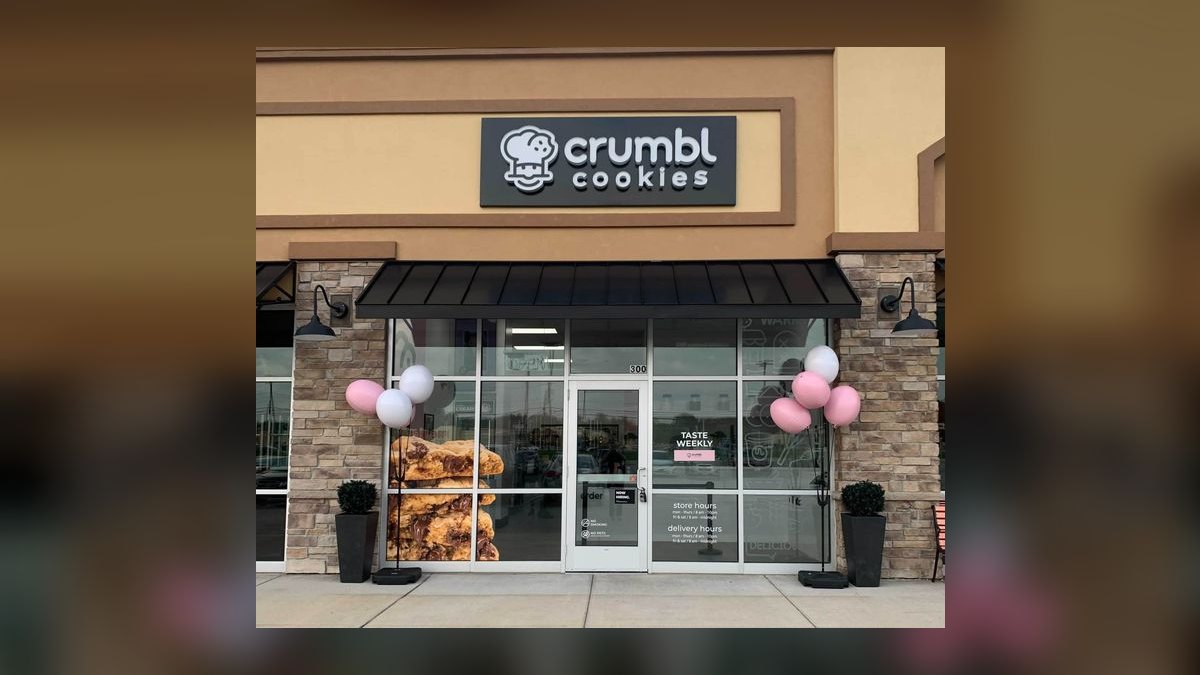
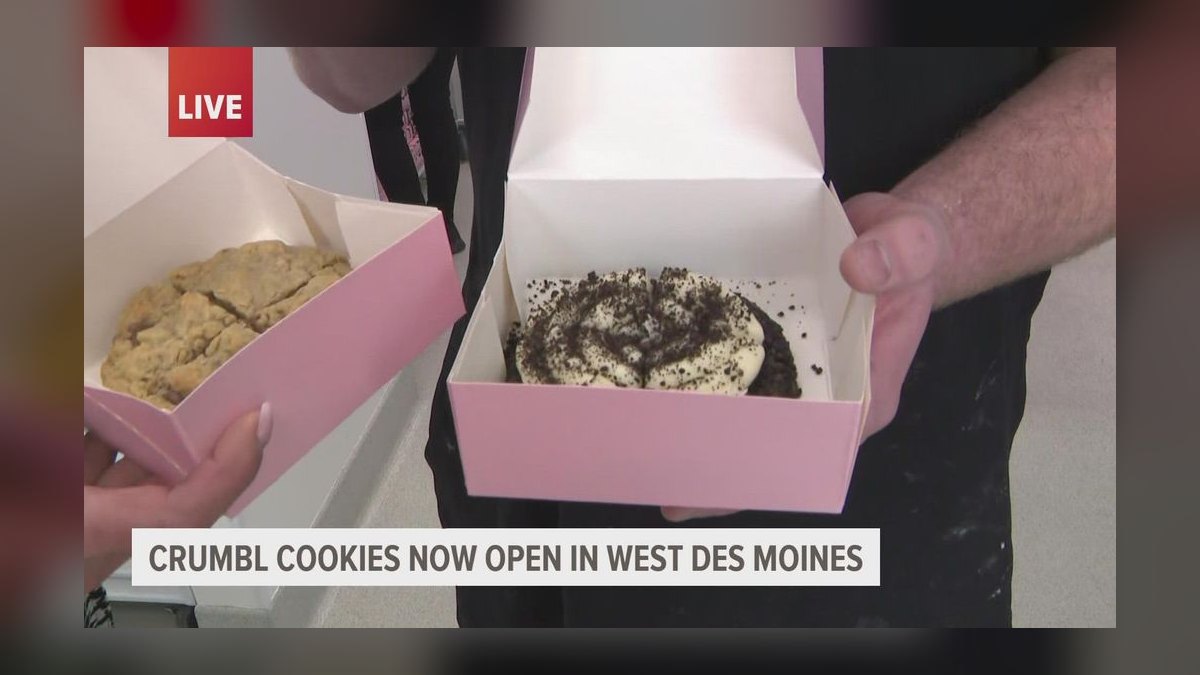
Kilwins Chocolates, Fudge & Ice Cream — adds ice cream and brittle SKUs, system AUV $700K-$1.1M per their 2025 FDD, $430K-$770K all-in, royalty 5%. Better economics, similar concept, 191 locations. Lolli & Pops — boutique candy retailer, mall-leaning, currently closed-system corporate-owned but watch for 2027 re-franchising. Independent chocolatier with a private-label co-pack agreement through Madelaine Chocolate or Astor Chocolate — keeps 100% of margin, costs $120K-$280K all-in, no royalty, no mandatory factory purchases. Cinnabon multi-unit — $307K-$649K all-in, AUV $840K, faster ticket velocity. Crumbl Cookies — $255K-$691K all-in, AUV $1.4M per 2025 FDD Item 19, but saturated by 2027 and royalty is 8% + 2%.
FAQ
What is the total investment range for a Rocky Mountain Chocolate Factory franchise in 2027? Based on the 2026 FDD Item 7, all-in startup costs range from roughly $203,000 for a kiosk up to about $622,000 for a full store. This includes the $35,000 franchise fee for a Store, plus equipment, build-out, inventory, and initial marketing. Actual costs depend on location size, lease terms, and local construction prices.
How much money can I expect to make in the first year? A realistic Year-1 owner cash flow for a Store doing around $450,000 in sales is between $35,000 and $75,000. System-wide average gross sales are approximately $462,000 to $555,000, with a median closer to $430,000. Many operators earn less than a regional Cinnabon, so profits are modest.
What are the ongoing royalty and marketing fees? You pay a 5% royalty on gross sales and a 1% marketing fund contribution. These fees are standard in the franchise industry, but combined they reduce your margin significantly. On $450,000 in sales, that’s $27,000 annually just in royalties.
How long does it take to break even or get my money back? Payback period is typically 5 to 8 years. This is longer than many quick-service franchises because the upfront investment is moderate but the cash flow is thin. It’s not a fast-return business—it works best as a long-term lifestyle-plus-real-estate play.
Do I need to own the real estate to make this work? It’s strongly recommended. The franchise economics are middling unless you already own prime retail space (mall, resort, airport, or tourist downtown) or can secure below-market rent under $4,500 per month. Without that, the rent eats into already slim margins.
Is the chocolate quality worth the investment? Yes, the chocolate is real and high-quality, which helps with repeat customers and brand loyalty. However, the unit economics remain average—great product doesn’t guarantee great profits. The business is more about location and real estate value than the candy itself.
Bottom Line
Rocky Mountain Chocolate Factory is a 45-year-old brand with real product quality, a distinctive copper-kettle retail experience, and a franchisor in mid-turnaround. Unit economics are middling-to-thin: median franchisee clears $40K-$80K SDE on $430K-$500K gross, and payback runs 5-8 years. The franchise works for three buyer types: tourist-real-estate owners eliminating the rent line, multi-unit operators in resort corridors, and husband-wife teams willing to grind 60 hours/week. It does not work for absentee owners, suburban-mall newcomers, or buyers with under $250K liquid. In 2027, run the 90-Day Decision Tree with a hard walk-away if site rent exceeds 12% of projected gross. Consider Kilwins as the direct comparable with better Item 19 numbers, or a private-label co-pack independent if you want to keep the franchisor's 12-15% margin take.
Sources
- Rocky Mountain Chocolate Factory Franchise Review 2026 — Franchise Chatter
- Rocky Mountain Chocolate Factory Franchise Costs + Fees + FDD — Franchise Direct
- RMCF Franchise Cost, Fees, Opportunities 2026 — Franchise Gator
- Rocky Mountain Chocolate Factory FY2026 Form 10-K — SEC EDGAR
- Rocky Mountain Chocolate Factory Reports Fiscal Q4 and Full Year 2026 Results — GlobeNewswire June 2026
- Rocky Mountain Chocolate Factory Q3 FY2026 Results — RMCF Investor Relations
- 34 New Store Commitments — RMCF Press Release November 2025 via Stock Titan
- Entrepreneur Franchise 500 — Rocky Mountain Chocolate Factory 2026
- IBISWorld — Chocolate & Candy Stores in the US, 2026 Industry Report
- ICE Futures US — Cocoa Futures Historical Pricing 2024-2026
- CoStar Q1 2026 US Retail Market Outlook — Mall Foot Traffic Trends
- US Travel Association — 2027 Domestic Travel Forecast
Related on PULSE
- Should I open or buy a Mountain Mike's Pizza franchise in 2027?
- Should I open or buy an Old Spaghetti Factory franchise in 2027?
- Should I open or buy a Pizza Factory franchise in 2027?
- Should I open or buy a Smoothie Factory franchise in 2027?
- Should I open or buy a Philly Pretzel Factory franchise in 2027?
- Should I open or buy a Closet Factory franchise in 2027?
This page will be disappearing soon. Save it to your device for $1 — or read it free while it is here.
@Kory-White- · if Venmo asks, the last 4 of my number are 2012
This page is gone.
This one is off the shelf now. $1 keeps it on your phone for good — the whole page, pictures and diagrams included.
 franchiseShould I open or buy a Yard House franchise in 2027?
 frShould I open or buy a McDonald's franchise in 2027?
 franchiseShould I open or buy an All My Sons Moving & Storage franchise in 2027?
 franchiseShould I open or buy a Cooper's Hawk Winery & Restaurants franchise in 2027?
 franchiseShould I open or buy Cinnabon franchise or open an independent sandwich shop in 2027?
 franchiseShould I open or buy an Andretti Indoor Karting franchise in 2027?
 franchiseShould I open or buy a Playa Bowls franchise in 2027?
 franchiseShould I open or buy a Bibibop Asian Grill franchise in 2027?
 franchiseShould I open or buy a Garbanzo Mediterranean Fresh franchise in 2027?
 franchiseShould I open or buy a 1-800-GOT-JUNK franchise in 2027?