
Should I open or buy an Image Studios franchise in 2027?
 Curated byKory White · Fractional CRO · Maryland
 PULSEKNOWLEDGE LIBRARY
Quality
Certified
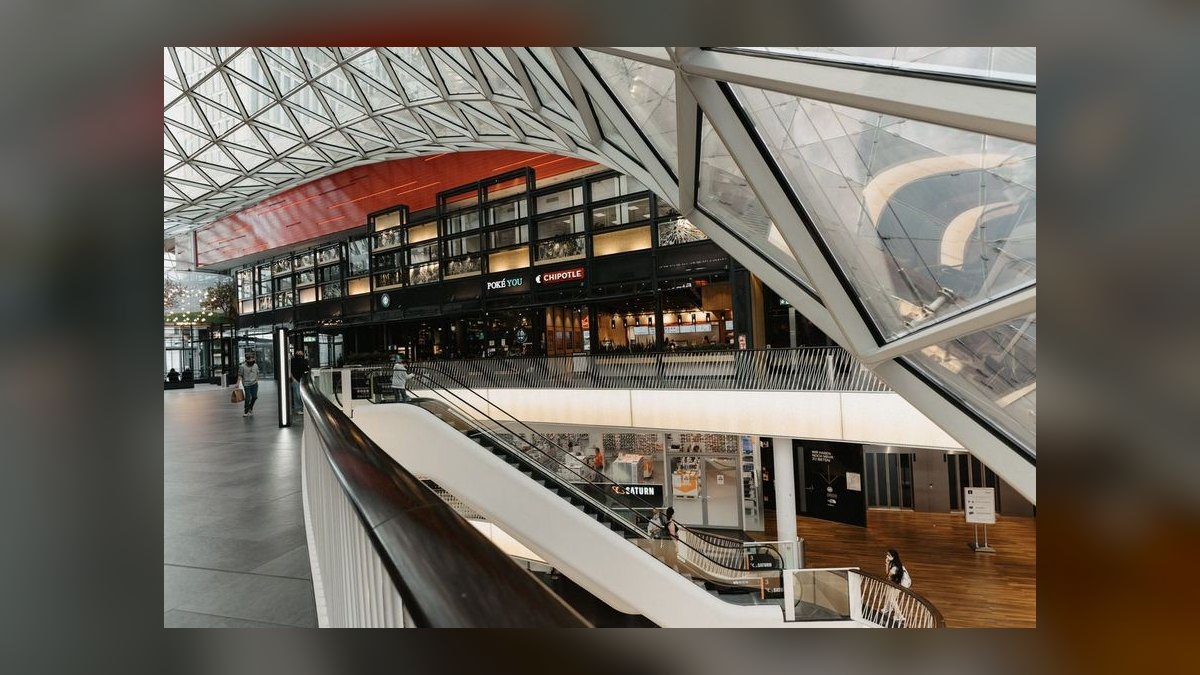
Buy or open an Image Studios franchise only if you treat it as commercial real estate, not beauty. The salon-suite model rents private studios to independent professionals, producing recurring rent with minimal labor — but it demands roughly $700K–$1.5M, a beauty-professional-dense market, and relentless occupancy management. Weak leasing execution turns fixed rent into losses fast.
What a salon-suite franchise actually is, and why the model behaves like a landlord business
Image Studios franchises salon-suite facilities. The franchisee takes a commercial box — typically 5,000 to 12,000 square feet in a retail or mixed-use center — and builds it into individual private studios, often 15 to 40 or more, each leased to an independent beauty professional. Hair stylists, colorists, estheticians, nail technicians, lash artists, barbers, and increasingly injectors and permanent-makeup artists rent those suites on recurring terms and run their own books, their own pricing, their own clientele, and their own product lines.
That single structural fact reorganizes everything else about the business. You are not selling haircuts. You do not employ stylists, do not set service menus, do not manage a front desk booking flow, and do not carry the payroll or the commission-split arguments that define a traditional salon. Your revenue line is rent. Your customer is the beauty professional, not the end consumer sitting in the chair. Your operating problem is occupancy, retention, and facility condition — the same problem set a self-storage operator, a flex-office landlord, or a small multi-tenant industrial owner wakes up to every morning.
This matters enormously for how you should underwrite the deal. A service franchise lives or dies on same-store sales, ticket average, and labor efficiency. A suite franchise lives or dies on leased-suite count multiplied by weekly rate, minus a mostly fixed cost stack. Because the cost stack is fixed and the revenue is per-suite variable, the model has ferocious operating leverage in both directions. Every incremental suite you lease past break-even drops nearly its entire rent to the bottom line, since your master lease, utilities, insurance, and management overhead barely move. Every empty suite bleeds at close to its full rate, because you are still paying the landlord for that square footage whether a stylist is in it or not.
The demand-side tailwind is real and worth naming precisely, without inflating it. Beauty professionals have been shifting from employee and commission arrangements toward booth rent and suite rent for well over a decade. The suite offers privacy, retail freedom, scheduling control, and a professional-looking environment that a booth in an open salon cannot match. Independent professionals who have built a personal brand on social platforms increasingly want a room that photographs well and a door that locks. That is the structural demand your facility is monetizing.

The counterweight is that this is a capital-intensive, lease-encumbered business with a slow start. You sign a long-term master lease — commonly ten years with options — build out expensive plumbing, electrical, and ventilation infrastructure, and then spend months filling rooms one professional at a time. The RevOps framing is useful here: your funnel is a leasing funnel, your pipeline is prospective tenants, your churn metric is suite turnover, and your unit economics are net effective rent per suite. If that language feels natural to you, you will probably run this business well. If it feels foreign, the semi-absentee promise will not save you.
Where the model sits among adjacent recurring-space businesses
It helps to place Image Studios in a category rather than evaluating it in isolation. Salon suites belong to a broader family of subdivided-space businesses: self-storage, flex office and coworking, small-bay industrial, commissary kitchens, photography and podcast studios, medical and wellness suites, and even indoor climate-controlled RV or boat storage. All of them convert one master lease or one mortgage into many small recurring leases, and all of them have the same core metric — occupancy against a fixed carry.
The differences are instructive. Self-storage has near-zero tenant improvement cost per unit and almost no tenant service expectation, but it also has thin rents per square foot and heavy competition from institutional operators. Coworking carries much higher churn and a brutal 2020-era reputation among lenders. Salon suites sit in a favorable middle: rents per square foot are high relative to storage because the tenant is running a revenue-generating business inside the room, tenant tenure is often measured in years because moving means moving a client book, and the buildout, while expensive, creates a switching cost that stabilizes the roster.

That switching cost is the quiet asset in this model. A stylist with 200 regular clients who has spent two years training those clients to walk through your door at a specific address does not casually relocate. Client-book gravity is the retention mechanism, which is why mature suite facilities can hold occupancy in the high eighties or low nineties for extended stretches once they stabilize. Your job in years one and two is to survive long enough to reach that stable state.
The comparable-industry lens also tells you where the model breaks. Any subdivided-space business fails when the submarket has more supply than tenant demand, when the operator underprices the buildout, or when the operator treats leasing as a passive activity. Those are the same three failure modes you should stress-test here.
The step-by-step process from first FDD download to stabilized occupancy
The sequence below is the realistic path. Compressing it rarely works, because the buildout and the leasing ramp both have hard physical floors.
Phase one — document review, roughly three weeks. Request the current Franchise Disclosure Document and read Items 5, 6, 7, 11, 12, 19, and 20 in that order. Item 7 gives the investment range. Item 6 gives royalty and marketing fee structure. Item 12 defines your protected territory, which for a facility business is the single most consequential clause in the agreement — a two- or three-mile radius means something entirely different in dense urban geography than in a spread suburban county. Item 19, if the franchisor provides a financial performance representation, is where any revenue framing must come from. Item 20 gives you the outlet table: openings, closures, transfers, and terminations by year. A rising transfer or termination count is worth a direct conversation.

Phase two — franchisee validation calls, roughly three to four weeks. Work the referral list. Ten or more conversations is a reasonable target; five is not enough to distinguish signal from personality. Ask each owner four numeric questions: occupancy at month twelve, month twenty-four, and today; actual all-in buildout cost versus the Item 7 estimate; months from opening to positive cash flow; and current average weekly suite rate. Then ask two qualitative ones: what surprised you about construction, and what does corporate actually do for you that you could not do alone. Owners are generally candid about construction overruns and less candid about their own leasing weaknesses.
Phase three — market and site validation, three to four weeks. This is where deals should die if they are going to. You are testing whether enough independent beauty professionals exist within a reasonable commute of your site to fill your suite count several times over, because you will need to replace tenants continuously. Count competing suite facilities within a five-mile radius, including independents and other brands. Walk them at 10 a.m. on a weekday and count occupied rooms. Check state cosmetology licensing rolls for professional density if your state publishes them. Look at the traffic patterns, parking ratio, and visibility of your candidate space — suite tenants care intensely about client parking, because their clients complain to them, not to you.
Phase four — lease negotiation and financing, four to eight weeks, often overlapping. Salon suites need plumbing to many rooms, upgraded electrical, and real ventilation. That drives tenant improvement cost, which means you should negotiate hard for a landlord TI allowance and free rent during construction. A landlord who understands the concept will often contribute meaningfully, because a suite facility is a stable, long-tenure anchor for a center. SBA 7(a) financing is the common structure for a deal of this size, and lenders will underwrite your liquidity, credit, and any prior real estate or operating experience.

Phase five — construction, three to five months. Permitting is the variable that blows schedules. Plumbing plan review for a multi-room wet facility can take longer than the framing itself in some jurisdictions.
Phase six — pre-leasing, overlapping construction. This is the step new owners most often start too late. You should be signing suite leases before drywall is finished. Run the funnel like a sales pipeline: build a prospect list from social platforms where local professionals post their work, from booth-rent salons in the area, and from cosmetology school graduating classes. Offer hard-hat tours. A facility that opens at 40 percent leased on day one is in a fundamentally different financial position than one that opens empty.
Phase seven — lease-up and stabilization, six to eighteen months. Occupancy climbs in steps, not a smooth curve, because referrals cluster — one respected stylist brings three friends.
Costs, timelines, and the ranges you should actually model
Treat every number below as a planning range to be replaced by the current FDD and your own contractor bids. Franchisors update Item 7 annually, construction costs vary enormously by market and labor availability, and nobody can promise you a result.

The investment stack for a facility of this type breaks down into recognizable buckets. The initial franchise fee for salon-suite brands generally sits in the tens of thousands. Leasehold improvements are the dominant line by a wide margin — subdividing an open box into individual rooms with plumbing, dedicated electrical, HVAC balancing, sound isolation, and code-compliant egress is genuinely expensive per square foot, considerably more than a retail or office fit-out of the same size. Fixtures and equipment cover suite mirrors, cabinetry, styling chairs and shampoo stations where provided, plus common-area furnishings, laundry, break room, and restrooms. Signage runs to brand specification. Technology covers access control, billing, and management software. Then working capital, which must be sized for the lease-up period rather than for a normal operating month.
That working capital line is where most underwriting goes wrong. Model it against the gap between full fixed carry and partial rent collection for the entire ramp, not for ninety days. If your monthly fixed cost is meaningful and you expect to be well below break-even occupancy for the first two or three quarters, the cumulative shortfall is the real number you need in the bank. Add a contingency on top for construction overrun and permit delay, both of which are near-universal.
On the revenue side, the arithmetic is refreshingly simple: suites times weekly or monthly rate times occupancy, plus any ancillary income from laundry, product sales to tenants, vending, or premium suite upcharges. Rates vary substantially by metro, suite size, and whether the suite includes plumbing. A double or corner suite with a window commands a premium and leases first; interior single suites lease last and are the ones that sit empty in a soft market. Price them differently from day one rather than discovering the difference later.

Your expense stack is dominated by base rent and CAM under the master lease, then utilities — which are higher than a comparable office because of water, hot water heating, and ventilation load — then insurance, common-area maintenance and cleaning, the royalty and marketing fee on gross revenue, property management or a part-time leasing person, software, and repairs. Suite facilities generate a steady trickle of small maintenance calls: a shampoo bowl clogs, a door lock fails, a stylist trips a breaker with a new dryer.
On timeline, plan roughly two to three months of diligence, one to two months for lease and financing, three to five months of construction, and six to eighteen months to stabilized occupancy. Positive cash flow typically arrives somewhere in the middle of the lease-up ramp, once leased suites cover fixed carry. Full recovery of invested capital is a multi-year proposition, and any model that shows it happening quickly is assuming a lease-up curve that rarely occurs in practice.
A note on buying an existing location versus opening a new one. Resale of a stabilized unit costs more up front but eliminates the two most dangerous variables: construction risk and lease-up risk. You are buying a rent roll with demonstrated occupancy history, which is exactly what a lender likes to see and exactly what an inexperienced operator most needs. Review the actual rent roll suite by suite, note tenure per tenant, look at trailing twelve-month occupancy rather than a snapshot, and check how many leases are month-to-month versus term. A facility at 90 percent occupancy where two-thirds of tenants are month-to-month is far riskier than one at 80 percent on annual terms. If you have never built out commercial space and never leased anything, a resale is usually the better first deal even at a premium multiple.
Where owners get this wrong
Treating semi-absentee as absentee. The model requires meaningfully less time than running a service business, but "less" is not "none." Leasing is a continuous sales function. Somebody has to answer inquiries the same day, run tours on evenings and weekends when working stylists are free, follow up with prospects who ghosted, handle move-ins, and chase late rent. Owners who buy the semi-absentee framing literally and check in monthly watch occupancy erode one suite at a time, because a vacancy that takes six weeks to fill instead of two costs a full month of rent every single time.

Starting the leasing funnel after construction ends. Pre-leasing is the single highest-leverage activity in the entire project and it costs almost nothing. Every suite leased before opening removes a month of negative carry.
Underestimating buildout and skipping contingency. Plumbing runs to twenty-plus rooms, ventilation for chemical services, and electrical capacity for high-draw appliances are not standard retail fit-out items. Get real bids from contractors who have built this specific product type, not a general estimate per square foot. Then add contingency, because permits will slip.
Choosing a site by rent instead of by professional density and parking. A cheap site in a low-density submarket is the most expensive mistake available in this business, because the fixed carry lasts ten years and you cannot lease your way out of an absent tenant pool.

Ignoring tenant mix and treating all suites as interchangeable. A well-run facility curates. Too many stylists doing the same service at the same price point creates internal competition and churn. A mix of hair, color, nails, lashes, brows, esthetics, and barbering creates cross-referral inside the building, which raises everyone's income and directly raises your retention. Some operators go further and limit how many of a given specialty they will host, exactly the way a mall curates category exclusivity.
Under-serving the tenants. Your tenants are business owners with options, and they talk to each other constantly. Slow maintenance response, a dirty common area, a broken washer, or bad parking enforcement will circulate through the local professional network within days. Retention is cheaper than acquisition in a suite facility by a wide margin — replacing a tenant costs vacancy weeks plus leasing effort plus turnover cleaning.
Failing to raise rent. Owners who never escalate rates find themselves five years into a ten-year master lease with rising CAM and flat revenue. Modest, predictable annual escalations written into the suite lease are easier to sustain than an occasional large jump that triggers a wave of departures.
Not modeling the downside. Run the scenario where occupancy sits well below your plan for eighteen months and confirm you can fund it. If that scenario ends the business, the deal is too big for your balance sheet regardless of how attractive the upside looks.

Decision framework: when this is the right deal, and when to choose something else
Work through the gates in order, and stop at the first one you fail.
Capital gate. Can you fund the full Item 7 range plus a working-capital reserve sized for a slow ramp, without depending on the business to service your personal expenses in year one? If not, this deal is not for you at this size. A smaller facility, a resale, or a partnership is the alternative.
Market gate. Does the submarket contain enough independent beauty professionals to fill your suite count several times over, and is the existing suite supply visibly full rather than half-empty? Walk the competition before you sign anything.

Role gate. Are you willing to be a landlord and a leasing salesperson? Not a stylist, not a salon manager — a landlord. If you want to be involved in the craft, this is the wrong business and a traditional salon or a booth-rent shop is the better fit.
Structure gate. New build or resale? If you have prior commercial construction or multi-tenant leasing experience, a new build in a strong market captures more value. If you do not, a stabilized resale de-risks the two variables most likely to hurt you.
Brand gate. Compare the leading salon-suite brands on the things that actually differ: territory size and protection, royalty and marketing fee structure, transfer and renewal terms, required suite count, and the depth of the tenant-recruiting support. Franchise fees converge; territory rights and exit terms do not.
If you fail the market gate but pass the others, the adjacent plays are worth serious thought. Another subdivided-space business — self-storage, small-bay flex industrial, a commissary kitchen, or medical and wellness suites — may fit the same capital, the same landlord temperament, and the same recurring-rent thesis in a submarket where the beauty-professional pool is too thin. If you fail the capital gate but pass the rest, consider partnering into a single unit as a minority investor to learn the operating rhythm before committing to your own.
Related questions
How is a salon-suite franchise different from owning a traditional salon?
You collect rent instead of service revenue, employ almost no one for service delivery, and carry no commission structure. Your risk shifts from labor management and consumer demand to occupancy and fixed lease carry. Upside is steadier; ceiling per location is capped by suite count.
Can I really run this semi-absentee?
Partly. Once stabilized, weekly time commitment is modest — leasing follow-up, maintenance oversight, financial review. During construction and lease-up it is close to a full-time job. Most owners hire a part-time leasing person and a maintenance contact rather than doing everything themselves.
What single metric predicts profitability?
Stabilized occupancy against break-even occupancy. Because costs are largely fixed, the spread between those two numbers is nearly pure profit. Know your break-even suite count before signing the lease, and track leased suites weekly thereafter.
Is buying an existing location better than opening a new one?
Usually, for a first-time owner. A resale removes construction and lease-up risk and comes with a verifiable rent roll. You pay a premium for that certainty. Scrutinize tenant tenure, lease terms, and trailing occupancy rather than a single snapshot number.
What kills these locations?
Thin local professional density, a site chosen on cheap rent, buildout overruns that drain the reserve, and passive leasing. Any one of those can be survived; two together in the first eighteen months usually cannot.
FAQ
Do I need beauty industry experience to open an Image Studios franchise?
No. The operating skills are commercial leasing, facility management, and local marketing. That said, credibility with your tenant base matters — professionals can tell within one conversation whether you understand their business. Spending time in salons and suite facilities before you buy is worth more than any formal credential.
How long until the location is cash-flow positive?
It depends entirely on the lease-up curve. Cash flow turns positive once leased suites cover fixed carry, which for most facilities happens somewhere in the middle of the ramp rather than at opening. Model conservatively, fund the gap, and treat any faster result as upside rather than as the plan.
How is the franchise fee structured on an ongoing basis?
Salon-suite franchisors typically charge a royalty as a percentage of gross revenue plus a separate marketing or brand fund contribution. Because your gross is rent rather than service revenue, that percentage applies to a relatively predictable base. Confirm the exact structure, the calculation base, and any minimum in the current FDD.
What happens when a tenant leaves mid-lease?
You market the suite, run tours, and fill it. Turnover is normal and continuous, which is why a standing waitlist is the single best defense. Keep a prospect list warm even at full occupancy — the operators who fill vacancies in two weeks instead of eight are the ones who never stopped recruiting.
Should I sign a personal guarantee on the master lease?
You will almost certainly be asked to, and for a first location you should expect it. Negotiate its scope — a burn-off provision that reduces the guarantee after a set number of on-time payment years, or a capped dollar exposure, is a common and reasonable ask. Have a commercial real estate attorney review the lease, not just the franchise agreement.
How does this compare to other salon-suite brands?
The models are structurally similar across the category, so compare on specifics: territory size and protection, royalty and marketing fee, minimum suite count, buildout standards, transfer and renewal terms, and how much real tenant-recruiting help corporate provides. Talk to franchisees from at least two brands before deciding.
Sources
- https://www.ftc.gov/business-guidance/resources/franchise-rule-compliance-guide
- https://www.sba.gov/funding-programs/loans/7a-loans
- https://www.bls.gov/ooh/personal-care-and-service/barbers-hairstylists-and-cosmetologists.htm
- https://www.franchise.org/
- https://www.entrepreneur.com/franchises
- https://www.ibisworld.com/united-states/market-research-reports/hair-nail-skin-care-services-industry/
- https://www.probeauty.org/
- https://www.irs.gov/businesses/small-businesses-self-employed/independent-contractor-self-employed-or-employee
- https://www.sba.gov/business-guide/manage-your-business/buy-assets-equipment
Related on PULSE
- [Should I open or buy a Sola Salon Studios franchise in 2027?](/knowledge/q14817)
- [Should I open or buy an Image Studios 360 franchise in 2027?](/knowledge/q15503)
- [Should I open or buy an Ideal Image franchise in 2027?](/knowledge/q15303)
- [Should I open or buy a KidStrong franchise in 2027?](/knowledge/q15519)
- [Should I open or buy an Oxi Fresh Carpet Cleaning franchise in 2027?](/knowledge/q15520)
This page will be disappearing soon. Save it to your device for $1 — or read it free while it is here.
@Kory-White- · if Venmo asks, the last 4 of my number are 2012
This page is gone.
This one is off the shelf now. $1 keeps it on your phone for good — the whole page, pictures and diagrams included.
 pulse-qShould I open or buy a Junk Doctors franchise in 2027?
 pulse-qShould I open or buy a Buca di Beppo franchise in 2027?
 pulse-qHow Many Employees Should I Schedule Each Shift at My Martial Arts Studio in 2026?
 pulse-qShould I open or buy a Blo Blow Dry Bar franchise in 2027?
 pulse-qHow do you rebuild a sales team's trust in the forecast after a mid-year CRM migration corrupts historical pipeline data in 2027?
 pulse-qShould I open or buy a Celebree School franchise in 2027?
 pulse-qHow do you handle a rep who sandbags their pipeline to avoid quota increases in 2027?
 pulse-qShould I open or buy a Glory Days Grill franchise in 2027?
 pulse-qShould I open or buy a Krispy Kreme franchise in 2027?
 pulse-qShould I open or buy a Golden Corral franchise in 2027?