

How do you start a microgreens farming business in 2027?
 Curated byKory White · Fractional CRO · Maryland
Quality
Certified

Start a microgreens farming business in 2027 by treating it as a B2B sales operation that happens to grow plants: register with your state Department of Agriculture, build vertical racks in 200–500 square feet for $3K–$25K, then win 12–25 chef accounts before scaling trays. Growing is easy; selling perishable product weekly is the actual business.
The basement operator who grew perfectly and still lost money
Picture the most common failure pattern in this format. A founder spends four months researching, buys fifteen racks, LED fixtures, six hundred trays, and twenty-five pounds of seed across nine varieties. The grow room is immaculate. Germination rates hit ninety percent. Sunflower comes up thick and sweet, pea shoots hit five inches on day twelve, the red rambo radish is genuinely beautiful. And by month six the operation has burned through eighteen thousand dollars and is composting somewhere between forty and sixty percent of everything it grows.
Nothing was wrong with the farming. Everything was wrong with the sequencing. The founder built production capacity first and went looking for buyers second — which is precisely backwards for a product with a seven-to-ten-day shelf life from cut. Microgreens cannot be inventoried. There is no warehouse, no freezer, no "we'll move it next month." A tray that nobody bought on Thursday is a tray you throw away on the following Wednesday, and you have already paid for the seed, the medium, the electricity, the water, and your own labor.
Contrast that with the operator who inverts the order. Before buying a single rack, they spend six weeks walking into thirty-five restaurants within a fifteen-mile radius, mid-afternoon between lunch and dinner service, handing executive chefs and sous chefs a four-ounce sample of three varieties in a clean clamshell with a card listing variety, price per ounce, and a phone number. Ten of those chefs express real interest. Four commit to a standing weekly order pending a consistent supply. Only then does the founder buy racks — and they buy enough for the four committed accounts plus a twenty percent buffer, not enough for the imaginary twenty-five accounts they hope to have someday.
That second operator starts smaller, starts slower, and is profitable within the first year. The first operator has an impressive grow room and a spoilage problem. The structural lesson generalizes well beyond this niche: any perishable, relationship-sold, locally-delivered product — specialty bread, oyster mushrooms, cut flowers, cold-pressed juice — punishes the build-first instinct identically. Demand comes first, capacity follows demand, and the discipline of refusing to grow what you have not sold is the entire game.

The thing that makes microgreens seductive is also what makes them dangerous. The cycle from seed to sale is seven to twenty-one days instead of the sixty to one hundred eighty days a field vegetable takes. That compression means a mistake shows up fast — but it also means a bad assumption compounds fast. Fifty-two production cycles a year at forty percent waste is not a rough patch; it is a business model that has already decided to fail, it just needs a few more months to finish the paperwork.
How the operation actually works, end to end
The mechanism has four production phases and a parallel sales motion that has to run continuously alongside them. Founders who understand the grow cycle and neglect the sales cycle are the ones who fail.
Phase one is soaking and sowing. Large seeds — sunflower and pea shoots — get an eight-to-twenty-four-hour cool-water soak before sowing, which improves germination consistency and reduces mold risk. Small seeds like radish, broccoli, cilantro, and basil go in dry. Sowing density is variety-specific and unforgiving in both directions: roughly eight to twelve ounces of sunflower per 10x20 tray, eight to fourteen ounces of pea, one to two ounces of radish, under an ounce and a half of broccoli. Under-sow and you get a sparse tray with a yield that does not justify the shelf space. Over-sow and you get a dense mat that traps humidity, invites damping-off, and grows unevenly.

Phase two is blackout. Sown trays get covered to simulate underground germination, which forces root development before the shoot pushes up. Sunflower and pea take a two-to-four-day blackout with five to fifteen pounds of weight stacked on the cover tray, which encourages strong rooting and even emergence. Brassicas — broccoli, kale, cabbage, mustard, radish — take two to three days unweighted. Slow herbs like cilantro and basil need three to seven days. Any mold spotted during blackout means immediate tray discard and disinfection of neighbors, no negotiation.
Phase three is light. Trays move under fixtures at one hundred fifty to three hundred micromol per square meter per second of PPFD on a twelve-to-sixteen-hour photoperiod. This is dramatically less light than flowering crops require, which is why microgreens lighting capital is modest compared with other controlled-environment agriculture. Over twenty-four to seventy-two hours the pale yellow shoots green up and develop their final color and flavor. Daily checks cover water, mold inspection, and growth staging.
Phase four is harvest at first true leaf — cotyledons fully expanded with the first true leaves emerging. Sunflower comes off at seven to ten days at two to four inches; pea at ten to fourteen days at three to five inches; radish at seven to ten days; broccoli at eight to twelve; cilantro and basil stretch to fourteen to twenty-one days. Cut with sharp food-grade scissors above the medium, leave the roots in the tray for compost, inspect, dry gently, pack, and get the product to thirty-four to thirty-eight degrees Fahrenheit immediately. Temperature abuse above forty-five degrees during transport cuts effective shelf life by thirty to sixty-five percent, which is how a technically fresh product arrives at a chef's kitchen already half dead.
The sales motion running in parallel is the part nobody diagrams. Every week the operator is confirming next week's orders, responding to menu changes, chasing a receivable, and sampling two or three new prospects to replace the accounts that will inevitably churn. Chef account turnover runs fifteen to thirty percent annually from job changes, menu rewrites, and restaurant closures. An operator who stops prospecting once the book is full will watch it erode within eighteen months.

Real numbers: capital, yields, pricing, and what year one actually looks like
Startup capital splits into two honest tiers. A basement, spare room, garage, or heated shed build with one to fifteen racks runs $3,000 to $25,000 and supports roughly $15K–$45K of annual revenue. A real commercial grow room in light-industrial flex space, fifteen to forty-five racks across 500–1,500 square feet, runs $40,000 to $120,000 and supports $45K–$185K annually. Beyond bootstrap, the standard financing path is an SBA microloan, capped at $50,000, which fits the format almost exactly.
Rack economics are the whole reason this works in small footprints. A rack with a four-by-two-foot floor print occupies eight square feet but delivers forty square feet of grow surface at five tiers, forty-eight at six, fifty-six at seven. That five-to-seven-times leverage on floor area is what lets a 500-square-foot room out-produce a quarter acre of field greens on a per-dollar-of-rent basis. Commercial NSF wire and stainless racks run roughly $185–$985; food-grade purpose-built CEA racks run $385–$1,485; integrated systems with built-in lighting and irrigation run $1,485–$4,850. The used market — restaurant supply liquidations, Facebook Marketplace, exiting CEA operators — routinely yields serviceable racks at $85–$485.
Lighting is the second-largest capital line. LED fixtures run roughly $85–$485 in the budget-to-mid tier and $485–$1,850 for commercial-grade. A fifteen-rack, five-tier operation has seventy-five grow shelves; at mid-tier LED pricing that is roughly $14,000–$28,000 in fixtures. LEDs consume two-and-a-half to four-and-a-half times less energy than the T5 fluorescents they replaced and last fifty thousand to eighty thousand hours versus fifteen to twenty-five thousand, which typically pays back the fixture premium in fourteen to thirty months.

Trays are where founders make a false economy. Commodity 1020 trays at $1.25–$2.85 survive eight to twenty grow-and-sanitize cycles before cracking or warping. Heavy-duty food-safe trays at $4.85–$8.85 survive fifty to one hundred fifty. Amortize per cycle and the expensive tray is cheaper — and a cracked tray is not just a two-dollar loss, it is a micro-fissure harboring pathogen biofilm no sanitizer fully reaches. Worse, founders under-buy count. At any moment trays are in soak, blackout, light, harvest, wash, and dry stages simultaneously, so working inventory needs to be 2.5 to 3.5 times the active shelf count. A thirty-rack operation with one hundred fifty shelves needs three hundred seventy-five to five hundred twenty-five trays in rotation, not one hundred fifty. Under-buy and freshly harvested trays cannot be re-sown until they are washed, which stalls the entire cadence.
Seed and yield per tray, the numbers that drive the P&L:
| Variety | Cycle | Seed cost | Yield per 10x20 tray |
|---|---|---|---|
| Sunflower | 7–12 days | $4.85–$18.50/lb | 0.85–1.45 lb |
| Pea shoots | 10–14 days | $3.85–$12.50/lb | 0.95–1.65 lb |
| Radish | 7–10 days | $8.85–$28.50/lb | 0.45–0.85 lb |
| Broccoli | 8–12 days | $18.50–$45.85/lb | 0.35–0.65 lb |
| Cilantro | 14–21 days | $24.85–$65.85/lb | 0.25–0.45 lb |
| Basil | 12–21 days | $28.85–$85.85/lb | 0.18–0.35 lb |
| Amaranth | 8–12 days | $18.85–$45.85/lb | 0.25–0.45 lb |
All-in cost per tray — seed, medium, tray amortization, water, electricity, and allocated labor — lands at $1.50 to $4.85 at small-operator scale.

Pricing by channel varies four to seven times, which is why channel mix dominates the economics. Direct-to-chef wholesale runs $20–$45 per pound, or $1.25–$3.85 per ounce, or five to fifteen dollars per clamshell. Farmers-market retail runs $35–$60 per pound at four to eight dollars per two-to-three-ounce clamshell. CSA and subscription boxes run $20–$45 per box with four to eight ounces of mixed varieties. Grocery wholesale drops to $15–$28 per pound because chains take a thirty-five to fifty-five percent margin. Juice bars and meal-prep companies sit in between at $18–$32. Premium specialty varieties for high-end kitchens — cilantro, basil, shiso, sorrel, fenugreek — reach $60–$95 per pound.
Gross margin lands at sixty-five to eighty percent; net lands at twenty to thirty-five percent once labor and waste shrink are honestly accounted. Year one single-operator revenue realistically lands at $15,000 to $65,000, with $5,000 to $28,000 of owner net. Years three through five at mature scale in 200–1,500 square feet reach $75,000 to $185,000 revenue and $28,000 to $85,000 owner profit. Those are not disappointing numbers for a business you can start in a basement — but they are also not the six-figure passive income the YouTube tier implies.
Account math for the chef channel: a typical restaurant buys six to fifteen ounces per week at $1.50–$3.50 per ounce, which is nine to fifty-two dollars weekly per account. Twelve to twenty-five accounts produce $110–$1,300 per week from that channel alone. This is why the account count, not the rack count, is the number to watch.
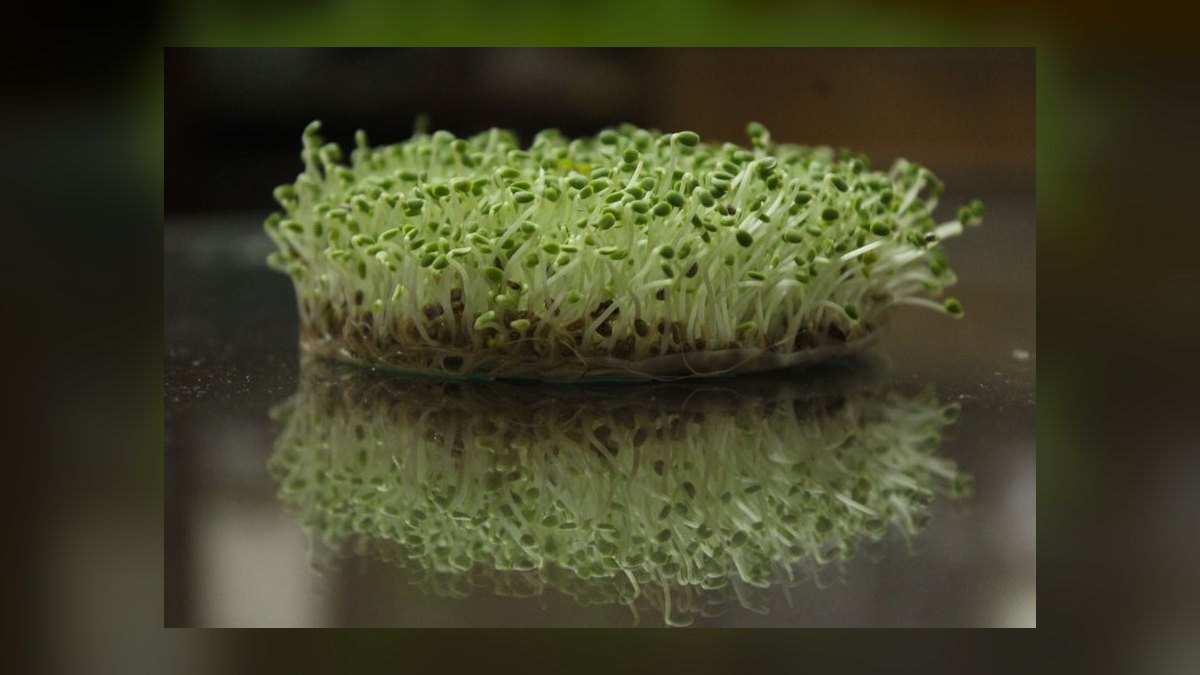
Operating costs that founders underestimate. Electricity is the big one: a thirty-rack LED operation running sixteen-hour photoperiods plus climate control typically runs $300–$900 per month at commercial rates of roughly eleven to eighteen cents per kilowatt-hour, spiking in summer when air conditioning load stacks on top of lighting. Model the full-rack-count bill before signing a lease, and confirm the electrical panel can carry it — a residential 100A or 200A service frequently cannot support thirty racks of LED plus a mini-split. Water, by contrast, is nearly free: rarely more than $50–$150 per month even at scale, because the cycle is short and bottom-watering is efficient. Insurance runs $2,500–$8,500 in year one for a single-operator farm and $8,500–$22,500 for an established operation with one to three employees.
Trade-offs: channel mix, media choice, and where scale stops paying
Channel mix is the highest-leverage strategic decision, and no single channel is correct. The durable blend for a maturing single-operator farm runs roughly forty to fifty-five percent direct-to-chef, twenty to thirty-five percent CSA and DTC subscription, fifteen to twenty-five percent farmers market, and zero to fifteen percent grocery or juice-bar wholesale.
The logic behind that mix: the chef channel pays the rent because it produces predictable, repeating, near-zero-marketing-cost volume once relationships are established. The CSA channel stabilizes cash flow with recurring revenue and sixty-five to eighty-five percent quarter-over-quarter retention. The farmers market earns the top margin and doubles as the primary CSA acquisition funnel — customers taste at the booth and subscribe on the spot. Grocery is the volume offload for surplus at the worst margin, used opportunistically rather than strategically.
Concentrating ninety percent of revenue in one channel means carrying that channel's specific risk undiluted. All-chef means every restaurant closure and chef departure lands directly on your revenue line. All-farmers-market means every rained-out Saturday is a lost week and every northern winter is a five-month drought. Diversification here is risk management, not revenue vanity.
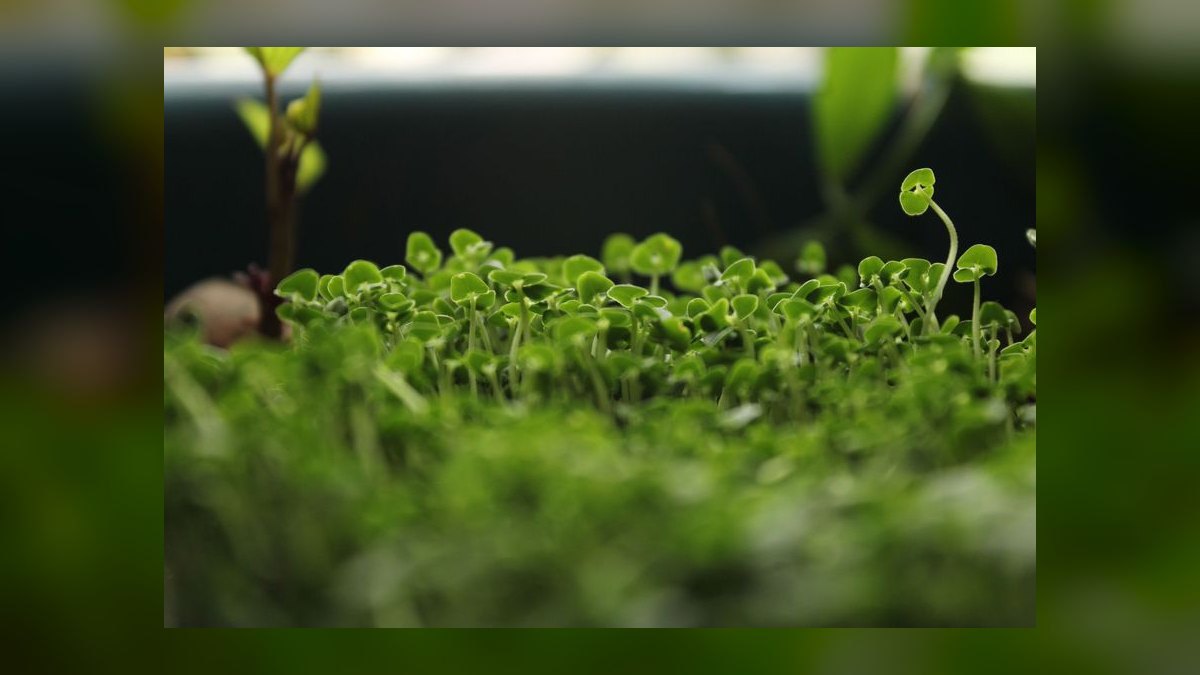
The chef channel is harder than it looks and worth it anyway. Sample-to-first-order conversion runs fifteen to thirty-five percent at upscale accounts; first-order-to-recurring conversion runs twenty-five to sixty-five percent over thirty to ninety days. Payment terms are the trap — net thirty to ninety is common in restaurant purchasing, and restaurant bankruptcies are common enough that carrying $2,000–$15,000 in receivables against independent kitchens is a real loss exposure. Require net-fifteen or cash-on-delivery for new accounts and graduate to net-thirty only after six-plus months of clean payment history.
Growing medium is a channel decision, not a horticulture decision. Fine-dining chefs will not tolerate a fleck of peat on a finishing garnish — for those accounts, hemp mat, biostrate, or Sure-To-Grow at $1.85–$8.85 per tray is effectively mandatory because the cut comes clean off a mat with no loose particles. For juice bars, smoothie shops, and grocery, where product is blended or bagged rather than plated, coco coir or Pro-Mix at $0.45–$2.85 is fine and the savings compound across thousands of trays. Run two media in parallel: premium clean-harvest mat for chef varieties, cheap medium for volume varieties. Running one medium "for simplicity" either overpays on volume or underdelivers on the accounts that pay best.
Washing versus not washing is a genuine fork. Washing removes debris and freshens appearance, but introduced moisture is the enemy of shelf life — wet microgreens decay markedly faster. Many experienced operators do not wash clean-harvest varieties grown on mats, preserving the full seven-to-ten-day window. Anyone who does wash must spin-dry thoroughly and confirm the product is genuinely dry before packing, or they are shipping decay. The food-safety subtlety cuts the same way: washing with potable water does not sterilize, and it can spread a localized contamination across an entire batch. Prevention upstream — clean seed, clean medium, sanitized trays — beats a post-harvest wash that shortens shelf life while creating a false sense of safety.
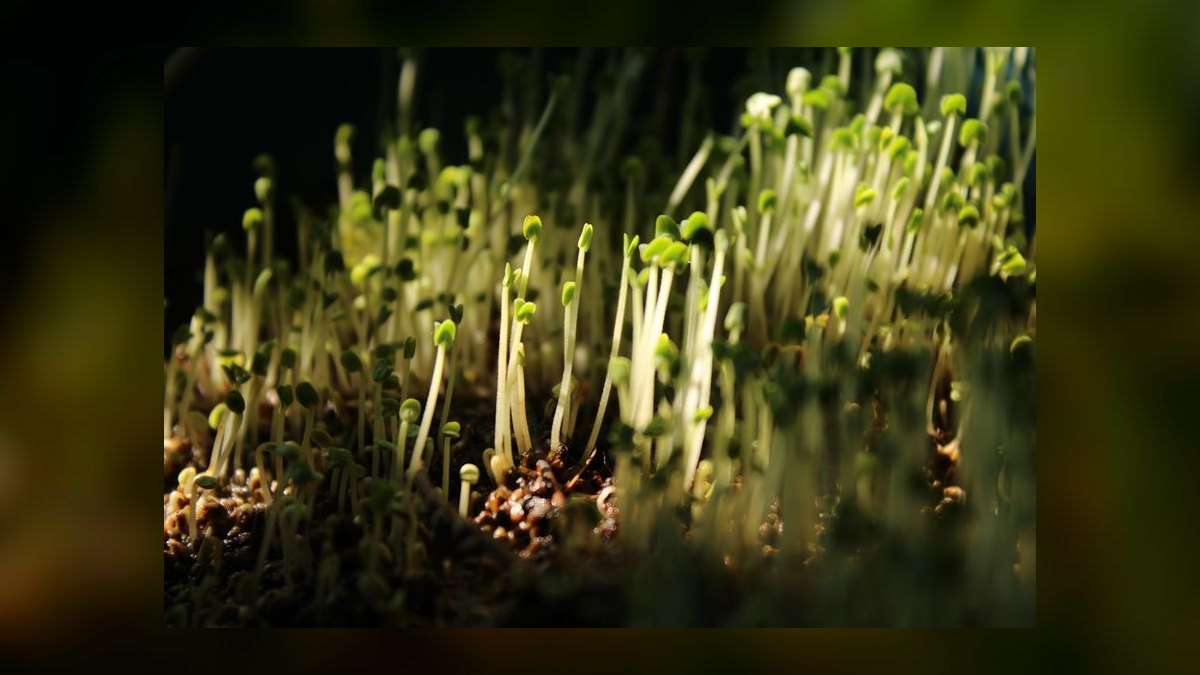
Where scale stops paying is a real ceiling, not a mindset problem. A solo operator can hand-harvest twenty-five to forty-five trays on a cut day with scissors before a harvester becomes worth its $185–$985. Self-delivery caps at twenty-five to sixty-five CSA boxes per route day, and eight to fifteen chef accounts per day on dense urban routes, four to eight suburban, two to five rural with long drive times. Crossing those ceilings means hiring — and the first W-2 employee triggers workers compensation in most states, payroll administration, and a supervision burden that materially changes the owner's job. Plenty of operators deliberately stop just below that line and optimize owner net instead of revenue, which is a legitimate strategy rather than a failure of ambition.
The macro trade-off worth internalizing: the capital-intensive end of controlled-environment agriculture has destroyed enormous value. AppHarvest, the Kentucky indoor tomato grower that went public via SPAC in 2021, filed Chapter 11 in July 2023. AeroFarms filed Chapter 11 in June 2023 and emerged that August. Local Bounti, the Montana CEA leafy-greens company, has traded down sharply since its own SPAC debut. The lesson for a small operator is not that indoor farming does not work — it is that the cost structures that killed those companies were massive facilities, automation capex, and national logistics. The microgreens micro-format sidesteps all three. It wins precisely because it stays small, local, and asset-light.
Pitfalls that end microgreens businesses, and the counters
Selling wholesale under a cottage food law. This is the most common legal mistake in the format. Cottage food laws were written for jams, baked goods, and direct farmers-market sales; they almost never permit wholesale to a restaurant or grocery store even when the product is identical. A farmer who lands three chef accounts while still operating under cottage-food cover is running an unlicensed wholesale food business, and a single complaint-driven inspection or illness investigation surfaces the gap immediately. The counter is cheap: register with your state Department of Agriculture as a farm or food producer from day one at $25–$400 per year, get any county environmental-health permit, and upgrade to full food-establishment permitting before the first wholesale invoice. Under FSMA's Produce Safety Rule at 21 CFR Part 112, operations under $25,000 in produce sales are fully exempt, those under $500,000 in total food sales selling mostly direct-to-end-user are qualified-exempt with modified labeling and basic recordkeeping, and everything above that is fully covered with water testing, sanitation SOPs, FSMA training, and two-year record retention. Microgreens, importantly, are not sprouts — they are cut above the medium and fall under the general rule rather than the sprout-specific Subpart M, which is a materially lighter regulatory load.
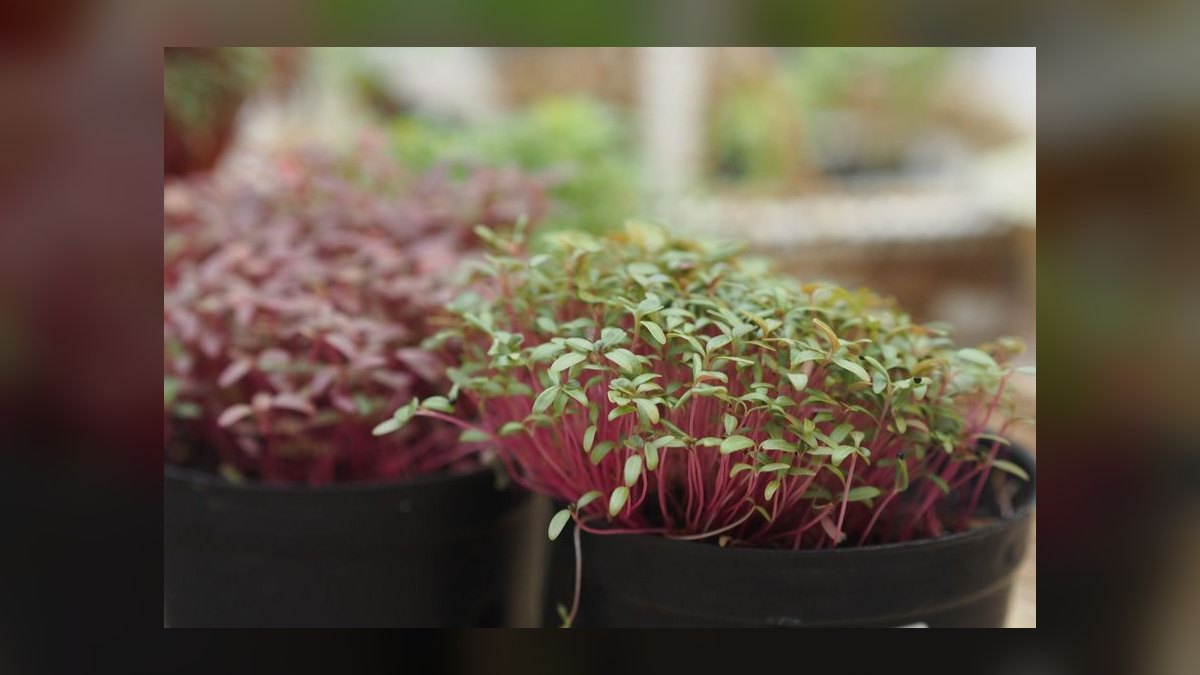
Mistaking root hairs for mold. New growers routinely discard perfectly healthy trays because they see fine white fuzz at the stem base. The test: root hairs are localized at the stem base and lie flat when misted, reappearing as fuzz when dry. Mold spreads as a web across the medium surface, stays fuzzy when misted, often carries an off color — gray, blue-green, black — and smells musty. An operator who cannot tell the difference either throws away good product or ships moldy product, and one of those is a business-ending mistake. Budget a deliberate training period: sow extra trays purely to watch healthy and diseased progressions side by side before customer orders depend on the judgment.
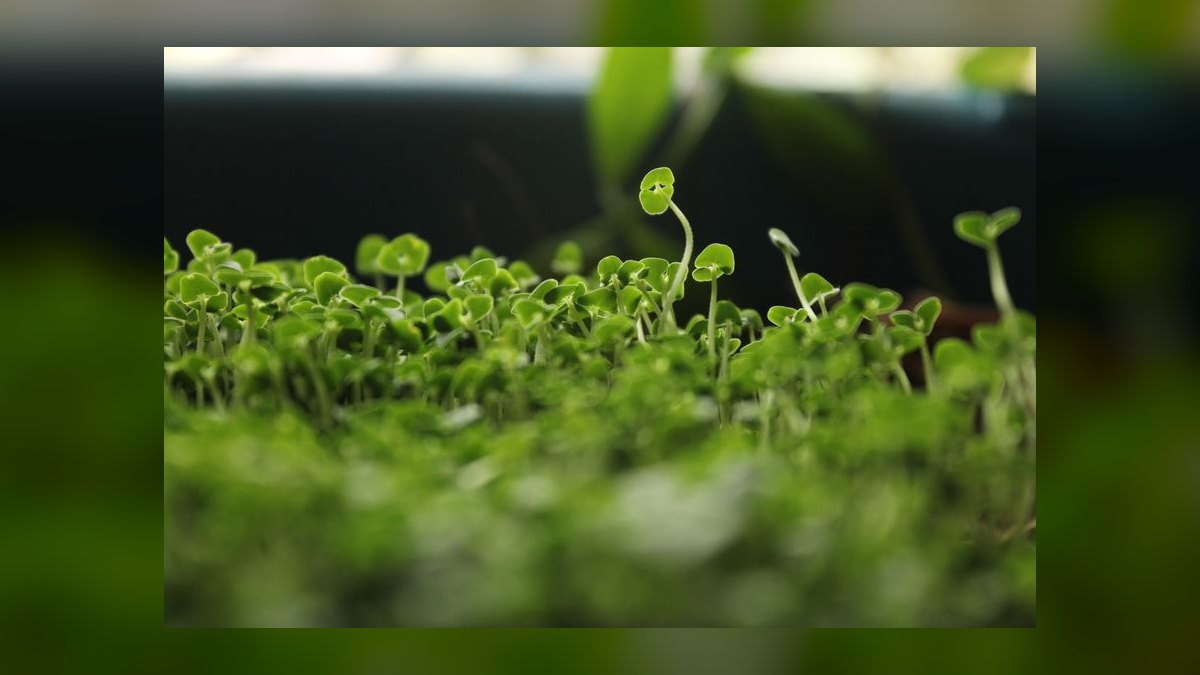
Rushing the between-cycle sanitize. The dramatic deep-clean is not where sanitation fails. It fails on the busy harvest day when an operator under chef-deadline pressure re-sows a tray that "looks fine." Pathogen biofilm survives on unsanitized trays and racks and reinfects the next crop, which is exactly how localized Pythium or Botrytis becomes facility-wide. Mold and root rot routinely destroy five to twenty percent of weekly production for undisciplined operators, with single bad-batch events at twenty-five to sixty-five percent when protocols collapse. The counter is structural rather than motivational: every tray washed and sanitized between every cycle with a food-grade peroxide sanitizer or a chlorine solution at 100–200 ppm available chlorine, and enough tray inventory that the operator never faces a choice between meeting a deadline and skipping a sanitize. Hold humidity at forty to sixty percent, run oscillating fans around the clock, bottom-water only, and inspect every tray daily. Sanitation that depends on "having time" fails on the exact day it matters most.
Running with no production buffer. A chef with a standing weekly order for eight ounces of pea shoots needs eight ounces every week, not eleven one week and four the next. Yield variance comes from seed-lot germination differences, sowing-density drift, environmental excursions, and bad-batch loss. Sow ten to twenty percent more trays than the committed order book requires; when the buffer is not needed to backfill, it becomes farmers-market or CSA product rather than waste. An operator who promises chefs more than guaranteed capacity will eventually short someone on a Friday before a busy weekend service, and that chef will remember it longer than any apology.
Storing seed badly. Germination degrades with time, heat, and humidity. A drop from ninety percent to seventy-five percent is a direct fifteen percent yield hit on every affected tray, and the decline is gradual enough that most operators never connect it to the cause. Store seed sealed, cool, dry, and dark — many operators dedicate a refrigerator — date lots on receipt and rotate first-in-first-out. Onion, leek, and some herbs degrade fastest and should be bought in small quantities and used within six to twelve months; sunflower and pea hold eighteen to twenty-four months under good storage. The bulk-buying discount that drops per-pound cost thirty-five to sixty-five percent is real, but it is not a discount if half the sack loses vigor in a warm garage.
Outgrowing the home-occupation permit without noticing. These permits typically cap the percentage of the residence used, restrict customer and delivery traffic, prohibit non-resident employees, and ban signage. An operation that grows from five racks in a spare bedroom to twenty-five across basement, garage, and shed — with a part-time harvest helper and a van leaving three mornings a week — has quietly outgrown it. Plan the commercial-facility transition before a zoning complaint forces it, typically around fifteen to twenty racks or the first non-resident employee. Light-industrial flex space at $0.85–$2.85 per square foot per month NNN resolves zoning, food-establishment permitting, and the cottage-food-to-wholesale transition in one move.
Sequencing the build-out backwards. Install climate control and electrical capacity first, then racks and lighting, then trays and media, and buy seed last — only four to six weeks' worth, because the variety mix shifts fast once chef feedback arrives. Founders routinely invert this because racks and seed feel like "the farm," then discover the panel cannot carry the lighting load and the retrofit costs multiples of what it would have upfront.
Treating traceability as bureaucratic overhead. Every tray should carry a lot code tied to seed lot, sow date, and variety, and that code should follow the product onto the clamshell or delivery bin. In a recall, the operator must identify within minutes which customers received affected product. A clean traceability log converts a potential business-ending event into a contained, professional recall — and grocery buyers increasingly require lot-level traceability as a condition of placement. The same discipline that makes RevOps teams instrument every stage of a pipeline applies here: the operator who cannot answer "which accounts got lot 0417?" does not actually have a business system, just a habit.
Underestimating the insurance gaps. Two bite hardest. General liability policies frequently exclude or sub-limit foodborne-illness claims, so confirm the policy explicitly covers contamination, allergen, and recall costs — a single claim, even a meritless one, generates $25,000–$150,000 in defense costs. And a founder delivering in a personal vehicle under a personal auto policy is simply not covered for a business-use accident; a business-use endorsement at $200–$600 per year closes it. Add workers compensation the moment a harvest helper works set hours with your tools under your direction, because that person is an employee by IRS and state-labor tests regardless of what the invoice says.
Related questions
Are microgreens actually profitable, or is that a YouTube myth?
Profitable but modest. Gross margin genuinely runs sixty-five to eighty percent and net twenty to thirty-five percent, but year-one owner net realistically lands at $5,000–$28,000 and mature scale at $28,000–$85,000. The margins are real; the six-figure passive-income framing is not.
Do I need organic certification to sell to restaurants?
No, but it helps at the fine-dining tier. USDA NOP certification costs $400–$1,500 annually through an accredited agency. Critically, you cannot legally use the word "organic" on a label or in marketing without it — that is a labeling violation. Build with certified-organic seed from day one if you want the premium.
How much space do I actually need to start?
Two hundred to five hundred square feet supports one to fifteen racks and $15K–$45K of annual revenue. Vertical stacking gives five-to-seven-times leverage on floor area, so a spare bedroom or basement corner is genuinely viable for a first year.
What is the single biggest reason microgreens businesses fail?
Building production capacity before securing demand. With a seven-to-ten-day shelf life, unsold trays are pure loss — no inventory, no freezer, no second chance. Operators who sell first and build to committed orders survive; those who build first compost their capital.
Can I run this alongside a full-time job?
For the first year, plausibly — a five-to-ten-rack operation with one farmers market and a few chef accounts fits into evenings and weekends. Past fifteen racks the daily inspection, harvest, and delivery cadence becomes incompatible with a nine-to-five.
FAQ
How long does it take from sowing to first revenue?
The grow cycle itself is seven to twenty-one days depending on variety, so your first sellable product exists within three weeks of setup. Revenue depends entirely on whether accounts are lined up. Founders who prospect chefs during the build-out phase often invoice in week four; those who start selling after the first harvest typically wait two to four months for meaningful revenue while composting early production.
What varieties should a beginner start with?
Sunflower, pea shoots, radish, and broccoli. All four have short cycles, high yields per tray, cheap seed, and forgiving disease profiles. Sunflower and pea produce roughly a pound per tray, which makes the economics work while you learn. Add cilantro, basil, and amaranth later — they command $60–$95 per pound but take fourteen to twenty-one days and are far less forgiving of humidity and sowing-density errors.
How do I find and land my first chef accounts?
Research thirty to fifty restaurants within your delivery radius — fine-dining, farm-to-table, casual-upscale, and hotel kitchens, never fast-casual or chains. Visit mid-afternoon between services when the chef can actually talk. Bring a small, beautifully presented three-variety sample including one striking visual like amaranth or red rambo radish, in clean clamshells with a card showing variety, price per ounce, and contact. Leave the sample, keep it short, and follow up in person or by text within five to ten days. Email gets ignored by kitchens.
What happens when a whole batch fails?
Never sell it — protecting customer trust and your food-safety position is non-negotiable. Run a root-cause analysis immediately across medium contamination, seed lot, environmental excursion, and sanitation failure, and log the incident with date, variety, batch size, loss percentage, suspected cause, and corrective action. Then contact affected customers proactively with a partial shipment, a credit on the next order, or a substitute variety. Chefs value transparency far more than they value excuses.
Is the market already saturated by big vertical farms?
No, and the shelf life is why. Microgreens last seven to ten days from cut, which structurally favors local producers over national shippers — a large operator shipping three to five days out arrives with half the usable window gone. The venture-backed CEA giants compete on grocery-channel volume at low per-pound prices. Small operators compete on twenty-four-hour freshness, fifteen to forty-five varieties versus five to ten, and direct chef relationships. Those are different games.
What should I use to grow — soil, coco coir, or mats?
Match the medium to the channel. Hemp mat, biostrate, or Sure-To-Grow at $1.85–$8.85 per tray gives a clean cut with zero loose particles, which chef accounts require. Coco coir or Pro-Mix at $0.45–$2.85 is fine for juice bars, smoothie shops, and grocery where product is blended or bagged. Most disciplined operators run both in parallel rather than compromising on one.
Sources
- FDA — FSMA Final Rule on Produce Safety (21 CFR Part 112)
- USDA Agricultural Marketing Service — National Organic Program
- USDA National Institute of Food and Agriculture — Urban Agriculture
- SBA — Microloan Program
- CDC — Food Safety and Sprouts
- USDA Economic Research Service — Vegetables and Pulses
- Penn State Extension — Microgreens Production
- Johnny's Selected Seeds — Microgreens Growing Guide
- University of Maryland Extension — Home and Garden Information Center
- IRS — Independent Contractor or Employee
Related on PULSE
This page will be disappearing soon. Save it to your device for $1 — or read it free while it is here.
@Kory-White- · if Venmo asks, the last 4 of my number are 2012
This page is gone.
This one is off the shelf now. $1 keeps it on your phone for good — the whole page, pictures and diagrams included.
 vertical-farmingHow do you start a indoor vertical farming business in 2027?
 mushroom-farmingHow do you start a mushroom farming business in 2027?
 soap-making-businessHow do you start a soap making business in 2027?
 bookkeepingHow do you start a rental property bookkeeping business in 2027?
 breweryHow do you start a brewery business in 2027?
 ecommerceHow do you start an e-commerce DTC brand in 2027?
 online-courseHow do you start an online course business in 2027?
 mobile-mechanicHow do you start a mobile mechanic business in 2027?
 paintless-dent-repairHow do you start a paintless dent repair (PDR) business in 2027?
 laundromatHow do you start a laundromat business in 2027?