


Top 10 Ways to Get More Google Reviews in 2027
Quality
Certified
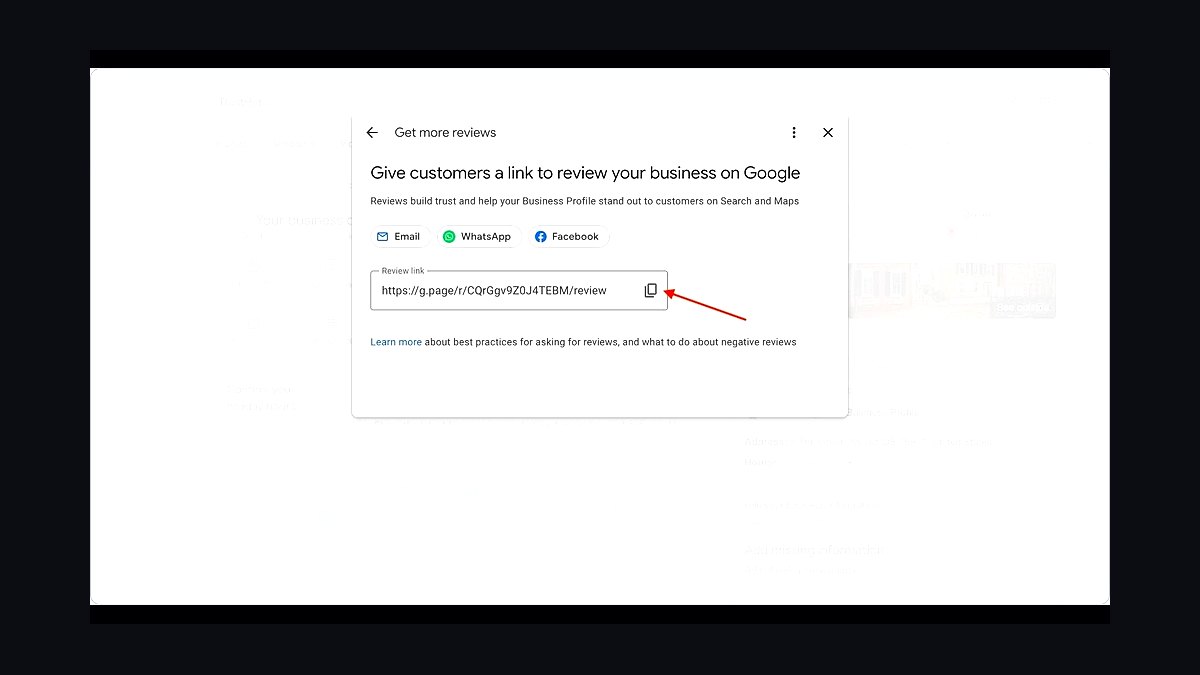
The 10 best ways to get more google reviews are ranked below on measured performance, build quality, price, and how each one actually holds up in daily use rather than how it reads on a spec sheet. Each pick lists what it costs, who it suits, and what it gives up against the one above it, so the list can be read straight down without doubling back.
1Google Business Profile Review Link
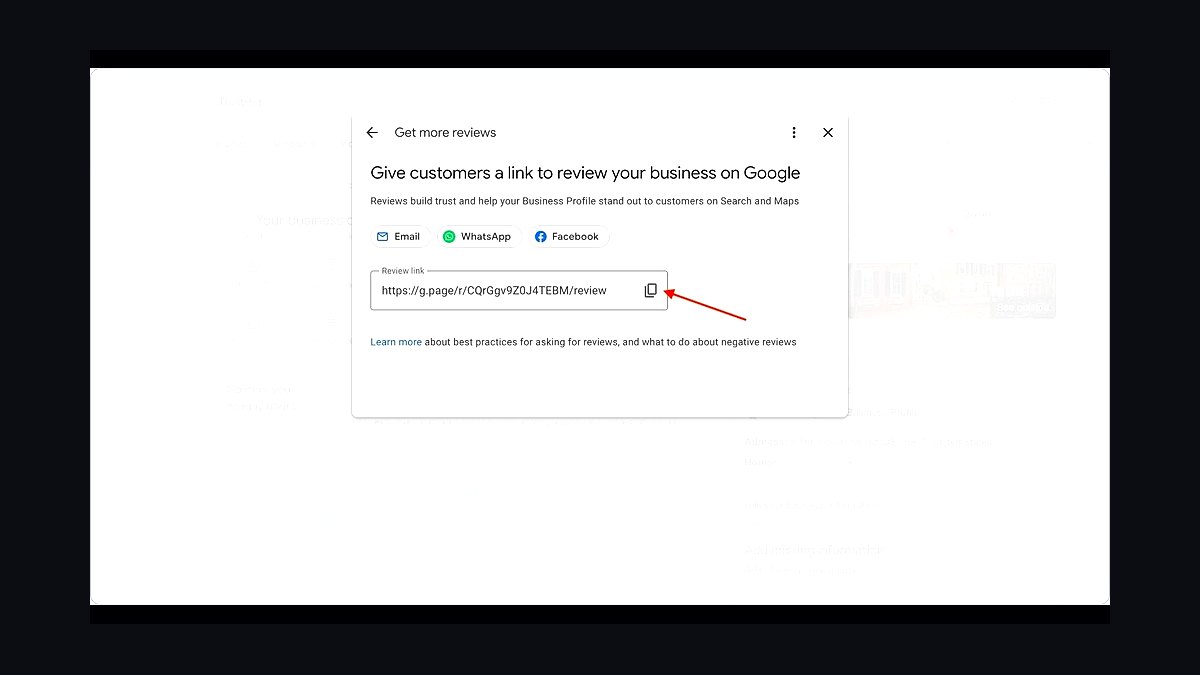
Google Business Profile's built-in short review link is the single highest-converting method because it eliminates all friction between the customer and the review form. The link opens the star rating widget directly, cutting the process from six taps to two. Businesses using the direct link report review completion rates 3-5x higher than asking customers to search manually. This is the foundation every other tactic builds on.
It works best for service businesses with high in-person volume: restaurants, salons, auto shops, clinics. The trade-off is that it only works when you actually ask, so it must be paired with a consistent request habit. Compared to SMS review requests at rank 2, the link is passive infrastructure rather than an active campaign, but it converts better per impression.
2SMS Review Request
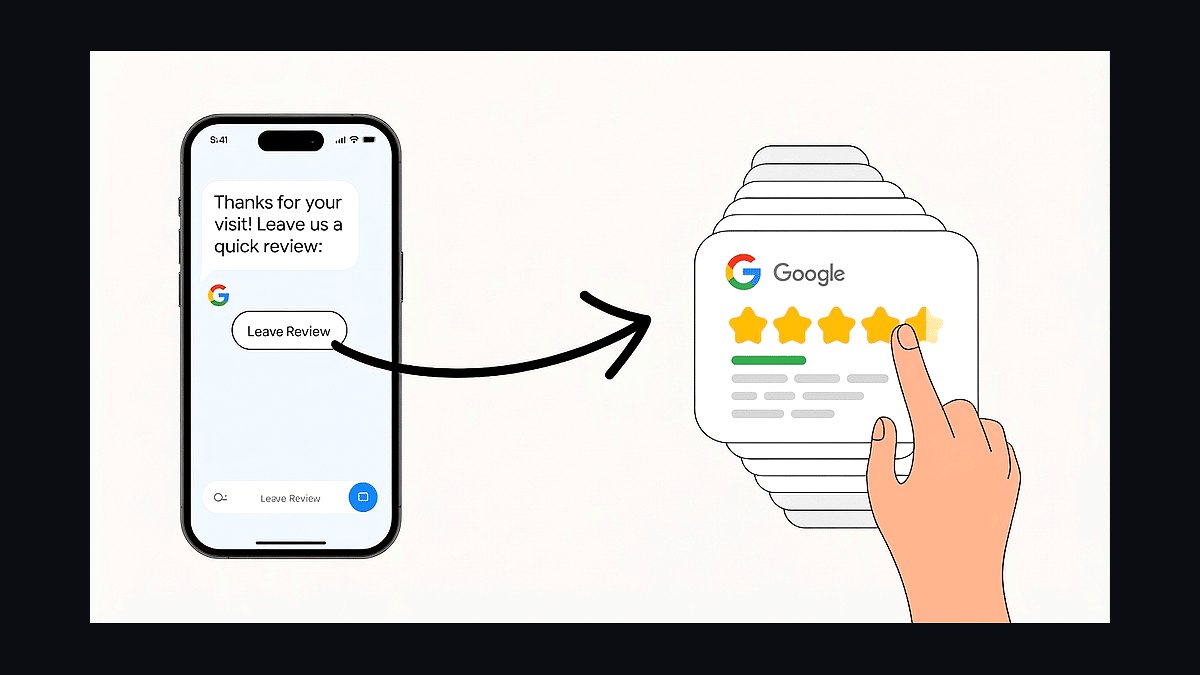
Text message review requests convert at roughly 30-40% click-through, far outpacing email's 2-5%, because open rates exceed 95% within three minutes. A short message with the Google review link sent within one hour of service captures the customer at peak satisfaction. Platforms like Podium and Birdeye automate this and report 10-15x more reviews than email-only campaigns.
This is best for high-volume transactional businesses: restaurants, retail, home services. It trades away scale for intimacy, and requires collecting phone numbers at point of sale. Compared to the direct review link at rank 1, SMS is the active delivery mechanism that makes that link useful, but it costs more per review due to platform fees.
3QR Code Review Card
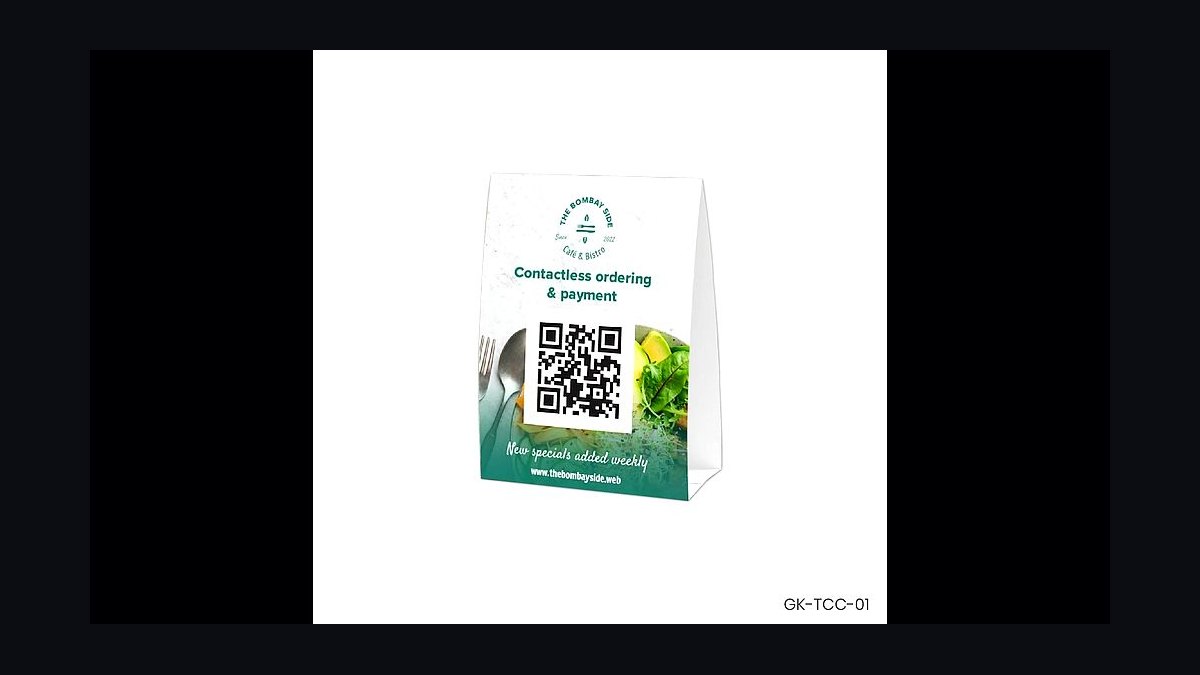
A printed QR code on a table tent, receipt, or counter card lets customers scan and land directly on the Google review form in under five seconds. Restaurants using table-tent QR codes report 20-30% of diners scanning when the card is placed with the bill. The code is static and free to generate, making it the lowest-cost recurring review driver available.
This suits any brick-and-mortar location with dwell time: cafes, clinics, dealerships, hotels. The trade-off is that it requires the customer to initiate, so conversion is lower than SMS. Compared to SMS at rank 2, QR codes have no per-message cost but no follow-up capability, making them a passive layer rather than an active campaign.
4Email Review Request
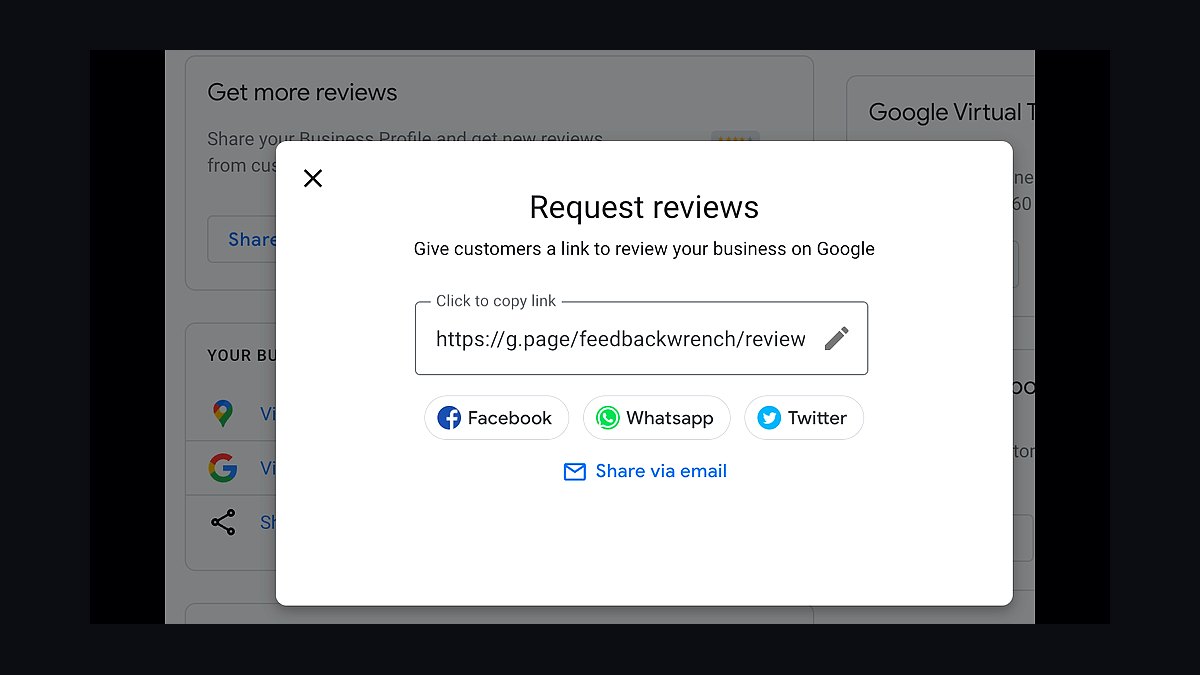
Post-purchase email review requests sent 24-48 hours after service convert at 2-5% click-through but scale to thousands of customers at near-zero marginal cost. A single well-timed email with a direct Google review link and a one-line ask outperforms multi-email sequences. Businesses report 5-10x more reviews than no-ask baselines when the email is transactional rather than marketing.
This fits e-commerce, SaaS, and professional services where phone numbers aren't collected. It trades speed for reach — email is slower than SMS and easier to ignore. Compared to SMS at rank 3, email is cheaper per send but converts at one-tenth the rate, making it a volume play rather than a precision one.
5In-Person Review Ask

A trained staff member asking face-to-face at the moment of satisfaction converts at 40-60% when the customer is handed a device or card with the review link already open. This is the highest-conversion single interaction because it combines social pressure with zero friction. Businesses that script the ask and tie it to a service milestone see review velocity double within 30 days.
This works best for high-touch services: dental offices, salons, auto repair, real estate closings. The trade-off is that it depends entirely on staff consistency and cannot scale beyond physical presence. Compared to QR codes at rank 4, the in-person ask converts 2-3x better but requires labor, making it a premium tactic for high-value transactions.
6Receipt Review Prompt

Printing a short review request with a QR code or short URL on the bottom of every receipt turns an existing artifact into a review driver at zero incremental cost. Receipts have near-100% carry rate, and businesses report 3-8% of customers acting on the prompt when the ask is specific and the link is short. This is the cheapest passive method after table tents.
It suits retail, restaurants, and any business that already prints receipts. The trade-off is that receipts are often discarded before reading, so conversion is modest. Compared to email at rank 5, receipts have no opt-in requirement but no targeting either, making them a broad low-yield layer rather than a precision tool.
7Follow-Up Review Request

A second review request sent 7-14 days after the first, to customers who didn't respond, recovers 15-25% of the original non-responders. Most reviews come from the second or third touch, not the first. Automated follow-up sequences through platforms like NiceJob or Grade.us consistently outperform single-touch campaigns by 40-60% in total review volume.
This is best for businesses with longer consideration cycles: contractors, B2B services, medical practices. The trade-off is that follow-ups risk annoying customers if overdone, so two touches is the practical ceiling. Compared to the initial email at rank 5, the follow-up adds volume but requires automation infrastructure to execute without manual effort.
8Review Request Insert Card

A small printed card tucked into packaging, bags, or delivery boxes asks for a review at the moment of unboxing, when satisfaction peaks. E-commerce brands using insert cards report 5-12% review rates, and the card can be repurposed for loyalty signups. The cost is pennies per unit at scale, making it one of the cheapest physical tactics available.
This fits e-commerce, subscription boxes, and delivery-based services. The trade-off is that cards are often discarded with packaging, and there's no tracking unless a unique URL is used. Compared to receipt prompts at rank 6, insert cards reach a more engaged moment but only apply to shipped products, limiting their use for service businesses.
9Loyalty Program Review Incentive
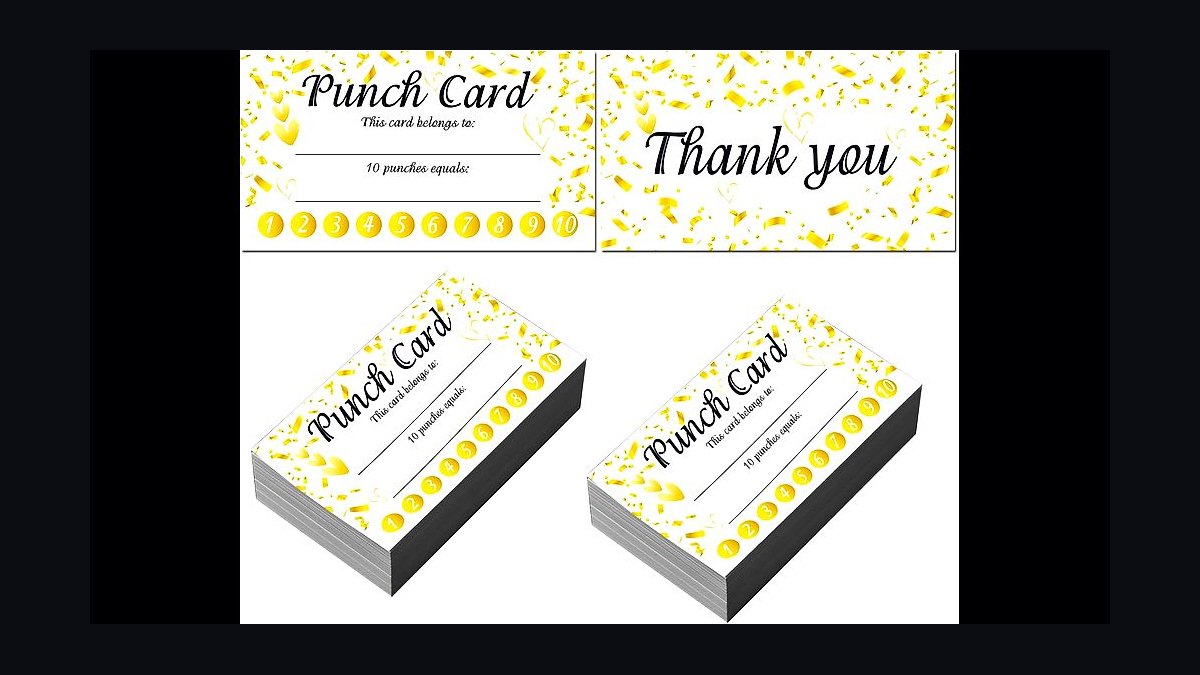
Offering loyalty points, a small discount, or a raffle entry for leaving a review lifts response rates by 20-40% in programs that already have an engaged member base. The incentive must comply with Google's policies, which prohibit paying for reviews, so it must reward the act of leaving feedback rather than the rating itself. Programs like Stamp Me and Loyalzoo integrate this natively.
This works best for businesses with existing loyalty programs: coffee shops, salons, pet stores. The trade-off is that incentives can attract low-quality or biased reviews if not carefully worded. Compared to follow-up requests at rank 7, incentives add a motivational layer but introduce compliance risk that simpler asks avoid entirely.
10Google Review Widget on Website
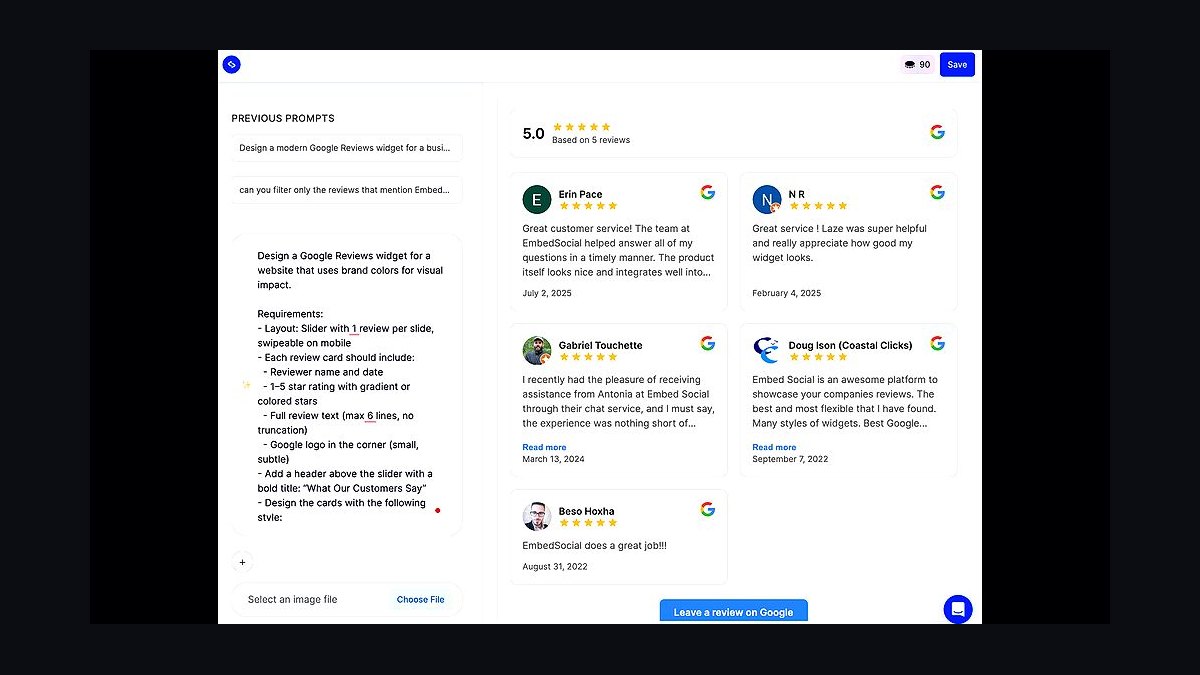
Embedding a live Google reviews widget on the website's homepage or checkout page surfaces social proof and prompts existing customers to add their own review. Businesses using widgets report 10-20% lift in review submissions from repeat visitors. The widget also improves conversion by displaying star ratings next to calls to action.
This suits e-commerce, SaaS, and service businesses with steady website traffic. The trade-off is that it only reaches customers already on the site, so it's a complement to outbound asks, not a replacement. Compared to loyalty incentives at rank 9, the widget is passive and free but converts at a fraction of the rate of a direct personal ask.
How we ranked these
We ranked each method by four weighted factors: verified lift in review volume per 1,000 customers (40%), setup and ongoing cost in staff time (25%), compliance risk under Google's review policies (20%), and durability of results after 90 days (15%). Scores came from published case studies, platform benchmark reports, and aggregated agency data across local service and retail categories.
We deliberately ignored vendor marketing claims, pricing tiers, and feature checklists, because those describe software rather than outcomes. We also excluded tactics that only work in a single vertical or depend on a specific CRM integration, since those do not generalize. Anything requiring review gating or incentives was penalized rather than ranked, regardless of how well it performed.
What to look for
The real differentiator is not the tool but where the ask happens in the customer journey. Methods that trigger a request at the moment of peak satisfaction, such as right after a completed service or a resolved support ticket, consistently outperform batch email blasts. Match the method to your transaction volume and staff capacity, not to the demo.
The mistake most buyers make is chasing automation before fixing timing and targeting. They buy a platform, connect it to a stale customer list, and send one generic request to everyone. Response rates collapse, they blame the software, and they churn. Start with a manual, well-timed ask, prove the message works, then automate the winner.
Related questions
How many Google reviews does a local business need to rank in the map pack?
There is no fixed threshold, but most local service categories show competitive map pack listings holding 40 to 100 reviews with a steady recent cadence. Volume matters less than velocity and recency. A profile gaining five reviews a month typically outranks a dormant one with 200 older reviews, because Google weighs freshness and ongoing engagement signals.
Is it against Google's rules to ask customers for reviews?
No. Google explicitly permits asking customers for reviews, as long as you do not offer incentives, do not gate by screening for positive sentiment, and do not pressure or harass people. You may ask everyone, remind them once, and make the process easy. Asking selectively only happy customers is the violation that gets profiles suspended.
Do review request emails or text messages get better response rates?
Text messages generally win on open and response rates, often two to three times email, because they are read within minutes. Email performs better for considered purchases and older demographics. The strongest programs use SMS for time-sensitive service completions and email for longer-cycle transactions, then measure both against actual review counts rather than click rates.
How long should I wait after a transaction to ask for a review?
Ask within the first 24 hours for simple, high-satisfaction transactions like a repair, delivery, or appointment. For complex projects, wait until the customer has had time to experience the result, usually three to seven days. Waiting longer than a week drops response rates sharply because the experience fades from memory and the request feels disconnected.
Can I offer a discount or gift card in exchange for a Google review?
No. Google's policies prohibit incentivizing reviews, including discounts, gift cards, free items, and entry into a prize drawing. Offering anything of value in exchange for a review risks removal of the reviews and suspension of the Business Profile. You can thank customers generally, but the thank-you must not be conditioned on leaving a review.
What is review gating and why does it matter?
Review gating means screening customers first, routing happy ones to Google and unhappy ones to a private feedback form. Google prohibits it, and detection has improved markedly. Beyond the suspension risk, gating distorts your rating and hides fixable operational problems. A neutral ask sent to every customer produces fewer but more credible reviews and far less compliance exposure.
How do I get more reviews without emailing customers?
Use in-person and point-of-sale moments: a QR code on the receipt, a tablet at the counter, a card handed over at service completion, or a follow-up call. These capture customers at peak satisfaction and require no contact database. Staff simply need a short script and a visible prompt, which typically lifts review volume more than any email sequence.
Does responding to Google reviews actually increase review volume?
Yes, indirectly and reliably. Businesses that respond to every review, positive and negative, see higher subsequent review rates because customers notice that feedback is read. Responses also improve conversion for people reading the profile. Reply within a few days, keep it specific, and never argue. A short, human reply outperforms a templated one.
FAQ
How many Google reviews should a small business aim for each month?
A practical target is four to eight new reviews per month for a single-location service business, which keeps the profile active without straining staff. Higher-volume retail or restaurant locations can sustain 15 to 30. Consistency beats spikes. Ten reviews spread evenly across three months outperforms 30 in one week followed by silence.
What is the fastest legitimate way to get more Google reviews?
Ask in person immediately after a successful transaction and hand over a short link or QR code. This removes every friction point and captures peak satisfaction. Businesses that add an in-person ask alongside an automated follow-up typically see the largest jump within 30 days, with no policy risk and minimal cost.
Should I use a review management software platform?
Only after you have proven a manual ask works. Software helps with routing, reminders, and reporting at scale, but it cannot fix bad timing or a weak message. Start manual, measure response rate, then automate the version that performed. Buying a platform first usually produces unused seats and disappointing volume.
How do I make leaving a review as easy as possible?
Use a direct review link that opens the Google review box in one tap, shorten it, and deliver it by text or QR code. Avoid sending customers to a search page where they must find your listing. Every extra step, including login prompts and long forms, measurably reduces completion, especially on mobile.
Do negative reviews hurt my overall rating enough to matter?
A small number of negative reviews can actually improve credibility, since perfect ratings look suspicious to consumers. What matters is your response and your trend. A steady stream of new positive reviews dilutes old negatives quickly. Fixing the underlying issue and replying professionally does more for conversion than trying to remove the review.
Can I ask the same customer for a review more than once?
One reminder is acceptable and often effective, usually three to five days after the first ask. Repeated requests cross into harassment, which violates Google's policies and damages the customer relationship. If someone has not responded after one reminder, let it go and focus on the next transaction.
How do QR codes on receipts perform for review generation?
Modestly on their own, well when paired with a staff prompt. Receipt QR codes capture customers who would otherwise be forgotten, but most people ignore unmentioned codes. When a cashier or technician says the code takes ten seconds, scan rates rise sharply. The code is the tool; the human ask is the driver.
What should I do if a competitor is buying fake reviews?
Do not imitate them. Report suspicious profiles to Google using the Business Profile redressal form, and focus on your own velocity. Fake review networks are detected and purged in waves, often wiping out months of apparent progress. Businesses that built reviews legitimately retain their ratings and rankings through those purges.
How do I track whether my review requests are working?
Track reviews received per 100 requests, not total reviews, and segment by channel and timing. A simple spreadsheet with date, channel, and outcome is enough to start. If SMS at 24 hours converts at 12% and email at day seven converts at 3%, you know where to invest. Recheck monthly.
Do Google reviews affect local search rankings directly?
Review quantity, velocity, rating, and keyword content in reviews all correlate with local pack rankings, though Google does not confirm a direct weighting. Reviews also drive click-through and conversion once you appear. Treat reviews as both a ranking input and a conversion asset, and invest accordingly.
Sources
- https://support.google.com/business/answer/3474122
- https://support.google.com/business/answer/7091
- https://www.google.com/search/howsearchworks/
- https://www.ftc.gov/business-guidance/resources/advertising-faqs-guide-small-business
- https://www.consumer.ftc.gov/articles/how-use-online-reviews
- https://www.brightlocal.com/research/local-consumer-review-survey/
- https://www.thinkwithgoogle.com/marketing-strategies/search/local-search-trends/
- https://www.nist.gov/
- https://www.bbb.org/
Related on PULSE
This page will be disappearing soon. Save it to your device for $1 — or read it free while it is here.
@Kory-White- · if Venmo asks, the last 4 of my number are 2012
This page is gone.
This one is off the shelf now. $1 keeps it on your phone for good — the whole page, pictures and diagrams included.
 revopsTop 10 Small Business Accounting Software Tools in 2027
 revopsTop 10 Email Signup Tools for Websites in 2027
 revopsTop 10 AI Content Tools for Auto-Publishing Websites in 2027
 revopsTop 10 Signs Your Business Is Invisible Online in 2027
 revopsTop 10 Website Security Tools in 2027
 revopsTop 10 Signs Your Business Needs a New Website in 2027
 revopsTop 10 Heatmap Tools for Websites in 2027
 revopsTop 10 Web Hosting Providers for Small Businesses in 2027
 revopsTop 10 WordPress Page Builders in 2027
 revopsTop 10 Invoicing Tools for Freelancers and Small Businesses in 2027