 Pulse Reviews and Analysis
A Speech for a Town Hall on a Local Issue
 Curated by Kory White · Fractional CRO, CRO Syndicate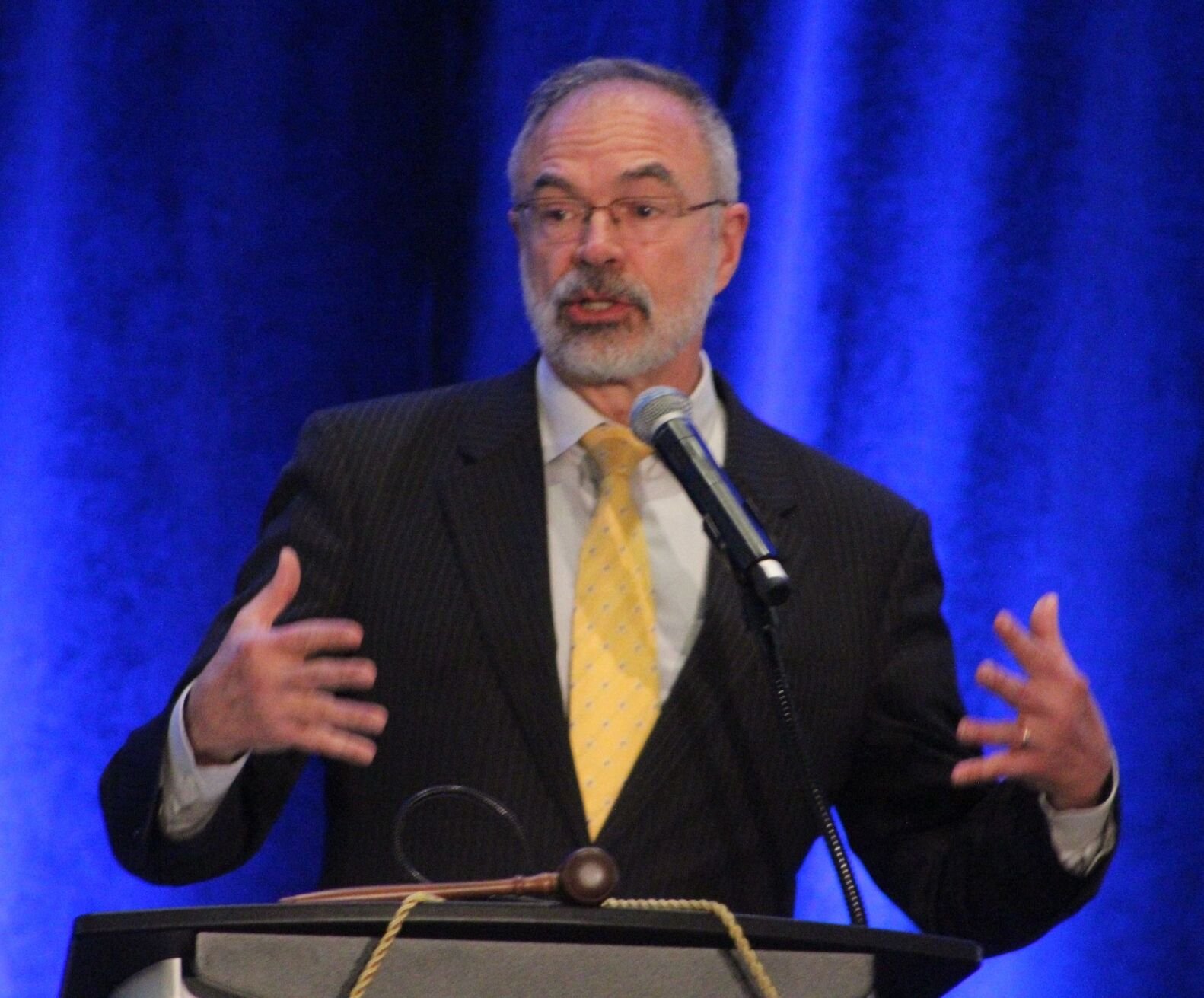
A Speech for a Town Hall on a Local Issue
The Occasion
This is for the neighbor who signed up to speak at the public comment microphone — three minutes on the clock, a council or board seated up front, and a room full of people who live on the same streets you do. The tone is calm, firm, and rooted in the place you share. It works whether the issue is a rezoning, a school closure, a budget cut, a new development, or a stop sign that should have gone in two years ago.
Plan for roughly ~3 minutes (~450 words spoken).
The Speech
Start by naming yourself as a neighbor, not an opponent. The room softens when people remember you are one of them.
Good evening. My name is [Name], and I've lived on [street or neighborhood] for [number of years]. I'm not here as an activist or an expert. I'm here as someone who walks these blocks every day, and I want to talk plainly about [the issue].
Then make it specific. Vague concern gets nodded at and forgotten; a concrete picture stays in the room.
Here is what this looks like from where I stand. [Describe one specific, lived detail — the corner where kids cross, the rent your neighbor can no longer afford, the field that floods every March.] That isn't a statistic to us. It's the thing we see out the window.
Acknowledge the people on the other side of the table. They are tired too, and they hear hostility all night. Disarm it.
I know the people up front have a hard job, and I don't think anyone here is acting in bad faith. We just see the cost differently — and I want to make sure you can see it the way the people on [my street] do.
Now state exactly what you want. Town halls reward the person who asks for one clear thing instead of venting at the ceiling.
So I'm asking for one specific thing tonight: [the precise action — a delay for a study, a public hearing, a line restored to the budget, a single amendment]. Not everything. Just that.
Close on what you share, not what divides you. Remind the room it will still be a neighborhood when the vote is over.
Whatever you decide, we're all still going to run into each other at [the diner, the ballfield, the grocery store] next week. I'd like us to look each other in the eye knowing we were honest tonight. That's all I came to say. Thank you for your time.
Sit down before the timer beeps. The person who finishes early always sounds more in control than the person who gets cut off.
Make It Yours
- Swap in one true, sensory detail — a sound, a corner, a name — instead of a general grievance. Specifics persuade; adjectives don't.
- Decide your single ask before you write a word, then build the whole speech backward from it.
- Prompts to spark specifics: *What did I personally see this week that proves my point? Who in this room is affected and how? What is the smallest reasonable thing the board could do tonight?*
- If you're emotional about the issue, write the angriest version first, then delete it and keep only the facts underneath the anger.
Delivery Notes
Speak slower than feels natural — nerves push everyone to rush. Pause for a full beat after you name the one specific action you want; let it land in the silence. Make eye contact with the board when you ask for something and with the audience when you describe shared life.
If your voice shakes, that's fine — it reads as sincerity, not weakness. Bring a single index card with your name, your ask, and your one detail; glance, don't read. Watch the clock and stop early.
Variations
A 30-second version when the line at the microphone is long:
My name is [Name], from [neighborhood]. I'll be quick. [The issue] will [one concrete harm] for the people on my street. I'm asking for one thing tonight: [the specific action]. We'll all still be neighbors next week — please decide like it. Thank you.
For a longer or more formal version, add a short section of evidence: a count of affected households, a date the problem started, or a quote from the relevant ordinance — then return to the personal close. Lean lighter and more good-humored when the board is friendly and the stakes are modest, and more solemn and slow when the decision is irreversible, like a closure or a sale.
FAQ
How long should this speech be? Most public comment windows are two to three minutes. Write for the shorter end so you finish before the timer and never get gaveled off mid-sentence.
Should I read it word for word? No. Memorize your opening line, your single ask, and your close. Keep everything else on one card as bullets so you sound like a neighbor talking, not a witness reading a statement.
What if I get emotional? Pause, breathe, and keep going — a steadying breath at the microphone is more persuasive than a polished delivery. Just don't let emotion replace your specific ask.
Is it okay to disagree with the board directly? Yes, but disagree with the decision, not the people. Naming bad faith hardens the room; assuming good faith keeps them listening.
What's the single most important part? The one clear thing you're asking for. A room full of feelings can't be acted on; a specific request can be voted on.
Bottom Line
A town hall isn't won by the loudest person — it's won by the one who stays calm, gets specific, and asks for exactly one thing. Name yourself as a neighbor, show them what the issue looks like from your window, and make the request impossible to misunderstand. Then sit down and let your honesty do the rest.