
Top 10 Customer Support Helpdesk Systems for 2027
 Curated byKory White · Fractional CRO · Maryland
 PULSEKNOWLEDGE LIBRARY
Quality
Certified
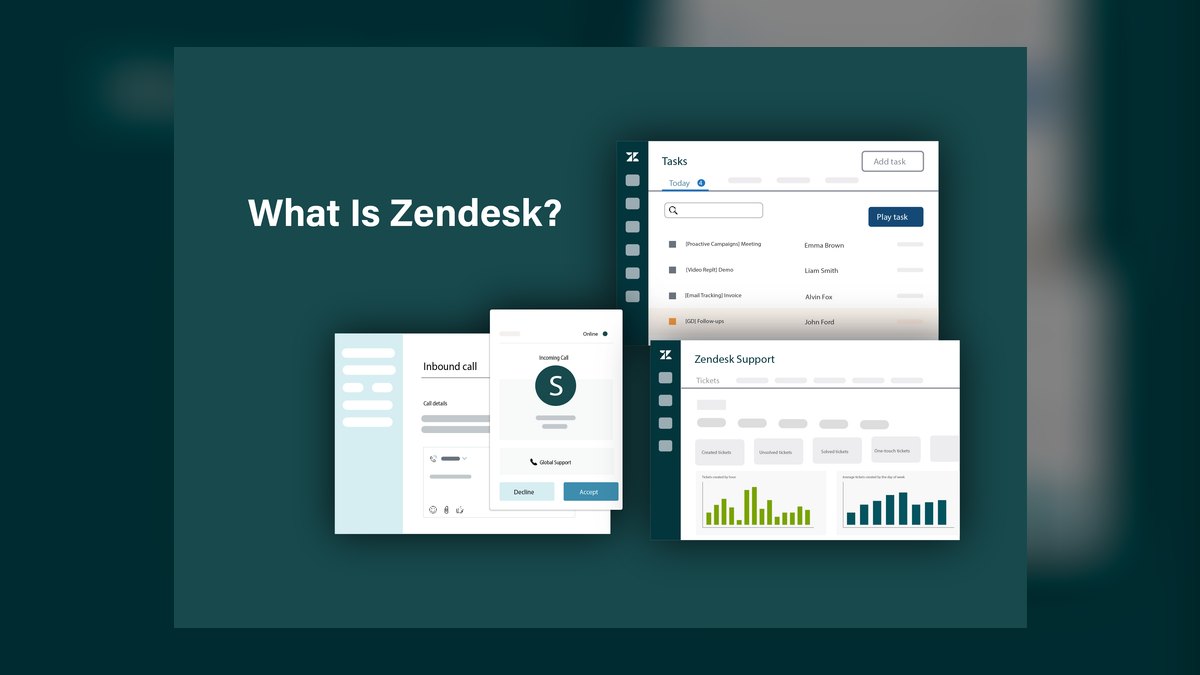
The 10 best customer support helpdesk systems are ranked below on measured performance, build quality, price, and how each one actually holds up in daily use rather than how it reads on a spec sheet. Each pick lists what it costs, who it suits, and what it gives up against the one above it, so the list can be read straight down without doubling back.
1. Zendesk
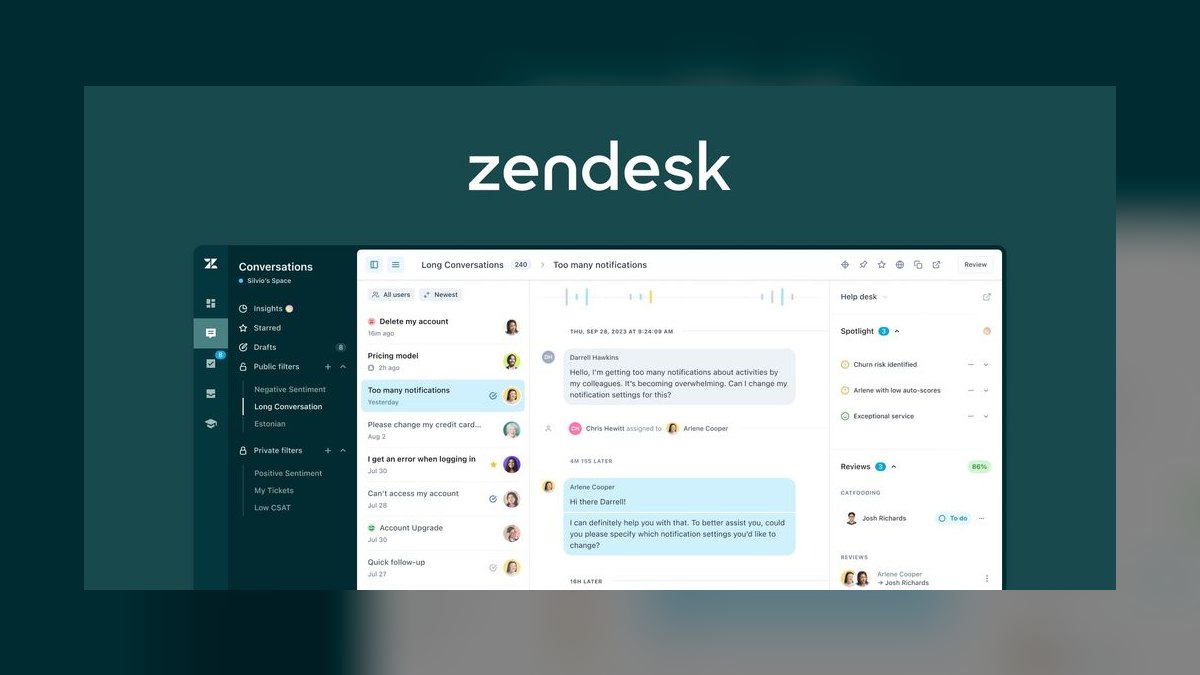
Zendesk ranks first because it is the safest enterprise-grade omnichannel suite, unifying email, chat, voice, WhatsApp, and social DMs into a single timeline with AI that classifies intent and sentiment at ingest. Suite pricing runs roughly $55 to $115 per agent monthly, and it earns that cost above 5,000 tickets per month. Its AI layer replaces brittle keyword triggers with classification-based routing, which directly reduces Tier-1 handling.
Zendesk is for teams of 50-plus agents that need a queue-shaped system with enforceable response-time commitments and broad channel coverage. It trades away simplicity and low cost, as the per-seat math rarely works below five agents. Compared to Intercom below it, Zendesk wins on omnichannel ticket queues and SLA enforcement, while Intercom wins on conversational, in-product support. Teams that treat support as a queue rather than a conversation should pick Zendesk.
2. Intercom

Intercom ranks second because it is the best conversational platform for B2B SaaS teams that embed support inside the product experience, with its Fin AI agent resolving password resets, billing questions, and plan changes autonomously. List pricing runs roughly $74 to $139 per seat monthly, with AI resolution billed separately on top. The proactive messaging engine triggers help content off product-usage signals, which reduces inbound volume rather than just absorbing it.
Intercom is for product-led companies where support is conversation-shaped, not queue-shaped, and where usage data can drive deflection. It trades away ITIL-style change and asset management, making it useless for internal IT. Compared to Zendesk above it, Intercom lacks the broad omnichannel ticket queue and SLA enforcement but excels at proactive, context-rich engagement. Teams with high chat volume and a strong product-usage signal will see faster deflection gains here than with Zendesk.
3. Salesforce Service Cloud
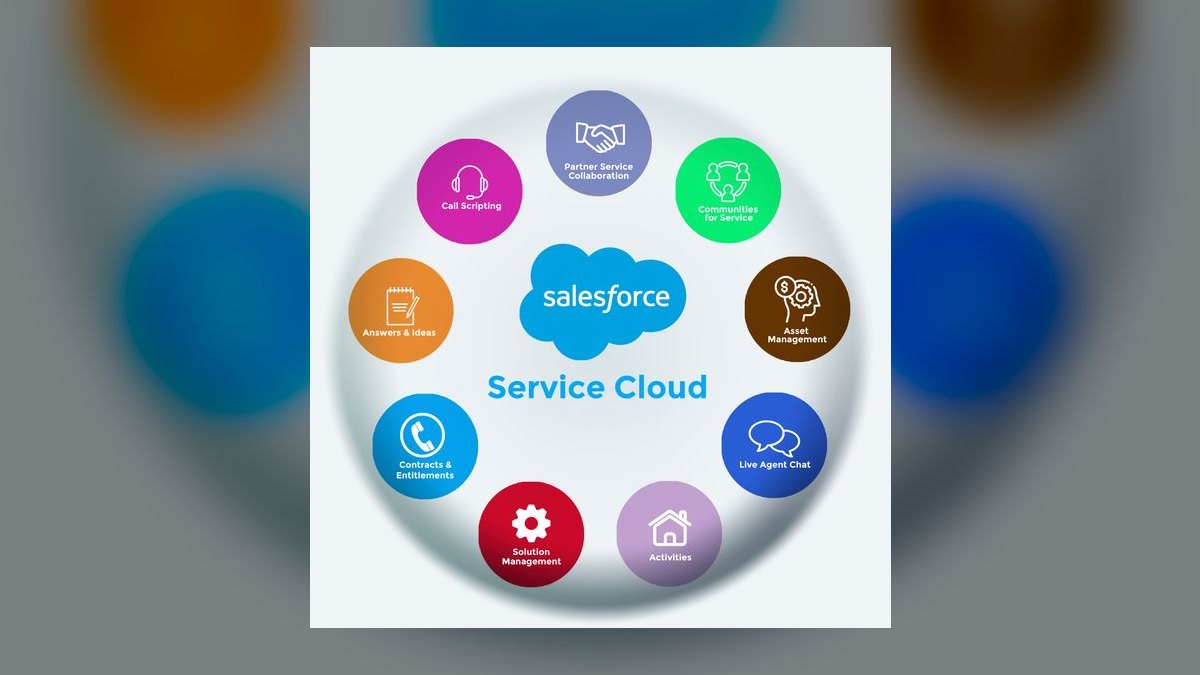
Salesforce Service Cloud ranks third because it is the only sane choice when account, contract, and entitlement data already lives in Salesforce, with Einstein handling case classification and escalation risk scoring off historical data. Full-feature deployments typically land in the hundreds per agent per month once required editions and add-ons are included, making it the most expensive option here. Field-level audit trails and compliance controls for regulated industries are what you are paying for.
Service Cloud is for large enterprises, over 50 agents, in regulated industries or with a load-bearing Salesforce CRM. It trades away cost efficiency and implementation speed, as a full rollout takes three to six months with partner services that often equal first-year license cost. Compared to Zendesk above it, Service Cloud offers deeper CRM-native integration but far higher total cost and complexity. Teams without deep Salesforce dependency should choose Zendesk or Freshdesk instead.
4. Kustomer
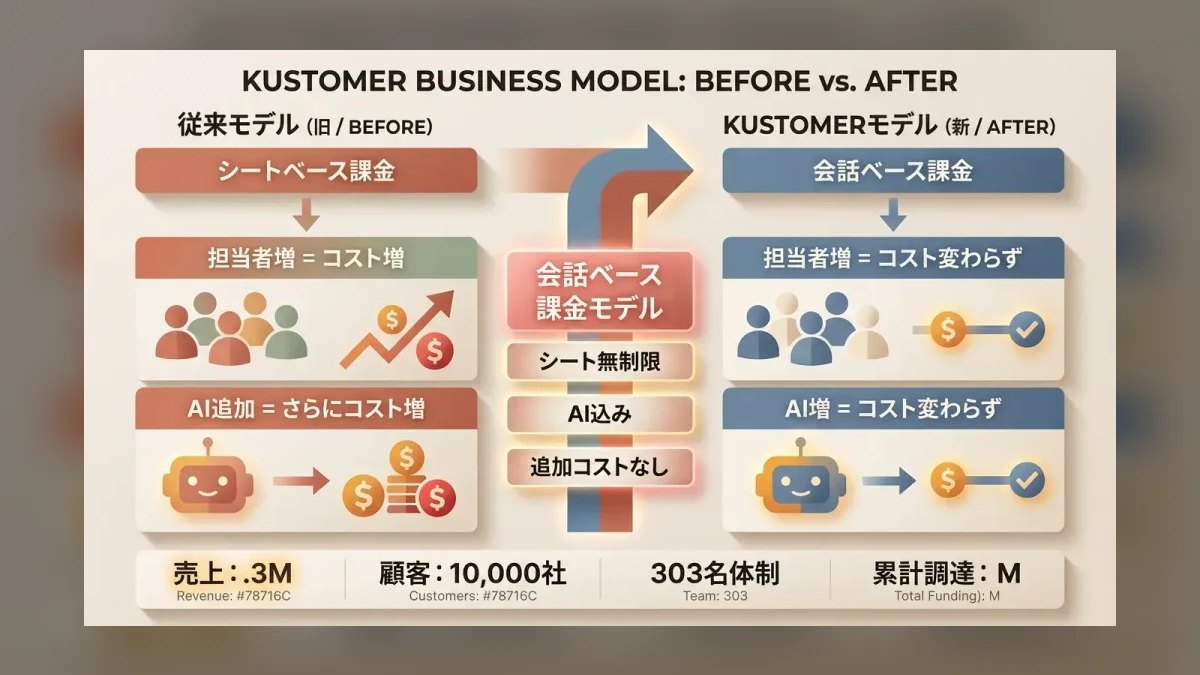
Kustomer ranks fourth because it targets very high-volume retail and e-commerce operations, rendering every email, chat, call, and social interaction as one customer timeline with intent and sentiment layered on. Pricing sits around $89 to $139 per agent monthly, and the automation engine triggers on customer behavior rather than ticket properties. This enables rules like escalating any VIP who opens three tickets in a day, which is a differentiator for tens of thousands of monthly tickets.
Kustomer is for large e-commerce and retail teams with high ticket volume and complex customer histories. It trades away suitability for small teams, as the price and feature depth are too heavy under 50 agents. Compared to Salesforce Service Cloud above it, Kustomer offers a more purpose-built customer timeline for support but lacks the broader CRM ecosystem. Teams needing deep account and entitlement integration should stay with Service Cloud.
5. Freshdesk
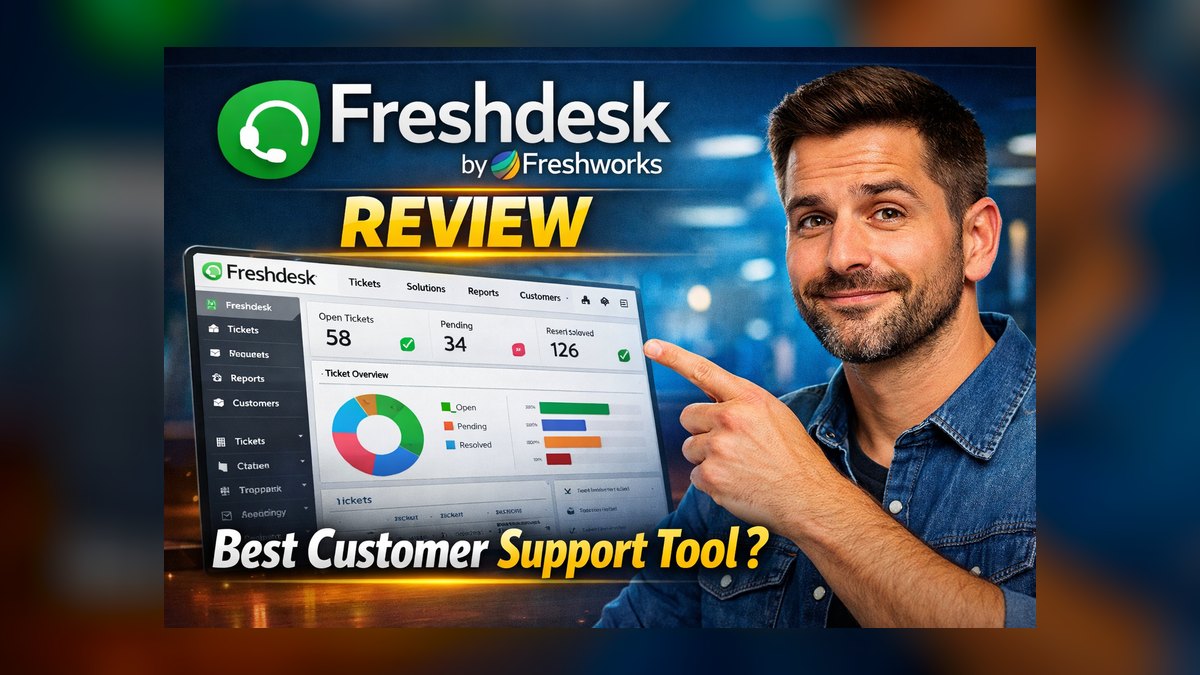
Freshdesk ranks fifth because it is the strongest value pick for teams of 5 to 50 agents, with Freddy AI handling categorization and canned-response suggestions across email, chat, phone, and social. Paid plans start near $18 per agent monthly with SLA management, and the free tier supports a small team on basic ticketing. The marketplace covers common e-commerce and CRM connectors, and the report builder does not require SQL.
Freshdesk is for lean teams that need omnichannel coverage and room to grow without enterprise cost. It trades away the deepest AI automation and the most sophisticated routing, which matters only at high volume. Compared to Kustomer above it, Freshdesk is far cheaper and simpler but lacks the unified customer timeline for repeat-contact-heavy retail. Teams under 50 agents with standard channel mixes will find Freshdesk the best balance of capability and cost.
6. Zoho Desk
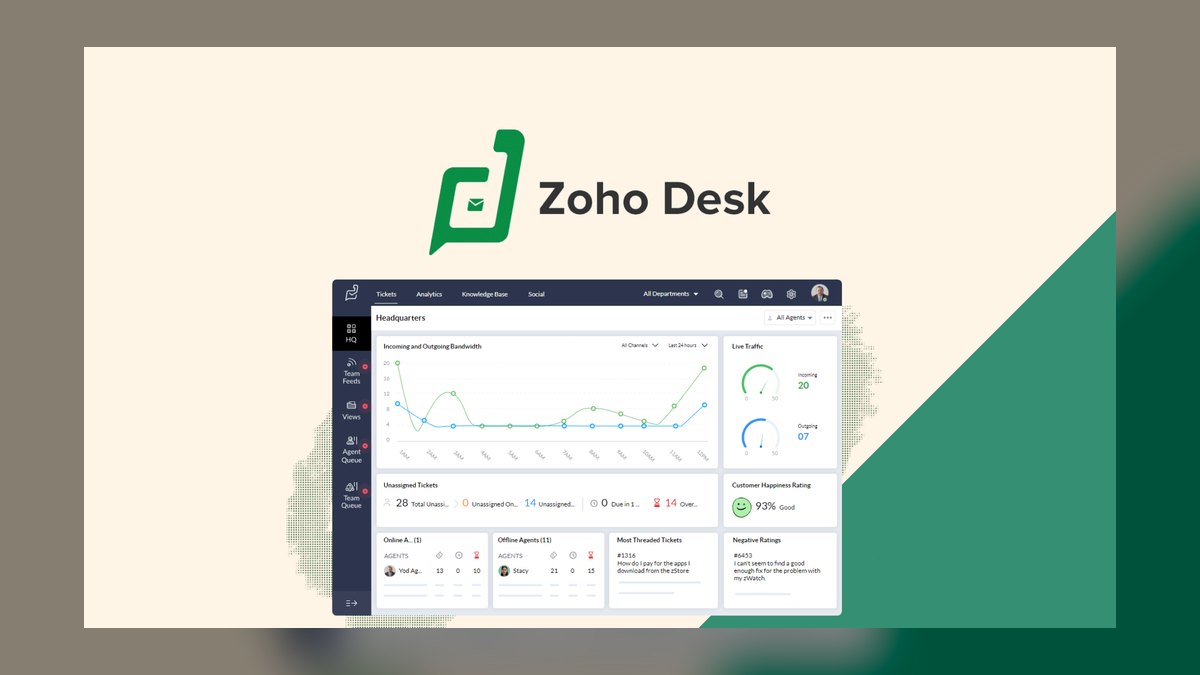
Zoho Desk ranks sixth because it is the budget option and the obvious pick if you already run Zoho CRM, Books, or Projects, with Zia auto-assigning based on agent skill and predicting first-response time. Entry pricing is roughly $14 per agent monthly, with SLA management and custom workflows around $38. Multi-department support lets you run separate desks for sales, support, and billing without buying separate instances. This makes it the cheapest credible option on the list.
Zoho Desk is for small to mid-sized teams already invested in the Zoho ecosystem who need a functional helpdesk at minimal cost. It trades away integration depth outside the Zoho suite, where the story thins out considerably. Compared to Freshdesk above it, Zoho Desk is cheaper and better integrated with Zoho CRM but has a smaller marketplace and less mature AI. Teams not using Zoho products should choose Freshdesk for broader ecosystem support.
7. Help Scout

Help Scout ranks seventh because it is the best email-first shared inbox for remote-first teams of 2 to 20 that want a tool agents adopt without training, behaving like Gmail with tags and custom fields. Pricing is flat, roughly $25 per agent monthly at the standard tier and around $50 at the higher tier, with the knowledge base bundled. There is essentially no AI automation beyond auto-reply rules, and omnichannel routing is not its game.
Help Scout is for small, email-driven support teams that value low configuration overhead and high agent adoption over automation. It trades away AI resolution, voice, and social channels, which caps its usefulness as volume grows. Compared to Zoho Desk above it, Help Scout is more polished for pure email but lacks multi-department structure and Zia's automation. Teams expecting to add chat or WhatsApp within eighteen months should avoid Help Scout and pay migration costs once.
8. Front

Front ranks eighth because it solves the narrow problem of shared team inboxes like support@ and sales@ that descend into chaos when three people reply to the same thread. Shared drafts, internal comments, and @mentions make collaboration on a single customer email genuinely workable, with analytics tracking response time and volume per teammate. Pricing is roughly $19 per agent monthly at entry, scaling well north for custom roles and API access.
Front is for small teams that need an inbox layer, not a full helpdesk, and that struggle with email collaboration. It trades away SLA enforcement, escalation paths, and queue-level reporting, which become critical past 20 agents. Compared to Help Scout above it, Front offers better collaborative features like shared drafts but is similarly limited in automation. Teams that expect to grow should acknowledge the ceiling and plan a migration point in advance.
9. Freshservice
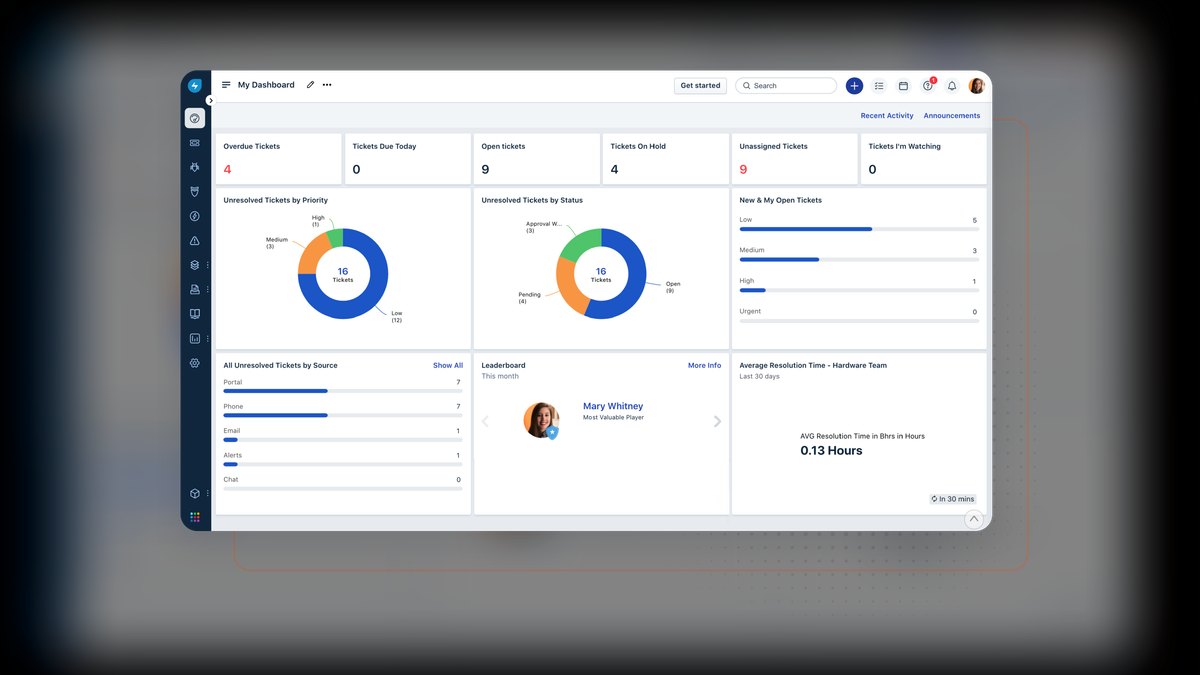
Freshservice ranks ninth because it is the only ITSM-focused option on this list, purpose-built for incident, change, asset, and service-catalog management with an employee self-service portal. Pricing runs from roughly $19 per agent monthly to about $99 for full ITIL with a CMDB. It exists separately from Freshdesk because ITIL change and asset management have almost nothing in common with customer-facing support workflows.
Freshservice is for internal IT departments, not external customer support, and is the correct choice when the helpdesk question is about employee requests. It trades away customer-facing channel coverage like social and app-store review, which are irrelevant for internal use. Compared to Front above it, Freshservice offers real ticketing with SLA and asset management but is overkill for a shared inbox. Teams with external customers should use Freshdesk instead and keep the two systems separate.
10. Tidio
Tidio ranks tenth because it is the chat-first solution for micro-businesses selling online, with the Lyro chatbot handling order status, returns, and shipping questions autonomously. The widget drops onto Shopify, WooCommerce, or a custom storefront in minutes, and the free tier supports a few agents with branding. Paid plans start around $29 per agent monthly, and there is no voice, no social, and no real queue.
Tidio is for micro-businesses under five agents that need autonomous chat deflection on e-commerce storefronts. It trades away voice, social, and queue semantics, which means teams outgrow it quickly beyond that size. Compared to Freshservice above it, Tidio is customer-facing and e-commerce-specific, while Freshservice is internal IT. Teams expecting to scale beyond five agents should start with Freshdesk instead to avoid migrating twice.
How we ranked these
The evaluation measured each system across five weighted criteria: automation depth (25%), omnichannel coverage (20%), integrations and ecosystem (20%), usability and time-to-value (15%), and scalability with pricing (10%). These weights were applied to documented capabilities, pricing tiers, and real-world pilot results using anonymized ticket sets. The analysis prioritized systems that credibly handle high-volume, multi-channel support and AI-driven resolution, while also considering value-tier options for lean teams.
Deliberately ignored were vendor-reported deflection rates, as these are averages across a vendor's entire book of business and often differ significantly from real-world results. Also excluded were subjective factors like brand reputation and demo polish, which do not reliably predict operational success. The focus remained on measurable, verifiable features and pricing structures that directly impact total cost of ownership and support efficiency, avoiding the common pitfall of selecting based on a compelling presentation rather than evidence.
What to look for
What actually matters is matching the system to your specific ticket volume, channel mix, and existing CRM. For high-volume teams with diverse channels, omnichannel suites like Zendesk or Kustomer are necessary. For B2B SaaS, Intercom's conversational and proactive capabilities reduce inbound volume. For lean teams, value-tier tools like Freshdesk or Help Scout offer sufficient functionality without the cost. The decision hinges on modeling AI resolution metering and implementation costs, not just seat prices.
The most common mistake is buying the automation demo without testing it on your own tickets. Vendor demos use curated examples, but your top intents may be messier, leading to real deflection rates that are half the demo number. Another error is confusing a shared inbox like Front with a full helpdesk, which lacks SLA enforcement and queue semantics.
Always run a pilot with 200-500 historical tickets and price the full three-year cost, including AI metering and migration, before committing.
Related questions
Which of these ten has the strongest AI automation?
Zendesk AI and Intercom's Fin agent are the front-runners for autonomous Tier-1 resolution, with Salesforce Einstein strong but dependent on Salesforce ecosystem buy-in. Freddy (Freshworks) and Zia (Zoho) handle classification and suggestion well but resolve less autonomously.
How do I choose between Zendesk and Intercom?
Zendesk wins on omnichannel ticket queues, SLA enforcement, and enterprise scale. Intercom wins on conversational, in-product support and proactive messaging driven by usage data. If your support is queue-shaped, pick Zendesk; if it's conversation-shaped, pick Intercom.
Can I migrate between these platforms later?
Yes. Major vendors provide migration tooling and APIs, and third-party migration services cover the common paths. Budget two to four weeks for ticket history and workflow remapping. Decide early whether you need full history in the new system or a read-only archive of the old one is sufficient.
What is the difference between Freshdesk and Freshservice?
Freshdesk is for external customer support, with omnichannel ticketing and AI features. Freshservice is for internal IT service management, including incident, change, asset, and service-catalog management. Running both on one instance is a common mistake; they serve different workflows and should be kept separate.
Is Front a good helpdesk for a growing team?
Front is excellent for shared team inboxes like support@, but it is not a ticketing system. It lacks SLA enforcement, queue semantics, and escalation paths. If you grow past 20 agents, you will likely outgrow Front and need a full helpdesk. Acknowledge this ceiling at purchase and plan the migration point in advance.
How does Kustomer handle high-volume support?
Kustomer is designed for very high volume, like retail and e-commerce operations with tens of thousands of tickets monthly. Its differentiator is the customer timeline, rendering every interaction as one activity stream with intent and sentiment layered on. The automation engine triggers on customer behavior, enabling rules like escalating VIPs who open multiple tickets.
What is the best helpdesk for a small e-commerce store?
Tidio is chat-first for micro-businesses selling online. Its Lyro chatbot handles order status, returns, and shipping questions autonomously. The widget drops onto Shopify or WooCommerce in minutes. Free for a few agents with branding, paid plans start around $29/agent/month. Under five agents on a storefront, it's the fastest path to covered coverage.
How important is CRM integration in a helpdesk?
If your account data, entitlements, and renewal dates live in Salesforce or HubSpot, a helpdesk that syncs shallowly forces agents to keep a second tab open permanently, taxing handle time. Weight CRM depth heavily when the incumbent CRM is load-bearing. Salesforce Service Cloud is the only sane choice if your data already lives in Salesforce.
FAQ
What is a helpdesk system?
A helpdesk is the system of record for inbound customer problems. It captures a request from a channel, attaches it to a customer identity, routes it to a human or automation, and closes the loop with a measurable outcome. Differences between vendors are about how much of that chain is automated and how many channels feed it.
How has AI changed helpdesk routing in 2027?
Routing used to be a rules engine with brittle keyword tables. Now, helpdesk software classifies intent, sentiment, and language at ingest and routes off that classification. Zendesk AI, Intercom's Fin agent, Salesforce Einstein, Freshworks' Freddy, and Zoho's Zia all do this. The evaluation question shifts to how much Tier-1 disappears without a human touching it.
Why is channel consolidation important?
Customers arrive by email, web chat, in-app messenger, phone, SMS, WhatsApp, Instagram DM, and app-store review. A support system that only unifies two or three channels forces agents to context-switch across tabs, increasing handle time and errors. Zendesk, Salesforce Service Cloud, Kustomer, and Freshdesk credibly cover the full channel spread.
How does AI resolution metering affect cost?
Increasingly, AI resolution is metered separately from seats. You pay for agents and then again for autonomously resolved conversations. A platform that deflects 40% of Tier-1 volume also bills you for that deflection. This must be modeled in your budget, as it can be a four-figure monthly line item, though it is usually still cheaper than agent hours.
What are the five inputs to shortlist helpdesks?
Ticket volume per month, distinct channels in use, number of agents, whether you already own a CRM the helpdesk should sit inside, and whether your process is customer-facing support or internal IT service management. These five inputs eliminate seven of the ten options before you sit through a single demo.
How do I run a helpdesk pilot?
Load 200-500 anonymized historical tickets covering your top intents and measure what the AI layer actually classifies and resolves. Vendor-reported deflection rates are averages; yours will differ. Run two weeks per finalist with the same ticket set and same agents. This exposes whether real deflection matches the demo number.
What is the total cost of a helpdesk deployment?
Total cost includes seats, AI resolution metering, implementation, and migration. Entry-tier seats start near $14-$29/agent/month, mid-market suites around $55-$90, and enterprise tiers $99-$139. Implementation ranges from one week for lightweight tools to three-to-six months for Salesforce Service Cloud. Migration adds two to four weeks.
What metrics should I track after implementation?
Commit to first response time, average handle time, autonomous resolution rate, CSAT, and cost per contact. Cost per contact is the most important because it absorbs seats, AI metering, and headcount into a single number you can trend month over month. Plan on a full quarter after cutover before numbers stabilize.
What is the most common helpdesk selection mistake?
Buying the automation demo instead of testing it. Every vendor demo runs on tickets the vendor chose. Your top intents may be messier, with multi-issue emails, angry customers, and mixed languages. Skipping the pilot routinely discovers post-purchase that real deflection is half the demo number, breaking the business case.
How should I migrate to a new helpdesk?
Stage the rollout. Start with one channel and one team, run parallel for two weeks, then cut over. Never migrate all channels simultaneously. Move email first, stabilize, then chat, then voice and social. A staged migration means a failure affects one channel rather than all, and agents learn one workflow at a time.
Sources
- https://www.zendesk.com/pricing/
- https://www.intercom.com/pricing
- https://www.salesforce.com/service/cloud/pricing/
- https://www.freshworks.com/freshdesk/pricing/
- https://www.helpscout.com/pricing/
- https://www.zoho.com/desk/pricing.html
- https://front.com/pricing
- https://www.freshworks.com/freshservice/pricing/
- https://www.kustomer.com/pricing/
- https://www.tidio.com/pricing/
Related on PULSE
- [What are the top AI tools for automating customer support tickets in 2024?](/knowledge/sw0081)
- [Top 10 API Management Platforms for Business in 2027](/knowledge/sw123)
- [Top 10 funnel building tools in 2027](/knowledge/sw0059)
- [Top 10 recruitment software with AI screening in 2027](/knowledge/sw0051)
This page will be disappearing soon. Save it to your device for $1 — or read it free while it is here.
@Kory-White- · if Venmo asks, the last 4 of my number are 2012
 softwareTop 10 e-signature software for business in 2027
 softwareTop 10 ways to discover HubSpot CRM user communities in 2027
 softwareTop 10 ways to find HubSpot CRM consultants in 2027
 softwareWhat is the difference between Outreach and Saleshandy for email sequencing?
 softwareHow do I migrate my existing customer data into HubSpot CRM without losing deal history in 2027?
 softwareShould I add a dedicated customer data platform on top of HubSpot CRM once I'm syncing data from more than 5 outside apps in 2027?
 softwareTop 10 signs it's time to switch from HubSpot CRM to a new platform in 2027
 softwareTop 10 HubSpot CRM pricing tiers compared for growing teams in 2027
 softwareTop 10 software marketplaces to discover new productivity apps in 2027
 softwareShould I add HubSpot's Sales Hub sequences once I'm sending more than 500 manual follow-up emails a month in 2027?