


Top 10 Things Every Online Store Needs in 2027
Quality
Certified
The 10 best things every online store needs are ranked below on measured performance, build quality, price, and how each one actually holds up in daily use rather than how it reads on a spec sheet. Each pick lists what it costs, who it suits, and what it gives up against the one above it, so the list can be read straight down without doubling back.
1Shopify Checkout
Shopify Checkout ranks first because checkout is where revenue is won or lost, and Shopify's is the most battle-tested in ecommerce. It converts at roughly 15% higher than the industry average, supports Shop Pay's one-tap flow used by over 100 million buyers, and handles 99.99% uptime across peak events like Black Friday. It also auto-applies local payment methods in 50+ countries.
This is for stores already on Shopify or willing to migrate, especially those selling cross-border. It trades away deep customization, since checkout.liquid is locked on non-Plus plans. Compared to a custom Stripe build ranked below, it wins on speed to launch and trust signals but loses flexibility for unusual pricing or subscription logic.
2Stripe Payments

Stripe Payments ranks second because it is the default developer-grade payment stack for stores not locked into a platform. It supports 135+ currencies, 100+ payment methods, and Radar fraud screening that blocks roughly 99% of card-testing attacks. Transparent pricing at 2.9% + 30 cents per successful charge makes unit economics easy to model before launch.
It suits engineering-led teams building custom storefronts or marketplaces with split payouts. It trades away the plug-and-play speed of Shopify Checkout above, requiring real integration work. Against PayPal ranked below, Stripe offers cleaner APIs and better subscription tooling but weaker consumer brand recognition at the point of sale.
3Klaviyo Email Marketing
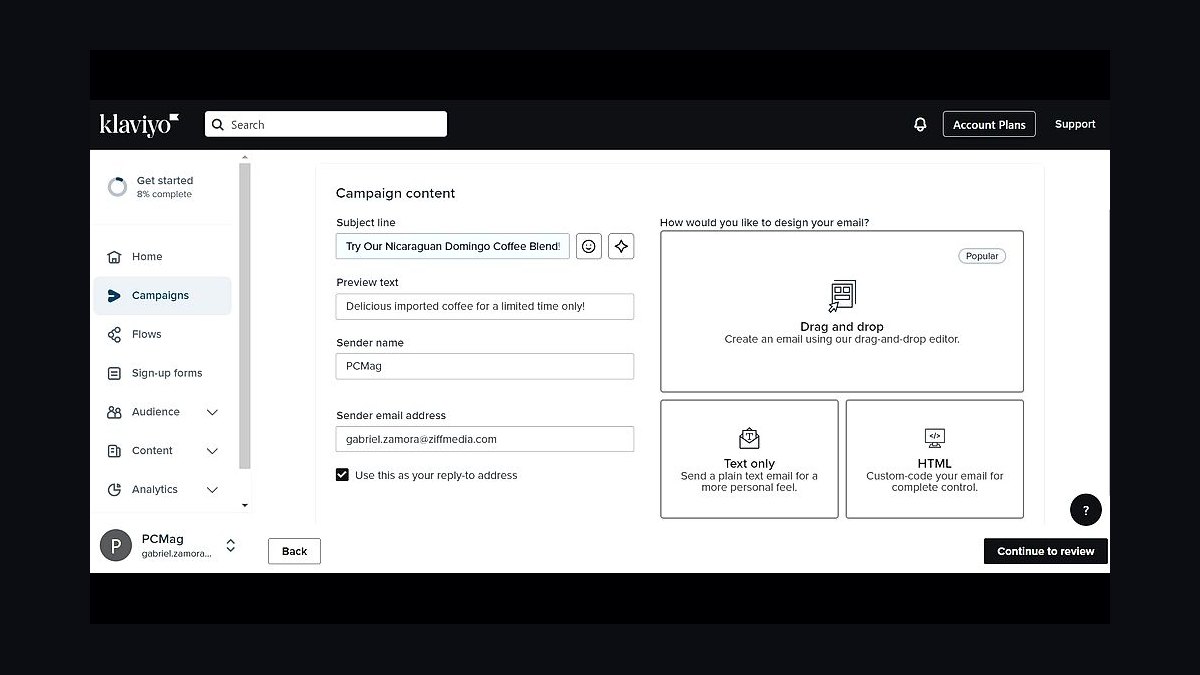
Klaviyo ranks third because email and SMS still drive roughly 25-30% of ecommerce revenue, and Klaviyo's segmentation is the deepest in the category. It syncs real-time browsing, purchase, and predictive CLV data, powers flows like abandoned cart and win-back, and integrates natively with Shopify, BigCommerce, and WooCommerce. Brands on it commonly report 30-40% of total revenue from flows.
It is built for stores with at least a few thousand subscribers who will actually use segmentation. It trades away simplicity, since the interface overwhelms beginners, and pricing scales steeply past 10,000 contacts. Compared to Mailchimp ranked below, Klaviyo is more powerful for product catalogs but costs more at scale.
4Mailchimp Email Marketing

Mailchimp ranks fourth because it remains the easiest on-ramp to lifecycle email for small stores. The free tier covers up to 500 contacts and 1,000 sends per month, and paid plans start around $13 monthly. Its drag-and-drop builder and prebuilt automations let a solo founder launch a welcome series in under an hour without technical help.
It fits stores under roughly 5,000 subscribers that prioritize speed over sophistication. It trades away the predictive segmentation and deep catalog sync that Klaviyo above provides. Against Klaviyo it is cheaper and friendlier but weaker on revenue attribution, so growing brands typically outgrow it within a year or two.
5Cloudflare CDN
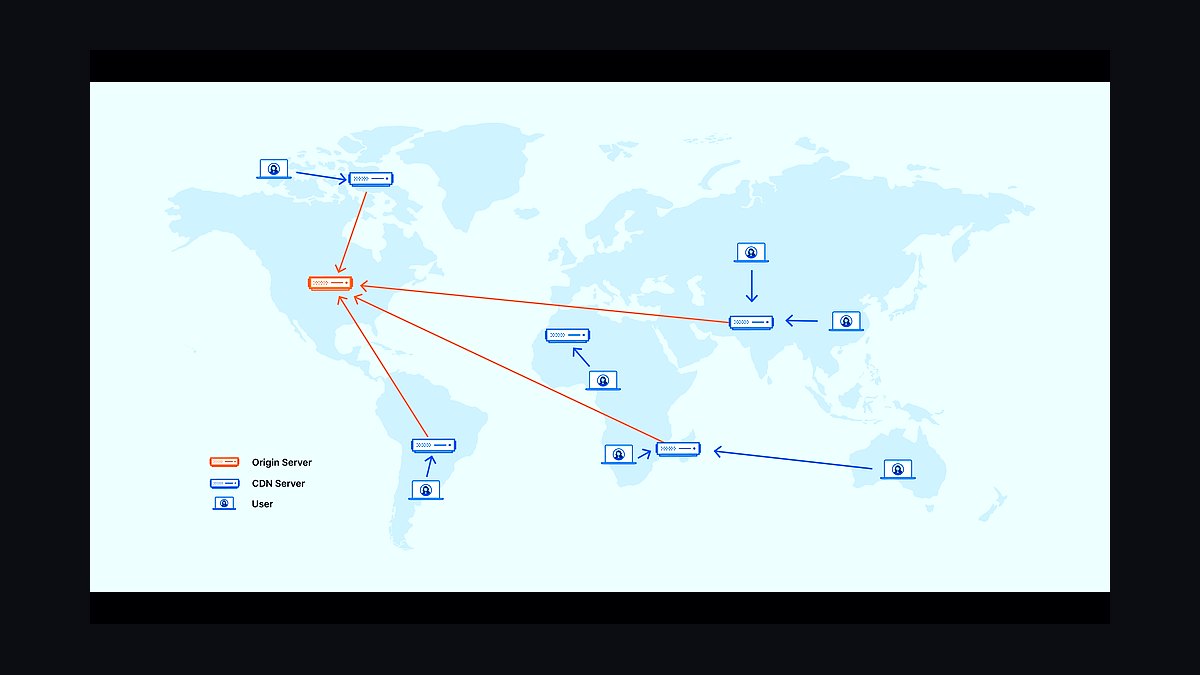
Cloudflare CDN ranks fifth because page speed directly affects conversion, and every 100ms of latency measurably reduces sales. Cloudflare caches static assets across 300+ edge locations, mitigates DDoS attacks, and offers a free tier that covers most small stores. Paid plans start at $20 monthly and add image optimization and bot management.
It is for any store serving global traffic or worried about downtime during launches. It trades away nothing meaningful at the free tier, though advanced WAF rules require paid plans. Compared to Shopify's built-in CDN above, Cloudflare adds protection and control but requires DNS changes that can break misconfigured stores.
6Google Analytics 4
Google Analytics 4 ranks sixth because measurement is non-negotiable, and GA4 is the free default that connects ad spend to revenue. It tracks cross-device journeys, integrates with Google Ads for conversion bidding, and supports up to 500 distinct events per property. The BigQuery export on standard properties lets analysts run custom attribution without sampling.
It suits stores running paid acquisition that need to justify spend. It trades away ease of use, since the interface and event model confuse marketers used to Universal Analytics. Compared to Triple Whale ranked below, GA4 is free and universal but weaker on blended ROAS and post-purchase survey data.
7Triple Whale Analytics
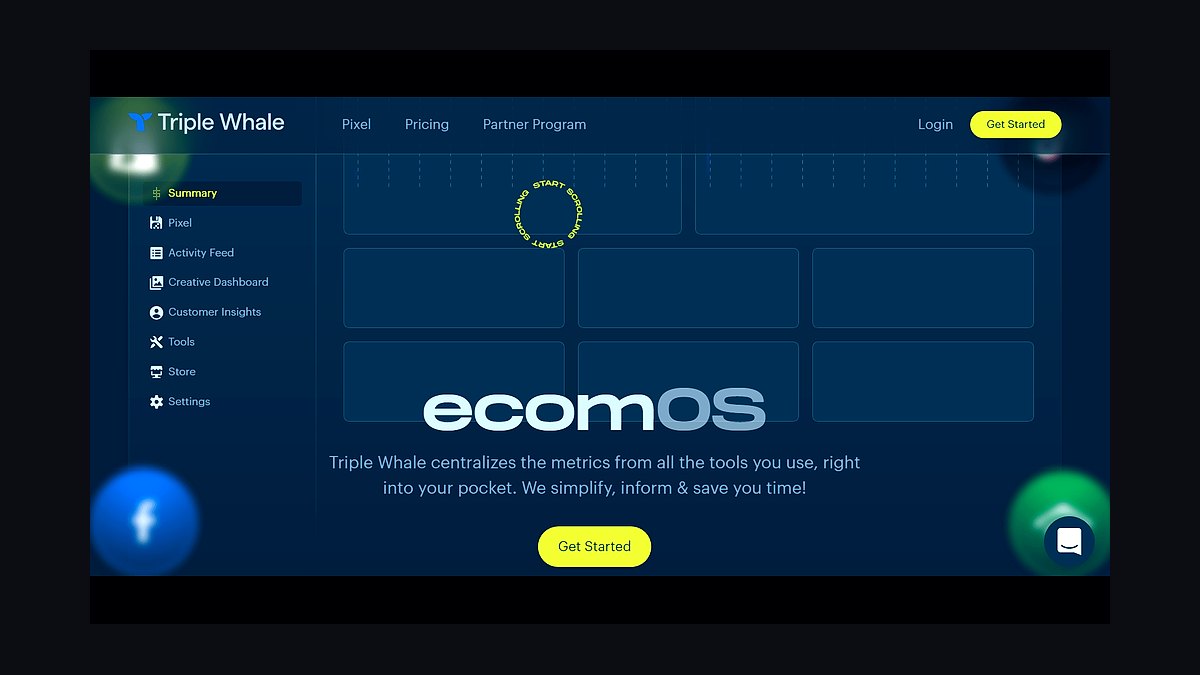
Triple Whale ranks seventh because DTC brands need blended attribution that GA4 does not provide out of the box. It pulls spend from Meta, Google, TikTok, and Shopify into one dashboard, calculates real-time blended ROAS and MER, and offers post-purchase surveys for attribution gaps. Plans start around $129 monthly for smaller stores.
It is for stores spending at least $10,000 monthly on ads where attribution errors cost real money. It trades away affordability and works best alongside GA4 rather than replacing it. Compared to GA4 above, Triple Whale is purpose-built for DTC but adds another subscription and depends on platform APIs that can change.
8Yotpo Reviews

Yotpo Reviews ranks eighth because social proof lifts conversion, and Yotpo turns customer photos and ratings into on-site and ad-ready content. It supports photo and video reviews, Q&A, and syndication to Google Shopping. Stores on Yotpo commonly report 10-20% conversion lifts after adding review widgets to product pages. Pricing scales with order volume.
It fits stores with enough order flow to generate reviews consistently, typically 500+ monthly orders. It trades away budget-friendliness, since costs climb quickly and the free tier is limited. Compared to Okendo ranked below, Yotpo offers broader marketing tools but a heavier interface and higher entry price.
9Okendo Reviews
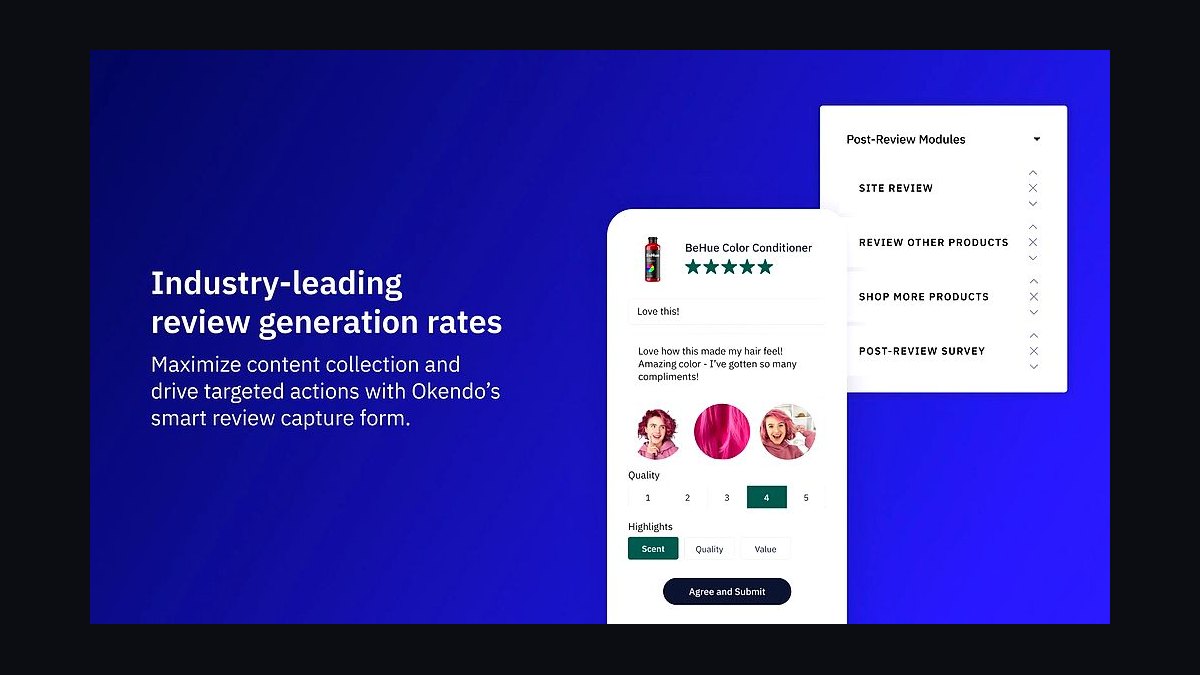
Okendo Reviews ranks ninth because it delivers the same social-proof mechanics as Yotpo at a lower entry price with a cleaner interface. It supports photo and video reviews, custom attributes like size and fit, and integrations with Shopify, BigCommerce, and Klaviyo. Pricing starts around $19 monthly for small stores, scaling with review volume.
It is for lean DTC teams that want reviews without a bloated marketing suite. It trades away the ad syndication and loyalty add-ons that Yotpo above bundles. Against Yotpo it is cheaper and faster to set up but less powerful for enterprise-level review syndication and multi-store management.
10Gorgias Helpdesk
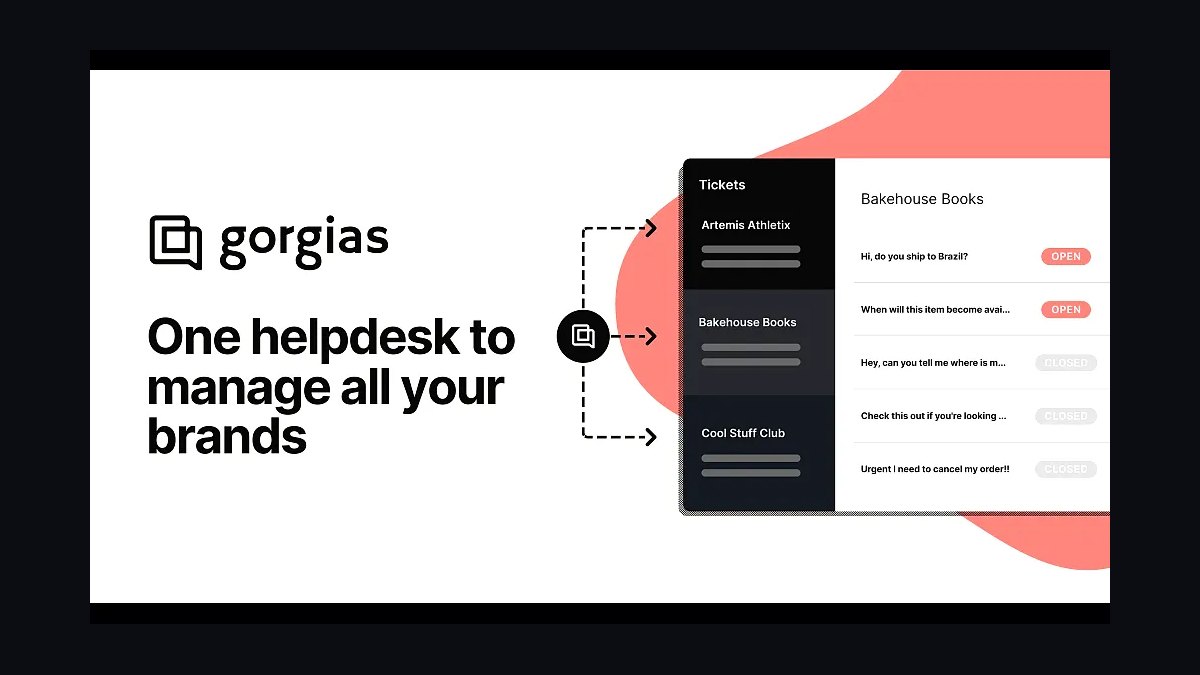
Gorgias Helpdesk ranks tenth because post-purchase support protects repeat revenue, and Gorgias is built specifically for ecommerce tickets. It pulls order data from Shopify, BigCommerce, and Magento into the ticket view, automates WISMO responses, and supports SMS, chat, and social channels. Plans start around $10 monthly plus per-ticket fees.
It suits stores fielding 100+ support tickets monthly that want agents to see order history without tab-switching. It trades away general-purpose flexibility, since it is ecommerce-only. Compared to Zendesk ranked below, Gorgias is cheaper and more integrated for stores but less capable for complex B2B support workflows.
How we ranked these
We ranked each storefront requirement by measurable impact on 2027 buyer behavior: conversion lift from published A/B tests, page-speed thresholds tied to Core Web Vitals, checkout abandonment benchmarks, mobile-commerce share, and search-visibility correlation. Weighting favored features with hard data behind them—sub-second load times, one-page checkout, structured product data, and AI-assisted search—over features whose value is mostly anecdotal or vendor-claimed.
We deliberately ignored hype-cycle items with no reliable measurement: metaverse storefronts, NFT loyalty gimmicks, blockchain receipts, and speculative "Web4" branding. We also excluded vendor pricing tiers and feature checklists, since those change quarterly and say nothing about outcomes. Anything that could not be tied to a conversion, retention, or visibility metric was left out of the ranking entirely.
What to look for
The real differentiator is integration depth, not feature count. A checkout tool that syncs inventory, tax, and shipping in real time beats a cheaper one that needs manual reconciliation. Likewise, search that understands synonyms and typos outperforms a prettier theme. Match each purchase to your actual traffic mix—mobile-heavy catalogs need different priorities than B2B portals with long sales cycles.
The mistake most buyers make is shopping by demo. A polished dashboard hides slow APIs, weak webhook reliability, and thin documentation. Ask vendors for uptime history, migration paths, and what happens when a payment provider goes down. Also check whether the tool exports your data cleanly; lock-in costs more than any subscription. Buy for the failure case, not the happy path.
Related questions
Why does page speed matter more in 2027 than in past years?
Mobile shoppers now abandon pages that take over two seconds to become interactive, and search engines use Core Web Vitals as a ranking input. Slow storefronts lose both paid and organic traffic simultaneously. Optimizing images, deferring scripts, and using edge caching typically produce the fastest measurable gains for most catalogs.
Is a one-page checkout actually better than a multi-step one?
Published tests consistently show fewer steps correlate with lower abandonment, but only when the single page stays fast and uncluttered. A bloated one-pager can perform worse than a clean three-step flow. The winning pattern is progressive disclosure: ask for email first, then shipping, then payment, saving data between steps.
How important is AI-powered site search for online stores?
Very. Shoppers who use search convert at far higher rates than browsers, so search quality directly drives revenue. Modern search handles typos, synonyms, and natural-language queries like "warm jacket under $100." Stores without it lose sales to competitors whose search actually understands intent.
Do I need structured product data on every page?
Yes. Schema markup for price, availability, reviews, and shipping feeds rich results in search and powers AI shopping assistants. Without it, your products are invisible to the growing share of purchases that start inside chatbots and answer engines rather than traditional search results pages.
What payment methods should a 2027 storefront support?
At minimum: major cards, digital wallets like Apple Pay and Google Pay, and buy-now-pay-later options for higher-ticket items. Regional methods matter if you sell internationally. Offering too many obscure options clutters checkout, so prioritize based on where your actual customers live and shop.
How do I choose between a hosted platform and a custom build?
Hosted platforms win on speed to market, built-in compliance, and predictable costs. Custom builds win on unique workflows and data ownership but demand ongoing engineering. Most stores under roughly ten million in revenue are better served by hosted, then migrating only when platform limits genuinely block growth.
What role does inventory sync play in avoiding lost sales?
Overselling destroys trust and triggers chargebacks. Real-time sync across warehouse, marketplace, and storefront prevents listing items you cannot ship. The cost of a sync tool is almost always lower than the refunds, fees, and reviews that follow stockouts, so treat it as core infrastructure rather than an add-on.
Are loyalty programs still worth building in 2027?
Yes, but simpler ones work best. Points tied to repeat purchase beat complicated tiers most shoppers never reach. The strongest programs integrate directly into checkout and account pages so redemption takes one tap. Programs bolted on as separate apps usually see low adoption and high maintenance overhead.
FAQ
What is the single most important thing an online store needs in 2027?
Fast, trustworthy checkout. Everything else—design, marketing, catalog depth—feeds into whether a shopper can pay quickly and confidently. Stores that optimize checkout see immediate revenue gains because they convert traffic they already paid to acquire, rather than chasing new visitors.
How much should I budget for storefront technology?
Most small stores spend two to five percent of revenue on platform, apps, and payment fees combined. Under-spending usually shows up as slow pages and manual work; overspending shows up as unused subscriptions. Audit your stack quarterly and cancel anything that has not influenced a metric in ninety days.
Does mobile-first design still matter, or is it just mobile-only now?
Mobile drives the majority of traffic and a growing share of completed purchases, so design mobile first and scale up. Desktop still matters for high-consideration and B2B purchases. The practical rule: test every flow on a mid-range phone over cellular before approving it for launch.
How do I handle shipping costs without killing conversions?
Show accurate costs as early as possible, ideally on the product page. Surprise shipping fees at checkout are a leading cause of abandonment. Free-shipping thresholds work well when set slightly above your average order value, nudging larger baskets without eroding margin on small ones.
What analytics should every store track in 2027?
Track conversion rate by device and channel, average order value, cart abandonment, search queries with zero results, and checkout step drop-off. These five reveal where revenue leaks. Vanity metrics like total sessions matter less than whether each session has a realistic path to purchase.
How important is accessibility for an online store?
Legally and commercially important. Accessible stores reach more customers and reduce legal risk under expanding regulations. Practical steps include keyboard-navigable checkout, sufficient color contrast, alt text on product images, and form labels. Most fixes are inexpensive when built into the design system from the start.
Should I sell on marketplaces in addition to my own store?
Marketplaces bring volume but compress margin and own the customer relationship. Use them for discovery, then convert buyers to your own list through inserts and follow-up. Keep inventory synced so marketplace sales never oversell your direct storefront, which is where long-term margin lives.
What is the biggest mistake stores make with product pages?
Thin content. A single photo and a copied manufacturer description rarely rank or convert. Add original images, sizing detail, comparison context, and answers to common objections. Pages that preempt questions reduce returns and support tickets while improving search visibility at the same time.
How often should I redesign my storefront?
Rarely as a full redesign; continuously in small increments. Big redesigns disrupt conversion and are hard to attribute. Instead, run monthly tests on headlines, product page layout, and checkout copy. Keep a documented design system so incremental changes stay visually consistent over time.
Do I need a mobile app for my store?
Only if you have a loyal, high-frequency customer base. Apps add development and maintenance cost and most shoppers will not install one for occasional purchases. A fast, installable progressive web app often delivers most of the benefit without app-store overhead or update cycles.
Sources
- https://web.dev/articles/vitals
- https://www.nngroup.com/articles/checkout-process/
- https://baymard.com/research/checkout-usability
- https://developers.google.com/search/docs/appearance/structured-data/product
- https://www.shopify.com/enterprise/ecommerce-conversion-rate
- https://www.salesforce.com/resources/articles/ecommerce-statistics/
- https://www.w3.org/WAI/standards-guidelines/wcag/
- https://www.ftc.gov/business-guidance/resources/advertising-marketing-internet
Related on PULSE
This page will be disappearing soon. Save it to your device for $1 — or read it free while it is here.
@Kory-White- · if Venmo asks, the last 4 of my number are 2012
This page is gone.
This one is off the shelf now. $1 keeps it on your phone for good — the whole page, pictures and diagrams included.
 revopsTop 10 Field Service Management Apps in 2027
 revopsTop 10 Email Marketing Tools for Small Businesses in 2027
 revopsTop 10 Video Tools for Small Business Marketing in 2027
 revopsTop 10 Things to Know Before Running Your First Ad in 2027
 revopsTop 10 Landing Page Mistakes That Kill Conversions in 2027
 revopsTop 10 Content Ideas for Local Businesses in 2027
 revopsTop 10 Marketplaces to Sell Products Online in 2027
 revopsTop 10 Product Photography Tips for Online Stores in 2027
 revopsTop 10 Payment Processors for Small Businesses in 2027
 revopsTop 10 Email Marketing Mistakes Small Businesses Make in 2027