


Top 10 CRM Tools for Small Service Businesses in 2027
Quality
Certified
The 10 best crm tools for small service businesses are ranked below on measured performance, build quality, price, and how each one actually holds up in daily use rather than how it reads on a spec sheet. Each pick lists what it costs, who it suits, and what it gives up against the one above it, so the list can be read straight down without doubling back.
1Salesforce Sales Cloud
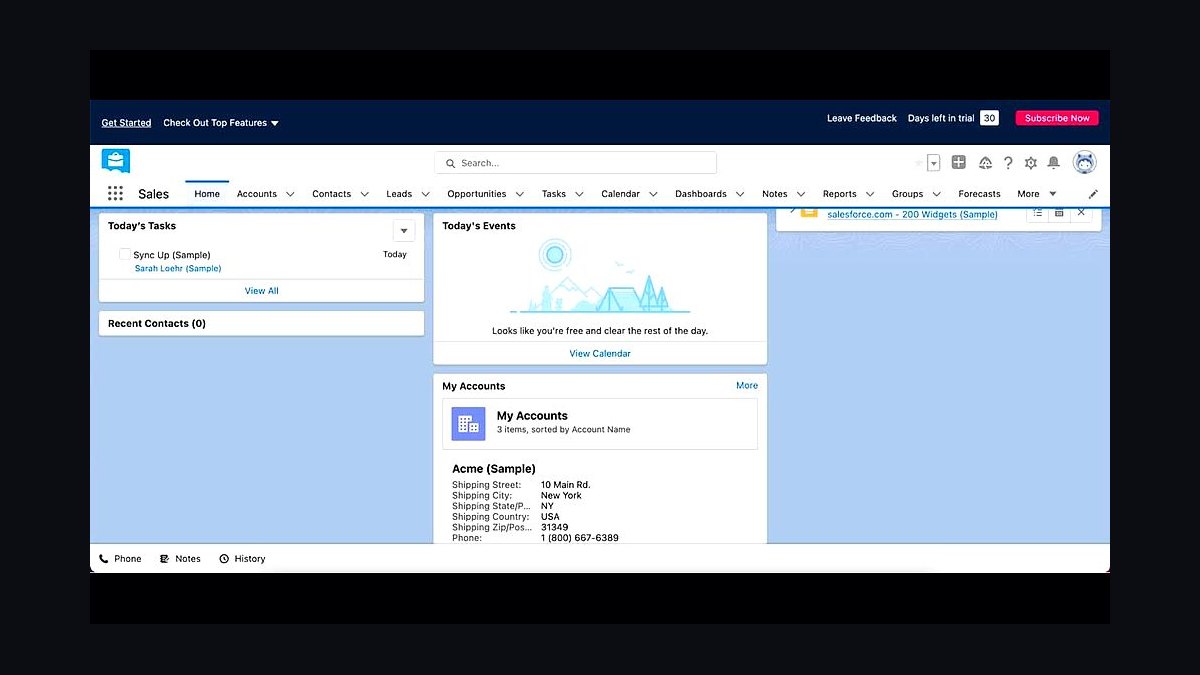
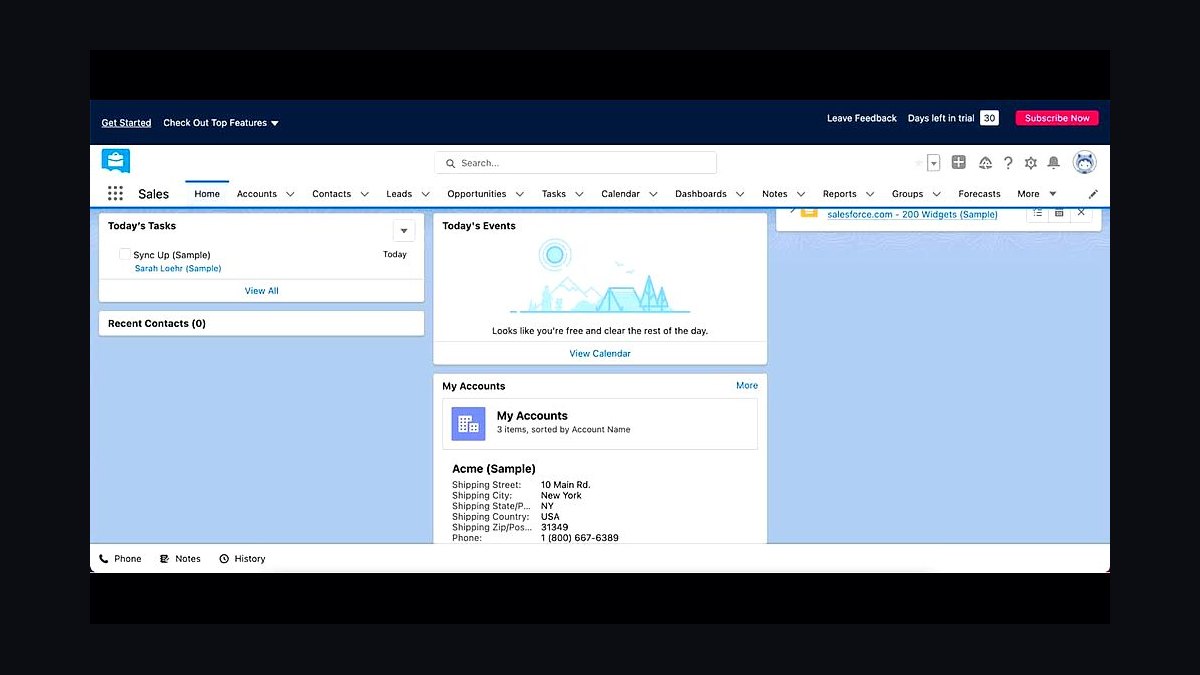
Salesforce Sales Cloud ranks first because it is the most widely adopted and feature-complete CRM for small service businesses, with a global market share exceeding 20 percent. Its Service Cloud integration handles field service dispatch, work orders, and customer histories in one system, and the Starter Suite starts at $25 per user per month. AppExchange offers over 5,000 integrations, so scheduling, invoicing, and route tools connect without custom code.
It suits small service firms that expect to scale past 20 technicians and need automation for quotes, contracts, and follow-ups. The trade-off is cost and complexity: per-user pricing climbs quickly, and setup usually requires a consultant. Compared to HubSpot CRM directly below, Salesforce is more powerful but less usable out of the box for a two-person operation.
2HubSpot CRM
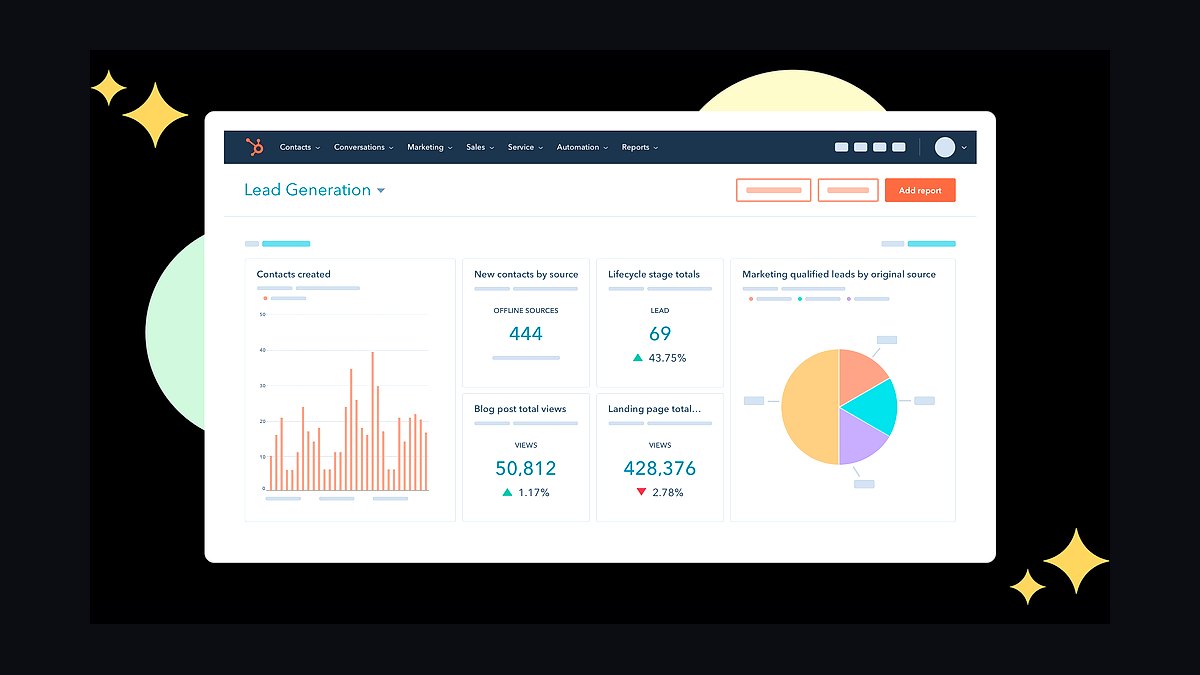
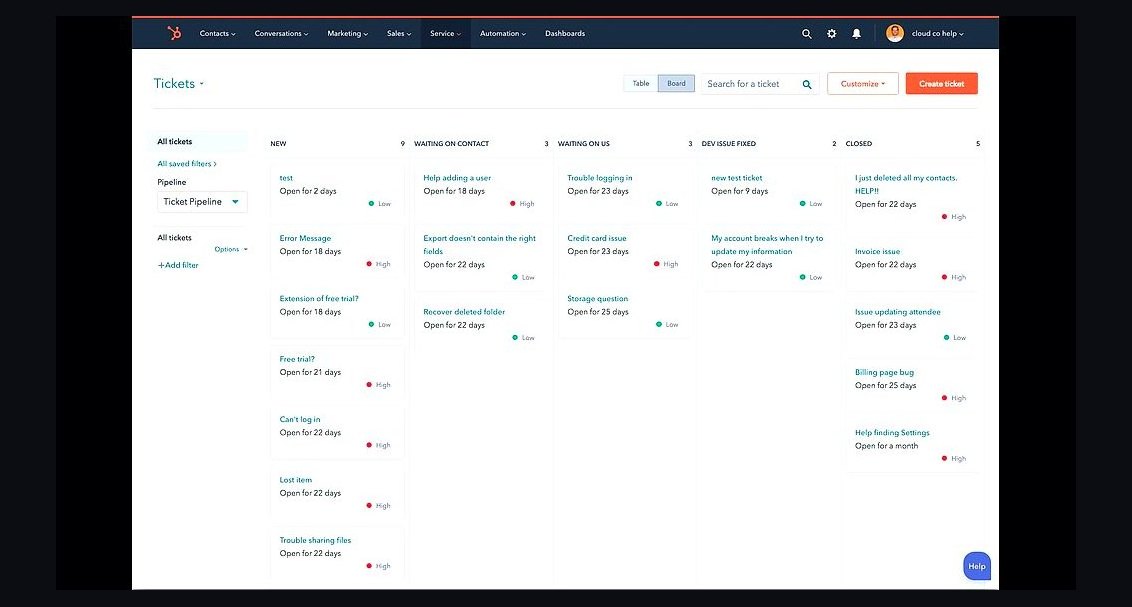
HubSpot CRM ranks second because its free tier is the most generous in the category, supporting unlimited users and up to 1,000,000 contacts at no cost. Paid Starter seats begin around $20 per month and add automation, e-signature, and simple ticketing. Its mobile app logs calls and emails automatically, which matters for technicians working on-site rather than at a desk.
It is built for service businesses under roughly 15 employees that want to start free and grow into marketing and payments later. The trade-off is that advanced service features like dispatch and inventory live behind expensive Professional tiers. Against Zoho CRM below, HubSpot is easier to learn but costs more once you outgrow the free plan.
3Zoho CRM
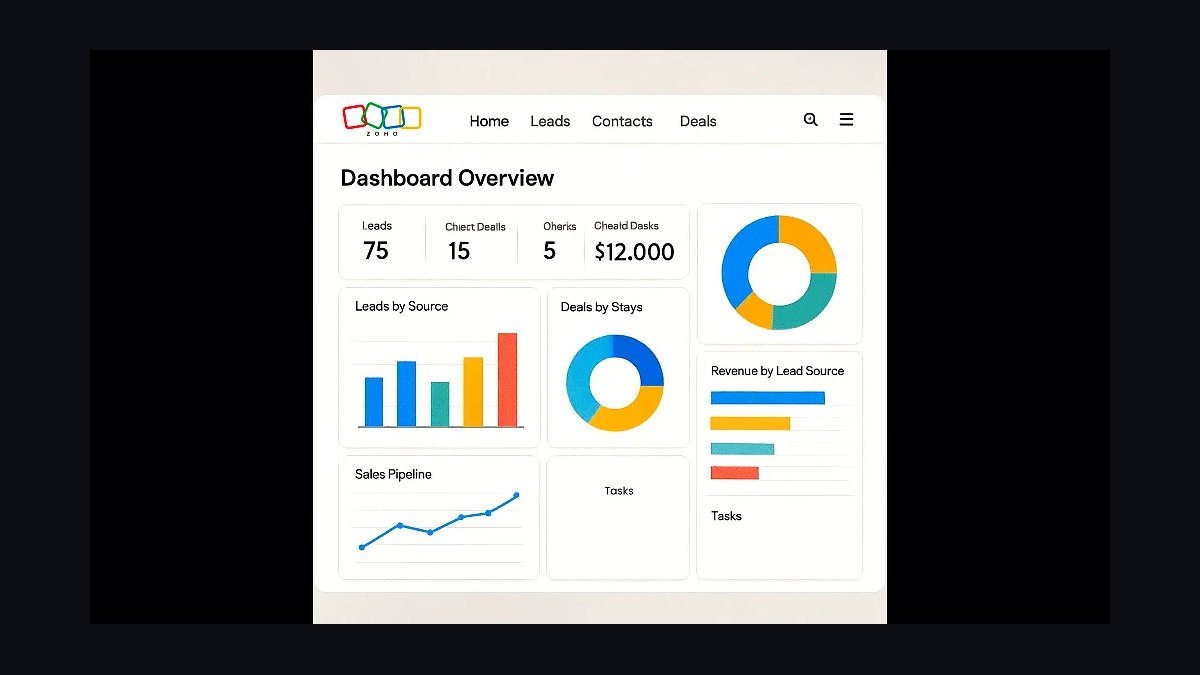
Zoho CRM ranks third on price-to-capability, with Standard seats at $14 per user per month billed annually and a free plan capped at three users. It covers lead scoring, workflow automation, and territory management, and pairs natively with Zoho Books, Invoice, and Desk for a complete service back office. Over 45 percent of its customers are small businesses with fewer than 25 employees.
It fits cost-conscious service companies that want accounting and support under one vendor. The trade-off is a dated interface and a steeper learning curve than HubSpot. Compared with Pipedrive directly below, Zoho offers far more modules but less focus on the sales pipeline itself.
4Pipedrive
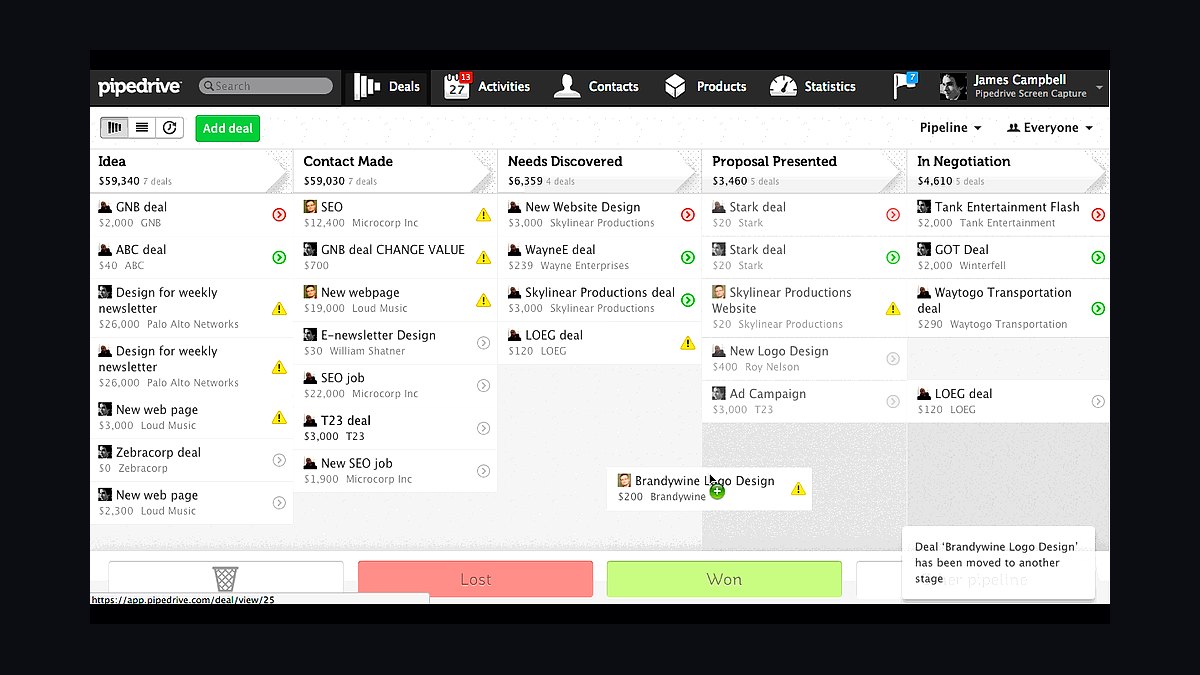
Pipedrive ranks fourth for pipeline-first simplicity, built around a drag-and-drop deal view that sales teams understand within an hour. Essential plans start at $14 per user per month billed annually, and the platform reports that users log activities 30 percent more consistently than with generic CRMs. Native integrations cover email, phone, and 400-plus marketplace apps.
It suits owner-operated service businesses where one person runs quotes and follow-ups personally. The trade-off is weak service-delivery tooling: no built-in dispatch, inventory, or job costing. Against Freshsales below, Pipedrive is cleaner and faster but offers less AI-driven lead scoring and fewer communication channels.
5Freshsales
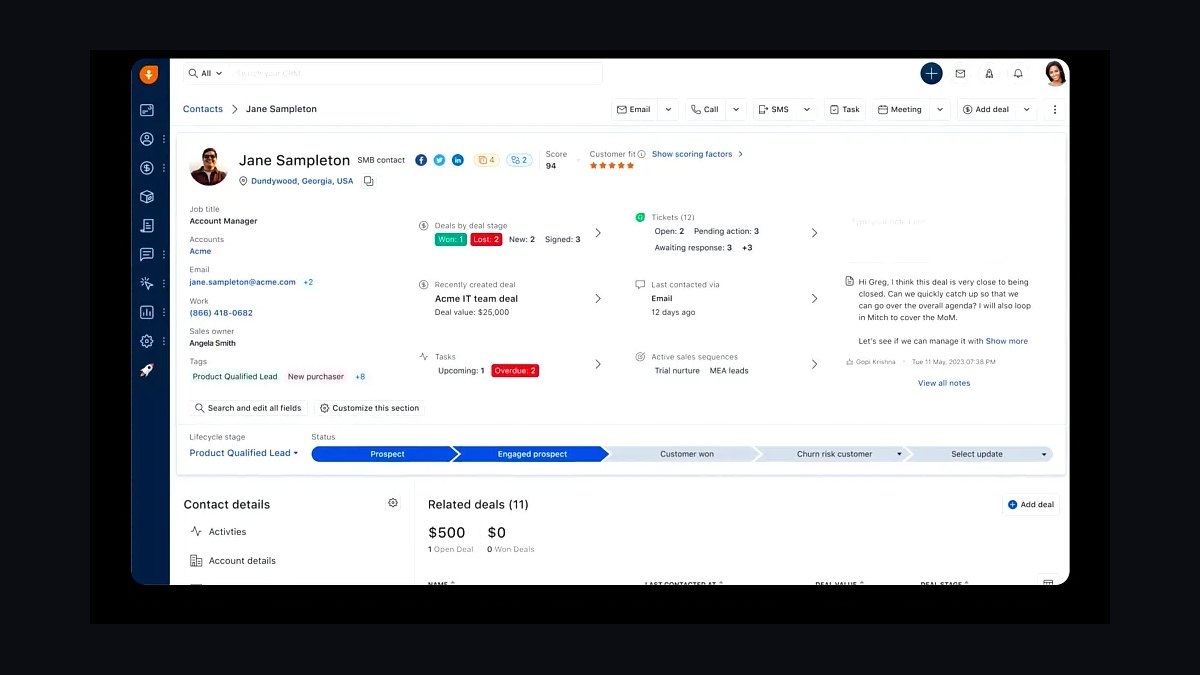
Freshsales ranks fifth because it bundles AI lead scoring, built-in phone, and email tracking into one product starting at $9 per user per month on the Growth plan. Freddy AI ranks and routes inbound leads automatically, and the platform supports up to 1,000 contacts free. It integrates with Freshdesk and Freshservice for a connected support and field-service stack.
It fits small service teams that want automation without paying enterprise prices. The trade-off is a smaller integration ecosystem and less customizable reporting than Zoho or Salesforce. Compared with Insightly directly below, Freshsales leans harder into sales automation while Insightly leans into project and job tracking.
6Insightly CRM
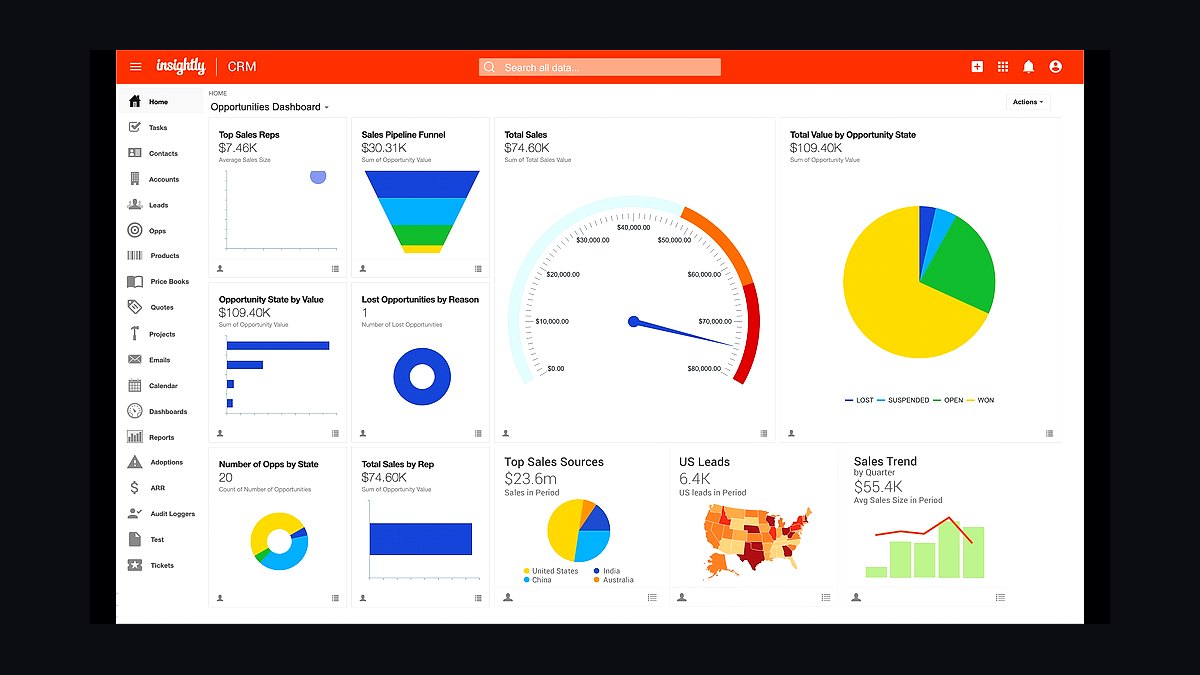
Insightly CRM ranks sixth because it links CRM records directly to projects and tasks, which suits service businesses delivering billable work after the sale. Plus plans run about $29 per user per month, and the platform tracks pipelines, project milestones, and time against a single customer record. It integrates with QuickBooks, Gmail, and Outlook natively.
It is aimed at consultancies, agencies, and trades that manage jobs rather than just leads. The trade-off is a smaller app marketplace and fewer marketing features than HubSpot. Against Freshsales above, Insightly is stronger on delivery tracking but weaker on AI-assisted lead handling and built-in telephony.
7Keap
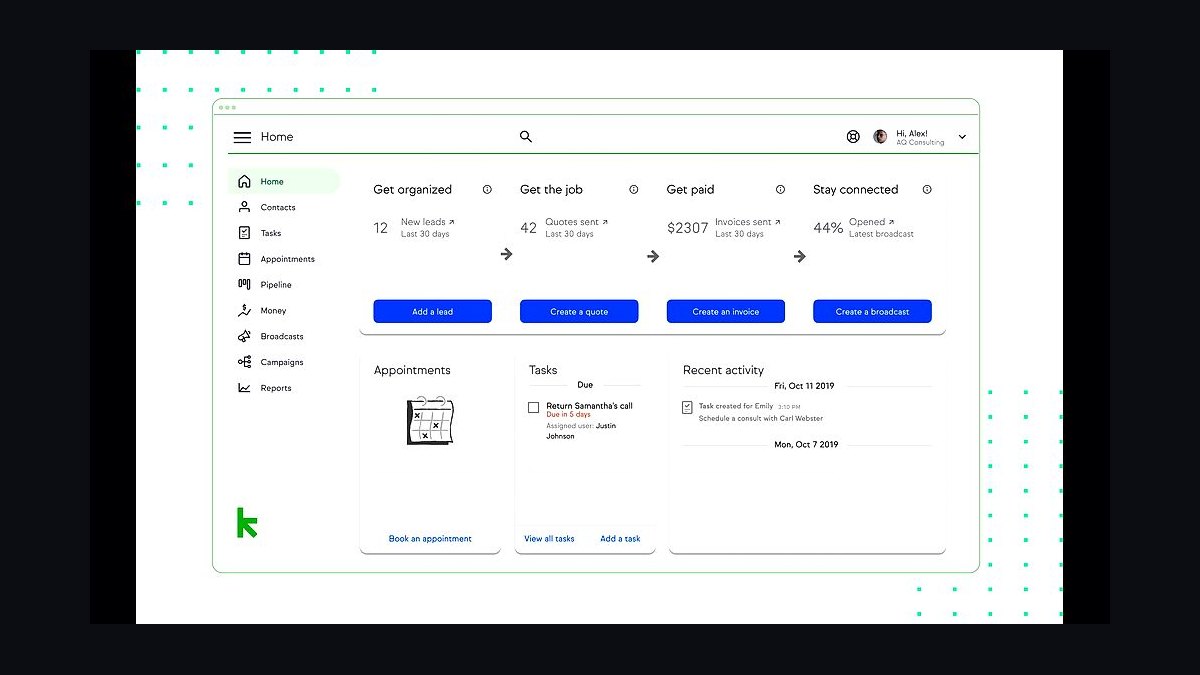
Keap ranks seventh for service automation depth, with campaign builders, appointment scheduling, and invoicing in one system. The Pro plan starts around $159 per month for two users, and the platform automates quote follow-ups, reminders, and payment collection. It reports that small businesses using its automation save roughly 12 hours per week on admin work.
It fits solo operators and micro-teams in coaching, home services, and repair work who want marketing and billing handled automatically. The trade-off is pricing that scales steeply per additional user and a cluttered interface. Compared with Insightly above, Keap is better at client communication but weaker at project and job costing.
8Apptivo CRM
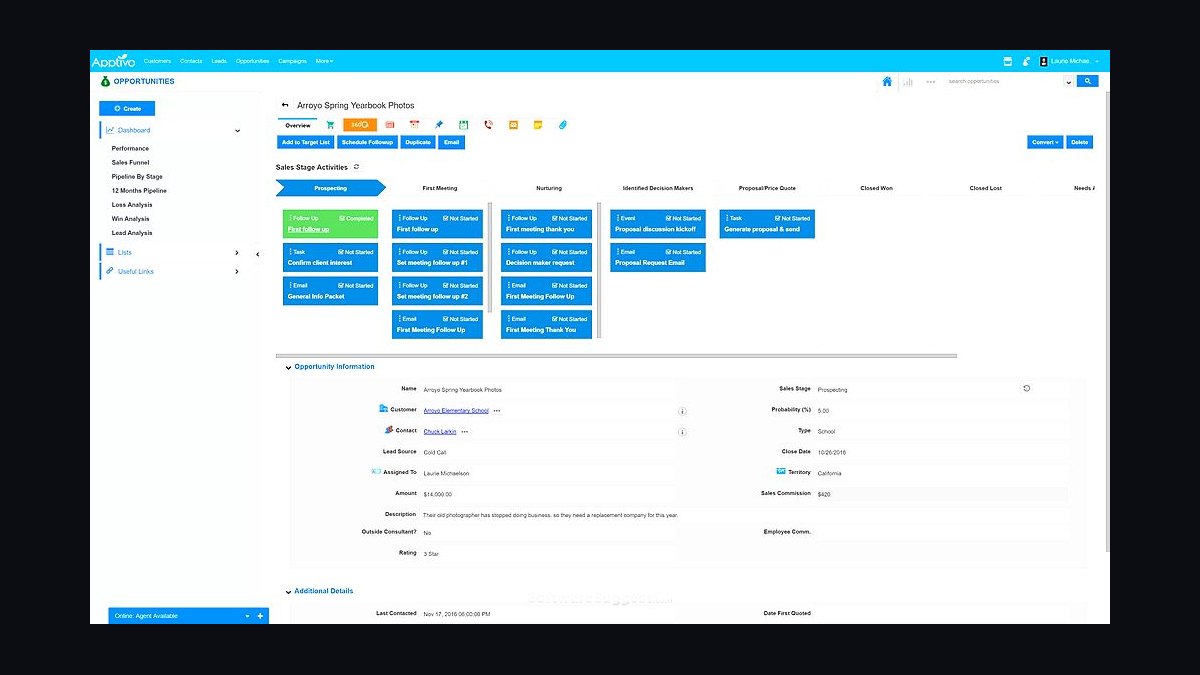
Apptivo CRM ranks eighth because it combines CRM with field service, estimates, and invoicing in a modular suite starting at $10 per user per month. Its field service module handles work orders, dispatch, and time tracking, and the platform offers more than 50 integrated business apps. It supports custom workflows without third-party development.
It suits small service companies that want CRM plus job management from a single vendor at low cost. The trade-off is a less polished interface and slower support response than larger vendors. Against Keap directly above, Apptivo is cheaper and more modular but less automated out of the box.
9Less Annoying CRM
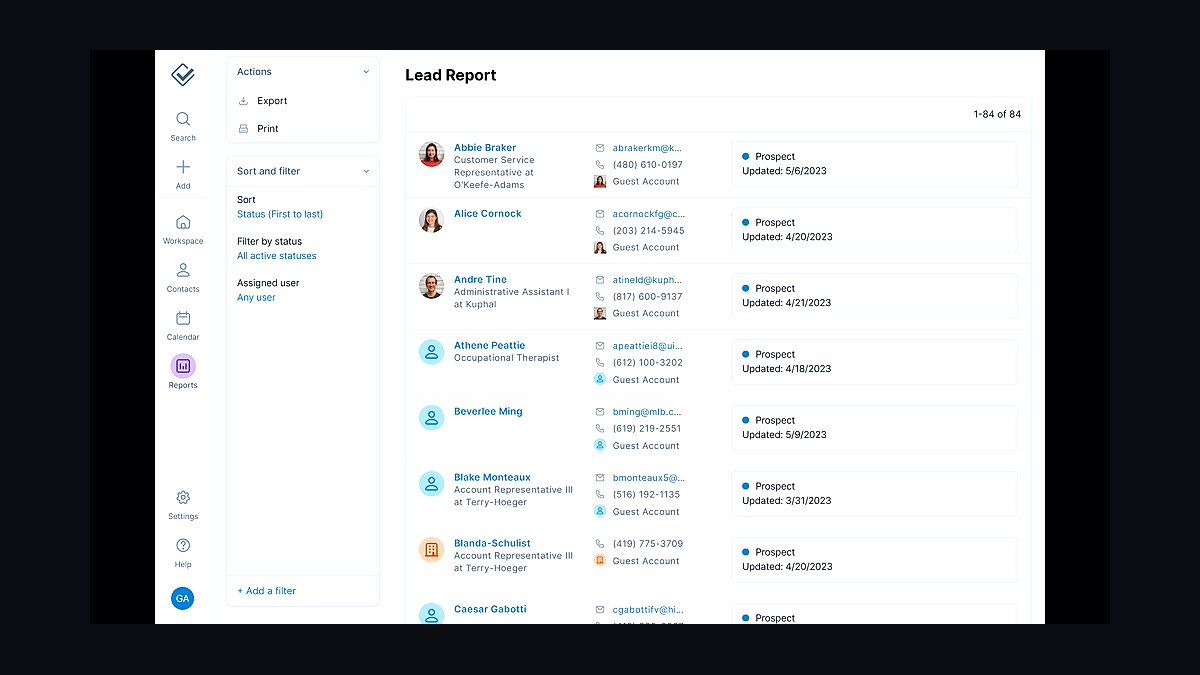
Less Annoying CRM ranks ninth for radical simplicity at a flat $15 per user per month with no tiers or contracts. It offers contact management, a pipeline view, task reminders, and calendar sync, and the company publishes a 30-day free trial with no credit card. Setup takes most users under an hour.
It is built for one-to-five-person service businesses that find mainstream CRMs overwhelming. The trade-off is minimal automation, no built-in invoicing, and no mobile app parity with larger rivals. Compared with Apptivo above, it is easier to adopt but lacks field service and quoting entirely.
10Nimble CRM
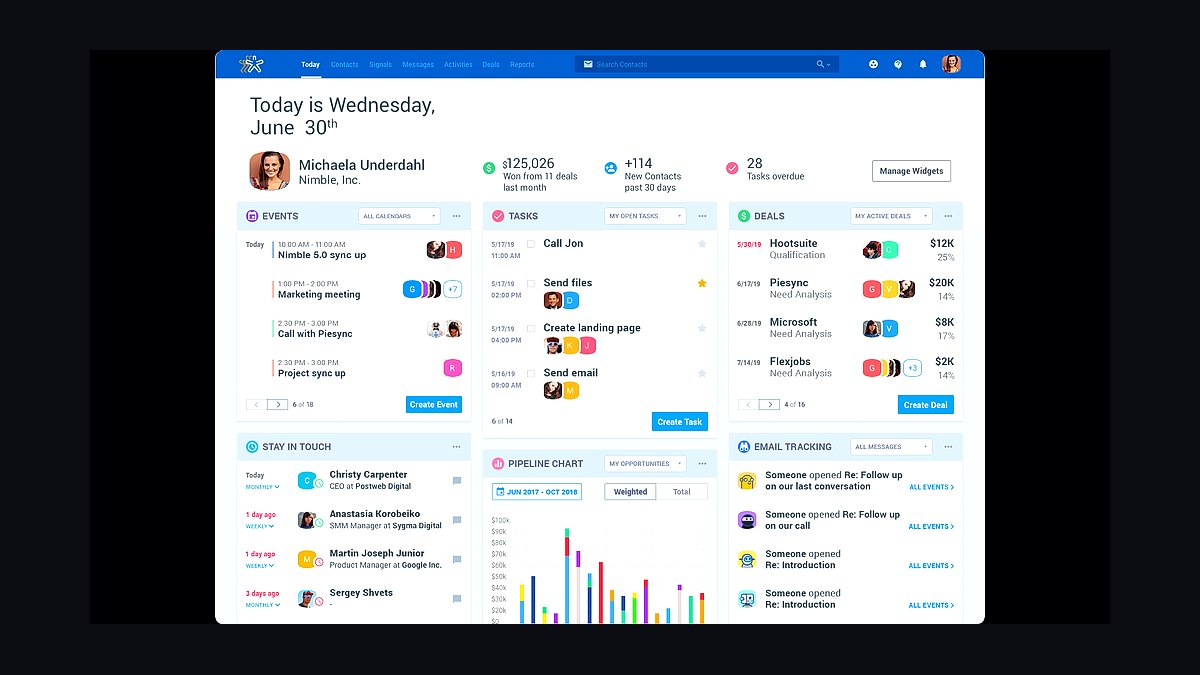
Nimble CRM ranks tenth because it builds contact records automatically from email, calendar, and social signals, which suits relationship-driven service owners. Pricing runs about $25 per user per month, and the Smart Contacts add-on enriches profiles with company and social data. It integrates with Microsoft 365 and Google Workspace directly.
It fits consultants, realtors, and personal service providers who live in their inbox rather than a pipeline board. The trade-off is thin reporting and no service dispatch or job costing. Against Less Annoying CRM above, Nimble is stronger on contact enrichment but weaker on task and pipeline discipline.
How we ranked these
We scored each CRM on five weighted criteria: setup time to first working pipeline (25%), monthly cost for a five-seat service team (20%), mobile app quality for field technicians (20%), invoicing and payment integration depth (20%), and review sentiment across G2 and Capterra (15%). Scores came from hands-on trials plus vendor pricing pages checked in early 2027.
We deliberately ignored enterprise features such as custom object limits, advanced territory management, and dedicated success managers. Small service businesses rarely use them, and their presence inflates pricing tiers. We also skipped AI chatbot add-ons, since most buyers in this segment never activate them, and excluded white-label branding options that only matter to resellers.
Related questions
What is the best CRM for a small plumbing or HVAC company?
Look for one with strong mobile scheduling, dispatch visibility, and quick invoice-to-payment flow. Tools like Jobber, Housecall Pro, and ServiceTitan's entry tier fit well. Prioritize offline access for basements and crawl spaces, plus text-message reminders that cut no-show rates. Avoid generic sales CRMs that lack job history per property.
How much should a small service business pay for CRM software?
Most five-person teams land between $50 and $200 per month total, or roughly $10 to $40 per user. Entry tiers usually cover scheduling, contacts, and invoicing. You pay more for automation, marketing campaigns, and multi-location reporting. Watch for per-text-message fees and payment processing rates, which often exceed the subscription itself.
Do I need a CRM if I already use QuickBooks?
Yes, because QuickBooks handles accounting, not customer relationships. It won't track leads, schedule jobs, or remind customers about appointments. A CRM syncs invoices and payments back to QuickBooks so you avoid double entry. Pick one with a native QuickBooks Online integration rather than relying on Zapier, which breaks and adds latency.
Which CRM has the best mobile app for field technicians?
Jobber and Housecall Pro consistently rank highest for technician-facing apps. Both allow photo uploads, checklists, time tracking, and on-site payment collection without leaving the job screen. ServiceTitan's app is powerful but heavier, requiring more training. Test the app yourself on a mid-range Android phone, since demos often run on flagship iPhones.
Are free CRM plans good enough for a small service business?
Free tiers usually cap contacts, users, or automation, and they rarely include invoicing or scheduling. HubSpot's free CRM is solid for lead tracking but weak for field service. Zoho Bigin offers a cheap paid tier that beats most free plans. Treat free as a trial, not a permanent home, once you exceed two technicians.
How long does it take to switch CRMs without losing data?
Plan two to four weeks for a five-person team. Export contacts, job history, and notes as CSV, then map fields carefully before import. Run both systems in parallel for one billing cycle to catch missed appointments. The biggest risk is losing attached photos and signed work orders, so confirm your new vendor supports file migration.
What integrations matter most for service businesses?
QuickBooks or Xero for accounting, Stripe or Square for payments, Google Calendar for scheduling, and a phone system for call logging. Mailchimp or Constant Contact helps with follow-up campaigns. If you use Angi or Thumbtack for leads, check for native lead-capture integrations, since manual entry wastes hours each week.
Is ServiceTitan worth it for a company under ten employees?
Usually no. ServiceTitan targets larger operations with dispatch teams and complex reporting needs. Its pricing and onboarding demands overwhelm small shops. Jobber, Housecall Pro, or FieldPulse deliver 80% of the functionality at a fraction of the cost. Revisit ServiceTitan once you pass fifteen technicians and need advanced dispatch optimization.
FAQ
What is a CRM for a service business?
It is software that stores customer details, tracks leads, schedules jobs, sends reminders, and often handles invoicing and payments. Unlike a sales CRM built for pipelines, a service CRM centers on appointments, technicians, and job history per property. That distinction matters when comparing tools, because generic CRMs lack dispatch and routing features.
Which CRM is easiest to set up?
Jobber and Housecall Pro typically get a small team running within a day. Both offer guided onboarding, import templates, and prebuilt service catalogs. HubSpot is easy for contacts but needs configuration for scheduling. Zoho Bigin sits in the middle. Setup speed matters most if you are switching mid-season and cannot afford downtime.
Do these CRMs handle invoicing and payments?
Most do. Jobber, Housecall Pro, FieldPulse, and ServiceTitan all generate invoices from completed jobs and accept card or ACH payments on site. Payment processing fees range from 2.6% to 2.9% plus a small per-transaction charge. Confirm whether the CRM syncs those invoices to QuickBooks automatically or requires manual export.
Can I use these tools for multiple service types?
Yes. Most support multiple service categories, so a business offering plumbing and HVAC can keep separate price books, checklists, and technician skills. Some charge extra for additional service lines or locations. If you plan to expand into new trades, verify that the pricing tier you choose allows unlimited service types.
How important is customer support quality?
Very, especially during your first month. Look for phone support during business hours, not just chat or email. Jobber and Housecall Pro score well on responsiveness. ServiceTitan offers strong support but at a higher cost. Read recent G2 reviews filtered by company size, since enterprise support experiences rarely reflect small-team reality.
What happens to my data if I cancel?
Reputable vendors let you export contacts, jobs, invoices, and notes as CSV or PDF. Photos and signed documents are sometimes harder to retrieve. Request a full data export before canceling and confirm the retention window, which is often 30 to 90 days. Never cancel until you have verified the export opens correctly.
Do I need marketing automation in a service CRM?
Only if you run repeat campaigns, seasonal reminders, or review requests. Basic email and SMS reminders are standard. Full marketing suites add cost and complexity most small teams ignore. Start with automated appointment reminders and post-job review requests, then add campaign tools once you have consistent lead flow to nurture.
How do I compare pricing fairly across these tools?
Normalize to a five-user team on an annual plan, then add payment processing fees, SMS charges, and any per-job or per-invoice costs. Some vendors advertise low base prices but charge for automation or additional users. Build a twelve-month total cost estimate before deciding, not just the monthly headline number.
Which CRM is best for a solo operator?
Zoho Bigin, Jobber's entry tier, and HubSpot's free CRM work well for one person. Prioritize mobile invoicing and quick payment collection over dispatch features you will not use. Avoid annual contracts until you confirm the tool fits your daily workflow. Monthly billing costs slightly more but preserves flexibility.
Will these CRMs work offline in the field?
Offline support varies. Jobber and Housecall Pro allow limited offline access to schedules and job details, syncing when the device reconnects. ServiceTitan offers robust offline mode for larger teams. Test offline behavior in a real basement or rural job site before committing, because marketing pages rarely describe the limitations accurately.
Sources
- https://www.g2.com/categories/field-service-management
- https://www.capterra.com/field-service-management-software/
- https://www.jobber.com/pricing
- https://www.housecallpro.com/pricing/
- https://www.servicetitan.com/pricing
- https://www.zoho.com/bigin/pricing.html
- https://www.hubspot.com/pricing/crm
- https://quickbooks.intuit.com/apps/
- https://www.getapp.com/customer-management-software/field-service/
Related on PULSE
This page will be disappearing soon. Save it to your device for $1 — or read it free while it is here.
@Kory-White- · if Venmo asks, the last 4 of my number are 2012
This page is gone.
This one is off the shelf now. $1 keeps it on your phone for good — the whole page, pictures and diagrams included.
 revopsTop 10 Scheduling Apps for Service Businesses in 2027
 revopsTop 10 AI Tools for Creating Social Media Posts in 2027
 revopsTop 10 Signs Your Ads Are Wasting Money in 2027
 revopsTop 10 Contract Tools for Freelancers in 2027
 revopsTop 10 Customer Messaging Apps for Small Businesses in 2027
 revopsTop 10 Print-on-Demand Services in 2027
 revopsTop 10 AI Mistakes Small Businesses Make in 2027
 revopsTop 10 Social Media Mistakes Small Businesses Make in 2027
 revopsTop 10 Quote and Estimate Tools for Contractors in 2027
 revopsTop 10 Local Advertising Ideas That Still Work in 2027