
A Wedding Speech for the Officiant
 Curated byKory White · Fractional CRO · Maryland
 PULSEKNOWLEDGE LIBRARY
Quality
Certified
A wedding officiant’s speech should warmly welcome guests, acknowledge the couple’s journey, and lead into the ceremony’s vows or ring exchange. Keep it between two and five minutes, blending sincerity with a touch of humor appropriate to the couple’s style. The tone can range from formal to casual, but the core purpose is to set a celebratory, heartfelt atmosphere before the legal pronouncement. This speech is the emotional anchor of the ceremony, guiding guests from arrival to the moment the couple says "I do."
The officiant’s role is to hold the room steady while two people stand in front of everyone they love and promise their lives to each other. A well-crafted speech does more than fill time—it creates a shared emotional experience that guests will remember long after the ceremony ends. Whether you’re a professional officiant or a friend asked to lead the ceremony, understanding the structure, tone, and delivery of this speech transforms a routine moment into something deeply meaningful.
What Are the Key Elements of a Wedding Officiant Speech?
A wedding officiant speech follows a natural arc that guides guests through the emotional journey of the ceremony. The opening should welcome everyone and acknowledge the significance of the gathering—this grounds the room and signals that the ceremony has begun. Follow this with a brief reflection on love and commitment, drawing from universal truths rather than personal anecdotes about the couple (save those for the reception). The middle section should transition into the couple’s story: how they met, what drew them together, and the qualities that make their bond unique. This is where you humanize the ceremony without turning it into a roast.
The speech then leads into the exchange of vows and rings with a clear, heartfelt call to action—something like, “And now, [Name] and [Name], it’s time to share the promises you’ve written for one another.” This structure keeps the speech focused, avoids rambling, and ensures every word serves the ceremony’s purpose. Aim for a total length of 3 to 5 minutes when spoken at a natural pace—long enough to feel meaningful, short enough to keep guests engaged. For more on structuring your remarks, see how to structure a wedding officiant speech.
How Do You Write a Wedding Officiant Speech That Feels Personal?
The most effective officiant speeches feel authentic to the couple, not generic. Before writing, ask the couple about their preferred tone: formal and traditional, lighthearted and playful, or somewhere in between. For a formal ceremony, use structured language and avoid inside jokes. For a casual outdoor wedding, a more conversational tone with a brief, appropriate anecdote works well. A common middle ground is a warm, sincere speech with one or two gentle humorous lines—for instance, mentioning how the couple met or a shared hobby.
Avoid over-relying on generic quotes about love; instead, weave in a specific detail the couple has shared with you, like their favorite date spot or a quality they admire in each other. This personal touch makes the speech memorable and meaningful. For example, instead of saying "they love each other deeply," say "I’ve never seen two people who make grocery shopping look like a date night." One true detail beats three generic compliments. For more ideas, check out how to personalize a wedding toast.
How Should You Deliver a Wedding Officiant Speech with Confidence?
Even seasoned officiants feel nervous before a ceremony—it’s a sign you care. To manage this, prepare a printed copy of your speech in large, easy-to-read font (14-point or larger) on a single card or sheet of paper. Hold it at chest height, not waist level, so you don’t have to look down far. Practice the speech aloud at least five times before the wedding day, timing yourself and marking natural pauses with a slash or dot on the page. On the day, arrive 20 minutes early to stand at the front of the ceremony space; take three slow, deep breaths while looking at the empty chairs.
When you begin, make eye contact with the couple first—they’ll be nervous too, and seeing their calm faces will steady you. If your voice wavers or you lose your place, pause, smile, and glance at your notes. Guests are rooting for you, not judging you. A brief silence feels much longer to you than to them. Finally, remember that the speech is not a performance; it’s a service to the couple. Focus on their happiness, and your delivery will naturally become more grounded and sincere. For more tips, see how to keep a wedding toast under three minutes.
What Are Common Mistakes in Wedding Officiant Speeches to Avoid?
One of the most common mistakes is making the speech too long. Guests’ attention spans wane after five minutes, especially if they’re standing in the sun or sitting on hard chairs. Another mistake is using generic language that could apply to any couple—phrases like "they’re perfect together" or "love is a beautiful thing" lack specificity and emotional weight. Avoid inside jokes that exclude the majority of guests, and steer clear of controversial topics like politics, religion (unless the couple specifically requests it), or past relationships.
A third mistake is reading the speech entirely from a script without making eye contact. This disconnects you from the audience and makes the ceremony feel robotic. Instead, use bullet-point notes or a short outline to guide you while maintaining natural eye contact. Finally, don’t forget to practice the timing and pacing—speaking too fast is a common nervous habit that undermines the gravity of the moment. Slow down, pause after key lines, and let the room breathe.
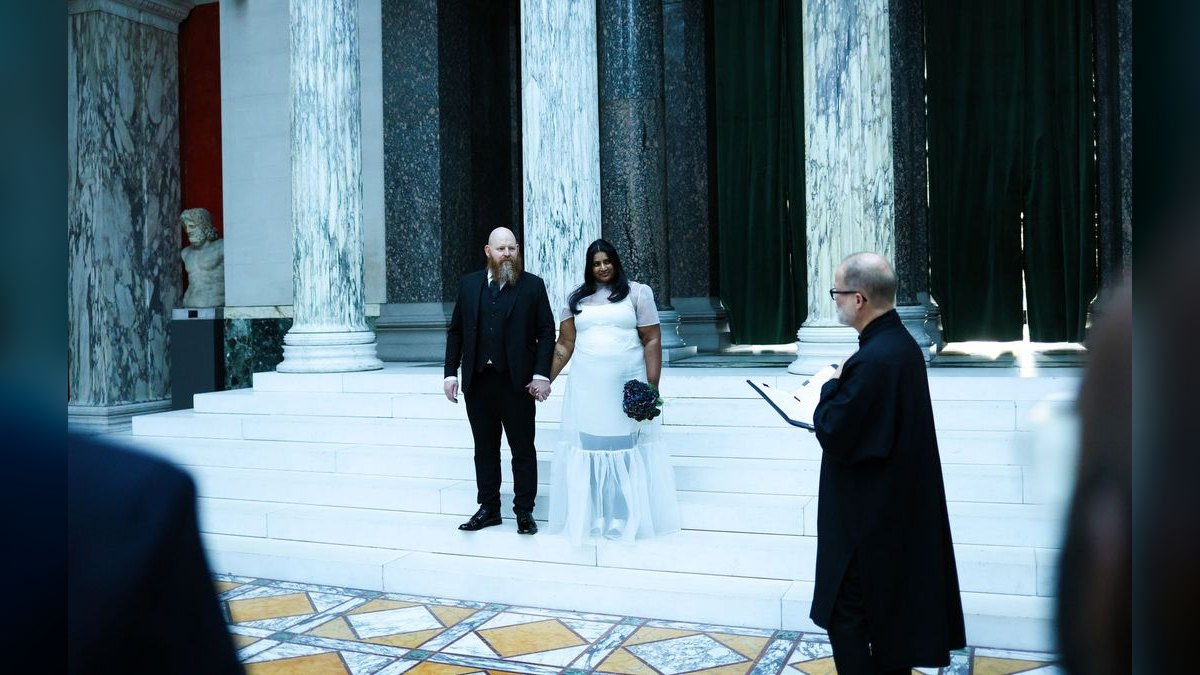
How Do You Adapt a Wedding Officiant Speech for Different Ceremony Styles?
The tone of your officiant speech should mirror the couple’s personality and the overall vibe of the wedding. For a formal, traditional ceremony—say, in a church or grand ballroom—lean into dignified language, referencing timeless concepts like "sacred covenant" or "the foundation of marriage." Speak slowly, use measured pauses, and avoid jokes or casual asides. For a secular or outdoor ceremony, such as a beach or forest wedding, adopt a more conversational tone: use contractions, share a lighthearted observation about the setting, and let your natural warmth shine through.
If the couple is playful, you can weave in a single, tasteful humorous line—like "They met over a shared love of bad puns and good coffee"—but keep it brief and never at anyone’s expense. For elopements or intimate micro-weddings (under 20 guests), the speech can become more personal and direct, addressing the couple by first names and acknowledging the closeness of the group. Always ask the couple beforehand what tone they prefer, and if they’re unsure, offer them two sample sentences to choose from—this gives them control while leveraging your expertise.
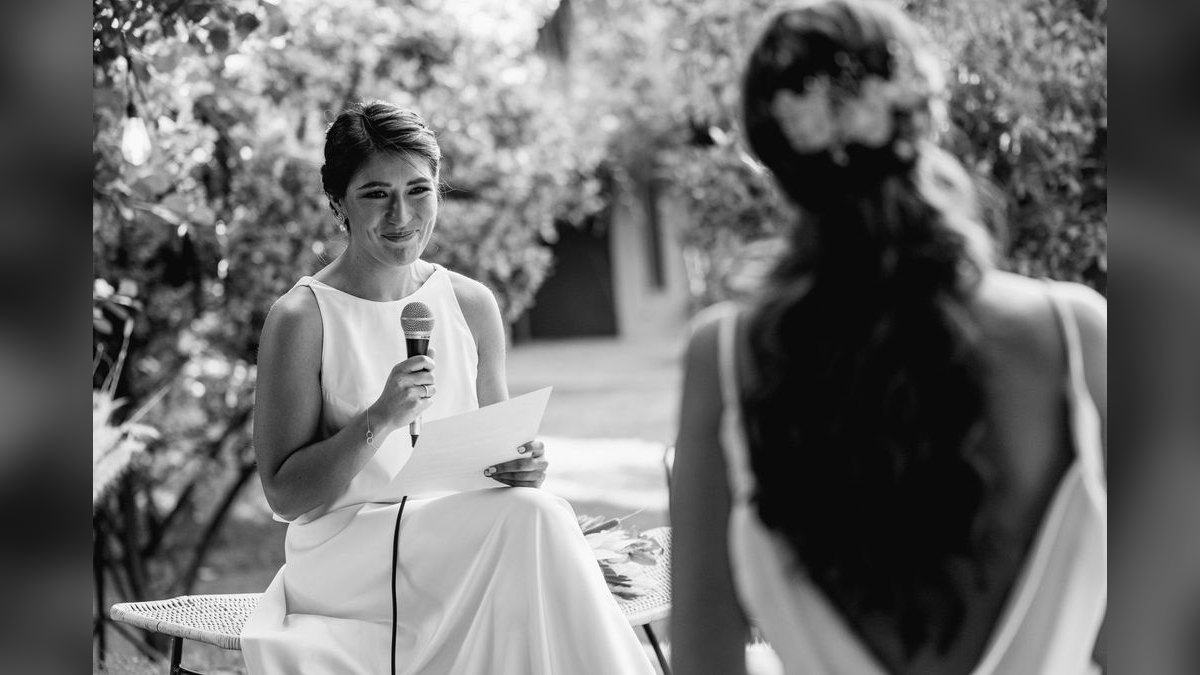
What Should You Include in the Closing of a Wedding Officiant Speech?
The closing of your speech should smoothly transition into the vows or ring exchange, then conclude with the pronouncement of marriage. After the couple exchanges rings and says their vows, you’ll say something like, "By the power vested in me, I now pronounce you married." This is the legal and emotional climax of the ceremony. Some officiants also lead a brief toast at this point—raising a glass and saying something like, "To [Couple A] and [Couple B]—may your life together be filled with laughter, patience, and endless love."
If you choose to include a toast, keep it short—no more than 30 seconds—and invite guests to join you. Alternatively, you can simply announce the couple and let the reception handle the toasts. Either way, end with a clear, warm pronouncement, then smile, step back, and let the couple share their first kiss before introducing them to the room. For more on closing remarks, see a wedding speech for a vow renewal.
Related Questions
What is the ideal length for a wedding officiant speech?
The ideal length is 3 to 5 minutes, which translates to roughly 400–700 words. This is long enough to feel meaningful but short enough to keep guests engaged and avoid dragging the ceremony.
Can a wedding officiant use humor in their speech?
Yes, but keep it tasteful and brief. A lighthearted observation about how the couple met or a shared quirk is usually safe. Avoid jokes that could embarrass the couple or alienate guests.
Should I memorize the speech or read from notes?
Reading from notes is perfectly acceptable and common. Use a small card or bullet-point outline to guide you, but maintain eye contact with the couple and guests as much as possible for a natural delivery.
How do I handle nerves when officiating a wedding?
Practice the speech aloud several times beforehand, arrive early to get comfortable in the space, and take slow breaths before starting. Focus on the couple’s happiness rather than your own performance—this shifts your mindset from anxiety to service.
What if I forget part of the speech during the ceremony?
Pause, smile, and glance at your notes. A brief silence feels longer to you than to guests, who are focused on the couple. If you lose your place, skip to the next section or simply say, "Let me share one more thing about this wonderful couple."
Can I include a religious element in a secular ceremony?
Only if the couple specifically requests it. Always ask about their preferences for religious or spiritual content beforehand. For a secular ceremony, focus on universal themes of love, commitment, and partnership.
FAQ
How long should an officiant’s wedding speech be? Aim for 3 to 5 minutes. That’s roughly 400–700 words, which keeps the speech heartfelt without losing the audience’s attention. Shorter is often better than longer.
Do I need to memorize the speech or can I read it? Reading from notes is perfectly acceptable and common. Many officiants use a small card or phone to glance at key points. The most important thing is to maintain eye contact and speak naturally.
What should I include in the opening of the speech? Start with a warm welcome to guests and a brief acknowledgment of the couple. A short personal story or observation about their relationship can set a sincere tone. Avoid inside jokes that exclude the audience.
How do I handle nerves while delivering the speech? Practice the speech aloud several times beforehand, and take slow, deep breaths before you begin. Focus on the couple and the joy of the moment rather than on yourself. Pausing briefly is fine and can actually add impact.
Should I include humor in the speech? Light, tasteful humor works well, but avoid jokes that could embarrass the couple or guests. A funny anecdote about how they met or a shared quirk is usually safe. Keep the overall tone respectful and celebratory.
What if I get emotional or stumble during the speech? It’s completely normal to feel emotional—many officiants do. If you stumble, simply pause, take a breath, and continue. Guests are supportive and focused on the couple, not perfection.
Can I use a template for the speech? Yes, templates are a great starting point, but always personalize them with specific details about the couple. Generic speeches feel hollow; one true detail beats three generic compliments.
How do I close the speech? End with a clear pronouncement of marriage, then invite the couple to share their first kiss. Optionally, lead a brief toast to the couple before introducing them to the room.
Should I practice the speech with the couple? It’s a good idea to share a draft with the couple a week before the wedding. They may have feedback on tone, content, or specific details. This also ensures they feel comfortable with what you’ll say.
What if the couple wants a very short ceremony? For a 10-minute ceremony, keep the speech to 2 minutes or less. Focus on a warm welcome, a single personal detail, and a quick transition to vows. Brevity can be just as powerful as length.
Sources
- The Knot - Wedding Officiant Speech Templates and Etiquette
- American Marriage Ministries - Officiant Role and Ceremony Structure
- Brides - Tips for Writing and Delivering Officiant Wedding Speeches
- WeddingWire - Examples and Advice for Officiant Toasts and Remarks
- The Spruce - Practical Guidance on Officiant Speech Content and Tone
- HuffPost - Expert Insights on Officiant Speaking and Ceremony Flow
- Martha Stewart Weddings - Officiant Speech Writing Guide
- Zola - Wedding Officiant Speech Examples and Tips
- The Knot - How to Write a Wedding Officiant Script
- Brides - 10 Tips for a Perfect Wedding Officiant Speech
Related on PULSE
This page will be disappearing soon. Save it to your device for $1 — or read it free while it is here.
@Kory-White- · if Venmo asks, the last 4 of my number are 2012
This page is gone.
This one is off the shelf now. $1 keeps it on your phone for good — the whole page, pictures and diagrams included.
 pulse-speechesWhat Makes Patrick Henry’s “Give Me Liberty” a Great Speech in 2027
 pulse-speechesA Eulogy for a Grandmother Who Raised You
 pulse-speechesA Speech for a Memorial Day Ceremony
 pulse-speechesWhat Makes Reagan's "Tear Down This Wall" a Great Speech in 2027
 pulse-speechesA Speech for a Layoff Announcement with Compassion
 pulse-speechesA Wedding Speech for a Second Marriage
 pulse-speechesA Speech for a Little League Opening Day
 pulse-speechesA Speech for a Sales Kickoff
 pulse-speechesA Toast for a Christening
 pulse-speechesHow to Write a Heartfelt Eulogy When You're Grieving in 2027