


Top 10 Best Tech Stack Tools for B2B SaaS Companies in 2027
Quality
Certified
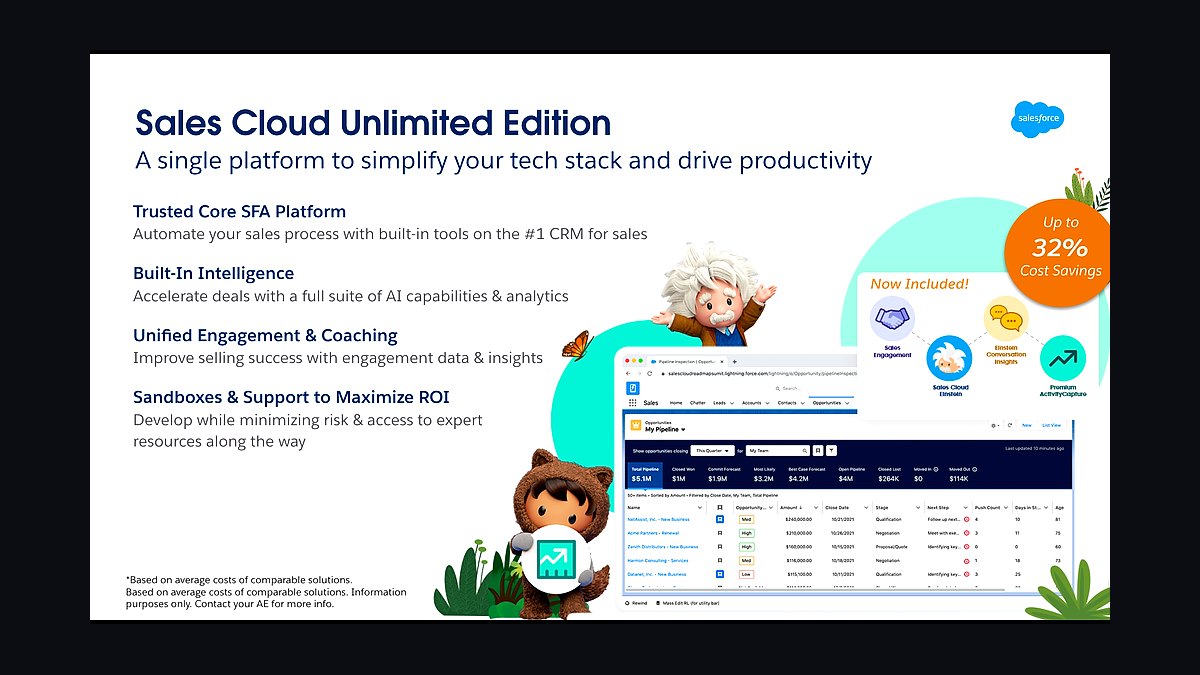
The 10 best tech stack tools for b2b saas companies are ranked below on measured performance, build quality, price, and how each one actually holds up in daily use rather than how it reads on a spec sheet. Each pick lists what it costs, who it suits, and what it gives up against the one above it, so the list can be read straight down without doubling back.
1Salesforce CRM
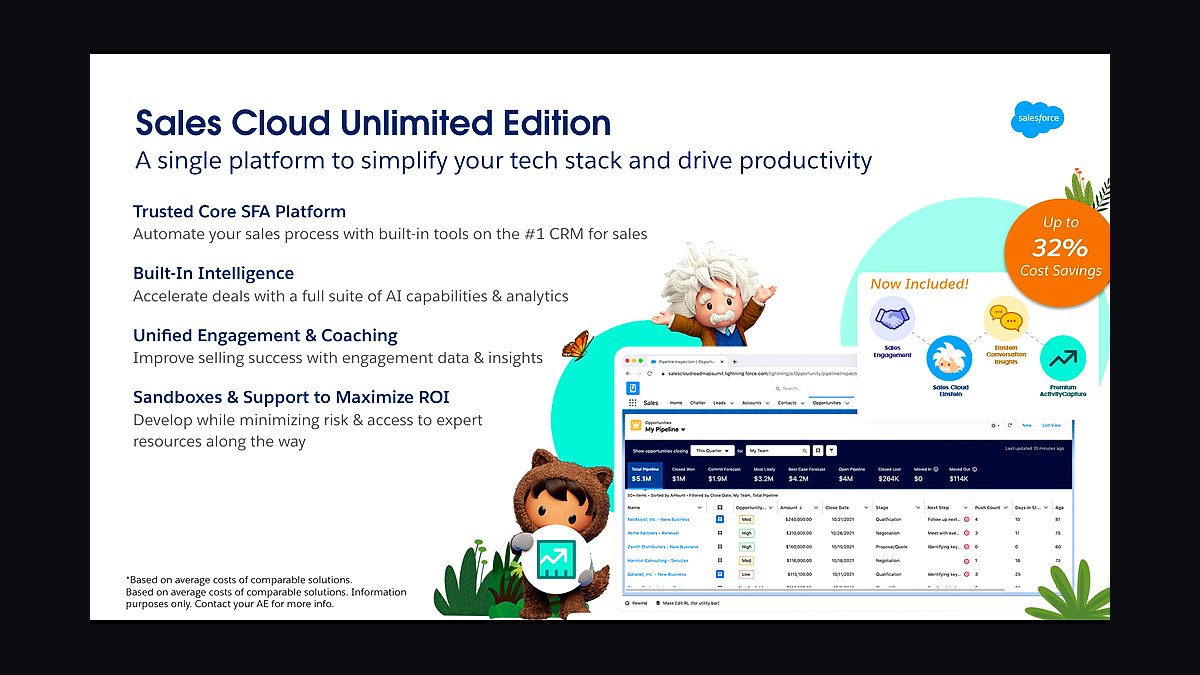
Salesforce ranks first because it remains the system of record for accounts, contacts, opportunities, and forecast at most sales-led B2B SaaS companies. Enterprise pricing runs about $165 per user per month, and its add-on ecosystem covers CPQ, territory management, and revenue intelligence that no rival matches. It is the hub every other revenue tool integrates against.
It suits sales-led and enterprise companies with complex deal cycles and customization needs. It trades away speed-to-value and simplicity, so PLG and SMB teams often pick HubSpot instead. Compared to HubSpot directly below, Salesforce wins on depth and ecosystem but loses on onboarding time and total cost.
2HubSpot CRM
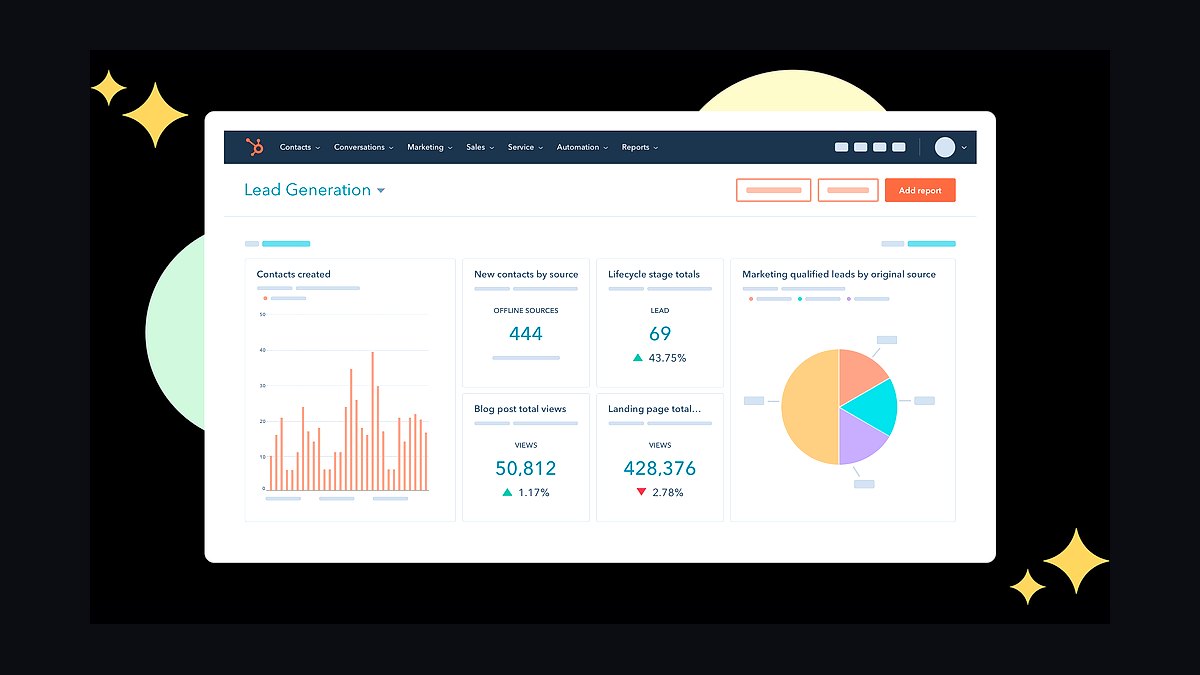
HubSpot ranks second because it bundles CRM, marketing automation, and sales engagement in one platform that PLG and SMB-focused B2B SaaS teams deploy in days rather than quarters. Sales Hub Professional runs about $100 per user per month, and the free tier lets seed-stage companies start without a contract. It is the fastest path to a working revenue stack.
It suits product-led companies that want marketing and sales under one roof without heavy admin. It trades away the deep customization and territory management that large enterprise sales orgs require. Compared to Salesforce above, HubSpot is cheaper and faster but less flexible at scale.
3Snowflake
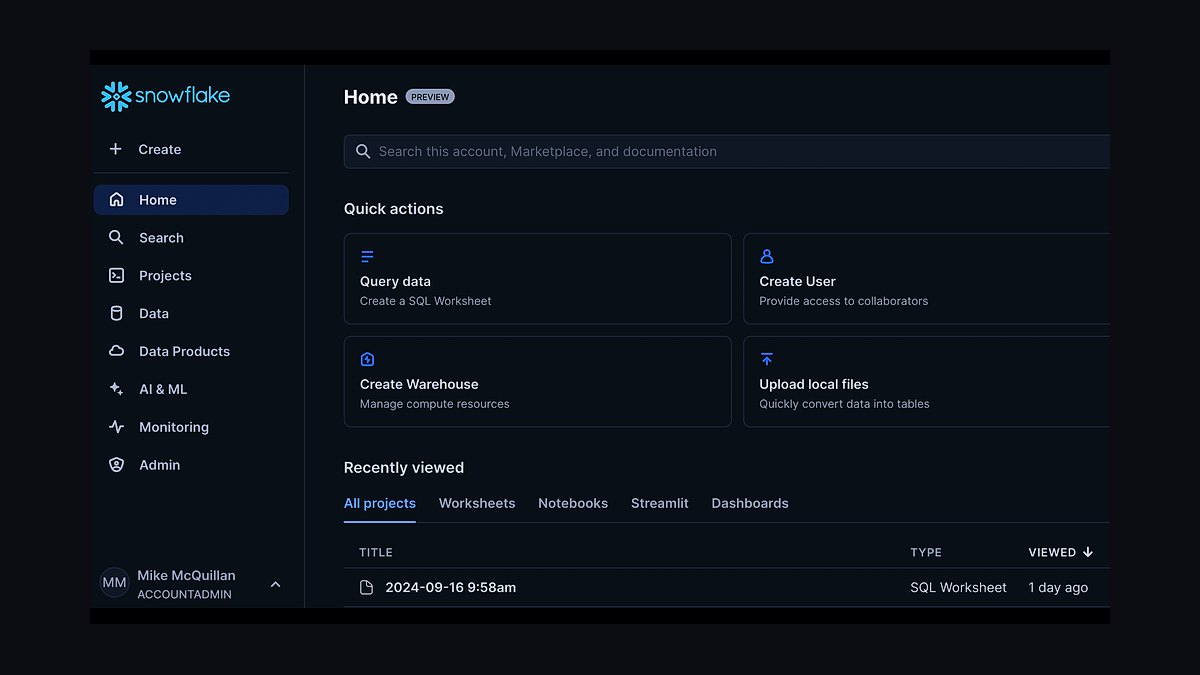
Snowflake ranks third because the warehouse is the single source of truth that reconciles product usage, billing, CRM, and support into one definition of ARR and active accounts. Consumption pricing commonly lands between $2,000 and $20,000 per month depending on query volume. Fivetran loads the data and dbt models it into governed tables.
It suits growth-stage and scale companies where multiple teams report conflicting numbers. It trades away simplicity, since seed-stage teams rarely have enough data to justify the cost. Compared to HubSpot above, Snowflake is infrastructure rather than an operational tool, and it feeds every downstream analytics layer.
4Stripe Billing
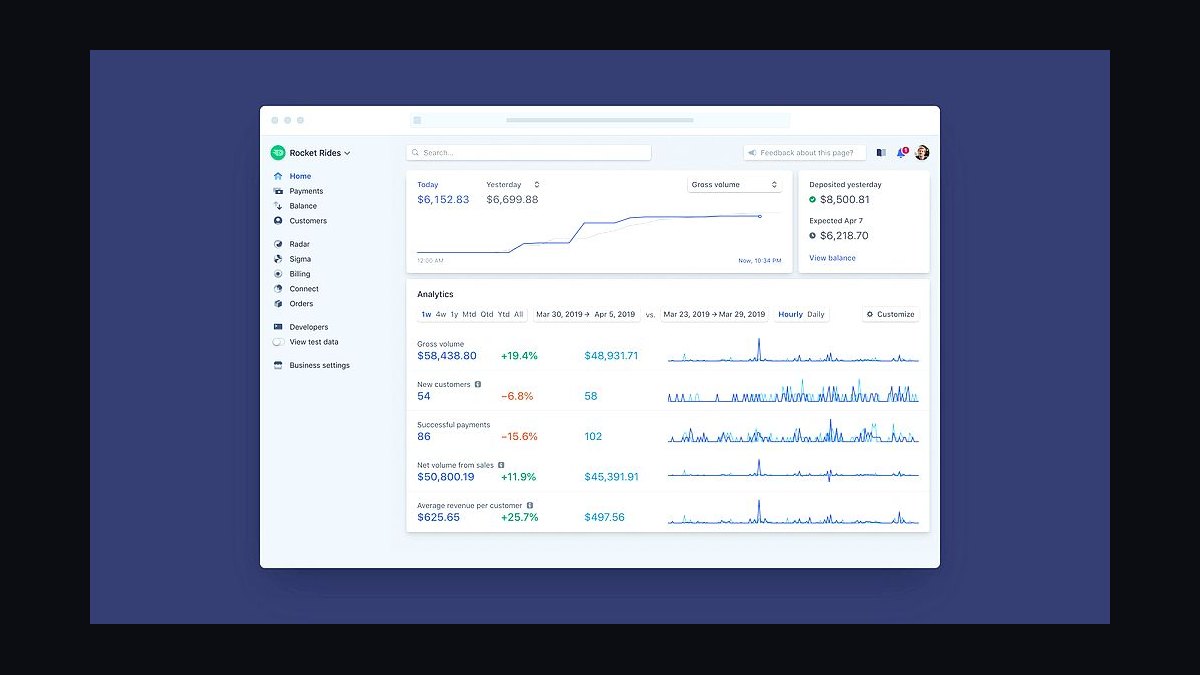
Stripe Billing ranks fourth because recurring revenue is the scoreboard in B2B SaaS, and Stripe handles subscriptions, usage-based metering, invoicing, and dunning with the cleanest developer experience available. It takes a percentage of volume plus billing fees rather than a flat license. It fits PLG and usage-based pricing models especially well.
It suits product-led companies that meter usage and want billing wired directly into the product. It trades away the deep revenue recognition and multi-entity support that Zuora and NetSuite provide at enterprise scale. Compared to Snowflake above, Stripe is the operational revenue engine while the warehouse is the reporting truth.
5Gong
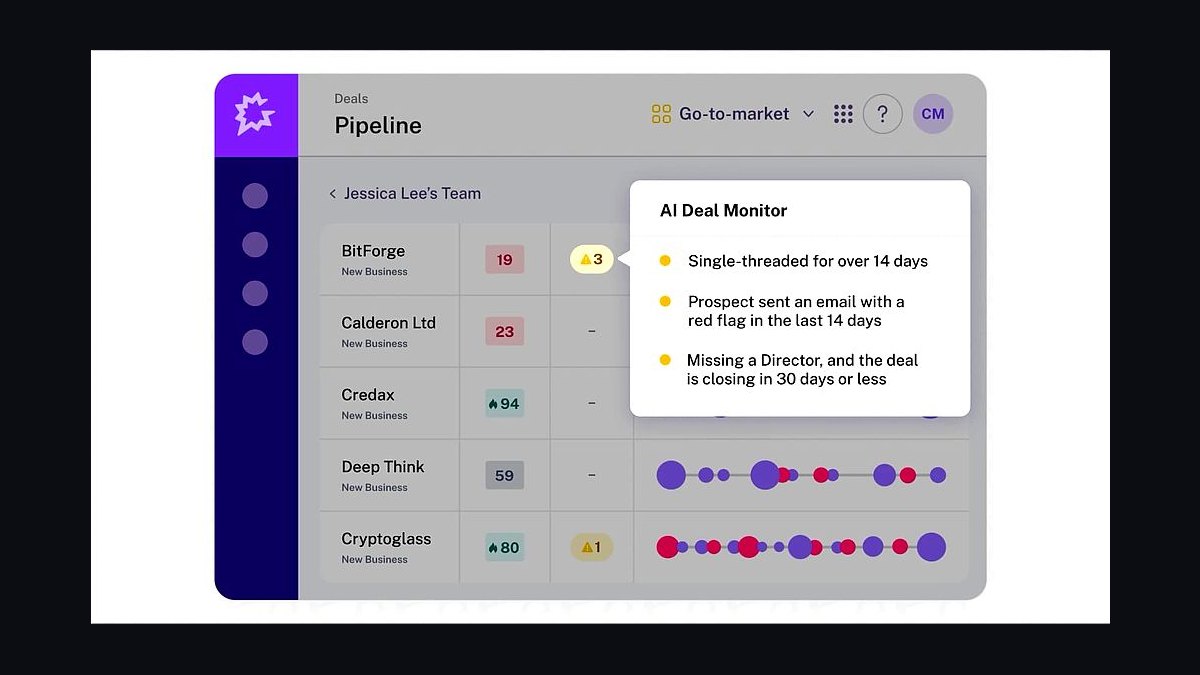
Gong ranks fifth because it records, transcribes, and analyzes every sales and CS call, surfacing deal risk, competitor mentions, and coaching moments that would otherwise stay invisible. Pricing is custom and commonly runs $1,200 to $1,600 per user per year plus a platform fee. It feeds deal data back into the CRM and forecast.
It suits teams with enough deal volume to make coaching and risk detection pay off, typically past the seed stage. It trades away budget that early companies should spend on pipeline generation instead. Compared to Stripe Billing above, Gong is a revenue-intelligence layer rather than a transaction system.
6Gainsight
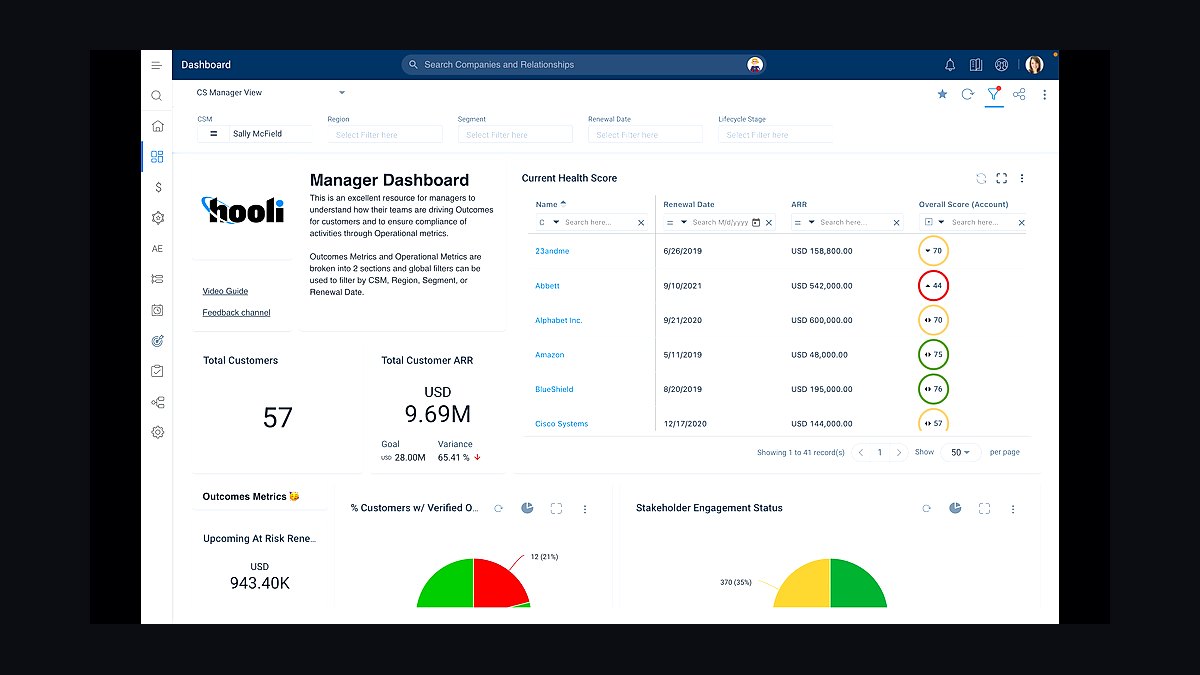
Gainsight ranks sixth because net revenue retention decides whether a B2B SaaS company survives, and Gainsight owns health scoring, renewal management, and churn playbooks. Annual contracts typically run $20,000 to $100,000 or more depending on managed ARR and seats. It is the enterprise standard for customer success platforms.
It suits companies with a meaningful installed base and a dedicated CS team protecting renewals. It trades away affordability and quick deployment, which is why ChurnZero and Vitally win at growth stage. Compared to Gong above, Gainsight focuses on the post-sale relationship rather than the deal itself.
7Amplitude
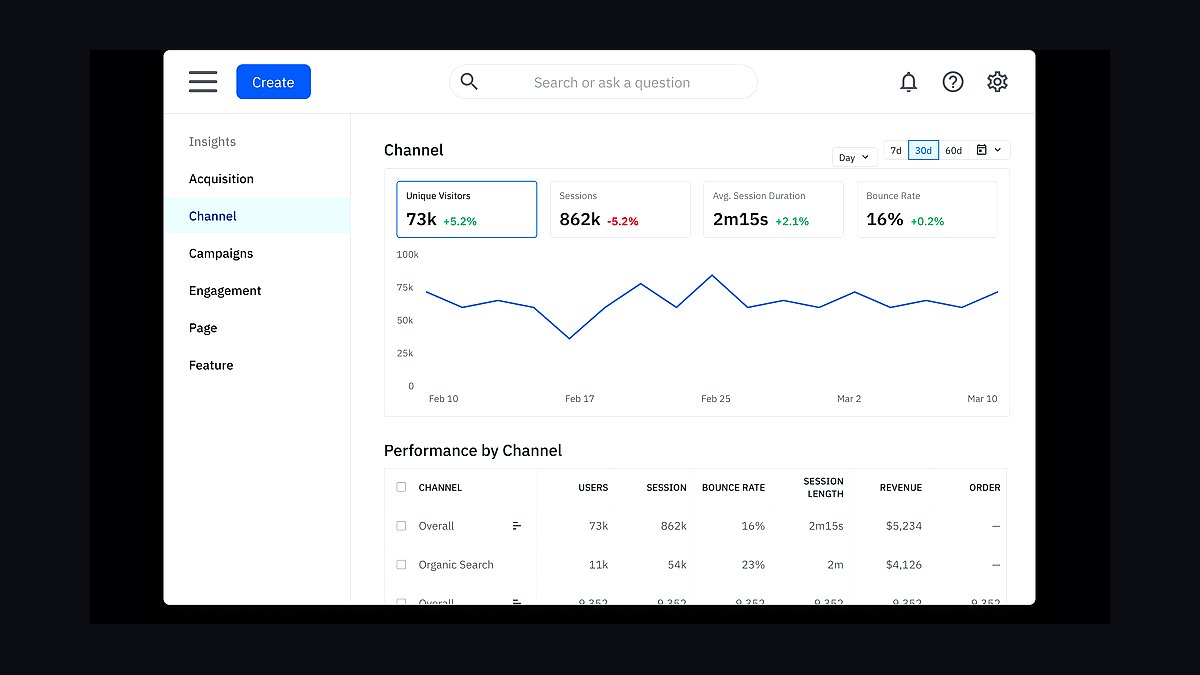
Amplitude ranks seventh because it shows what users actually do inside the product, covering activation funnels, feature adoption, and retention cohorts that predict expansion or churn. Paid plans commonly run $1,000 to $5,000 per month at growth scale, with a usable free tier below that. It is one of the two analytics standards alongside Mixpanel.
It suits product-led companies that instrument signups and in-product conversion as their primary growth engine. It trades away the in-app guides and surveys that Pendo bundles on top of analytics. Compared to Gainsight above, Amplitude measures behavior while Gainsight manages the relationship.
8Looker
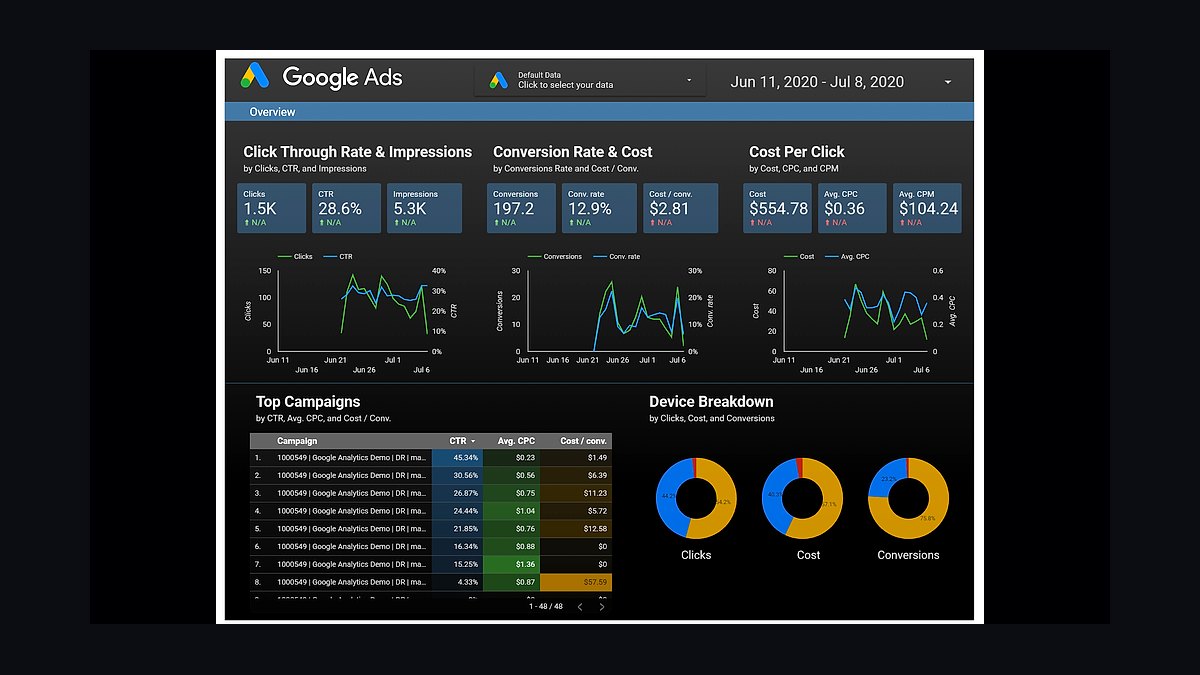
Looker ranks eighth because it enforces a governed semantic model so every dashboard in the company agrees on the same ARR, NRR, and health definitions. Pricing lands in the thousands per month, and Power BI Pro at $14 per user per month is the cheaper alternate. It reads directly from the warehouse models built above it.
It suits data teams that need one governed reporting layer across finance, sales, and product. It trades away the exploratory notebook flexibility that Hex offers analysts. Compared to Amplitude above, Looker reports on warehouse data while Amplitude captures behavioral events at the source.
9Zendesk
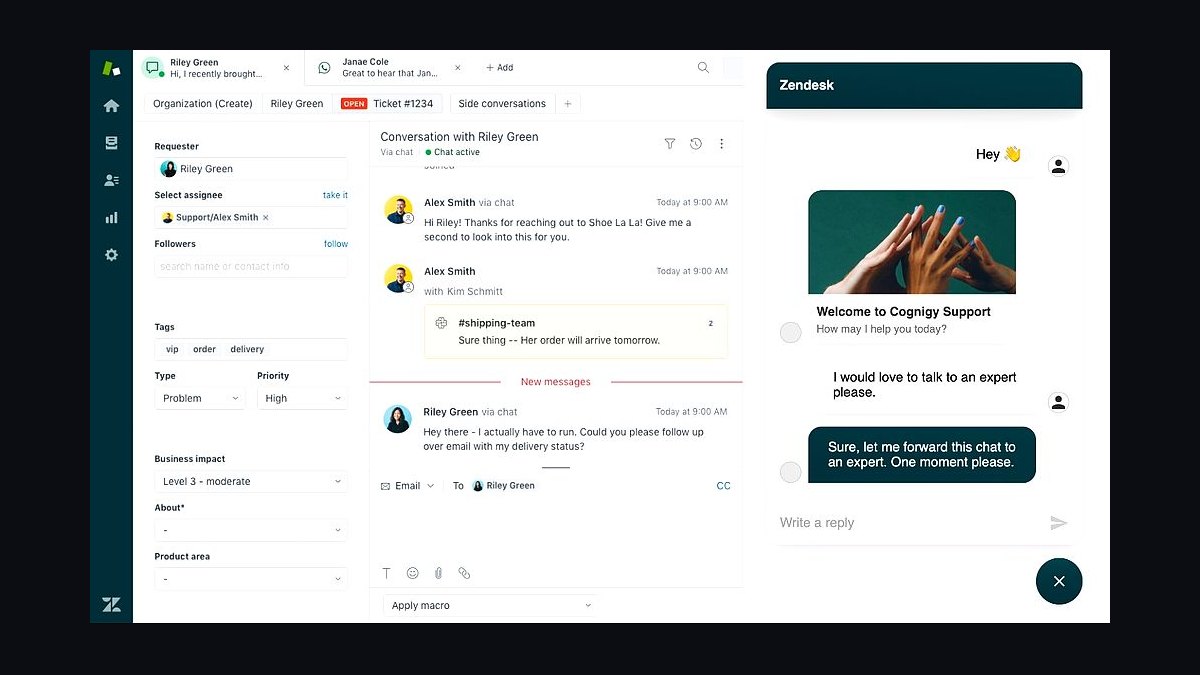
Zendesk ranks ninth because ticketing, knowledge base, and the support inbox are unavoidable once a B2B SaaS company has paying customers at scale. Zendesk Suite runs about $55 to $115 per agent per month depending on tier. It is the broad standard for ticket-driven support organizations.
It suits companies with high ticket volume and a structured support team. It trades away the in-product messaging and AI deflection that Intercom handles better for PLG products. Compared to Looker above, Zendesk is a customer-facing operational tool rather than an internal analytics layer.
10Okta
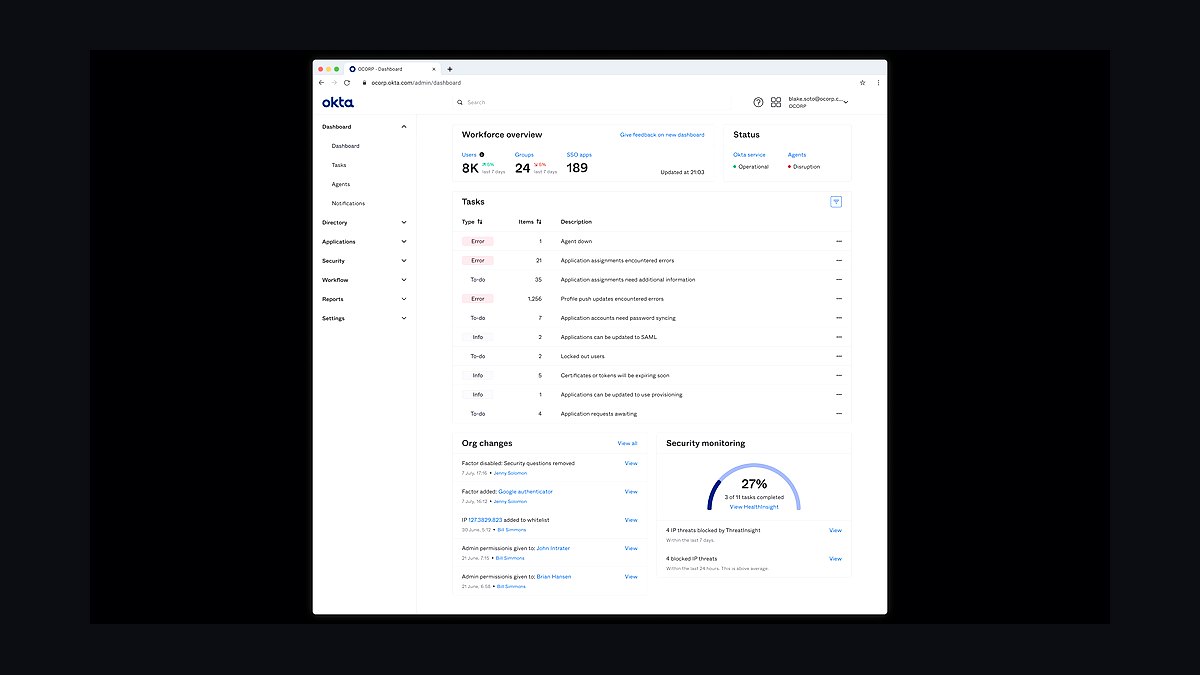
Okta ranks tenth because single sign-on and identity gating become mandatory once a B2B SaaS company runs dozens of apps and enterprise buyers demand security controls. Pricing runs a few dollars per user per month per feature tier. It pairs with 1Password for credentials and Vanta for SOC 2 automation.
It suits growth-stage companies preparing for enterprise security reviews and SOC 2 compliance. It trades away budget that seed-stage teams can defer until app count and buyer scrutiny rise. Compared to Zendesk above, Okta is internal infrastructure protecting the stack rather than a customer-facing system.
How we ranked these
We ranked tools by weighting five factors: integration depth with a CRM and warehouse spine (30%), fit for recurring-revenue and NRR workflows (25%), total cost of ownership at growth scale (20%), analyst and operator validation (15%), and API/export openness for future swaps (10%). Scores came from public pricing pages, Gartner and Forrester placements, and documented stacks at real B2B SaaS operators.
We deliberately ignored feature-count checklists, G2 review volume, and vendor demo polish, because breadth rarely predicts fit and review counts skew toward cheap tools with large free tiers. We also excluded implementation-partner availability and AI feature hype, since both change quarterly and neither determines whether a stack reconciles ARR, NRR, and product usage into one trustworthy number.
Related questions
What is the single most important tool in a B2B SaaS stack?
The CRM, because it is the operational hub every other revenue tool connects to. Salesforce suits sales-led and enterprise teams needing deep customization; HubSpot suits PLG and SMB teams wanting speed. Pick one, enforce data hygiene, and treat the warehouse, not the CRM, as the source of truth for ARR and NRR.
Do we really need a data warehouse at seed stage?
Usually not. Below roughly $1M ARR, a CRM plus billing plus product analytics covers most questions, and a warehouse adds cost and maintenance you cannot yet justify. Add Snowflake, Fivetran, and dbt once you have multiple systems disagreeing on core metrics, typically around the time finance and sales start reconciling ARR by hand.
Should a product-led company use Salesforce or HubSpot?
HubSpot is the faster default for PLG and SMB-focused teams because marketing, CRM, and lifecycle automation live in one system with quick setup. Salesforce wins once you add enterprise field sales, complex territories, and heavy customization. Many hybrid companies start on HubSpot and migrate to Salesforce when enterprise deal complexity outgrows HubSpot's object model.
How do we choose between Stripe Billing, Chargebee, Maxio, and Zuora?
Match the billing engine to your pricing motion. Stripe Billing fits usage-based and PLG pricing; Chargebee and Maxio fit subscription SMB and mid-market with strong revenue recognition; Zuora handles complex enterprise contracts and multi-entity billing. Switching later is painful, so model your pricing roadmap two years out before committing.
Is Gong worth the price for a growth-stage company?
Gong typically pays off once you have five or more quota-carrying reps and a real forecast problem. It surfaces deal risk, competitor mentions, and coaching moments that CRM fields miss, and it feeds cleaner data back into forecasting. Below that scale, call recording inside your meeting tool plus disciplined CRM notes is usually enough.
What is the biggest mistake buyers make when building this stack?
Over-buying enterprise tools before product-market fit. Seed-stage teams sign year-long Salesforce, Marketo, and Gainsight contracts for capacity they will not use for eighteen months, burning runway. Buy for the stage you are in, favor annual contracts with exit clauses, and graduate to heavyweight platforms only when scale genuinely demands them.
How often should we audit and consolidate our SaaS stack?
Quarterly. Tool sprawl accumulates quietly as each team buys its own point solution, and within two years finance pays for overlapping software nobody fully uses. A quarterly audit forces every new purchase to justify itself against an existing layer, catches unused seats, and prevents the data fragmentation that makes every dashboard disagree.
Does the warehouse or the CRM own the definition of ARR?
The warehouse. Sales reports ARR from the CRM, finance from billing, and product from analytics, and none of them agree until dbt models define one canonical ARR, NRR, and active-account definition on warehouse data. Reverse-ETL then pushes those governed fields back into the CRM so reps see trusted numbers inside the tools they live in.
FAQ
What is the best tech stack for a B2B SaaS company in 2027?
A CRM hub (Salesforce or HubSpot) wired to a Snowflake warehouse fed by Fivetran and modeled with dbt, with Stripe Billing or Maxio running recurring revenue, Gong capturing conversations, Gainsight or ChurnZero owning retention, and Amplitude or Mixpanel tracking product usage. Around that core sit sales engagement, ABM, BI, support, finance, HR, and security layers.
Why does B2B SaaS need more tools than other industries?
Recurring revenue means you re-earn every customer monthly, so onboarding, adoption, and expansion get as much tooling as the front of the funnel. Product usage, billing, pipeline, and support data all live in separate systems that must be reconciled, and PLG plus sales-led motions often run simultaneously, each demanding its own instrumentation.
How much should a B2B SaaS company spend on its revenue stack?
Bessemer's 2026 State of the Cloud Report finds best-in-class operators spend roughly 22-26% of ARR on revenue stack tooling and services combined. Seed-stage companies typically run $2,000-$6,000 per month total; growth-stage companies at 25-150 employees commonly land between $15,000 and $60,000 per month as seat counts and tiers climb together.
Can we run a B2B SaaS stack without a data warehouse?
For a while, yes. Below roughly $1M ARR, a CRM, billing platform, and product analytics answer most questions. The warehouse becomes necessary when those systems disagree on ARR, NRR, or active accounts, because without a modeled source of truth every board meeting turns into a reconciliation argument instead of a decision.
What is net revenue retention and why does it drive tooling choices?
NRR measures expansion minus churn on your existing customer base, and it is the scoreboard for SaaS economics. Because NRR depends on adoption, health, and timely intervention, it forces tools most industries never buy: customer success platforms that score health, product analytics that flag churn risk, and usage-based billing that captures expansion automatically.
How do PLG and sales-led stacks differ?
Product-led companies instrument signups, activation, and in-product conversion, then layer sales-assist on top once accounts show intent. Sales-led companies run outbound sequences, SDR tooling, and conversation intelligence from day one. Most modern B2B SaaS runs a hybrid: self-serve at the bottom, sales-assisted in the middle, enterprise field sales at the top.
Which tools should a seed-stage B2B SaaS company skip?
Skip the warehouse stack, enterprise CS platforms, and heavyweight marketing automation until scale demands them. HubSpot CRM, Apollo, Stripe Billing, a free-tier product analytics tool, QuickBooks, Gusto, Slack, GitHub, Linear, and 1Password cover seed-stage needs for a few thousand dollars monthly without locking you into year-long enterprise contracts.
How does reverse-ETL fit into a B2B SaaS stack?
Reverse-ETL tools like Census or Hightouch push governed warehouse fields back into operational systems such as the CRM, customer success platform, and sales engagement tools. That way reps and CS managers see warehouse-grade ARR, health, and usage data inside the apps they already work in, without anyone rebuilding reports by hand.
What security tools does an enterprise-ready SaaS company need?
Okta or Microsoft Entra ID for single sign-on and identity, 1Password for shared credentials, and Vanta or Drata for automated SOC 2 and ISO 27001 compliance. Enterprise buyers routinely require a SOC 2 report during procurement, so compliance automation typically pays for itself the first time a large deal stalls on security review.
When should a SaaS company migrate from HubSpot to Salesforce?
Migrate when enterprise deal complexity outgrows HubSpot: multi-product quoting, complex territory and commission rules, deep custom objects, or a large field sales org. Many hybrid companies start on HubSpot for speed and switch around $10M-$20M ARR. Plan the migration carefully, because CRM history and integrations are painful to rebuild.
Sources
- https://www.gartner.com/en/documents/4027083
- https://www.forrester.com/research/
- https://www.bessemer.com/cloud-index
- https://www.snowflake.com/en/customers/
- https://www.gong.io/customers/
- https://stripe.com/billing
- https://www.hubspot.com/products/crm
- https://www.salesforce.com/products/
- https://amplitude.com/customers
- https://www.vanta.com/products
Related on PULSE
This page will be disappearing soon. Save it to your device for $1 — or read it free while it is here.
@Kory-White- · if Venmo asks, the last 4 of my number are 2012
This page is gone.
This one is off the shelf now. $1 keeps it on your phone for good — the whole page, pictures and diagrams included.
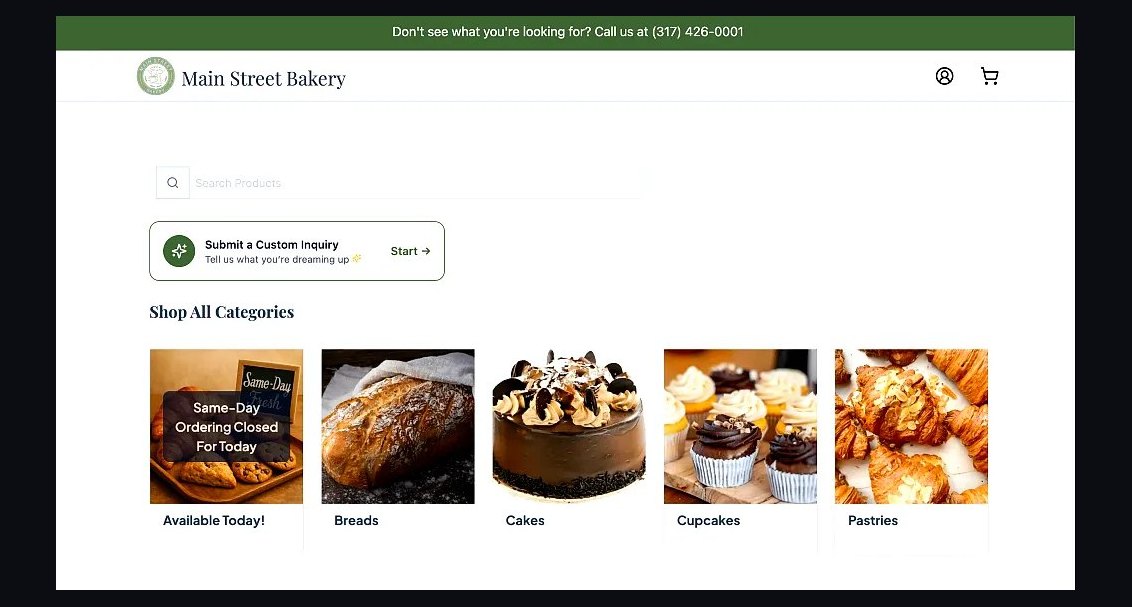 pulse-tech-stacksTop 10 Best Tech Stack Tools for Independent Bakeries in 2027
 pulse-tech-stacksTop 10 Best Tech Stack Tools for Audiology and Hearing Aid Practices in 2027
 pulse-tech-stacksTop 10 Best Tech Stack Tools for Independent Landscaping Companies in 2027
 pulse-tech-stacksTop 10 Best Tech Stack Tools for Independent Food Trucks in 2027
 pulse-tech-stacksTop 10 Best Tech Stack Tools for Plumbing Contractors in 2027
 pulse-tech-stacksTop 10 Best Tech Stack Tools for API Security Vendors in 2027
 pulse-tech-stacksTop 10 Best Tech Stack Tools for Medical Billing and RCM Companies in 2027
 pulse-tech-stacksTop 10 Best Tech Stack Tools for CrossFit Boxes in 2027
 pulse-tech-stacksTop 10 Best Tech Stack Tools for Pilates Studios in 2027
 pulse-tech-stacksTop 10 Best Tech Stack Tools for HVAC Equipment Distributors in 2027