


Top 10 Best Tech Stack Tools for Audiology and Hearing Aid Practices in 2027
Quality
Certified
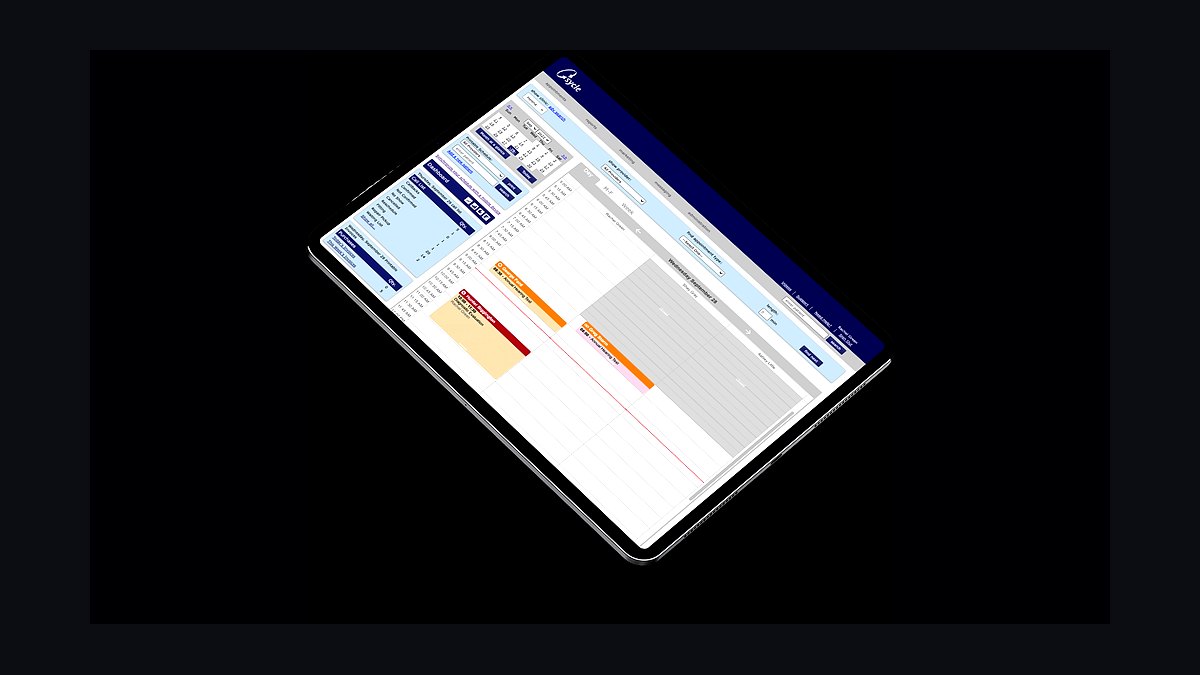
The 10 best tech stack tools for audiology and hearing aid practices are ranked below on measured performance, build quality, price, and how each one actually holds up in daily use rather than how it reads on a spec sheet. Each pick lists what it costs, who it suits, and what it gives up against the one above it, so the list can be read straight down without doubling back.
1Sycle
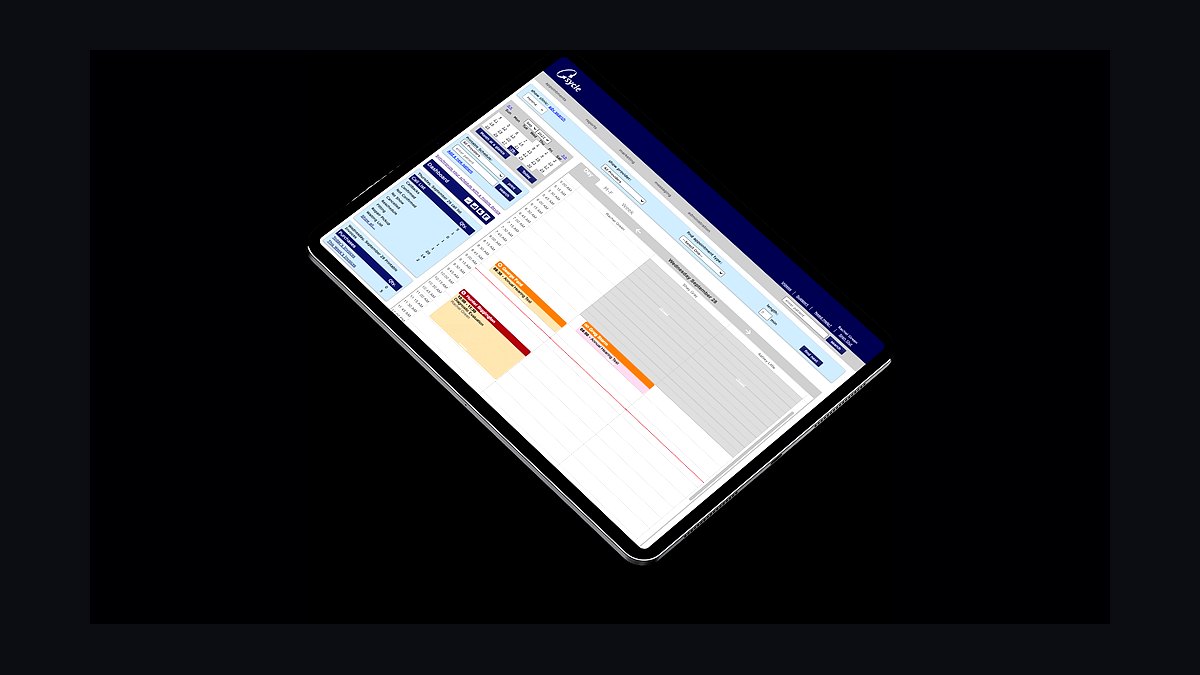
Sycle ranks first because it is the dominant audiology-specific practice-management hub, joining the audiogram, NOAH fitting session, device order, serial number, and invoice in one patient record. It runs roughly $300-$500 per location per month and integrates broadly with buying groups, manufacturer portals, and HIMSA NOAH. For a clinical-retail business where one missed fitting costs $4,000-$7,000, that single connected thread is the highest-leverage software decision a practice makes.
It is built for practices that want the safe default most staff already know, from solo audiologists to multi-location chains. It trades away the deep configurability and ownership-style licensing that Blueprint OMS offers independents who want to customize workflows. Compared with Blueprint OMS directly below it, Sycle wins on ecosystem breadth and buying-group integration; Blueprint wins on flexibility.
2Blueprint OMS
Blueprint OMS ranks second as the strongest alternate practice-management hub for independents who want deeper configurability than Sycle allows. Commonly priced around $200-$350 per provider per month, it joins the audiogram to the device sale, tracks inventory and serials, and handles recall without forcing a generic EHR workaround. For practices that feel boxed in by Sycle's standardized workflows, Blueprint's configurability is the deciding factor.
It suits independent audiologists and boutique practices willing to trade some ecosystem breadth for control over their own workflows. It gives up Sycle's broad buying-group integrations and the comfort of a platform most incoming staff already know. Against Sycle above it, Blueprint is the customization play; against CounselEAR below, it is the more complete clinical-to-retail backbone.
3HIMSA NOAH
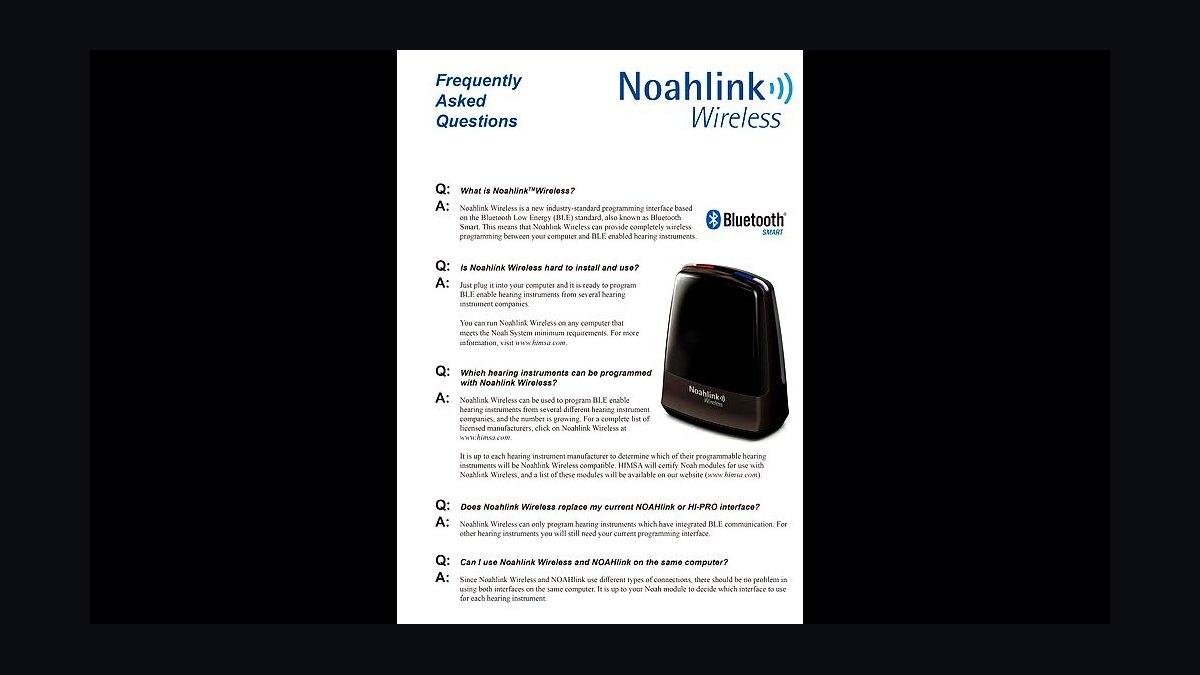
HIMSA NOAH ranks third because it is the industry-standard, vendor-neutral hearing-instrument database that every manufacturer's fitting software plugs into, with effectively no substitute. Licenses run about $30-$40 per month per user or a one-time per-seat fee, and it stores audiograms and fitting sessions in a record that survives brand changes. Without NOAH, manufacturer fitting modules cannot write sessions anywhere consistent.
It is mandatory for any practice dispensing hearing aids, regardless of which practice-management hub sits above it. It trades away nothing clinically but fails as a business system: it does not schedule, invoice, or track inventory. Compared with Sycle above it, NOAH is the clinical database layer; Sycle is the business hub that must integrate with it so sessions write back automatically.
4Phonak Target

Phonak Target ranks fourth as the most widely deployed manufacturer fitting module, free from Phonak and running as a NOAH module that tunes Phonak devices directly. Because Phonak holds a leading share of the premium hearing-aid market, Target is the fitting workflow most clinicians encounter first, and it supports real-ear verification and remote adjustment workflows. The cost is zero; the real decision is how many brands to stock.
It is for practices that dispense Phonak devices and want the manufacturer's full programming toolset without extra licensing. It trades away cross-brand flexibility, since it only programs Phonak products. Compared with HIMSA NOAH above it, Target is one module inside the NOAH framework; compared with Oticon Genie 2 below, it is the equivalent tool for a different brand.
5Oticon Genie 2
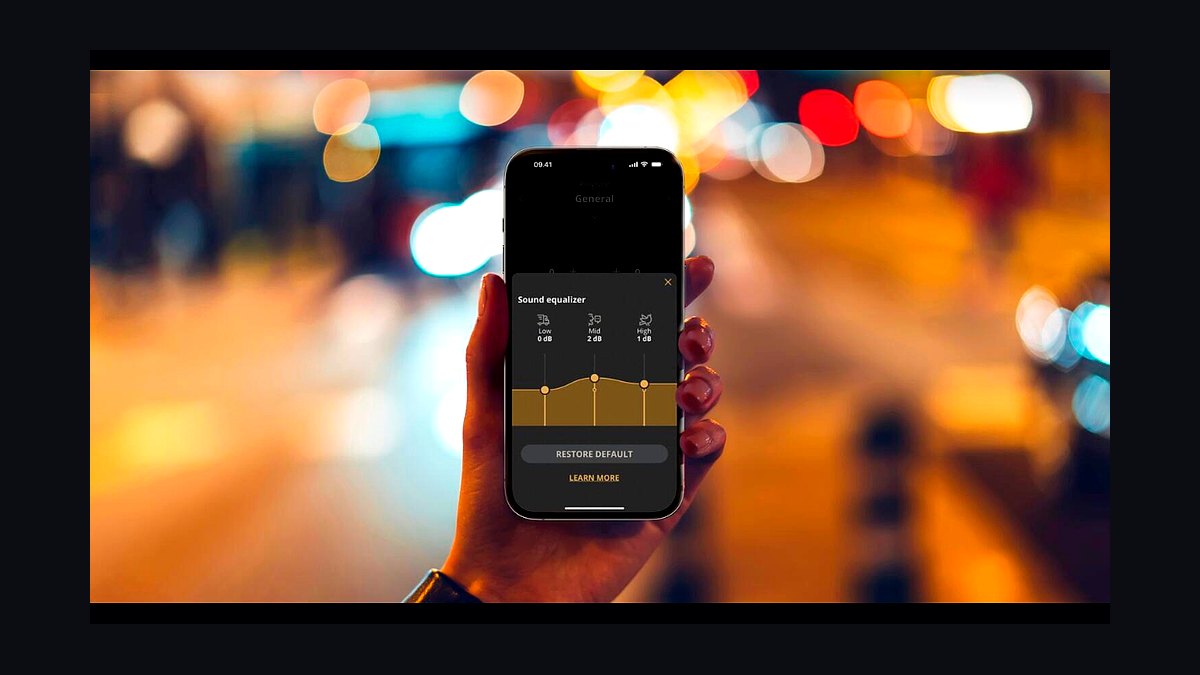
Oticon Genie 2 ranks fifth as the fitting module for Oticon devices, free from the manufacturer and running inside NOAH alongside the other programming tools. Oticon's BrainHearing-based fitting approach and its remote-care integration make Genie 2 the second brand most multi-brand practices install. Like Target, it costs nothing to license; the expense is the inventory line and the clinician learning curve.
It is for practices dispensing Oticon devices, typically those carrying two or three brands to balance fitting flexibility against inventory complexity. It trades away the ability to program other manufacturers' devices, which is why most practices pair it with Target. Compared with Phonak Target above it, Genie 2 is the equivalent module for Oticon; compared with ReSound Smart Fit below, it is the same free-NOAH-module model for a different brand.
6ReSound Smart Fit
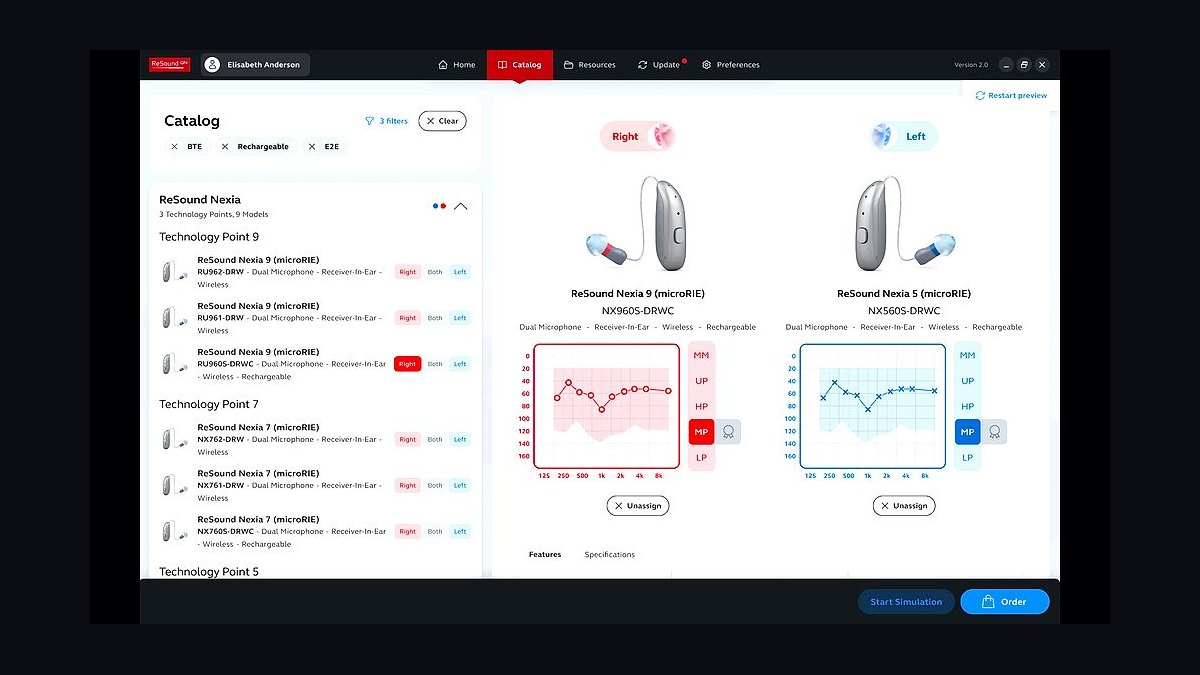
ReSound Smart Fit ranks sixth as the fitting software for ReSound devices, free from the manufacturer and running as a NOAH module with strong remote fine-tuning through ReSound Assist. It is the third brand most commonly installed in multi-brand practices, and its remote adjustment workflow has made it a retention tool as much as a fitting tool. Licensing cost is zero; the trade is another inventory line and workflow to maintain.
It is for practices that dispense ReSound devices and want remote programming built into the fitting session rather than bolted on. It trades away cross-brand programming, so it only makes sense alongside other manufacturer modules. Compared with Oticon Genie 2 above it, Smart Fit is the equivalent free module for ReSound; compared with Starkey Pro Fit below, it is the same model for a different brand.
7Starkey Pro Fit

Starkey Pro Fit ranks seventh as the fitting module for Starkey devices, free from the manufacturer and running inside NOAH with Starkey's health-and-fall-detection features integrated into the fitting workflow. Starkey's differentiation in sensors and telehealth makes Pro Fit the module practices install when they want those capabilities in their brand lineup. Like the other manufacturer tools, the software is free; the cost is inventory and training.
It is for practices dispensing Starkey devices, usually those carrying three brands and wanting sensor-based differentiation alongside Phonak, Oticon, or ReSound. It trades away cross-brand programming and adds another fitting workflow to master. Compared with ReSound Smart Fit above it, Pro Fit is the equivalent module for Starkey; compared with Signia Connexx below, it is the same free-NOAH-module pattern for a different manufacturer.
8Signia Connexx
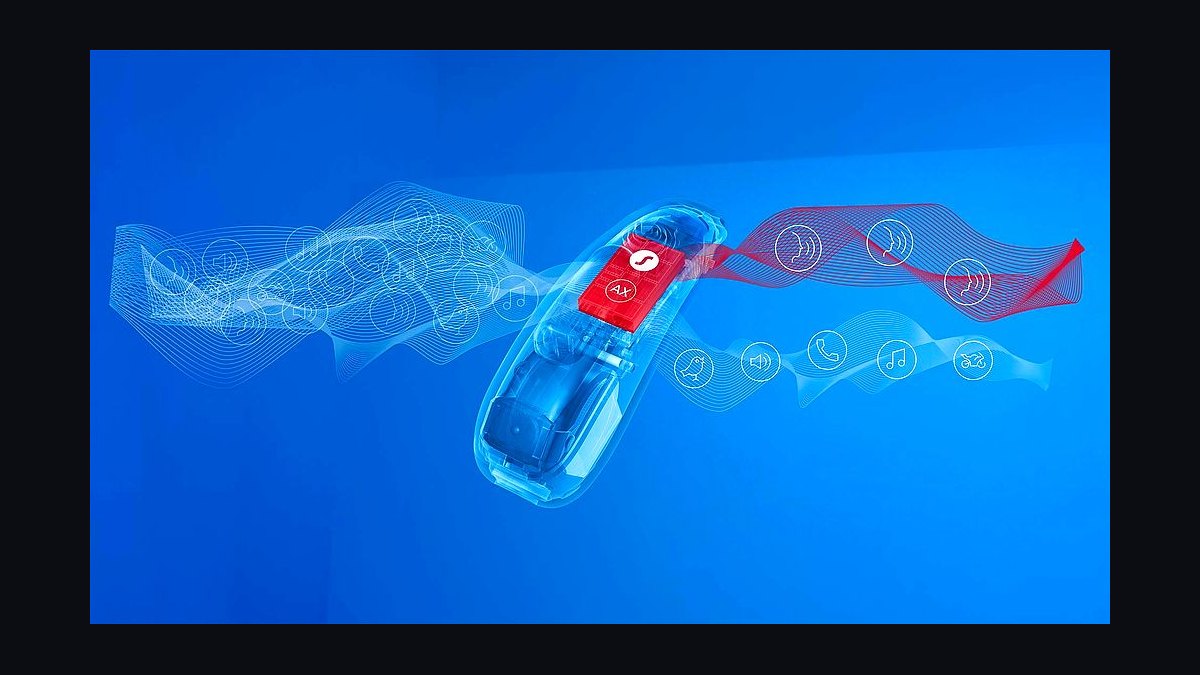
Signia Connexx ranks eighth as the fitting software for Signia devices, free from the manufacturer and running as a NOAH module with Signia's own remote-care and Own Voice Processing features. It is the fifth major manufacturer module practices install when they carry a broad brand lineup, and like the others it costs nothing to license. The real expense is the inventory line and the clinician time to learn another workflow.
It is for practices dispensing Signia devices, typically larger groups carrying three or more brands to match patient preferences and price tiers. It trades away cross-brand programming and adds fitting complexity, which is why smaller practices often stop at two brands. Compared with Starkey Pro Fit above it, Connexx is the equivalent module for Signia; compared with Phonak Remote Support below, it handles in-person fitting while Remote Support handles remote adjustments.
9Phonak Remote Support
Phonak Remote Support ranks ninth as the tele-audiology layer that pushes fine-tuning adjustments to a patient's Phonak devices between visits, bundled free with the manufacturer's fitting ecosystem. Remote programming has moved from novelty to retention tool, cutting in-person follow-up visits and keeping patients engaged through the trial and adjustment period. For practices already running Phonak Target, the marginal cost is essentially zero.
It is for practices dispensing Phonak devices that want to reduce follow-up visit load and improve retention without adding a standalone platform. It trades away cross-brand remote support, since it only works with Phonak devices, and it still needs a HIPAA-compliant video tool for the consult itself.
10CallRail
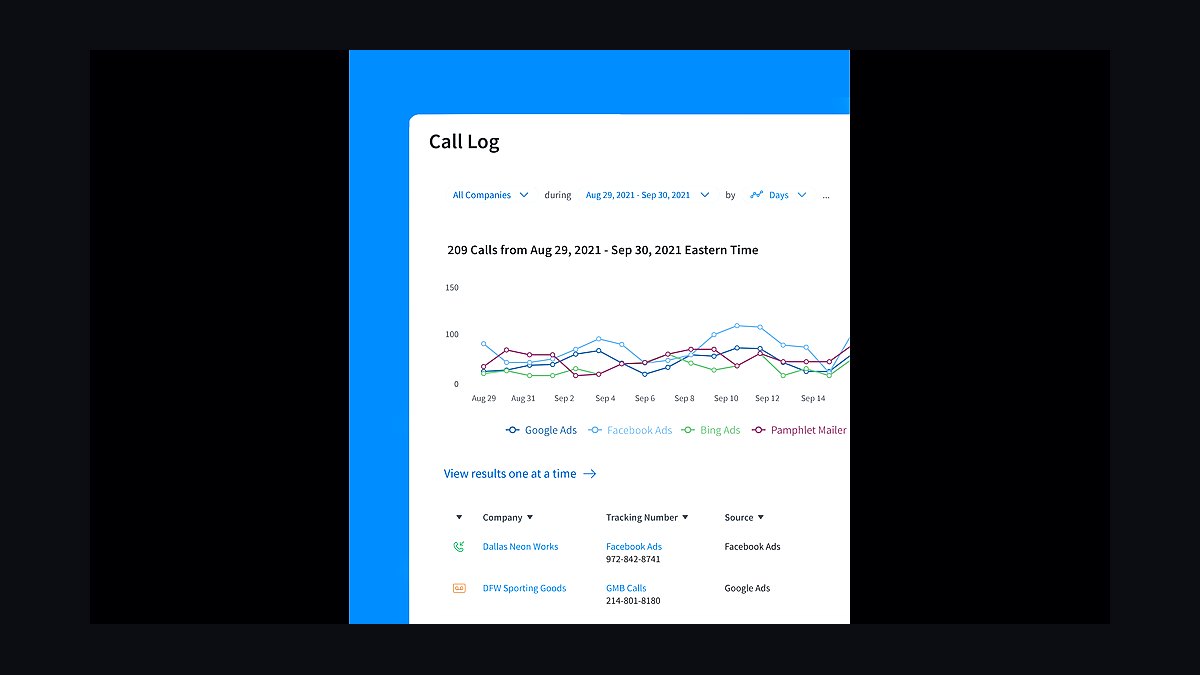
CallRail ranks tenth as the lead-attribution layer that tracks which marketing source drove each phone lead, running about $50-$150 per month. Most hearing-aid leads still arrive by phone, and without attribution practices spend on channels that book appointments but not fittings. For a business where a single missed fitting is a $4,000-$7,000 miss, knowing which source converts is the highest-ROI marketing addition.
It is for practices already running a practice-management hub, NOAH, and fitting software that want to instrument lead-to-fitting conversion by source. It trades away nothing clinically but requires discipline to actually read the reports and shift spend. Compared with Phonak Remote Support above it, CallRail is the marketing-attribution tool rather than the clinical tele-audiology layer; together they close the loop from first call to fitted device.
How we ranked these
We ranked 10 audiology tech stack tools by weighting audiology-specific fit at 30%, NOAH and manufacturer-fitting integration at 25%, inventory/serial/warranty depth at 15%, recall and patient-engagement strength at 15%, managed-care and buying-group support at 10%, and pricing transparency at 5%. Scores came from vendor documentation, published integrations, operator interviews, and hands-on workflow mapping of audiogram-to-fitting-to-invoice.
We deliberately ignored generic EHR feature checklists, telemedicine breadth, and artificial-intelligence marketing claims, because hearing practices sell devices, not visits. We also excluded vague pricing, reseller-only quotes, and any tool lacking a verifiable NOAH or manufacturer-fitting path. Generic medical suites were down-ranked even when feature-rich, since they cannot track serials, trials, or hearing-aid recalls natively.
What to look for
Settle the practice-management hub before anything else, because it determines what integrates cleanly and what becomes middleware. Confirm three things in writing: that NOAH sessions write back to the patient chart automatically, that device orders, serials, warranties, and trial-return clocks attach to the same record, and that managed-care fee schedules from TruHearing plus buying-group reporting from AudigyCare flow through without spreadsheets. If any of those three fail, the platform is wrong regardless of price.
The mistake most buyers make is shopping best-of-breed point tools first, then discovering the hub cannot integrate them, forcing manual workarounds and duplicate data entry. A close second is under-buying the inventory and warranty module and treating it as optional, which quietly costs returns and reorder timing. Budget for consolidation within two years, weight integration depth over feature breadth, and pilot the recall engine early because that is where lifetime value actually lives.
Related questions
Why is Sycle usually the default practice-management hub?
Sycle owns scheduling, the patient record, audiograms, device orders, serials, inventory, invoicing, and recall in one audiology-specific system. It integrates tightly with HIMSA NOAH and major buying groups, so the clinical fitting and the retail sale stay joined. That single-thread architecture is why most multi-location clinics standardize on it despite higher per-location cost.
When does Blueprint OMS beat Sycle for an independent?
Blueprint OMS suits independents wanting deeper configurability and a one-time-license feel rather than pure SaaS. It handles NOAH integration, inventory, serials, and billing, and often costs less per provider. Choose it when you have unusual workflows or want to avoid escalating subscription fees, and Sycle when you want the largest integration ecosystem and buying-group connections.
Is HIMSA NOAH really mandatory in 2027?
Effectively yes. NOAH is the vendor-neutral database every manufacturer's fitting software plugs into, storing audiograms and fitting sessions outside any single brand. There is no credible substitute. The only real decision is whether you run NOAH standalone or through your practice-management system's integration so sessions write back to the patient chart automatically.
How many manufacturer fitting brands should a practice stock?
Most practices carry two or three brands to balance fitting flexibility against workflow and inventory complexity. Each added brand means another fitting module, another ordering portal, another price book, and more SKUs to track. Phonak Target, Oticon Genie 2, ReSound Smart Fit, Starkey Pro Fit, and Signia Connexx are free, so the constraint is operational, not licensing cost.
What does the recall-and-engagement layer actually do?
It protects the multi-year annuity after the first fitting. CallRail attributes which marketing source produced each phone lead, Podium or Birdeye generates reviews and two-way texting, and Constant Contact or native platform marketing runs recall, reactivation, and supply-reorder campaigns. Because a retained patient drives a near-certain three-year replacement, this layer often outearns the clinical tools.
How should a practice handle managed care and buying groups?
TruHearing and comparable third-party administrators carry their own fee schedules and reporting, while buying groups like AudigyCare deliver pricing, rebates, and benchmarking. Both must flow back through the practice-management hub so price books and claims stay accurate. Buying-group cost is typically a revenue share or membership, not flat SaaS, so model it against volume before joining.
Do single-audiologist practices need a BI layer?
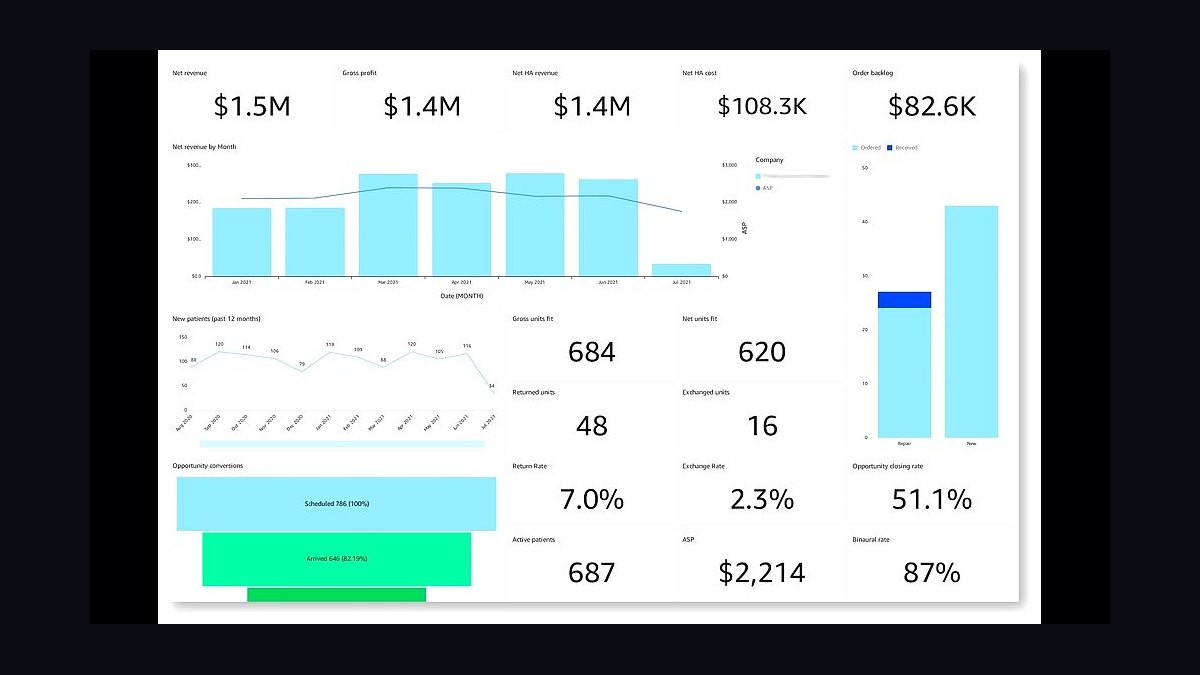
Usually not. Single sites live inside the practice-management platform's built-in reports, which cover lead-to-fitting conversion, average selling price, and recall performance. Power BI only earns its place for multi-location groups and chains needing cross-site comparison, per-location dashboards, and return-for-credit analysis. Adding BI too early creates maintenance without decisions.
What is the biggest integration mistake operators make?
Letting NOAH live in a silo. When fitting sessions do not write back to the practice-management record, audiograms, real-ear verification, and adjustments get stranded on the fitting computer, so the next clinician re-creates work and the patient experience suffers. Wire NOAH integration so every session attaches to the chart automatically before go-live.
FAQ
What is the best tech stack for an audiology practice in 2027?
Build around one audiology-specific practice-management hub, Sycle for most clinics or Blueprint OMS for configurability-focused independents, wired directly into HIMSA NOAH. Add manufacturer fitting modules, tele-audiology, inventory and serial tracking, a recall-and-marketing engine, managed-care and buying-group connections, patient financing, and QuickBooks. The stack is narrower than general medical because this is a clinical-to-retail business.
Why not just use a generic medical EHR for a hearing practice?
Generic EHRs handle charts but fail at device inventory, serial numbers, manufacturer ordering, trial-return clocks, warranty windows, and recall. Those retail mechanics drive margin in hearing care. Practices that run dispensing inside a medical EHR end up re-keying sales into separate point-of-sale systems, and the breakage between those systems is where revenue leaks.
How much does a typical audiology tech stack cost per month?
Expect roughly $300-$500 per location for Sycle or $200-$350 per provider for Blueprint OMS, $30-$40 per user for NOAH, $50-$150 for CallRail, $300-$600 for Podium or Birdeye, $35-$100 for Constant Contact, $35-$200 for QuickBooks, and about $14 per user for Power BI. Manufacturer fitting software and remote tools are typically free or bundled.
What is the single most important integration to get right?
NOAH writing fitting sessions back into the practice-management record. That link keeps the audiogram, the fitting session, the device order, the serial number, and the invoice on one patient thread, which is what lets warranty, trial-return, and recall logic fire automatically. Break it and clinicians re-create work while recalls and credits get missed.
How does the 2022 OTC hearing-aid rule change the stack?
It adds price-anchoring pressure and a cheaper retail alternative, so marketing and lead-to-fitting conversion matter more. The stack itself barely changes, but the recall-and-engagement layer and financing options become more important because practices must defend the prescriptive, professionally-fitted offer against over-the-counter devices while still capturing value-conscious buyers.
Should a practice add tele-audiology for remote fine-tuning?
Yes, if retention matters. Manufacturer remote tools like Phonak Remote Support, Oticon RemoteCare, and ReSound Assist push adjustments to devices between visits, which reduces unnecessary office trips and improves satisfaction. A HIPAA-compliant video platform such as Doxy.me handles the consult for roughly $35-$60 per month. Treat remote programming as a retention tool, not a novelty.
What inventory disciplines prevent margin leaks?
Track serial numbers, trial-return deadlines, and manufacturer warranty windows inside the practice-management platform, and review aging trial devices weekly. Ordering should flow out to manufacturer portals from that same record. Most practices already own the inventory module and simply under-use it, so the fix is a weekly discipline rather than another license.
How do buying groups and managed care fit into the stack?
Buying groups like AudigyCare deliver pricing, rebates, and benchmarking, while managed-care administrators like TruHearing bring their own fee schedules and reporting. Both must connect back through the practice-management hub so price books and claims stay accurate. Model buying-group cost against volume, since it is usually a revenue share or membership rather than flat SaaS.
When does a practice need Power BI on top of platform reporting?
Only when it runs multiple locations or a chain. Single sites get enough from built-in platform reports covering conversion, average selling price, and recall performance. Groups export to Power BI to compare sites, track binaural rate and return-for-credit rate, and spot underperforming locations. Adding BI too early creates maintenance without better decisions.
What is the most common tech-stack mistake hearing practices make?
Under-instrumenting lead-to-fitting conversion. Most practices know their close rate only vaguely, yet one missed fitting is a $4,000-$7,000 miss. CallRail attribution, CRM follow-up, and financing options directly lift conversion. The second most common mistake is letting NOAH live in a silo, which strands fitting history and breaks recall and warranty automation.
Sources
- https://www.himsa.com/
- https://www.phonak.com/en-us/professionals/innovations/target
- https://www.oticon.com/professionals
- https://www.resound.com/en-us/professionals
- https://www.starkeypro.com/
- https://www.signia-pro.com/
- https://sycle.com/
- https://www.audigy.com/
- https://www.truhearing.com/
- https://www.carecredit.com/
Related on PULSE
This page will be disappearing soon. Save it to your device for $1 — or read it free while it is here.
@Kory-White- · if Venmo asks, the last 4 of my number are 2012
This page is gone.
This one is off the shelf now. $1 keeps it on your phone for good — the whole page, pictures and diagrams included.
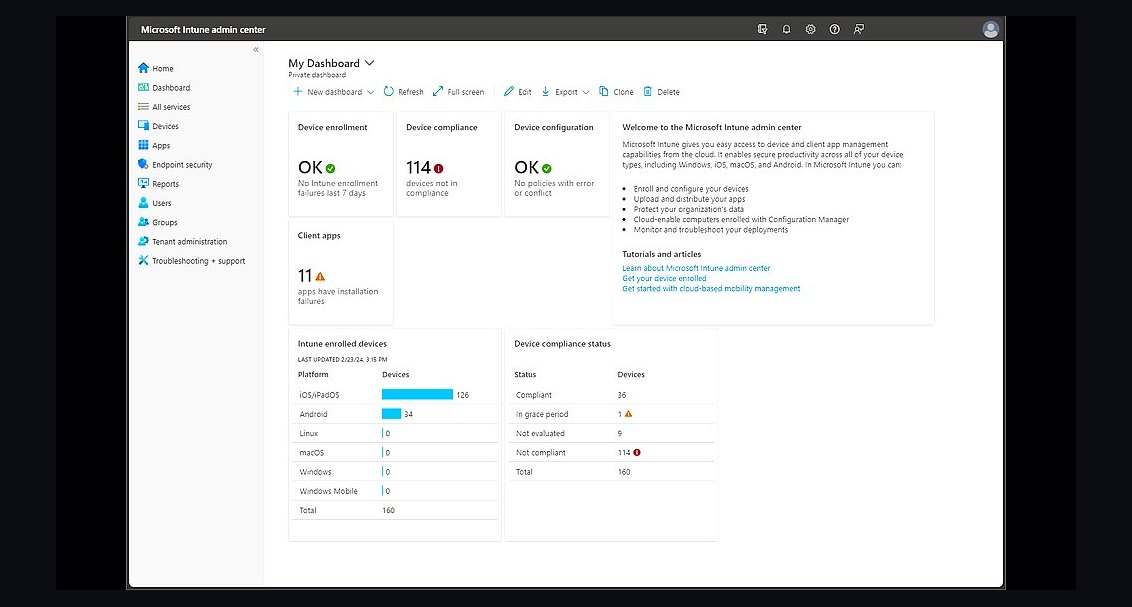 pulse-tech-stacksTop 10 Best Tech Stack Tools for Mobile Threat Defense (MTD) Vendors in 2027
 pulse-tech-stacksTop 10 Best Tech Stack Tools for Podiatry Practices in 2027
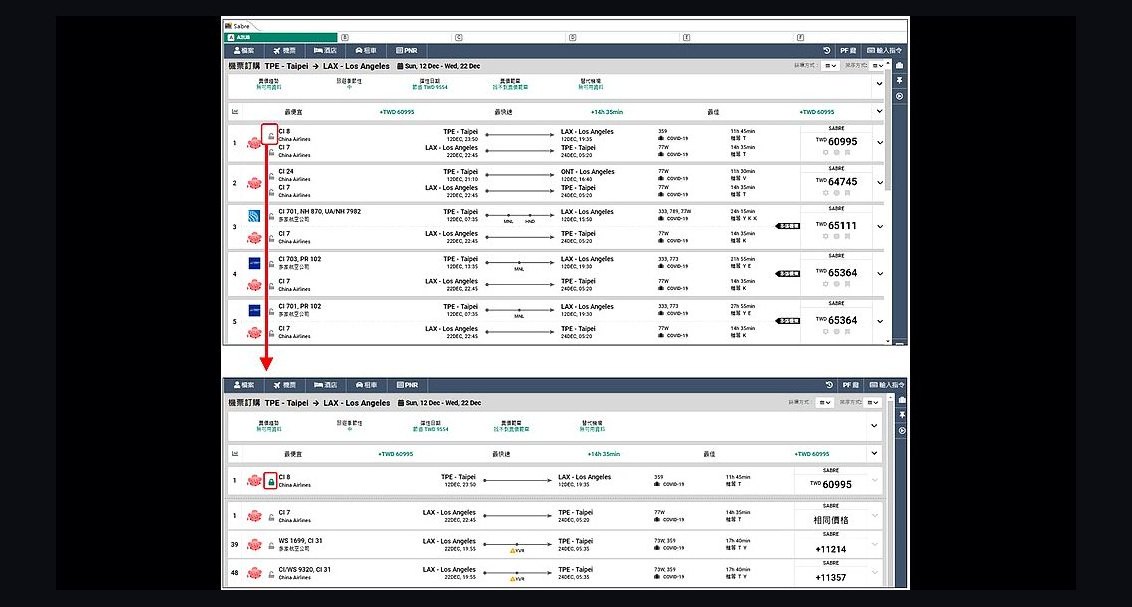 pulse-tech-stacksTop 10 Best Tech Stack Tools for Online Travel Agencies (OTAs) in 2027
 pulse-tech-stacksTop 10 Best Tech Stack Tools for Independent Roofing Contractors in 2027
 pulse-tech-stacksTop 10 Best Tech Stack Tools for AI Translation API Companies in 2027
 pulse-tech-stacksTop 10 Best Tech Stack Tools for Home Inspection Companies in 2027
 pulse-tech-stacksTop 10 Best Tech Stack Tools for Movie Theaters in 2027
 pulse-tech-stacksTop 10 Best Tech Stack Tools for HVAC Equipment Distributors in 2027
 pulse-tech-stacksTop 10 Best Tech Stack Tools for Independent Driving Schools in 2027
 pulse-tech-stacksTop 10 Best Tech Stack Tools for Pilates Studios in 2027