


Top 10 Best Tech Stack Tools for Medical Billing and RCM Companies in 2027
Quality
Certified

The 10 best tech stack tools for medical billing and rcm companies are ranked below on measured performance, build quality, price, and how each one actually holds up in daily use rather than how it reads on a spec sheet. Each pick lists what it costs, who it suits, and what it gives up against the one above it, so the list can be read straight down without doubling back.
1Availity Clearinghouse
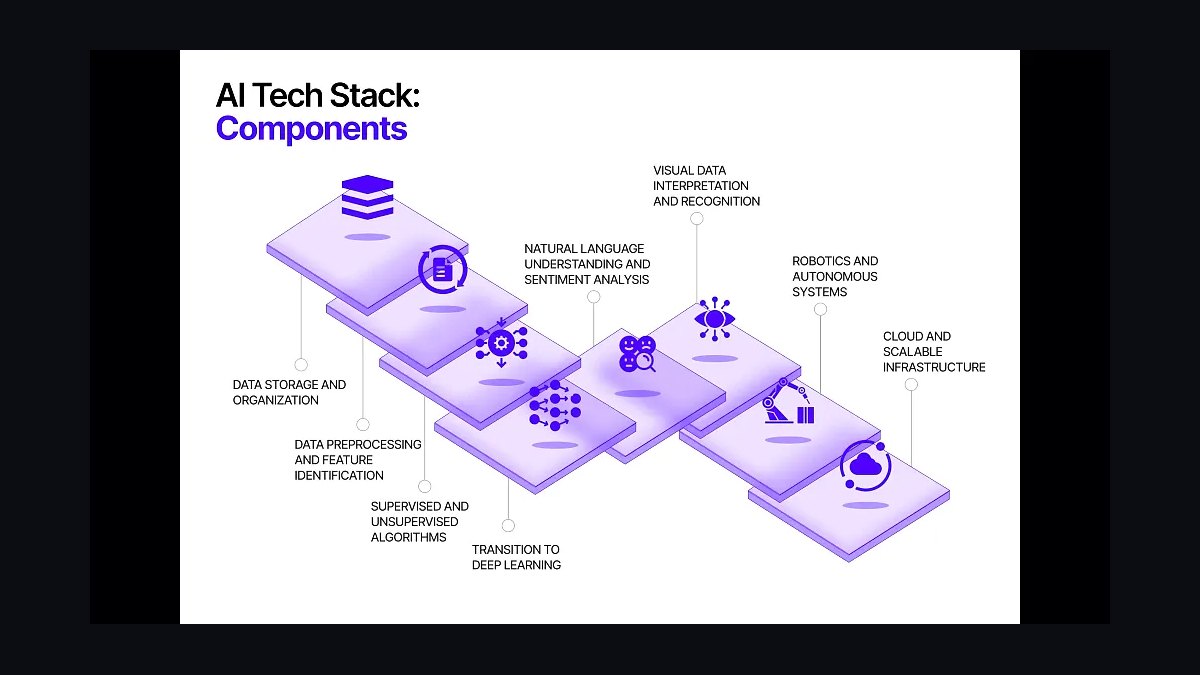
Availity ranks first because it is the default pipe for medical billing: most major payers connect directly, and a meaningful share of transactions carry no per-claim fee, so submission costs stay near zero at low volume. It handles 837 claims out and 835 remittances plus 277 status responses back, and its real-time 270/271 eligibility checks cost cents against a denial that burns twenty biller minutes.
It suits small and mid-size RCM firms that want submission and eligibility without paying for intelligence they will not use yet. It trades away denial scoring, appeal automation, and contract-rate variance detection, which is exactly why Waystar sits below it for shops where denials are the constraint. Pair Availity with a separate analytics layer rather than expecting the pipe to rank your worklist.
2Waystar Denial Analytics
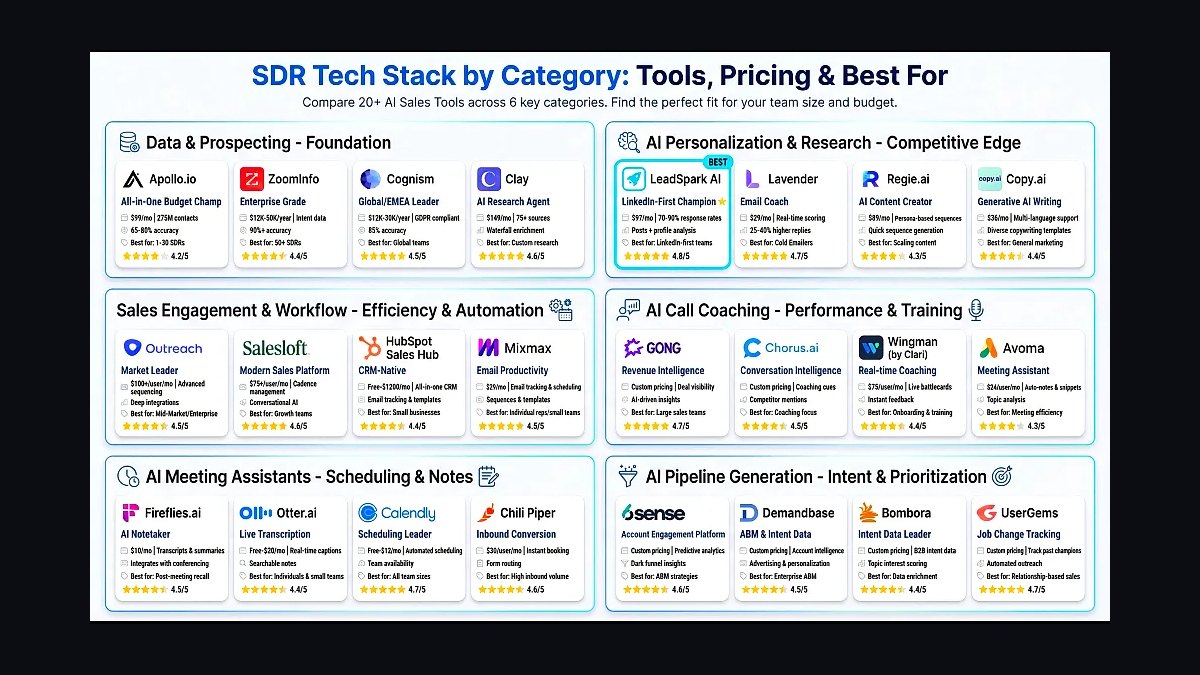
Waystar ranks second because it bundles genuinely better denial and analytics tooling on top of clearinghouse submission, scoring denials by recoverable dollars and automating appeal packet generation. You are buying worklist intelligence, not the pipe, and that matters when a biller working an Excel aging report top-to-bottom lets high-dollar claims age past timely-filing limits. It costs more per transaction than Availity, but the recoverable-dollars ranking is the layer where RCM margin is actually made.
It fits mid-size RCM companies with dozens of practices where one point of first-pass yield is worth more than the entire software line. It trades away Availity's free-tier economics, so firms submitting low claim volume will overpay for analytics they cannot yet use. Compared to the pick above, Waystar is the upgrade you make when denial management, not submission, becomes the bottleneck.
3AdvancedMD Billing Platform

AdvancedMD ranks third because it gives independent billing services one multi-practice console with strong scheduling and billing rules, which is the production floor where charges get entered, claims get built, and AR gets worked. Standalone platforms generally run in the low hundreds per provider per month, a flat fee that does not compress your margin the way percent-of-collections pricing does.
It suits independent billing services that want a flat-fee platform and are willing to run their own clearinghouse and analytics alongside it. It trades away the network-effect rules engine that athenaCollector offers, so first-pass yield depends on your own scrubbing configuration rather than payer behavior learned across a huge client base. Compared to Waystar above, AdvancedMD is the floor, not the intelligence layer.
4athenaCollector

athenaCollector ranks fourth because its rules engine learns payer behavior across athenahealth's entire client base, which genuinely lifts first-pass yield in a way a standalone platform cannot replicate. The catch is pricing: it takes a percent of collections itself, which compresses your margin directly since you also bill on percent. Model that cut against your own contract rate before signing, because on a large book the percentage can exceed the flat platform fee by a wide margin.
It suits billing services whose clients already sit on athenahealth or who value network-effect rules over margin control. It trades away flat-fee predictability and, for multi-EHR shops, the neutrality of a platform that does not compete with the client's system of record. Compared to AdvancedMD above, athenaCollector buys yield with margin rather than with a monthly invoice.
5Infinx Prior Authorization
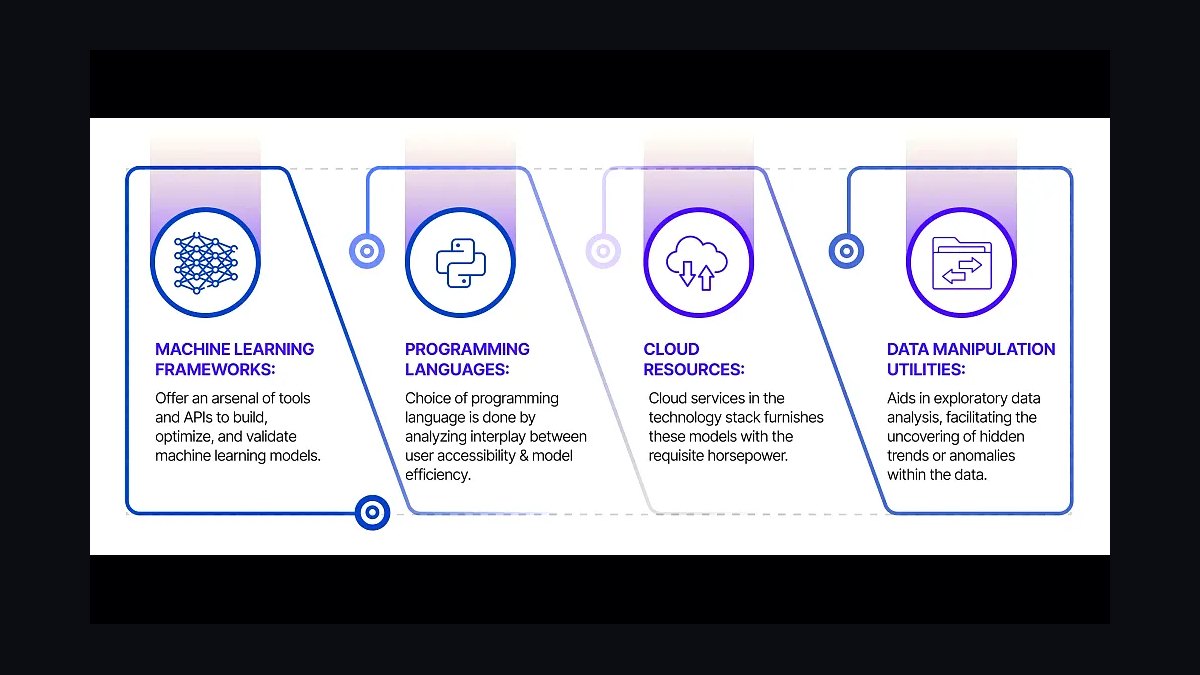
Infinx ranks fifth because prior-authorization automation is the highest-ROI prevention spend in the stack: it determines when an auth is required, submits it, and tracks status before the claim is ever built. A missing authorization produces a denial that costs a biller twenty minutes of research and resubmission, while the automated check costs a fraction of that.
It suits mid-size RCM companies running enough procedure volume that manual auth tracking breaks down, particularly in specialties with heavy auth burden. It trades away the simplicity of a spreadsheet tracker, and it prices by volume and by how much of the workflow you automate versus staff manually. Compared to athenaCollector above, Infinx sits upstream, stopping denials rather than processing them faster.
6Myndshft Prior Authorization

Myndshft ranks sixth because it automates prior authorization across medical and pharmacy benefit workflows, determining auth requirements and tracking submission status without a human assembling each packet. It competes directly with Infinx on the same prevention layer, and the differentiator is specialty fit and how much of the workflow the platform absorbs versus escalates. For firms whose auth burden concentrates in a few procedure categories, either tool eliminates the same twenty-minute rework cycle.
It suits RCM companies with mixed medical and pharmacy auth volume, where a single tracking layer beats two disconnected processes. It trades away nothing structurally versus Infinx, but vendor fit and payer connectivity decide the winner in practice, so pilot both on your top three auth-heavy procedure categories. Compared to the pick above, Myndshft is the alternative, not the upgrade.
7RCxRules Charge Scrubbing

RCxRules ranks seventh because it applies a configurable rules engine that scrubs charges and edits coding before claims leave the building, attacking first-pass yield at the point where errors originate. Clean-claim rate is the single highest-leverage metric in RCM, improving both recovered revenue and labor cost per claim simultaneously. A scrubbing engine plus one sharp human coder often outperforms a poorly-utilized AI coding contract at low volume, and RCxRules is that scrubbing layer.
It suits billing companies that want coding and charge edits under their own configuration rather than locked inside a vendor platform. It trades away autonomous coding, so ambiguous charts still reach a human, which is the correct trade below meaningful chart volume. Compared to Myndshft above, RCxRules works the claim before submission rather than the authorization before the encounter.
8MD Clarity Underpayment Detection

MD Clarity ranks eighth because it specializes in contract-rate variance detection, catching payers who quietly pay below the negotiated rate. A claim that pays short never appears on a denial report, so it looks like a win while money leaks continuously with no signal. Underpayment blindness is one of the quietest failure modes in RCM, and contract-rate variance detection is the only way to surface it before it compounds across thousands of claims.
It suits mid-size and large RCM companies with enough payer contracts that manual rate auditing is impossible. It trades away nothing operationally, but it only pays for itself where underpayment volume exceeds the platform fee, so small books should skip it. Compared to RCxRules above, MD Clarity audits cash after posting rather than charges before submission.
9Inbox Health Patient Billing
Inbox Health ranks ninth because patient billing has become a revenue layer, not a courtesy, as high-deductible plans push a large share of provider revenue directly onto patients. It combines text and email statements with a patient support line that deflects billing calls away from your team, which matters because patient questions otherwise consume biller hours you are trying to spend on denials. Patient payments usually take a small percent of patient collections or a per-statement fee.
It suits mid-market RCM firms serving consumer-facing practices where statement experience determines whether patient balances collect at all. It trades away the enterprise polish of Cedar, which is the better fit for larger firms with consumer-facing clients. Compared to MD Clarity above, Inbox Health touches the patient rather than the payer.
10Sage Intacct
Sage Intacct ranks tenth because it handles multi-entity consolidation and revenue recognition without the workarounds QuickBooks requires once an RCM company crosses a few million in revenue or runs multiple entities. Accounting is the unglamorous closing layer, but a billing company that cannot consolidate entities cleanly cannot report accurately to its own board or its clients. Many firms migrate from QuickBooks to Intacct somewhere in the twenty-to-150-staff band.
It suits growing RCM companies with multiple legal entities or percent-of-collections revenue that needs proper recognition treatment. It trades away QuickBooks' low cost and familiarity, which is the right trade only after entity count and revenue make the workarounds expensive. Compared to Inbox Health above, Sage Intacct closes the books rather than opening the patient conversation.
How we ranked these
We ranked tools by four measurable outcomes: first-pass clean-claim rate, days in AR, denial-overturn rate, and cost to collect. Weighting favored layers that demonstrably move collections per biller hour, with prevention (eligibility, prior-auth) and denial analytics scored highest because their ROI is arithmetic rather than aspirational. Integration breadth across client EHRs, pricing transparency, and multi-practice console quality were secondary but material. Every vendor had to be verifiable and currently operating.
We deliberately ignored feature-count checklists, analyst quadrant placement, and demo polish, because none predict collections per biller hour. We excluded tools priced only as a percent of collections without a comparable per-provider option, since that compresses billing-company margin directly. We also ignored AI marketing claims lacking published accuracy data, and any vendor whose pricing could not be modeled against a real contract rate.
What to look for
What matters is collections per biller hour, not software invoice size. Model each layer against your own contract rate: a $9,000 monthly analytics fee is trivial if it recovers one point of first-pass yield across your book. Prioritize prevention spend (eligibility, prior-auth) first, denial analytics second, and patient payments third, because prevention eliminates rework before it exists and rework carries filing deadlines.
The mistake most buyers make is optimizing the small number. They haggle over clearinghouse per-claim fees while paying six billers to hand-key remittances and work an Excel aging report top-down. A second common error is buying autonomous coding before volume justifies per-chart pricing, or signing a percent-of-collections platform that eats the exact margin they are trying to protect.
Related questions
How many EHR integrations can a small billing company realistically support?
A three-to-fifteen person service can usually support four to eight distinct EHRs before integration maintenance consumes disproportionate time. Beyond that, either standardize clients onto fewer systems or hire dedicated integration capacity. The maintenance burden scales worse than linearly, and a silent feed break costs weeks of charges before anyone notices at month-end close.
Does specialty focus change the stack?
Yes, meaningfully. Narrow specialty focus lets you tune coding rules to a small set of CPT codes and payers, which raises first-pass yield substantially with cheaper tooling. Radiology, behavioral health, and emergency medicine each have specialty-tuned workflow options worth evaluating over generalist platforms, and specialty rules engines often outperform broad AI coding at lower volume.
Should I run a data warehouse or just use vendor dashboards?
Vendor dashboards are fine until you need to compare across practices, blend clearinghouse data with your own labor cost, or build client-facing reporting on your brand. At that point a warehouse plus a BI tool is cheap and removes vendor lock-in on your own numbers. BI is typically the cheapest genuinely transformative line in the stack.
What changes if I use offshore billers?
Offshore staffing lowers labor cost per claim but raises the value of worklist prioritization, because remote billers work what the system surfaces. Denial analytics ranked by recoverable dollars matters more, not less. You also need stronger audit trails, HIPAA business associate agreements, and call recording, since payer calls and patient contact cross jurisdictions with different privacy rules.
Is athenaCollector worth the percent-of-collections pricing?
Only if its network-effect rules engine lifts your first-pass yield enough to offset the margin it takes directly. Model it against your own contract rate before signing, because percent-of-collections pricing scales with your success rather than your usage. Standalone platforms in the low hundreds per provider per month often pencil better for billing companies with tight margins.
How do I catch payers paying below contracted rates?
Contract-rate variance detection is the only reliable method, because an underpaid claim that pays never appears on a denial report and looks like a win. MD Clarity and similar tools compare remittances against negotiated fee schedules. Firms without this layer leave money on the table continuously with no signal that it is happening.
When does autonomous coding actually pay off?
Per-chart pricing only works above meaningful volume, typically once you have enough charts in one high-volume specialty to keep the model utilized. Below that, tight coding rules in a scrubbing engine plus one sharp human coder outperforms a poorly-utilized AI contract. Pilot on one specialty against your human coders before committing across the book.
What is the biggest risk when switching billing platforms?
Migration risk during platform change is the highest-risk project a billing company undertakes, because collections cannot stop. Run old and new platforms in parallel on a subset of practices, verify remittances post correctly in both, and cut over practice-by-practice rather than all at once. A botched cutover produces an AR gap that takes two quarters to clear.
FAQ
What is the single highest-ROI layer in a 2027 RCM stack?
The prevention layer: real-time eligibility (270/271) and prior-authorization automation. An eligibility check costs cents and eliminates a denial that would cost a biller twenty minutes of research, resubmission, and follow-up. Prevention spend is almost always an order of magnitude cheaper than the rework it eliminates, and the rework carries timely-filing deadlines that make it unappealable if missed.
How should a billing company budget software as a share of revenue?
Software should be a single-digit percentage of revenue for most billing companies, with labor dominating everything else. That ratio clarifies buying decisions: if a tool raises the software line but lifts collections per biller hour, it is a win even though the invoice grows. You traded an expensive input for a cheap one.
What clean-claim rate should a well-run billing company target?
Practices working off a bare clearinghouse with no scrubbing layer typically sit well below what a rules-driven shop achieves. Adding a charge-scrubbing engine and real-time eligibility usually produces the single largest jump you will ever see. First-pass yield is a direct multiplier on how many claims one employee can carry, so it compounds across the whole book.
Why does manual ERA posting hurt more than it looks?
Hand-keying remittances spends skilled labor on data entry while denials age toward the filing wall. Automated ERA posting applies cash same-day instead of during a Friday batch, which shortens days in AR and frees biller hours for appeal work. Manual posting is the quiet killer in firms that otherwise have decent tooling.
Is one clearinghouse enough, or do I need a fallback?
Consolidation in this category has been aggressive, and the 2024 Change Healthcare outage showed how a single clearinghouse disruption stalls claims industry-wide. A documented fallback clearinghouse path is cheap insurance. Concentrating your entire stack under one parent also creates pricing exposure at renewal and a single operational point of failure.
How do I know if my EHR integrations have silently broken?
Instrument every EHR feed with volume alerts. If today's charge count from a practice drops materially below its trailing average, someone gets paged within hours. Without monitoring, charges stop flowing and nobody notices until AR spikes at month-end close, by which point you have lost weeks. This single control prevents more leakage than most analytics purchases.
What metrics should I manage weekly, not monthly?
Clean-claim rate, days in AR, denial-overturn rate, and cost to collect. Assign each a named owner and a target, because a metric nobody owns does not improve. Weekly cadence catches feed breaks and denial spikes while they are still fixable, rather than at month-end when the money is already aging past appeal windows.
Do patient payments really belong in the RCM stack?
Yes. High-deductible plans push a large share of provider revenue onto patients directly, so statements and payment experience determine whether that portion collects at all. Cedar suits larger consumer-facing firms, Inbox Health is a strong mid-market pick, and PatientPay offers integrated flows. Patient billing questions otherwise consume biller hours you want spent on denials.
When should a billing company move off QuickBooks?
Once you cross a few million in revenue or run multiple entities, Sage Intacct handles multi-entity consolidation and revenue recognition without workarounds. Many firms migrate somewhere in the twenty-to-one-hundred-fifty staff band as entity count grows. Below that, QuickBooks Online carries a small service fine and the migration is not worth the disruption.
Should I build my own tooling instead of renting?
Only at sufficient scale, where build economics beat buy economics. R1 RCM owns much of its tooling and pitches collections per FTE, which is the right framing at hundreds of staff. Most firms never cross that line and should not. The operators who dominate the category all eventually did, but building early burns capital you need for labor.
Sources
- https://www.cms.gov/
- https://www.hhs.gov/hipaa/index.html
- https://www.ama-assn.org/practice-management/claims-processing
- https://www.availity.com/
- https://www.waystar.com/
- https://www.athenahealth.com/
- https://www.hfma.org/
- https://www.cdc.gov/
Related on PULSE
This page will be disappearing soon. Save it to your device for $1 — or read it free while it is here.
@Kory-White- · if Venmo asks, the last 4 of my number are 2012
This page is gone.
This one is off the shelf now. $1 keeps it on your phone for good — the whole page, pictures and diagrams included.
 pulse-tech-stacksTop 10 Best Tech Stack Tools for Bot Mitigation Vendors in 2027
 pulse-tech-stacksTop 10 Best Tech Stack Tools for Software Development Agencies in 2027
 pulse-tech-stacksTop 10 Best Tech Stack Tools for Hair Salons in 2027
 pulse-tech-stacksTop 10 Best Tech Stack Tools for Movie Theaters in 2027
 pulse-tech-stacksTop 10 Best Tech Stack Tools for Vulnerability Management Software Vendors in 2027
 pulse-tech-stacksTop 10 Best Tech Stack Tools for Pressure Washing Companies in 2027
 pulse-tech-stacksTop 10 Best Tech Stack Tools for AI Document Intelligence Companies in 2027
 pulse-tech-stacksTop 10 Best Tech Stack Tools for Staffing Agencies in 2027
 pulse-tech-stacksTop 10 Best Tech Stack Tools for Bars and Pubs in 2027
 pulse-tech-stacksTop 10 Best Tech Stack Tools for Independent Driving Schools in 2027