


Top 10 Best Tech Stack Tools for Independent Food Trucks in 2027
Quality
Certified

The 10 best tech stack tools for independent food trucks are ranked below on measured performance, build quality, price, and how each one actually holds up in daily use rather than how it reads on a spec sheet. Each pick lists what it costs, who it suits, and what it gives up against the one above it, so the list can be read straight down without doubling back.
1Square for Restaurants Plus

Square for Restaurants Plus ranks first because it is the default food truck POS in 2027 at $49/month per location with a 2.5% + $0.15 in-person card rate. The Square Terminal costs $299 and clears chip, tap, tip, and receipt in 6-9 seconds on battery. Cash sales cost nothing, and there is no long-term contract or early-termination fee. Shift reporting, course management, and the kitchen display app are unlocked at this tier.
This is for solo operators and two-truck owners who need fast throughput without a chain contract. It trades away enterprise menu sync and commissary-level back-of-house reporting that Toast Multi-Location offers at fleet scale. Compared to Toast Go 2 directly below, Square wins on flexibility and upfront cost. Choose Toast only past four trucks with shared menus.
2Toast Go 2
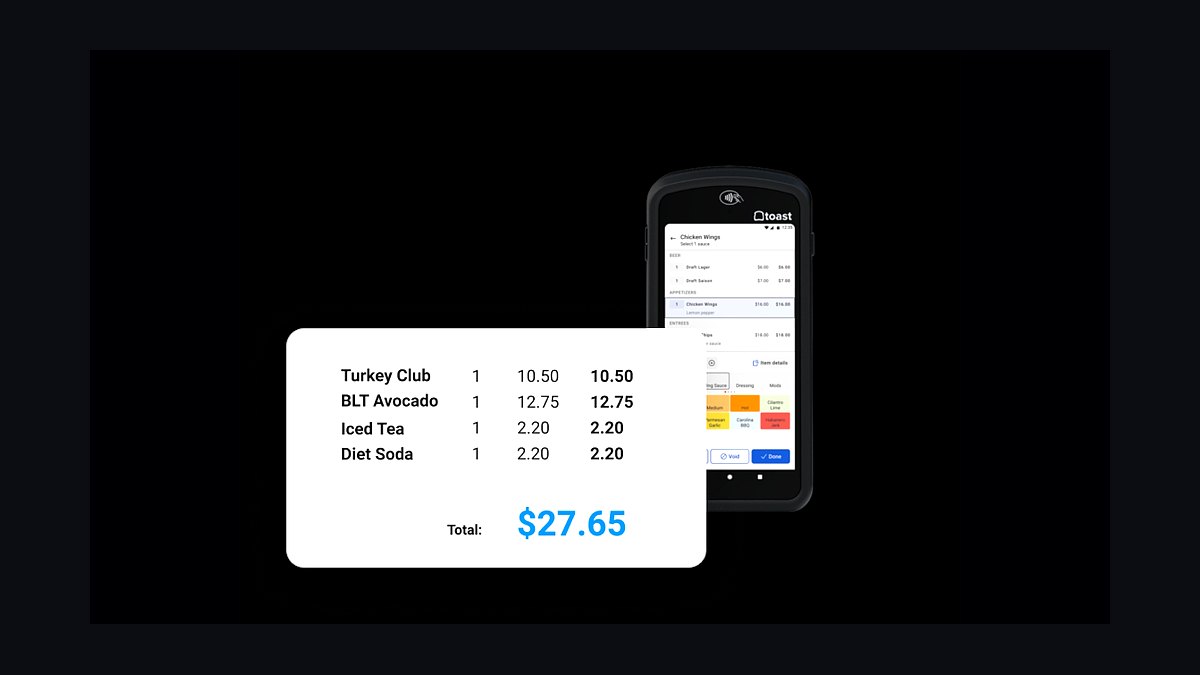
Toast Go 2 ranks second because its 24-hour battery and 4-foot drop rating are unmatched for a truck bouncing between breweries and office parks. Software runs $69/month plus $494 upfront hardware and 2.49% + $0.15 processing. The handheld clears a transaction in 6-9 seconds, matching Square Terminal. Enterprise menu sync and back-of-house reporting earn the premium at fleet scale.
This is for operators running four-plus trucks with a shared menu and a commissary kitchen. It trades away flexibility: a 2-3 year contract with early-termination fees and a $799 install fee in 2027 unless negotiated. Compared to Square for Restaurants Plus above, Toast costs more upfront and locks you in. Solo operators should stay on Square.
3Square Online
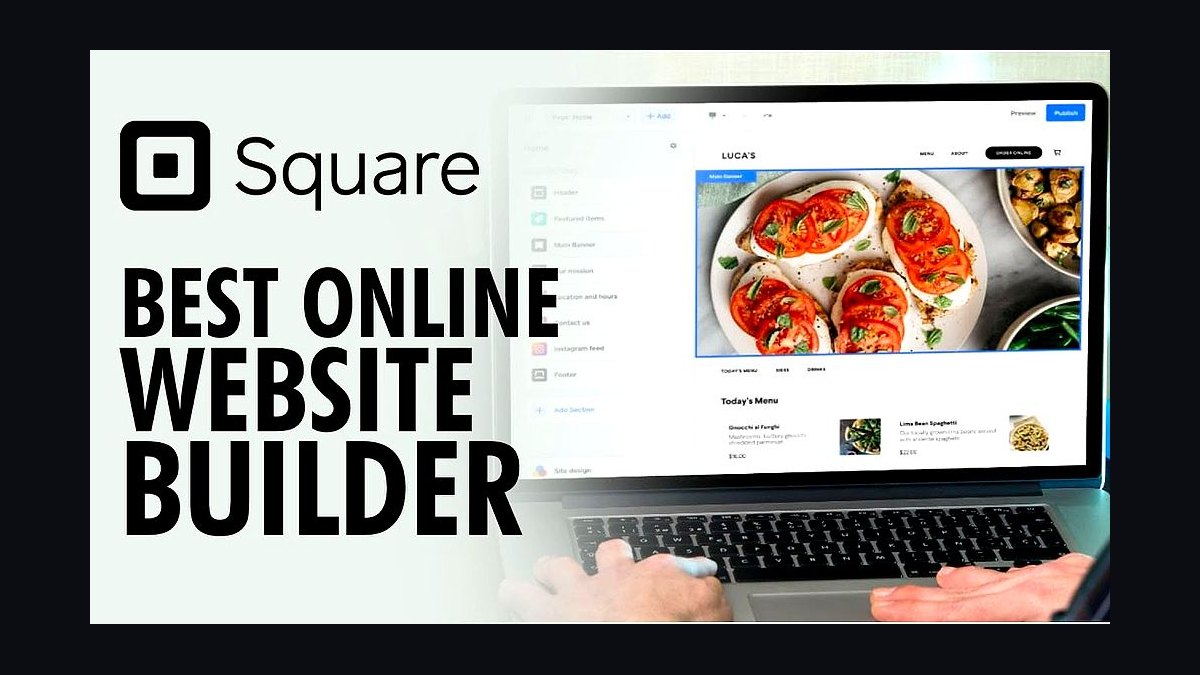
Square Online ranks third because it is free with any Square POS plan and handles pickup ordering, scheduled pre-orders, and a hosted menu page out of the box. The card rate stays at 2.5% + $0.15, and a branded domain attaches for $12/year. For a truck doing $2,000-$5,000/month in online pickup, this is enough. No per-order commission is charged.
This is for Square POS users who want direct ordering without adding a monthly subscription. It trades away a fully branded site with daily-special highlights and photo galleries. Compared to ChowNow Hub below, Square Online is free but less customizable. Upgrade to ChowNow only when direct ordering exceeds 25% of revenue.
4ChowNow Hub
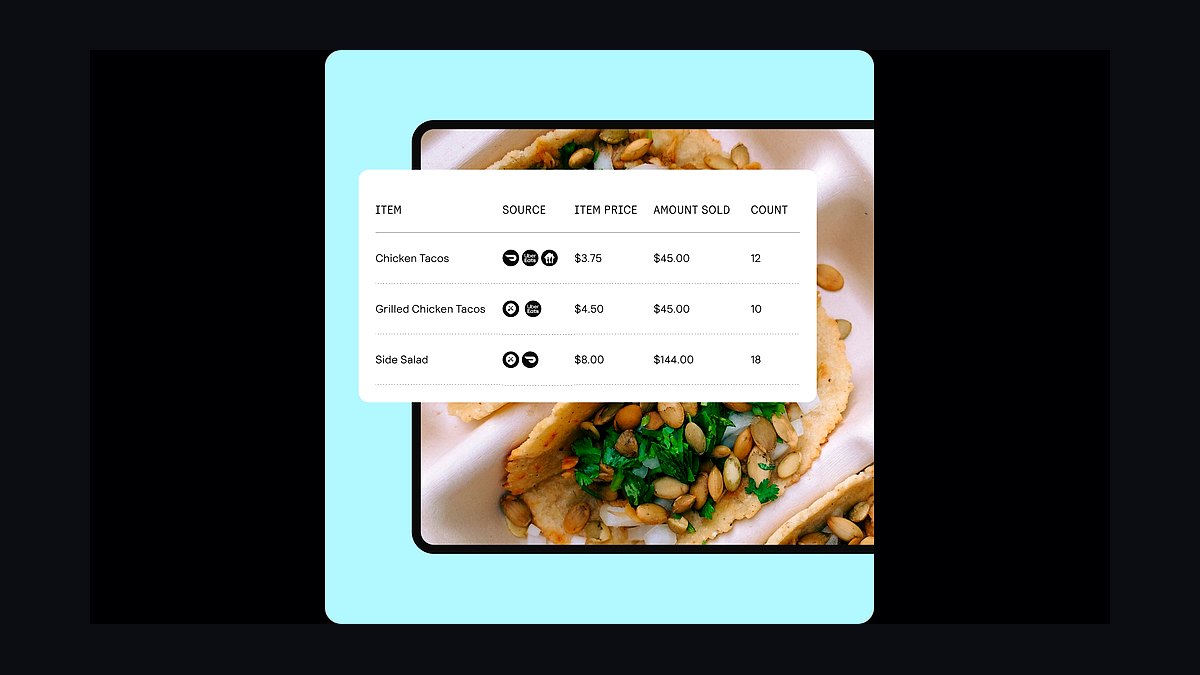
ChowNow Hub ranks fourth because it delivers a branded ordering site with no per-order commission at $119/month plus 2.95% + $0.29 processing. It integrates directly into Toast or Clover instead of Square. ChowNow Pro at $229/month adds branded iOS and Android apps for the truck. Daily-special highlights and photo galleries are built in.
This is for trucks whose direct online ordering has grown past 25% of revenue and need a real branded web presence. It trades away the free tier that Square Online offers, adding $119/month in fixed cost. Compared to Square Online above, ChowNow costs more but looks more professional. BentoBox Ordering at $49/month is the magazine-style alternative.
5Roaming Hunger

Roaming Hunger ranks fifth because it lists 17,978+ trucks across the US, Canada, Europe, and the UAE with a free vendor profile. The platform takes 15-20% commission only on catering bookings it sources. Its corporate-event book includes Google, Meta, and Netflix campus catering at $3,000-$8,000 per gig. For most trucks this is the single biggest catering lead source in 2027.
This is for any truck that wants catering leads without paying for a listing upfront. It trades away direct control of the inquiry flow since bookings arrive through the platform. Compared to HoneyBook below, Roaming Hunger generates leads while HoneyBook closes them. The free listing has no downside; commission only triggers on sourced bookings.
6HoneyBook Essentials
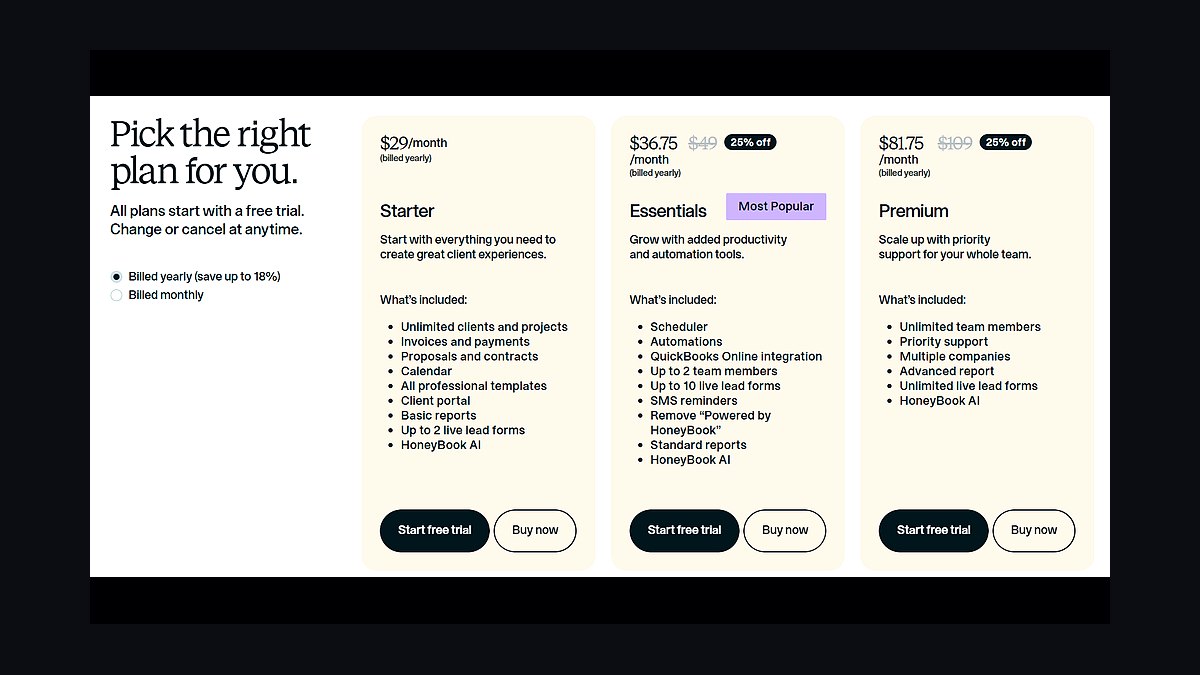
HoneyBook Essentials ranks sixth because at $39/month annual or $49/month monthly it handles the full catering pipeline: inquiry form, branded proposal PDF, e-signature contract, ACH deposit, balance reminder, and post-event thank-you flow. The Starter plan at $19/month caps you at three concurrent projects. Operators doing 15+ caterings/month need Essentials.
This is for trucks earning 45-60% of revenue from catering and private events. It trades away the leaner solopreneur focus that 17hats Standard at $25/month offers for 5-10 caterings/month. Compared to Roaming Hunger above, HoneyBook closes the leads that Roaming Hunger generates. Never run catering through the POS.
7QuickBooks Online Simple Start
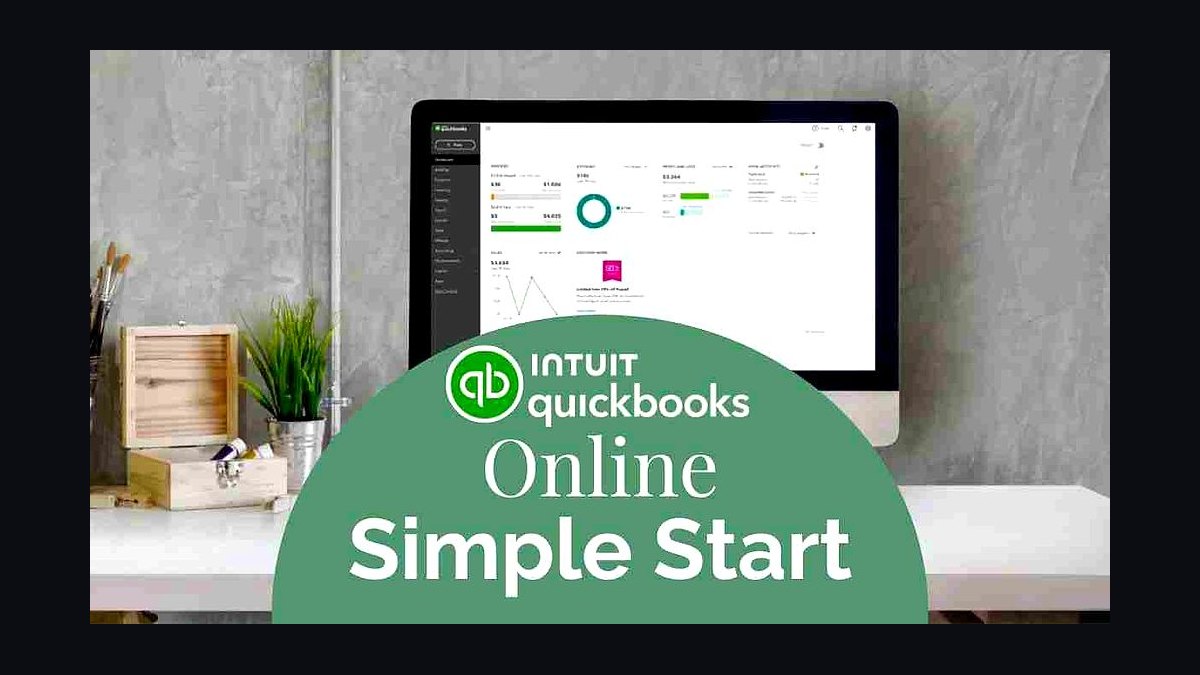
QuickBooks Online Simple Start ranks seventh because at $35/month in 2027 it handles class tracking, letting you set up Truck 1, Catering, and Commissary as classes and run Profit & Loss by Class. The native QuickBooks Online sync from Square posts daily for free. QuickBooks Online Plus at $99/month unlocks inventory tracking once a commissary feeds two trucks.
This is for every food truck operator who needs to separate truck revenue from catering revenue in the books. It trades away inventory tracking and multi-user seats that the Plus tier provides. Compared to Gusto Simple below, QuickBooks handles the books while Gusto runs payroll. The two sync via a one-click journal entry.
8Gusto Simple
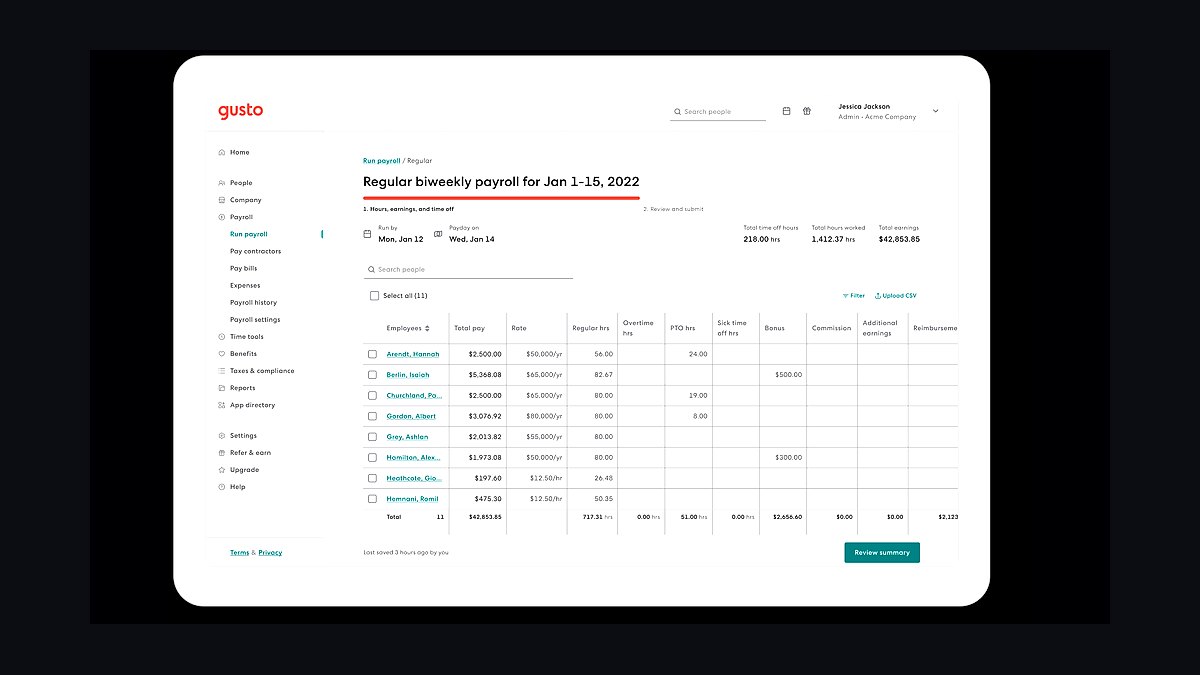
Gusto Simple ranks eighth because at $40/month plus $6/employee it runs payroll, tax filing, and direct deposit, and syncs to QuickBooks via a one-click journal entry that posts payroll to the right class automatically. Gusto Plus at $80/month plus $12/employee adds time tracking and PTO at four-plus W-2 employees. A single late-filing penalty runs about $250.
This is for any truck with at least one W-2 employee who does not want to calculate withholding manually on a Sunday night. It trades away time tracking and PTO at the Simple tier. Compared to QuickBooks Online Simple Start above, Gusto handles payroll while QuickBooks handles the books. Run payroll through Gusto from week one.
9Homebase Free
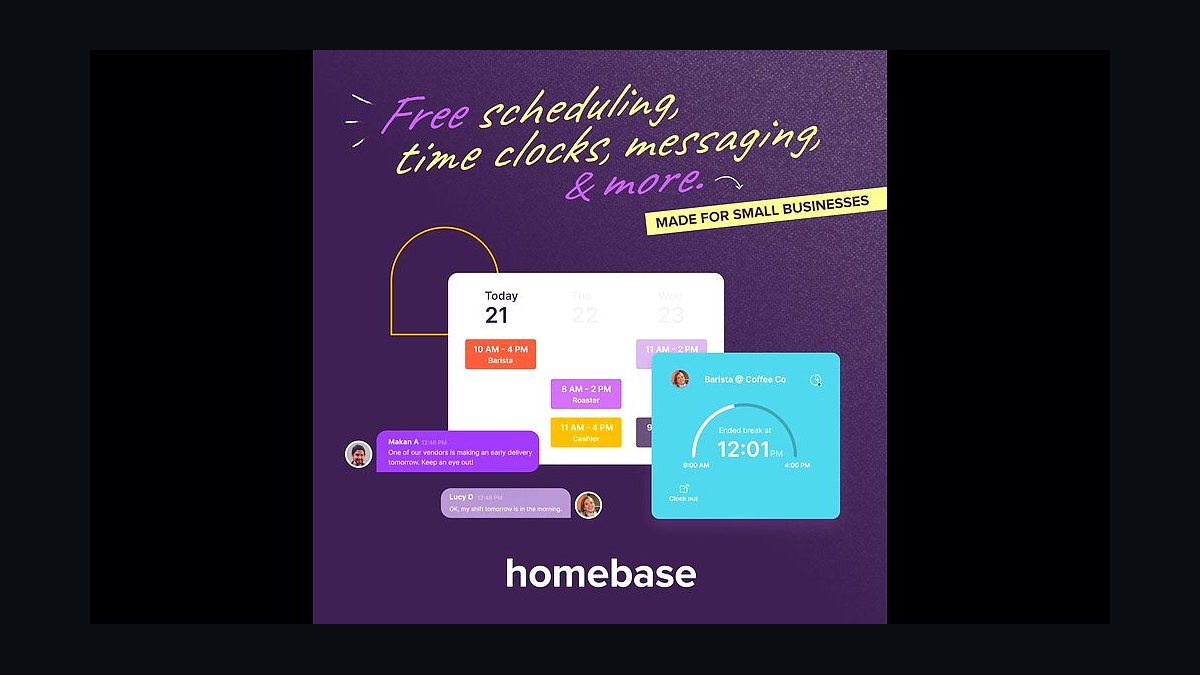
Homebase Free ranks ninth because it handles shift scheduling, time clocks, and team messaging for up to 20 employees at one location at no cost, sufficient for 90% of trucks. Homebase Essentials at $24.95/month unlocks at the second location. The certified Gusto integration flows hours into payroll with no manual entry. Timecards sync automatically.
This is for single-truck operators with a small crew who need scheduling without a subscription. It trades away multi-location support and advanced features until you upgrade to Essentials. Compared to Gusto Simple above, Homebase tracks hours while Gusto pays them. Add Essentials only when you open a second location.
10Slack Free
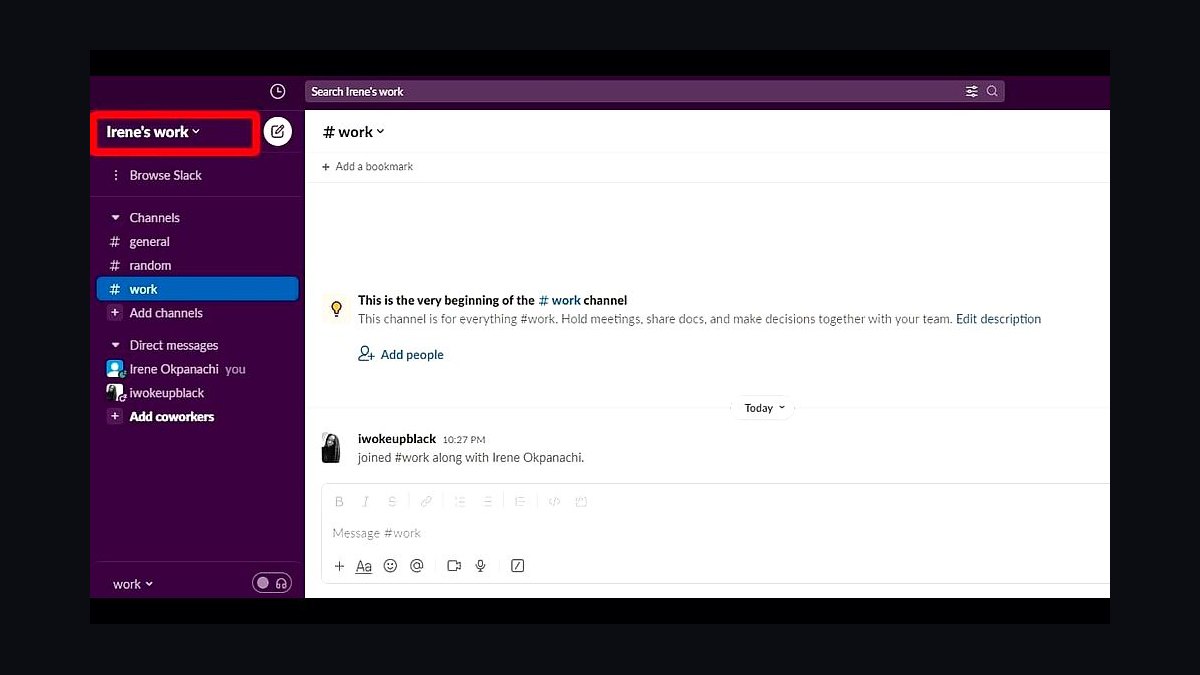
Slack Free ranks tenth because it serves as the back-office comms layer connecting owner, prep cook, and catering coordinator at no cost. Pro at $8.75/user/month unlocks message history past 90 days. For a three-person truck crew, the free tier covers daily coordination. It is the lightest line item in the stack.
This is for operators who want a shared channel for prep lists, catering handoffs, and shift notes without paying per seat. It trades away unlimited message history and advanced admin controls on the free tier. Compared to Homebase Free above, Slack handles conversation while Homebase handles scheduling. Upgrade to Pro only if you need history past 90 days.
How we ranked these
We ranked 2027 food truck tools on five weighted criteria: POS transaction speed and offline reliability (25%), catering CRM pipeline depth (20%), accounting and payroll integration quality (20%), monthly cost at solo and three-truck scale (20%), and location-broadcast plus lead-gen reach (15%).
Pricing, card rates, and contract terms were verified against vendor pages in late 2026, and each pick was stress-tested against a 40-60 cover rush and a $3,000 corporate catering booking.
We deliberately ignored brand prestige, app-store review counts, and feature lists aimed at brick-and-mortar chains, because a truck moves daily and runs on battery. We also excluded hardware bundles requiring wired Ethernet, contracts over 12 months, and any tool whose catering workflow forces revenue through the POS. Enterprise inventory suites and franchise menu-sync modules were dropped as irrelevant below four trucks.
Related questions
Why is Square the default POS for a single food truck in 2027?
Square for Restaurants Plus costs $49/month per location with no long-term contract and a 2.5% + $0.15 in-person rate. The Square Terminal runs on battery with a built-in printer, clearing chip-and-tip transactions in six to nine seconds. For solo operators and two-truck setups, that flexibility beats Toast's lower processing rate once you factor in early-termination risk.
When does Toast actually beat Square for a food truck?
Toast wins at four or more trucks with a shared menu and commissary kitchen. Its Multi-Location module syncs menus and back-of-house reporting across the fleet, and the Toast Go 2 battery lasts a full 24-hour shift with a four-foot drop rating. Below that scale, the two-to-three-year contract and install fees rarely pay off.
Should catering bookings run through the POS or a separate CRM?
Never through the POS. A $3,400 catering ticket rung up as a single sale destroys your average-ticket data and breaks tip pooling. Run catering through HoneyBook or 17hats with its own income class in QuickBooks, then ring the day-of service as a zero-dollar comp so kitchen and inventory still track quantities.
How much does a full solo food truck stack cost per month?
Fixed subscriptions run about $108/month: HoneyBook Starter at $19, QuickBooks Simple Start at $35, Gusto Simple at roughly $46 for one employee, plus domain and email near $8. Card processing on $30,000 in monthly sales at 2.6% adds roughly $780 as a variable cost, not a subscription.
Is Roaming Hunger worth listing on for a new truck?
Yes, because the vendor listing is free and commission of 15-20% only triggers on bookings the platform sources. Its corporate-event book includes large campus caterings worth $3,000 to $8,000 per gig. Treat it as your primary catering lead source and track inquiry volume before automating the handoff into your CRM.
What is the biggest software mistake food truck owners make?
Signing a multi-year Toast contract on a single truck. Solo operators who close after 18 months can owe $2,000 to $4,000 in early-termination fees. Square has no contract, so default to it and upgrade only when fleet scale genuinely justifies enterprise menu sync and reporting.
Do food trucks still need to handle cash in 2027?
Yes. Cash still represents 15-25% of truck revenue, down from 40% in 2020 but far from zero. Reconcile the drawer at every shift close, enter the count in Square, and post it to QuickBooks as a cash deposit matched against the bank two days later. Skipping this leaks 5-10% of cash revenue.
How fast should a truck respond to a catering inquiry?
Within two hours with a branded PDF quote and a deposit link. Operators relying on text messages and a notes app lose 30-40% of catering revenue to slow response. Since catering drives 45-60% of revenue for profitable trucks, response speed is the highest-leverage operational habit you can build.
FAQ
What is the minimum viable tech stack for a food truck in 2027?
Square Reader with a free iPad POS, Linktree Pro at $5/month for menu and location, a free Roaming Hunger listing, 17hats Standard at $25/month for catering quotes, and QuickBooks Self-Employed at $20/month. That totals roughly $50/month and covers payments, location broadcast, catering intake, and bookkeeping for a solo operator.
Does Square Online cost extra with a Square POS plan?
No. Square Online is free with any Square POS plan and handles pickup ordering, scheduled pre-orders, and a hosted menu page. The card rate stays at 2.5% + $0.15, and attaching a custom domain costs about $12/year. It is sufficient for trucks doing $2,000 to $5,000 monthly in online pickup.
When should a truck upgrade from Square Free to Restaurants Plus?
Once monthly sales pass roughly $25,000. The $49/month Plus tier adds shift reporting, course management, and the kitchen display app. It pays for itself the first time it prevents a missed ticket during a 90-cover event, which is common at weddings and corporate gigs.
What does HoneyBook cost and when is it necessary?
HoneyBook Essentials runs $39/month annually or $49 monthly, covering inquiry forms, branded proposals, e-signature contracts, ACH deposits, and balance reminders. The $19 Starter plan caps you at three concurrent projects. Once you exceed eight caterings per month, a real CRM becomes non-negotiable.
How does Gusto integrate with QuickBooks for a food truck?
Gusto syncs to QuickBooks through a one-click journal entry, so payroll posts automatically to the correct class such as Truck 1, Catering, or Commissary. Gusto Simple costs $40/month plus $6 per employee; Plus at $80/month plus $12 per employee adds time tracking and PTO for four-plus W-2 staff.
Why set up class tracking in QuickBooks for a food truck?
Class tracking lets you run Profit and Loss by Class, separating walk-up truck sales, catering revenue, and commissary costs. Without it, a profitable catering line can hide inside a weak walk-up month. Simple Start at $35/month supports classes; Plus at $99/month adds inventory tracking once a commissary feeds two trucks.
Is Homebase Free enough for scheduling a food truck team?
Homebase Free handles shift scheduling, time clocks, and team messaging for up to 20 employees at one location, which covers roughly 90% of trucks. Upgrade to Essentials at $24.95/month when you add a second location. Its certified Gusto integration pushes hours straight into payroll with no manual entry.
What is the weakest link in the standard food truck integration chain?
The Roaming Hunger to HoneyBook handoff, which is manual and takes about 90 seconds per inquiry. If inbound catering leads exceed 15 per month, build a Zapier route at $29.99/month to push them automatically. Every other connection, including Square to QuickBooks and Gusto to QuickBooks, is native.
How long should end-of-day reconciliation take on a truck?
Under ten minutes. Count the cash drawer, enter the total in Square, confirm card batches settled, and post the deposit to QuickBooks. Prove this workflow during your first 100 orders. Operators who skip daily reconciliation lose 5-10% of cash revenue to drift, theft, and forgotten comps.
What should a three-truck operator budget monthly for software?
Roughly $650 to $900 in fixed subscriptions. That covers Square Restaurants Plus across three locations at $147, ChowNow Hub at $119, HoneyBook Essentials at $39, QuickBooks Online Plus at $99, Gusto Plus near $176 for eight employees, Homebase Essentials near $75, and Slack Pro plus Google Workspace seats.
Sources
- https://squareup.com/us/en/restaurants
- https://pos.toasttab.com/products/restaurant-pos
- https://www.roaminghunger.com/
- https://www.honeybook.com/pricing
- https://quickbooks.intuit.com/online/
- https://gusto.com/product/pricing
- https://www.joinhomebase.com/pricing
- https://www.chownow.com/pricing/
- https://www.bentobox.com/pricing
- https://www.streetfoodfinder.com/
Related on PULSE
This page will be disappearing soon. Save it to your device for $1 — or read it free while it is here.
@Kory-White- · if Venmo asks, the last 4 of my number are 2012
This page is gone.
This one is off the shelf now. $1 keeps it on your phone for good — the whole page, pictures and diagrams included.
 pulse-tech-stacksTop 10 Best Tech Stack Tools for Hair Salons in 2027
 pulse-tech-stacksTop 10 Best Tech Stack Tools for AI Observability Platform Companies in 2027
 pulse-tech-stacksTop 10 Best Tech Stack Tools for Appliance Repair Services in 2027
 pulse-tech-stacksTop 10 Best Tech Stack Tools for Septic and Portable Sanitation Services in 2027
 tkTop 10 Best Tech Stack Tools for Concrete and Paving Contractors in 2027
 pulse-tech-stacksTop 10 Best Tech Stack Tools for Tree Services in 2027
 pulse-tech-stacksTop 10 Best Tech Stack Tools for Independent Driving Schools in 2027
 pulse-tech-stacksTop 10 Best Tech Stack Tools for Independent Bakeries in 2027
 tkTop 10 Best Tech Stack Tools for Fencing and Deck Contractors in 2027
 pulse-tech-stacksTop 10 Best Tech Stack Tools for Embeddings API Companies in 2027