


Top 10 Best Tech Stack Tools for Glass and Glazing Contractors in 2027
Quality
Certified

The 10 best tech stack tools for glass and glazing contractors are ranked below on measured performance, build quality, price, and how each one actually holds up in daily use rather than how it reads on a spec sheet. Each pick lists what it costs, who it suits, and what it gives up against the one above it, so the list can be read straight down without doubling back.
1GlasPacLX by Mainstreet Computers

GlasPacLX ranks first because it is the dominant glass-industry platform and the default backbone for shops doing retail, auto, and flat glass. It combines counter POS, barcode inventory, NAGS-integrated auto-glass quoting, work orders, scheduling, and insurance billing in one system. Roughly $200-$500 per month per location depending on modules and users, it anchors the cash-flow-critical side of the business.
It is built for established glass shops that need depth and the broadest vendor catalogs, not for contractors whose revenue is mostly commercial glazing. It trades away cloud-native mobile design, which is where eDirectGlass pulls ahead. Compared to eDirectGlass directly below, GlasPacLX wins on feature depth and industry entrenchment but loses on web-first accessibility for multi-location operators.
2eDirectGlass
eDirectGlass ranks second as the cloud-native challenger that newer and multi-location shops prefer for its mobile and web-first design. It handles POS, inventory, auto-glass NAGS quoting, and insurance claims from a browser, so field and counter staff work from the same live system. It connects to LYNX Services and Solera Glass Claims for DRP assignments and EDI invoicing.
It suits shops opening second locations or running mobile installers who need access outside the counter. It trades away some of GlasPacLX's catalog depth and legacy integrations. Against GlasPacLX above, eDirectGlass wins on accessibility and modern UX but loses on the sheer breadth of established vendor and insurer connections that long-running shops depend on.
3Trimble Estimating

Trimble Estimating ranks third because storefront and curtain-wall bids start with quantity takeoff and a full estimate covering glass, aluminum, glazing labor, and crane time. It is the heavyweight option for large facade and curtain-wall contractors, handling complex scopes that spreadsheet bidding cannot. Pricing runs roughly $150-$600 per user per month depending on configuration.
It is built for commercial glazing contractors with dedicated estimating staff, not small shops bidding occasional storefront work. It trades away simplicity and low cost, and it needs Bluebeam Revu alongside it for plan markup. Against STACK below, Trimble wins on depth for large facade work but loses on speed and collaboration for mid-size glaziers.
4STACK Construction Technologies

STACK ranks fourth as the cloud takeoff-and-estimating tool that mid-size glaziers adopt for speed and collaboration. It lets estimators work from drawings in a browser, share quantities with the team, and turn takeoff into an estimate without desktop installs. Pricing typically falls in the $150-$600 per user per month range alongside Trimble.
It suits mid-size glazing contractors who want faster turnaround than heavyweight desktop estimating allows. It trades away some of the depth Trimble offers on very large curtain-wall scopes. Against Trimble above, STACK wins on accessibility and team collaboration but loses on raw estimating power for complex facade projects.
5Bluebeam Revu
Bluebeam Revu ranks fifth because it is near-universal for PDF plan markup, RFIs, and submittals across commercial glazing. At roughly $260 per user per year, it is the cheapest high-leverage tool in the stack and the one every estimator and project manager touches daily. It handles takeoff measurement, markups, and document comparison on the same drawings used for bidding.
It is for any glazing contractor working from architectural drawings, from small shops to large facade subcontractors. It trades away dedicated estimating logic, so it complements rather than replaces Trimble or STACK. Against those tools above, Bluebeam wins on price and ubiquity but loses on producing a full priced estimate on its own.
6Procore

Procore ranks sixth as the standard project management platform for glaziers working alongside general contractors who already run Procore. It manages submittals, RFIs, change orders, daily logs, and punch lists tied to the GC schedule. Pricing is quote-based on annual construction volume, frequently $8,000-$30,000 or more per year.
It is for commercial glazing subcontractors whose GCs require Procore collaboration, not small shops doing residential or light-commercial work. It trades away affordability and simplicity, which is why Buildertrend exists below it. Against Buildertrend, Procore wins on GC-side integration and enterprise features but loses on cost and ease for smaller glazing companies.
7FeneVision by FeneTech

FeneVision ranks seventh because once a glazing job is sold, fabrication software drives the shop floor. It handles insulated-glass-unit production, aluminum extrusion cutting, machining lists, glass cut-optimization to maximize yield, and barcode tracking through tempering and assembly. It is enterprise software priced by deployment, commonly $1,500-$8,000 or more per month.
It is for glazing contractors with an in-house fabrication shop, not shops that buy finished units from a supplier. It trades away low cost and quick setup in exchange for controlling glass yield and aluminum waste. Against A+W Software below, FeneVision wins on fenestration-specific depth while A+W competes on large-fabricator cut optimization.
8A+W Software
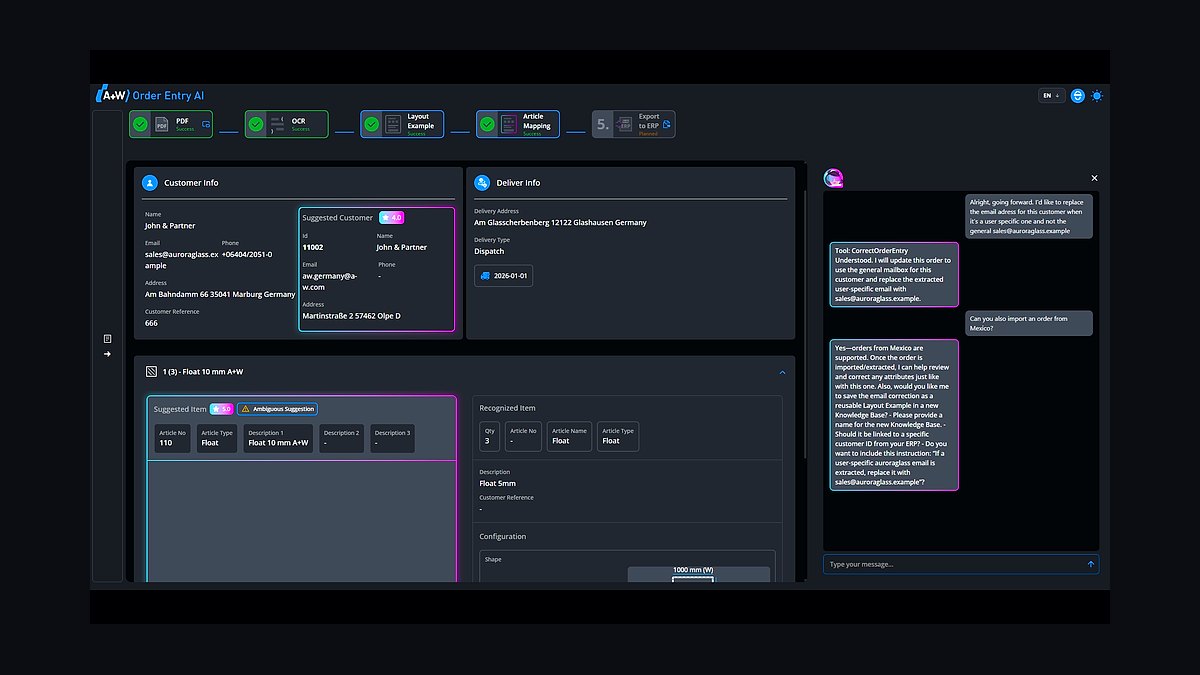
A+W Software ranks eighth as the other major glass-cutting-and-optimization platform used by larger fabricators. It drives glass cut-optimization, aluminum processing, and shop scheduling for high-volume fabrication operations. Like FeneVision, it is enterprise software priced by deployment and aimed at operations running their own fabrication lines.
It is for large glazing fabricators where cut yield and material utilization carry real margin. It trades away simplicity and affordability for shops without dedicated fabrication. Against FeneVision above, A+W wins on optimization for very large fabricators but loses on the fenestration-specific production features FeneTech bundles for window and glass unit assembly.
9Foundation Software
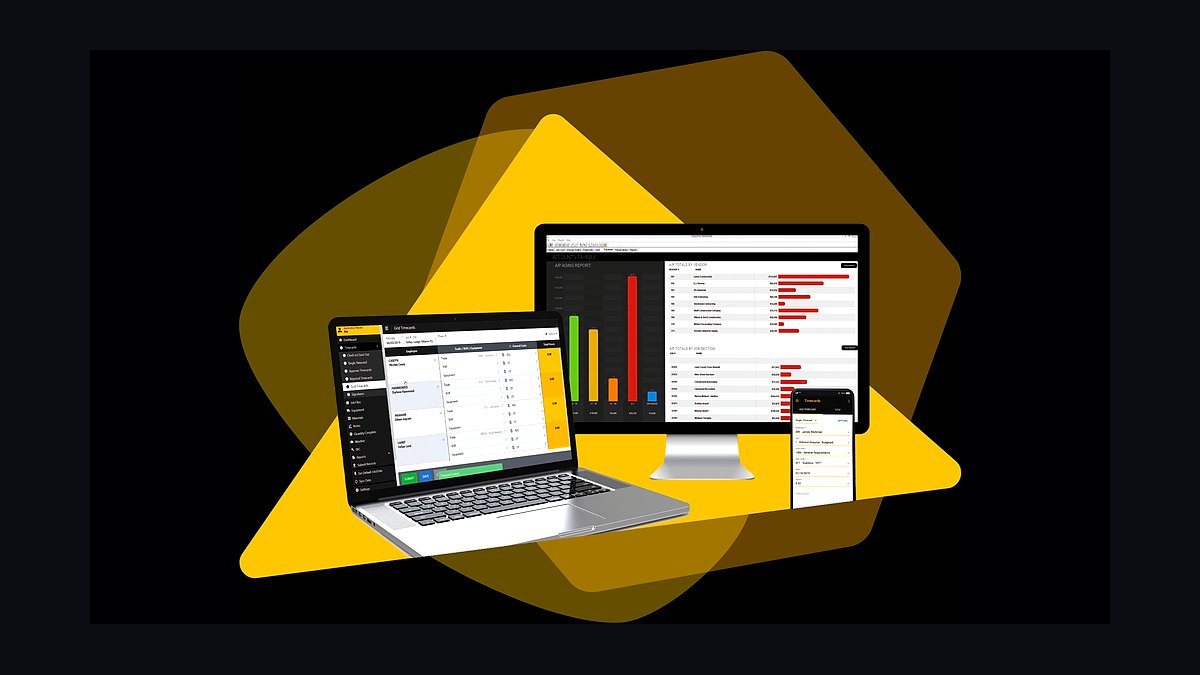
Foundation Software ranks ninth because the glazing side needs job-cost accounting, work-in-progress schedules, AIA G702/G703 progress billing, certified payroll for prevailing-wage work, and retainage tracking. It is a contractor-focused favorite that handles the construction accounting realities generic bookkeeping software cannot. Pricing typically runs $500-$2,500 or more per month depending on modules and seats.
It is for glazing contractors doing public and commercial work who must produce WIP and certified payroll reports. It trades away the simplicity of QuickBooks, which small shops still run at around $90 per month. Against Sage 300 CRE below, Foundation wins on contractor-focused usability while Sage competes on enterprise scale.
10Sage 300 CRE
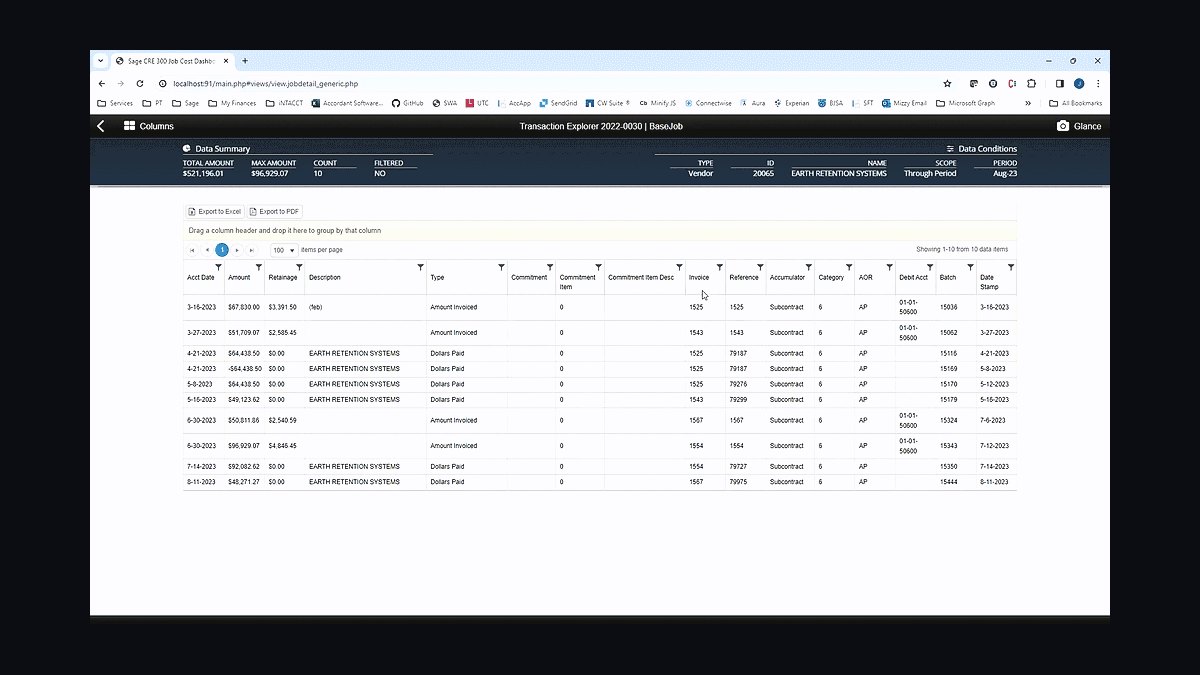
Sage 300 CRE ranks tenth as the established enterprise construction accounting option for large glazing contractors. Formerly Timberline, it handles job costing, WIP, AIA progress billing, certified payroll, and retainage at a scale Foundation Software serves below it. Pricing typically runs $500-$2,500 or more per month depending on modules and seats.
It is for large glazing contractors with complex multi-job accounting and reporting needs, not small shops. It trades away ease of setup and modern interface for depth and enterprise reporting. Against Foundation Software above, Sage 300 CRE wins on scale and established enterprise deployments but loses on contractor-focused usability and faster implementation.
How we ranked these
We ranked tools by weighting three factors: fit to the three distinct glass business lines (retail/auto shop, insurance-billed auto glass, commercial glazing construction), depth of industry-specific function (NAGS pricing, EDI claims, cut optimization, WIP job costing), and total cost of ownership at small, mid, and large scale. Integration capability and real operator adoption carried heavy weight.
We deliberately ignored generic field-service and one-platform-fits-all tools, because no single system handles NAGS-priced auto glass and curtain-wall fabrication well. We also excluded vendor marketing claims, user-count leaderboards, and feature checklists that never touch glass yield, insurer discounts, or certified payroll. Pricing was treated as a range, not a ranking factor.
What to look for
What matters most is which business line carries your margin. If auto glass and retail drive revenue, prioritize NAGS-integrated POS, insurer EDI connectivity, and counter inventory. If commercial glazing does, prioritize takeoff and estimating, fabrication cut optimization, Procore compatibility with your GCs, and construction job-cost accounting with WIP and certified payroll.
The mistake most buyers make is forcing all three lines through one platform. A generic construction tool breaks NAGS pricing and DRP claims; a glass POS cannot produce AIA progress billing or curtain-wall takeoff. Accept a segmented stack that reconciles into one general ledger, and verify integration before signing, not after.
Related questions
What software do auto glass shops use for NAGS pricing?
NAGS pricing lives inside the quoting and POS layer, most commonly GlasPacLX by Mainstreet Computers or the cloud-native eDirectGlass. Both embed the NAGS catalog so every windshield, door glass, and back glass prices against the correct insurer-negotiated discount automatically. Standalone NAGS lookups or spreadsheets cause mispriced jobs and short payments, so the catalog belongs inside whatever system writes the work order.
How do glass contractors submit insurance claims electronically?
Claims transmit by EDI through clearinghouses such as LYNX Services and Solera Glass Claims, plus the Safelite-managed DRP networks. The POS generates the claim from the work order, applies NAGS pricing and the insurer discount, and sends it electronically instead of by fax or phone. That shortens days-to-pay from weeks to days and reduces rekeying errors on every auto-glass invoice.
What is FeneVision used for in glass fabrication?
FeneVision by FeneTech is fabrication software for fenestration and glass operations. It drives insulated-glass-unit production, aluminum extrusion cutting and machining lists, glass cut optimization to maximize yield, and barcode tracking through tempering and assembly. Larger fabricators pair it with estimating so sold jobs flow directly to the shop floor instead of hand-marked drawings that waste glass and aluminum.
Do commercial glaziers need Procore?
Commercial glazing is subcontractor work tied to a general contractor's schedule, with submittals, RFIs, change orders, daily logs, and punch lists. Procore is the standard when your GCs already run it, which most large ones do. Smaller glazing companies doing light-commercial or residential work often choose Buildertrend instead for a simpler, lower-cost workflow that still covers the essentials.
What accounting software handles WIP and certified payroll for glaziers?
Foundation Software and Sage 300 CRE are the established choices for construction job costing, work-in-progress schedules, AIA G702/G703 progress billing, certified payroll on prevailing-wage public work, and retainage tracking. Mid-size shops sometimes bridge QuickBooks into job costing with Knowify, while very small glass shops run plain QuickBooks Online until construction volume makes WIP reporting unavoidable.
How much does GlasPacLX cost per month?
GlasPacLX by Mainstreet Computers typically runs roughly $200 to $500 per month per location depending on modules and user count. NAGS catalog subscription and insurer EDI or DRP claims connectivity usually add $100 to $300 monthly on top of the base platform. Exact pricing is quoted per shop, so confirm module bundles and claims connections before comparing it to eDirectGlass.
Can one software run both my auto glass and commercial glazing business?
Realistically no. Auto glass is insurance-billed, NAGS-priced, high-volume transactional work; commercial glazing is project-based construction needing takeoff, fabrication, project management, and WIP accounting. No single platform is best-in-class at both. The practical answer is a segmented stack, with GlasPacLX or eDirectGlass for shop and auto, construction software for glazing, reconciling into one general ledger.
What does Bluebeam Revu do for glazing contractors?
Bluebeam Revu is PDF plan markup software used near-universally for takeoff, RFIs, submittals, and drawing revisions on storefront and curtain-wall jobs. At roughly $260 per user per year it is one of the cheapest high-leverage tools in a glazier's stack. It does not replace estimating or fabrication software, but it feeds quantities and marked-up drawings into both.
FAQ
Do I really need separate software for auto glass and commercial glazing?
Usually yes. Auto glass is insurance-billed, NAGS-priced, high-volume transactional work that lives best in GlasPacLX or eDirectGlass, while commercial glazing is project-based construction needing estimating, fabrication, project management, and WIP accounting. A single platform that does both well does not really exist, so the practical answer is a segmented stack reconciling into one general ledger.
Is GlasPacLX or eDirectGlass the better choice for my shop?
GlasPacLX by Mainstreet Computers is the dominant, deeply featured glass-industry platform and the safe default for established shops doing retail, auto, and flat glass. eDirectGlass is the cloud-native, mobile-first option newer shops and multi-location operators often prefer. Choose GlasPacLX for depth and broad vendor catalogs; choose eDirectGlass if web and mobile access matter more than feature depth.
What software handles auto-glass insurance claims and NAGS pricing?
NAGS pricing lives inside the POS or quoting tool, typically GlasPacLX or eDirectGlass, and claims transmit by EDI through LYNX Services, Solera Glass Claims, and the Safelite-managed DRP networks. Together they ensure every windshield or door glass prices against the correct insurer discount and gets invoiced electronically instead of by fax or phone.
What do large commercial glaziers use for estimating and fabrication?
Large curtain-wall and facade contractors estimate in Trimble or STACK with Bluebeam Revu for takeoff and submittals, then fabricate in FeneVision by FeneTech or A+W Software, which drive insulated-glass-unit production, aluminum cutting, and glass cut optimization to protect yield. Procore manages the project alongside the general contractor's schedule and submittals workflow.
Can a small shop just run QuickBooks and skip the glass software?
A very small shop can survive on QuickBooks plus a generic POS, but it will misprice auto-glass jobs without NAGS, rekey insurance claims by hand, and lose track of inventory. Even small shops usually come out ahead running eDirectGlass or GlasPacLX for glass-specific quoting, NAGS pricing, and claims, with QuickBooks behind it as the general ledger.
How much should a mid-size glass and glazing company budget for its tech stack?
A mid-size company running both a shop and light-commercial glazing typically spends roughly $2,000 to $6,000 per month: GlasPacLX for shop and auto, STACK or PlanSwift estimating, Bluebeam, entry-level Procore or Buildertrend, Knowify or QuickBooks for job costing, and basic Power BI. The largest variables are construction project-management licenses and how many estimating seats you carry.
What is the biggest mistake glass contractors make when buying software?
Forcing all three business lines through one platform. Shops buy a single field-service or construction tool and try to run auto glass, retail, and commercial glazing through it. The result is broken NAGS pricing on the auto side or missing WIP and certified payroll on the glazing side. Accept the segmented stack and reconcile into one general ledger instead.
How long does it take to implement a full glass and glazing tech stack?
Plan on roughly 90 days. Days 1 to 30 stabilize the cash core: POS, inventory, NAGS quoting, and insurer EDI claims. Days 31 to 60 connect the glazing line: estimating, takeoff, fabrication, and project management. Days 61 to 90 add WIP and certified-payroll reporting plus a Power BI dashboard showing margin by business line and claims aging.
Is Power BI worth it for a glass contractor?
When revenue splits across three business lines and two accounting systems, leadership needs one view of gross margin by line, job profitability, claims aging, and inventory turns. Power BI at roughly $10 to $20 per user per month pulls from GlasPacLX, the estimating tool, and the construction general ledger into a single dashboard. Smaller shops can live inside native reports until that stops scaling.
What payment processing rates should glass shops expect?
Counter and mobile auto-glass sales run through the POS-embedded processor at typical interchange-plus rates of about 2.6 to 2.9 percent plus $0.10 to $0.30 per card transaction. Commercial glazing usually collects through progress draws and ACH rather than cards, so lockbox or ACH fees matter more there. Compare effective rates, not advertised teaser rates.
Sources
- https://www.mainstreetcomputers.com/
- https://www.edirectglass.com/
- https://www.nags.com/
- https://www.soleraglobal.com/
- https://www.trimble.com/
- https://www.stackct.com/
- https://www.bluebeam.com/
- https://www.procore.com/
- https://www.fenetech.com/
- https://www.foundationsoft.com/
Related on PULSE
This page will be disappearing soon. Save it to your device for $1 — or read it free while it is here.
@Kory-White- · if Venmo asks, the last 4 of my number are 2012
This page is gone.
This one is off the shelf now. $1 keeps it on your phone for good — the whole page, pictures and diagrams included.
 pulse-tech-stacksTop 10 Best Tech Stack Tools for AI Legal Tech Companies in 2027
 pulse-tech-stacksTop 10 Best Tech Stack Tools for Independent Dance Studios in 2027
 pulse-tech-stacksTop 10 Best Tech Stack Tools for Vulnerability Management Software Vendors in 2027
 pulse-tech-stacksTop 10 Best Tech Stack Tools for Garden Centers and Nurseries in 2027
 pulse-tech-stacksTop 10 Best Tech Stack Tools for Public Relations Agencies in 2027
 pulse-tech-stacksTop 10 Best Tech Stack Tools for Independent Roofing Contractors in 2027
 pulse-tech-stacksTop 10 Best Tech Stack Tools for Mobile Threat Defense (MTD) Vendors in 2027
 pulse-tech-stacksTop 10 Best Tech Stack Tools for Home Builders and Residential Developers in 2027
 pulse-tech-stacksTop 10 Best Tech Stack Tools for Employee Benefits Consulting Firms in 2027
 pulse-tech-stacksTop 10 Best Tech Stack Tools for AI Translation API Companies in 2027