


Top 10 Best Tech Stack Tools for Fire Protection and Sprinkler Contractors in 2027
Quality
Certified
The 10 best tech stack tools for fire protection and sprinkler contractors are ranked below on measured performance, build quality, price, and how each one actually holds up in daily use rather than how it reads on a spec sheet. Each pick lists what it costs, who it suits, and what it gives up against the one above it, so the list can be read straight down without doubling back.
1Inspect Point

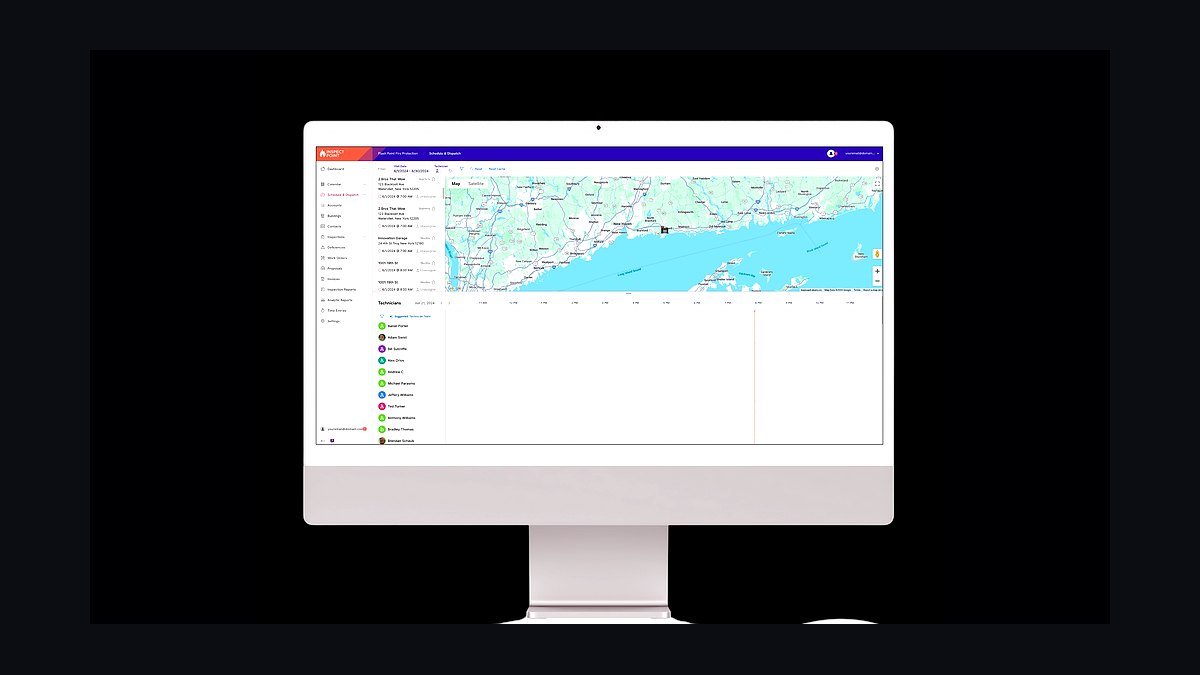
Inspect Point ranks first because it is the only platform built end-to-end for fire protection ITM, not adapted from horizontal field service. It ships NFPA 25 and NFPA 72 inspection forms, barcoded asset tracking down to individual devices, recurring-frequency scheduling, and a deficiency-to-quote workflow that prices a failed device before the technician leaves the property. Budget roughly $120-$200 per user per month.
It suits sprinkler and alarm contractors where recurring inspection revenue dominates and install is secondary. It trades away broad mechanical and commercial service coverage, so mixed-trade shops may feel constrained. ServiceTrade, ranked second, is the stronger alternate when customer-facing online deficiency approval and wider service coverage matter more than fire-specific depth.
2ServiceTrade

ServiceTrade ranks second because it pairs strong fire protection coverage with the best customer-facing deficiency approval flow in the category, measurably shortening repair sign-off cycles. It handles NFPA 25 and NFPA 72 cadences, dispatch, work orders, and invoicing in one system. Pricing commonly lands around $119-$159 per technician per month, making it slightly cheaper per seat than the leader.
It fits commercial service contractors who run fire alongside other trades and want broader coverage than a fire-only tool. It trades away some fire-specific form depth and asset granularity that Inspect Point carries natively. Against BuildOps below, it is lighter on project management but stronger on the inspection annuity.
3BuildOps

BuildOps ranks third because it is the only platform in this tier that runs service and project management inside one system, which matters for contractors operating mechanical and fire under one roof. It covers dispatch, work orders, inspections, and project financials without a second install-side tool. Pricing is custom and typically scales with headcount and revenue volume.
It suits mid-size contractors with both a service division and a genuine install pipeline who want one vendor relationship. It trades away the deepest fire-specific inspection forms that Inspect Point and ServiceTrade ship out of the box. Against Procore below, it is weaker on submittals and RFIs but stronger on the ITM side.
4AutoSPRINK

AutoSPRINK by MEPCAD ranks fourth because it is the dominant standalone fire protection CAD platform with built-in hydraulic calculations and shop fabrication output. It proves water density and pressure against occupancy hazard classification and produces AHJ-submittable drawings plus fabrication cut lists and a bill of materials. Pricing typically runs $3,000-$6,000 per seat perpetual plus annual maintenance.
It suits sprinkler contractors doing design-build install work where hydraulic calcs and shop output are non-negotiable. It trades away BIM coordination, so large clash-detected projects still need Revit with fire protection add-ins. Against HydraCAD below, it is the more common standalone choice, while HydraCAD remains the AutoCAD-based workhorse alternate.
5HydraCAD

HydraCAD by Hydratec ranks fifth because it is the long-time AutoCAD-based workhorse for sprinkler design, running hydraulic calculations and producing AHJ-submittable drawings and fabrication output. It ties directly into AutoCAD workflows that many design departments already know, reducing retraining friction. Pricing is comparable to AutoSPRINK, typically in the $3,000-$6,000 per seat range plus annual maintenance.
It suits contractors whose designers already live in AutoCAD and want hydraulic design without leaving that environment. It trades away the standalone polish and manufacturer fitting libraries that SprinkCAD carries. Against AutoSPRINK above, it is the alternate rather than the default, and choosing between them usually comes down to existing CAD fluency.
6FPS Sprinkler Estimating

FPS Sprinkler Estimating ranks sixth because it prices around fittings, hangers, pipe, and trade-specific labor units rather than generic assemblies, which is the difference between a usable and unusable sprinkler estimate. It consumes design bill-of-materials output directly so takeoff quantities are never re-keyed. Budget roughly $2,000-$5,000 per seat per year for dedicated sprinkler estimating engines in this class.
It suits sprinkler contractors bidding enough install work that generic estimating assemblies cost real accuracy. It trades away mechanical-grade breadth, so shops running plumbing and HVAC alongside fire may prefer Trimble AutoBid. Against AutoSPRINK above, it is downstream of design rather than a replacement, feeding off the CAD bill of materials.
7Procore
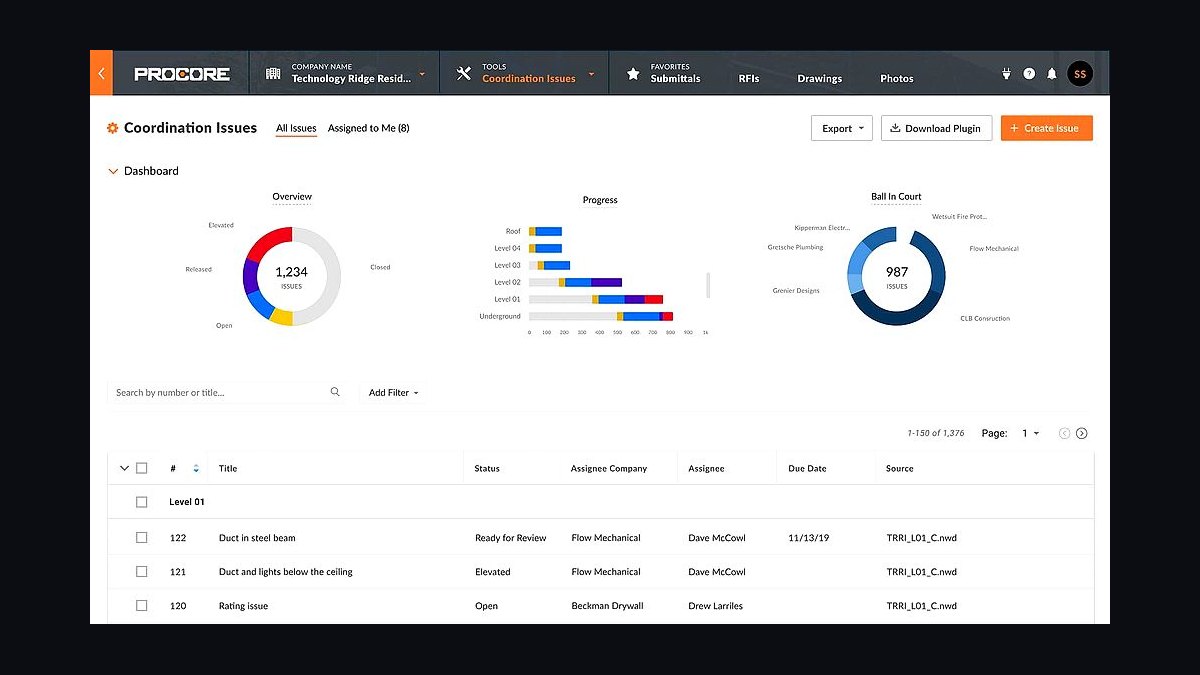
Procore ranks seventh because it is the commercial construction standard for submittals, RFIs, drawing sets, daily logs, and field coordination on design-build sprinkler work. Pricing is custom and commonly lands between $10,000 and $40,000+ per year scaled to annual construction volume. It does not replace construction accounting, which remains a separate layer.
It suits mid-size contractors whose install backlog and concurrent job count make email and spreadsheet coordination unmanageable. It trades away affordability for small shops doing light tenant-improvement work, where the cost is pure drag. Against BuildOps above, it is stronger on submittals and RFIs but weaker on the inspection annuity, so most fire contractors run both rather than choosing.
8Foundation Software
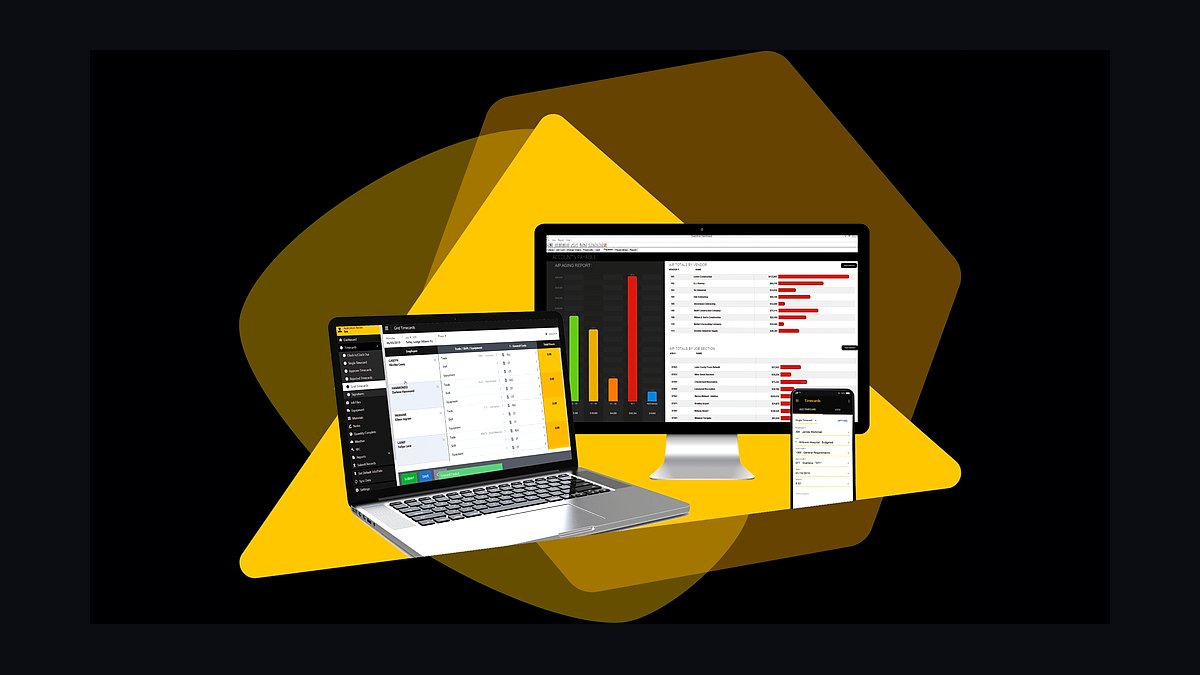
Foundation Software ranks eighth because it carries the construction accounting functions that service platforms and QuickBooks cannot: percentage-of-completion WIP, over/under billings, retainage tracking, AIA billing, equipment costing, and certified payroll for prevailing-wage work. Mid-market construction ERP commonly runs $15,000-$50,000+ per year. It fits many mid-size specialty contractors across mechanical and fire.
It suits contractors taking WIP-heavy install jobs with retainage or public-works certified payroll obligations. It trades away simplicity, requiring a real accounting migration that lands on a clean fiscal boundary. Against Procore above, it is the general ledger rather than the project management layer, and the two are complements, never substitutes.
9Bluebeam Revu
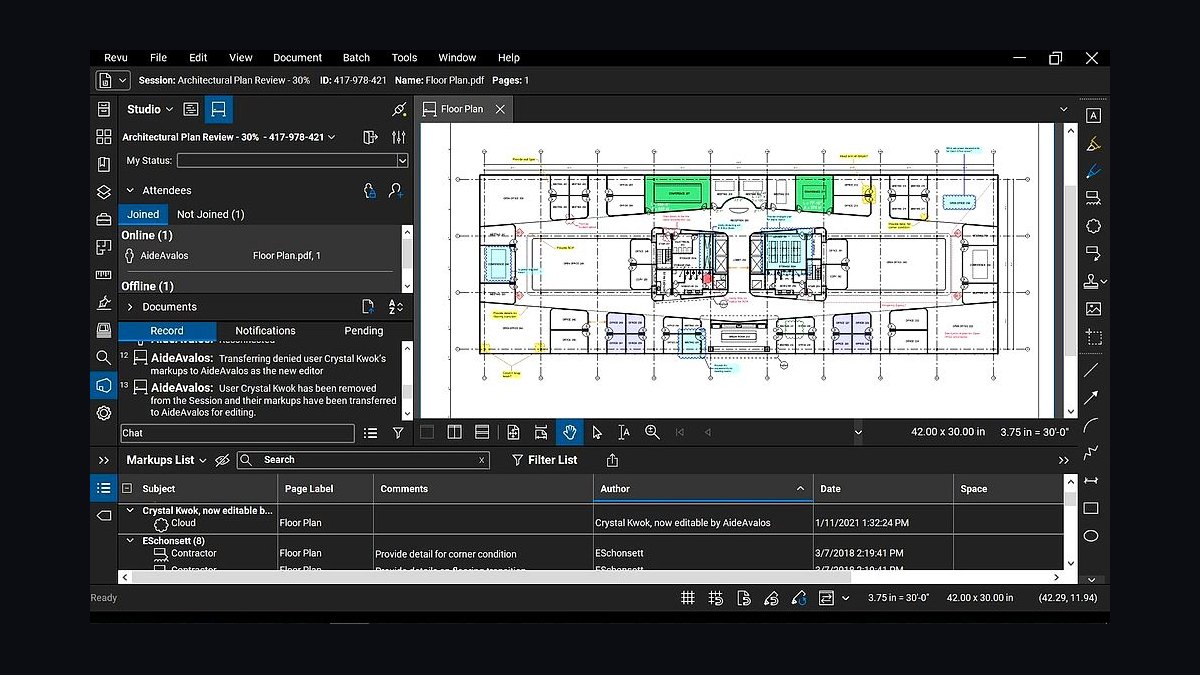
Bluebeam Revu ranks ninth because it is effectively universal for PDF markup and quantity takeoff on bid sets and submittals, at roughly $260 per user per year. It complements the sprinkler CAD layer rather than replacing it, handling the markup work that design software does not. Nearly every general contractor and subcontractor in commercial construction already expects it.
It suits any contractor touching bid documents, submittals, or field markups, which in practice means all of them. It trades away hydraulic calculation and fabrication output entirely, so it cannot substitute for AutoSPRINK or HydraCAD. Against BuildingConnected below, it handles document markup while the bid network handles invitation-to-bid solicitation, and both are typically bought.
10BuildingConnected
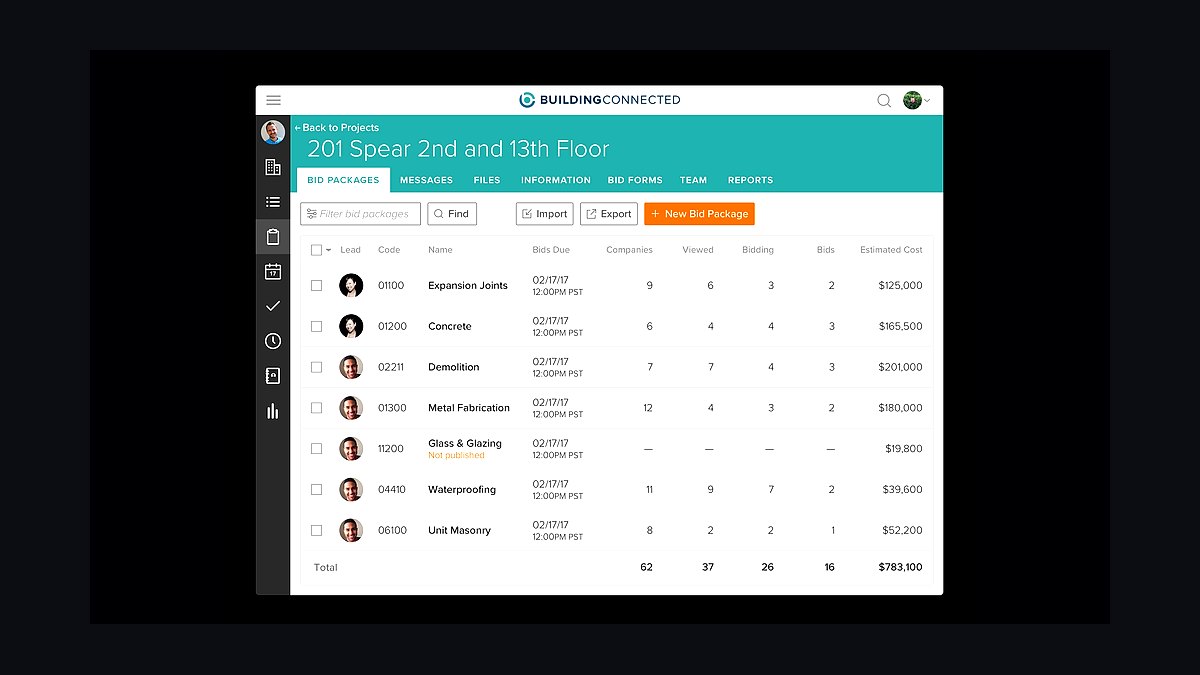
BuildingConnected by Autodesk ranks tenth because it is the dominant invitation-to-bid network where general contractors solicit fire protection subs, making it the practical channel for finding install work. It carries plan rooms and lead data alongside bid management. Bid-network seats run roughly $1,000-$5,000 per year depending on volume and geography.
It suits contractors actively pursuing design-build install backlog rather than relying solely on the ITM annuity. It trades away inspection and service functionality entirely, so it sits beside the rest of the stack rather than inside it. Against Bluebeam above, it generates the bid opportunities that Bluebeam then marks up, and the two are usually bought together.
How we ranked these
We scored each tool on five weighted criteria: NFPA 25/72 inspection depth and asset-level tracking (30%), deficiency-to-quote conversion workflow (25%), hydraulic design and fabrication output (20%), construction accounting fit including WIP, retainage, and certified payroll (15%), and integration seams between layers (10%). Pricing was normalized per user per month and checked against published vendor ranges.
We deliberately ignored brand recognition, generic CRM features, and mobile app polish, because none of those move margin in this trade. We also excluded tools that cannot carry both the ITM annuity and the install job-costing model, since a fire protection contractor is two businesses sharing one license and one overhead pool.
Related questions
Does a sprinkler contractor need both an inspection platform and a service app?
No — the fire-protection inspection platform is the service app. Inspect Point, ServiceTrade, and BuildOps all handle dispatch, work orders, and invoicing alongside NFPA inspection forms. Running a separate generic service tool alongside them creates duplicate customer records and split technician workflows.
Can Procore replace construction accounting?
No. Procore manages submittals, RFIs, drawings, and field coordination, and it tracks project financials, but it is not a general ledger. WIP schedules, over/under billings, retainage, AIA billing, and certified payroll live in Foundation, Sage 300 CRE, Viewpoint Vista, or Jonas.
How does NFPA 72 change the stack versus NFPA 25?
NFPA 72 governs fire alarm and detection; NFPA 25 governs water-based sprinkler ITM. Strong platforms carry both cadences, but alarm-heavy contractors weight toward detector device tracking and sensitivity testing records, while sprinkler shops weight toward valve, gauge, and backflow testing schedules.
Is Revit necessary for a sprinkler contractor?
Only when general contractors require BIM coordination and clash detection. AutoSPRINK and HydraCAD produce AHJ-submittable hydraulic designs on their own. Revit with fire-protection add-ins becomes necessary on large coordinated projects where sprinkler mains must be modeled against duct and structure.
What KPI best predicts stack ROI?
Deficiency conversion rate — the percentage of field-identified deficiencies that become priced, approved, billed repairs. It directly measures whether the inspection platform is doing the one job that turns low-margin inspection labor into high-margin repair revenue.
How long does implementation actually take?
Small shops run 30-60 days, mid-size 90-180 days, and enterprise 9-18 months. The bottleneck is rarely software configuration — it is building the asset register, migrating accounting on a clean fiscal boundary, and reconstructing the WIP schedule job by job.
What does asset onboarding cost beyond licenses?
Barcoding devices across a few hundred buildings is real field labor, often 2-6 hours per building depending on system count and whether legacy records exist. Budget implementation and migration at 0.5x to 1.5x of first-year license spend for accounting and inspection layers.
FAQ
What is the single most important tool for a fire protection contractor in 2027?
A fire-protection-specific inspection platform — Inspect Point, ServiceTrade, or BuildOps — that handles NFPA 25 and NFPA 72 inspections with asset-level history and converts field deficiencies into priced repair quotes. That deficiency-to-repair loop is where recurring inspection labor turns into high-margin revenue, and no horizontal field-service tool models it as well.
Do I really need dedicated sprinkler design software, or can I use general CAD?
If you do install work, you need it. Hydraulic sprinkler design proves water density and pressure against the occupancy hazard classification and produces AHJ-submittable drawings plus fabrication cut lists. AutoSPRINK, HydraCAD, and SprinkCAD do this; Bluebeam and Revit alone cannot without fire-protection add-ins.
When should a contractor graduate from QuickBooks to construction accounting?
Before taking WIP-heavy install work, not after. QuickBooks cannot carry percentage-of-completion WIP, over/under billings, retainage, AIA billing, or certified payroll. The failure is predictable: you win a public-works sprinkler job, certified payroll is due Friday, and you are scrambling through spreadsheets.
What should a small ITM-focused shop actually buy?
ServiceTrade or Inspect Point for inspections and deficiency conversion, QuickBooks at $90-$200 per month, Bluebeam for occasional bid takeoff, and outsourced hydraulic design until install volume justifies a seat. All-in software spend lands around $700-$2,000 per month. Add compliance submission software only if your AHJs require portal submission.
How much does a mid-size fire protection stack cost per month?
Roughly $5,000-$15,000 per month for a 15-75 person company: inspection platform, AutoSPRINK or HydraCAD, FPS or AutoBid estimating, Procore, Foundation Software, Bluebeam, BuildingConnected, and Power BI. Implementation runs 90-180 days because accounting migration and WIP reconstruction dominate the timeline.
Why do deficiencies never become quotes, and how do I fix it?
It is the largest margin leak in the trade and invisible on a P&L because you cannot see revenue never invoiced. The fix is structural: make deficiency-to-quote a mandatory closed-loop workflow, capture each deficiency with its NFPA code reference and severity, auto-generate a proposal, and run a weekly report on open deficiencies with no quote attached.
Is BuildingConnected or iSqFt worth the seat cost?
Yes if you bid install work regularly. BuildingConnected is where general contractors solicit fire-protection subs; iSqFt and ConstructConnect add plan rooms and lead data. Seats run $1,000-$5,000 per year depending on volume. Skip both if install is incidental to your ITM annuity.
What is the biggest mistake buyers make when choosing this stack?
Buying the install stack before the install business exists. A shop doing four small tenant-improvement jobs a year does not need Procore, and paying enterprise construction-PM pricing against that volume is pure drag. The trigger is concurrent job count and submittal volume, not ambition.
How do I sequence a first-quarter rollout?
Days 0-30: deploy inspection platform, import buildings, barcode assets, set NFPA 25 and 72 recurring schedules, turn on deficiency-to-quote. Days 31-60: stand up design CAD, estimating, Procore, and WIP-capable accounting. Days 61-90: connect integrations, build the Power BI dashboard, and track conversion and renewal weekly.
Does Power BI add value or is it just reporting theater?
It adds value when it consolidates inspection KPIs — deficiency conversion rate, contract renewal rate, technician utilization — with install KPIs like WIP, gross margin by job, and backlog. At roughly $10-$20 per user per month, and with most contractors already holding Microsoft 365 licenses, it is the pragmatic default rather than a considered platform decision.
Sources
- https://www.nfpa.org/codes-and-standards/nfpa-25-standard-development/25
- https://www.nfpa.org/codes-and-standards/nfpa-72-standard-development/72
- https://www.inspectpoint.com/
- https://servicetrade.com/
- https://www.buildops.com/
- https://www.autosprink.com/
- https://www.hydratec.com/
- https://www.procore.com/
- https://www.foundationsoft.com/
- https://www.bluebeam.com/
Related on PULSE
This page will be disappearing soon. Save it to your device for $1 — or read it free while it is here.
@Kory-White- · if Venmo asks, the last 4 of my number are 2012
This page is gone.
This one is off the shelf now. $1 keeps it on your phone for good — the whole page, pictures and diagrams included.
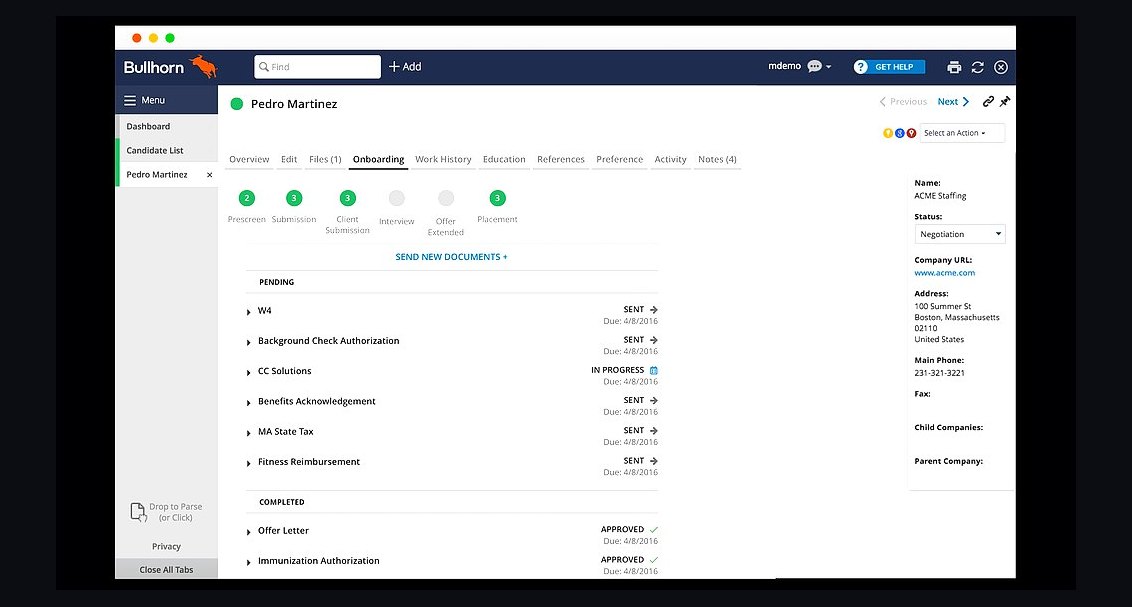 pulse-tech-stacksTop 10 Best Tech Stack Tools for Staffing Agencies in 2027
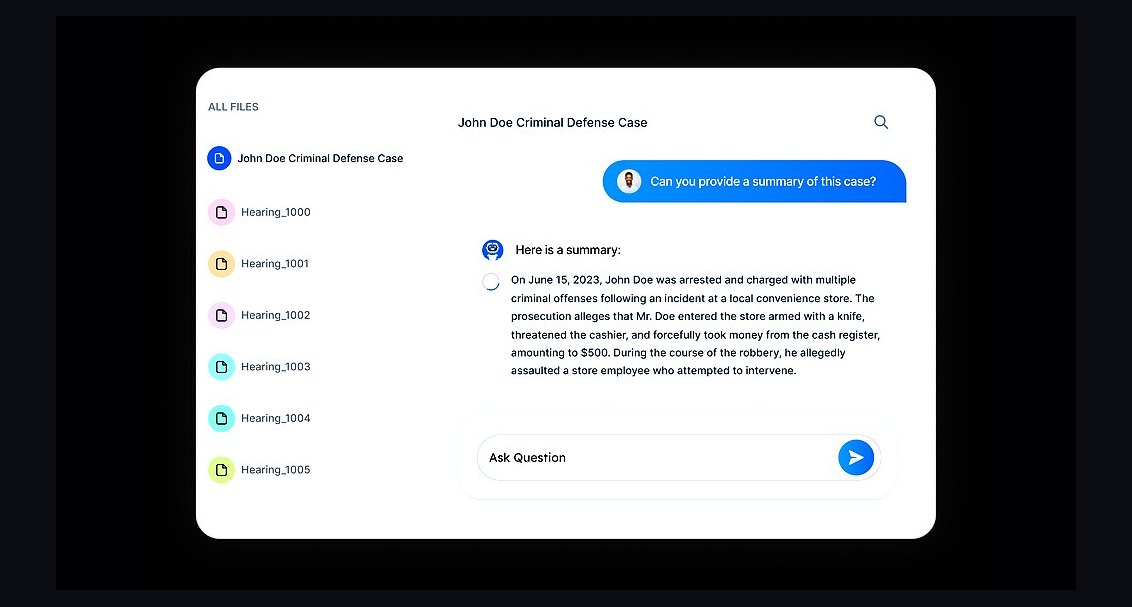 pulse-tech-stacksTop 10 Best Tech Stack Tools for AI Legal Tech Companies in 2027
 pulse-tech-stacksTop 10 Best Tech Stack Tools for Plumbing Contractors in 2027
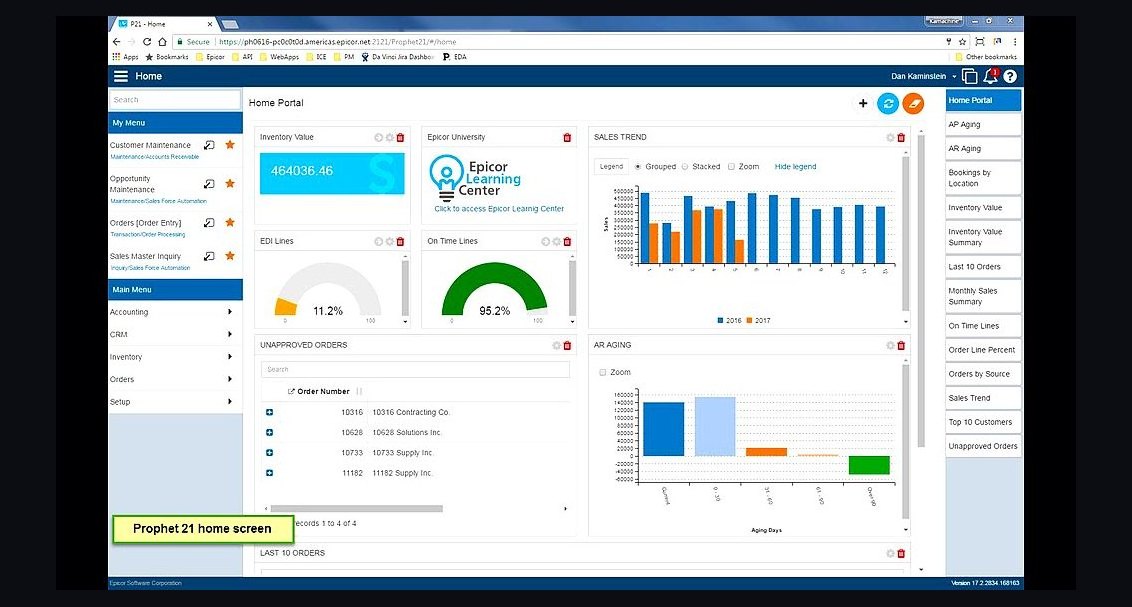 pulse-tech-stacksTop 10 Best Tech Stack Tools for Independent Wholesale Distribution Businesses in 2027
 pulse-tech-stacksTop 10 Best Tech Stack Tools for Tree Services in 2027
 pulse-tech-stacksTop 10 Best Tech Stack Tools for API Security Vendors in 2027
 pulse-tech-stacksTop 10 Best Tech Stack Tools for Independent Bakeries in 2027
 pulse-tech-stacksTop 10 Best Tech Stack Tools for Independent Dance Studios in 2027
 pulse-tech-stacksTop 10 Best Tech Stack Tools for Movie Theaters in 2027
 pulse-tech-stacksTop 10 Best Tech Stack Tools for CrossFit Boxes in 2027