


Top 10 Best Tech Stack Tools for Independent Wholesale Distribution Businesses in 2027
Quality
Certified
The 10 best tech stack tools for independent wholesale distribution businesses are ranked below on measured performance, build quality, price, and how each one actually holds up in daily use rather than how it reads on a spec sheet. Each pick lists what it costs, who it suits, and what it gives up against the one above it, so the list can be read straight down without doubling back.
1Epicor Prophet 21
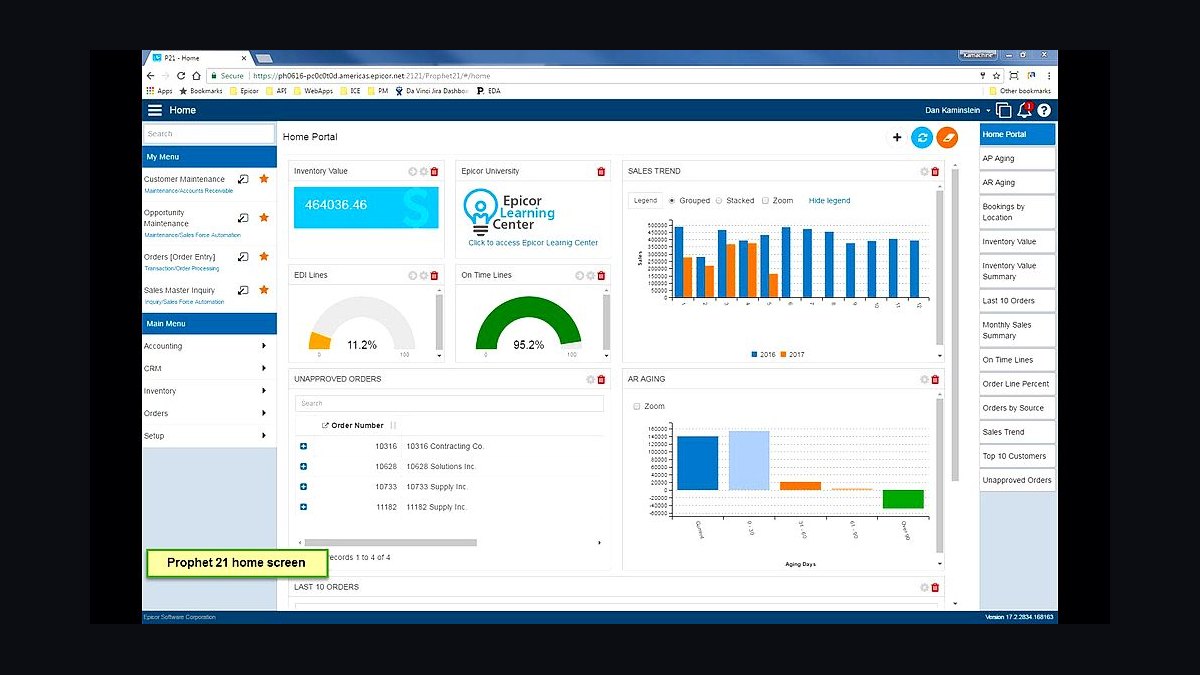
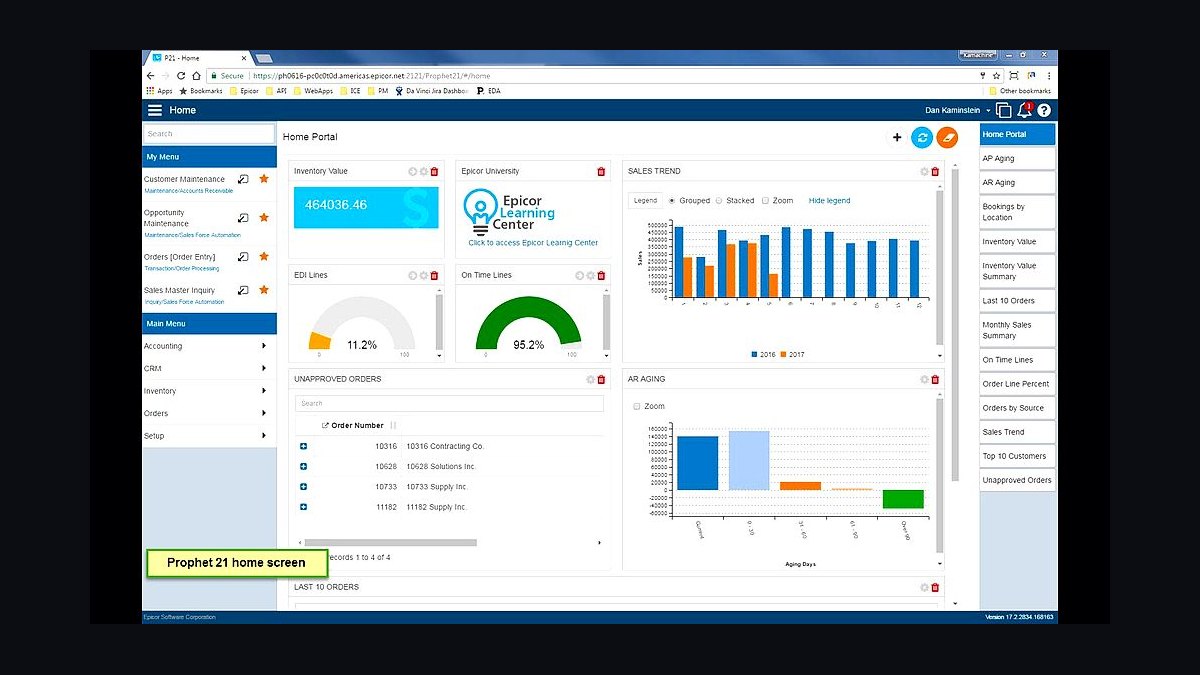
Epicor Prophet 21 ranks first because it is the purpose-built distribution ERP spine that owns real-time inventory, landed costing, purchase orders, and order management in one system. It handles rebates, contract pricing, and vendor management refined over decades for durable-goods and industrial wholesalers, and it serves as the single source of truth every other tool reads from. Implementation routinely runs into six figures.
It is built for mid-market distributors around $5M-$75M in revenue with complex SKU counts and multi-warehouse operations. It trades away the lower IT overhead and faster customization of cloud platforms like NetSuite or Acumatica, and it demands heavier upfront data cleanup and training. Compared with Eclipse directly below, Prophet 21 skews broader durable goods while Eclipse targets HVAC, electrical, and plumbing trades.
2Epicor Eclipse
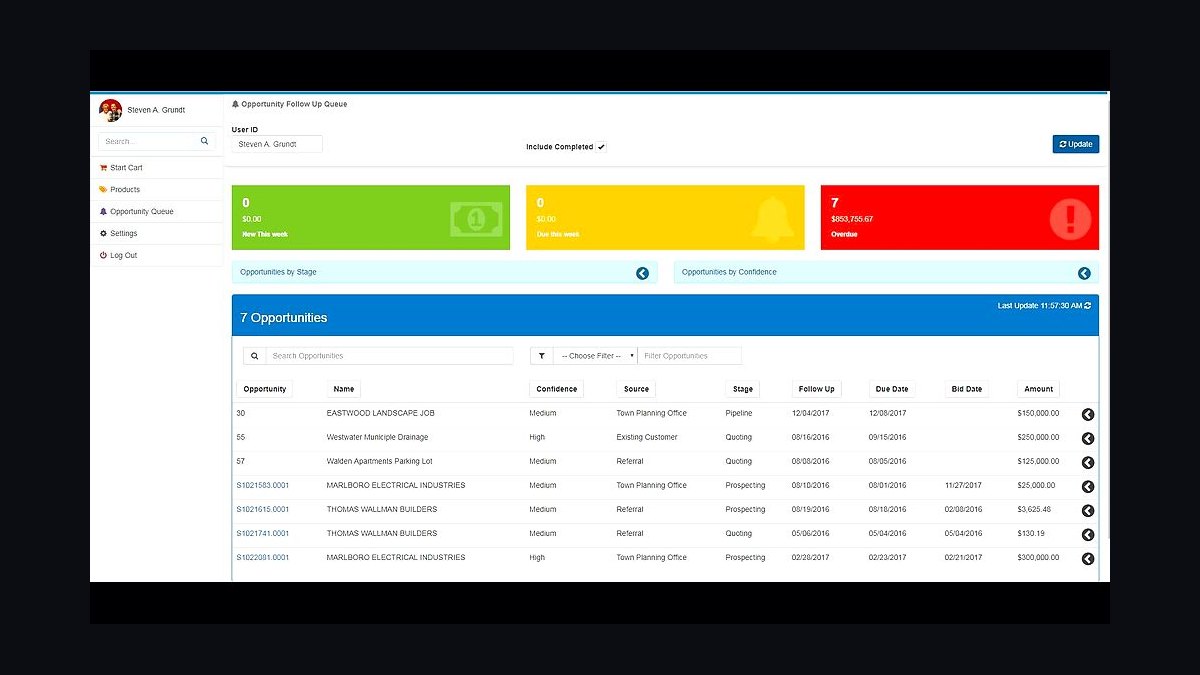
Epicor Eclipse ranks second as the purpose-built distribution ERP tuned specifically for HVAC, electrical, and plumbing wholesalers, where contractors reorder constantly and expect negotiated contract pricing online. It carries the same deep inventory, costing, and rebate handling as Prophet 21 but adds trade-specific workflows for counter sales, will-call, and job-based purchasing. Implementation costs are comparable, running into six figures.
It fits trades distributors who need contractor-facing pricing matrices and counter operations baked in rather than configured. It trades away the broader durable-goods flexibility of Prophet 21 above and the cloud agility of NetSuite below, and it locks the business into a narrower vertical. Distributors outside the mechanical and electrical trades should look at Prophet 21 or a cloud platform instead.
3Infor Distribution SX.e
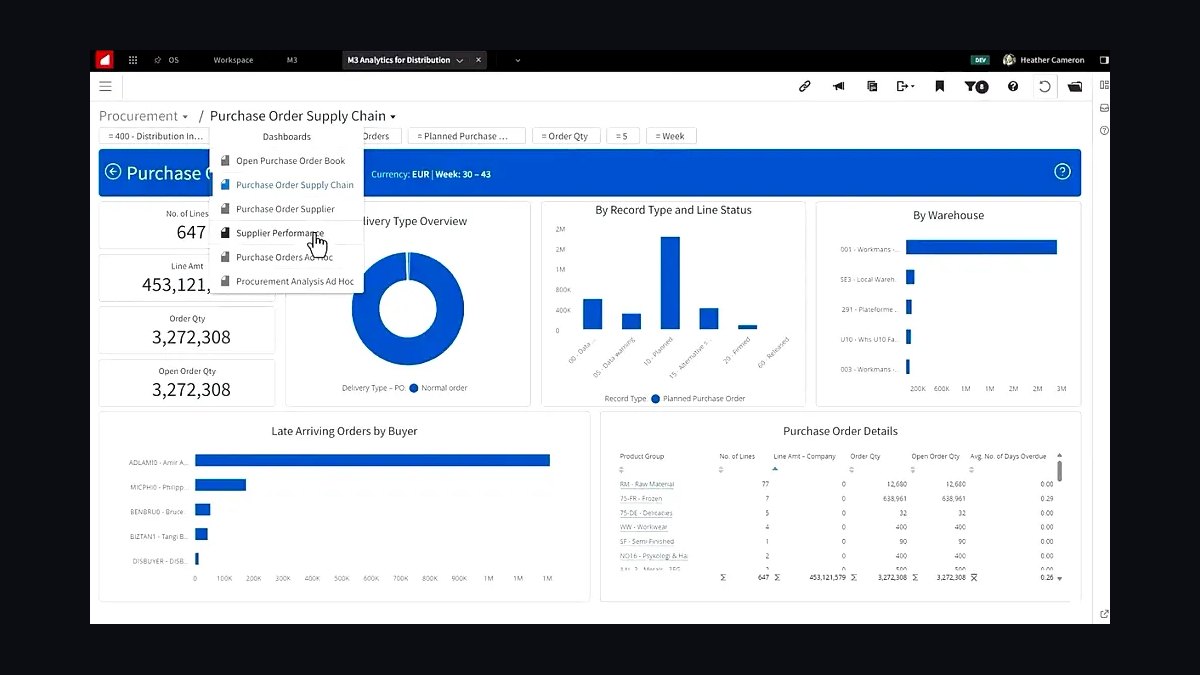
Infor Distribution SX.e ranks third as the enterprise-grade purpose-built ERP for large wholesalers running many sites and heavy EDI partner counts. It handles real-time inventory across warehouses, complex costing, and vendor management at scale, and it is the common spine for distributors past $75M in revenue. Pricing is enterprise-tier and implementations are multi-month projects.
It is built for large distributors where multi-site complexity and automation justify the cost and IT overhead. It trades away the faster deployment and lower cost of mid-market systems like Prophet 21 and Eclipse above, and it requires a dedicated IT team to run. Smaller distributors should stay with Epicor or a cloud ERP rather than over-buying here.
4NetSuite
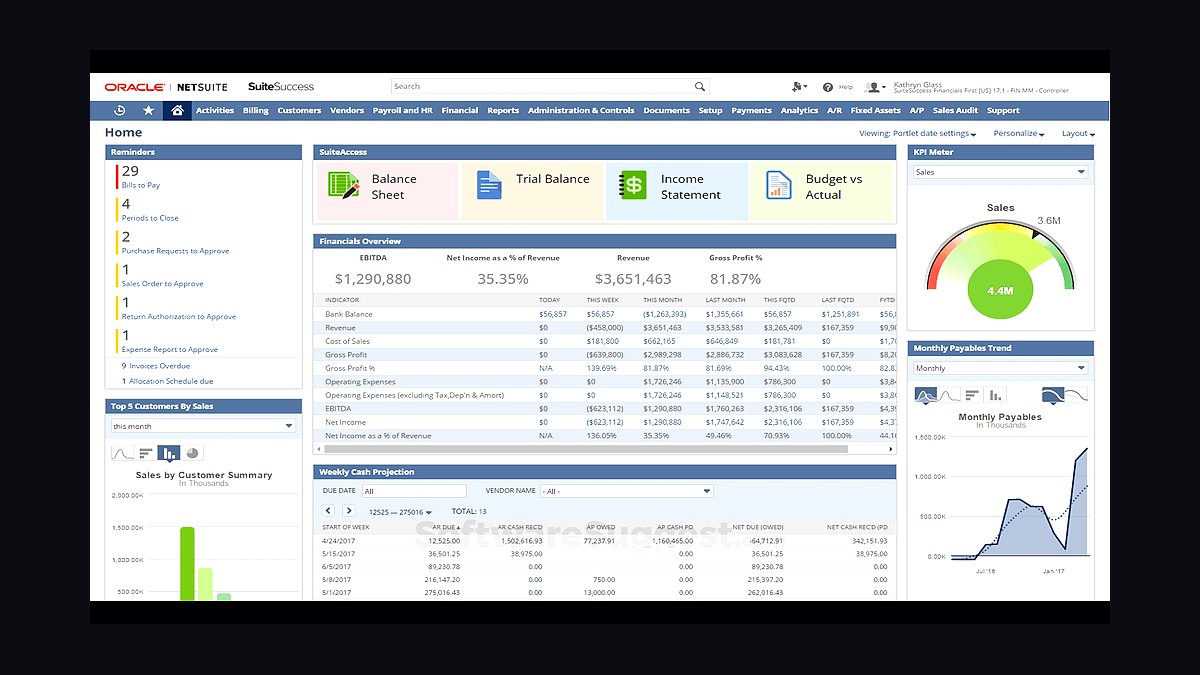
NetSuite ranks fourth as the modern cloud distribution ERP that trades some purpose-built depth for easier customization, lower IT overhead, and faster updates. It handles inventory, order management, and finance natively in the cloud, and it integrates cleanly with B2B storefronts and CRM tools. Pricing is consumption-or-tier based, with total cost of ownership often lower than on-premise systems.
It fits fast-growing and cloud-native distributors who value agility and lean IT over decades of distribution-specific refinement. It trades away the deep rebate, landed-cost, and contract-pricing handling of Prophet 21 and Eclipse above, which can matter at high SKU complexity. Distributors with simple inventory and modern preferences should weigh it against Acumatica below.
5Acumatica Distribution
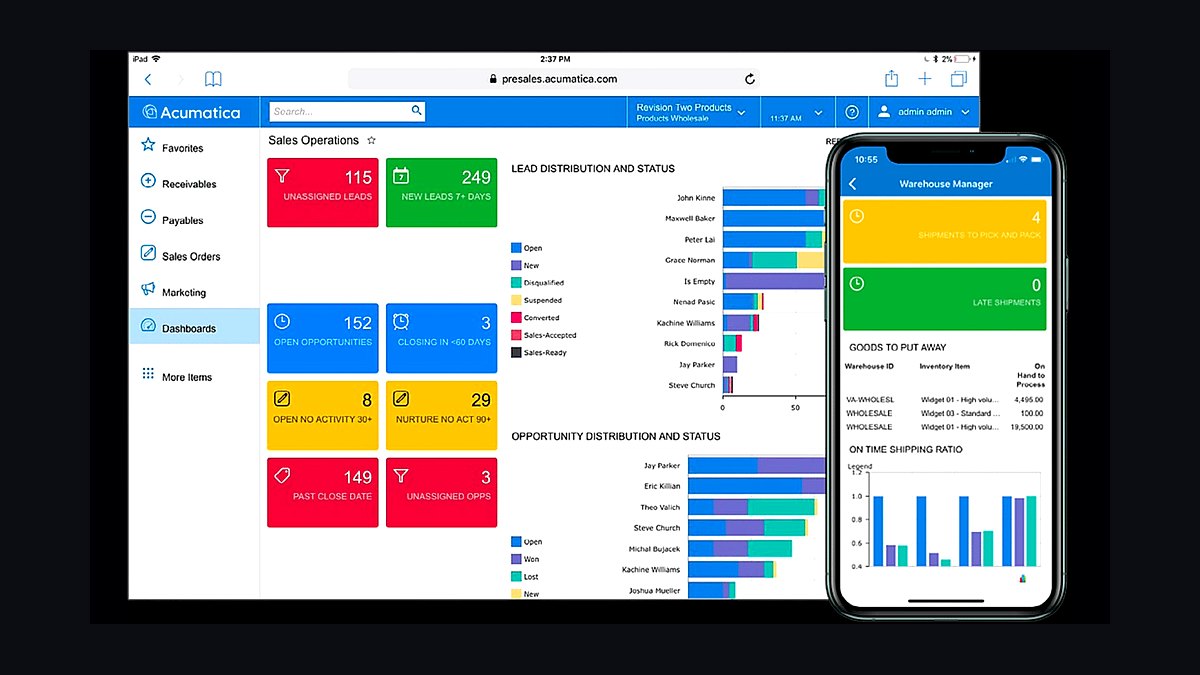
Acumatica Distribution ranks fifth as the cloud ERP edition built for small-to-mid distributors that want modern architecture without on-premise infrastructure. It covers inventory, order management, purchasing, and finance with distribution-specific modules, and its consumption-based pricing scales with usage rather than per-user seats. Deployments are typically faster than purpose-built legacy systems.
It fits distributors under roughly $50M who want cloud flexibility and lower IT overhead than Epicor or Infor. It trades away the decades of distribution-specific depth in rebates and complex contract pricing found in Prophet 21 and Eclipse above, and customization can hit limits at high complexity. It compares closely to NetSuite above, with Acumatica often favored for its pricing model.
6SPS Commerce
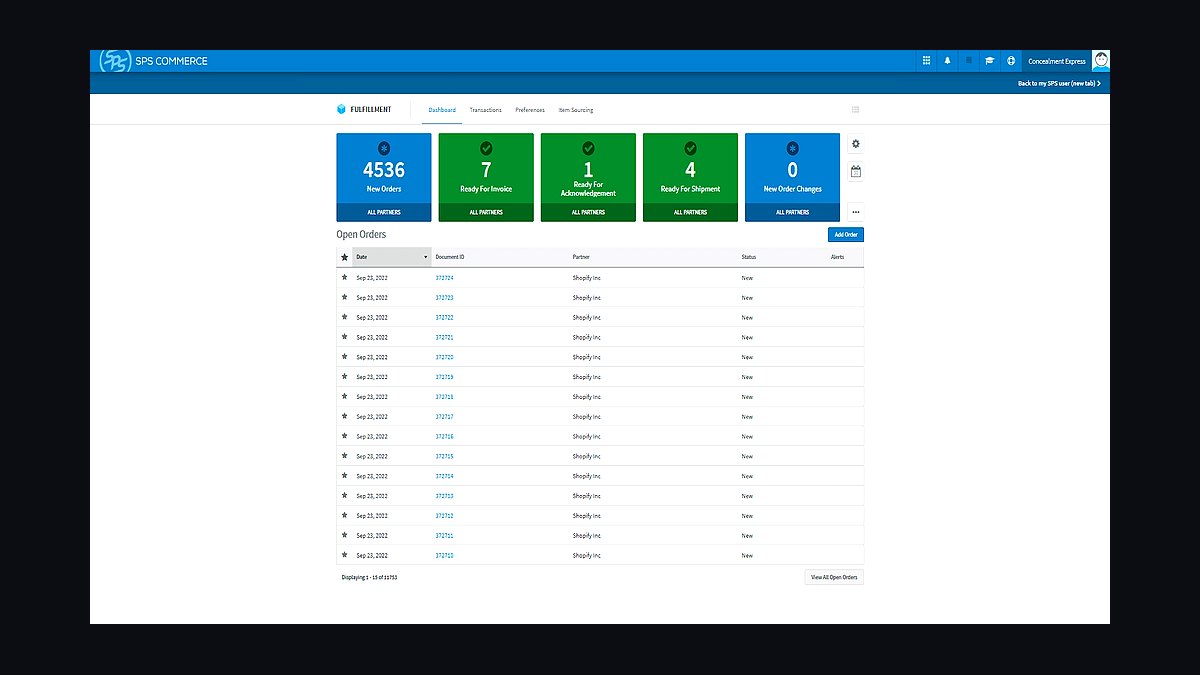
SPS Commerce ranks sixth as the managed EDI standard with the largest trading-partner network, translating purchase orders, invoices, and advance ship notices into the formats large retailers and manufacturers require. It removes most EDI complexity through a managed service, and pricing runs per-trading-partner and per-document-volume, commonly a few hundred to a few thousand dollars monthly. It is non-negotiable once large accounts demand EDI compliance.
It fits distributors selling to big-box retailers, manufacturers, or grocery chains that levy chargebacks for non-compliance. It trades away cost savings versus building EDI in-house, and per-partner fees grow quickly as the partner list expands. TrueCommerce below is the common alternate with strong ERP integrations, often chosen on price or existing ERP fit.
7TrueCommerce
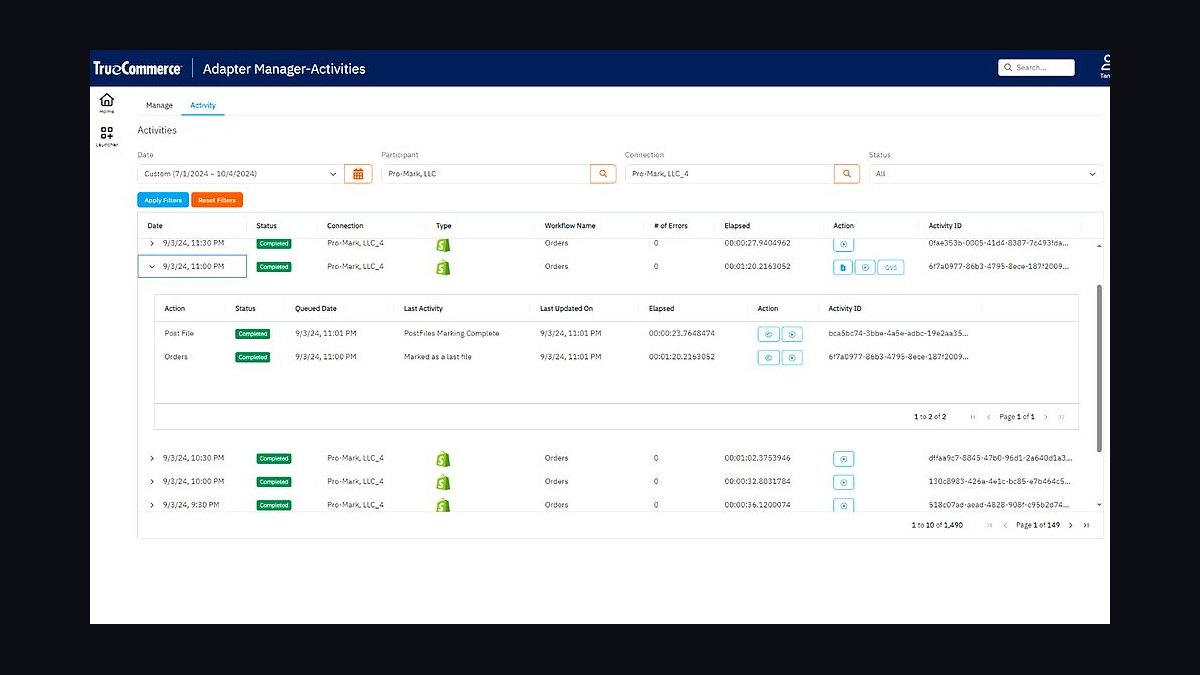
TrueCommerce ranks seventh as the common managed EDI alternate to SPS Commerce, with strong integrations into distribution ERPs and a broad trading-partner network. It handles the same purchase order, invoice, and advance ship notice documents, and pricing is similarly per-partner and per-volume, often a few hundred to a few thousand dollars monthly. It is a revenue gatekeeper for distributors serving large accounts.
It fits distributors whose ERP integrates more cleanly with TrueCommerce or who find its pricing and support a better fit than SPS Commerce above. It trades away the sheer breadth of the SPS trading-partner network, which can matter when onboarding unusual partners. Distributors already standardized on SPS should not switch without a clear integration or cost reason.
8Salesforce
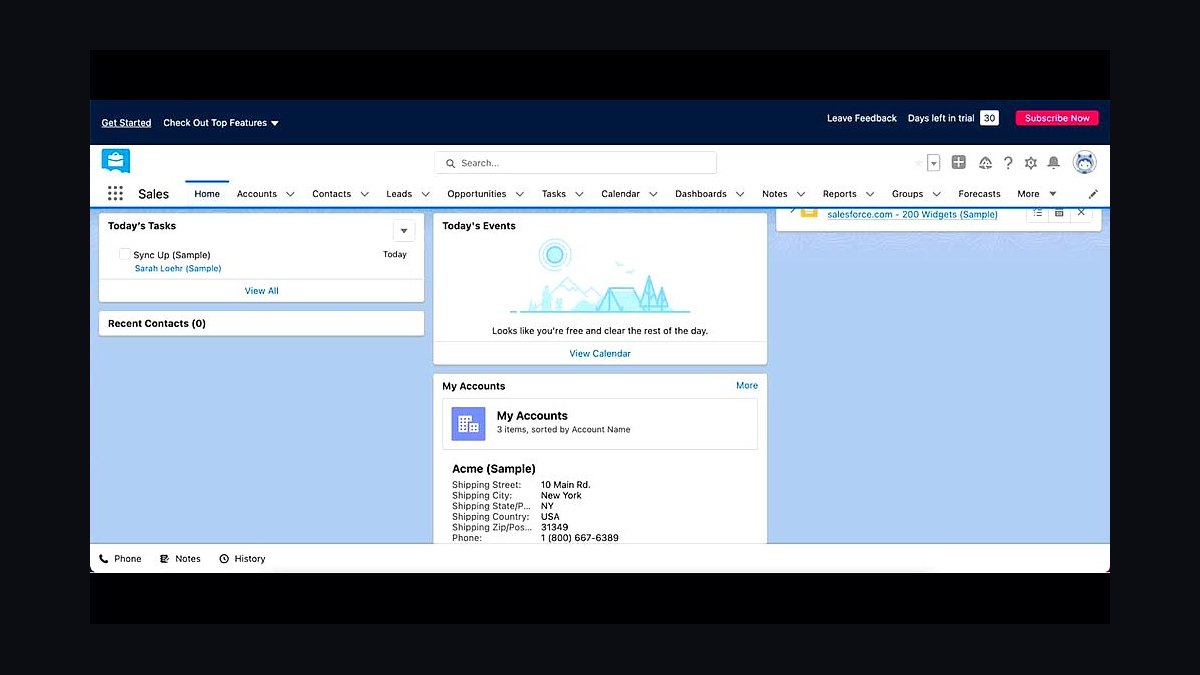
Salesforce ranks eighth as the CRM for larger distributors with complex territories, quoting needs, and integration requirements across the stack. It runs roughly $165 per user per month on Enterprise, giving outside and inside sales account history, pipeline, and quote management tied to ERP order data. It is the heavy-duty CRM choice when the sales org is large and structured.
It fits distributors with dedicated sales teams and multi-territory complexity that justify the cost and administration. It trades away the speed and lower price of HubSpot below and the zero-cost simplicity of an ERP-native CRM module. Smaller distributors should run the ERP-native CRM until the sales org genuinely outgrows it.
9HubSpot
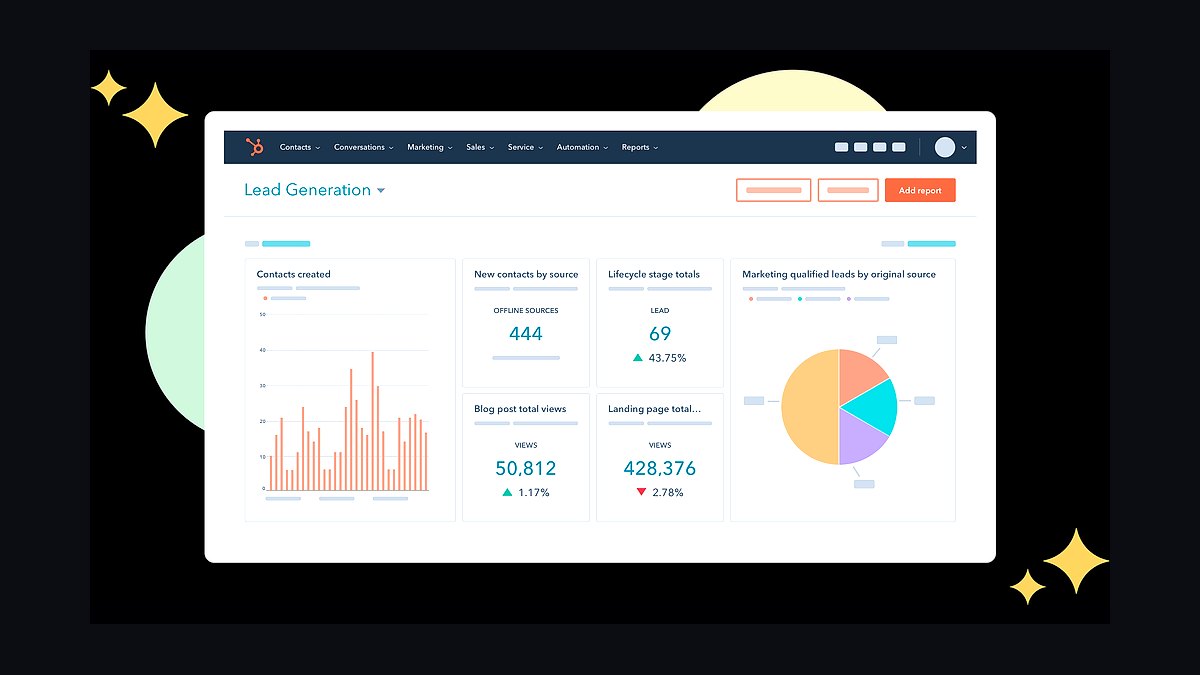
HubSpot ranks ninth as the CRM for small-to-mid distributors that want speed, built-in marketing, and lower cost than Salesforce. Sales Hub Professional runs about $100 per user per month, giving pipeline management, email tracking, and marketing automation that ties into ERP order history. It deploys fast with minimal administration overhead.
It fits distributors under roughly $50M with lean sales teams that value quick setup over deep customization. It trades away the complex territory management and extensive integration ecosystem of Salesforce above, which can matter at scale. Distributors with simple sales structures may skip a separate CRM entirely and run the ERP-native module instead.
10Phocas
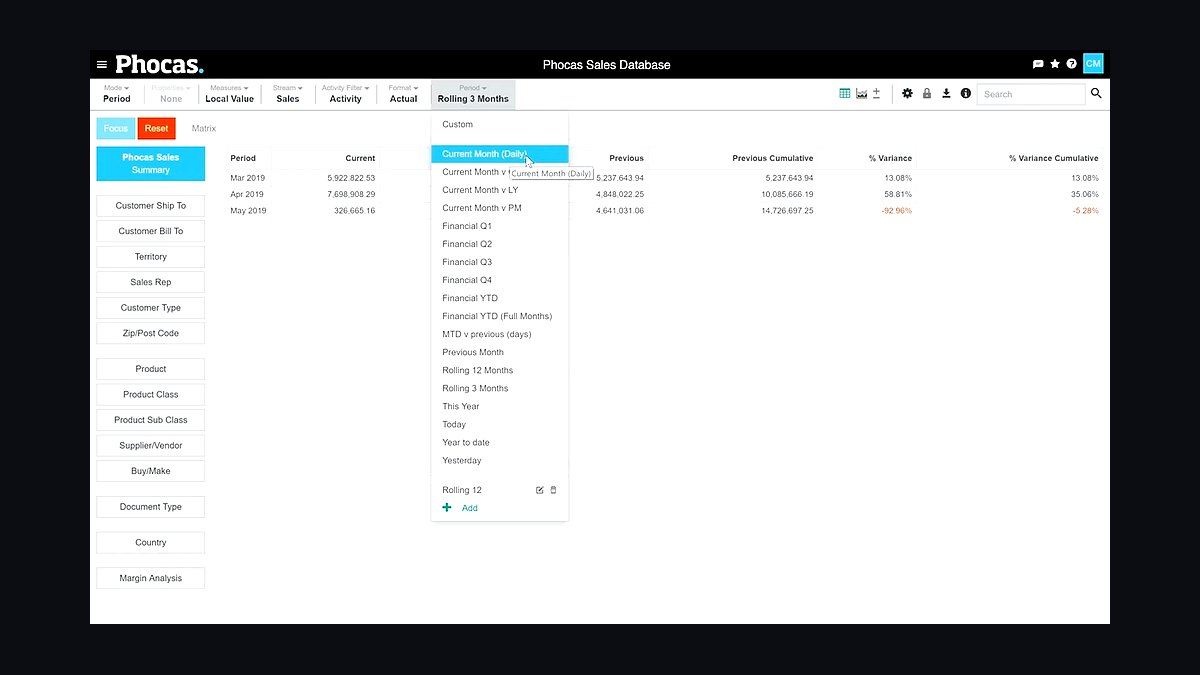
Phocas ranks tenth as the distribution-specific BI platform that reads directly off the ERP, delivering sales, inventory, and margin dashboards out of the box with almost no data modeling. It runs in the low-to-mid thousands per month depending on users, and it is the analytics favorite among wholesale distributors for its purpose-built reports on turns, fill rate, and margin leakage. Setup is fast compared with general-purpose BI tools.
It fits distributors that want distribution-specific analytics without building a data warehouse or custom models. It trades away the custom modeling flexibility and lower per-user cost of Power BI at $14 per user per month, and it is less suited to orgs already standardized on Microsoft. Distributors needing heavy custom analytics should weigh Power BI instead.
How we ranked these
We ranked each tool on four weighted criteria: distribution-specific depth (35%) — real-time inventory, costing, rebate and vendor handling built for wholesale; integration breadth (25%) — how cleanly it wires to ERP, EDI, WMS and portals; total cost of ownership (20%) including implementation and per-user fees; and analyst validation (20%) from Gartner, IDC and McKinsey 2026 reports on mid-market ERP consolidation.
We deliberately ignored brand popularity, social buzz, and feature-count checklists. A tool can be famous and still wrong for a thin-margin distributor. We also excluded generic accounting suites, retail POS systems, and any vendor whose pricing only appears behind a sales call, because operators need comparable numbers before they shortlist.
What to look for
What matters is whether the ERP owns inventory, orders and costing as one real-time number, and whether every other layer reads from it instead of keeping a copy. Check EDI trading-partner support, native WMS depth, and whether the B2B portal respects contract pricing. Implementation timeline and data-cleanup effort matter more than the demo.
The mistake most buyers make is shopping features instead of integration. They pick a best-of-breed WMS or CRM that duplicates inventory logic, then spend years reconciling two versions of on-hand stock. Buy the ERP for the next decade, the surrounding layers for the next few years, and never let a satellite tool become a second source of truth.
Related questions
What is the single most important tool in a wholesale distribution tech stack?
The distribution ERP. It owns real-time inventory, landed cost, purchase orders, sales orders, backorders and returns as one source of truth. Every other layer — WMS, portal, EDI, analytics — reads from it. Choose it for the next decade, because migrating a distributor off a wrong ERP mid-growth is expensive and disruptive.
Do I need a separate WMS if my ERP has a warehouse module?
Usually not at first. Most distribution ERPs ship native directed putaway, wave picking and cycle counting that work fine with handheld barcode scanners. A dedicated WMS like Körber becomes worth it only at high volume, multi-site complexity or heavy automation. Start native, add standalone WMS when the workflow genuinely outgrows it.
When does EDI become mandatory for a wholesale distributor?
The moment you sell to a large retailer, manufacturer or grocer. Those accounts issue EDI compliance requirements with deadlines and chargebacks for non-compliance, and they expect standardized purchase orders, invoices and advance ship notices. SPS Commerce and TrueCommerce are the common managed-service choices. Build EDI ahead of the demand, not under a customer ultimatum.
Is a B2B e-commerce portal really necessary for wholesale?
Yes, increasingly. Wholesale buyers expect self-serve reordering with their contract pricing, order history and real-time stock. An ERP-native webstore is the lowest-friction path because it already knows inventory and customer pricing. Shopify B2B and BigCommerce B2B are strong modern alternates. A distributor without a portal loses reorder volume to one that has it.
At what size does a pricing engine like Vendavo or PROS pay off?
Once SKU and customer counts make manual price matrices dangerous — typically mid-market and above, with thousands of SKUs and hundreds of accounts. In a single-digit-margin business, one point of pricing leakage across that volume is the difference between profit and loss. Vendavo, PROS and Zilliant defend margin. Small distributors manage pricing inside the ERP.
Can a distributor run on QuickBooks instead of a real ERP?
Only at the very smallest scale, before inventory and order volume climb. QuickBooks cannot reconcile real-time inventory, cost layers and orders the way a distribution ERP does, so on-hand numbers drift and margins become guesses. The moment volume rises, the migration happens under duress. Plan the ERP move before you are forced into it.
Why is Phocas so common in distribution analytics?
Phocas is built specifically for distribution and reads directly off the ERP, delivering sales, inventory and margin dashboards out of the box with almost no data modeling. That distribution-specific fit is why it beats general-purpose tools in this niche. Power BI and Tableau remain the alternates where an org wants custom modeling or already standardizes on Microsoft.
How long does a distribution ERP implementation actually take?
Plan on six to eighteen months depending on size, warehouse count and data quality. The software install is the easy part; cleaning item, cost, customer-pricing and vendor-term data before migration is what consumes the calendar. Budget for parallel running and heavy user training. Distributors who rush cutover usually face wrong inventory and broken pricing on day one.
FAQ
What is the best tech stack for a wholesale distribution business in 2027?
A distribution ERP as the spine — Epicor Prophet 21 or Eclipse for purpose-built depth, NetSuite or Acumatica Distribution for modern cloud — wired to a WMS layer, a B2B e-commerce portal, and EDI like SPS Commerce or TrueCommerce. Around that core sit CRM, pricing and margin tools, demand planning, and distribution-specific analytics like Phocas.
Why is the ERP more important in distribution than in other industries?
In most industries the ERP is a back-office ledger. In distribution it is the operational heart: real-time on-hand inventory across warehouses, landed cost layers, purchase orders, sales orders, backorders, drop-ships and returns all live in one system every other tool reads from. Nothing reconciles inventory, orders and cost in real time without it.
What is the difference between Epicor Prophet 21 and Epicor Eclipse?
Both are purpose-built distribution ERPs with deep inventory, costing and rebate handling. Prophet 21 skews durable goods and industrial distribution, while Eclipse skews HVAC, electrical and plumbing trades where contractors reorder constantly and expect negotiated contract pricing online. The choice usually follows your trade, not a feature comparison.
Should a small distributor buy NetSuite or a purpose-built distribution ERP?
Purpose-built systems like Prophet 21, Eclipse or Infor SX.e offer deeper distribution-specific inventory, costing and rebate handling. NetSuite and Acumatica Distribution trade some of that depth for a cleaner cloud platform, easier customization and lower IT overhead. Small distributors often prefer the cloud platforms; complex wholesalers usually need the purpose-built depth.
How do EDI and a B2B portal work together?
They are two channels into the same ERP. EDI handles standardized transactions with large trading partners — purchase orders, invoices, advance ship notices. The B2B portal handles self-serve reordering for customers who want contract pricing and order history online. Both must commit inventory and create orders in the ERP, never in a separate system.
What does a distribution tech stack cost per month?
A small single-warehouse distributor runs roughly $2,000-$8,000 per month using a cloud ERP with native warehouse, storefront, CRM and finance. Mid-market distributors add standalone WMS, EDI, pricing and analytics, pushing spend well higher. Purpose-built ERPs run $1,500-$5,000+ per user per year, and implementation routinely reaches six figures.
Do distributors need a CRM separate from the ERP?
Not always. Many distributors run the ERP-native CRM module to keep customer and order data in one system, skipping a separate CRM until the sales org grows. Salesforce fits larger distributors with complex territories and integration needs; HubSpot fits small-to-mid distributors wanting speed and built-in marketing. Add one when the sales motion genuinely demands it.
What is the biggest mistake distributors make when buying this stack?
Shopping features instead of integration. They pick a best-of-breed WMS or CRM that duplicates inventory logic, then spend years reconciling two versions of on-hand stock. The ERP must own inventory, orders and costing as the single source of truth, and every satellite tool must reference it rather than keep its own copy.
How does demand planning protect inventory turns?
It forecasts demand, sets reorder points and flags dead stock so the distributor turns inventory quickly without stocking out. Most distribution ERPs include native min/max replenishment and demand planning. Inventory Planner and similar tools add sharper forecasting where the ERP planning is weak. Protecting turns is the profit engine in a thin-margin business.
When should a distributor add route optimization or carrier tools?
When it runs its own delivery fleet or ships meaningful parcel and LTL volume. Distributors with their own trucks add route optimization and delivery management; parcel and LTL shippers bolt on multi-carrier rate-shopping and label printing, often through the ERP or a dedicated shipping platform. Parcel-only small shops can rely on carrier portals.
Sources
- https://www.gartner.com/en/information-technology/insights/erp
- https://www.mckinsey.com/capabilities/operations/our-insights
- https://www.idc.com/getdoc.jsp?containerId=prUS52587424
- https://www.epicor.com/en-us/products/prophet-21/
- https://www.netsuite.com/portal/products/erp.shtml
- https://www.acumatica.com/cloud-erp-software/distribution/
- https://www.spscommerce.com/
- https://www.truecommerce.com/
- https://www.phocas.com/
- https://www.vendavo.com/
Related on PULSE
This page will be disappearing soon. Save it to your device for $1 — or read it free while it is here.
@Kory-White- · if Venmo asks, the last 4 of my number are 2012
This page is gone.
This one is off the shelf now. $1 keeps it on your phone for good — the whole page, pictures and diagrams included.
 pulse-tech-stacksTop 10 Best Tech Stack Tools for Hardware Security Module (HSM) Vendors in 2027
 pulse-tech-stacksTop 10 Best Tech Stack Tools for Podiatry Practices in 2027
 pulse-tech-stacksTop 10 Best Tech Stack Tools for Fine-Tuning Platform Companies in 2027
 pulse-tech-stacksTop 10 Best Tech Stack Tools for Land Surveying Firms in 2027
 pulse-tech-stacksTop 10 Best Tech Stack Tools for Bot Mitigation Vendors in 2027
 pulse-tech-stacksTop 10 Best Tech Stack Tools for Independent Driving Schools in 2027
 pulse-tech-stacksTop 10 Best Tech Stack Tools for Tree Services in 2027
 pulse-tech-stacksTop 10 Best Tech Stack Tools for Independent Bakeries in 2027
 pulse-tech-stacksTop 10 Best Tech Stack Tools for Painting Contractors in 2027
 pulse-tech-stacksTop 10 Best Tech Stack Tools for B2B SaaS Companies in 2027