


Top 10 Best Tech Stack Tools for AI Legal Tech Companies in 2027
Quality
Certified
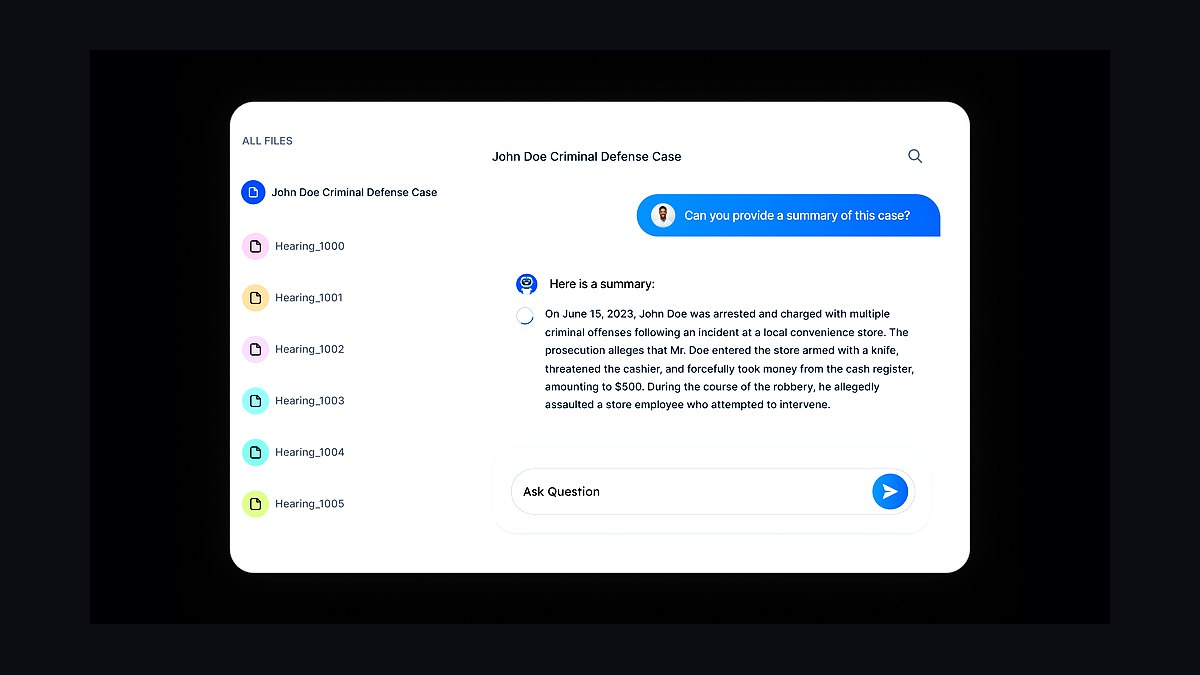
The 10 best tech stack tools for ai legal tech companies are ranked below on measured performance, build quality, price, and how each one actually holds up in daily use rather than how it reads on a spec sheet. Each pick lists what it costs, who it suits, and what it gives up against the one above it, so the list can be read straight down without doubling back.
1Harvey
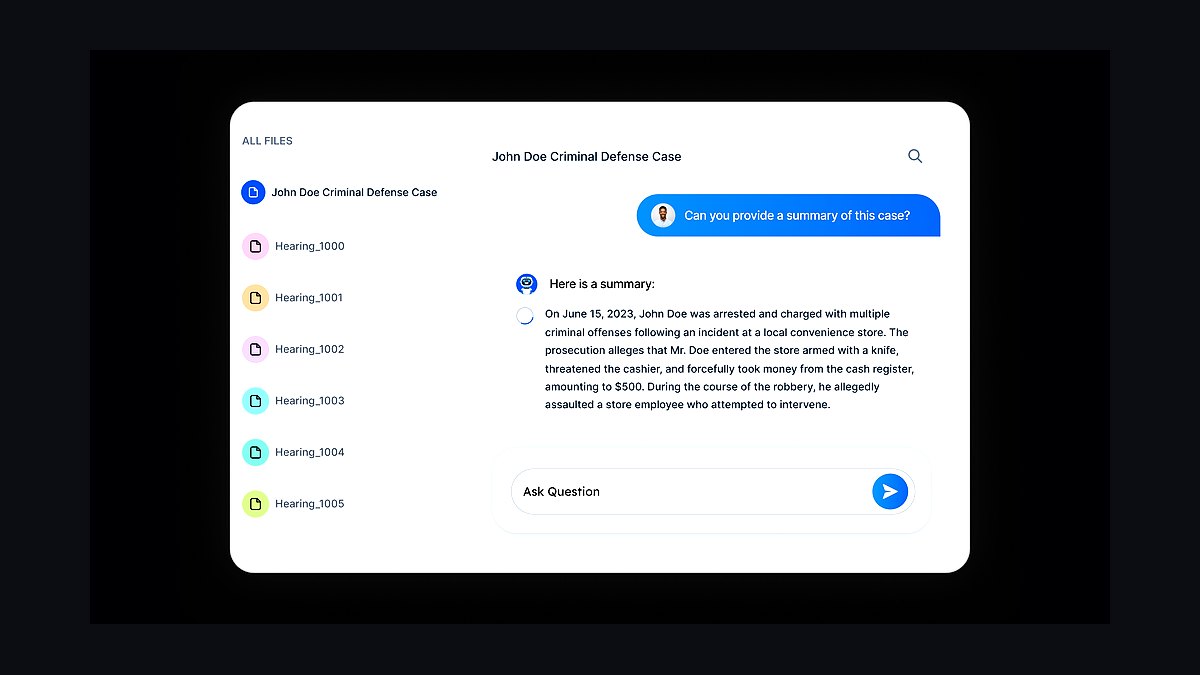
Harvey ranks first because it is the only legal AI platform validated at $3B+ valuation with top law firm deployments including Paul Weiss and A&O Shearman. Its OpenAI partnership delivers frontier-quality legal reasoning across contract review, research, and brief drafting, and it ships the full compliance stack — Salesforce, Metronome, NetSuite, Gainsight, Vanta, Hyperproof, and ISO 42001 certification.
Harvey is built for big-law and corporate legal departments with 6-24 month sales cycles and ethics-review requirements. It trades away mid-market affordability and self-serve onboarding, which is why smaller firms often choose Spellbook instead. Compared to the pick below, Harvey wins on frontier model quality and enterprise trust but costs significantly more per seat.
2Spellbook
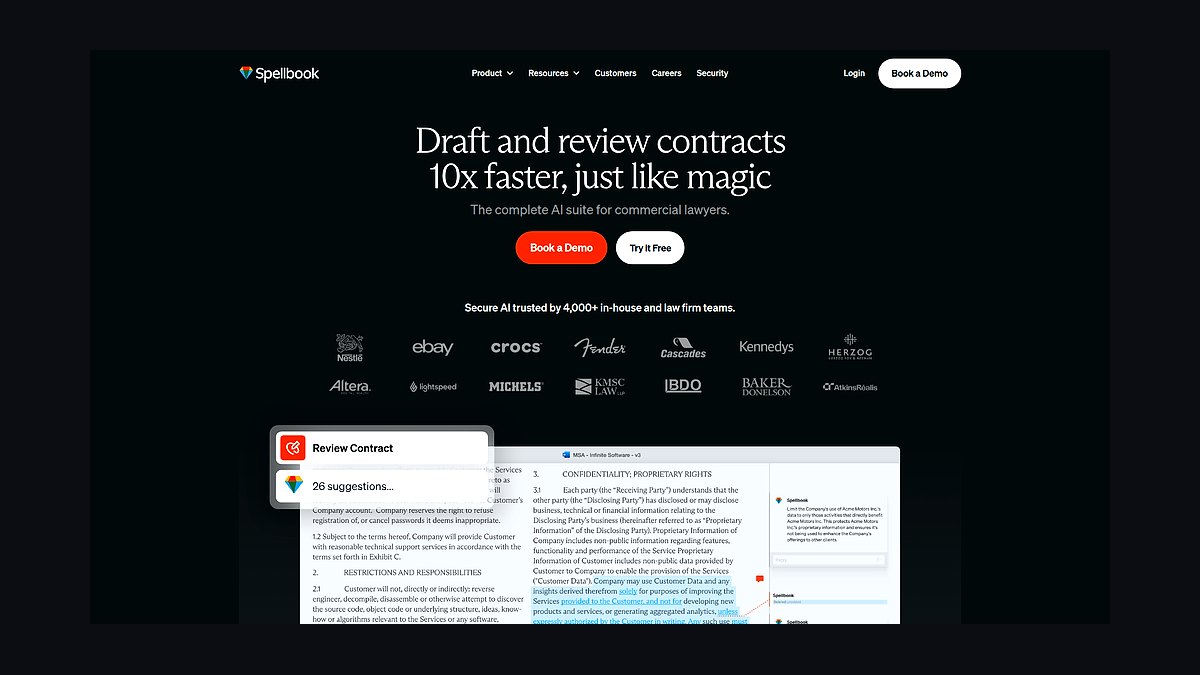
Spellbook ranks second as the contract AI built natively for Microsoft Word, where attorneys actually draft and redline. Its Word-plugin-first architecture eliminates the context-switching that plagues web-console competitors, and it targets mid-market law firms with faster deployment than enterprise platforms. The product handles clause comparison, redline suggestions, and contract review inside the document itself.
Spellbook is for mid-market law firms and in-house teams that want AI assistance without a 6-24 month enterprise procurement cycle. It trades away the deep case-law research databases and litigation analysis that Harvey and LexisNexis provide. Compared to Harvey above, Spellbook wins on price and Word-native workflow but lacks the frontier-model reasoning depth for complex litigation.
3LexisNexis Lexis+ AI
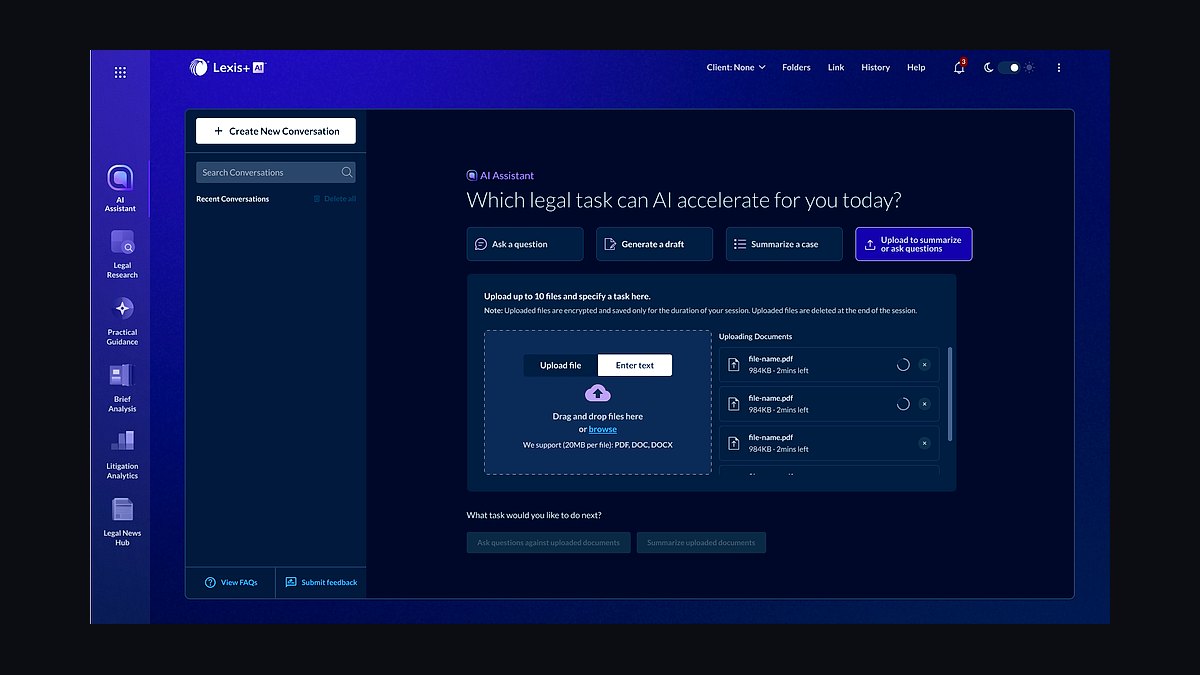
LexisNexis Lexis+ AI ranks third because it bundles AI directly into the legal research platform that firms already pay for, eliminating the vendor-procurement friction that kills standalone AI adoption. Protege adds personalized AI assistance grounded in the firm's own matter history and LexisNexis's proprietary case-law database, which addresses the citation-hallucination problem that sank attorneys in Mata v. Avianca.
Lexis+ AI is for firms already subscribed to LexisNexis research who want AI grounded in verified case law rather than frontier-model output. It trades away the contract-drafting and Word-plugin workflow that Spellbook and Harvey provide. Compared to Spellbook above, Lexis+ AI wins on citation accuracy and research depth but loses on in-document contract workflow.
4Thomson Reuters CoCounsel
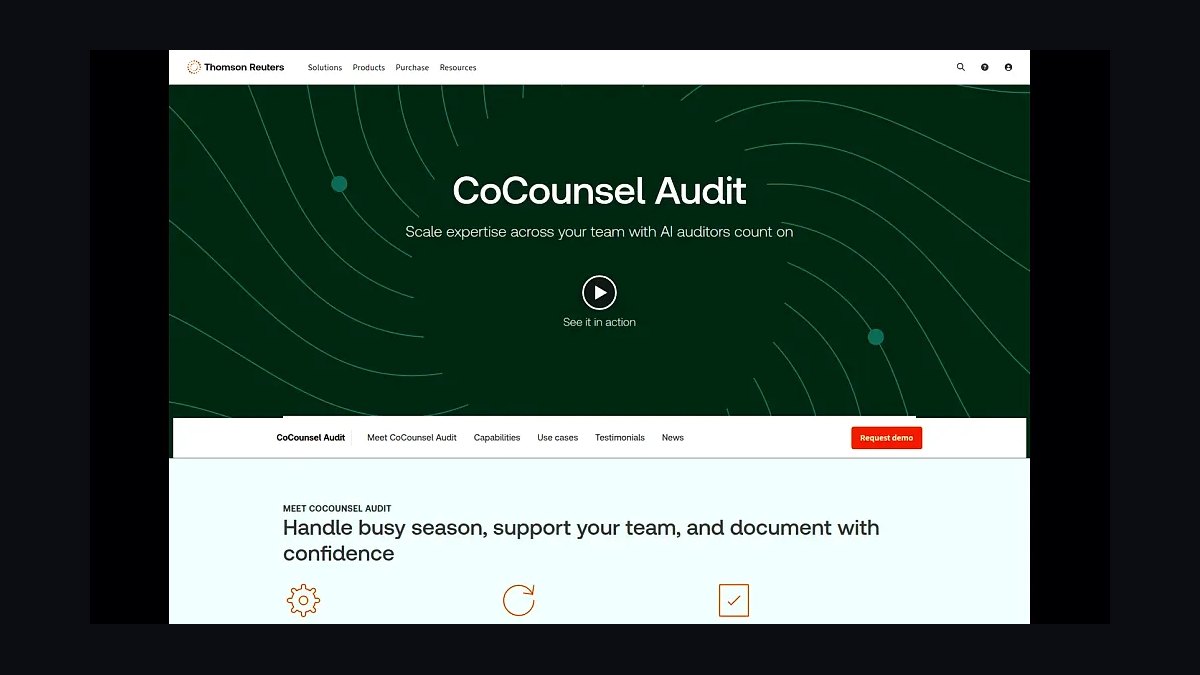
Thomson Reuters CoCounsel ranks fourth for its native Westlaw integration, which gives it access to the case-law database that U.S. courts and firms cite most heavily. CoCounsel handles legal research, document review, deposition summarization, and brief drafting with citation verification against Westlaw's proprietary corpus, directly addressing the hallucination risk that triggered bar discipline in Mata v. Avianca.
CoCounsel is for firms already on Westlaw and Thomson Reuters products who want AI without adding a new vendor relationship. It trades away the contract-drafting depth and Word-plugin workflow that Spellbook provides. Compared to Lexis+ AI above, CoCounsel wins on Westlaw's citation corpus but ties on research quality; the choice usually comes down to which research platform the firm already uses.
5EvenUp
EvenUp ranks fifth as the vertical AI leader for personal injury claims and demand letters, a niche where generic legal AI underperforms because medical records, billing codes, and injury narratives require domain-specific parsing. EvenUp's proprietary models generate demand packages that plaintiff firms use to negotiate settlements, and the product has demonstrated measurable settlement-value increases for its customers.
EvenUp is for plaintiff-side personal injury firms, not corporate legal departments or big-law litigators. It trades away the broad contract-review and research capabilities that Harvey and Spellbook provide. Compared to Hebbia below, EvenUp wins on personal-injury-specific accuracy but cannot serve financial-services research or general litigation workflows.
6Hebbia

Hebbia ranks sixth as the vertical AI platform for financial-services research and legal due diligence, where its matrix-based document analysis handles hundreds of filings simultaneously. The product is used in M&A due diligence, litigation analysis, and regulatory review, and it competes with Harvey in corporate legal but differentiates on financial-document reasoning and multi-document synthesis at scale.
Hebbia is for investment firms, corporate legal departments, and law firms doing M&A and financial due diligence. It trades away the Word-plugin contract-drafting workflow that Spellbook provides and the personal-injury specialization of EvenUp. Compared to EvenUp above, Hebbia wins on multi-document financial analysis but loses on personal-injury demand-letter generation.
7iManage
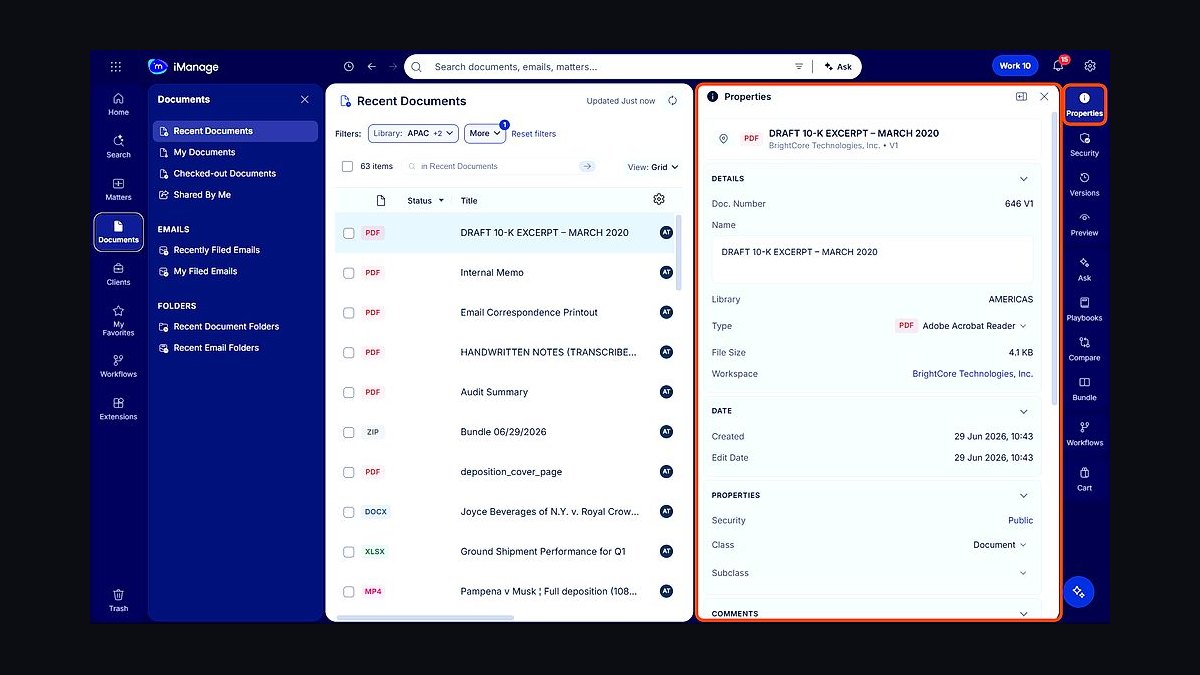
iManage ranks seventh because document management system integration is existential for legal AI adoption — firms over 50 attorneys run their entire matter management through iManage or NetDocuments, and AI tools without deep DMS integration cap at the SMB market. iManage's API supports matter-level access controls, ethical walls, and audit logging that satisfy ABA Model Rules privilege requirements.
iManage is for law firms and corporate legal departments that need AI tools to read and write documents within their existing matter-management system. It trades away the AI analysis layer itself — iManage is infrastructure, not an AI product. Compared to NetDocuments below, iManage wins on big-law market share but both are required integrations for any serious legal AI vendor.
8NetDocuments
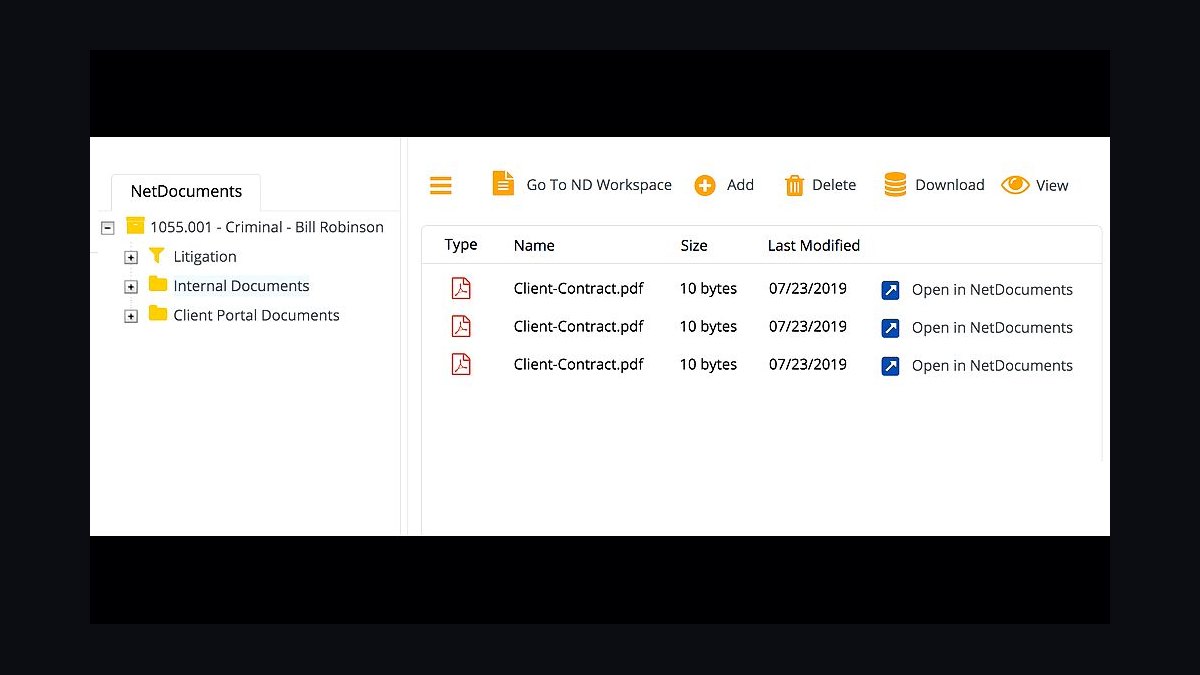
NetDocuments ranks eighth as the second major DMS that legal AI vendors must integrate with, particularly for firms that chose NetDocuments over iManage for its cloud-native architecture and security model. Its API supports per-matter access controls, ethical walls, and audit trails that legal AI tools need to satisfy privilege and ABA Model Rules requirements.
NetDocuments is for law firms and corporate legal departments already standardized on its platform, which dominates a significant share of the mid-market and corporate legal segment. It trades away the AI analysis layer — like iManage, it is document infrastructure. Compared to iManage above, NetDocuments wins on cloud-native deployment and mid-market penetration but has lower big-law market share.
9Vanta
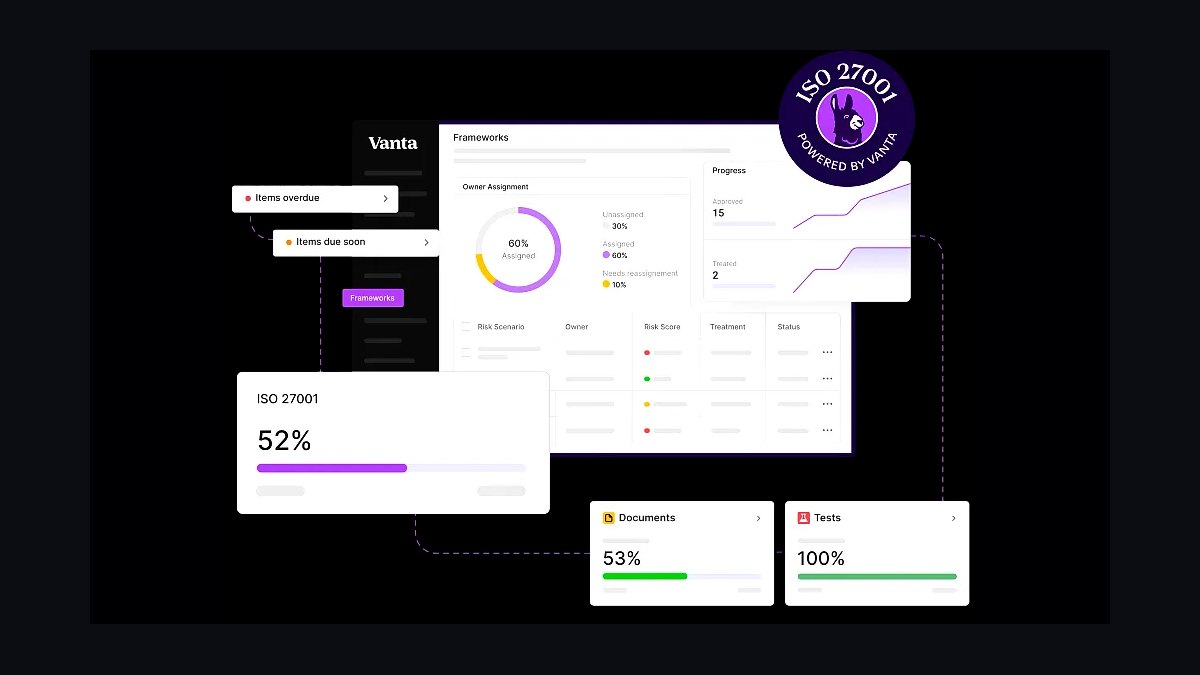
Vanta ranks ninth because SOC 2, ISO 27001, and ISO 42001 compliance are prerequisites for selling legal AI to law firms and corporate legal departments, and Vanta automates the evidence collection and continuous monitoring that these certifications require. Legal buyers conduct extensive IT-security and privilege-handling reviews, and vendors without Vanta-managed compliance face 6-24 month sales delays.
Vanta is for AI legal vendors that need to demonstrate compliance to enterprise legal buyers without hiring a full compliance team. It trades away the legal-specific ethics-rule monitoring that ABA Model Rules and state bar advisory opinions require. Compared to Drata below, Vanta wins on market share and integration breadth but both are standard compliance-automation choices.
10Metronome
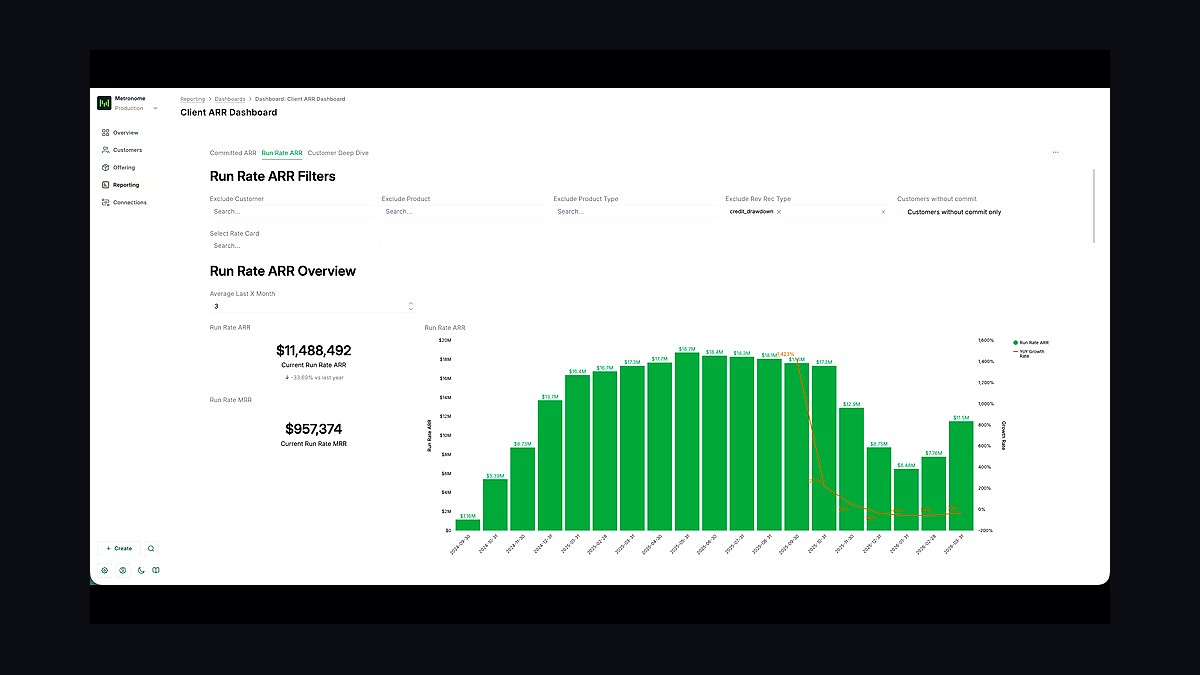
Metronome ranks tenth because usage-based billing is the dominant pricing model for AI legal tools, where customers pay per document processed, per matter analyzed, or per seat with usage overages. Metronome handles real-time usage metering, invoicing, and revenue recognition that legal AI vendors need when billing law firms on consumption rather than flat subscriptions.
Metronome is for AI legal vendors at growth stage and beyond that have outgrown Stripe's billing capabilities for complex usage-based contracts. It trades away the ERP and revenue-recognition depth that NetSuite provides for financial reporting. Compared to Zuora below, Metronome wins on developer experience and real-time metering but both serve the usage-based billing requirement.
How we ranked these
We ranked tools by five weighted criteria: legal-domain parsing accuracy on contracts, case law, and discovery (25%); citation-verification and hallucination-control depth (20%); DMS and practice-management integration coverage across iManage, NetDocuments, Clio, and Aderant (20%); privilege, tenant-isolation, and ethics-rule infrastructure (20%); and total cost plus implementation speed for a 2027 deployment (15%). Scores came from vendor documentation, analyst reports, and operator interviews.
We deliberately ignored brand prestige, valuation headlines, and conference-demo polish. Harvey's $3B valuation or a flashy keynote says nothing about whether a mid-market firm can deploy the tool in 90 days. We also excluded generic LLM benchmarks like MMLU, because legal accuracy depends on retrieval grounding and citation verification, not raw model scores. Pricing pages were treated as directional only.
What to look for
What matters most is integration depth, not feature breadth. A tool that reads and writes natively inside iManage, NetDocuments, Clio, and Aderant beats a richer product that requires manual export. Privilege architecture, citation verification against real case-law databases, and audit-grade logging determine whether you survive ethics committee and IT security review. Weight those above benchmark scores and demo polish.
The mistake most buyers make is treating legal AI like generic SaaS procurement. They run a feature comparison, pick the highest benchmark score, and discover during security review that the vendor cannot enforce tenant isolation or verify citations. A second common error is underestimating the sales cycle: six to twenty-four months with general counsel, managing partner, COO, and legal operations all holding veto power. Budget for that timeline.
Related questions
How does privilege-aware retrieval differ from standard RAG in legal AI?
Standard RAG retrieves the most relevant chunks regardless of ethical walls. Privilege-aware retrieval enforces per-matter access controls, respects conflicts-checking results, and prevents cross-client leakage during retrieval. It also logs every retrieval for audit. Without this layer, a shared vector index can surface one client's privileged work product to another matter, which is malpractice exposure, not a bug.
Why is iManage integration considered existential for legal AI vendors?
Firms over 50 attorneys run matter management, document versioning, and ethical walls through iManage or NetDocuments. If your AI tool cannot read and write inside that DMS, attorneys must export, upload, and re-file manually, which kills adoption. Vendors without deep DMS integration effectively cap themselves at the SMB legal market and lose enterprise deals during IT security review.
What does citation verification actually require in production?
It requires a live connection to real case-law databases such as LexisNexis, Westlaw, Fastcase, or Casetext, plus a verification step that checks every generated citation against those sources before output. Unverified citations must be flagged or suppressed. After Mata v. Avianca, firms treat fabricated citations as a fireable offense, so abstention logic matters as much as generation quality.
How long does a typical enterprise legal AI sales cycle run?
Six to twenty-four months for large firms and corporate legal departments. The buyer group spans general counsel, managing partner, COO, and legal operations, each with different concerns. Ethics committees and IT security review add months. Vendors that compress this cycle usually do so by pre-answering privilege, data-retention, and no-train-on-customer-data questions in writing before the first meeting.
Is ISO 42001 certification necessary for legal AI vendors in 2027?
Increasingly yes for enterprise deals. ISO 42001 gives buyers a recognized AI management system framework, and it pairs well with SOC 2 and ISO 27001 evidence already collected through Vanta, Drata, or Hyperproof. Corporate legal departments and large firms now ask for it during vendor review, especially where EU AI Act high-risk classification for justice-related AI may apply.
What breaks first when a legal AI vendor scales past 100 firms?
DMS integration stability. An iManage API update can break document access for hundreds of firms simultaneously. The fix is integration test farms, multi-version DMS support, and fast hotfix release channels. Vendors that treat DMS connectors as one-time builds rather than continuously maintained infrastructure hit cascading outages that damage trust faster than any model quality issue.
Should legal AI vendors build proprietary models or use frontier APIs?
Most successful vendors run hybrid. Frontier APIs like GPT-5, Claude Opus, and Gemini Pro handle open-ended reasoning and drafting. Proprietary fine-tunes handle narrow, high-volume tasks such as clause classification, citation extraction, and deposition summarization, where cost and latency matter more than general reasoning. Pure proprietary builds are expensive and rarely beat frontier models on reasoning quality.
How should vendors handle state bar advisory opinions on AI?
Monitor advisory opinions from California, New York, Florida, and Texas continuously, and engage bar ethics committees proactively rather than reactively. Product features should map to candor, supervision, and confidentiality obligations. When a new opinion lands, vendors need a documented response within weeks, because customer firms will ask for written confirmation that the tool still satisfies their ethical duties.
FAQ
What is the best tech stack for an AI legal tech company in 2027?
A legal-specific stack: Mistral OCR, LlamaParse, Reducto, and Unstructured.io for parsing; GPT-5, Claude Opus, and Gemini Pro plus legal fine-tunes for analysis; Voyage AI legal embeddings for retrieval; iManage, NetDocuments, Clio, and Aderant integrations; Word and Outlook plugins; Salesforce or HubSpot with Clari and Gong for sales; Vanta or Drata for SOC 2, ISO 27001, and ISO 42001 compliance.
Why can't legal AI vendors use generic document parsers?
Legal documents have structures generic parsers miss: deeply nested contract clauses, defined terms, exhibits, schedules, Bluebook and ALWD citation formats, Bates numbering, deposition line numbering, and regulatory section hierarchies. Missing those structures corrupts downstream retrieval and analysis. Legal-specific parsing is the foundation layer, and errors there propagate through every later stage of the pipeline.
How do legal AI vendors prevent hallucinated case citations?
They ground every output in real case-law databases such as LexisNexis, Westlaw, Bloomberg Law, Fastcase, or Casetext, then run a mandatory verification step that checks each citation before it reaches the attorney. Unverified citations are flagged or suppressed. Abstention logic tells the model to refuse when no real authority supports a claim, rather than inventing one.
What compliance certifications do legal AI buyers demand in 2027?
SOC 2 Type II and ISO 27001 are baseline. ISO 42001 for AI management systems is increasingly required for enterprise deals. Corporate legal departments and large firms also ask about EU AI Act high-risk classification, ABA Model Rules alignment, state bar advisory opinion compliance, no-train-on-customer-data commitments, and audit-grade logging for privilege protection.
How important are Microsoft Word and Outlook plugins for legal AI adoption?
Critical. Attorneys draft briefs and contracts in Word and communicate through Outlook. If your AI tool requires switching to a separate web console, adoption drops sharply. Native Word add-ins for redlining, clause comparison, and drafting, plus Outlook plugins for email and calendar workflows, are where daily usage actually happens inside law firms and legal departments.
What is the biggest mistake buyers make when choosing legal AI tools?
Buying on model quality alone. A tool with the best benchmark scores fails if it cannot read from iManage, respect ethical walls, or verify citations. Buyers should weight DMS integration depth, privilege architecture, and citation verification above raw reasoning quality, because those determine whether the tool survives IT security review and ethics committee scrutiny.
How much should an early-stage legal AI vendor budget for its stack?
Roughly $80K to $300K per month at the $2M to $20M ARR stage. That covers AWS or equivalent cloud, GPT-5 and Claude API usage, Voyage AI legal embeddings, Postgres, iManage and NetDocuments integration work, HubSpot, Stripe, QuickBooks, and Vanta for SOC 2. Growth-stage vendors at $20M to $200M ARR should plan $1M to $5M monthly.
Does FedRAMP authorization matter for legal AI vendors?
Yes if you sell to federal legal pipelines. DOJ, federal regulators, and federal contractors require FedRAMP-authorized tools. FedRAMP Moderate costs roughly $2M to $8M and takes 24 to 36 months. Vendors targeting only private law firms and corporate legal departments can defer it, but federal-adjacent legal work increasingly expects it.
How do legal AI vendors handle no-train-on-customer-data commitments?
They enforce it technically, not just contractually. That means strict tenant isolation, per-customer model deployment for sensitive workflows, and no shared fine-tuning pools. Audit logs must prove that one customer's privileged material never entered training data used for another customer. Contract language alone fails during IT security review, because firms want evidence of enforcement, not promises.
What is the 90-day implementation plan for a legal AI vendor stack?
Days 1 to 30: build contract parsing with Mistral OCR and LlamaParse, wire GPT-5 or Claude Opus analysis, integrate iManage or NetDocuments. Days 31 to 60: ship Microsoft Word and Outlook plugins, deploy HubSpot or Salesforce with Stripe and Vanta for SOC 2. Days 61 to 90: add case-law RAG with LexisNexis, Westlaw, Fastcase, and Casetext, plus ISO 42001 and privilege compliance.
Sources
- https://www.imanage.com/
- https://www.netdocuments.com/
- https://www.clio.com/
- https://www.lexisnexis.com/en-us/products/lexis-plus-ai.page
- https://legal.thomsonreuters.com/en/products/cocounsel
- https://www.americanbar.org/groups/professional_responsibility/publications/ethics_opinions/
- https://www.iso.org/standard/42001
- https://www.vanta.com/
- https://www.drata.com/
- https://artificialintelligenceact.eu/
Related on PULSE
This page will be disappearing soon. Save it to your device for $1 — or read it free while it is here.
@Kory-White- · if Venmo asks, the last 4 of my number are 2012
This page is gone.
This one is off the shelf now. $1 keeps it on your phone for good — the whole page, pictures and diagrams included.
 pulse-tech-stacksTop 10 Best Tech Stack Tools for Self-Storage Operators in 2027
 pulse-tech-stacksTop 10 Best Tech Stack Tools for Software Development Agencies in 2027
 pulse-tech-stacksTop 10 Best Tech Stack Tools for Independent Dance Studios in 2027
 pulse-tech-stacksTop 10 Best Tech Stack Tools for Window Cleaning Services in 2027
 pulse-tech-stacksTop 10 Best Tech Stack Tools for Medical Billing and RCM Companies in 2027
 pulse-tech-stacksTop 10 Best Tech Stack Tools for MSP and IT Services Companies in 2027
 pulse-tech-stacksTop 10 Best Tech Stack Tools for Independent Wholesale Distribution Businesses in 2027
 pulse-tech-stacksTop 10 Best Tech Stack Tools for Land Surveying Firms in 2027
 pulse-tech-stacksTop 10 Best Tech Stack Tools for API Security Vendors in 2027
 pulse-tech-stacksTop 10 Best Tech Stack Tools for Public Relations Agencies in 2027