


Top 10 Best Tech Stack Tools for Dermatology Practices in 2027
Quality
Certified

The 10 best tech stack tools for dermatology practices are ranked below on measured performance, build quality, price, and how each one actually holds up in daily use rather than how it reads on a spec sheet. Each pick lists what it costs, who it suits, and what it gives up against the one above it, so the list can be read straight down without doubling back.
1ModMed EMA Dermatology EHR
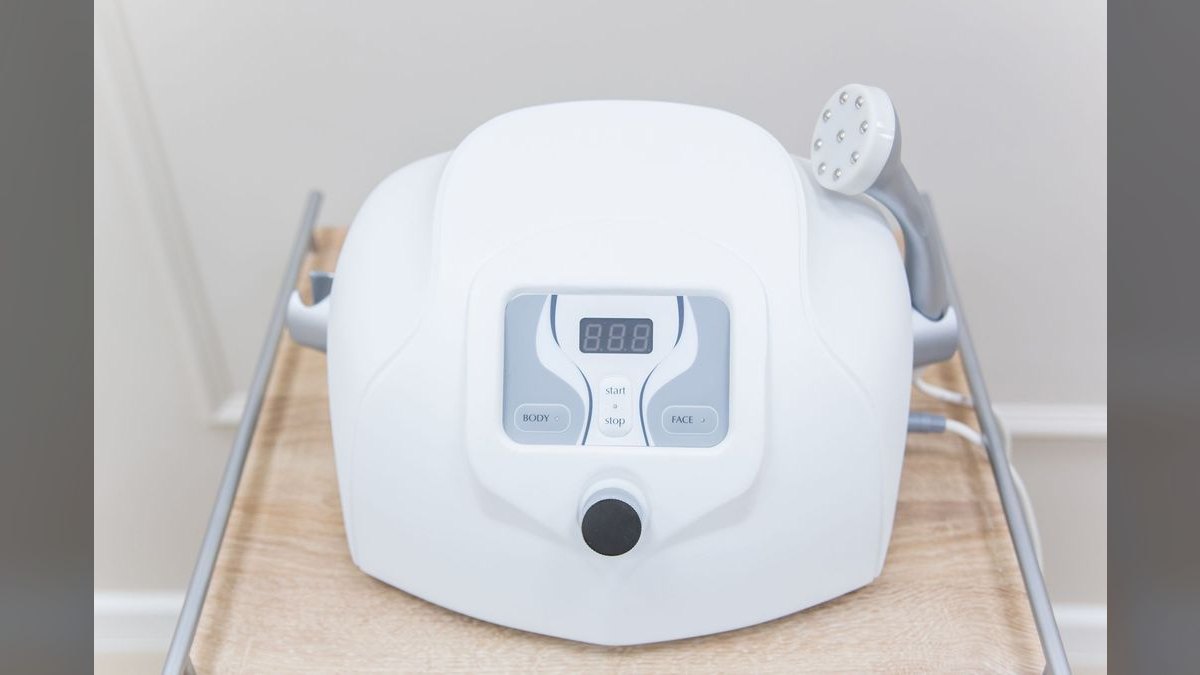
ModMed EMA ranks first because it is the only derm-native EHR that anchors every encounter to a body map with lesion-level charting, dermoscopic photo attachment, and Mohs mapping in one product. Pricing runs roughly $600–$1,000 per provider per month including practice management. That throughput advantage — charting twenty lesions in a ten-minute visit — is the single largest financial variable in the stack.
It is built for multi-provider dermatology groups that bill medical, surgical, and cosmetic lines under one roof. The trade-off is cost and vendor lock-in: migrating off EMA after years of accumulated image-anchored charts is expensive. Nextech below it is the better pick only when cosmetics dominate; EMA wins when medical and surgical volume lead.
2Nextech Dermatology EHR
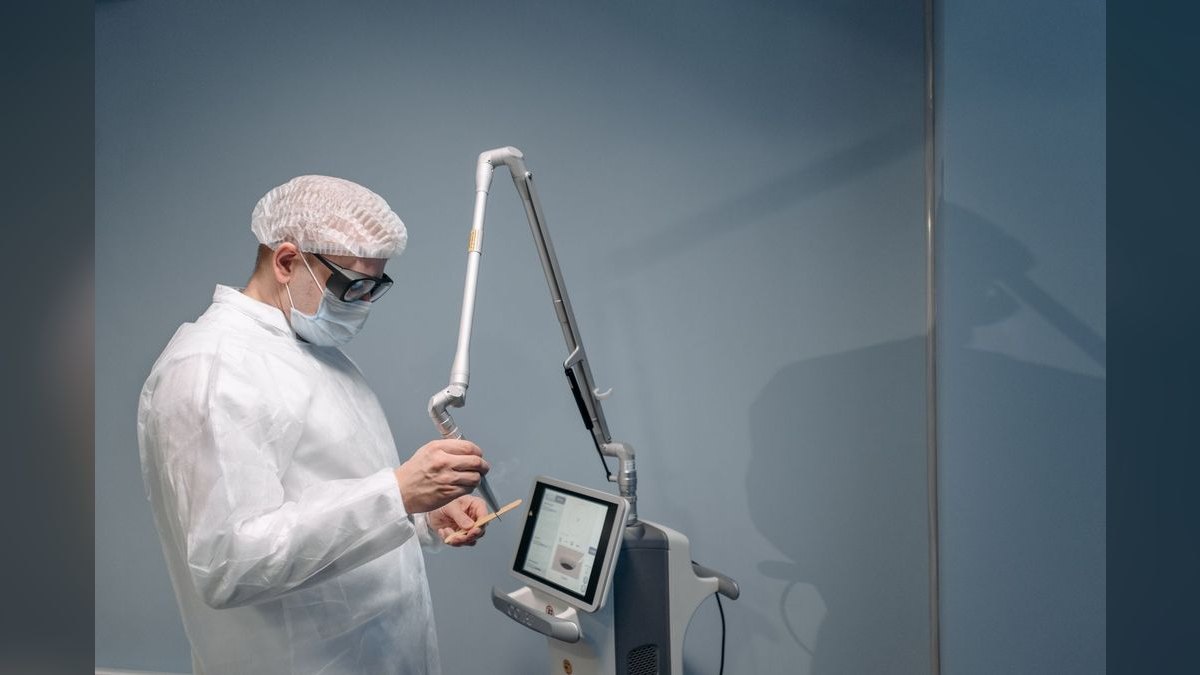
Nextech ranks second because it pairs a derm-capable clinical chart with the deepest aesthetic, inventory, and membership tooling of any derm-native platform, making it the strongest alternate when cosmetic revenue exceeds medical. It handles neuromodulator unit tracking, package redemption, and before-and-after photo storage natively rather than through bolt-on modules. Pricing typically lands in the same $600–$1,000 per provider per month band as ModMed.
It suits cosmetic-heavy practices and med-spa-adjacent derm groups where injectable and laser volume drives margin. The trade-off versus ModMed EMA is a comparatively lighter Mohs and staged-surgical billing workflow, which matters if surgical derm is a major line. EZDerm below it is the value pick for solo providers who cannot justify either enterprise license.
3EZDerm Dermatology EHR

EZDerm ranks third because it delivers a genuinely derm-native, tablet-first chart with body mapping and lesion documentation at a materially lower price than ModMed or Nextech, landing well below the $600–$1,000 per provider per month enterprise band. For solo and small-group practices it removes the throughput penalty of a generic EHR without the enterprise license. It is the value pick the source material names explicitly.
It is for solo dermatologists and small groups that need clean derm charting and cannot absorb enterprise pricing. The trade-off is thinner cosmetic commerce tooling and a smaller integration ecosystem than the two platforms above it. LigoLab below it addresses a different layer — the pathology loop — that EZDerm alone does not close.
4LigoLab Laboratory Information System
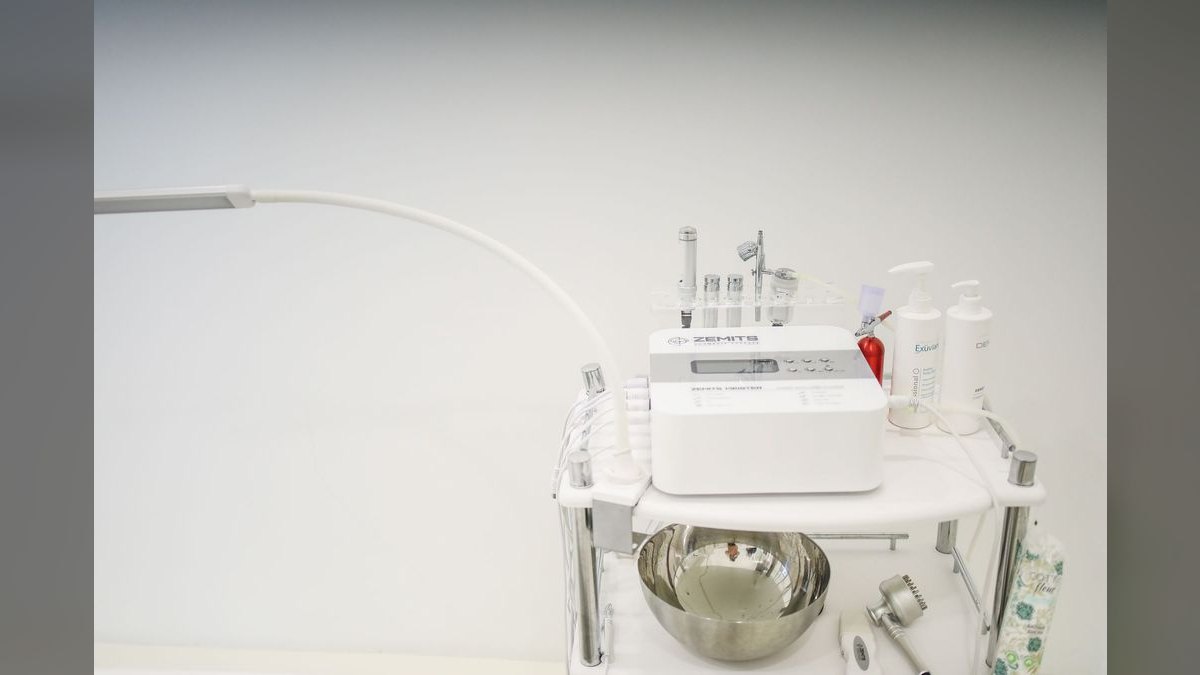
LigoLab ranks fourth because it is the laboratory information system that closes the specimen-to-result loop for practices running an in-house dermatopathology lab, handling accessioning, specimen tracking, and bidirectional discrete result delivery. Interface and LIS costs typically run $300–$2,000 per month depending on volume and ownership. In dermatology that loop is load-bearing, not an interface nicety.
It is for practices that own their dermpath lab and need specimen-level tracking rather than scanned PDFs. The trade-off is operational: running a lab adds accessioning staff and compliance overhead that send-out practices avoid entirely. PathGroup below it is the send-out alternative for practices that do not want to operate a lab.
5PathGroup Dermatopathology Services
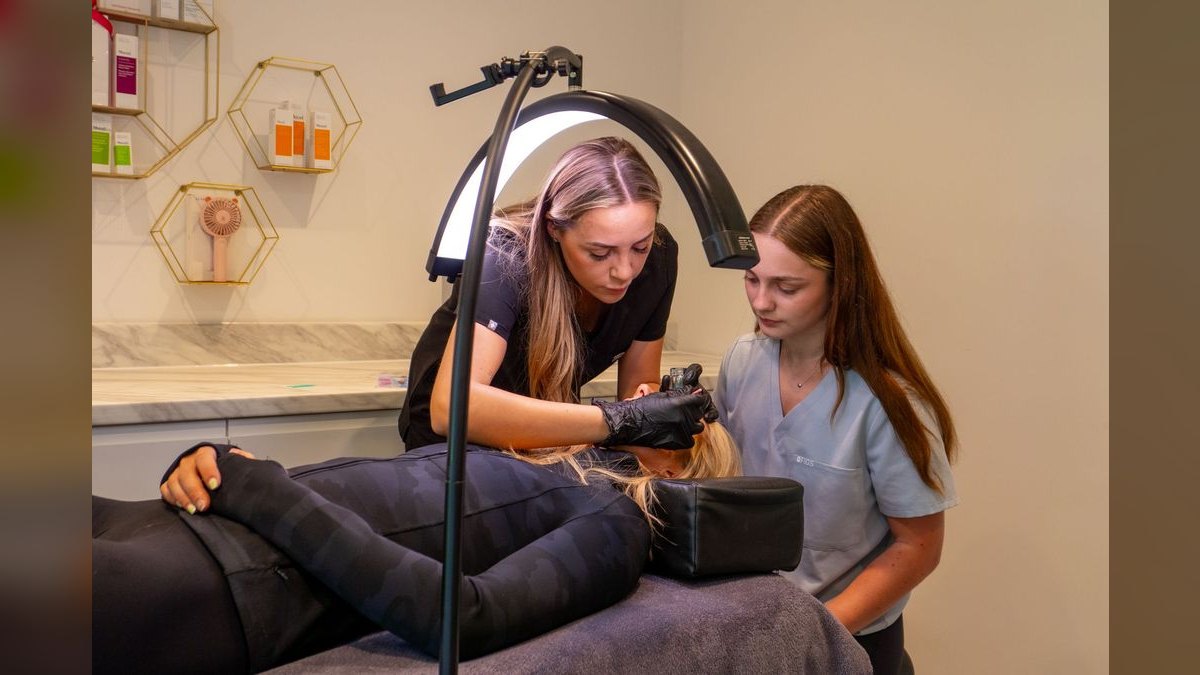
PathGroup ranks fifth because it provides outbound dermatopathology routing and discrete result delivery for practices that send specimens out rather than operating an in-house lab, avoiding the accessioning and compliance overhead of lab ownership. Send-out practices need only a reference-lab interface and a tracking worklist, which is materially cheaper and simpler to maintain than a full LIS. ModMed and Nextech both offer path-result interfaces to receive those results.
It is for small and mid-size practices whose biopsy volume does not justify an in-house lab. The trade-off versus LigoLab above it is dependence on an external lab's turnaround and interface quality. Phreesia below it handles a different layer — intake and patient payment — that the pathology loop does not touch.
6Phreesia Patient Intake
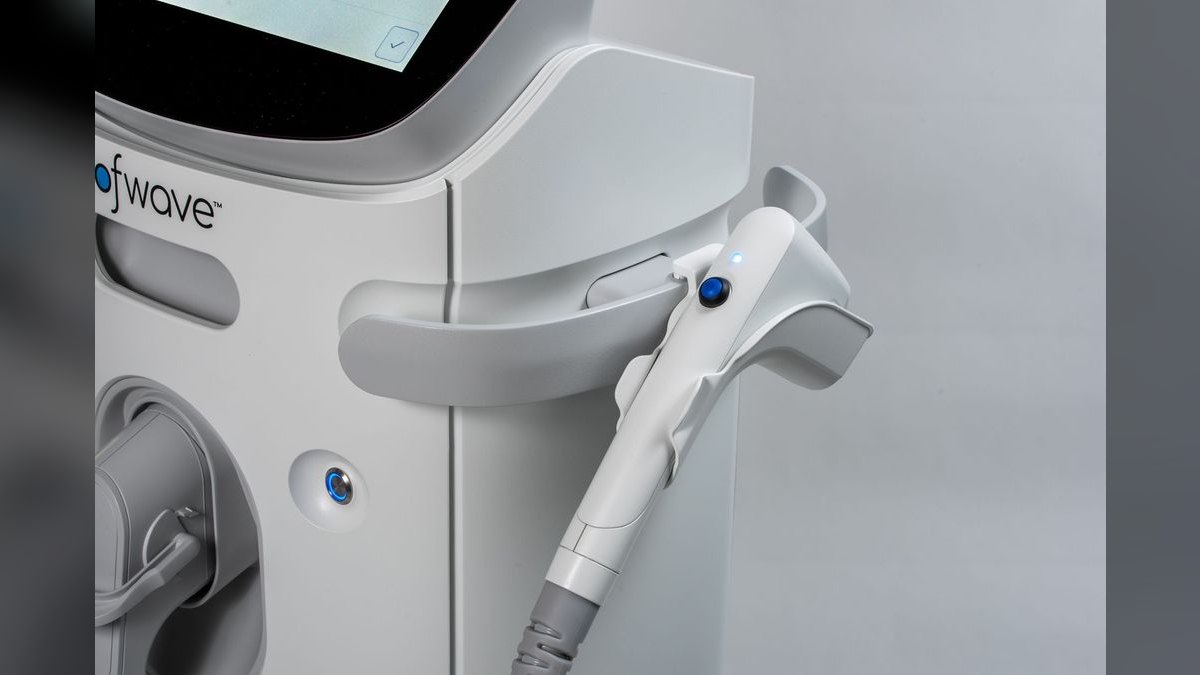
Phreesia ranks sixth because it handles digital pre-visit intake, insurance eligibility verification, consent capture, and patient-responsibility collection at or before check-in, which matters disproportionately in derm where one patient may owe an insurance copay and a cash cosmetic balance in the same visit. Pricing is typically per-provider-per-day or per-visit and scales with volume. It sits at the front of the financial path.
It is for practices that want eligibility and payment collected before the patient reaches the room, reducing front-desk rework. The trade-off is added vendor cost and another integration surface; smaller practices can substitute the EHR's native intake plus a messaging tool. Klara below it covers the messaging and recall layer that Phreesia does not.
7Klara Patient Messaging
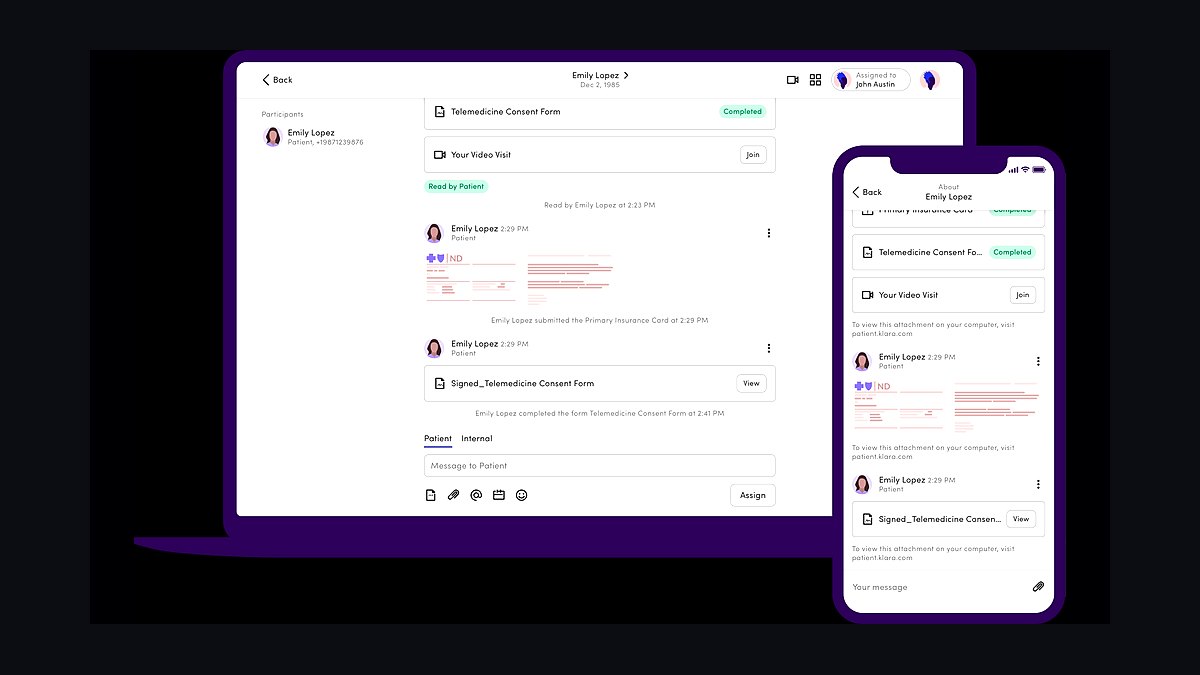
Klara ranks seventh because it covers two-way secure messaging, appointment reminders, and automated recall campaigns, and its return in dermatology is not messaging convenience but reactivation of lapsed annual skin-check patients — the highest-ROI marketing motion a derm practice has because the patients already exist and already converted once. Budget roughly $300–$600 per month for a multi-provider practice. It is now part of ModMed.
It is for practices that need automated recall fill for dense skin-cancer surveillance schedules. The trade-off is that on non-ModMed platforms the integration is shallower, and Solutionreach is the alternate. Availity below it handles the claims and eligibility layer that messaging does not.
8Availity Clearinghouse
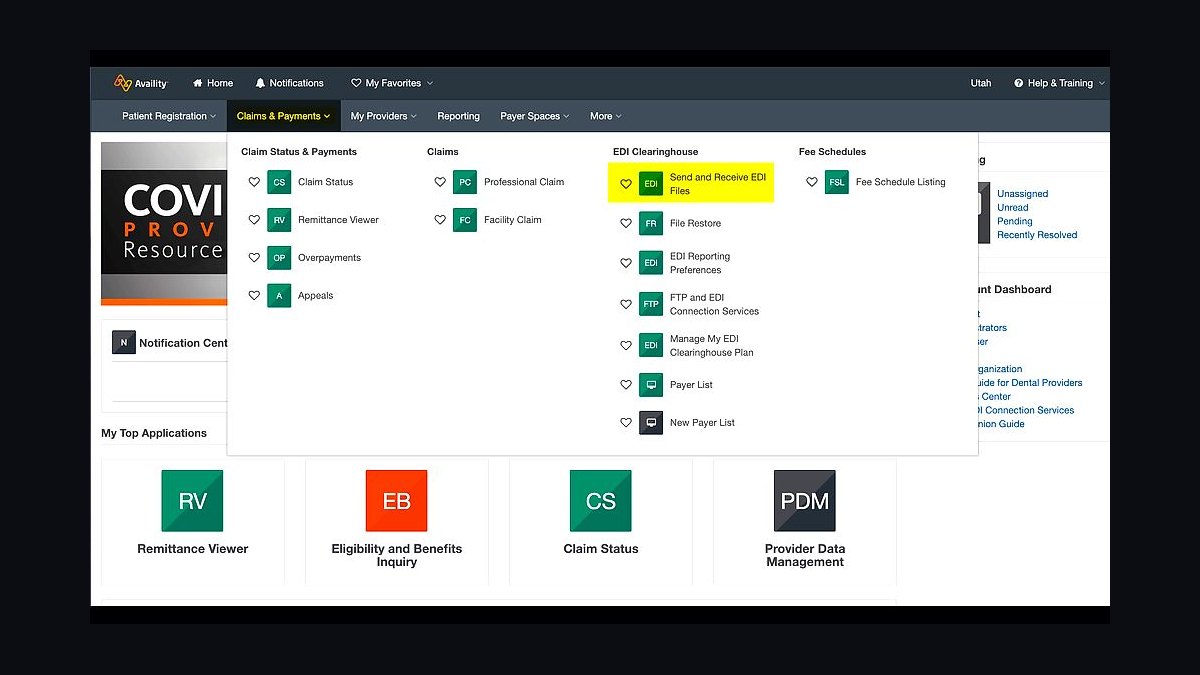
Availity ranks eighth because it provides clearinghouse eligibility, claims, and remittance at a basic claims tier that is often free, making it the default for solo and small derm practices that need clean claims without enterprise denial analytics. Derm billing is unusually error-prone — Mohs staging, biopsy and pathology code pairing, biologics, and the medical-cosmetic split all generate denial risk. Keeping billing in-house with a clearinghouse runs roughly $100–$1,000 per month in software depending on tier.
It is for cost-conscious practices whose claim volume does not yet justify richer denial management. The trade-off versus Waystar below it is thinner denial analytics and reporting. At higher claim volumes a one-point denial-rate improvement can outweigh the incremental clearinghouse cost.
9Waystar Revenue Cycle Platform
Waystar ranks ninth because it brings substantially richer denial management and analytics than a free-tier clearinghouse, and in the three-to-fifteen-provider band denial analytics starts paying for itself outright — at that claim volume a one-point improvement in denial rate is material against the incremental cost. It sits on the medical and surgical financial paths while the cosmetic branch never touches it. Pricing scales above Availity's basic tier.
It is for multi-provider groups where denial rate is a managed metric rather than an afterthought. The trade-off is higher cost and more configuration than a basic clearinghouse. CoverMyMeds below it handles the biologics prior-authorization path that Waystar does not replace.
10CoverMyMeds Prior Authorization
CoverMyMeds ranks tenth because it replaces a multi-day fax cycle with same-session electronic prior-authorization submission for biologics — dupilumab, IL-17 and IL-23 inhibitors — and is typically free to prescribers while frequently embedded directly in the e-prescribing flow. The software cost is low; the labor savings on a growing biologics panel are substantial. It closes the last mile of the medical derm revenue path.
It is for any practice prescribing biologics at volume, from solo to DSO, since the prior-auth workload scales with panel size rather than provider count. The trade-off is that it handles authorization only, not the copay-assistance and specialty-pharmacy routing that must be tracked inside the EHR. It ranks last because it is a narrow, low-cost utility rather than a stack spine.
How we ranked these
We ranked tools on four weighted criteria: derm-native clinical depth (30%) — body map, lesion-level charting, Mohs mapping, and photo anchoring; revenue-cycle fit (25%) — handling of E/M, staged surgical, and cash-pay cosmetic billing under one record; integration depth (25%) — bidirectional dermpath interfaces, clearinghouse, e-prescribing, and prior-auth routing; and total cost of ownership (20%) — license, interface, and RCM fees at solo, group, and DSO scale.
We deliberately ignored cosmetic marketing features, generic EHR breadth, and vendor brand prestige, because none of them predict throughput or clean claims in dermatology. We also excluded AI-dermatology hype, patient-review widgets, and telehealth add-ons, since they are optional layers that do not change whether the specimen-to-result loop closes or whether cosmetic charges can reach a payer. Feature-count spreadsheets were discarded entirely.
What to look for
What matters most is whether the chart can document twenty lesions in a ten-minute slot without narrative typing, because that throughput gap dwarfs every license-cost difference between vendors. Second is whether the specimen-to-result loop closes with discrete, specimen-level data and a hard-stop worklist, and third is whether cosmetic charges are structurally walled off from claim generation rather than blocked by staff discipline.
The mistake most buyers make is shopping on price or feature breadth and inheriting a generic ambulatory EHR, then discovering a year later that providers chart half the volume they did before. The second most common error is splitting scheduling and clinical across vendors, which forces a billing rebuild later because the seams between systems are exactly where claims fail. Decide the EHR first and let it constrain everything else.
Related questions
How is a dermatology stack different from a med spa stack?
A med spa is almost entirely cash-pay cosmetics: point-of-sale, memberships, inventory, and marketing dominate. Dermatology carries all of that on its cosmetic line but adds insurance-billed medical derm, staged surgical Mohs billing, dermatopathology, biologics prior authorization, and skin-cancer recall — so it needs a true clinical EHR and revenue-cycle spine underneath.
Can I run cosmetics on a completely separate system?
Yes, and cosmetic-heavy practices often do. The trade-off is that a standalone platform gives richer commerce tooling but splits the patient record, so before-and-after photos and consents live outside the medical chart. If you split, insist that both systems export cleanly to accounting so per-line margin remains computable.
What is the single most important metric to instrument first?
Recall fill rate for annual skin checks, followed closely by denial rate. Recall drives the steadiest high-margin medical volume and degrades invisibly when unautomated; denial rate tells you whether the three-line billing split was configured correctly. Both should be visible on a dashboard within the first 90 days.
Does an in-house dermatopathology lab change the stack?
Substantially. Owning the lab means adding a full laboratory information system with accessioning, specimen tracking, and bidirectional result delivery into the EHR. That is a materially larger investment than a send-out interface, but it also captures the technical component revenue and shortens result turnaround, which matters for Mohs scheduling.
How long does a dermatology stack migration actually take?
Plan for 90 days to a working stack and roughly two quarters to steady-state throughput. Chart migration and template building are the long poles in the first month. Denial-rate normalization after a billing cutover typically takes a full claims cycle plus one to observe honestly, so do not judge the RCM build on the first thirty days.
Is a generic EHR ever acceptable for a dermatology practice?
Rarely, and only when the practice is small, low-volume, and predominantly cosmetic with minimal biopsy load. Even then, the absence of native lesion-level charting and Mohs workflows imposes a permanent throughput penalty. Retrofitting after a year of accumulated charts is far more expensive than paying the derm-native premium on day one.
What does biologics prior authorization require from the stack?
Electronic prior authorization embedded in the prescribing flow, typically through CoverMyMeds, plus specialty-pharmacy routing and copay-assistance tracking. Without it, dupilumab and IL-17 or IL-23 starts stall in multi-day fax cycles. This is usually bundled into the EHR license and is one of the few genuinely low-cost, high-leverage pieces of the stack.
When should a practice buy business intelligence software?
Once there are at least two locations or two meaningful revenue lines to compare. Before that, EHR-native dashboards plus a clean chart of accounts are genuinely sufficient. Buying a warehouse and BI license earlier produces expensive dashboards nobody opens, because there is nothing yet to compare across.
FAQ
What is the best tech stack for a dermatology practice in 2027?
A derm-native EHR with body-map and lesion-level charting at the center, wired to a bidirectional dermatopathology lab interface, a biologics-capable revenue cycle and clearinghouse, and a cash-pay cosmetic point-of-sale structurally walled off from insurance claim generation. ModMed EMA is the category default; Nextech is the strongest alternate for cosmetic-heavy practices.
Why can't a dermatology practice just use a generic ambulatory EHR?
Dermatology is the most visual specialty in medicine. A single skin check produces dozens of findings, each needing an anatomic location, morphology, photo, and disposition anchored to a body map. Generic SOAP-note EHRs collapse under this load, and the throughput penalty — thirty-five patients a day versus twenty — is permanent.
What does a bidirectional dermatopathology interface actually do?
It sends the specimen out and returns the result as discrete, specimen-level data matched to the correct patient and anatomic site, rather than as a scanned PDF. That discrete result triggers a callback, an excision, or a Mohs referral automatically. Without it, the excision that never gets scheduled is both a patient-safety event and a revenue leak.
How should cosmetic and medical billing be separated?
Structurally, in configuration, not by staff discipline. Cosmetic service lines should be unable to reach claim generation at all, and cosmetic point-of-sale revenue should be reconciled against insurance claims monthly. Cross-billing a cosmetic service to a payer is a compliance and audit exposure, not merely a billing annoyance.
What does ModMed EMA cost compared to EZDerm?
Budget roughly $600 to $1,000 per provider per month for ModMed including practice management. EZDerm lands materially below that and is the value pick for solo and small groups wanting a derm-native, tablet-first chart without enterprise pricing. Both are derm-native; the difference is depth of Mohs and cosmetic tooling.
How much should a multi-provider derm group budget for software?
Roughly $6,000 to $25,000 per month all-in for three to fifteen providers across one to four locations. That covers the EHR, cosmetic module, messaging and recall, digital intake, dermpath interface, a Waystar-grade clearinghouse, cosmetic point-of-sale, reputation management, and accounting. Denial analytics starts paying for itself in this band.
What is the biggest mistake practices make when choosing a stack?
Shopping on price or feature breadth and inheriting a generic EHR, then watching providers chart half the volume they did before. The second most common error is splitting scheduling and clinical across vendors, which forces a billing rebuild later because the seams between systems are exactly where claims fail.
Do I need a separate clearinghouse if my EHR includes billing?
Not always, but evaluate it. Availity is often free at the basic claims tier, while Waystar costs more and brings substantially richer denial management and analytics. At multi-provider volume, a one-point improvement in denial rate is material against the incremental clearinghouse cost, so the upgrade frequently pays for itself.
How do biologics change the revenue-cycle layer?
Dupilumab and IL-17 or IL-23 inhibitors require prior authorization, specialty-pharmacy routing, and copay-assistance tracking. That load lands on the revenue cycle and patient engagement layers, which carry far more weight in dermatology than in typical ambulatory practice. Electronic prior auth through CoverMyMeds replaces a multi-day fax cycle with same-session submission.
What should be deferred when building a derm stack?
A data warehouse, enterprise RCM contract, standalone BI license, and separate cosmetic platform are all deferrable at solo scale. Buy the lab interface at the level your biopsy volume requires today, but require bidirectional discrete results at every tier. Defer BI until there are at least two locations or two revenue lines to compare.
Sources
- https://www.modmed.com/specialties/dermatology/
- https://www.nextech.com/specialties/dermatology/
- https://www.ezderm.com/
- https://www.ligolab.com/
- https://www.phreesia.com/
- https://www.klara.com/
- https://www.availity.com/
- https://www.waystar.com/
- https://www.covermymeds.com/
- https://www.aad.org/
Related on PULSE
This page will be disappearing soon. Save it to your device for $1 — or read it free while it is here.
@Kory-White- · if Venmo asks, the last 4 of my number are 2012
This page is gone.
This one is off the shelf now. $1 keeps it on your phone for good — the whole page, pictures and diagrams included.
 pulse-tech-stacksTop 10 Best Tech Stack Tools for Independent Landscaping Companies in 2027
 pulse-tech-stacksTop 10 Best Tech Stack Tools for Plumbing Contractors in 2027
 pulse-tech-stacksTop 10 Best Tech Stack Tools for Mobile Threat Defense (MTD) Vendors in 2027
 pulse-tech-stacksTop 10 Best Tech Stack Tools for Independent Wholesale Distribution Businesses in 2027
 pulse-tech-stacksTop 10 Best Tech Stack Tools for Independent Dance Studios in 2027
 pulse-tech-stacksTop 10 Best Tech Stack Tools for Public Relations Agencies in 2027
 pulse-tech-stacksTop 10 Best Tech Stack Tools for Medical Billing and RCM Companies in 2027
 pulse-tech-stacksTop 10 Best Tech Stack Tools for CrossFit Boxes in 2027
 pulse-tech-stacksTop 10 Best Tech Stack Tools for RV Dealerships in 2027
 pulse-tech-stacksTop 10 Best Tech Stack Tools for Independent Food Trucks in 2027