


Top 10 Best Tech Stack Tools for RV Dealerships in 2027
Quality
Certified

The 10 best tech stack tools for rv dealerships are ranked below on measured performance, build quality, price, and how each one actually holds up in daily use rather than how it reads on a spec sheet. Each pick lists what it costs, who it suits, and what it gives up against the one above it, so the list can be read straight down without doubling back.
1IDS Astra G2

IDS Astra G2 ranks first because it is the dominant RV-specific DMS for mid-size and larger stores, running serialized units, parts, service, F&I, and accounting on one ledger. It costs roughly $1,500–$4,000+ per month depending on rooftops and modules. RV-specific workflows handle chassis-plus-coach complexity, generators, slide-outs, and OEM warranty claims that generic auto DMS platforms cannot model cleanly.
It is built for multi-rooftop RV dealers with a heavy service department, not single-location budget stores. It trades away low cost and simple cloud setup for depth in parts-to-RO allocation and warranty reconciliation. Compared to Dominion DX1 directly below, Astra G2 is the heavier, more configurable system of record, while DX1 bundles the website and CRM more tightly for stores that want fewer vendors.
2Dominion DX1

Dominion DX1 ranks second because it bundles DMS, website, and CRM into one RV-specific platform, eliminating the integration work between three separate vendors. It runs in the same $1,500–$4,000+ per month range as Astra G2 depending on rooftops and modules. The built-in CRM is the natural choice for RV leads that need weeks of nurture rather than same-day close.
It suits mid-size RV dealers who want one vendor accountable for inventory, website, and lead management. It trades away some of the deep configurability that IDS Astra G2 offers at the largest multi-store groups. Compared to EverLogic below, DX1 is the heavier platform for dealers with real service volume, while EverLogic is the lighter cloud option for a single rooftop.
3EverLogic
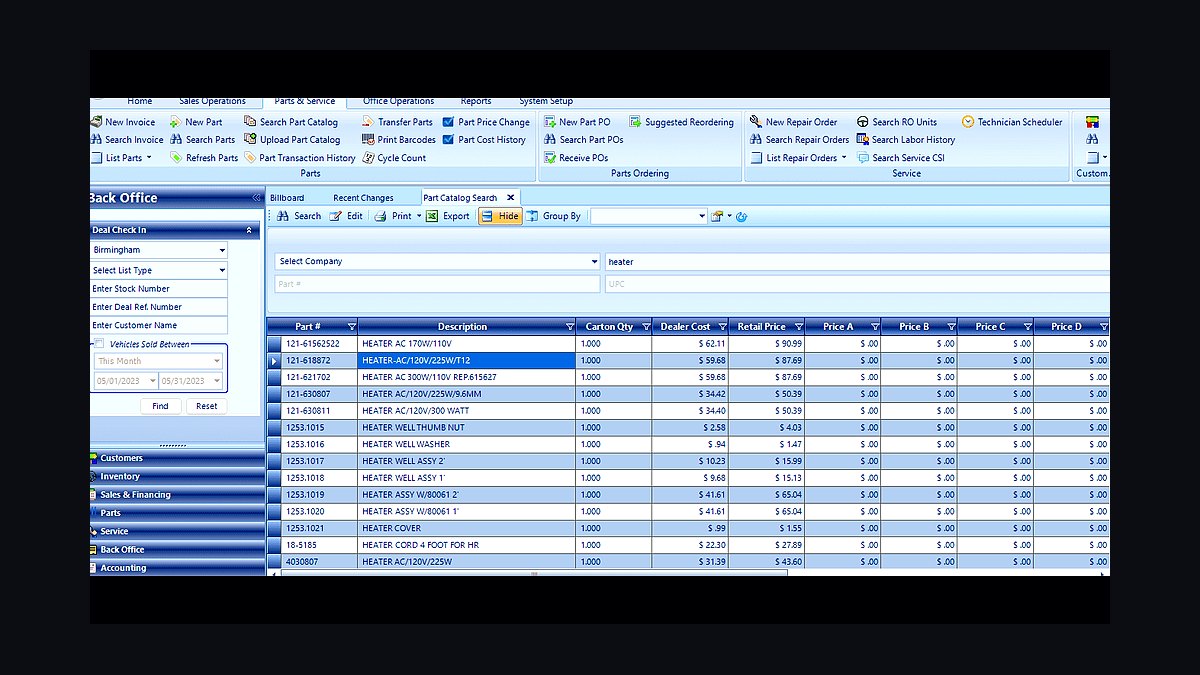
EverLogic ranks third because it is the practical cloud DMS for single-location RV dealers, running units, parts, service ROs, and F&I with QuickBooks integration at roughly $300–$800 per month. It requires no enterprise IT footprint and can be owner-managed. For a one-store dealer, that price-to-capability ratio beats the enterprise platforms above it.
It is built for single-rooftop RV, marine, and trailer dealers who want the whole store in one cloud system. It trades away the depth in multi-store consolidated accounting and advanced warranty reconciliation that Astra G2 provides. Compared to Blackpurl below, EverLogic has the longer track record and the tighter QuickBooks integration, while Blackpurl is the newer cloud-native alternative.
4Blackpurl
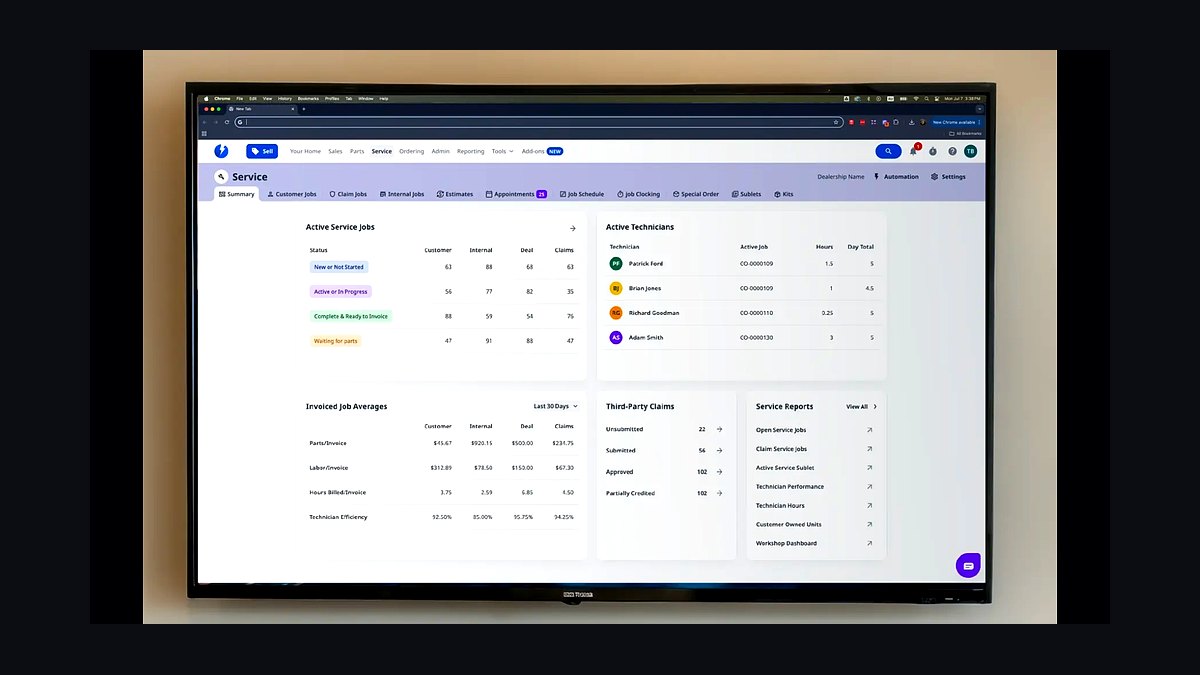
Blackpurl ranks fourth because it is a newer cloud-native dealership platform that runs RV units, parts, service, and F&I without on-premise infrastructure. It targets the same single-location and small multi-store segment as EverLogic at a comparable subscription range. Cloud-native architecture means updates ship without dealer-side IT work.
It is for RV dealers who want a modern interface and cloud-first design rather than a legacy DMS ported to the web. It trades away the long-established integration ecosystem and dealer community that EverLogic and IDS Astra G2 have built over years. Compared to EverLogic directly above, Blackpurl is the newer bet with a cleaner interface but a shorter track record in RV-specific warranty workflows.
5RV Trader
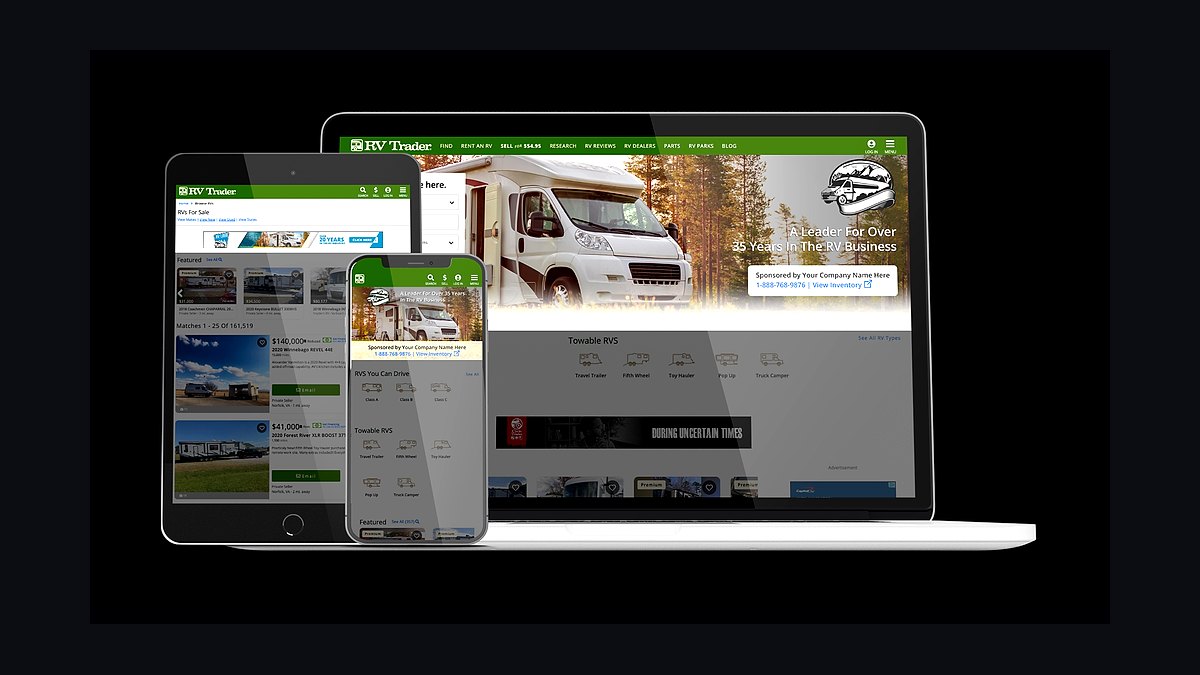
RV Trader ranks fifth because it is the largest RV marketplace and the default paid listing channel where buyers actually shop. Dealer listing tiers run roughly $1,000–$3,000+ per month depending on inventory volume and ad level. For a considered, high-ticket RV buyer who researches for weeks, marketplace presence is the top of the funnel.
It is for every RV dealer with inventory to move, from single-location independents to large groups. It trades away nothing operationally but adds meaningful monthly ad spend that must be measured against lead quality. Compared to RVT.com below, RV Trader carries the larger buyer audience and higher cost, making RVT.com the secondary syndication channel most stores add rather than replace it with.
6RVT.com

RVT.com ranks sixth because it is the secondary RV marketplace most dealers syndicate to alongside RV Trader, capturing buyers who shop across multiple listing sites. Listing costs are typically lower than RV Trader's tiers, making it an efficient incremental channel. Syndicating from the DMS keeps photos, floorplans, and pricing in sync across both marketplaces.
It is for RV dealers who already run RV Trader and want broader marketplace coverage without duplicating listing work. It trades away audience size compared to RV Trader, so it works as a supplement rather than a replacement. Compared to Dealer Spike below, RVT.com is a demand channel while Dealer Spike is the owned website and CRM layer that captures and works those leads.
7Dealer Spike
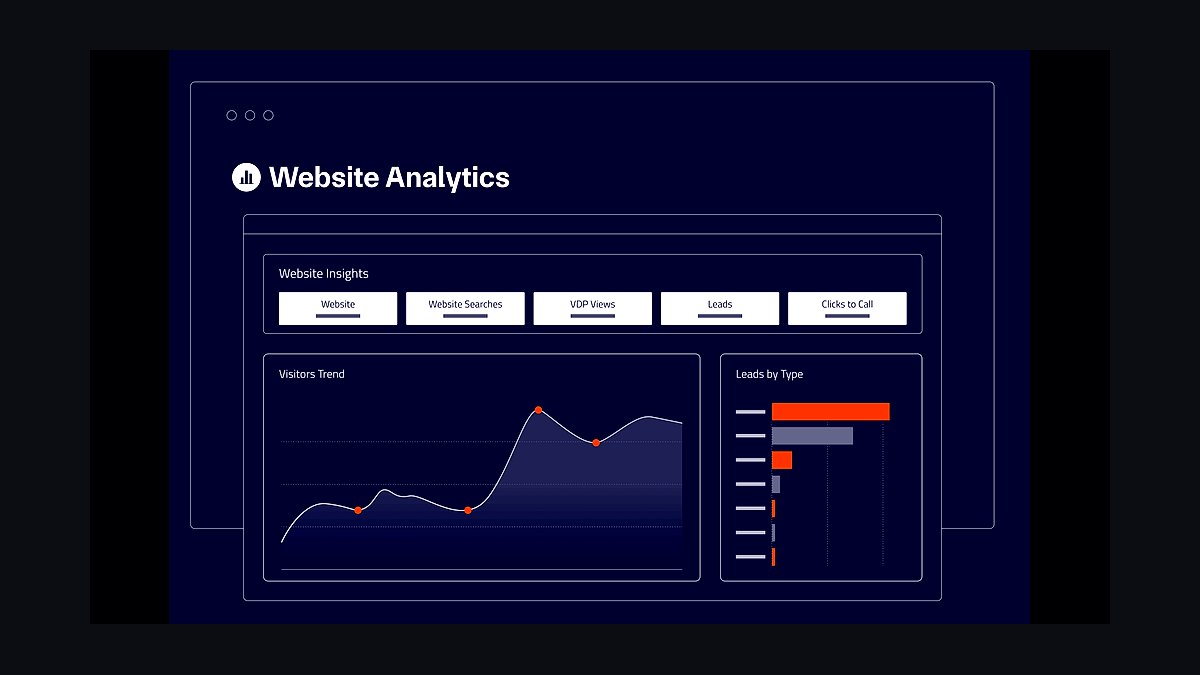
Dealer Spike ranks seventh because it is the dominant RV and powersports website provider with built-in inventory syndication and SEO, running roughly $800–$2,500 per month. The dealer website is the highest-intent lead source and must display live inventory pulled from the DMS. Bundled CRM ties marketplace and website leads into one working queue.
It is for RV dealers who want their website, inventory syndication, and lead management from one vendor rather than stitching three together. It trades away some flexibility compared to a fully custom site plus standalone CRM stack. Compared to Podium below, Dealer Spike owns the lead capture and website layer, while Podium handles the two-way SMS and review generation that happens after the lead arrives.
8RouteOne
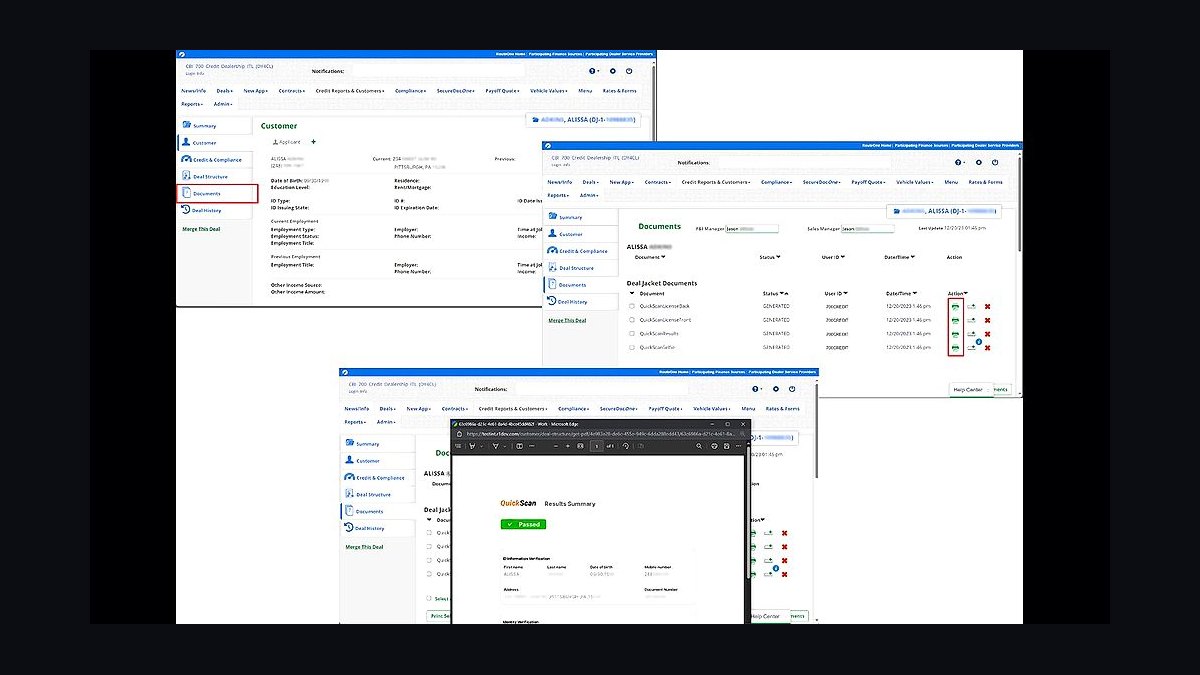
RouteOne ranks eighth because it is the standard lender-connectivity and eContracting platform for submitting RV credit applications and presenting F&I products. It is often bundled into deal fees rather than charged as a flat monthly subscription. The F&I menu covering extended service contracts, GAP, and tire-and-wheel runs through it or a DMS-native menu tool.
It is for RV dealers who need to submit deals to multiple RV lenders from one platform and eContract without paper. It trades away nothing in lender reach but adds per-deal cost that scales with volume. Compared to Dealertrack below, RouteOne and Dealertrack are comparable lender networks, and most dealers pick one rather than running both in parallel.
9Podium

Podium ranks ninth because it handles two-way SMS, review generation, and webchat-to-text for RV dealerships at roughly $400–$700 per month per location. A considered, high-ticket RV buyer wants to text rather than call, and a service customer wants repair-order status updates without phone tag. Review generation feeds the reputation that drives the next lead.
It is for RV dealers with a service drive and a sales floor that both need customer messaging in one inbox. It trades away deep DMS integration compared to a DMS-native messaging module, so some data stays manual. Compared to Birdeye below, Podium is the common single-location choice while Birdeye offers stronger multi-location review aggregation for dealer groups.
10Power BI
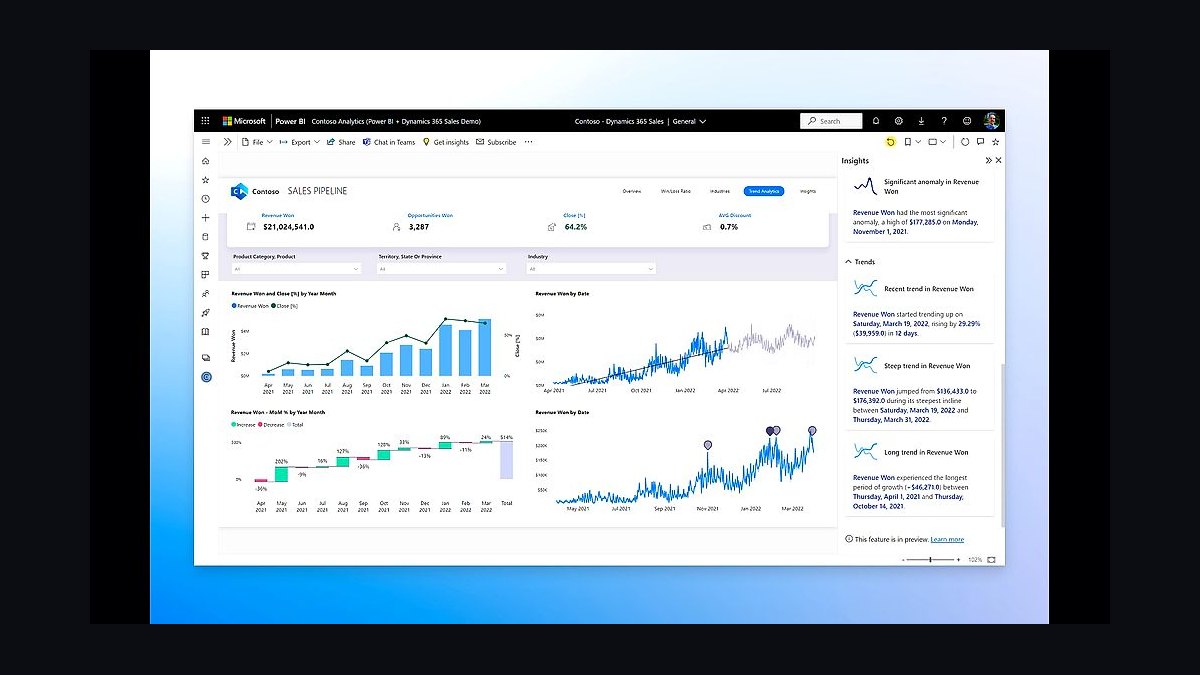
Power BI ranks tenth because it is the pragmatic cross-store reporting layer once an RV dealer runs more than one rooftop, at roughly $10–$20 per user per month. It pulls from the DMS export or a data warehouse to report gross-per-unit, service-drive gross, parts turn, and floorplan aging. Single stores can live on DMS-native dashboards instead.
It is for multi-store RV groups whose DMS dashboards cannot show consolidated performance across rooftops. It trades away turnkey setup, since someone has to build and maintain the data model and reports. Compared to the DMS-native dashboards inside Astra G2 and DX1 above, Power BI adds cross-store visibility but requires data work those built-in dashboards do not.
How we ranked these
We ranked tools by weighting RV-specific fit (30%), DMS integration depth (25%), service-and-warranty capability (20%), total cost of ownership (15%), and marketplace/lead reach (10%). Each vendor was scored against real RV dealership workflows: serialized unit tracking, chassis-plus-coach warranty splits, open repair orders, parts-to-RO allocation, and floorplan aging. Only tools with verifiable pricing, documented integrations, and active RV-dealer deployments made the list.
We deliberately ignored generic auto-dealer platforms, rental-only software, and consumer marketplaces with no dealer back end. We also excluded feature-breadth marketing claims that no RV store could validate, vendor-published ROI figures, and any tool requiring a full rip-and-replace of the DMS. Long-tail niche apps with no integration path were skipped because they create reconciliation work rather than removing it.
Related questions
What is the single most important tool in an RV dealership tech stack?
The RV-specific DMS. It is the system of record for serialized units, F&I, parts, service repair orders, warranty claims, and the general ledger. If the DMS is wrong, every other tool inherits bad data. Pick IDS Astra G2, Dominion DX1, EverLogic, or Blackpurl before shopping for anything else.
Do RV dealerships need a different DMS than auto dealers?
Yes. RV units carry chassis-plus-coach complexity, generators, slide-outs, and appliances that a car DMS does not model. RV OEM warranty claims also run through separate portals at different labor rates. An auto DMS will quietly leak warranty reimbursement and service gross, which usually costs more than the subscription difference.
How much should a single-location RV dealer spend on software?
A lean single-rooftop stack runs roughly $2,500 to $5,000 per month: EverLogic or Blackpurl DMS at $300 to $800, a Dealer Spike site at $800 to $2,500, RV Trader listings at $1,000 to $3,000, and Podium at $400 to $700. Multi-store groups add RouteOne, Birdeye, and Power BI on top.
Is RV Trader still worth the listing spend in 2027?
Yes, for most stores. RV Trader remains the largest RV marketplace and the default channel where considered buyers start research. The spend only stops paying when listings are stale or photos are poor. Syndicate from the DMS so pricing, floorplans, and availability stay accurate across RV Trader, RVT.com, and RVUSA.
Can QuickBooks replace a DMS general ledger?
For a small single-location store, yes. EverLogic integrates directly with QuickBooks, and many independents run that pairing. Once a dealer carries floorplan interest, F&I reserve, and warranty receivables across multiple rooftops, a DMS-native GL wins because reconciliation happens inside the same ledger as the deals and repair orders.
How do RV dealers handle manufacturer warranty claims?
Warranty work is submitted through OEM portals from Forest River, Thor, Winnebago, and Jayco at manufacturer labor rates, then reconciled in the DMS against the original repair order. The DMS must track claim status, parts markup rules, and submission deadlines. Missing that loop is one of the most common sources of lost service gross.
What CRM works best for slow-cooking RV leads?
Dealer Spike CRM is the common pairing because it ties directly to the website and marketplace leads. DX1's built-in CRM is the natural choice if you run that DMS. RV buyers research for weeks or months, so the CRM needs long nurture sequences, not same-day close workflows built for auto sales.
When does a dealer need Power BI instead of DMS dashboards?
Once a group runs more than one rooftop. DMS-native dashboards are fine for a single store, but cross-store reporting on gross-per-unit, service-drive gross, parts turn, and floorplan aging needs a warehouse layer. Power BI at roughly $10 to $20 per user per month is the pragmatic choice for most RV groups.
FAQ
What is the best tech stack for an RV dealership in 2027?
An RV-specific DMS at the core, IDS Astra G2 or Dominion DX1 for mid-size and larger stores, EverLogic or Blackpurl for single locations. Around it: RV Trader and RVT.com listings, a Dealer Spike website and CRM, RouteOne for F&I, Podium for messaging, and Power BI once you run multiple rooftops.
How is an RV dealership stack different from an auto dealership stack?
The service-and-warranty department carries far more weight, and the buyer journey is slower and higher-ticket. RV units have chassis-plus-coach complexity that auto DMS platforms do not model. OEM warranty portals, parts-to-RO allocation, and floorplan aging all demand RV-specific workflows an auto stack will not handle cleanly.
Which DMS is best for a single-location RV dealer?
EverLogic is the most common pick, with QuickBooks integration and pricing around $300 to $800 per month. Blackpurl is a newer cloud-native alternative in the same lane, and PRO RV from Charter Software is a long-standing RV-specific option. All three let an owner run the store without enterprise IT overhead.
Do I need both a website provider and a CRM?
Usually yes, and Dealer Spike bundles both. The website displays live DMS inventory and captures high-intent leads; the CRM works those leads over weeks. DX1 includes a website and CRM if you run that DMS. Splitting them across vendors is possible but adds integration and reconciliation work.
How much does RV Trader cost per month?
Most RV dealers pay roughly $1,000 to $3,000 per month depending on inventory volume and ad tier. RVT.com and RVUSA are secondary channels many stores also syndicate to. Listings should feed from the DMS or website provider so photos, floorplans, and pricing stay synchronized across every marketplace.
What does RouteOne actually do for an RV dealer?
RouteOne is lender connectivity and eContracting. It submits credit applications to RV lenders and supports electronic contracting, and it is often bundled into deal fees rather than a flat monthly subscription. Dealertrack is the comparable network. The F&I menu itself is usually presented through a DMS-native tool.
Is Podium worth it for an RV dealership?
For most stores with a real service drive, yes. Podium handles two-way SMS, review generation, and webchat-to-text at roughly $400 to $700 per month per location. RV buyers want to text, and service customers want status updates. Birdeye is the comparable alternative with stronger multi-location review aggregation.
How should floorplan financing connect to the DMS?
Floorplan is a lending relationship with Wells Fargo Commercial Distribution Finance, Northpoint, or similar, not a software purchase. But curtailment schedules and unit aging must feed the DMS so the owner sees daily exposure. Without that feed, units get discounted too late and interest quietly eats the gross.
What is the biggest mistake RV dealers make when buying software?
Buying the front end first. Listings, websites, and CRMs are visible, but the DMS governs the ledger, service drive, parts, and warranty reimbursement. Dealers who pick a generic or auto DMS to save on subscription usually lose far more in warranty leakage and service gross within the first year.
When should an RV dealer add business intelligence software?
Once the group runs more than one rooftop. DMS-native dashboards cover a single store, but cross-store reporting on gross-per-unit, service-drive gross, parts turn, and floorplan aging needs a warehouse layer. Power BI at roughly $10 to $20 per user per month is the pragmatic choice for most RV groups.
Sources
- https://www.rvtrader.com/
- https://www.rvt.com/
- https://www.rvusa.com/
- https://www.dealerspike.com/
- https://www.ids-astra.com/
- https://www.dominiondx1.com/
- https://www.everlogic.com/
- https://www.blackpurl.com/
- https://www.routeone.com/
- https://www.podium.com/
Related on PULSE
This page will be disappearing soon. Save it to your device for $1 — or read it free while it is here.
@Kory-White- · if Venmo asks, the last 4 of my number are 2012
This page is gone.
This one is off the shelf now. $1 keeps it on your phone for good — the whole page, pictures and diagrams included.
 pulse-tech-stacksTop 10 Best Tech Stack Tools for Independent Food Trucks in 2027
 pulse-tech-stacksTop 10 Best Tech Stack Tools for Data Loss Prevention (DLP) Software Vendors in 2027
 pulse-tech-stacksTop 10 Best Tech Stack Tools for Tire Shops in 2027
 pulse-tech-stacksTop 10 Best Tech Stack Tools for Staffing Agencies in 2027
 pulse-tech-stacksTop 10 Best Tech Stack Tools for Public Relations Agencies in 2027
 pulse-tech-stacksTop 10 Best Tech Stack Tools for AI Music Generation Companies in 2027
 pulse-tech-stacksTop 10 Best Tech Stack Tools for Land Surveying Firms in 2027
 pulse-tech-stacksTop 10 Best Tech Stack Tools for Commercial HVAC Contractors in 2027
 pulse-tech-stacksTop 10 Best Tech Stack Tools for Audiology and Hearing Aid Practices in 2027
 pulse-tech-stacksTop 10 Best Tech Stack Tools for Garden Centers and Nurseries in 2027