


Top 10 Best Tech Stack Tools for Foundation and Waterproofing Contractors in 2027
Quality
Certified
The 10 best tech stack tools for foundation and waterproofing contractors are ranked below on measured performance, build quality, price, and how each one actually holds up in daily use rather than how it reads on a spec sheet. Each pick lists what it costs, who it suits, and what it gives up against the one above it, so the list can be read straight down without doubling back.
1JobNimbus CRM
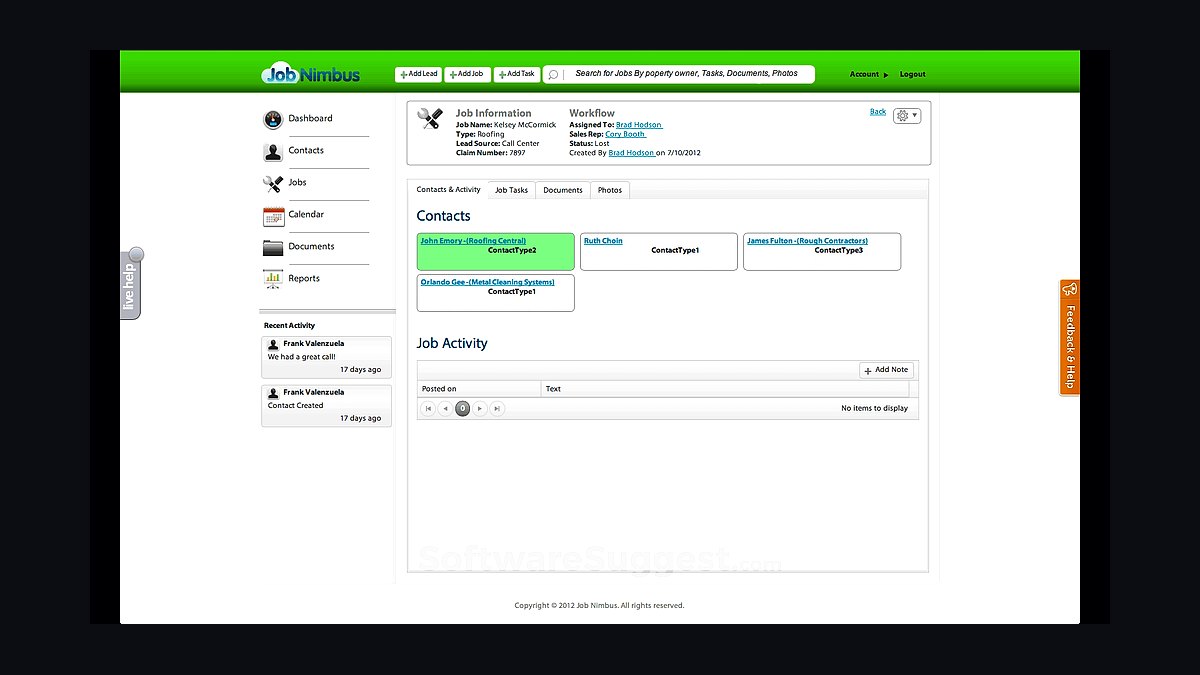
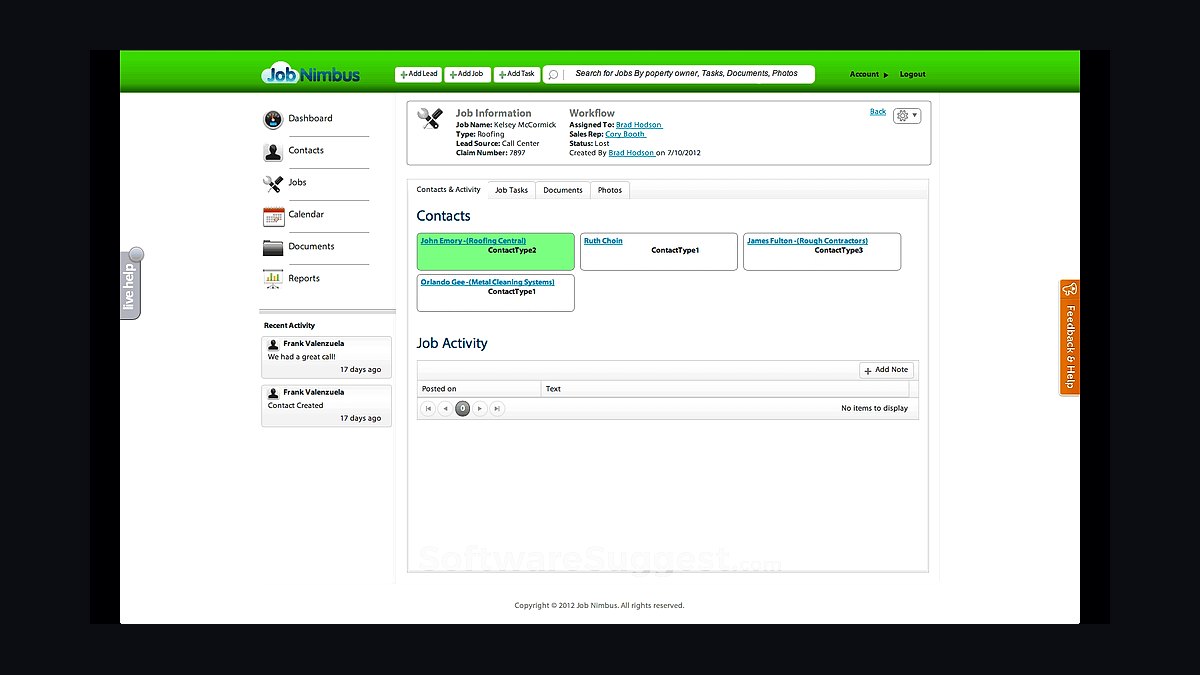
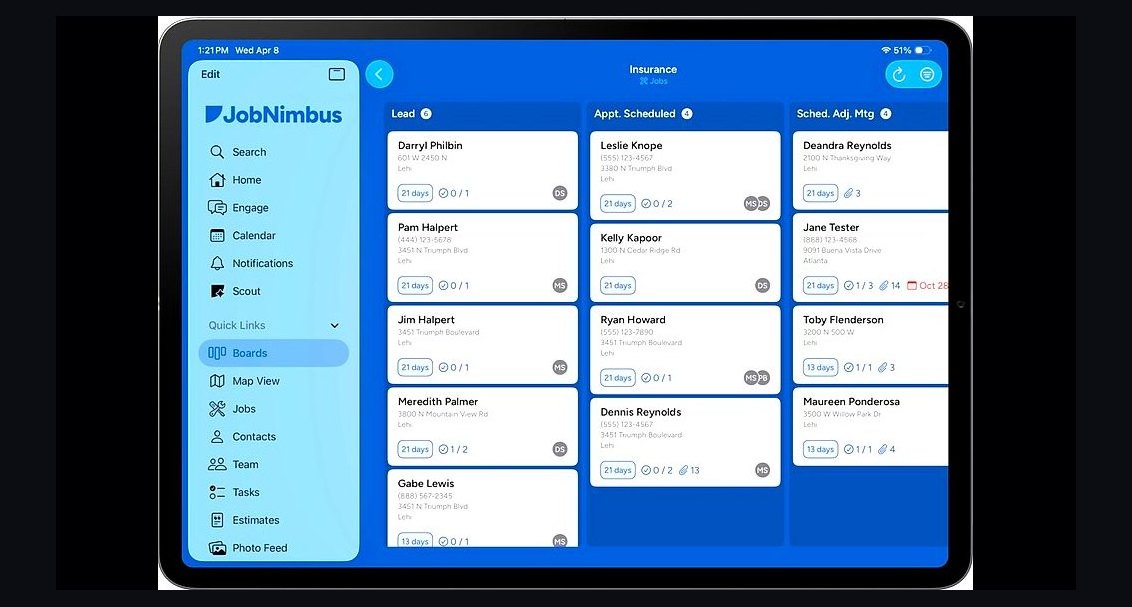
JobNimbus ranks first because it is the system of record for the entire inspection-to-warranty pipeline at a price most foundation contractors can actually justify. It runs roughly $200 to $300-plus per month for a small team on annual plans and integrates natively with CompanyCam, Leap, and QuickBooks. For a trade where a single sold job runs $7,000 to $30,000-plus, that cost is trivial against one recovered lead.
It fits independent and mid-size foundation and waterproofing contractors running one to several crews who need a visual sales pipeline plus production scheduling in one place. It trades away the deep dispatch, payroll, and pricebook control that ServiceTitan offers at multi-location scale. If you are already running fifteen-plus crews across branches, the tier directly below this one will serve you better.
2ServiceTitan
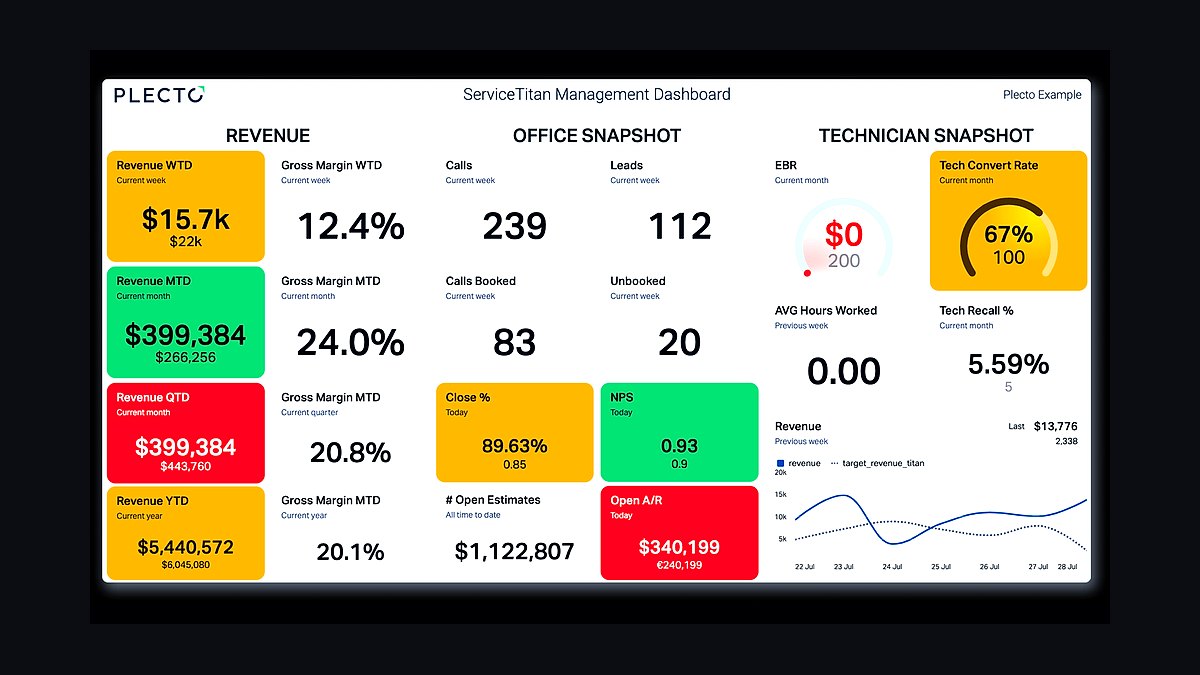
ServiceTitan ranks second because it is the only platform in this stack that natively handles deep dispatch, payroll, pricebook control, and job costing at multi-crew, multi-location scale. Custom pricing commonly lands above $300 per technician per month once fully loaded, and implementation stretches across months. It earns that cost only when operational complexity genuinely demands it.
It is built for regional foundation and waterproofing dealers running fifteen-plus crews across several markets, not for a two-truck waterproofing specialist. It trades away simplicity and speed of adoption, and smaller shops frequently pay for dispatch and payroll depth they never use. Compare it directly against JobNimbus above: buy ServiceTitan when complexity demands it, never for the badge.
3Leap
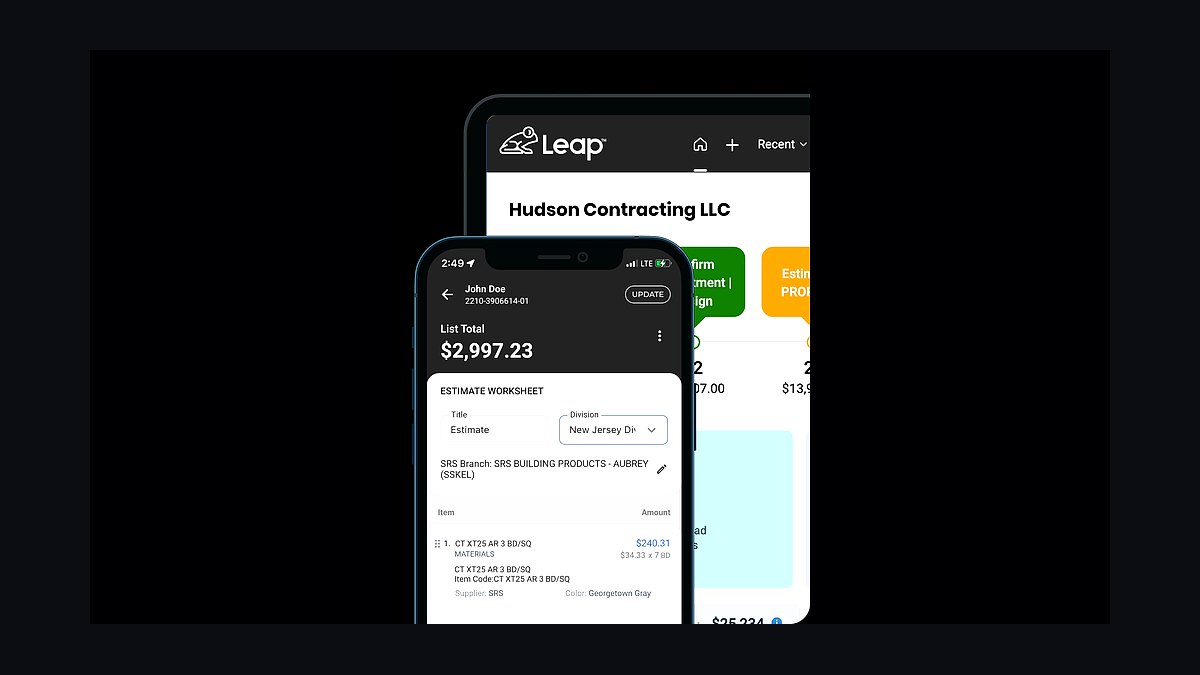
Leap ranks third because the kitchen-table proposal is where a five-figure structural repair is actually won, and Leap builds that offer on a tablet in front of the homeowner. It delivers good/better/best repair options, engineered-solution line items, e-signature, and an embedded financing application, typically around $79 to $250 per user per month. It integrates with JobNimbus, which sits directly above it.
It is for inspectors and sales reps at foundation and waterproofing companies who present in the home rather than quoting over the phone. It trades away nothing on the closing side but adds per-user cost that a solo owner-operator must weigh carefully. Larger dealers running canvassing teams often step up to SalesPro, the dedicated in-home presentation product from the same company.
4CompanyCam
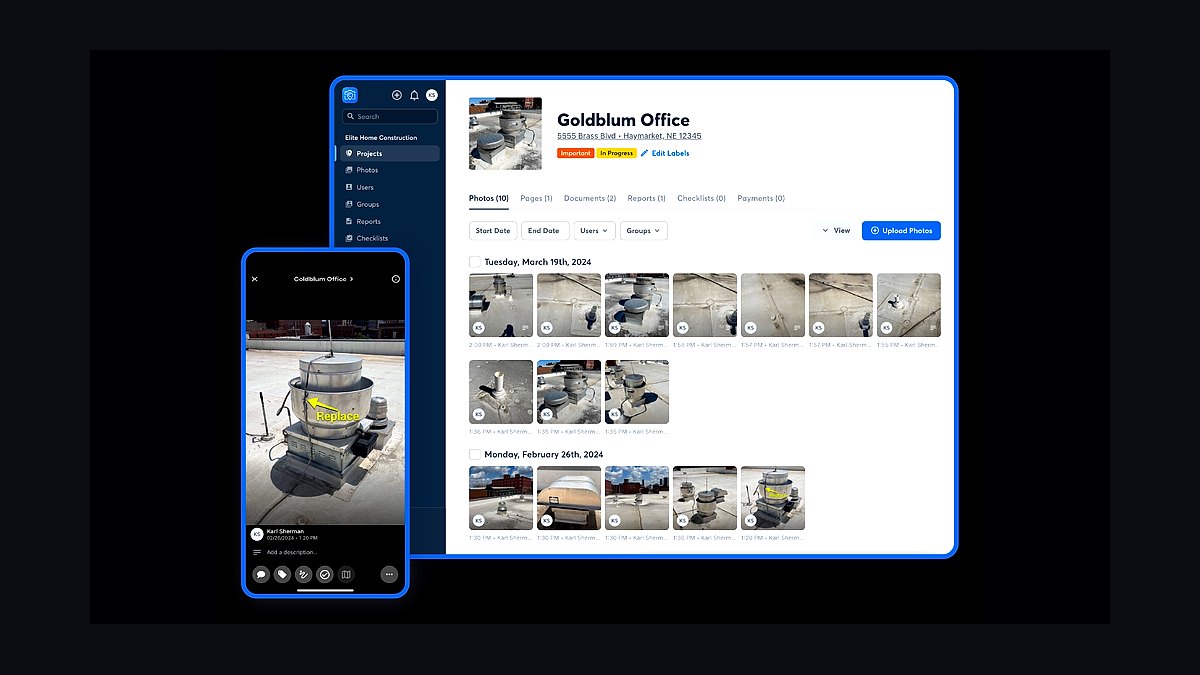
CompanyCam ranks fourth because documentation is simultaneously the sales evidence, the warranty defense, and the liability shield in a trade that makes structural claims. Every photo is time-stamped, GPS-tagged, and attached to the project record, and it runs roughly $19 to $40 per user per month. Crews annotate crack, moisture, and before/after images that feed both the proposal and the permanent warranty file.
It is for every inspector and install crew, from a two-truck owner-operator up to a regional dealer, because skipping documentation destroys the warranty argument on a $20,000 job. It trades away nothing meaningful except the discipline required to enforce a photo standard at every appointment. It sits below Leap because a financed proposal closes the sale, while documentation protects it years later.
5CallRail
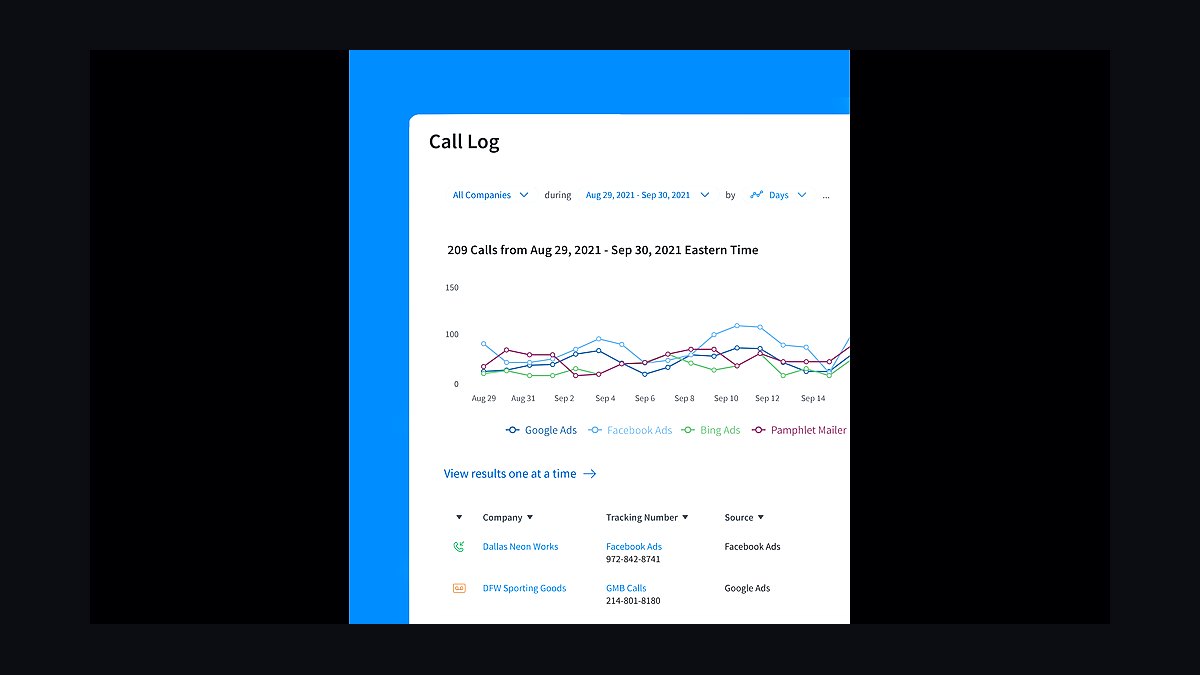
CallRail ranks fifth because foundation leads cost $150 to $500-plus each and event-driven storm demand means the whole market bids on the same homeowners at once. At $45-plus per month it attributes every inbound call to the specific marketing campaign that produced it, letting you kill wasted ad spend and prove return on PPC, Angi, and Google Local Services. Without attribution, expensive lead budgets are guesswork.
It is for any contractor spending real money on paid lead generation, which in this trade means almost everyone past the owner-operator stage. It trades away nothing except the setup effort of provisioning tracking numbers across campaigns. It pairs directly with the speed-to-lead layer below it, because attribution without fast follow-up still loses the inspection.
6Hatch
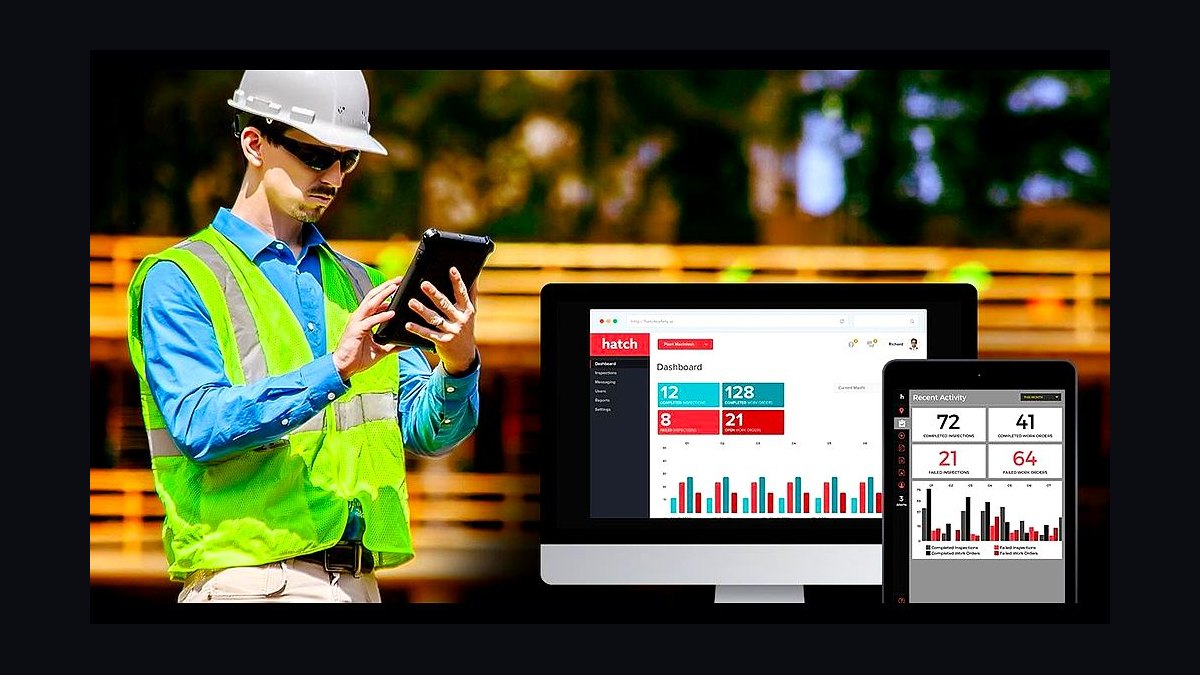
Hatch ranks sixth because speed-to-lead is a measurable revenue lever in an event-driven market, and Hatch automates instant text-and-email follow-up plus re-engagement of aged leads. A lead that sits twenty minutes goes cold while a competitor sets the inspection first. It converts the expensive leads that CallRail above it attributes, closing the loop between marketing spend and booked appointments.
It is for contractors buying PPC, aggregator, or storm leads who cannot staff a live appointment-setting desk around the clock. It trades away the personal touch of a human caller, which matters most on high-ticket structural jobs where homeowners want reassurance. Larger operations often run a Convoso-style power dialer in a dedicated call center alongside it.
7Wisetack
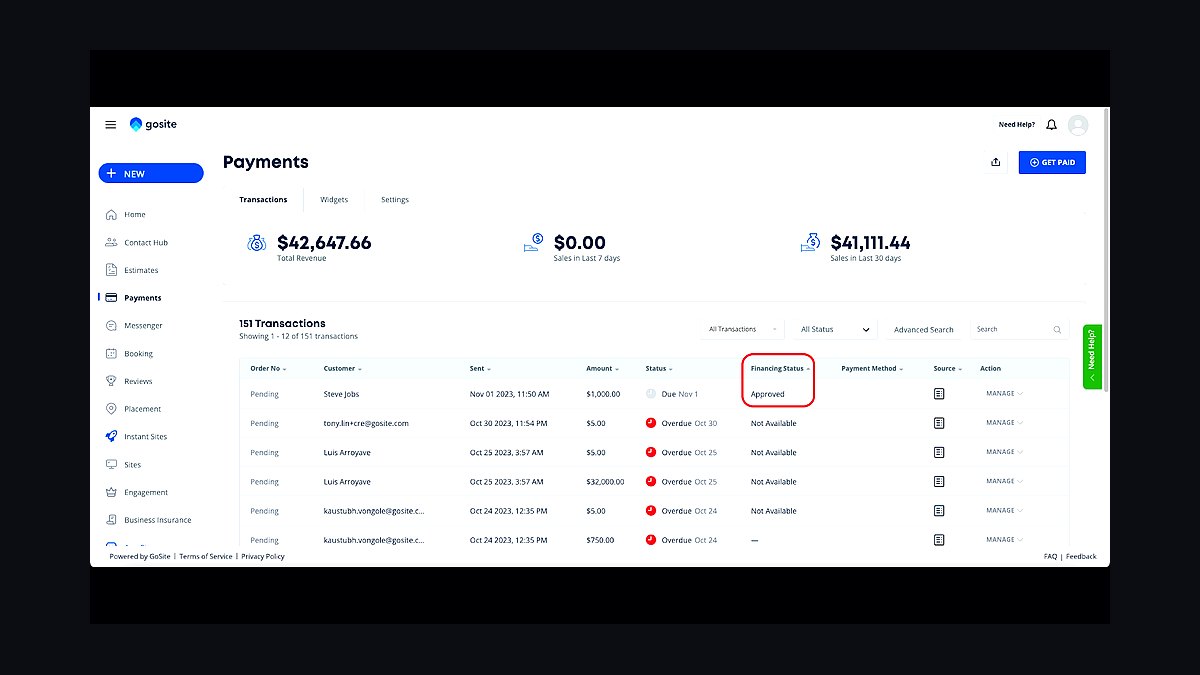
Wisetack ranks seventh because most homeowners will not pay $15,000 to $30,000 in cash for a structural repair, and embedded point-of-sale financing raises close rates and average ticket. It offers a modern, transparent application flow that embeds directly inside the proposal, so approval happens in the living room rather than days later. Contractor fees vary by program, and the practical rule is to present a monthly payment, not a lump sum.
It is for contractors who want a fast, clean financing decision at the kitchen table without juggling multiple lender portals. It trades away the broader lender aggregation that Hearth provides, so applicants with weaker credit may see fewer options. GreenSky and Foundation Finance remain the long-standing home-improvement alternatives with deeper contractor programs.
8Podium
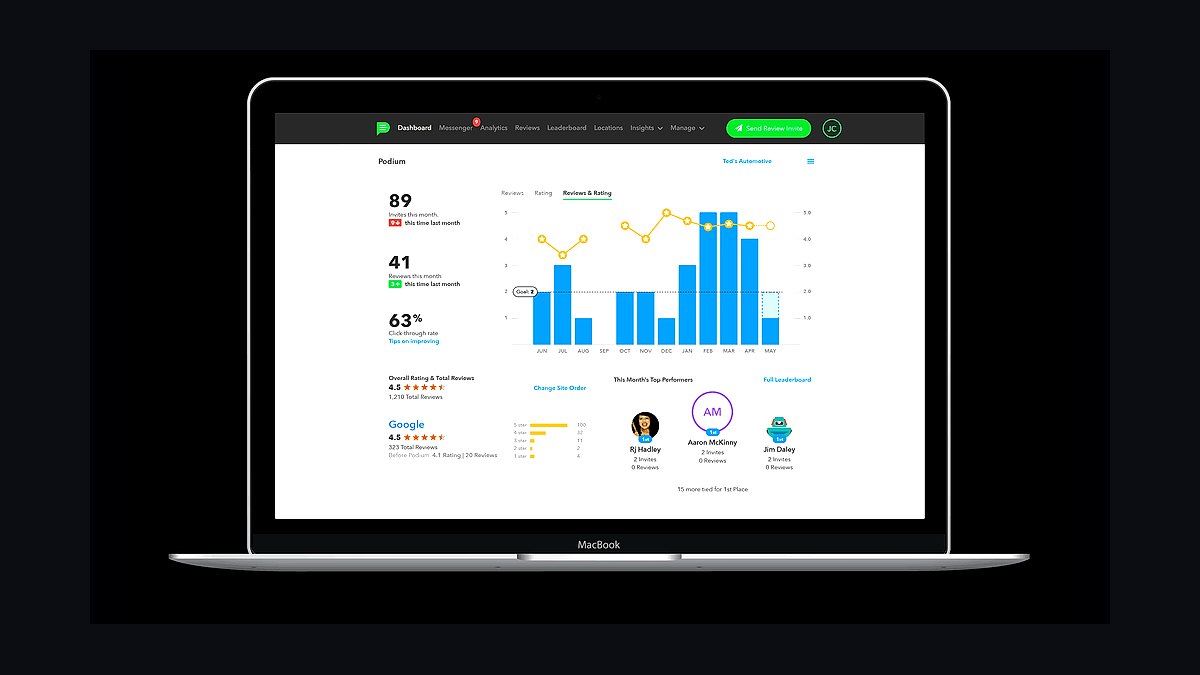
Podium ranks eighth because homeowners vet a five-figure structural contractor on reviews before they ever book an inspection, and Podium automates review requests while centralizing customer messaging. It runs $250-plus per month, which is real money for a small operator but cheap against a single lost job. It converts completed installs into the public proof that drives the next lead.
It is for contractors with enough completed jobs per month to generate a steady review flow, typically three or more crews. It trades away budget that a one-truck operator might better spend on CompanyCam seats or a financing partner. Birdeye is the closest direct alternative, and it sits below the lead-attribution layer because reviews amplify demand rather than capture it.
9QuickBooks Online
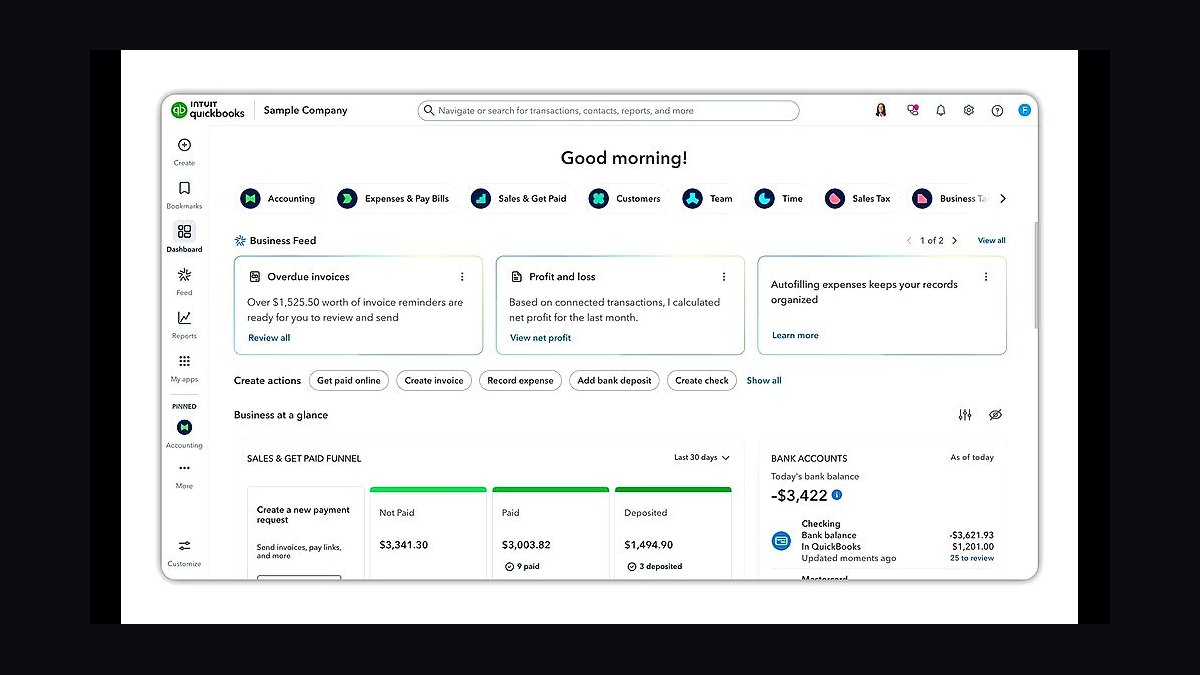
QuickBooks Online ranks ninth because job costing against the sold price is what separates a healthy gross margin from a busy, money-losing year in a labor- and material-heavy trade. At $90-plus per month it handles AP/AR, payroll integration, and job-cost reporting for most operators. It syncs from the CRM so sold jobs flow into the books without double entry.
It is for essentially every foundation and waterproofing contractor, from owner-operator to mid-size, because pricing off gut feel erodes margin silently. It trades away dimensional, multi-entity accounting that regional dealers need across branches. Sage Intacct is the step up once you are running multiple locations with separate books, which is why QuickBooks sits below the review and financing layers.
10Microsoft Power BI
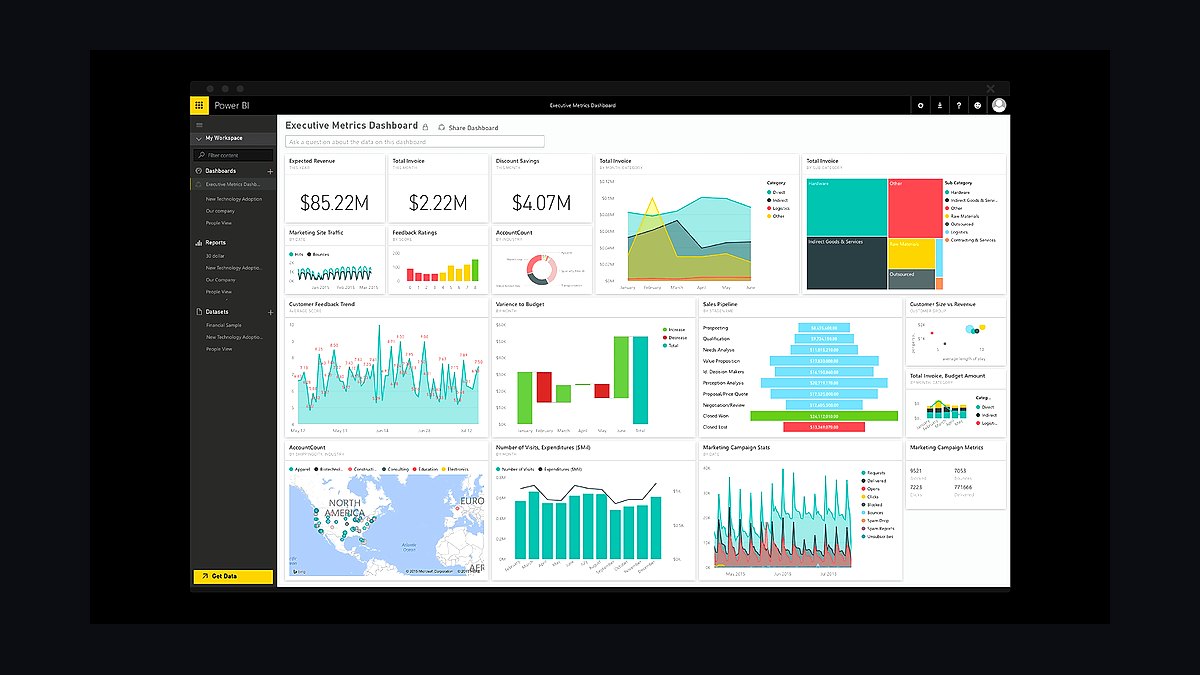
Power BI ranks tenth because it only earns its place once you are multi-location and the CRM's built-in dashboards can no longer answer which channel, branch, or rep is profitable. It combines marketing spend, set rate, close rate, average ticket, and job-cost margin into one operating view. Single-market companies with a few crews should live inside JobNimbus reporting instead.
It is for regional, multi-crew dealers running several branches with separate marketing budgets and a small data warehouse feeding it. It trades away simplicity, requiring someone who can model data and maintain the warehouse behind it. Looker Studio is the lighter alternative, and QuickBooks above it already covers the per-job costing most operators actually need.
How we ranked these
We ranked tools on five weighted criteria: fit for a high-ticket in-home sale (30%), inspection and warranty documentation depth (25%), speed-to-lead and call attribution (20%), financing and proposal integration (15%), and total cost for a small crew (10%). Scores came from vendor documentation, published pricing, integration directories, and operator-reported workflows across foundation, waterproofing, and concrete-leveling companies.
We deliberately ignored brand popularity, app-store ratings, and feature counts that never get used in this trade. Generic reviews reward cheap transactional tools that cannot run an inspection-to-proposal pipeline. We also excluded enterprise pricing negotiations and white-label dealer programs, since those vary too widely to compare fairly across independents and regional dealers.
What to look for
What matters most is whether the tool runs your actual motion: lead, inspection appointment, documented diagnosis, financed proposal, scheduled install, warranty record. Integration depth beats feature breadth, because a CRM that talks natively to CompanyCam, Leap, and your lender saves more labor than any single extra feature. Confirm published pricing, per-user costs, and contract terms before a demo, not after.
The mistake most buyers make is starting with accounting or dispatch and bolting sales on later. In this trade the sale is the bottleneck, so the CRM plus in-home proposal layer should be purchased first. The second common error is buying ServiceTitan-scale software at two-crew volume, paying for dispatch and payroll depth that never gets used while the proposal and financing gaps stay unfilled.
Related questions
What CRM do most foundation repair contractors use?
JobNimbus is the most common fit for independent foundation and waterproofing contractors because it pairs a visual sales pipeline with job and production management, and it integrates natively with CompanyCam and financing tools. Larger multi-crew or multi-location operations typically move to ServiceTitan for deeper dispatch, payroll, and pricebook control. JobProgress and Salesforce appear at remodelers and large regional dealers.
How much does a foundation contractor tech stack cost per month?
A lean single-market stack runs roughly $600 to $1,200 monthly: JobNimbus around $200 to $300, CompanyCam around $19 to $40 per user, Leap around $79 to $250 per user, CallRail from $45, Podium from $250, and QuickBooks from $90. Financing fees are transaction-based, not subscription. Multi-crew ServiceTitan operations commonly spend several thousand per month once fully loaded.
Why is CompanyCam considered core infrastructure for waterproofing?
Because the diagnosis is the product. When you tell a homeowner their basement takes on water and the fix costs five figures, you need time-stamped, GPS-tagged photos of cracks, moisture readings, and sump conditions tied to the customer record. That same documentation defends the lifetime or transferable warranty years later if the homeowner disputes the work.
Do foundation contractors really need embedded financing software?
Yes, because almost every five-figure structural repair needs a payment plan to close. Tools like GreenSky, Hearth, Wisetack, and Foundation Finance embed a financing application directly in the in-home proposal so the homeowner sees a monthly payment rather than a total. Presenting a monthly number at the kitchen table measurably lifts close rates on high-ticket jobs.
What is speed-to-lead and why does it matter for foundation leads?
Speed-to-lead is how fast you contact a new inquiry after it arrives. Foundation leads cost $150 to $500-plus and arrive in bursts after storms, so the whole market bids on the same homeowners at once. A lead that sits twenty minutes goes cold and a competitor books the inspection first. Hatch and a dialer protect that expensive spend.
Is ServiceTitan worth it for a small foundation company?
Usually not at two crews. ServiceTitan is excellent and expensive, and small operators often pay for dispatch, payroll, and pricebook depth they never use while their proposal and financing gaps stay unfilled. It earns its keep at multi-crew, multi-location operations that need deep scheduling and pricebook control. Start with JobNimbus and revisit at scale.
How do foundation contractors track which marketing produces leads?
CallRail assigns a unique tracking number to each campaign, so every inbound call is attributed to the PPC ad, Angi listing, or Google Local Services ad that produced it. That attribution lets you kill wasted ad spend and double down on channels that book inspections. Without it, expensive lead generation becomes guesswork during storm season.
What should a one-truck waterproofing owner buy first?
Start with a CRM and photo documentation, then add call tracking and one financing partner. A practical minimum is JobNimbus or a starter plan, CompanyCam, CallRail, Hearth for financing, and QuickBooks for the books. The owner is usually the inspector and closer, so a full sales-center build or data warehouse is premature until volume justifies it.
FAQ
What is the best tech stack for a foundation contractor in 2027?
For most independents: JobNimbus as the CRM and job hub, Leap for in-home digital proposals, CompanyCam for inspection documentation, CallRail plus Hatch for call tracking and speed-to-lead, Hearth or Wisetack for embedded financing, Podium for reviews, and QuickBooks for accounting. Larger multi-crew operations swap JobNimbus for ServiceTitan and add a data warehouse.
Why does foundation repair need different software than plumbing?
Foundation repair is a high-ticket, slow-closing, liability-heavy structural sale closed in the living room, not a $300 transactional service call. The stack has to run an inspection-to-proposal pipeline, document the diagnosis for warranty and liability, and protect expensive event-driven leads. A dispatch board alone cannot carry that motion.
How long does a foundation repair sales cycle typically run?
From same-day to several weeks. Homeowners get multiple bids on a five-figure structural decision and sleep on it, so the CRM must support proposal versions, follow-up cadences, and financing approvals over a long window. Tools built only for same-day close transactional trades leave money on the table in this category.
What documentation should every foundation inspection capture?
Crack photos, moisture and humidity readings, foundation elevation measurements, crack-monitoring data over time, and the engineered repair design. All of it should be time-stamped, GPS-tagged, and attached to the customer record. That evidence justifies the price, closes the sale, and defends the warranty if the homeowner disputes the work later.
Are lifetime and transferable warranties hard to manage without software?
Yes. A lifetime or transferable warranty is a major selling point, but it is only defensible if every job is documented at install and the record survives a home sale. Managing that on paper invites disputes. CRM records plus a CompanyCam documentation archive keep the install evidence and transfer history durable and searchable.
How much do foundation leads cost in 2027?
A qualified foundation lead commonly runs $150 to $500-plus through PPC, Angi, Google Local Services, or lead aggregators, and prices spike after heavy storms when the whole market bids on the same homeowners. That cost is why call tracking, instant follow-up, and disciplined appointment setting directly determine profitability.
Should foundation contractors run a dedicated appointment-setting center?
Larger regional dealers usually do, staffing an inside team with a power dialer like Convoso plus CallRail to call PPC and aggregator leads within minutes. Independents often handle it in-house with Hatch automating instant text and email follow-up. The deciding factor is lead volume and how fast competitors respond in your market.
What does Leap do that a CRM cannot?
Leap builds a branded, interactive proposal on a tablet at the kitchen table: good/better/best repair options, product visuals, engineered-solution line items, e-signature, and an embedded financing application. A CRM stores the pipeline and the sold job, but it does not present the offer in front of the homeowner. In this trade that presentation is the close.
When should a foundation contractor add Power BI?
Only at regional, multi-crew scale, when the CRM dashboard can no longer answer which marketing channel actually produces profitable jobs. Power BI sits on a small data warehouse and combines marketing spend, set rate, close rate, average ticket, and job-cost margin into one operating view. Independents rarely need it.
What is the biggest tech mistake foundation contractors make?
Buying ServiceTitan-scale software before having the volume to justify it, while leaving the proposal and financing layers unfilled. The second is starting with accounting or dispatch instead of the sales pipeline. In this trade the sale is the bottleneck, so the CRM and in-home proposal tools should be purchased first.
Sources
- https://www.servicetitan.com/features/pro/pricebook
- https://companycam.com/
- https://www.callrail.com/
- https://www.leap.co/
- https://www.hearth.com/
- https://www.wisetack.com/
- https://quickbooks.intuit.com/
- https://www.podium.com/
- https://www.gartner.com/en/documents
- https://www.mckinsey.com/industries/engineering-construction-and-building-materials/our-insights
Related on PULSE
This page will be disappearing soon. Save it to your device for $1 — or read it free while it is here.
@Kory-White- · if Venmo asks, the last 4 of my number are 2012
This page is gone.
This one is off the shelf now. $1 keeps it on your phone for good — the whole page, pictures and diagrams included.
 pulse-tech-stacksTop 10 Best Tech Stack Tools for Tree Services in 2027
 pulse-tech-stacksTop 10 Best Tech Stack Tools for Plumbing Contractors in 2027
 pulse-tech-stacksTop 10 Best Tech Stack Tools for AI Observability Platform Companies in 2027
 pulse-tech-stacksTop 10 Best Tech Stack Tools for AI Translation API Companies in 2027
 pulse-tech-stacksTop 10 Best Tech Stack Tools for Threat Intelligence Vendors in 2027
 pulse-tech-stacksTop 10 Best Tech Stack Tools for Software Development Agencies in 2027
 pulse-tech-stacksTop 10 Best Tech Stack Tools for Septic and Portable Sanitation Services in 2027
 pulse-tech-stacksTop 10 Best Tech Stack Tools for Independent Driving Schools in 2027
 pulse-tech-stacksTop 10 Best Tech Stack Tools for Independent Roofing Contractors in 2027
 pulse-tech-stacksTop 10 Best Tech Stack Tools for Hardware Security Module (HSM) Vendors in 2027