


Top 10 Best Tech Stack Tools for AI Translation API Companies in 2027
Quality
Certified
The 10 best tech stack tools for ai translation api companies are ranked below on measured performance, build quality, price, and how each one actually holds up in daily use rather than how it reads on a spec sheet. Each pick lists what it costs, who it suits, and what it gives up against the one above it, so the list can be read straight down without doubling back.
1NVIDIA Triton Inference Server
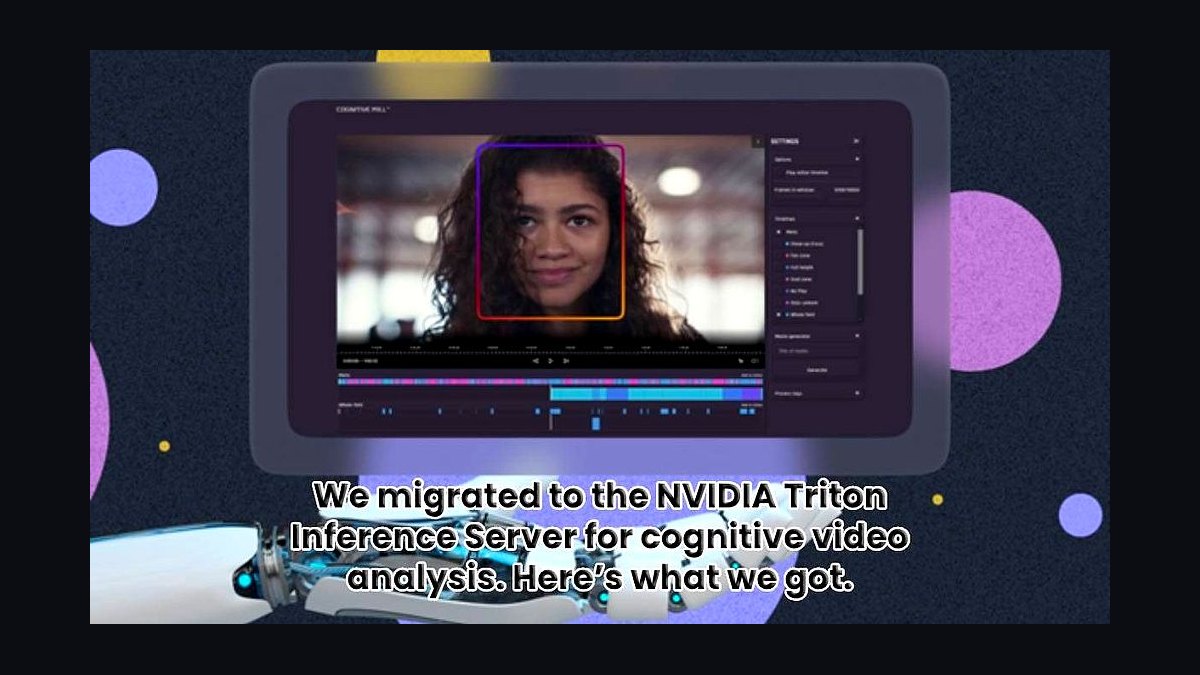
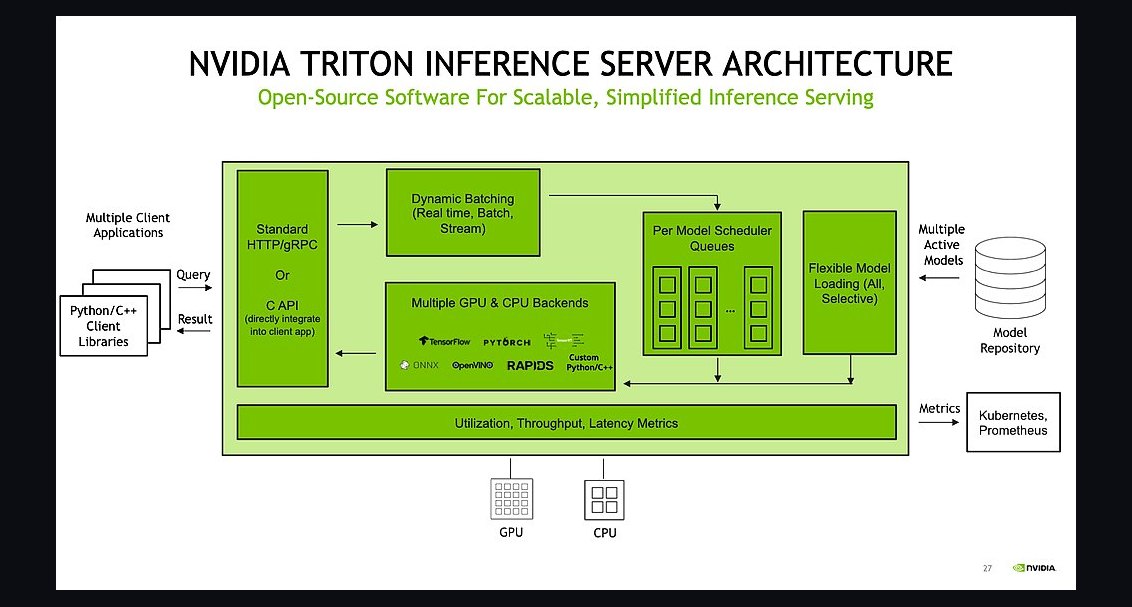
NVIDIA Triton ranks first because sub-second streaming translation is the hardest technical constraint an AI translation API vendor faces, and Triton is the production default for it. It serves NLLB-200, Madlad-400, SeamlessM4T and custom fine-tunes behind one HTTP/gRPC endpoint with dynamic batching and concurrent model execution on the same GPU pool.
It is for vendors already running NVIDIA GPUs who need real-time and subtitle translation latency guarantees. It trades away simplicity: you must own model repositories, versioning and CUDA tuning yourself, unlike a managed endpoint. Compare it to vLLM directly below, which wins on raw LLM decode throughput but lacks Triton's multi-framework ensemble and document pipeline integration.
2vLLM
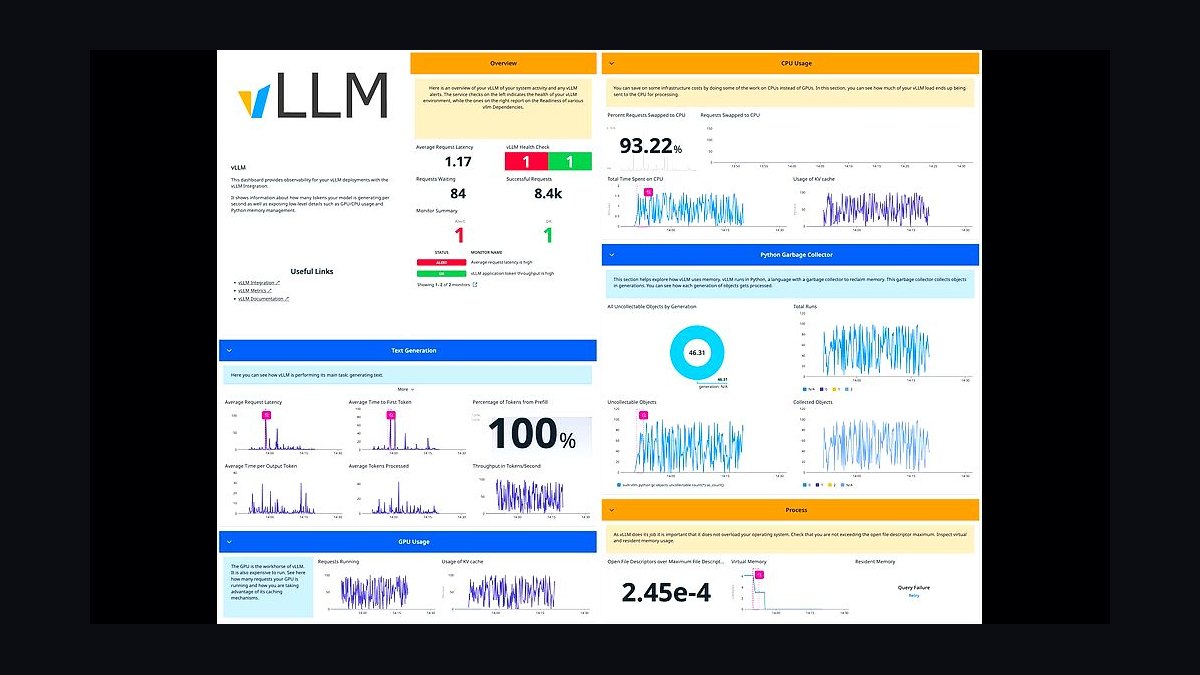
vLLM ranks second because PagedAttention and continuous batching deliver the highest token throughput per GPU dollar for decoder-only translation models, which is where most 2027 translation traffic lands. It serves GPT-5-class, Claude-class and Mistral Large weights with OpenAI-compatible endpoints, so swapping a frontier API for self-hosted inference requires minimal client changes.
It suits vendors whose volume is dominated by streaming text and chat-style translation rather than document parsing. It trades away Triton's multi-model ensemble and non-LLM framework support, so NLLB or Madlad CNN/encoder-decoder models need separate serving. Pair it with Triton above rather than replacing it.
3Hugging Face Transformers
Hugging Face Transformers ranks third because it is the practical distribution channel for every open translation base a vendor fine-tunes: NLLB-200, Madlad-400, SeamlessM4T and Aya Expanse all ship first-class checkpoints there. Fine-tuning scripts, tokenizers and evaluation harnesses arrive together, cutting weeks off a new language-pair launch.
It is for ML engineers building proprietary translation models rather than calling frontier APIs. It trades away serving efficiency — Transformers is a training and prototyping library, not a high-throughput inference server, so production traffic belongs on vLLM or Triton. Compared to PyTorch FSDP below, it is the model layer, not the distributed training layer.
4PyTorch FSDP
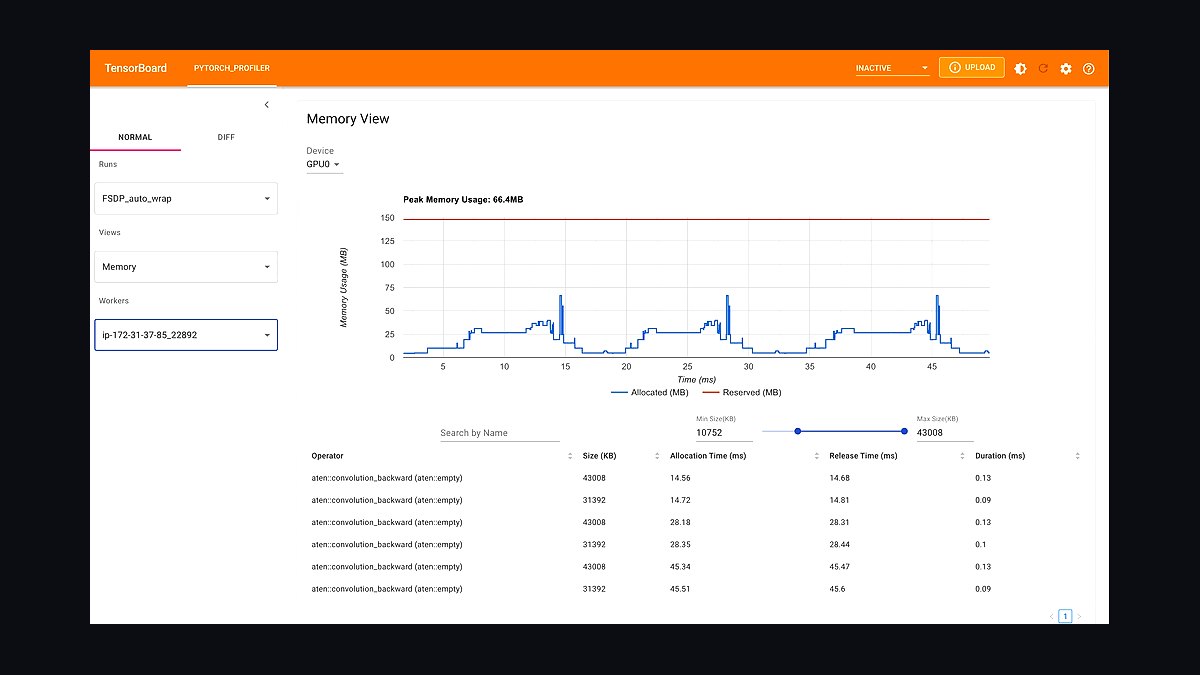
PyTorch FSDP ranks fourth because training a competitive multilingual model requires sharding parameters, gradients and optimizer states across many GPUs, and FSDP does this natively without a separate framework. Meta used this class of sharded training to produce NLLB-200's 200-language coverage, the benchmark most translation buyers still cite.
It is for vendors with real GPU clusters and a language-pair roadmap, not teams renting a single node. It trades away ergonomics: checkpointing, mixed precision and restart logic are yours to manage, unlike a managed training service. It sits below Hugging Face Transformers because most vendors fine-tune existing checkpoints before they pretrain from scratch.
5DeepL Document Translation
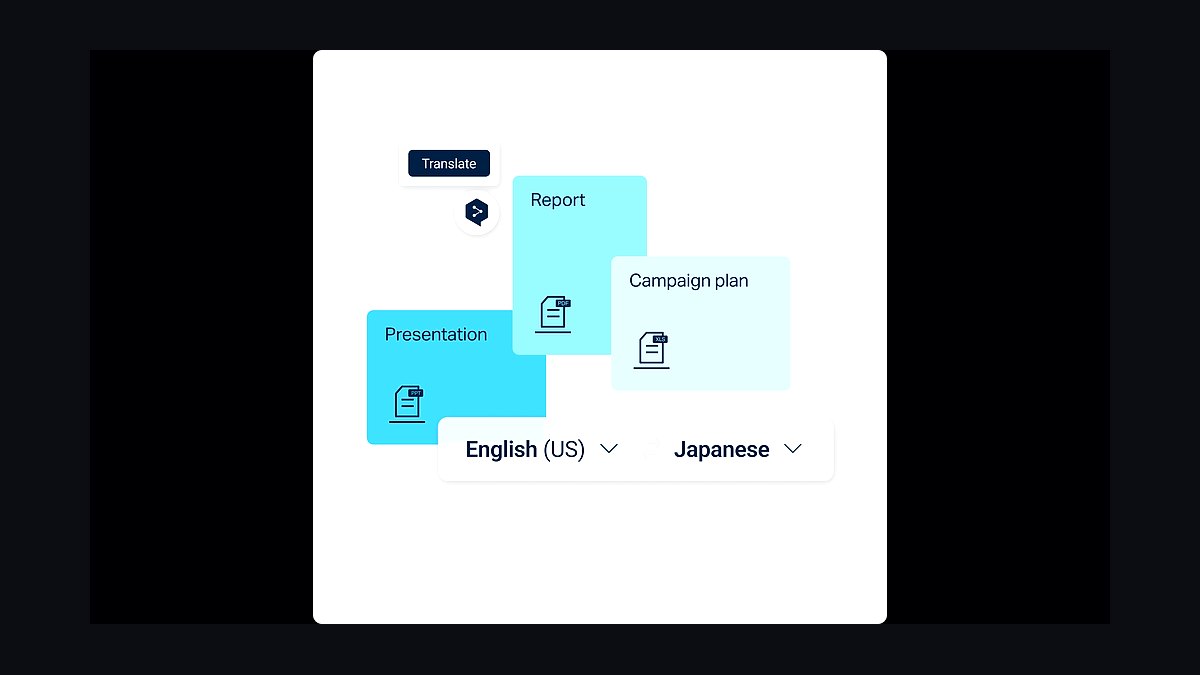
DeepL Document Translation ranks fifth because format-preserving DOCX, PPTX, PDF and XLSX translation is the enterprise gate that pure-text APIs fail, and DeepL's pipeline is the reference implementation. Its European-language quality built the company to a reported $2B-plus valuation, and document workflows are why enterprise localization teams pay above commodity per-word rates.
It is for vendors selling into legal, life-sciences and marketing localization where layout fidelity matters more than price per character. It trades away customization: you inherit DeepL's model, glossary limits and language coverage rather than your own fine-tunes. It ranks below PyTorch FSDP because licensing it makes you a reseller, not a differentiated translation vendor.
6Salesforce Sales Cloud
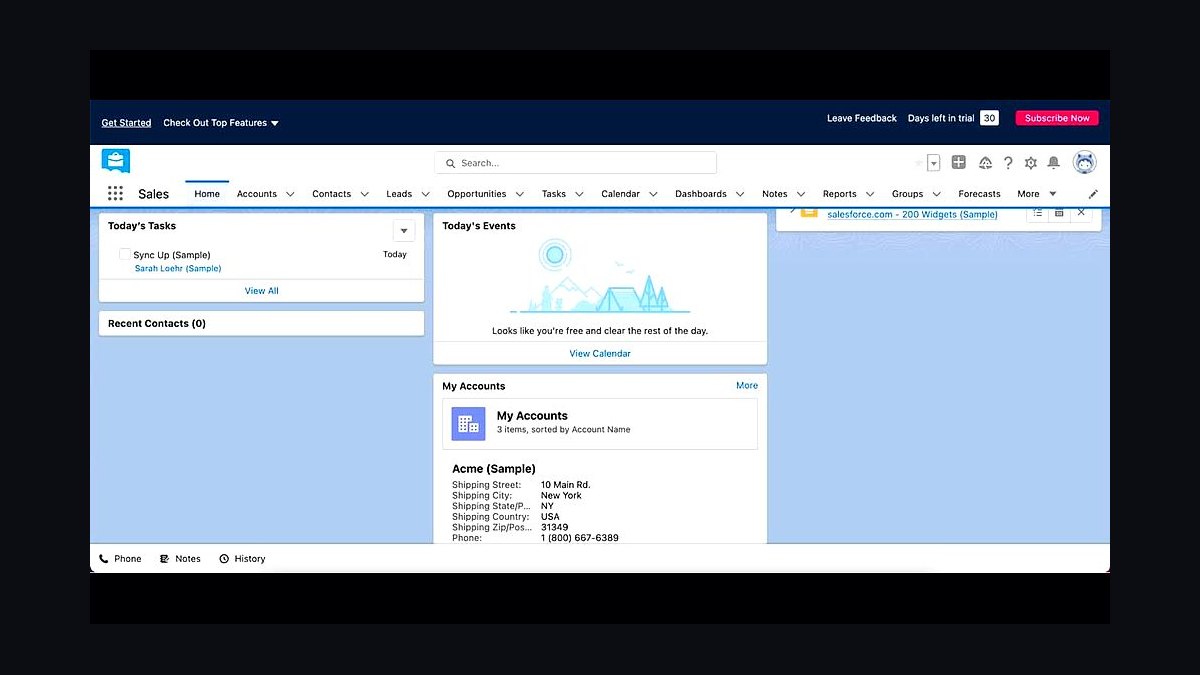
Salesforce Sales Cloud ranks sixth because translation API deals close through long enterprise localization and LSP procurement cycles, and Salesforce is where that pipeline, CPQ and renewal data live. Gartner's 2026 B2B SaaS operations research found 74% of high-growth software companies consolidate revenue tooling onto Salesforce or HubSpot within 24 months of crossing $10M ARR.
It is for vendors past developer self-serve who now sell six-figure enterprise contracts with security review and custom terms. It trades away speed and cost: implementation and admin headcount are real, and HubSpot Enterprise closes smaller deals faster. It outranks Metronome below because CRM owns the customer record that billing attaches to.
7Metronome
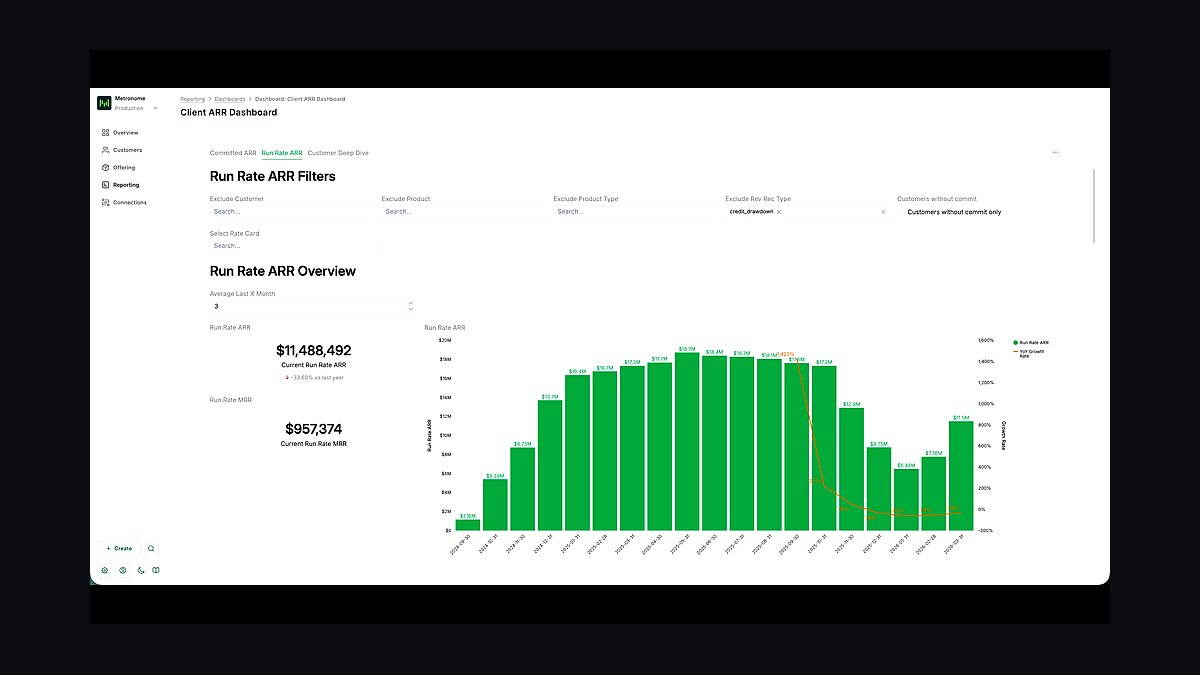
Metronome ranks seventh because translation is inherently usage-priced — per character, per document page, per streaming minute — and Metronome meters those events into invoices without custom billing engineering. It handles real-time usage ingestion, credit drawdown, overage and contract amendments that Stripe Billing alone models awkwardly for hybrid committed-plus-overage translation contracts.
It is for vendors whose pricing mixes committed annual minimums with per-character overage across dozens of language pairs. It trades away simplicity: Stripe Billing is faster to launch for flat seats and simple tiers. It ranks below Salesforce Sales Cloud because metering without a CRM pipeline produces invoices nobody forecast.
8Vanta
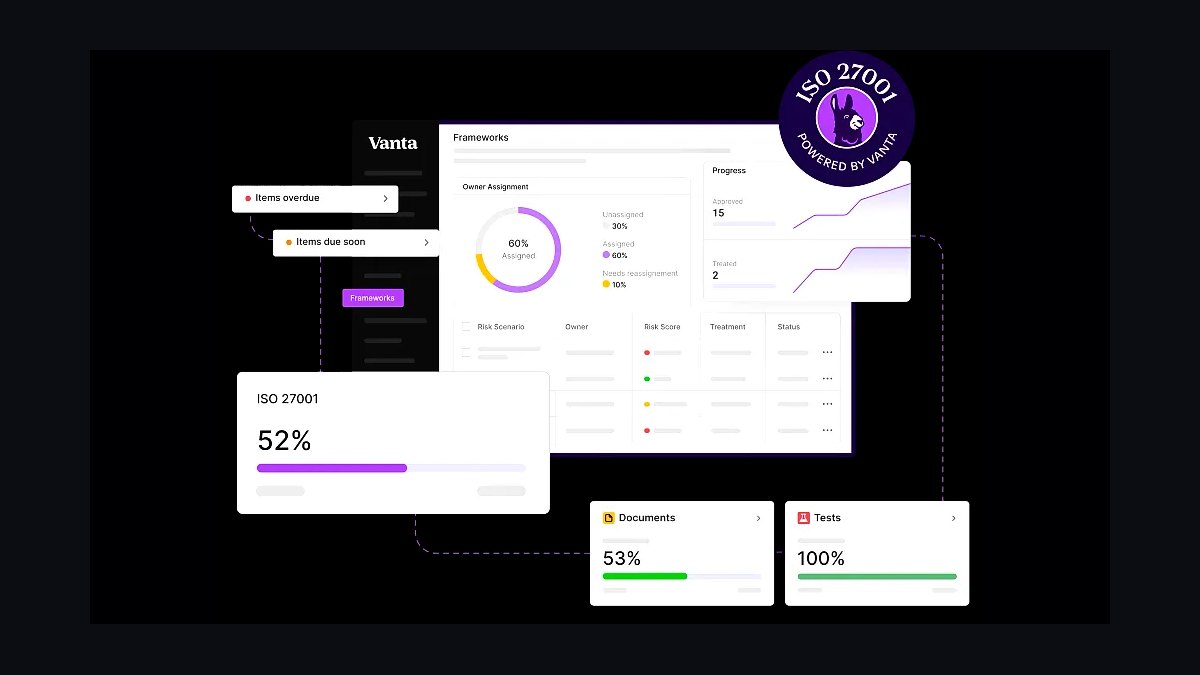
Vanta ranks eighth because enterprise translation buyers and government accounts require SOC 2 plus ISO 17100 and ISO 18587 evidence before a security questionnaire clears. Vanta automates control monitoring and evidence collection across cloud infrastructure, cutting the manual audit-prep workload that otherwise consumes engineering weeks each cycle.
It is for vendors entering enterprise and public-sector procurement where compliance is a blocking gate, not a nice-to-have. It trades away depth: complex FedRAMP or HIPAA scoping still needs auditors and internal owners. It outranks Gainsight below because a failed security review kills the deal before adoption ever becomes measurable.
9Gainsight
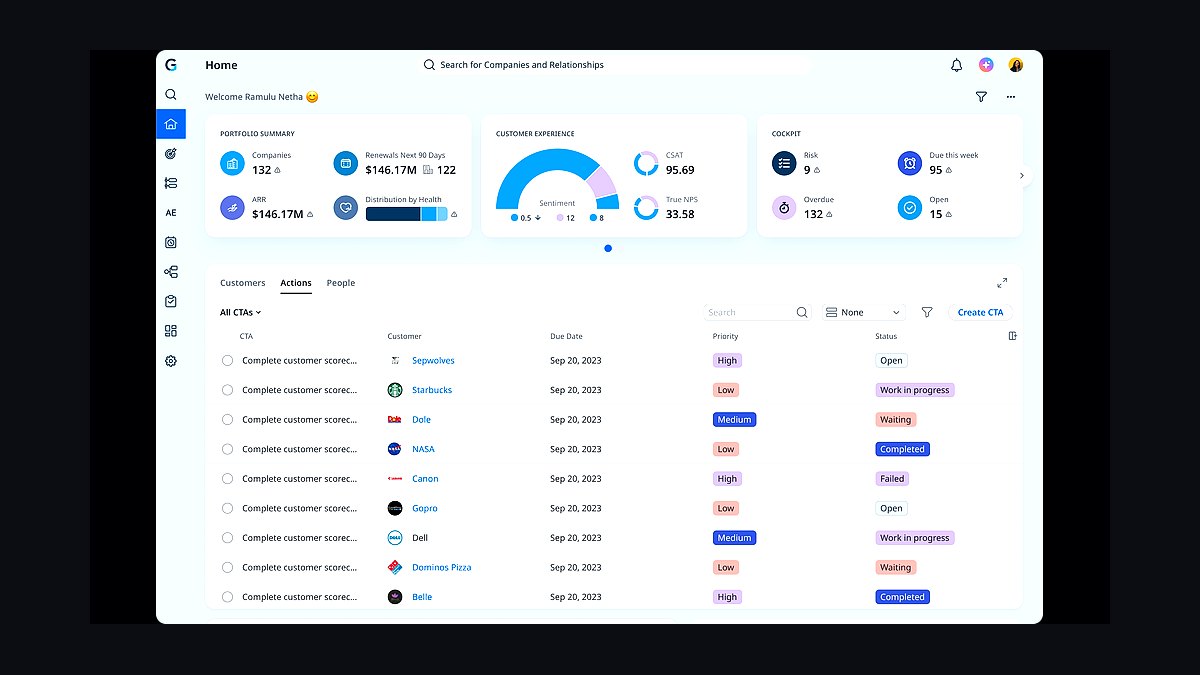
Gainsight ranks ninth because translation API revenue is consumption-based, and declining word volume is the earliest churn signal a vendor gets. Gainsight tracks usage health, renewal risk and expansion plays across language pairs and document versus text mix, turning product telemetry into a customer-success queue rather than a quarterly surprise.
It is for vendors with enough accounts that CSMs cannot manually watch every dashboard. It trades away lightness: Pendo covers in-product analytics and onboarding guidance with less CS workflow overhead. It ranks below Vanta because compliance gates deals earlier than adoption tooling, and above Pendo because retention economics dominate at scale.
10Pendo
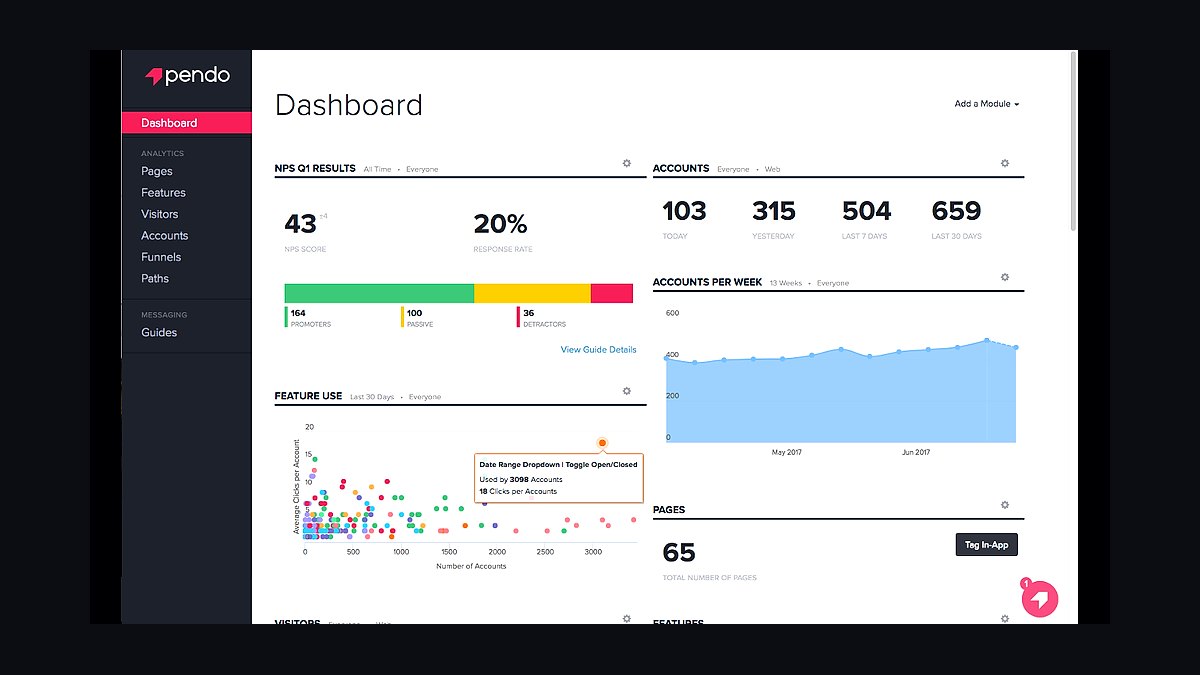
Pendo ranks tenth because developer and localization-manager self-serve funnels decide whether a translation API vendor ever reaches an enterprise sales conversation. Pendo instruments SDK and dashboard usage, in-app guides and feature adoption, showing which language pairs and document formats actually drive activation versus signup-and-abandon.
It is for product-led vendors optimizing free-tier-to-paid conversion before hiring a large sales team. It trades away customer-success depth: renewal forecasting and health scoring are thinner than Gainsight's. It sits below Gainsight because it improves acquisition and activation, while Gainsight protects the recurring revenue those activations eventually produce.
How we ranked these
We ranked tools by four weighted criteria: translation quality per language pair (30%), using COMET, BLEU, chrF, and FLORES-200/WMT benchmark evidence; document and format-preservation coverage (25%) across DOCX, PDF, PPTX, HTML, and SRT; enterprise workflow depth (25%), meaning translation memory, glossary, domain customization, and post-editing; and inference latency plus API reliability (20%). Pricing, vendor lock-in, and compliance certifications were scored as secondary modifiers rather than primary drivers.
We deliberately ignored marketing language, analyst quadrant placement, and total funding raised, because none predict per-language-pair output quality. We excluded generic LLM wrappers that lack translation memory or document reassembly, since they cannot serve localization teams. We also ignored raw model parameter counts and GPU cluster sizes; serving efficiency, not training scale, determines customer-visible latency and cost per million characters.
What to look for
What matters most is your actual language-pair mix and document corpus, not the vendor's headline language count. Test 200 real sentences and five real DOCX/PPTX files per target language before signing. Check whether translation memory matches are billed, how glossary conflicts resolve, and whether quality estimation scores are exposed per segment. Latency under streaming load matters more than batch throughput for real-time subtitle and chat use cases.
The mistake most buyers make is choosing on price per million characters and then discovering document parsing breaks on complex layouts, or that translation memory is shared across tenants. A second common error is assuming frontier LLM APIs replace dedicated translation vendors; they handle major languages well but often lack glossary enforcement, format preservation, and ISO 17100-aligned post-editing workflows that enterprise localization teams require.
Related questions
What is the best tech stack for a translation or localization agency in 2027?
A localization agency stack centers on translation management systems like Phrase, Smartling, or Crowdin, plus translation memory, glossary management, and translator workflow tools. Add machine translation via DeepL, Google, or custom NLLB fine-tunes for first-pass drafts, then human post-editing. Billing runs on Stripe or NetSuite, CRM on HubSpot or Salesforce, and compliance on Vanta for ISO 17100 and ISO 18587 evidence.
What is the recommended Computer Vision API sales and operations tech stack in 2027?
Computer vision API vendors run training on PyTorch with GPU clusters, serve inference through Triton or TensorRT, and sell via Salesforce or HubSpot with usage-based billing on Metronome or Stripe. Compliance spans SOC 2, GDPR, and sometimes FedRAMP. The pattern mirrors translation APIs: model R&D plus low-latency serving plus a PLG-to-enterprise sales motion, with document or image parsing as the differentiation layer.
What is the recommended LLM API Provider sales and operations tech stack in 2027?
LLM API providers train on PyTorch FSDP or JAX, serve through vLLM, TensorRT-LLM, or custom CUDA, and meter tokens via Metronome or Stripe Billing. Sales runs Salesforce or HubSpot with Clari and Gong; CS uses Gainsight and Pendo; compliance uses Vanta or Drata for SOC 2 and GDPR. Translation API vendors adopt nearly identical infrastructure, differing mainly in evaluation and document workflows.
What is the recommended API Security Vendor sales and operations tech stack in 2027?
API security vendors pair runtime protection with developer-facing SDKs, sell through Salesforce or HubSpot, and bill usage via Metronome or Stripe. Compliance requires SOC 2, ISO 27001, and often FedRAMP. For translation API vendors, the overlap is real: both must expose per-request metering, tenant isolation, audit logging, and rate limiting, and both face enterprise procurement reviews that hinge on certifications rather than feature checklists.
What is the recommended Speech-to-Text API sales and operations tech stack in 2027?
Speech-to-text vendors train on PyTorch, serve streaming inference through Triton or custom CUDA, and bill per audio minute via Metronome or Stripe. Sales uses Salesforce or HubSpot; compliance uses Vanta for SOC 2 and HIPAA. Translation API vendors targeting subtitle and real-time streaming translation share this stack almost exactly, since both must handle streaming latency, timing preservation, and per-minute or per-character usage billing.
What is the recommended Embeddings API sales and operations tech stack in 2027?
Embeddings API vendors serve vector inference through Triton or ONNX Runtime, store vectors in Pinecone, Weaviate, or pgvector, and bill per token via Metronome or Stripe. Sales runs HubSpot or Salesforce with PLG self-serve tiers. Translation API vendors increasingly borrow this pattern for semantic translation memory lookup, where embedding similarity supplements fuzzy and exact matching to reuse prior translations across paraphrased segments.
How do translation API vendors handle per-language-pair quality differences?
Vendors fine-tune base models like NLLB-200 or Madlad-400 on language-pair-specific data, then publish COMET or BLEU scores per pair. High-demand pairs such as English-Spanish and English-Japanese get dedicated tuning; low-resource pairs fall back to multilingual models or frontier LLM APIs. Buyers should demand per-pair benchmark evidence rather than a single aggregate quality claim, because averages hide weak pairs.
Do translation API vendors need ISO 17100 and ISO 18587 certifications?
ISO 17100 covers translation services quality management; ISO 18587 covers machine translation post-editing. Enterprise and government buyers frequently require both, especially in legal, medical, and public-sector procurement. Certification takes roughly 6-18 months and $50K-$200K including audits and process documentation. Vendors selling pure API access without human post-editing may skip ISO 18587, but ISO 17100 still strengthens enterprise deals.
FAQ
DeepL vs Google Translate vs OpenAI or Claude vs Smartling or Phrase?
DeepL wins on European-language quality and enterprise document workflows. Google Translate wins on language breadth and cloud ecosystem integration. OpenAI, Claude, and Gemini win on price and general quality for major languages. Smartling, Phrase, and Lilt win on enterprise localization workflows, translation memory, and language service provider integration. Most enterprises end up combining a frontier LLM for draft translation with a translation management platform for workflow.
Should a translation API vendor build a proprietary model or use frontier LLMs?
Hybrid is the practical answer. Use NLLB-200 or Madlad-400 as a base plus custom fine-tunes for proprietary differentiation on core language pairs, and route low-resource languages or specialty domains to GPT, Claude, or Gemini APIs. Pure frontier-API vendors lose enterprise deals to specialized translation infrastructure because they lack translation memory, glossary enforcement, and format-preserving document pipelines.
How much engineering investment does document translation require?
Format preservation across DOCX, PDF, PPTX, HTML, SRT, and XML represents roughly 20-50 engineer-years of initial investment plus ongoing maintenance against format variants and edge cases. DeepL, Smartling, and Phrase built these pipelines over years. New entrants consistently underestimate PDF and PowerPoint complexity, where embedded charts, animations, and scanned pages break naive parsers and stall enterprise deals.
Are translation memory and glossary required for enterprise translation API deals?
Yes. Enterprise customers will not adopt a translation API without translation memory and glossary support, because both drive consistency, brand voice, and cost reduction. Translation memory matches are typically free or heavily discounted, which directly lowers customer spend. Vendors lacking translation memory lose enterprise deals to Phrase, Smartling, SDL Trados, and Lilt almost every time.
Is ISO 17100 and ISO 18587 certification worth pursuing?
Yes for enterprise and government translation services. ISO 17100 covers translation service quality management; ISO 18587 covers machine translation post-editing. Many enterprise and public-sector buyers require both during procurement. Certification takes roughly 6-18 months and $50K-$200K including audits and process documentation. Vendors selling pure API access without human post-editing may skip ISO 18587 but still benefit from ISO 17100.
How should buyers benchmark translation quality across vendors?
Test 200 real sentences per target language pair, not vendor-supplied samples. Score with COMET or chrF against reference translations, and compare against FLORES-200 or WMT benchmark results for context. Run the same document corpus through each vendor's document translation endpoint and inspect formatting preservation manually. Aggregate quality claims hide weak language pairs, so demand per-pair evidence before committing to annual contracts.
What latency should a real-time translation API target?
Streaming and real-time translation use cases, including live subtitles and chat, need sub-second first-token latency and steady incremental output. Batch document translation can tolerate seconds to minutes. Vendors serving through NVIDIA Triton, TensorRT-LLM, or vLLM with custom CUDA kernels consistently hit these targets. Buyers should test latency under concurrent load, not single-request benchmarks, because queueing behavior differs sharply.
How does usage-based billing work for translation APIs?
Most vendors bill per character, per word, or per document page, with translation memory matches discounted or free. Metronome and Stripe Billing handle metering, invoicing, and overage. Enterprise contracts often blend committed volume with overage rates. Buyers should confirm whether document parsing, quality estimation, and glossary lookups are billed separately, since these line items can materially change total cost at scale.
What compliance certifications matter most for translation API vendors?
SOC 2 Type II, ISO 27001, GDPR, and HIPAA cover most enterprise requirements. ISO 17100 and ISO 18587 matter specifically for translation services and post-editing. FedRAMP matters for US government and defense deals. Vanta, Drata, and Hyperproof automate evidence collection. Buyers in regulated industries should verify tenant isolation for translation memory data, since shared fine-tuning across customers creates serious confidentiality risk.
Can frontier LLMs replace dedicated translation API vendors?
For major language pairs and general content, frontier LLMs already deliver competitive quality at low cost. They struggle with format-preserving document translation, glossary enforcement, translation memory reuse, per-segment quality estimation, and ISO-aligned post-editing workflows. Dedicated vendors differentiate on those enterprise features plus language-pair-specific fine-tuning. The realistic outcome is coexistence: LLMs for drafts, translation platforms for workflow and compliance.
Sources
- https://www.deepl.com/en/pro-api
- https://cloud.google.com/translate/docs
- https://aws.amazon.com/translate/
- https://learn.microsoft.com/en-us/azure/ai-services/translator/
- https://ai.meta.com/research/no-language-left-behind/
- https://github.com/google-research/madlad-400
- https://cohere.com/research/aya
- https://www.statmt.org/wmt25/
- https://www.iso.org/standard/59149.html
- https://www.iso.org/standard/62970.html
Related on PULSE
This page will be disappearing soon. Save it to your device for $1 — or read it free while it is here.
@Kory-White- · if Venmo asks, the last 4 of my number are 2012
This page is gone.
This one is off the shelf now. $1 keeps it on your phone for good — the whole page, pictures and diagrams included.
 pulse-tech-stacksTop 10 Best Tech Stack Tools for Pressure Washing Companies in 2027
 pulse-tech-stacksTop 10 Best Tech Stack Tools for HOA and Community Association Management Companies in 2027
 pulse-tech-stacksTop 10 Best Tech Stack Tools for Independent Wholesale Distribution Businesses in 2027
 pulse-tech-stacksTop 10 Best Tech Stack Tools for Podiatry Practices in 2027
 pulse-tech-stacksTop 10 Best Tech Stack Tools for Home Builders and Residential Developers in 2027
 pulse-tech-stacksTop 10 Best Tech Stack Tools for Insulation Contractors in 2027
 pulse-tech-stacksTop 10 Best Tech Stack Tools for Independent Roofing Contractors in 2027
 pulse-tech-stacksTop 10 Best Tech Stack Tools for Online Travel Agencies (OTAs) in 2027
 pulse-tech-stacksTop 10 Best Tech Stack Tools for AI Customer Support Companies in 2027
 pulse-tech-stacksTop 10 Best Tech Stack Tools for Embeddings API Companies in 2027