


Top 10 Best Tech Stack Tools for Auto Transport and Car Hauling Companies in 2027
Quality
Certified
The 10 best tech stack tools for auto transport and car hauling companies are ranked below on measured performance, build quality, price, and how each one actually holds up in daily use rather than how it reads on a spec sheet. Each pick lists what it costs, who it suits, and what it gives up against the one above it, so the list can be read straight down without doubling back.
1Central Dispatch Load Board
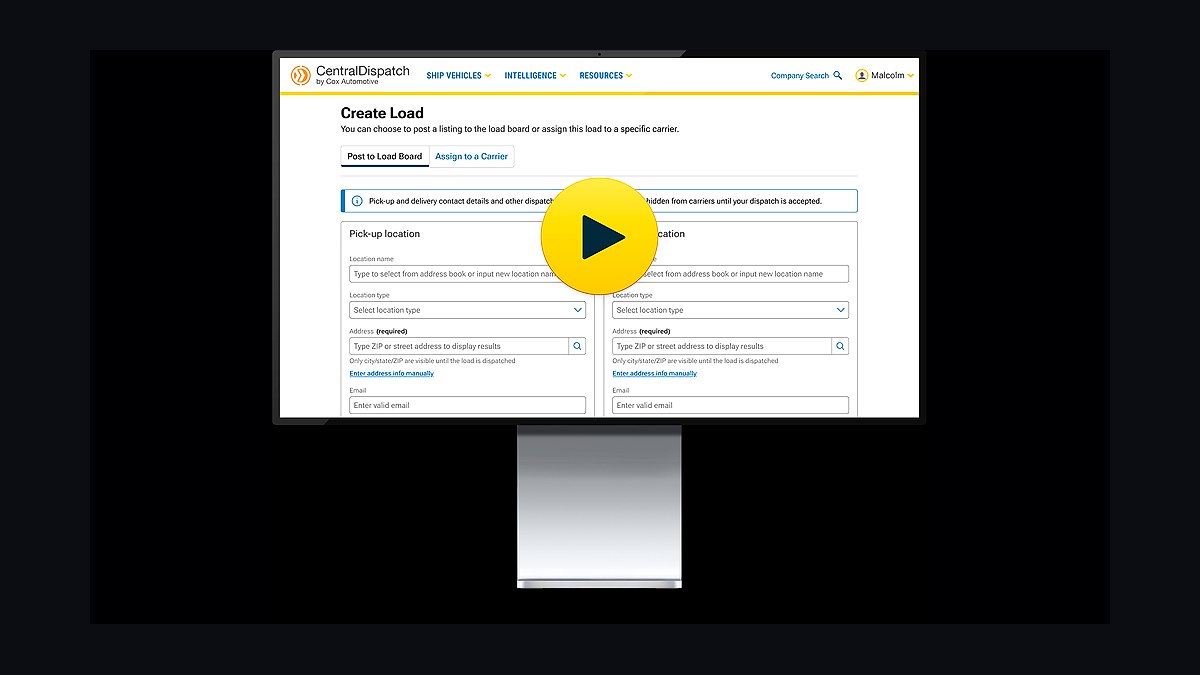
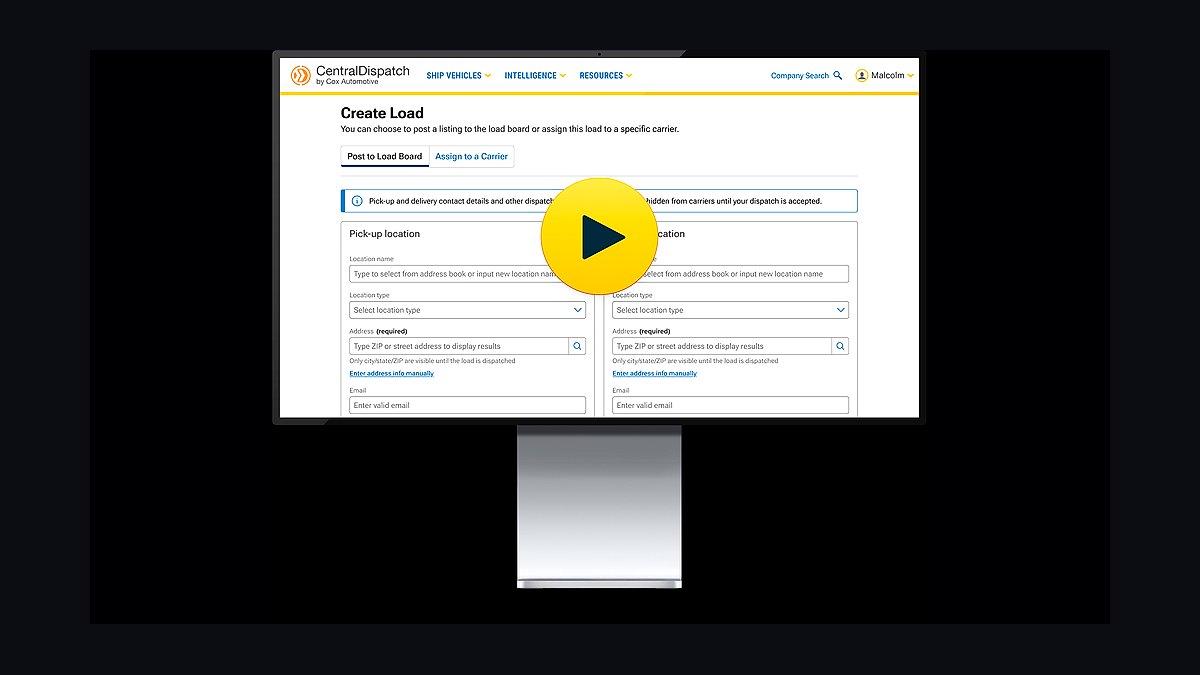
Central Dispatch ranks first because it is the single rail the entire vertical runs on: the overwhelming majority of brokered vehicle loads are posted and booked there, and no other board comes close in carrier supply depth. Carrier access has historically run roughly $100–$150 per month depending on tier, with broker access tiered higher by posting volume. A stack that cannot read and write to this board is not an auto transport stack.
It is for brokers and carriers who need committed delivery windows, since board depth is what lets you promise a date. It trades away pricing leverage — this is effectively a one-company marketplace, so board access is a fixed cost, not a negotiable line item. The pick below it, Super Dispatch, is connected to it rather than a substitute for it.
2Super Dispatch TMS
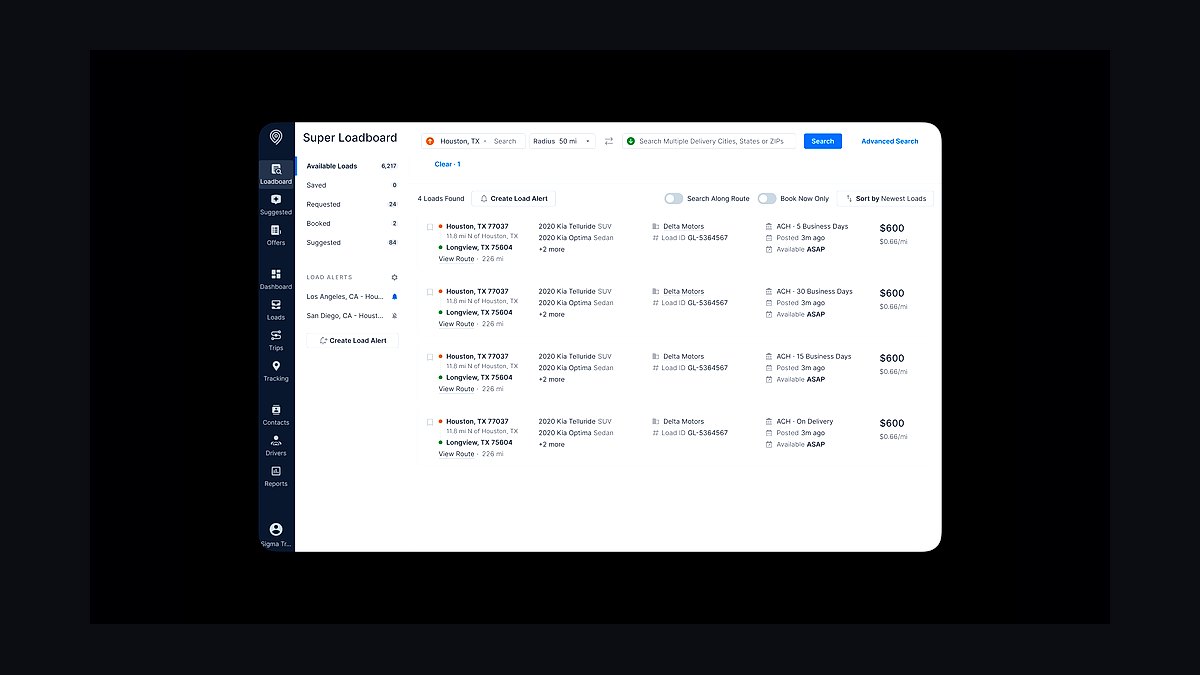
Super Dispatch ranks second because it bundles the carrier-side workhorse functions in one product: load board access, dispatch, and a driver app that captures VIN, condition inspection, and timestamped photos as a usable electronic BOL. Plans have run roughly $55–$200 per month per truck depending on tier and seat count, and the eBOL alone justifies the spend against a single avoided claim.
It is for carriers and owner-operators who own trucks and need documentation discipline enforced in software. It trades away broker-side quoting and deposit flow, which it does not model. For a single-truck operator this is the one non-negotiable purchase; the pick below, BATS, is the broker-side counterpart rather than a replacement.
3BATS Broker TMS

BATS ranks third because it is purpose-built for auto transport brokers, combining order intake, Central Dispatch posting, automated carrier dispatch, and broker CRM in one system. Pricing has typically run $150–$500+ per month scaling by seat count and posting volume, which is real money but replaces three disconnected tools. It is the broker-side answer to the split that defines this vertical.
It is for brokerages that source customers, quote prices, and post loads rather than own trucks. It trades away driver-app eBOL and multi-car load planning, which brokers never use. A carrier buying this instead of Super Dispatch ends up with quoting machinery and no way to dispatch from a driver's phone.
4Ship.Cars TMS
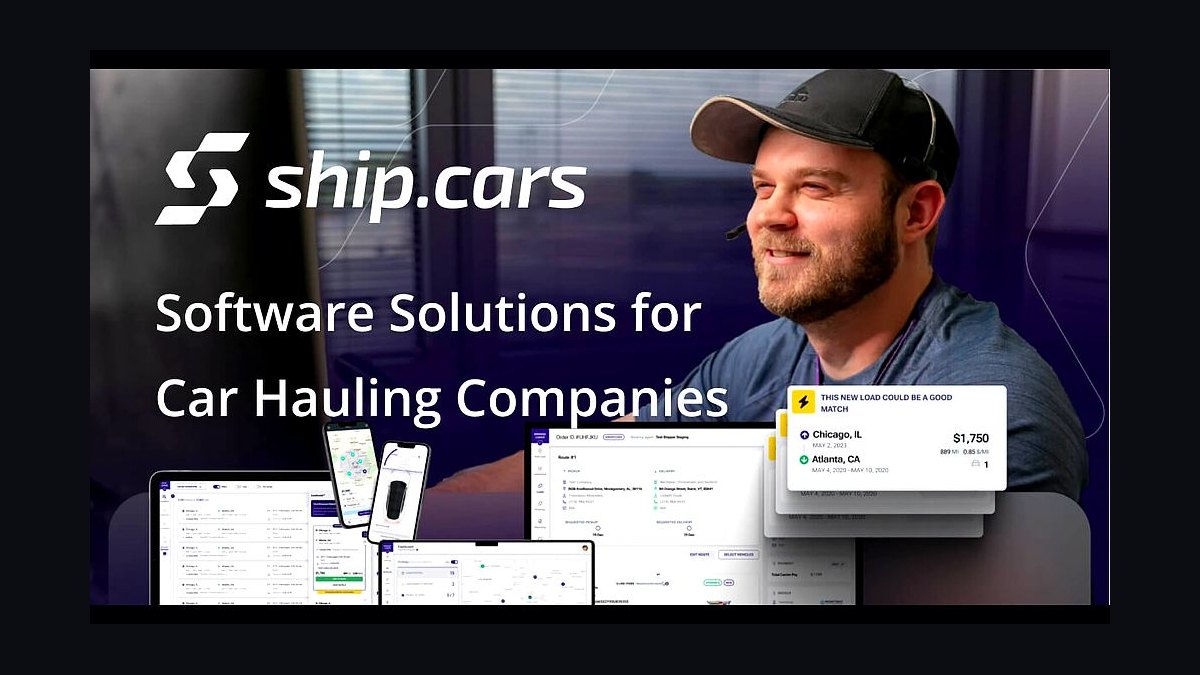
Ship.Cars ranks fourth because it serves both sides of the broker-carrier split with a carrier TMS, eBOL, and a connected marketplace as an alternate rail to Central Dispatch. That dual coverage makes it the strongest single-vendor option for hybrid shops that broker some loads and haul others, avoiding two systems that must be reconciled. It is a credible alternate rather than the default.
It is for hybrid operators and carriers wanting marketplace diversity beyond the dominant board. It trades away the carrier supply depth Central Dispatch offers, so secondary boards function as incremental lead sources, not replacements. Compared to BATS above it, it leans broader across roles rather than deeper into broker CRM.
5SuperPay Carrier Payments

SuperPay ranks fifth because it sits inside the Super Dispatch ecosystem to accelerate carrier payment and reduce physical cash handling, which directly attacks the second outcome that matters: cash cycle compression. Auto transport settles deposit-plus-COD, not net-30, so a broker-to-carrier rail that moves the balance without drivers depositing cash is worth real operational time. It is a payment layer, not a TMS.
It is for carriers and brokers already running Super Dispatch who want the delivery balance settled faster than cash collection allows. It trades away standalone utility — it is not useful outside that ecosystem. Compared to the accounting platforms below, it handles the carrier-pay leg specifically rather than settlements, fuel, and 1099s.
6Motive ELD
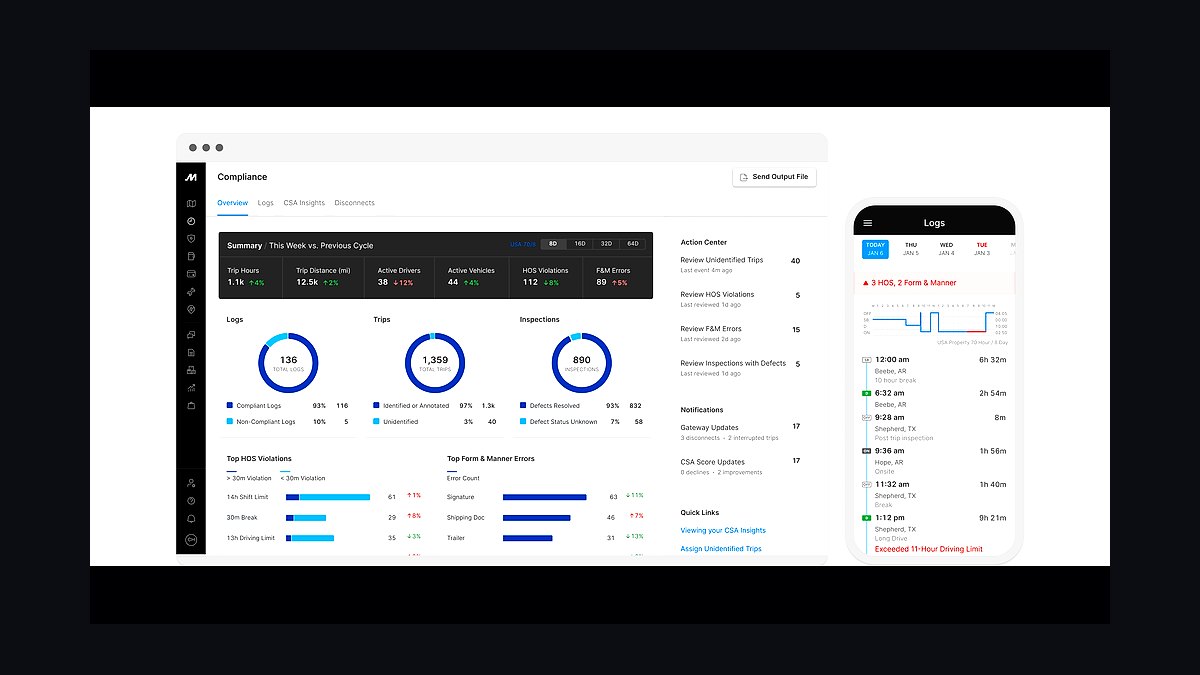
Motive ranks sixth because ELD and hours-of-service compliance is mandatory for FMCSA-regulated car haulers, not optional, and mainstream ELD platforms have run roughly $20–$40 per truck per month. Car haulers need active operating authority, BOC-3 filing, current insurance, IFTA where applicable, and logging ELDs before a single car moves. Motive covers the logging requirement at the mainstream tier.
It is for carriers with one or more trucks who must satisfy the electronic logging device rule. It trades away the heavier fleet-management and video-safety configuration that larger fleets buy separately. Compared to Samsara below it, Motive is the lower-cost entry point; Samsara leans toward fleets wanting integrated telematics and cameras.
7Samsara Fleet Telematics
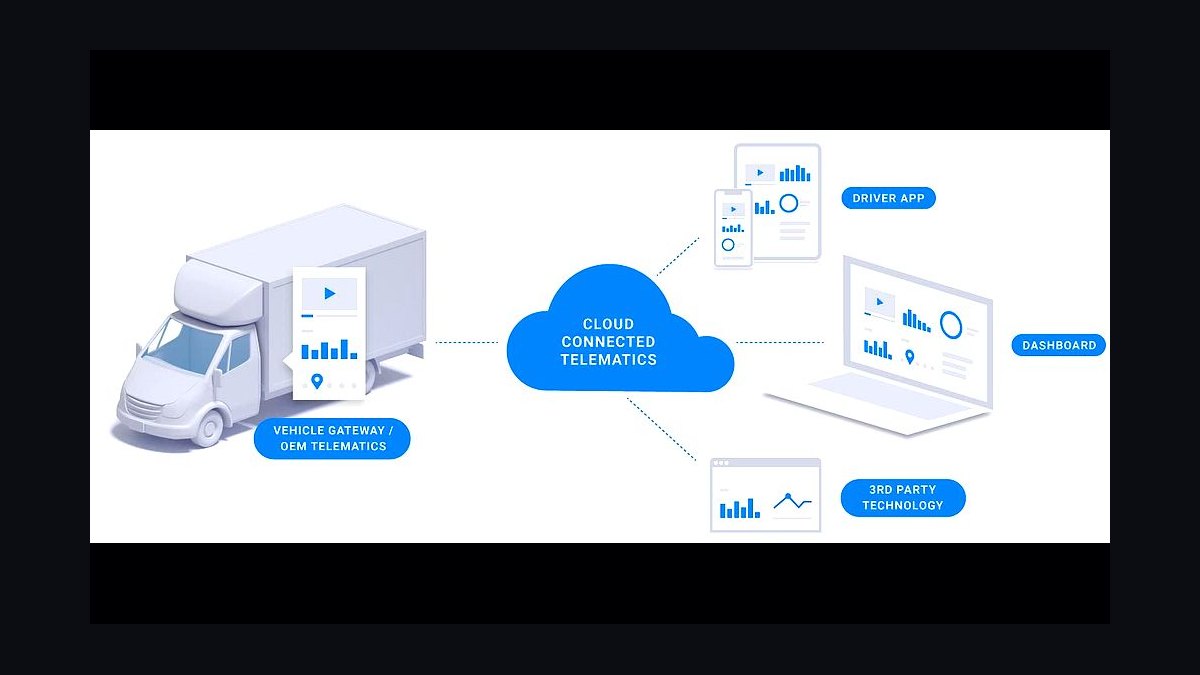
Samsara ranks seventh because it combines ELD, hours-of-service, telematics, and video safety in one fleet-wide platform, which matters once truck count makes per-vehicle visibility worth the configuration effort. Heavier fleet-management and video-safety configurations cost more than the mainstream $20–$40 per truck ELD tier, so it is a deliberate step up rather than a default. It is the telematics layer, not the dispatch layer.
It is for mid-size and large carriers running five-plus trucks who want cameras and fleet data alongside compliance. It trades away simplicity and low per-truck cost. Compared to Motive above it, Samsara is the broader platform; a one-truck operator gains nothing from it and should stay on the cheaper tier.
8Fleetio Maintenance Software
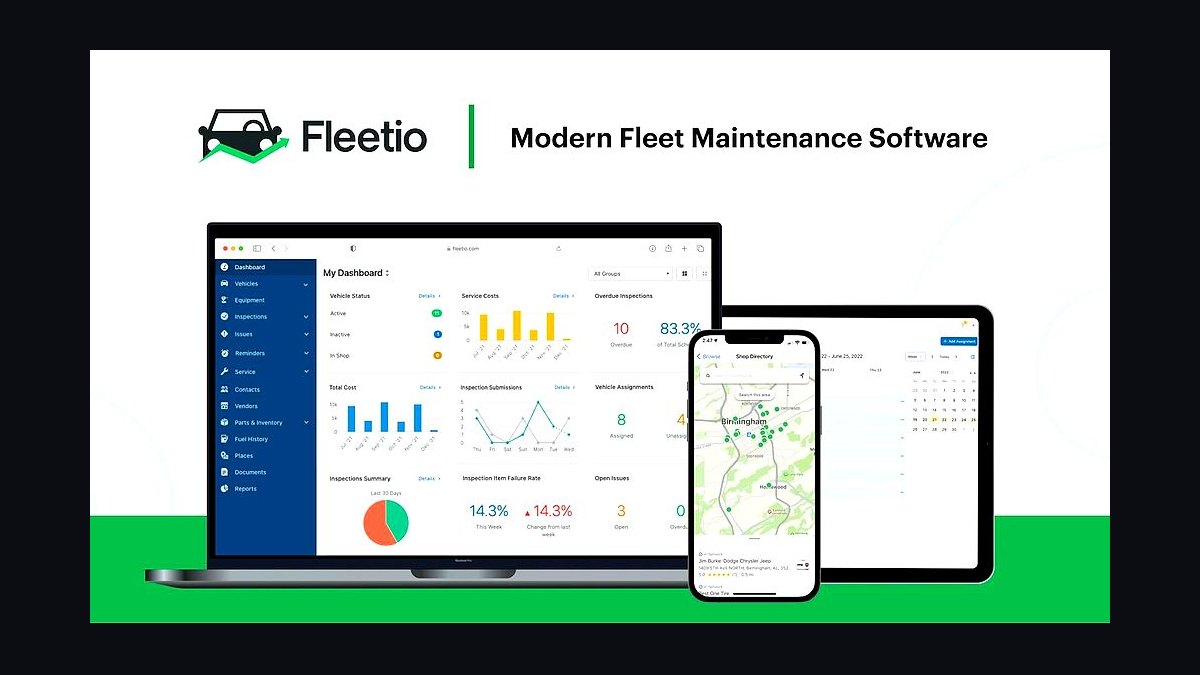
Fleetio ranks eighth because fleet maintenance software at roughly $5–$8 per vehicle per month becomes worth the spend around the second or third truck, tracking DOT inspections and service intervals a spreadsheet and calendar reminder stop handling reliably. One truck legitimately runs on that spreadsheet, which is why this sits mid-list rather than higher. It addresses asset upkeep, not order flow or documentation.
It is for carriers past the single-truck stage who need inspection records and maintenance history in one place. It trades away nothing critical but adds a subscription before volume justifies it. Compared to the ELD platforms above it, Fleetio covers the mechanical side of compliance rather than hours-of-service logging.
9uShip Marketplace
uShip ranks ninth because it operates as a secondary marketplace weighted toward retail and oversized moves on a bidding model rather than a flat subscription, making it an incremental lead source rather than a primary rail. It does not replace Central Dispatch carrier depth, and treating it as a substitute is a planning error. It earns its place as supplemental volume for brokers chasing retail customers.
It is for brokers and carriers wanting additional retail lead flow outside the dominant board. It trades away predictable pricing and carrier supply density. Compared to Ship.Cars above it, uShip is a marketplace rather than a TMS, so it plugs into a stack instead of forming one.
10Stripe Payment Processing
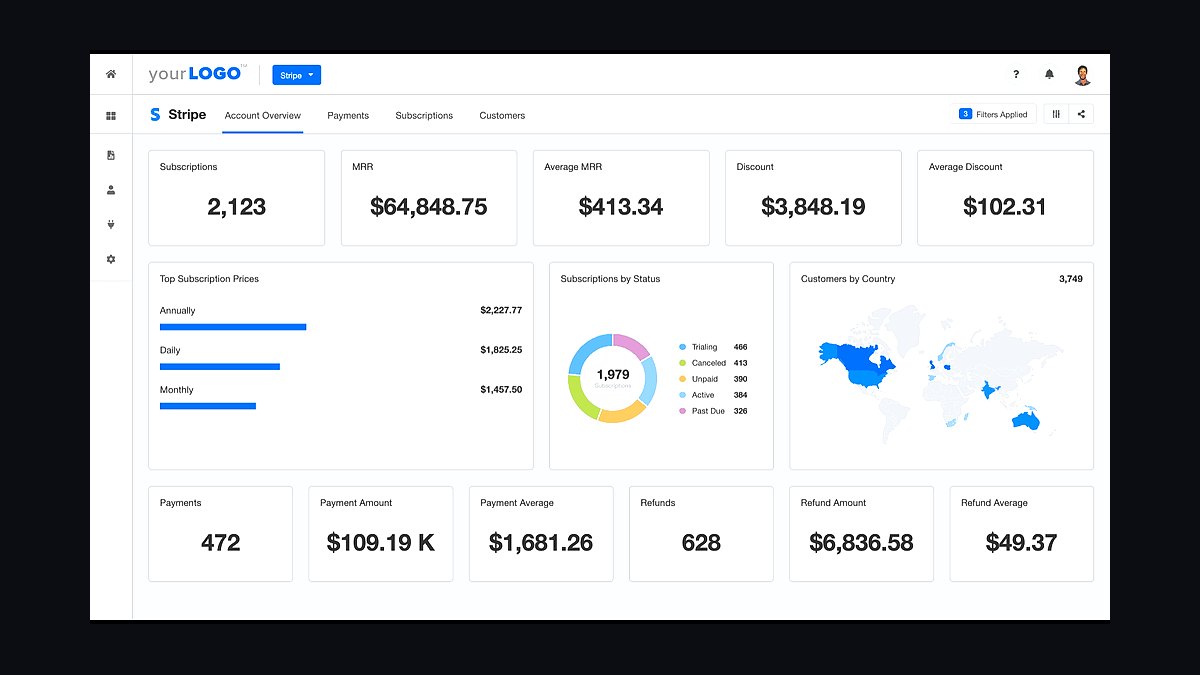
Stripe ranks tenth because customer deposits must clear before a load is posted, and card processing on deposits runs standard published rates around 2.9% plus $0.30 per transaction. On a $1,200 move that cost is real, which is part of why the deposit-plus-COD split persists rather than taking the full amount by card. It handles the customer-facing leg of the two-leg payment model.
It is for brokers collecting deposits at booking and wiring those funds into accounting without retyping. It trades away carrier-side settlement, which SuperPay or COD handles instead. Compared to SuperPay above it, Stripe is the customer revenue leg; neither replaces a small-business accounting platform for settlements, fuel, and 1099s.
How we ranked these
We ranked tools on five weighted criteria: role fit (carrier vs. broker vs. hybrid), depth of Central Dispatch integration, VIN-level electronic BOL with timestamped photo capture, payment flow support for deposit-plus-COD, and FMCSA compliance features including ELD and authority verification. Pricing transparency, driver-app usability, and accounting reconciliation were secondary. Scores reflect how well each tool handles the structural realities of vehicle transport rather than general freight.
We deliberately ignored marketing claims about AI dispatch, autonomous route optimization, and proprietary load-finding algorithms, because the load board is public and competitive and those features rarely change outcomes. We also excluded generic trucking TMS platforms that model pallets instead of VINs, and we did not weight brand size or enterprise sales presence, since a single-truck operator and a fifty-truck fleet need different answers from the same list.
What to look for
What matters most is which side of the business you actually run. A broker needs quoting, CRM, deposit collection, and Central Dispatch posting. A carrier needs a driver app with enforced photo capture, multi-car load planning, and COD collection. Hybrid shops need both and should expect to run two P&Ls. Buy to your role first, then layer compliance, then payments, then analytics.
The mistake most buyers make is demo-driven purchasing. A polished interface or an impressive AI feature convinces them to buy a tool built for the other side of the split, and they discover the mismatch only after dispatch breaks. The second most common mistake is buying optimization tools before documentation discipline is enforced, which produces expensive dashboards sitting on top of unreliable data.
Related questions
Can I run an auto transport brokerage without Central Dispatch?
Technically yes, practically no at retail scale. Direct carrier relationships and secondary marketplaces cover some volume, but the depth of carrier supply on the dominant board is what lets you commit to a delivery window. Most brokers use direct relationships as a supplement, not a replacement.
Does a car hauling company need a separate CRM?
Carriers rarely do — their customers are brokers and the TMS handles it. Brokers usually do, but it should be the CRM bundled into the broker TMS rather than a standalone system, so lead, quote, order, and dispatch share one record instead of syncing across two.
How does the stack change for dealer and auction volume versus retail?
Dealer, auction, and OEM contract volume shifts weight away from lead aggregation and instant quoting toward account management, invoicing terms, and volume reporting. Payment moves closer to invoiced terms than deposit-plus-COD, so the accounting integration matters more and the quoting engine matters less.
What is the minimum viable stack to start hauling cars?
Load board access with a carrier TMS and driver app, an ELD, and accounting. Four tools including the spreadsheet you will use for maintenance. Roughly $200–$400 per month. Add nothing else until a second truck or a second dispatcher forces it.
Do I need an electronic BOL if I only run one truck?
Yes. A single avoided damage claim typically pays for a year of carrier TMS subscription. The eBOL is not paperwork — it is the product. Without timestamped VIN-level photos and signatures at pickup and delivery, every dispute becomes a memory contest the carrier usually loses.
How much should a broker budget for lead acquisition?
Pay-per-lead pricing commonly runs $3–$15 per lead, but the number that matters is cost per booked load, which is lead cost divided by conversion rate. A shop paying $8 a lead and converting 8% is paying $100 per booked load. Track this weekly by source.
Is SuperPay worth using for carrier payments?
SuperPay sits inside the Super Dispatch ecosystem and accelerates carrier payment while reducing physical cash handling. For carriers tired of depositing COD cash and brokers tired of chasing payment confirmations, it compresses the cash cycle. Evaluate the fee against your current cash-handling cost.
What compliance features must the stack automate?
Carrier authority verification, insurance certificate tracking with expiration alerts, BOC-3 filing status, and ELD hours-of-service logging. Brokers must verify carrier authority and insurance at dispatch time, not just onboarding. Compliance drift is one of the most common failure modes in this vertical.
FAQ
Is Central Dispatch or Super Dispatch the right load board for an auto transport company?
They are connected — Super Dispatch owns Central Dispatch. Central Dispatch is the broad marketplace where most brokered vehicle loads are posted and booked. Super Dispatch provides the carrier TMS and driver app that reads from and writes to that board. Most operators use both together rather than choosing one.
What does an electronic BOL need to include for auto transport?
VIN-tagged condition report, timestamped and geotagged photos at pickup and delivery, customer signature on both ends, and odometer reading. Minimum photo count and required angles should be enforced in software so drivers cannot skip steps under time pressure. This is the core artifact that makes claims defensible.
How much does a full auto transport tech stack cost per month?
A single-truck owner-operator runs roughly $200–$400 monthly for carrier TMS, ELD, and accounting. A mid-size operation with five to twenty trucks or a three-to-eight-seat brokerage lands around $1,000–$4,000 plus variable lead spend. Large enterprises with full broker TMS, telematics, and BI run $5,000–$20,000 or more.
Should brokers and carriers use the same TMS?
No. Brokers need quoting engines, CRM, and deposit flows. Carriers need driver apps with enforced photo capture, multi-car load planning, and COD collection. Hybrid shops run both and keep two P&Ls. Buying the wrong side is the most expensive and most common mistake in this vertical.
How do I handle inoperable vehicle loads in my quoting flow?
Make 'does it run?' a required field in the quoting flow. Inoperable units need a winch, a specific deck position, and often a different price. If the field is optional, you will dispatch loads your carrier physically cannot take and discover the problem at the pickup driveway.
What is the biggest risk of skipping photo enforcement in the driver app?
Every skipped or blurry photo converts a defensible claim into a coin flip. The fix is software enforcement: minimum photo count per vehicle, required angles, required signature before load status advances. If the app allows shortcuts, drivers under time pressure will take them.
How often should I re-verify carrier authority and insurance?
Continuously, not once at onboarding. Authority lapses, insurance expires, and brokers who dispatch to unauthorized or uninsured carriers inherit liability directly. Automate verification at dispatch time with expiration alerts. Carriers get loads pulled and fail new-entrant audits when compliance drifts.
Do I need fleet maintenance software with only one or two trucks?
One truck legitimately runs on a spreadsheet and a calendar reminder. Fleet maintenance software at roughly $5–$8 per vehicle per month becomes worth it around the second or third truck, when preventive schedules and repair history start mattering more than the subscription cost.
How should I price quotes against live carrier rates?
Quotes must be priced against current carrier pay for that specific lane and vehicle type, not a static rate sheet. Lane rates move with seasonality, snowbird flows, auction cycles, and fuel. A quoting engine disconnected from live market data manufactures dead loads and refund requests.
What should the first thirty days of a rollout focus on?
Order flow and compliance. Get onto the load board, stand up the role-matched TMS, confirm FMCSA operating authority is active, insurance is on file, BOC-3 is filed, and ELDs are logging. The success criterion is a clean path from load posted to driver dispatched with no text-message steps.
Sources
- https://www.fmcsa.dot.gov/registration/registration-requirements
- https://www.fmcsa.dot.gov/hours-service/elds/electronic-logging-devices
- https://www.centraldispatch.com/
- https://www.superdispatch.com/
- https://www.ship.cars/
- https://www.uship.com/
- https://www.bats.com/
- https://www.ifta.org/
- https://www.sba.gov/business-guide/manage-your-business
Related on PULSE
This page will be disappearing soon. Save it to your device for $1 — or read it free while it is here.
@Kory-White- · if Venmo asks, the last 4 of my number are 2012
This page is gone.
This one is off the shelf now. $1 keeps it on your phone for good — the whole page, pictures and diagrams included.
 pulse-tech-stacksTop 10 Best Tech Stack Tools for HOA and Community Association Management Companies in 2027
 pulse-tech-stacksTop 10 Best Tech Stack Tools for Tire Shops in 2027
 pulse-tech-stacksTop 10 Best Tech Stack Tools for Independent Roofing Contractors in 2027
 pulse-tech-stacksTop 10 Best Tech Stack Tools for Medical Billing and RCM Companies in 2027
 pulse-tech-stacksTop 10 Best Tech Stack Tools for AI Translation API Companies in 2027
 pulse-tech-stacksTop 10 Best Tech Stack Tools for Independent Dance Studios in 2027
 pulse-tech-stacksTop 10 Best Tech Stack Tools for Plumbing Contractors in 2027
 pulse-tech-stacksTop 10 Best Tech Stack Tools for Data Loss Prevention (DLP) Software Vendors in 2027
 pulse-tech-stacksTop 10 Best Tech Stack Tools for Software Development Agencies in 2027
 pulse-tech-stacksTop 10 Best Tech Stack Tools for Land Surveying Firms in 2027