


Top 10 Best Tech Stack Tools for HOA and Community Association Management Companies in 2027
Quality
Certified
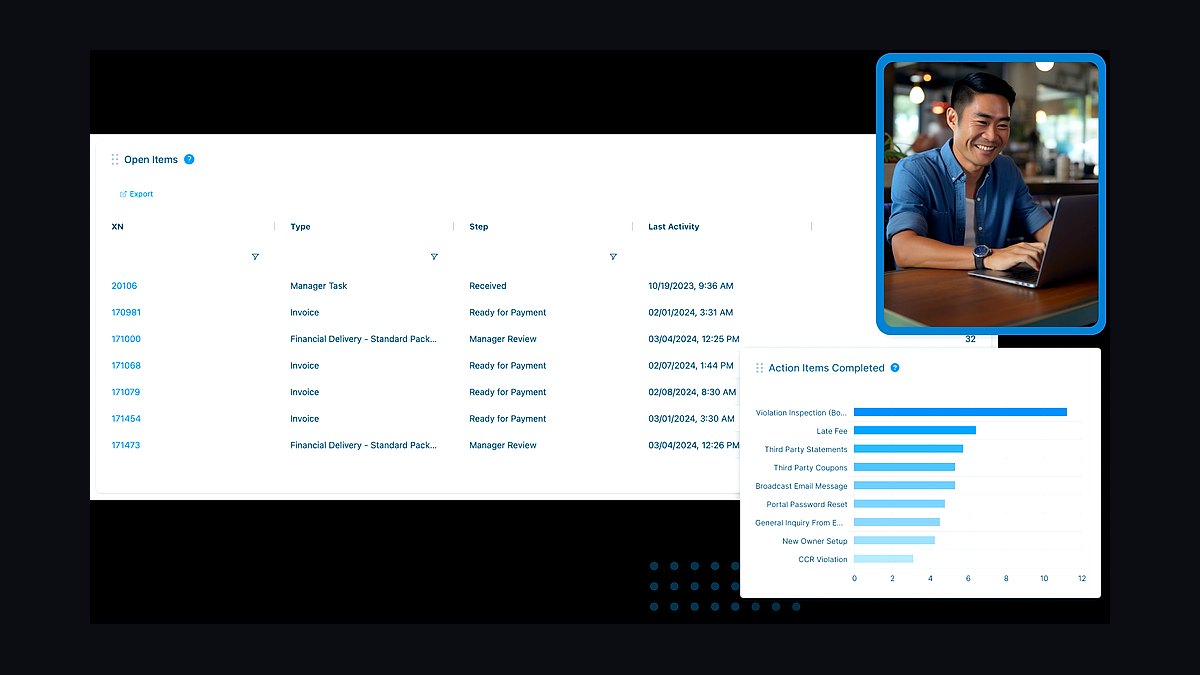
The 10 best tech stack tools for hoa and community association management companies are ranked below on measured performance, build quality, price, and how each one actually holds up in daily use rather than how it reads on a spec sheet. Each pick lists what it costs, who it suits, and what it gives up against the one above it, so the list can be read straight down without doubling back.
1Vantaca CAM Management Platform
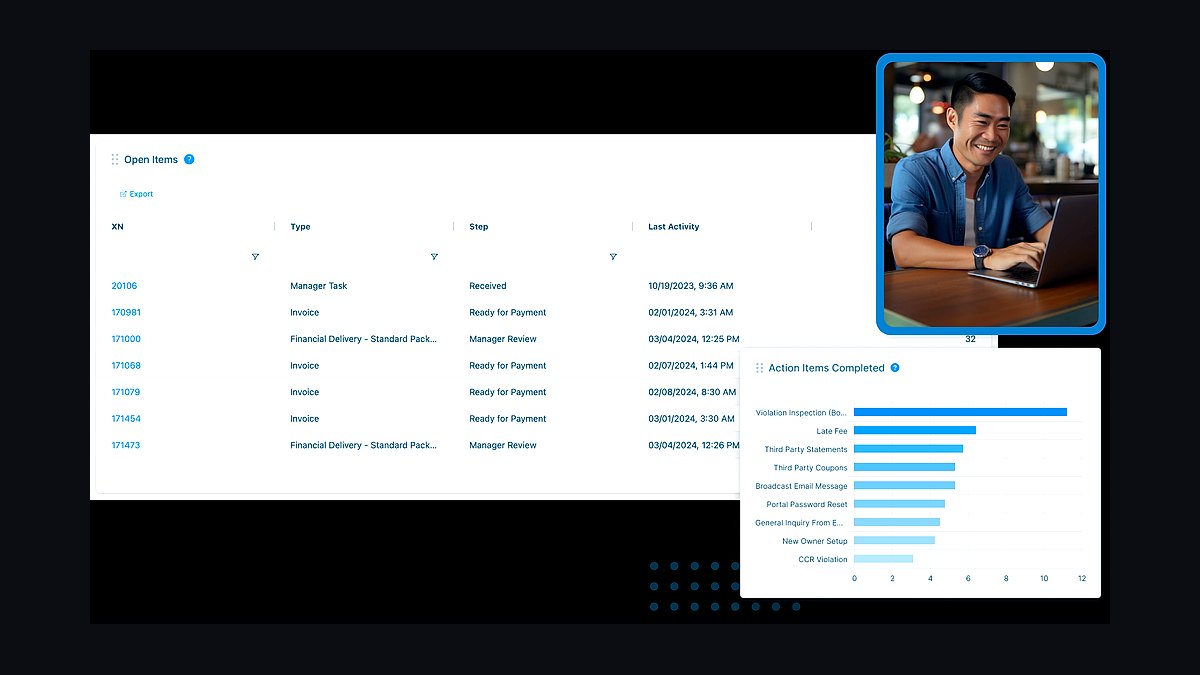
Vantaca ranks first because it is the modern system of record for growth-minded CAM companies, combining association records, accounting, portals, and an automation engine in one platform. It typically runs roughly $3–$6 per door per month depending on modules and volume, and it carries native per-association fund accounting built for the multi-association trust model. Its board and homeowner portals ship standard, so governance and self-service do not require separate vendors.
It is built for small-to-mid and large management companies that will staff the platform properly, not for a volunteer board running one association. The trade-off is cost and implementation effort: per-door pricing adds up across thousands of doors, and the automation engine rewards configuration work. Compared with CINC Systems directly below, Vantaca is the more modern, automation-forward choice, while CINC wins when integrated association banking from the same vendor matters more.
2CINC Systems CAM Platform
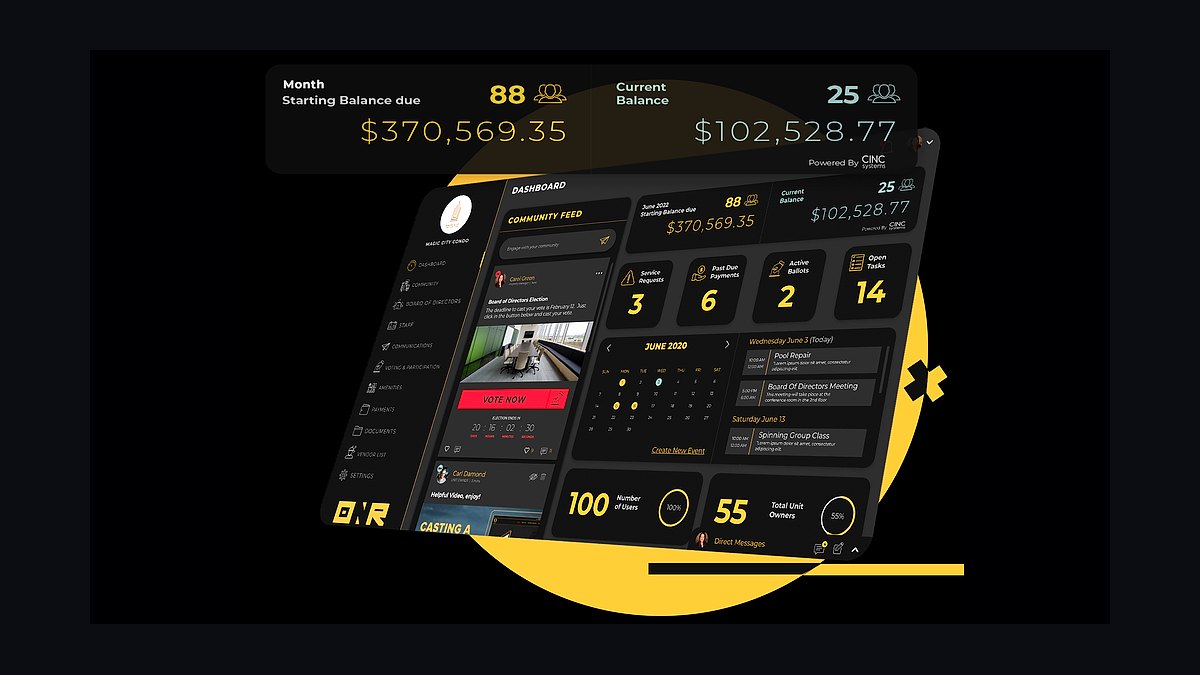
CINC Systems ranks second because it is the strongest alternate when a management company wants CAM software and integrated association banking under one roof. It carries native fund accounting for the multi-association model, plus per-association trust and operating accounts, lockbox intake, and reserve placement through its banking arm. That single-vendor banking integration removes a reconciliation seam that competitors leave open.
It suits established CAM companies that value banking integration and accounting depth over the newest automation features. The trade-off is that the platform feels more traditional than Vantaca, and companies that do not need integrated banking pay for capability they will not use. Compared with Vantaca directly above, CINC trades some automation polish for banking consolidation; compared with FRONTSTEPS below, it is narrower but deeper on the financial core.
3FRONTSTEPS Community Management Suite
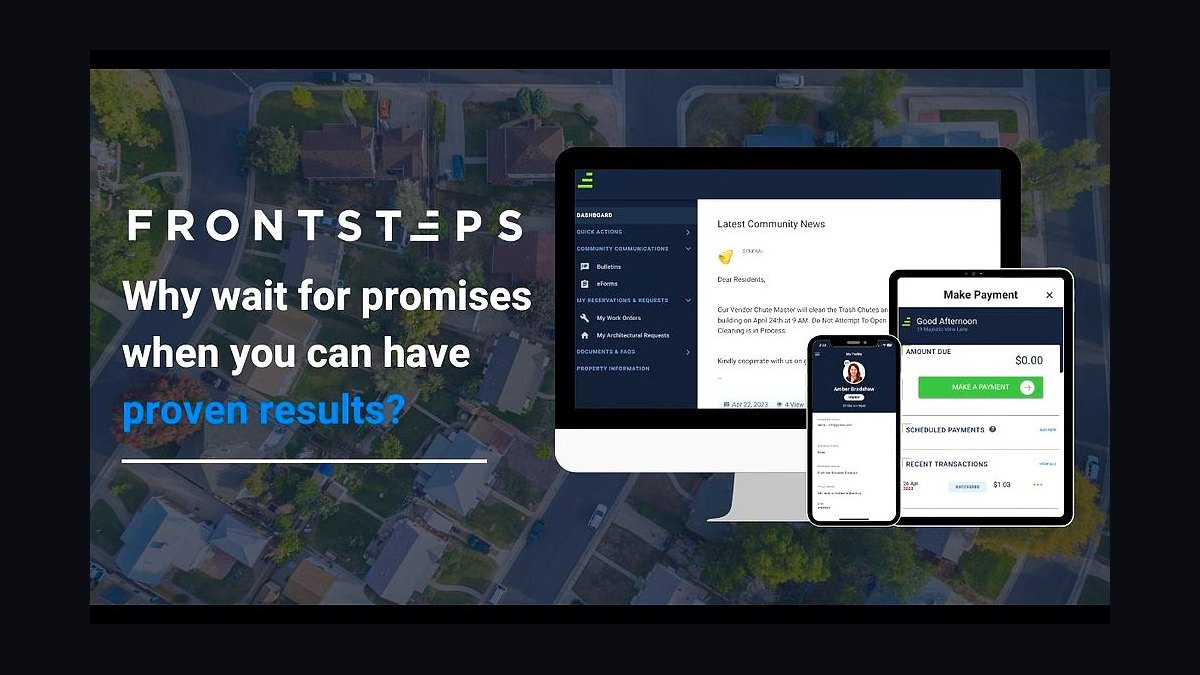
FRONTSTEPS ranks third because it is the broad all-in-one suite for companies that want enforcement, portals, accounting, and work orders from a single vendor. It absorbed Caliber and AtHomeNet, so it carries established accounting-heavy heritage plus native violations, ARC, work-order, and vendor modules. That breadth means fewer point-tool integrations than a Vantaca-plus-Smartwebs combination.
It fits companies that prefer one throat to choke over best-of-breed specialists, especially those with heavy enforcement and maintenance volume. The trade-off is depth: native violations and ARC modules may be enough for moderate volume but lag Smartwebs when inspection counts climb. Compared with CINC Systems directly above, FRONTSTEPS is broader on operations but less differentiated on banking; compared with Smartwebs below, it is the platform rather than the enforcement specialist.
4Smartwebs Violations and ARC

Smartwebs ranks fourth because it is the specialist for the work that defines HOAs: inspections, violation tracking with photos and graduated notices, and architectural-review request intake with committee review. It logs violations against specific covenants, issues notices on the fee schedule, and tracks cure dates so enforcement stays auditable in disputes. Pricing is typically a per-association or per-door add-on.
It is for companies whose enforcement volume outgrows the native modules inside Vantaca or FRONTSTEPS, particularly mid-size portfolios layering it onto a platform of record. The trade-off is another vendor and another integration, plus duplicate data entry if the platform link is loose. Compared with FRONTSTEPS directly above, Smartwebs is narrower but deeper on enforcement; compared with Vote HOA Now below, it owns the compliance lane while voting owns governance.
5Vote HOA Now

Vote HOA Now ranks fifth because board elections are the governance function most likely to create legal exposure, and it handles online and hybrid voting with the quorum and ballot-secrecy controls many state statutes require. It runs annual meetings, director elections, and bylaw amendments without paper ballots, producing a documented, auditable result. Pricing is a per-election or subscription add-on rather than a platform line item.
It is for CAM companies and self-managed boards that must prove quorum and ballot secrecy under state law, and it pairs naturally with the board portal modules inside a management platform. The trade-off is that it does one job, so it is not a governance suite on its own. Compared with Smartwebs directly above, Vote HOA Now owns elections while Smartwebs owns enforcement; compared with Alliance Association Bank below, it is software rather than fiduciary infrastructure.
6Alliance Association Bank
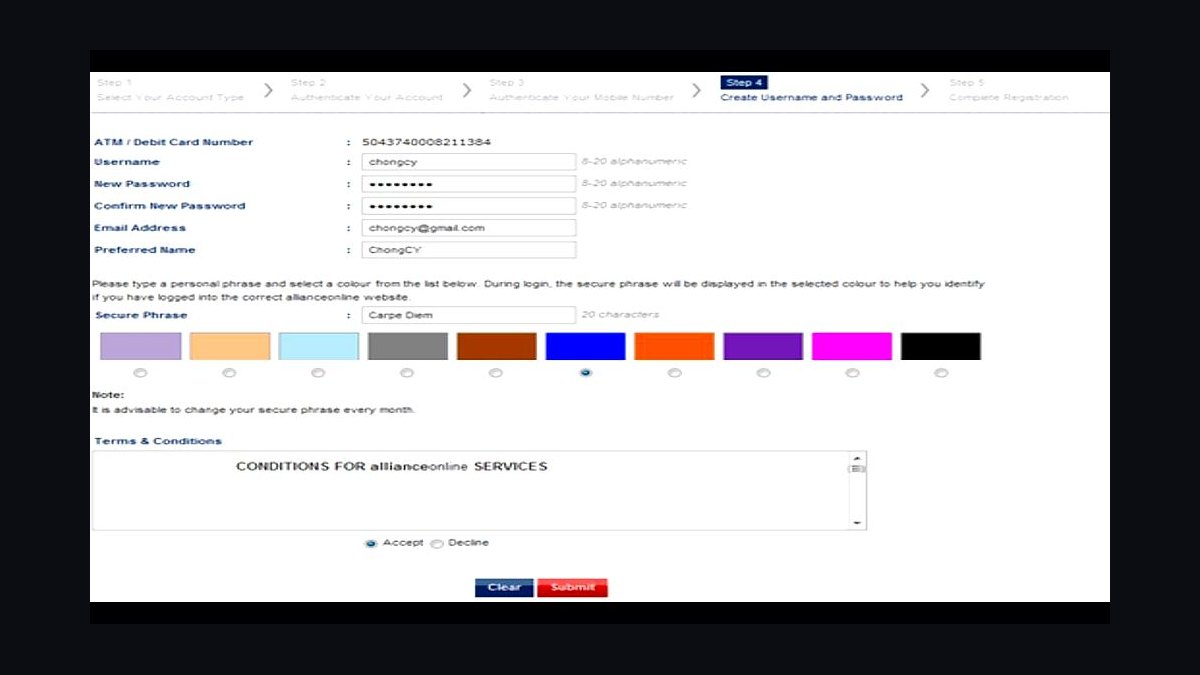
Alliance Association Bank ranks sixth because trust and operating accounts for hundreds of associations need an HOA-specialist bank, and it is one of the dedicated institutions management companies use for per-association accounts, lockbox intake, and reserve placement. It models the multi-association structure that generic business banking does not, and it feeds reconciliation data back into the platform's accounting. Banking is fee-based on the association side rather than a SaaS line item.
It is for CAM companies that have outgrown a single commingled operating account and need clean per-association separation with paper-check lockbox intake. The trade-off is that banking is infrastructure, not software: it does not replace the platform, and switching banks mid-portfolio is disruptive. Compared with Vote HOA Now directly above, Alliance is fiduciary plumbing rather than a governance tool; compared with Microsoft Power BI below, it moves money while Power BI measures it.
7Microsoft Power BI
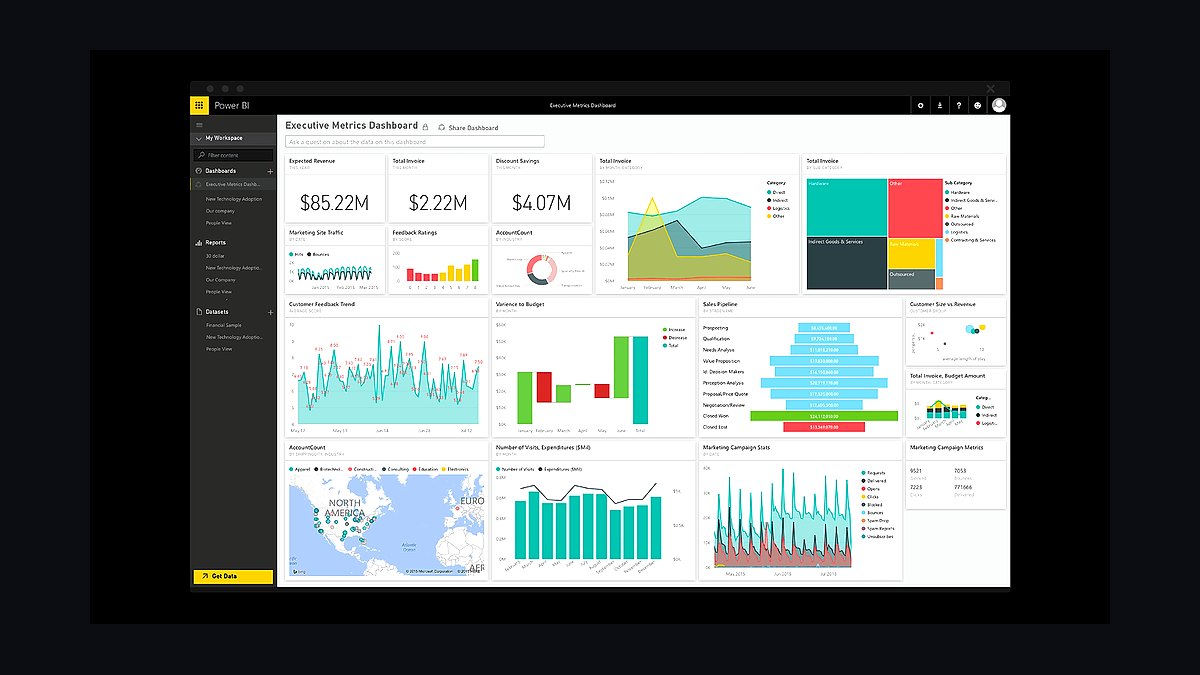
Microsoft Power BI ranks seventh because portfolio operators need cross-association KPIs — delinquency rates, violation aging, work-order cycle time — that native platform dashboards cannot assemble across hundreds of associations. It pipes platform data into one reporting layer, and it runs roughly $10–$20 per user per month, making it the cheapest high-leverage layer in the stack. Large managers feed it from a data warehouse alongside integrated banking data.
It is for companies with enough door count that leadership needs portfolio-wide reporting, not for a self-managed board that lives inside native dashboards. The trade-off is that Power BI is only as good as the data pipeline behind it, so it requires someone to own the model and refresh schedule.
8Condo Control
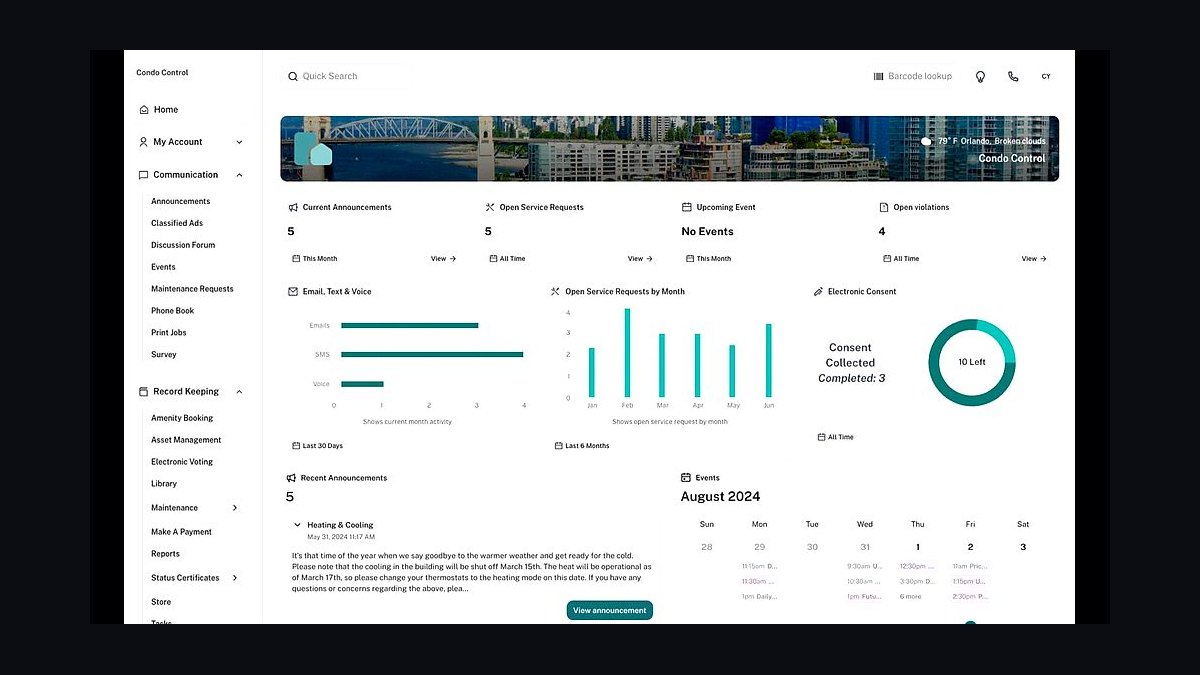
Condo Control ranks eighth because it is the strong standalone for condo and smaller-community communication, amenity booking, package tracking, and board messaging. It handles the denser, more service-intensive rhythm of condo life — visitor logs, security, and amenity reservations — that single-family HOA tools often skip. It works as a self-managed HOA's primary system or as a communication layer on top of a core platform.
It is for condo associations and self-managed boards that need homeowner-facing services more than enterprise accounting, and it pairs with QuickBooks when the books stay outside the platform. The trade-off is that it is not a full CAM system of record, so per-association fund accounting and dues logic live elsewhere.
9PayHOA
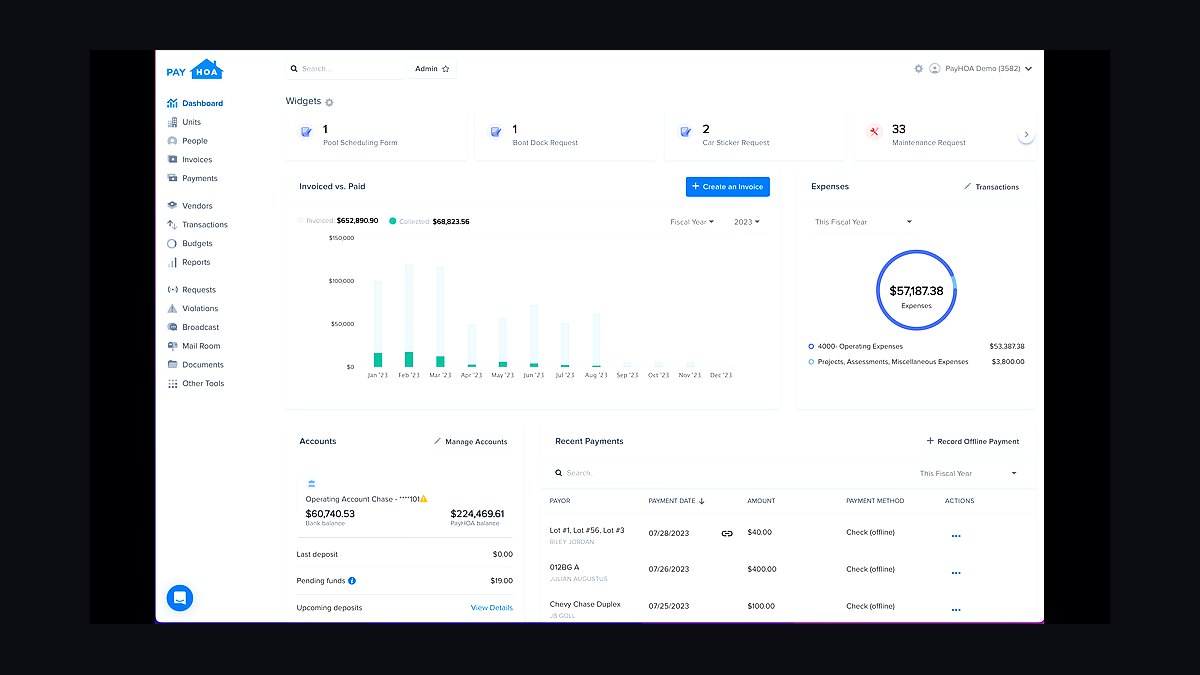
PayHOA ranks ninth because self-managed HOAs with a volunteer board still have to collect dues, send notices, store CC&Rs, and keep organized, and it covers that for roughly $50–$300 per month by community size. It handles dues collection, homeowner communication, and document storage without an enterprise platform or a management company. Paired with QuickBooks at about $30–$90 per month, total software spend lands around $80–$400 monthly.
It is for volunteer boards running one association, not for CAM companies managing hundreds, and it deliberately trades away per-association trust accounting, violations workflows, and board governance depth. The trade-off is that a growing portfolio will outgrow it fast, forcing a migration to Vantaca or CINC.
10platform-native CAM accounting
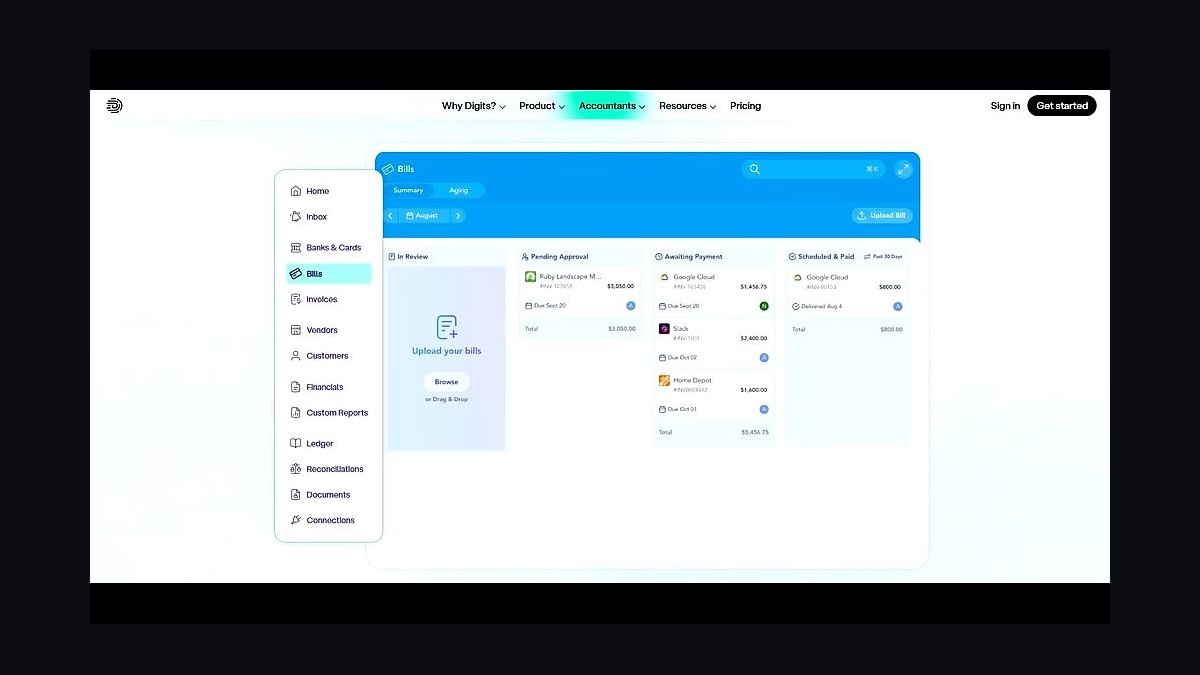
Platform-native CAM accounting ranks tenth because accounting is best kept inside the management platform so the per-association general ledger, AP/AR, budgets, and reserve tracking stay tied to the same association records. Vantaca, CINC, and FRONTSTEPS all carry native fund accounting built for the multi-association model, with every association financially walled off and reconcilable to the penny. Budget is bundled into the platform fee rather than billed separately.
It is for CAM companies that want one system of record instead of a platform plus a bolted-on accounting package, and it is the layer that makes commingling a configuration error rather than a habit. The trade-off is that platform-native accounting is only as good as the platform, so a weak vendor leaves you with weak books and an expensive migration.
How we ranked these
We ranked tools by weighting per-association fund accounting and trust-banking integrity highest, since CAM firms hold other people's money in separate ledgers. Next came dues/assessment billing and the collections ladder, then violations and architectural-review workflow depth, board governance (portals, minutes, online voting), and homeowner self-service. Integration depth with banking and payment rails was weighted heavily, along with per-door pricing transparency and audit trail quality.
We deliberately ignored rental-property features like lease management, tenant screening, and unit-turnover workflows, because HOA management is fiduciary governance, not tenancy. We also ignored marketing claims, demo polish, and vendor size alone. Feature breadth without staffing capacity was discounted, as were tools lacking per-association GL separation, since commingling risk disqualifies a platform regardless of price or popularity.
What to look for
What matters most is whether the platform keeps every association financially walled off with its own GL, operating and reserve accounts, and monthly reconciliation. Then check the dues engine: recurring billing, late-fee schedules from governing documents, and a delinquency-to-lien ladder. Violations and ARC workflow depth, board portal quality, and online voting compliance matter next. Confirm banking integration and per-door pricing before signing.
The mistake most buyers make is choosing a cheaper rental property-management tool because the feature list looks similar, then discovering there is no per-association accounting, no dues logic, and no violations or ARC workflow. A second common error is bolting violations onto spreadsheets instead of a real auditable workflow, which creates missed cure dates, inconsistent fines, and lost disputes.
Related questions
Why does a CAM company need per-association accounting instead of one general ledger?
A CAM company is a fiduciary running separate books for every association it manages. Each HOA needs its own GL, operating and reserve accounts, budget, and audit-ready records. Commingling funds is a legal and licensing failure. The platform must roll up portfolio-wide reporting while keeping every association financially walled off and reconcilable to the penny.
What makes dues and assessment billing different from rent collection?
Revenue is homeowner dues and special assessments, not rent. Billing runs on the association's schedule, late fees follow a fee schedule defined in governing documents, and delinquency escalates through a formal collections ladder: reminder, late notice, lien, attorney referral. The engine must apply amounts to the right association's ledger and feed delinquency into board reporting.
What is architectural review (ARC) and why does it need its own workflow?
ARC means homeowners submit modification requests like fences, paint colors, or decks, and the committee reviews them against community standards. The decision must be documented and communicated. No rental tool models this. Tracking ARC in email means requests vanish and decisions are unauditable, which weakens the association's position in disputes.
Do self-managed HOAs need an enterprise CAM platform?
No. A volunteer board typically runs PayHOA or Condo Control for dues collection, communication, and document storage, with QuickBooks behind it for the books. Total monthly software spend lands around $80 to $400. The board just needs to collect dues, send notices, and stay organized, not run a multi-association portfolio.
When should a management company add Smartwebs or a voting tool?
Add Smartwebs when violations and ARC volume outgrow the platform's native modules, since it specializes in inspections, photo-based violation tracking, graduated notices, and committee review. Add Vote HOA Now or BallotBoxOnline when elections need quorum and ballot-secrecy controls. Both are typically per-association or per-election add-ons layered on the core platform.
How much does a CAM tech stack cost per door?
All-in-one platforms like Vantaca, CINC, or FRONTSTEPS run roughly $3 to $6 per door per month depending on modules and volume. A mid-size company with a few thousand to 25,000 doors typically sees $15,000 to $80,000 per month in platform-plus-specialist spend. Banking fees are usually carried on the association side, not as a SaaS line item.
Why is integrated association banking worth prioritizing?
Trust and operating accounts for hundreds of associations need an HOA-specialist bank. CINC offers banking integrated into its platform, while Alliance Association Bank and Pacific Premier's HOA division serve management companies directly. Integration speeds reconciliation between homeowner payments, lockbox intake, and per-association ledgers, reducing the manual work that causes trust-accounting errors.
What is the biggest failure mode when adopting CAM software?
Commingled or sloppy trust accounting is the most damaging failure: association funds not cleanly separated, reserves borrowed against operating shortfalls, or reconciliations falling behind. This is a fiduciary and licensing risk, not a bookkeeping annoyance. Insist on per-association fund accounting and monthly reconciliation from day one, before any other feature evaluation.
FAQ
What is the best tech stack for an HOA management company in 2027?
Build around a community-association management platform: Vantaca for modern management companies, or CINC Systems when you want CAM software and association banking under one roof. Surround it with association-level accounting, a dues and collections engine, violations and ARC workflow, board governance, and a homeowner portal. Self-managed HOAs run PayHOA or Condo Control plus QuickBooks instead.
Why does an HOA stack look nothing like a rental property-management stack?
A CAM stack is built for managing other people's money across hundreds of separate associations, enforcing community rules, and running board governance. Rental tools are built for renting units. Adopting a rental tool leaves you with no per-association GL, no dues or assessment logic, no violations or ARC workflow, and no board governance. The data model is simply wrong.
What are the must-have layers in a CAM tech stack?
The financial core is per-association accounting plus a dues, assessment, billing, collections, and trust-banking engine. The operational signature is violations, compliance, and architectural review. The relationship core is board governance: portals, agendas, minutes, online voting, and homeowner communication. A homeowner self-service portal plus maintenance work orders and vendor coordination round out the stack.
How should violations and ARC be handled?
Run them inside the platform or in Smartwebs, with photos, notice templates, and a timeline. Violations enforcement means inspecting communities, logging issues against the right covenant, issuing graduated notices, tracking cure dates, and applying fines. ARC means documenting committee decisions on modification requests. When enforcement is not auditable, the association loses in disputes.
What does board governance software actually include?
Board members need a portal for packets, agendas, and minutes, plus a compliant way to run elections. Vote HOA Now and BallotBoxOnline handle online and hybrid voting with the quorum and ballot-secrecy controls many state statutes require. The board portal usually ships inside the management platform, while voting is a per-election or subscription add-on.
How do I choose between Vantaca, CINC, and FRONTSTEPS?
Vantaca is the modern favorite among growth-minded management companies because of its automation engine and portals. CINC is strong when you want CAM software plus integrated association banking from one vendor. FRONTSTEPS is a broad suite for companies wanting enforcement, portals, and accounting together. All three carry native fund accounting built for the multi-association model.
What should a small CAM company buy first?
Start with one all-in-one platform for management, accounting, portals, and billing, then add specialists only as volume demands. A mid-size regional company typically runs Vantaca or CINC as the platform of record, with Smartwebs for violations and ARC volume and Vote HOA Now for elections. The goal is one platform plus two or three specialists, not a sprawl of point tools.
How does association banking fit into the stack?
Banking is fee-based on the association side rather than a SaaS line item. CINC offers banking integrated into its platform, while Alliance Association Bank and Pacific Premier Bank's HOA division are dedicated banks management companies use for per-association accounts, lockbox, and reserve placement. Larger portfolios add a lockbox for paper checks and integrated ACH and card processing.
Where does business intelligence fit for a portfolio operator?
Companies needing cross-association KPIs like delinquency rates, violation aging, work-order cycle time, and board satisfaction pipe platform data into Microsoft Power BI, which runs about $10 to $20 per user per month. Smaller companies live inside native platform dashboards. The data warehouse pulls cross-association metrics for management company leadership without disturbing per-association ledgers.
What is the most common mistake buyers make?
Choosing a cheaper rental property-management tool because the feature list looks similar. They then discover there is no per-association accounting, no dues logic, and no violations or ARC workflow, and they paper over the gap with manual work forever. A second error is tracking violations in spreadsheets, which creates missed cure dates and inconsistent fines.
Sources
- https://www.gartner.com/en/documents/4029075
- https://www.cincsystems.com/resources/guides/definitive-guide-to-association-management/integrated-banking/
- https://www.capterra.com/p/172920/HOA-Compliance-Software/reviews/
- https://www.reservestudy.com/reserve-study-insights-for-industry-professionals/
- https://www.payhoa.com/
- https://www.condocontrol.com/
- https://www.votehoanow.com/
- https://www.allianceassociationbank.com/
Related on PULSE
This page will be disappearing soon. Save it to your device for $1 — or read it free while it is here.
@Kory-White- · if Venmo asks, the last 4 of my number are 2012
This page is gone.
This one is off the shelf now. $1 keeps it on your phone for good — the whole page, pictures and diagrams included.
 pulse-tech-stacksTop 10 Best Tech Stack Tools for Independent Bakeries in 2027
 tkTop 10 Best Tech Stack Tools for Fencing and Deck Contractors in 2027
 pulse-tech-stacksTop 10 Best Tech Stack Tools for Public Relations Agencies in 2027
 pulse-tech-stacksTop 10 Best Tech Stack Tools for Self-Storage Operators in 2027
 pulse-tech-stacksTop 10 Best Tech Stack Tools for Plumbing Contractors in 2027
 pulse-tech-stacksTop 10 Best Tech Stack Tools for AI Legal Tech Companies in 2027
 pulse-tech-stacksTop 10 Best Tech Stack Tools for Home Builders and Residential Developers in 2027
 pulse-tech-stacksTop 10 Best Tech Stack Tools for Independent Roofing Contractors in 2027
 tkTop 10 Best Tech Stack Tools for Concrete and Paving Contractors in 2027
 pulse-tech-stacksTop 10 Best Tech Stack Tools for CrossFit Boxes in 2027