


Top 10 Best Tech Stack Tools for Fine-Tuning Platform Companies in 2027
Quality
Certified
The 10 best tech stack tools for fine-tuning platform companies are ranked below on measured performance, build quality, price, and how each one actually holds up in daily use rather than how it reads on a spec sheet. Each pick lists what it costs, who it suits, and what it gives up against the one above it, so the list can be read straight down without doubling back.
1Hugging Face PEFT
Hugging Face PEFT ranks first because it is the adapter library every fine-tuning platform builds on, implementing LoRA, QLoRA, DoRA, IA3, prefix tuning, and prompt tuning in one maintained package. It cut full fine-tuning costs from $50K-$500K per run to roughly $10-$500 for Llama-70B-scale models by training small adapter weights instead of full parameters. Every major framework, including Axolotl, TRL, and LLaMA-Factory, imports PEFT adapters directly.
It is built for ML engineers shipping multi-method tuning without maintaining custom adapter code. The trade-off is abstraction overhead on exotic architectures and slower iteration when a new method lands before upstream support. Compared with Axolotl directly below, PEFT is the primitive layer rather than the orchestration layer, so platforms typically pair both instead of choosing one.
2Axolotl
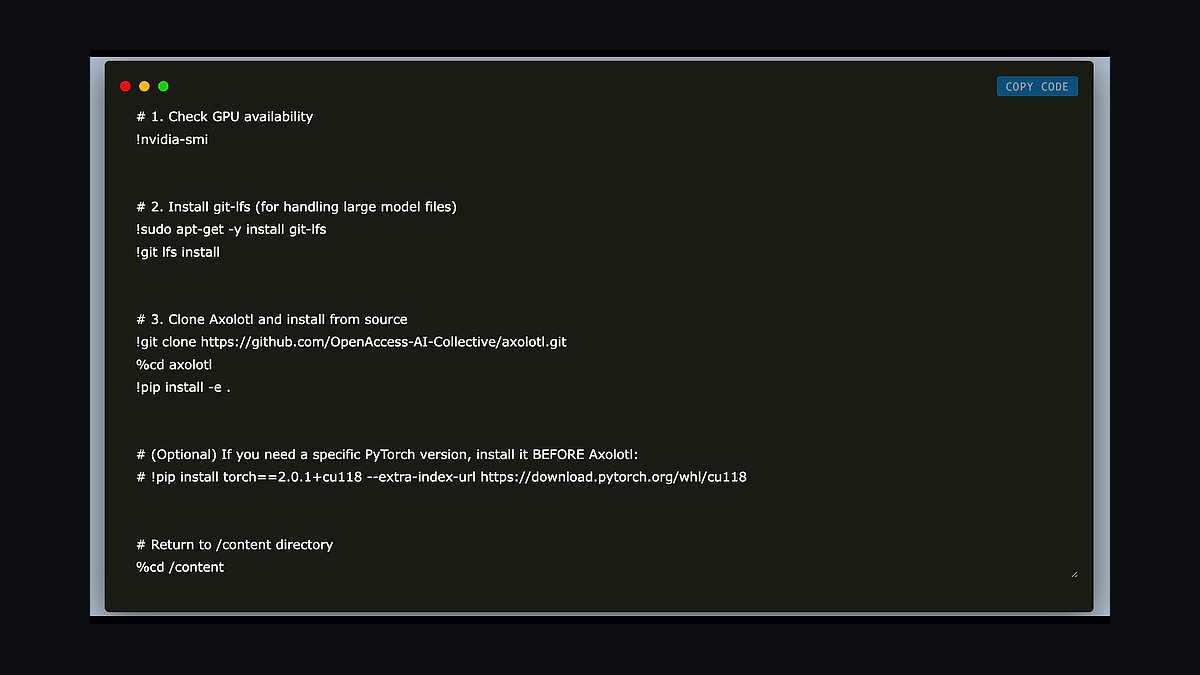
Axolotl ranks second because it is the config-driven training framework that turns PEFT primitives into reproducible SFT, DPO, and RLHF jobs from a single YAML file. It supports LoRA, QLoRA, and full fine-tuning across Llama, Mistral, Qwen, and Gemma families, and is the primary production path cited by early-stage platforms like OpenPipe and Lamini. Config-driven runs make customer job submission auditable and repeatable.
It suits platform teams that need broad method coverage with production reliability rather than raw speed. The trade-off is that Axolotl is slower than Unsloth on speed-critical LoRA paths and requires GPU memory headroom for larger configs. Against Hugging Face PEFT above, Axolotl is the orchestration layer that calls adapters, so vendors run both rather than replacing one with the other.
3Unsloth
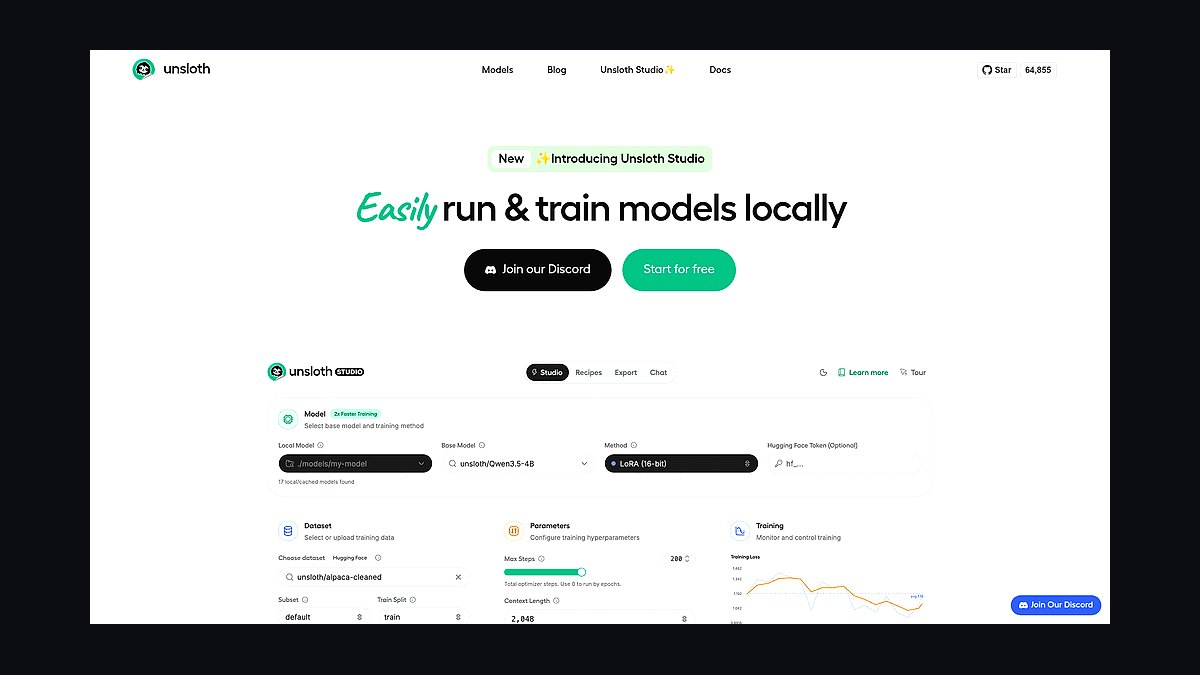
Unsloth ranks third because it delivers 2-5x faster LoRA and QLoRA training with roughly 70% less VRAM than standard implementations, which directly lowers per-fine-tune GPU cost for platform vendors. It supports Llama, Mistral, Qwen, Gemma, and Phi families with drop-in replacements for Hugging Face training loops. For speed-critical customer jobs, Unsloth is the path most vendors route to first.
It is for platforms optimizing unit economics on high-volume adapter training rather than maximum method breadth. The trade-off is narrower coverage of advanced methods like GRPO and RFT compared with TRL, and fewer knobs for exotic architectures. Against Axolotl above, Unsloth wins on throughput while Axolotl wins on configurability, so most stacks run Axolotl as primary and Unsloth for speed-critical jobs.
4TRL
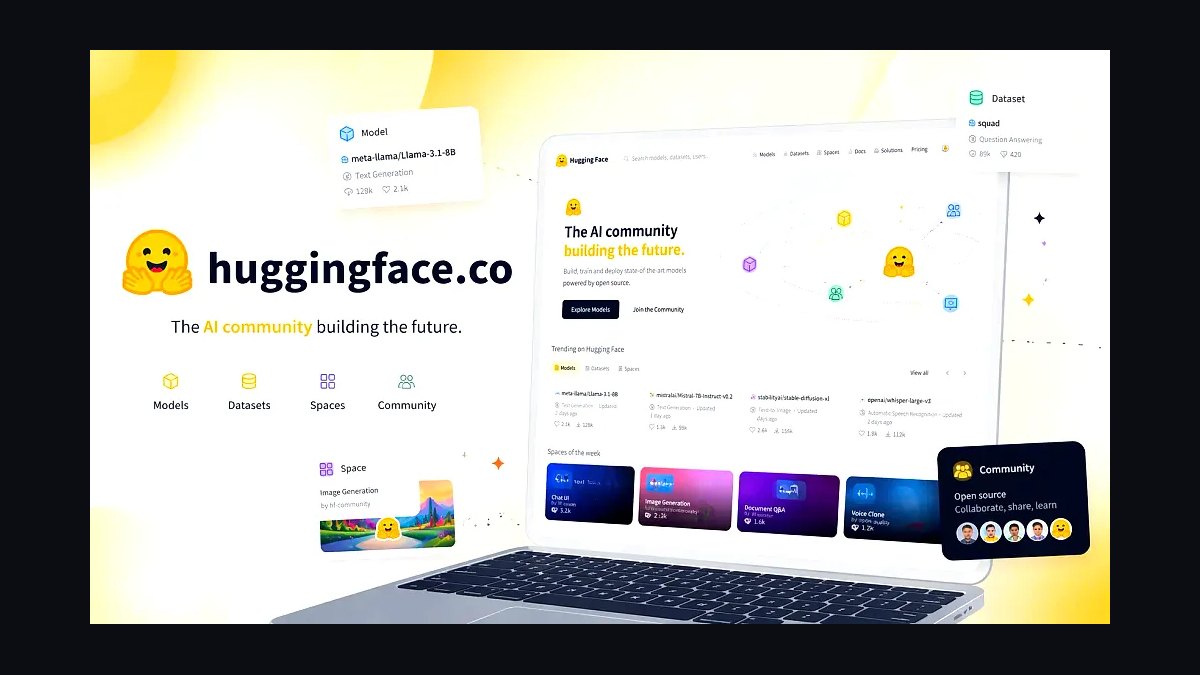
TRL ranks fourth because it is the reference library for alignment methods beyond SFT, implementing DPO, PPO, ORPO, KTO, and GRPO in maintained, tested code. GRPO specifically became the DeepSeek R1 reasoning method that enterprise buyers now request by name, and TRL shipped it faster than most competing frameworks. Platforms without TRL coverage lose deals to Together AI and Predibase on method breadth alone.
It is for platform teams whose customers demand alignment and reasoning fine-tuning, not just supervised tuning. The trade-off is heavier memory requirements for PPO and GRPO runs and more engineering effort to wrap into a customer-facing job API. Against Unsloth above, TRL trades raw LoRA speed for method coverage, so vendors run both rather than picking one.
5PyTorch FSDP
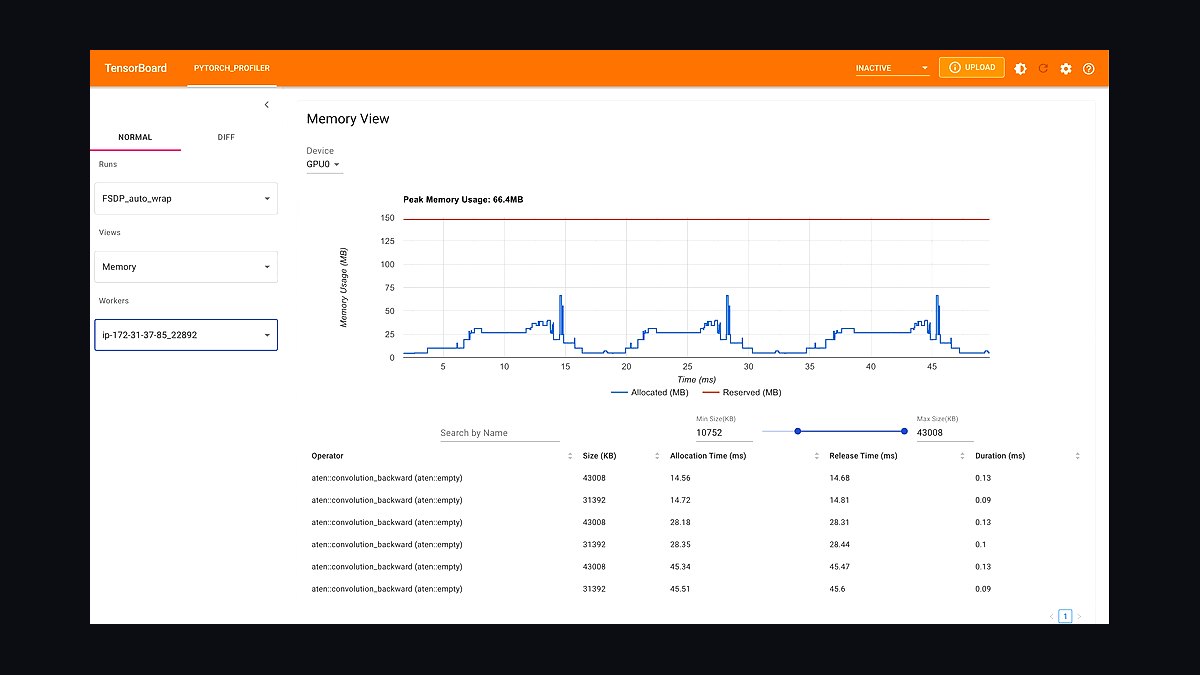
PyTorch FSDP ranks fifth because it is the native sharding layer that lets platforms train 70B-parameter models across multi-GPU nodes without custom distributed code. It shards parameters, gradients, and optimizer states across GPUs, and pairs with Hugging Face Accelerate as the abstraction layer above it. Vendors running rented H100 and H200 clusters on CoreWeave or Lambda rely on FSDP for the multi-node path.
It is for infrastructure engineers scaling beyond single-node training rather than for application developers. The trade-off is steeper debugging when jobs fail mid-run and less mature tooling than DeepSpeed on some configurations. Against TRL above, FSDP is the training substrate rather than the method layer, so the two sit at different levels and are deployed together.
6vLLM
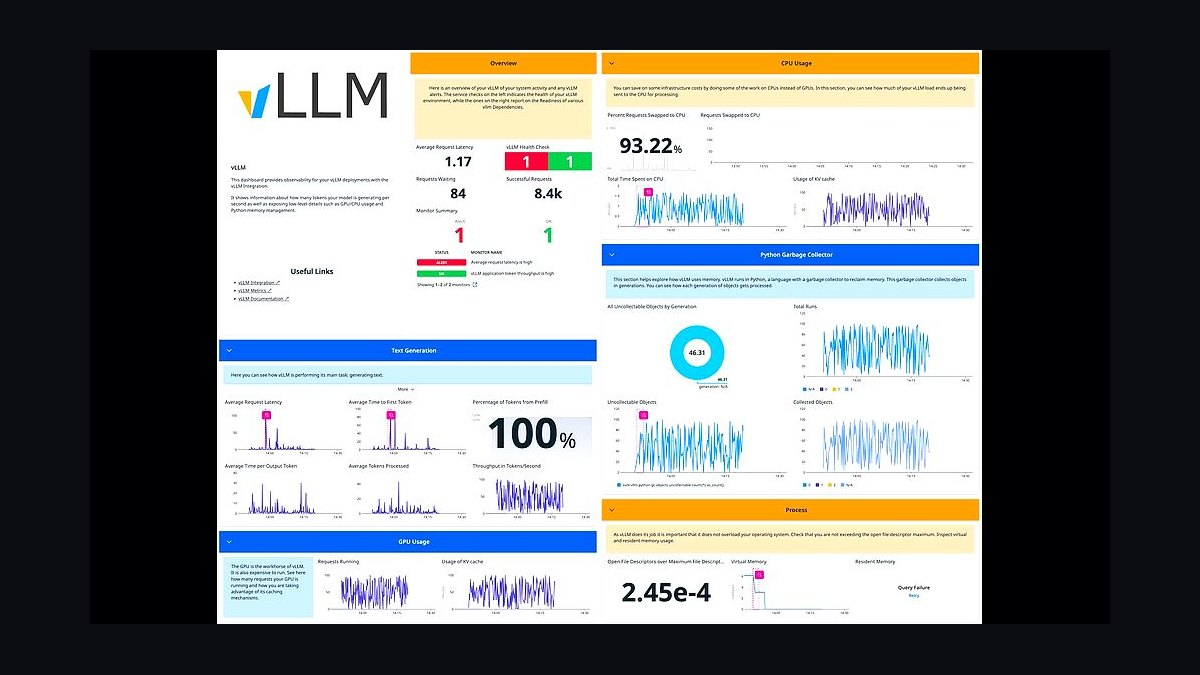
vLLM ranks sixth because it is the open-source serving engine that makes multi-tenant LoRA deployment economically viable, serving 100 adapters on a shared Llama-70B base at 10-20x lower cost than 100 dedicated instances. It delivers high-throughput inference through PagedAttention and supports adapter hot-swapping without base model reloads. Platform vendors without multi-tenant LoRA serving lose on both price and capacity against competitors.
It is for platform teams deploying customer fine-tuned endpoints at scale rather than for training workloads. The trade-off is that vLLM optimizes throughput over single-request latency, so latency-sensitive customers need dedicated capacity tiers or TensorRT-LLM instead. Against PyTorch FSDP above, vLLM is the serving half of the platform while FSDP is the training half, and both are required.
7Weights & Biases
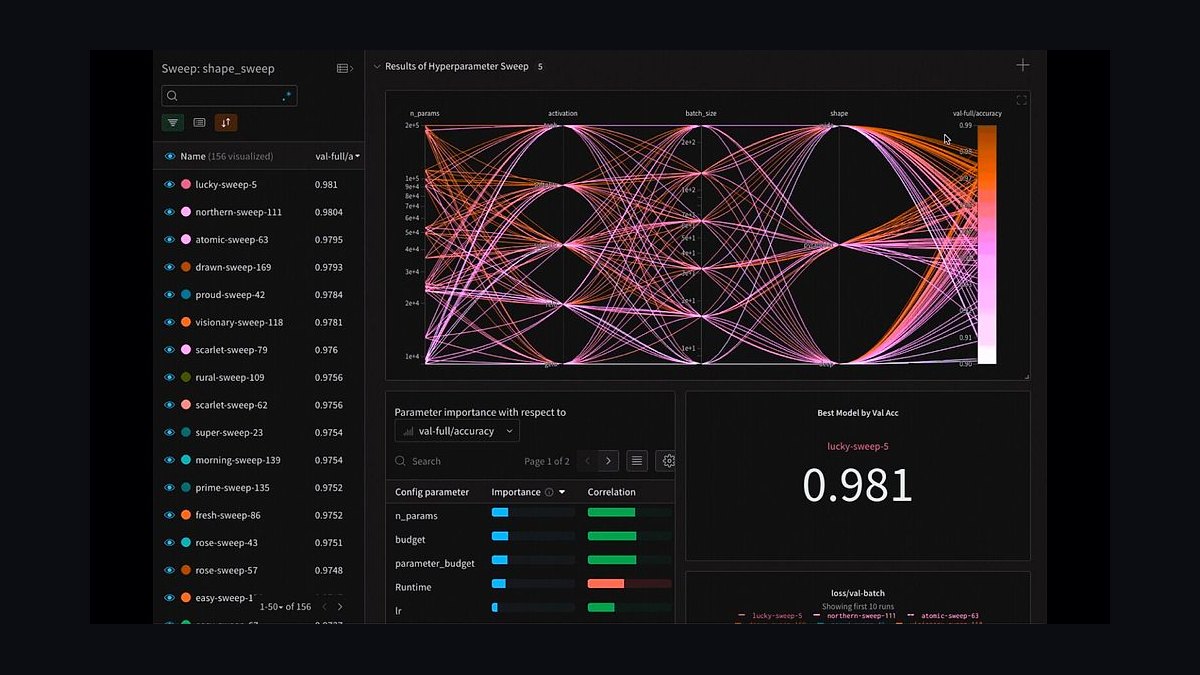
Weights & Biases ranks seventh because it is the experiment tracking layer that makes fine-tuning runs comparable across methods, hyperparameters, and model families. It starts at $50 per user per month with enterprise pricing above that, and tracks hyperparameter sweeps, model comparison, and training metrics that customers and internal teams both rely on. W&B dominates serious training workloads over MLflow and Comet for platform vendors.
It is for ML teams that need reproducible experiment history across many concurrent customer jobs. The trade-off is per-seat cost that scales with headcount and a hosted-first architecture that some regulated customers resist. Against vLLM above, W&B is the observability layer rather than the serving layer, so it sits alongside the training and deployment stack rather than replacing any part of it.
8Hugging Face Hub
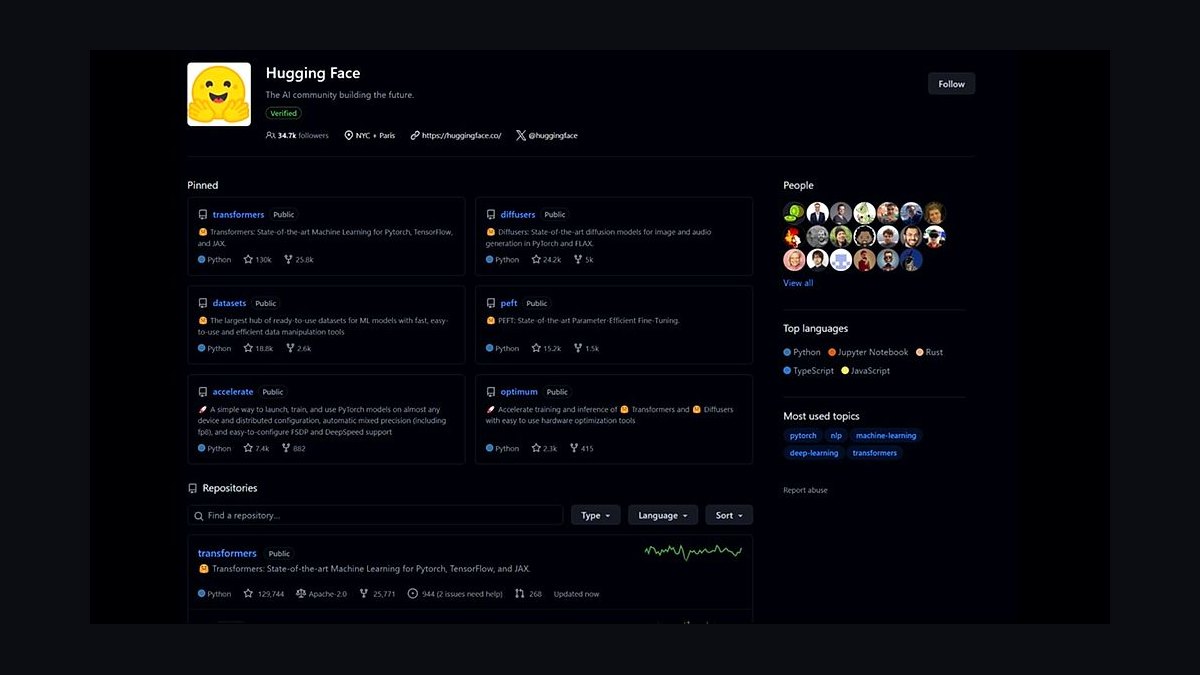
Hugging Face Hub ranks eighth because it is the default model registry and dataset distribution layer for open-source fine-tuning, storing adapters, base models, and datasets with versioning and access control. Platforms use it for community model distribution and increasingly for private customer model storage with gated repos. It pairs with Hugging Face Datasets as the universal dataset format for upload and curation workflows.
It is for platform teams that want registry and dataset infrastructure without building custom storage and versioning. The trade-off is limited enterprise controls compared with MLflow self-hosted or custom registries for regulated customers. Against Weights & Biases above, Hub is the artifact store while W&B is the experiment tracker, so both are typically deployed together rather than as alternatives.
9Salesforce Sales Cloud
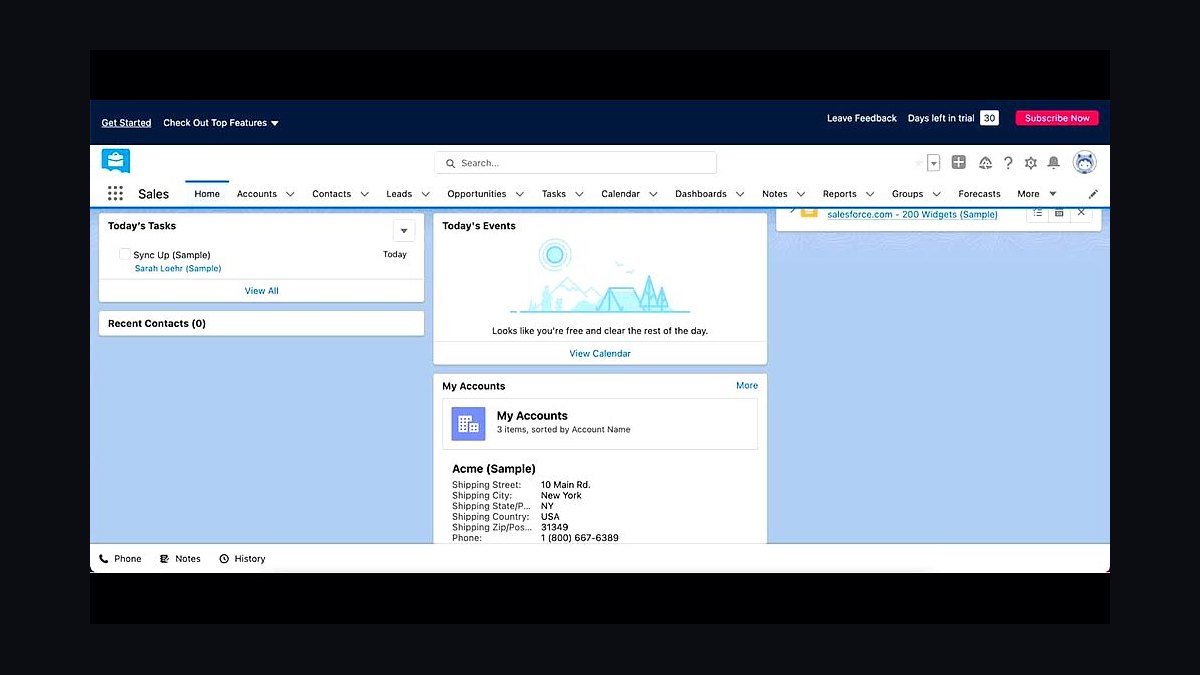
Salesforce Sales Cloud ranks ninth because enterprise fine-tuning deals at $25K-$2M ACV require pipeline, contract, and CPQ tooling that PLG CRMs cannot handle. It runs at $165 per user per month for Enterprise, with Salesforce CPQ adding $75-$150 per user per month for custom contracts and dedicated capacity pricing. Growth-stage platforms like Predibase and Together AI Fine-Tuning run Salesforce Enterprise alongside Clari and Gong.
It is for platform vendors whose revenue mix has shifted from self-serve developer credit cards to enterprise procurement with security review. The trade-off is implementation cost and admin overhead that early-stage vendors cannot justify against HubSpot Enterprise at $3,600 per month for 5 seats. Against Hugging Face Hub above, Salesforce is the revenue system rather than the model system, so it sits in a separate operational layer entirely.
10Metronome
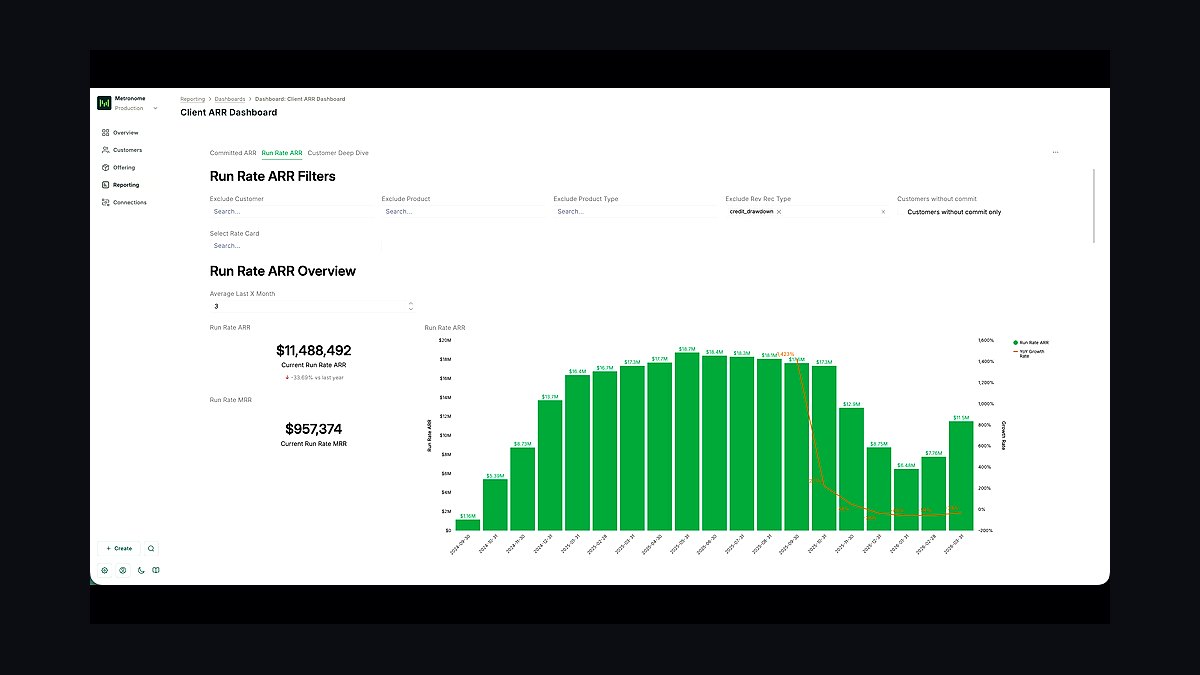
Metronome ranks tenth because fine-tuning pricing combines per-fine-tune-job, per-million-tokens inference, and per-GPU-hour training charges that standard subscription billing cannot meter. It runs $50K-$500K per year and handles usage aggregation, rating, and invoicing for sophisticated multi-dimensional pricing. Stripe Billing covers self-serve developer credit cards while Metronome handles enterprise usage contracts.
It is for platform vendors whose revenue depends on accurate metering of GPU hours and token throughput rather than flat seats. The trade-off is annual cost and implementation effort that only makes sense above roughly $20M ARR, since Stripe Billing alone suffices below that. Against Salesforce Sales Cloud above, Metronome is the billing engine while Salesforce is the CRM, and the two integrate rather than compete.
How we ranked these
We ranked each tool on five weighted criteria: training throughput and multi-GPU scaling efficiency (25%), method coverage across SFT, DPO, PPO, ORPO, GRPO, and PEFT variants (20%), dataset curation and eval orchestration depth (20%), inference serving cost per million tokens with multi-tenant LoRA support (20%), and enterprise compliance readiness including SOC 2, ISO 42001, and EU AI Act evidence (15%). Scores came from public benchmarks, vendor documentation, and operator interviews.
We deliberately ignored list pricing, logo counts, and analyst quadrant placement. Sticker prices shift with committed GPU volume and rarely reflect true total cost once egress, storage, and idle capacity are counted. Logo walls reward marketing spend, not reliability. Quadrant placement lags fast-moving open-source releases by quarters, so a 2026 ranking often misleads a 2027 buyer choosing infrastructure that ships weekly.
What to look for
What matters most is whether the platform keeps a failed 40-hour training job from destroying customer trust. Look for checkpoint frequency, automatic retry on transient GPU failures, transparent failure reporting, and a refund or credit policy written into the contract. Method coverage is second: buyers increasingly request GRPO, ORPO, and RFT, and a vendor stuck on SFT plus DPO loses enterprise deals to Together AI or Predibase within one procurement cycle.
The mistake most buyers make is optimizing for breadth of model families instead of depth in the two or three architectures their customers actually fine-tune. A platform supporting 40 base models but serving LoRA adapters poorly under burst load will churn accounts faster than a narrower vendor with per-tenant quotas, autoscaling base replicas, and a dedicated capacity tier. Test multi-tenant serving under realistic concurrency before signing.
Related questions
What training framework should a fine-tuning platform build on in 2027?
Start with PyTorch FSDP for sharding, then layer DeepSpeed or Megatron-LM for large-scale runs. Hugging Face Accelerate and Lightning Fabric abstract the differences. Most vendors build proprietary orchestration on top of Axolotl, Unsloth, and TRL rather than writing training loops from scratch, because those frameworks already implement SFT, DPO, ORPO, and GRPO correctly and track upstream releases.
How much does a fine-tuning platform spend on GPU compute monthly?
Early-stage vendors renting from CoreWeave, Lambda, or Modal typically spend $60K-$300K monthly on GPU, dominating their infrastructure bill. Growth-stage platforms with reserved H100 or B200 capacity often run $400K-$1.5M monthly. Owning hardware rarely pays off below roughly $50M ARR because utilization is spiky and depreciation outpaces rental flexibility for most workloads.
Which billing platform handles per-token and per-GPU-hour pricing?
Metronome is the default for sophisticated usage billing, combining per-fine-tune-job, per-million-token inference, and per-GPU-hour training charges in one invoice. It runs $50K-$500K annually. Stripe Billing covers self-serve developer credit-card flows below roughly $50K ACV. Most platforms run both: Stripe for PLG, Metronome for enterprise contracts with committed spend and overage tiers.
Do fine-tuning platforms need ISO 42001 certification in 2027?
Increasingly yes for enterprise and regulated buyers. ISO 42001 is the AI management system standard, and procurement teams at banks, insurers, and healthcare providers now ask for it alongside SOC 2 Type II and ISO 27001. Vanta and Drata automate evidence collection at $30K-$100K annually. Hyperproof handles more complex multi-framework programs at $60K-$300K.
How does multi-tenant LoRA serving actually work?
A shared base model stays resident in GPU memory while customer-specific LoRA adapters load and unload per request. vLLM and SGLang support this natively, letting one Llama-70B instance serve hundreds of adapters. The risk is burst traffic from one tenant spiking latency for everyone. Mitigate with per-tenant quotas, autoscaling base replicas, and a dedicated capacity tier for latency-sensitive enterprise accounts.
What eval tooling should ship with a fine-tuning platform?
Baseline on lm-evaluation-harness for standard benchmarks like MMLU and HellaSwag, add Inspect from UK AISI for modern agentic and safety evals, and offer HELM for comprehensive academic comparison. The real differentiation is custom eval orchestration: letting customers upload their own held-out sets, define grader models, and gate deployment on eval thresholds before pushing an endpoint live.
Why do fine-tuning platforms lose deals to AWS Bedrock or Azure OpenAI?
Hyperscalers win on procurement simplicity, bundled IAM, VPC private access, and existing cloud commitments that make incremental spend feel free. Standalone platforms counter with method breadth, faster support for new open-source models like Qwen, DeepSeek, and Gemma, deeper eval orchestration, and better PEFT optimizations. Differentiation must be technical, not contractual, because hyperscaler paper always wins on terms.
What does a growth-stage fine-tuning platform stack cost monthly?
Plan on roughly $500K-$2.5M monthly at $20M-$100M ARR. That covers GPU rental or reserved capacity, Salesforce Enterprise with Clari, Gong, and Outreach, Metronome plus NetSuite for billing and revenue recognition, Gainsight with Pendo and Mixpanel for adoption analytics, and Vanta plus Hyperproof for SOC 2, ISO 27001, and ISO 42001 evidence.
FAQ
What is the best tech stack for a fine-tuning platform company in 2027?
Build training on PyTorch FSDP with DeepSpeed or Megatron-LM, fine-tune via Axolotl, Unsloth, and TRL, curate data with Hugging Face Datasets, Argilla, and Cleanlab, track experiments in Weights & Biases, register models in Hugging Face Hub or MLflow, serve through vLLM or TensorRT-LLM, and run revenue on Salesforce or HubSpot with Metronome billing and Vanta compliance.
Which PEFT methods should a fine-tuning platform support first?
Ship LoRA and QLoRA immediately, since they cover the vast majority of customer requests and compress fine-tune cost to $10-$500 for Llama-70B-scale models. Add DoRA next for quality-sensitive workloads. IA3, prefix tuning, and prompt tuning matter for niche research customers but rarely drive revenue. Method breadth beyond PEFT, especially DPO and GRPO, is what wins enterprise evaluations.
How important is experiment tracking for a fine-tuning platform?
Critical. Customers running dozens of hyperparameter sweeps need Weights & Biases or MLflow to compare runs, visualize loss curves, and reproduce results. W&B at roughly $50 per user monthly dominates serious training workloads. Platforms that skip integrated tracking force customers to bolt on their own tooling, which fragments the experience and weakens retention when a competitor bundles it natively.
Should a fine-tuning platform own GPUs or rent them?
Rent below roughly $50M ARR. CoreWeave, Lambda, Crusoe, Modal, and Together AI offer reserved and on-demand capacity without depreciation risk. Utilization is spiky, and idle owned H100s burn cash faster than rental premiums. Above $50M ARR with predictable utilization, reserved contracts or owned clusters start paying off, especially for vendors with steady enterprise training demand.
What compliance certifications do fine-tuning platform buyers require?
SOC 2 Type II and ISO 27001 are table stakes. ISO 42001 is increasingly required by regulated enterprises. HIPAA matters for medical fine-tuning use cases, FedRAMP for federal customers, and EU AI Act evidence for European deployments. Vanta or Drata automate most evidence collection at $30K-$100K annually, but ISO 42001 and FedRAMP need dedicated compliance engineering headcount.
How do fine-tuning platforms price their services?
Most combine three meters: per-fine-tune-job for training, per-million-tokens for inference, and per-GPU-hour for dedicated capacity. Self-serve developers pay credit-card rates around $50-$500 monthly. Enterprise contracts run $25K-$2M ACV with committed spend, overage tiers, and reserved capacity. Metronome handles the complex metering; Stripe Billing covers simple PLG flows.
What causes fine-tuning platform customer churn?
Failed training jobs with lost checkpoints top the list. A $20K job dying at hour 40 without automatic retry or refund kills renewal. Second is method coverage gaps: customers requesting GRPO or ORPO who find only SFT and DPO available leave for Together AI or Predibase. Third is inference latency spikes from noisy-neighbor LoRA serving on shared base models without per-tenant isolation.
Which model families should a fine-tuning platform support in 2027?
Llama, Mistral, and Qwen cover most demand. DeepSeek matters for reasoning workloads after R1. Gemma serves cost-sensitive customers. Phi targets edge and small-model use cases. Supporting 40 families sounds impressive but dilutes engineering. Depth in five or six architectures, with fast support for new releases, beats shallow coverage of every open-weight model published.
How does a fine-tuning platform differentiate against hyperscalers?
Compete on method breadth, open-source model velocity, eval orchestration depth, and PEFT optimization quality. AWS Bedrock, Azure OpenAI, and Vertex AI win on procurement, IAM, and VPC integration, so never fight there. Instead, ship GRPO support weeks after publication, host models hyperscalers ignore, and offer custom eval gating that hyperscaler consoles do not expose to customers.
What team structure does a fine-tuning platform need?
Expect three engineering pods: training infrastructure covering distributed training and GPU orchestration, platform and serving covering APIs, multi-tenant LoRA, and inference, and data and eval covering curation, annotation, and benchmark orchestration. Sales splits between PLG self-serve and enterprise field. Compliance, DevRel, and solutions engineering round out the org once past $20M ARR.
Sources
- https://huggingface.co/docs/peft/index
- https://pytorch.org/blog/introducing-fsdp/
- https://github.com/OpenAccess-AI-Collective/axolotl
- https://github.com/unslothai/unsloth
- https://huggingface.co/docs/trl/index
- https://docs.vllm.ai/en/latest/
- https://wandb.ai/site
- https://www.vanta.com/products/soc-2
- https://metronome.com/product
- https://github.com/EleutherAI/lm-evaluation-harness
Related on PULSE
This page will be disappearing soon. Save it to your device for $1 — or read it free while it is here.
@Kory-White- · if Venmo asks, the last 4 of my number are 2012
This page is gone.
This one is off the shelf now. $1 keeps it on your phone for good — the whole page, pictures and diagrams included.
 pulse-tech-stacksTop 10 Best Tech Stack Tools for Pilates Studios in 2027
 pulse-tech-stacksTop 10 Best Tech Stack Tools for Data Loss Prevention (DLP) Software Vendors in 2027
 pulse-tech-stacksTop 10 Best Tech Stack Tools for MSP and IT Services Companies in 2027
 pulse-tech-stacksTop 10 Best Tech Stack Tools for Plumbing Contractors in 2027
 pulse-tech-stacksTop 10 Best Tech Stack Tools for Mobile Threat Defense (MTD) Vendors in 2027
 pulse-tech-stacksTop 10 Best Tech Stack Tools for Independent Dance Studios in 2027
 pulse-tech-stacksTop 10 Best Tech Stack Tools for Public Relations Agencies in 2027
 pulse-tech-stacksTop 10 Best Tech Stack Tools for Medical Billing and RCM Companies in 2027
 pulse-tech-stacksTop 10 Best Tech Stack Tools for RV Dealerships in 2027
 pulse-tech-stacksTop 10 Best Tech Stack Tools for Garden Centers and Nurseries in 2027