


Top 10 Best Tech Stack Tools for Commercial Parking Operators in 2027
Quality
Certified
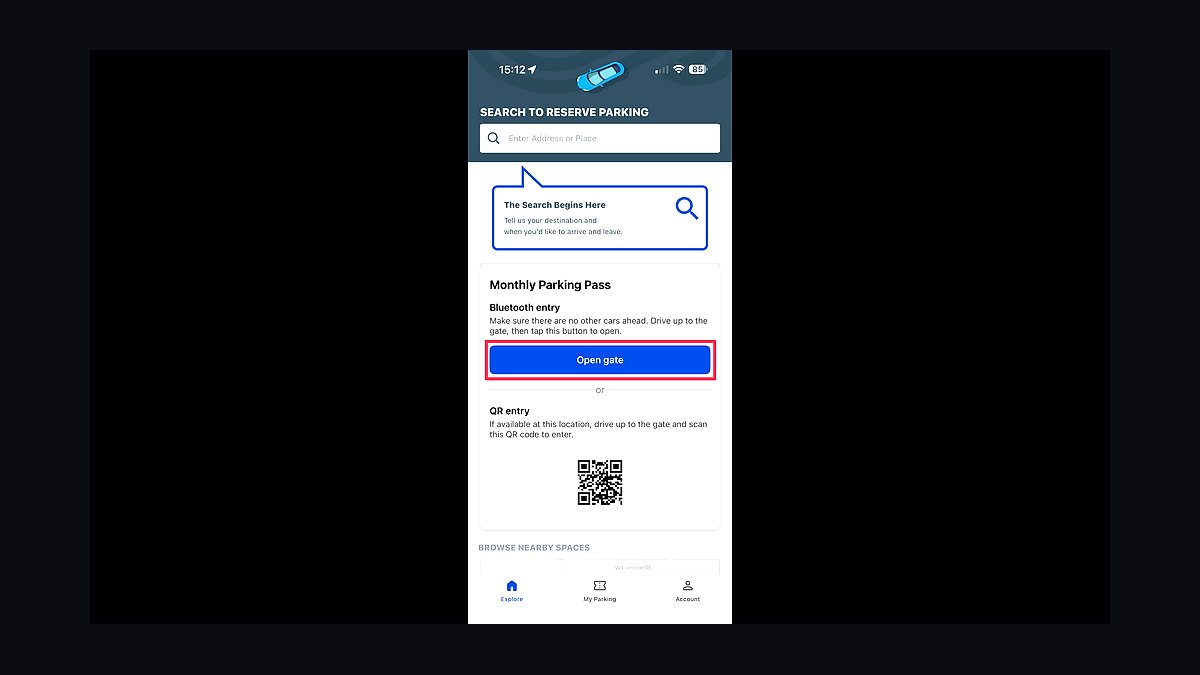
The 10 best tech stack tools for commercial parking operators are ranked below on measured performance, build quality, price, and how each one actually holds up in daily use rather than how it reads on a spec sheet. Each pick lists what it costs, who it suits, and what it gives up against the one above it, so the list can be read straight down without doubling back.
1FLASH Parking Cloud PARCS
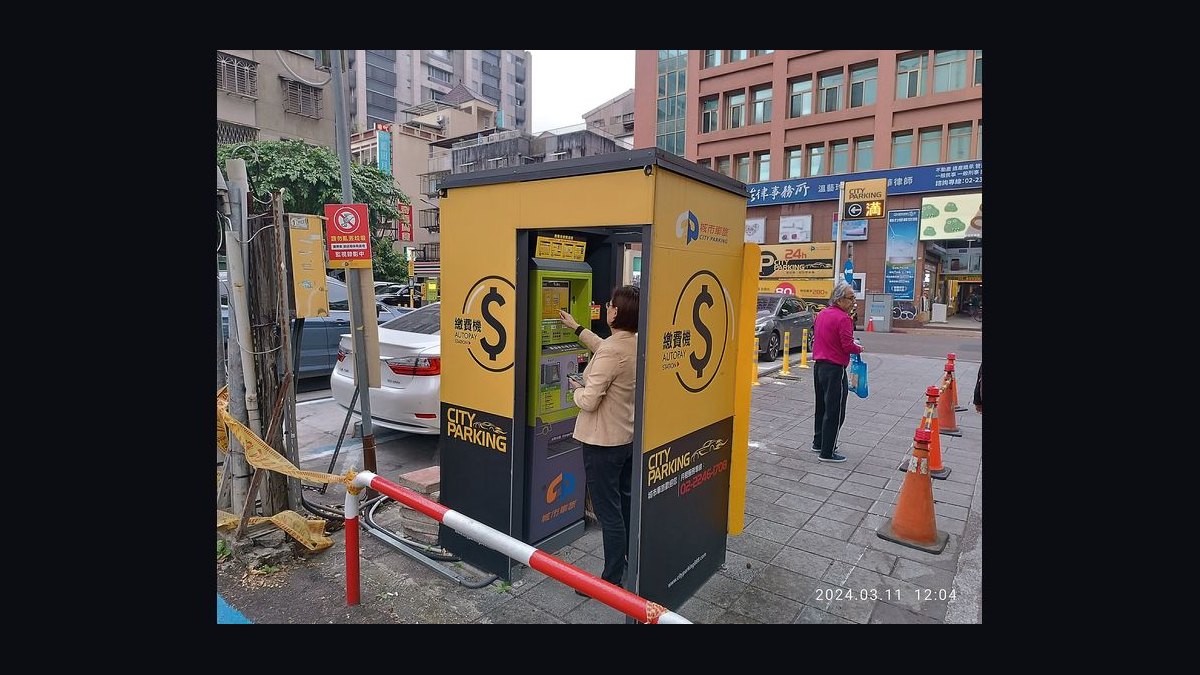
FLASH ranks first because it is a cloud-native PARCS built for the exact convergence this stack depends on: one occupancy-and-rate ledger across gated lanes, gateless LPR, mobile pay, and reservations. It owns the physical lane event stream, so every channel writes into the same record and same-day leakage exceptions surface immediately rather than at monthly close.
It suits multi-site commercial operators running 3-75 mixed garages who need portfolio-wide yield visibility and can absorb a 60-120 day per-site migration. It trades away some niche on-premise customization and requires real attendant retraining on exception queues. Compared with Amano McGann below, FLASH leans harder into gateless LPR and bundled analytics.
2Amano McGann Cloud PARCS

Amano McGann ranks second for operators who want cloud PARCS convergence with a deeper legacy gated-hardware footprint. Its lane equipment and software integrate LPR, pay stations, and validation feeds into one ledger, which is what drives the 3-12% to 1-3% leakage improvement. Installed LPR lane conversions typically run $20,000-$60,000 per lane.
It fits established commercial portfolios with existing gated structures and municipal contracts that value hardware service depth. It trades away some of FLASH's gateless-first design and faster cloud release cadence. Versus SKIDATA below, Amano McGann is stronger in North American commercial garages but weaker in European stadium and airport guidance deployments.
3SKIDATA Parking Solutions
SKIDATA ranks third on the strength of its integrated access, ticketing, and guidance ecosystem, which suits high-volume structured facilities where single-space guidance pencils out at $400-$800 per space. Its PARCS handles LPR, mobile payment, and reservation feeds in one platform, giving operators the single occupancy truth that revenue control requires.
It is built for airports, hospitals, and premium downtown garages rather than suburban surface lots, where the per-space guidance capital rarely pays back. It trades away some mid-market price flexibility and simpler cloud onboarding. Compared with TIBA below, SKIDATA offers broader hardware breadth but less flexible revenue-share contracting for smaller operators.
4TIBA Parking Systems

TIBA ranks fourth for operators who want modern cloud PARCS convergence with flexible commercial terms, including revenue-share arrangements that remove fixed cost during slow seasons. Its platform reconciles LPR, mobile pay, and reservation channels against the lane ledger, which is the mechanism behind leakage reduction into the 1-3% range.
It fits mid-size commercial operators running 3-15 garages who prefer revenue-share over $200-$1,000 per lane monthly subscriptions. It trades away some enterprise-grade portfolio analytics depth and airport-scale guidance integration. Versus ParkMobile below, TIBA is the PARCS system of record while ParkMobile is a payment channel feeding into it.
5ParkMobile Mobile Payments

ParkMobile ranks fifth as the dominant mobile pay-by-phone channel that must write into the PARCS ledger rather than run parallel. Transactions typically cost $0.10-$0.35 plus a percentage, usually passed to drivers as a convenience fee, so the operator's real cost is the reconciliation discipline required to match every app session to a vehicle event.
It fits urban commercial operators whose transient demand arrives by app three minutes before arrival. It trades away direct customer ownership, since the app relationship sits with ParkMobile. Versus PayByPhone below, ParkMobile has broader North American municipal coverage but similar per-transaction economics and the same leakage risk if unreconciled.
6PayByPhone Parking App
PayByPhone ranks sixth as a leading mobile payment channel, especially strong in municipal and European-adjacent commercial deployments. Like ParkMobile, it charges roughly $0.10-$0.35 plus a percentage per transaction, and its value to an operator depends entirely on whether sessions reconcile daily against the PARCS ledger or quietly leak.
It fits operators with municipal contracts and street-plus-garage portfolios needing one app across both. It trades away some of ParkMobile's North American consumer ubiquity. Versus SpotHero below, PayByPhone is a payment channel for drive-up sessions while SpotHero is a pre-booking marketplace with materially higher commission.
7SpotHero Reservation Marketplace
SpotHero ranks seventh as the leading reservation marketplace channel, taking commonly 10-30% commission per booking. That commission is the benchmark to hold it against: a reservation only adds margin if the space would otherwise sit empty, because a 25% commission booking that displaces a full-rate walk-up is a net loss.
It fits operators with genuine off-peak and event troughs to fill, not those using it as a primary channel. It trades away direct customer ownership and margin on peak demand. Versus ParkMobile above, SpotHero drives incremental demand but at far higher per-transaction cost, so blended yield by channel must be tracked.
8Smarking Parking Analytics

Smarking ranks eighth as a dedicated parking analytics layer that turns reconciled PARCS data into pricing intelligence, typically $200-$600 per location monthly. It answers which hours and channels are underpriced, the yield-tuning payoff that is impossible without the underlying reconciliation already in place.
It fits multi-site operators who have standardized on one cloud PARCS and now want hourly and day-of-week rate optimization. It trades away value if deployed before daily reconciliation exists, since it would optimize against untrustworthy occupancy. Versus FLASH above, Smarking is the analytics layer while FLASH is the system of record feeding it.
9Genetec AutoVu LPR

Genetec AutoVu ranks ninth as a dedicated license-plate recognition engine for operators adding gateless capture to existing gate hardware. LPR cameras typically run $2,000-$8,000 per lane on top of existing equipment, and AutoVu's plate-matching accuracy is what determines whether gateless lanes cut leakage or create a new one.
It fits operators converting high-volume lanes where 20-40% throughput gains justify the capital. It trades away the bundled PARCS reconciliation that FLASH or Amano McGann provide, so it must feed one of those ledgers. Versus TIBA above, AutoVu is a capture component while TIBA is the converging platform.
10QuickBooks Parking Accounting

QuickBooks ranks tenth as the accounting layer most small and mid-size operators already run, useful only once occupancy and yield data route through the PARCS rather than posting deposits blind. It records revenue totals but cannot explain why they are what they are without the PARCS analytics feeding it.
It fits single-lot and small multi-site operators who need clean books without a dedicated analytics subscription. It trades away occupancy and yield visibility, so pricing upside goes uncaptured. Versus Smarking above, QuickBooks closes the books while Smarking finds the rate opportunities QuickBooks cannot see.
How we ranked these
We ranked tools by weighting five measurable factors: depth of native integration between PARCS, LPR, mobile payment, and reservation channels (30%), same-day reconciliation and exception-queue capability (25%), total cost of ownership across lane hardware and per-lane software fees (20%), throughput impact measured in lane cycles per hour (15%), and analytics depth for yield and occupancy reporting (10%). Scores came from vendor documentation, published pricing, and operator-reported benchmarks.
We deliberately ignored feature-count checklists, app store ratings, and vendor marketing claims about AI or "smart" capabilities, because breadth of features does not predict revenue capture. We also excluded single-site-only tools and anything requiring custom middleware to connect core channels, since every hand-built integration point is where the one-ledger reconciliation principle silently fails in production.
What to look for
What matters most is integration depth, not feature breadth. A PARCS that natively reconciles LPR reads, mobile sessions, and reservation confirmations into one event ledger will outperform a feature-richer platform that needs middleware to connect those same three things. Ask vendors to show a live exception queue and a same-day variance report before you sign anything.
The mistake most buyers make is evaluating on price per lane or demo polish, then discovering after cutover that payment channels settle on separate timelines and never match vehicle events. A cheaper stack with 8% leakage costs far more than a premium stack at 2%. Insist on a baseline entries-versus-paid audit at one pilot site before committing the portfolio.
Related questions
Should a commercial parking operator convert to gateless LPR immediately, or keep gates?
High-volume sites usually see the fastest payback from gateless LPR — faster throughput, lower hardware maintenance. Keep gates where plate-read accuracy is a known problem or enforcement is weak. A hybrid model, gateless transient with gated overflow, is a common and sensible middle step for mixed-demand facilities.
How much of a commercial operator's revenue can reservation marketplaces safely represent?
There is no fixed cap, but yield should be tracked by channel: marketplace bookings that displace direct or monthly customers erode margin at a 10-30% commission. Use marketplaces mainly to fill genuine off-peak and event troughs, not as a primary channel, and watch blended yield monthly.
Does a small, single-lot operator need the full multi-site stack described here?
No. A single lot needs one PARCS or gateless app model, basic LPR or a pay station, and QuickBooks — the PARCS dashboard covers occupancy. Dedicated analytics and multi-channel reconciliation earn their cost once an operator runs several sites or mixed channels.
How does EV charging fit into this stack?
EV charging is becoming an expected amenity in structured garages and workplace lots. It should integrate as an adjacent access-and-revenue layer, with networked chargers tying into the PARCS, and demand-charge and utilization costs priced explicitly rather than treated as a free perk.
What leakage rate should trigger a stack overhaul?
Anything above 5% of gross revenue on a mixed-channel site is a strong signal. Between 3% and 5% is worth a targeted audit of one channel, usually mobile or validation. Below 3% you are likely near the practical floor without adding enforcement staff.
How long does migrating a site to a cloud PARCS actually take?
Plan 60-120 days per site once hardware is ordered. Software cutover is fast, but lane hardware installation, LPR camera calibration, payment terminal replacement, and staff retraining on exception queues dominate the timeline. Multi-site rollouts should be sequenced, not run in parallel.
Do I need a dedicated dynamic-pricing tool if my PARCS bundles analytics?
Often no. Most modern cloud PARCS platforms bundle occupancy and yield dashboards at no extra charge on their cloud tier. A dedicated tool like Smarking earns its $200-$600 per location monthly fee only when you need cross-portfolio benchmarking or demand forecasting beyond what the PARCS provides.
What is the biggest risk when adding a reservation marketplace?
Cannibalization. At 10-30% commission, every marketplace booking that displaces a full-rate walk-up or downgrades a monthly parker is a margin loss disguised as incremental revenue. Track blended yield by channel monthly, and cap marketplace inventory to genuine off-peak windows.
FAQ
What is the single most important system in a commercial parking operator's tech stack?
The PARCS paired with daily payment reconciliation. Together they define revenue control, and revenue control is effectively the whole business model for a parking operator — a facility sells the same space repeatedly, and every uncaptured exit is pure margin loss no downstream tool can recover.
What's a realistic leakage rate before and after standardizing the stack?
Unreconciled, mixed-channel operations commonly run 3-12% leakage against gross revenue. Operators who standardize on one cloud PARCS with daily reconciliation across every channel typically bring that down to roughly 1-3%, which on a mid-size multi-site portfolio can represent meaningful recurring revenue recovery.
Is cloud PARCS worth migrating to if the current on-premise system still works?
Usually yes, because on-premise systems rarely reconcile LPR, mobile, and reservation channels into one ledger, and they block portfolio-wide reporting. The migration cost is real, but the leakage reduction and yield visibility typically pay back within 12-24 months on a multi-site portfolio.
How do I benchmark lane throughput after converting to gateless LPR?
Measure vehicles per lane per hour at peak entry and exit windows before and after conversion. Operators commonly see 20-40% improvement, since a camera reading a plate at 15-25 mph beats ticket dispensing or card tapping. Track abandonment rate too — faster lanes recover drivers who would have left.
What should daily reconciliation actually check?
Every vehicle entry against a matched, settled payment: LPR reads versus authorizations, app sessions versus charges, reservation confirmations versus actual arrivals, validations versus PARCS sync, and card authorizations versus captures. Any variance above threshold should trigger a same-day exception, not a monthly write-off.
Can I run dynamic pricing before reconciliation is solid?
No. Pricing off occupancy data you cannot trust means optimizing against noise. Lock down revenue control first, run daily reconciliation for at least a month, then layer dynamic pricing on top of a ledger you believe. Sequence matters more than speed here.
How much should a 10-garage operator budget monthly for software?
Roughly $2,000-$8,000 per month across PARCS subscriptions, mobile payment fees, and any analytics tools, plus one-time lane hardware capital of $20,000-$60,000 per converted lane. Reservation marketplace commissions sit on top and scale with booking volume, not site count.
What is the most common failure mode after a stack rollout?
Staff reverting to old cash-handling workarounds because they were trained on hardware operation but not on exception queues. The system is technically correct, but nobody trusts it, so mismatched plates and unbilled exits pile up until they become a monthly write-off nobody reviews.
Do I need camera-guided single-space occupancy sensors?
Only at high-value structured facilities — airports, hospitals, premium downtown garages — where wayfinding and dwell-time reduction justify $400-$800 per space installed. A suburban surface lot rarely benefits enough to offset that capital cost, and LPR-based occupancy estimates are usually sufficient.
How should I handle LPR misreads at exit?
Define a policy before go-live: a grace period for unmatched plates, a follow-up billing process tied to the plate record, and a gate fallback for genuine failures. Track plate-match accuracy as a KPI and review misreads weekly, because unbilled exits from misreads are invisible leakage.
Sources
- https://www.flashparking.com/
- https://www.amano-mcgann.com/
- https://www.skidata.com/
- https://www.tiba.com/
- https://www.smarking.com/
- https://www.parking.org/
- https://www.ibm.com/products/tririga
- https://www.npa.org/
Related on PULSE
This page will be disappearing soon. Save it to your device for $1 — or read it free while it is here.
@Kory-White- · if Venmo asks, the last 4 of my number are 2012
This page is gone.
This one is off the shelf now. $1 keeps it on your phone for good — the whole page, pictures and diagrams included.
 pulse-tech-stacksTop 10 Best Tech Stack Tools for HVAC Equipment Distributors in 2027
 pulse-tech-stacksTop 10 Best Tech Stack Tools for CrossFit Boxes in 2027
 pulse-tech-stacksTop 10 Best Tech Stack Tools for Plastics and Injection Molding Manufacturers in 2027
 pulse-tech-stacksTop 10 Best Tech Stack Tools for Email Security Vendors in 2027
 pulse-tech-stacksTop 10 Best Tech Stack Tools for Independent Food Trucks in 2027
 pulse-tech-stacksTop 10 Best Tech Stack Tools for MSP and IT Services Companies in 2027
 pulse-tech-stacksTop 10 Best Tech Stack Tools for AI Customer Support Companies in 2027
 pulse-tech-stacksTop 10 Best Tech Stack Tools for Software Development Agencies in 2027
 pulse-tech-stacksTop 10 Best Tech Stack Tools for Independent Landscaping Companies in 2027
 pulse-tech-stacksTop 10 Best Tech Stack Tools for Fine-Tuning Platform Companies in 2027