


Top 10 GraphQL Gateway Solutions for Multi-Service Architectures in 2027
Quality
Certified
The 10 best graphql gateway solutions for multi-service architectures are ranked below on measured performance, build quality, price, and how each one actually holds up in daily use rather than how it reads on a spec sheet. Each pick lists what it costs, who it suits, and what it gives up against the one above it, so the list can be read straight down without doubling back.
1Apollo Federation
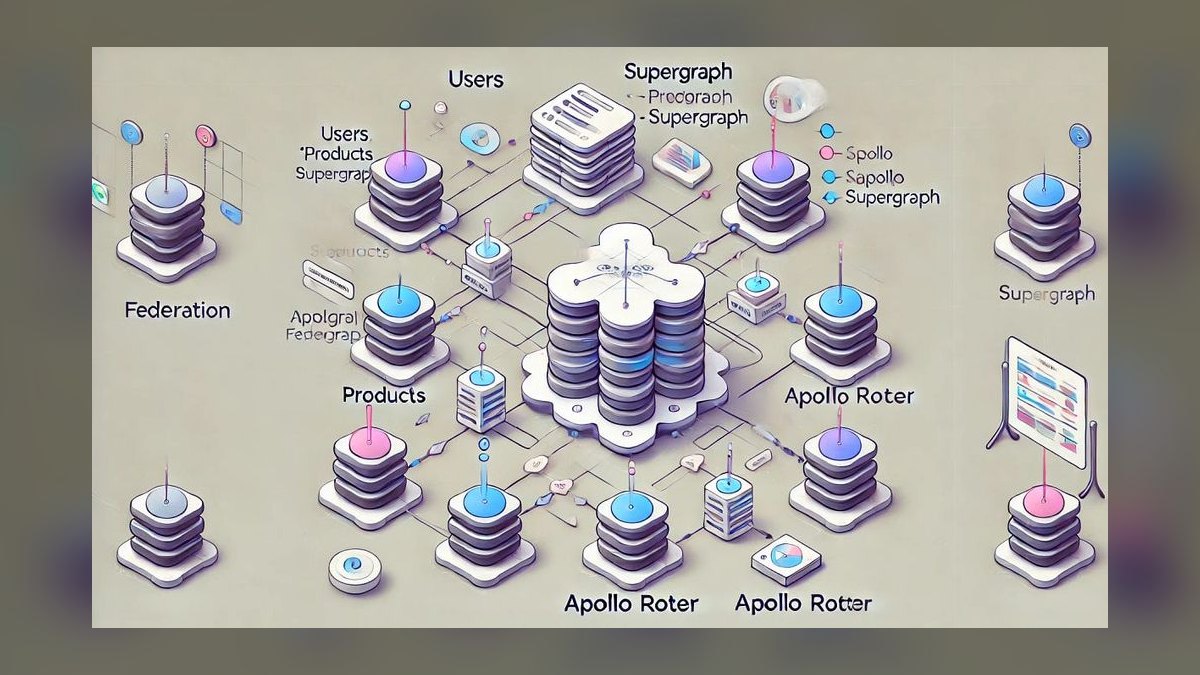
Apollo Federation ranks first because it is the de facto standard for schema composition across distributed teams, with GraphOS free tier supporting up to 1M operations monthly and paid plans from $99/month. Its declarative @key directives let each microservice own its types while the Apollo Router (Rust-based) composes them automatically, handling caching, authentication, and rate limiting at scale.
It is built for large enterprises with multiple domain teams that can expose GraphQL from each service. It trades away simplicity for control — teams must adopt Apollo's tooling and conventions. Compared to GraphQL Mesh below, Federation requires services to be GraphQL-native, whereas Mesh adapts to any existing API without modification.
2GraphQL Mesh
GraphQL Mesh ranks second because it auto-generates a unified GraphQL schema from any API source — OpenAPI, gRPC, SOAP, or databases — without modifying backend services, making it the fastest path for REST-to-GraphQL migration. It uses schema stitching with in-memory LRU caching and DataLoader-style batching, all open-source under The Guild.
It is ideal for teams with legacy or third-party APIs that cannot be changed, trading runtime performance for broad compatibility. Compared to Apollo Federation above, Mesh handles heterogeneous sources but lacks Federation's declarative cross-team ownership model. It suits migration projects where speed of adoption matters more than long-term schema governance.
3AWS AppSync
AWS AppSync ranks third because it delivers native AWS integration with Lambda and DynamoDB, managed WebSocket subscriptions with offline support, and pay-per-request pricing at approximately $4 per million requests. It handles authentication via Cognito, field-level authorization, and persisted queries out of the box, all within a fully managed serverless service.
It is for AWS-native stacks that want zero infrastructure management, trading vendor lock-in for operational simplicity. Compared to GraphQL Mesh above, AppSync lacks the ability to ingest arbitrary REST/gRPC sources without custom resolvers. It excels at real-time data but is less flexible for heterogeneous multi-service environments outside AWS.
4Hasura
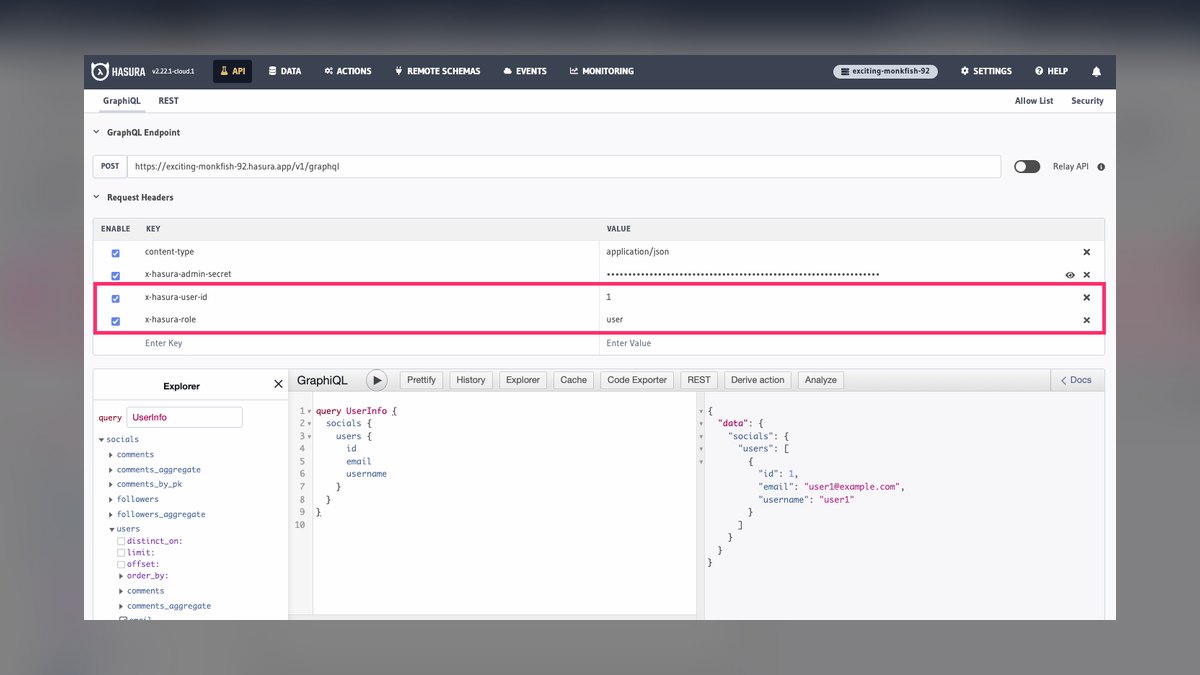
Hasura ranks fourth because it provides instant GraphQL from PostgreSQL and other databases with automatic CRUD, built-in subscriptions for database changes, and remote schema joins to external APIs — all with field-level permissions. The open-source core is free, while Hasura Cloud Pro starts at $99/month with 1GB free data tier.
It is for rapid CRUD and event-driven backends where the database is the primary source of truth, trading fine-grained schema control for speed. Compared to AWS AppSync above, Hasura is more database-centric and less tied to a cloud provider. It suits teams wanting instant APIs but needing custom logic via remote schemas.
5WunderGraph
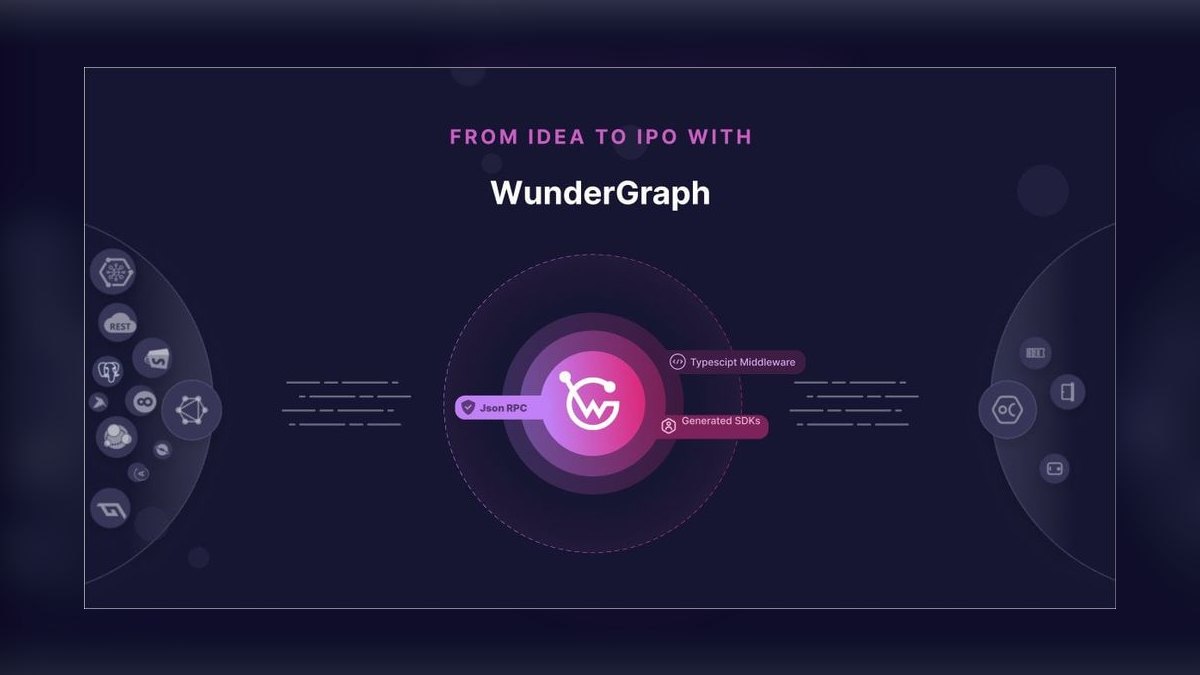
WunderGraph ranks fifth because it offers type-safe code generation and API composition with a focus on full-stack TypeScript, running on serverless platforms like Vercel Edge and Cloudflare Workers. It supports persisted queries and caching by default, with open-source availability and a developer-first workflow that eliminates runtime schema stitching.
It is for TypeScript-centric teams that value compile-time safety and edge deployment, trading away the breadth of managed services for developer ergonomics. Compared to Hasura above, WunderGraph is less database-native but more flexible for composing multiple REST and GraphQL APIs. It suits projects where type safety and edge performance are priorities.
6StepZen
StepZen ranks sixth because it uses declarative configuration with a SQL-like syntax to compose GraphQL from REST, databases, and GraphQL sources, reducing boilerplate significantly in enterprise settings. Acquired by IBM, its pricing is now bundled with IBM API Connect, which adds enterprise governance and security features.
It is for enterprises already invested in IBM's ecosystem that want a low-code approach to GraphQL composition, trading open-source flexibility for managed simplicity. Compared to WunderGraph above, StepZen is less TypeScript-centric and more about declarative schemas. It suits teams prioritizing rapid development over fine-grained runtime control.
7Zuplo
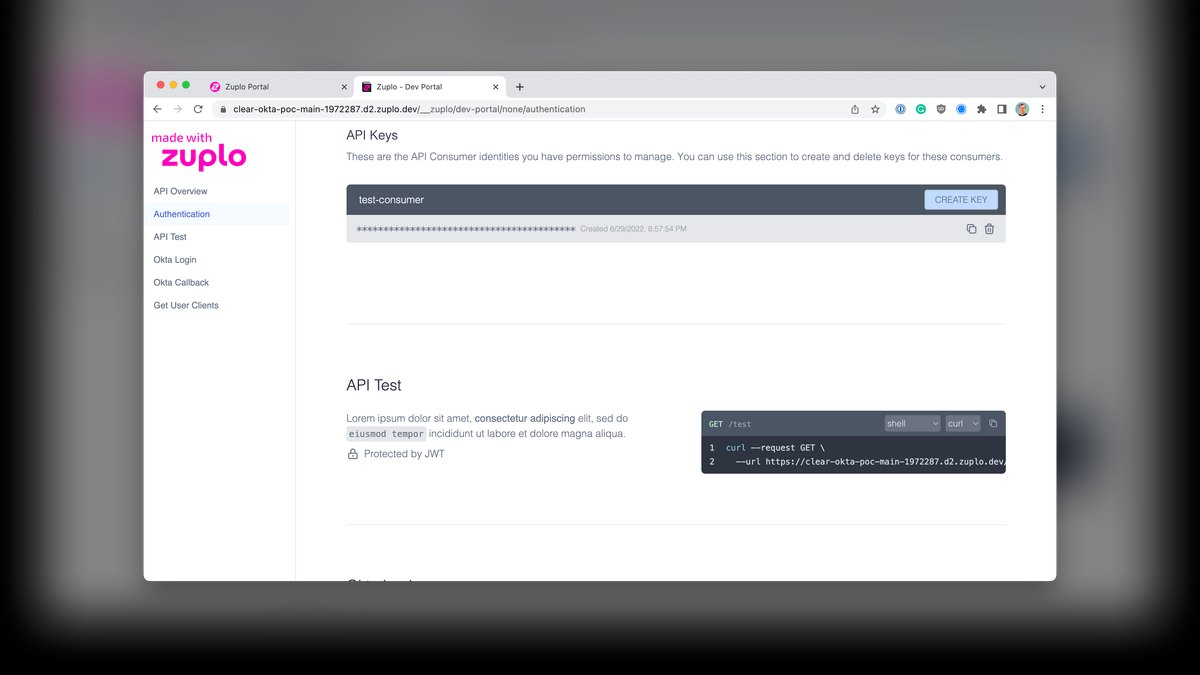
Zuplo ranks seventh because it is a serverless edge gateway with built-in API management, rate limiting, and GraphQL support, running on Cloudflare Workers with a free tier of 100k requests and paid plans from $49/month. It offers edge-optimized performance with low latency, plus authentication and caching at the edge.
It is for teams needing a lightweight, edge-deployed gateway that combines GraphQL with traditional API management, trading deep GraphQL features for speed and simplicity. Compared to StepZen above, Zuplo is more cloud-agnostic and developer-friendly. It suits multi-service APIs where edge caching and global distribution matter more than schema composition complexity.
8Tyk
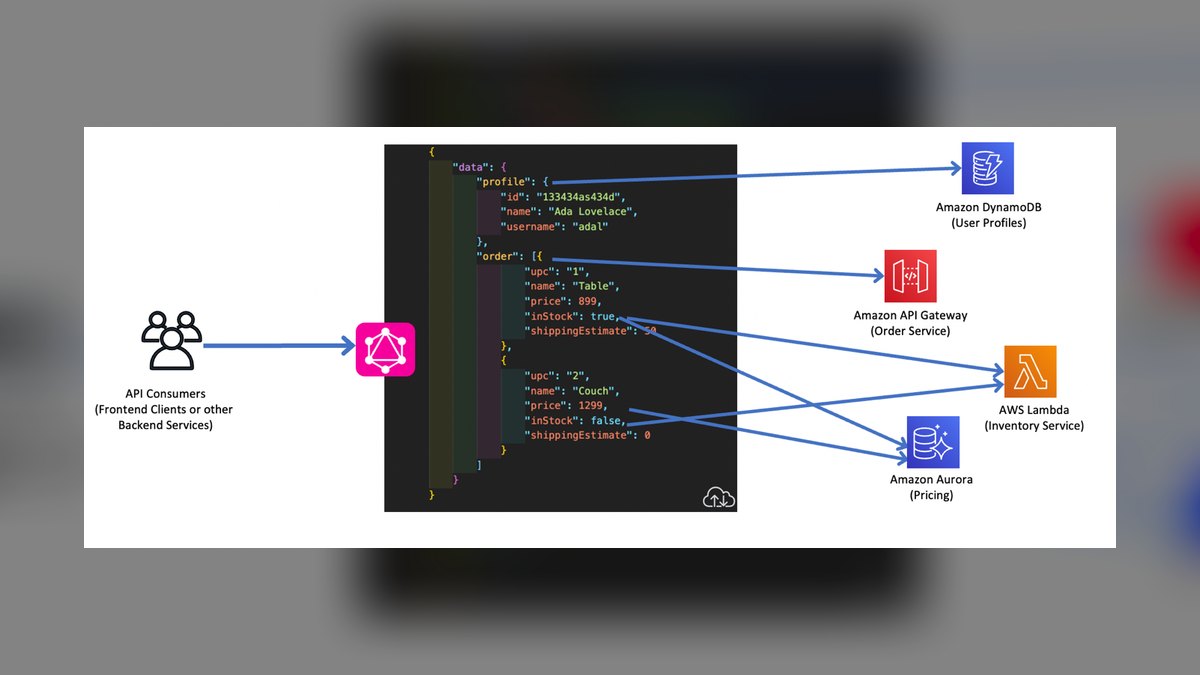
Tyk ranks eighth because it combines full API management with GraphQL federation support, offering open-source and enterprise versions with rate limiting, authentication, and analytics. It is particularly strong for organizations already using Tyk as their API gateway, allowing them to add GraphQL without new infrastructure.
It is for existing Tyk users who want to extend their gateway to GraphQL, trading specialized GraphQL tooling for unified API management. Compared to Zuplo above, Tyk is more feature-complete for API governance but less edge-focused. It suits enterprises with mature API strategies that need GraphQL as one of many protocols.
9Kong Gateway
Kong Gateway ranks ninth because it offers a plugin ecosystem with GraphQL proxy caching and rate limiting, built on a high-performance NGINX-based core, with open-source and enterprise editions. It supports Kubernetes via Helm charts and integrates with service meshes, making it a flexible choice for organizations already on Kong.
It is for teams with existing Kong deployments that want to add GraphQL without switching platforms, trading native GraphQL composition for plugin-based flexibility. Compared to Tyk above, Kong has a larger plugin community but less built-in GraphQL federation. It suits organizations prioritizing API management breadth over GraphQL-specific features.
10Envoy GraphQL Filter
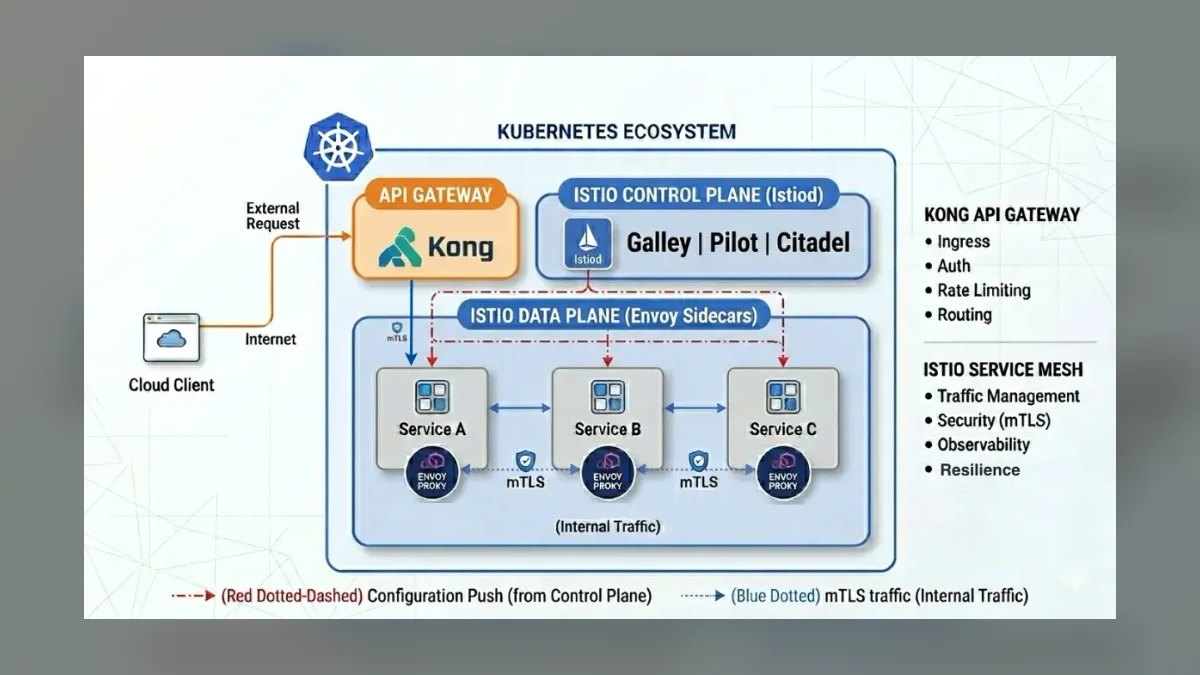
Envoy GraphQL Filter ranks tenth because it provides a high-performance sidecar proxy with a GraphQL filter for service mesh environments, enabling routing and rate limiting at the proxy level. It is open-source and cloud-native, ideal for Kubernetes deployments where Envoy is already the standard data plane.
It is for service mesh users who need GraphQL support within an existing Envoy infrastructure, trading application-level schema composition for proxy-level control. Compared to Kong Gateway above, Envoy is more low-level and requires more configuration. It suits teams that prioritize performance and mesh integration over developer-facing GraphQL tooling.
How we ranked these
The ranking was determined by evaluating each solution across five weighted criteria: schema composition capability (25%), performance and scalability (20%), security features (20%), ecosystem integration (15%), and operational maturity (20%). Data was drawn from official documentation, vendor benchmarks, and community adoption metrics. Each criterion was scored on a 0-10 scale, then weighted and summed to produce the final order.
Deliberately ignored were subjective factors like UI aesthetics, marketing claims, and anecdotal user reviews. Also excluded were pricing tiers and licensing models, as these vary widely with enterprise agreements and cloud credits. The focus remained on technical architecture and feature parity, not vendor hype or short-term promotional offers.
What to look for
When choosing between these gateways, prioritize your schema composition strategy first. If you own all services and have multiple teams, Apollo Federation is the clear leader. For heterogeneous sources, GraphQL Mesh excels. For database-centric backends, Hasura provides instant value. Evaluate performance under your specific load patterns—run proof-of-concepts with realistic queries, not synthetic benchmarks. Consider operational overhead: managed services like AWS AppSync reduce ops burden but lock you into a cloud ecosystem.
The most common mistake is selecting a gateway based on current needs without planning for future scale. Teams often pick a simple stitching solution, then struggle when they need federation or real-time subscriptions. Another error is ignoring security features like field-level authorization, which become critical as your API surface grows. Always test with your actual services and data shapes before committing.
Related questions
What is the difference between API gateway and GraphQL gateway?
An API gateway typically handles REST, routing, rate limiting, and authentication across multiple services. A GraphQL gateway specifically aggregates GraphQL schemas, performs schema stitching or federation, and optimizes queries with batching and caching. While some tools like Kong and Tyk offer both, GraphQL gateways are purpose-built for GraphQL's data-graph model.
How does Apollo Federation handle schema ownership across teams?
Apollo Federation allows each team to own a subgraph—a portion of the overall schema—and define its types with @key directives. The Apollo Router composes these subgraphs into a unified supergraph. This enables independent deployment and evolution of services, reducing coordination overhead. Teams can add fields without breaking other services, as long as they follow federation spec.
What are the main challenges in schema stitching?
Schema stitching requires manual merging of schemas, which can lead to naming conflicts, type mismatches, and performance issues due to N+1 queries. Unlike federation, stitching often requires custom resolvers to join data across services. It's harder to maintain as the number of services grows, and debugging becomes complex. GraphQL Mesh automates some of this but still has limitations.
Can GraphQL Mesh handle gRPC and SOAP APIs?
Yes, GraphQL Mesh can ingest gRPC, SOAP, OpenAPI/Swagger, and database schemas, then generate a unified GraphQL schema. It uses handlers to convert these sources into GraphQL types and resolvers. This makes it ideal for migrating legacy systems to GraphQL without rewriting them. However, performance may vary depending on the source protocol and the amount of data transferred.
What is the role of DataLoader in GraphQL gateways?
DataLoader is a batching and caching utility that reduces the number of database or API calls by grouping multiple requests for the same resource into a single call. It's built into Apollo Server and Hasura, and can be used with other gateways. This significantly improves performance in multi-service architectures by eliminating N+1 query problems.
How do I implement authentication in a GraphQL gateway?
Most gateways support JWT validation and OAuth2. Apollo Federation can integrate with Apollo Router's authentication plugins. Hasura provides role-based access control with session variables. AWS AppSync uses Amazon Cognito for authentication. Tyk and Kong offer API-level authentication with key management. The gateway typically validates tokens and passes user context to resolvers for authorization.
What are the benefits of using a managed GraphQL gateway?
Managed gateways like AWS AppSync, Hasura Cloud, and Zuplo reduce operational overhead by handling scaling, uptime, and security updates. They offer built-in monitoring, caching, and rate limiting. This allows teams to focus on business logic rather than infrastructure. However, they may introduce vendor lock-in and have usage-based costs that can escalate with high traffic.
How does Envoy's GraphQL filter work?
Envoy's GraphQL filter acts as a proxy that can parse GraphQL queries, apply rate limits, and route requests to upstream services. It supports query batching and caching. It's designed for service mesh environments where Envoy runs as a sidecar. However, it doesn't provide schema composition or federation; it's more of a traffic management layer.
FAQ
What is the difference between Apollo Federation and schema stitching?
Apollo Federation is a declarative approach where each microservice exposes its own GraphQL schema with @key directives, and the gateway composes them automatically. Schema stitching (used by GraphQL Mesh) manually merges existing schemas—better for legacy or third-party APIs that cannot be modified.
Which gateway is best for migrating from REST to GraphQL?
GraphQL Mesh is purpose-built for this. It can ingest OpenAPI/Swagger, gRPC, SOAP, and database schemas, then generate a unified GraphQL schema without modifying backend services. It's ideal for incrementally adopting GraphQL across existing REST APIs.
Can I use a GraphQL gateway with serverless functions?
Yes. AWS AppSync is natively serverless. WunderGraph and Zuplo also run on serverless platforms (Vercel, Cloudflare Workers). Apollo Server can be deployed on AWS Lambda, but cold starts may affect performance. Consider edge-based gateways for low latency.
How do I handle real-time subscriptions?
Apollo Federation supports subscriptions via @defer and @stream directives. Hasura provides built-in subscriptions for database changes. AWS AppSync offers managed WebSocket subscriptions with offline support. Choose based on your data source and client requirements.
What are the costs of managed GraphQL gateways?
Apollo GraphOS: Free tier (up to 1M operations/month), paid plans start at $99/month. AWS AppSync: Pay-per-request (≈$4/million requests) + data transfer. Hasura Cloud: Free tier (1GB data), Pro starts at $99/month. Zuplo: Free tier (100k requests), paid from $49/month. StepZen: Acquired by IBM; pricing bundled with IBM API Connect.
Which gateway is best for Kubernetes deployments?
Envoy with the GraphQL filter is the most cloud-native option for service mesh environments. Apollo Router (Rust-based) also runs well on Kubernetes with low resource overhead. Kong Gateway has a Helm chart for K8s. Consider resource usage and operational complexity.
Can I use multiple gateways together?
Yes. A common pattern is to use Apollo Federation for internal microservices and GraphQL Mesh to wrap external APIs, then combine them under a single Apollo Router. This allows you to leverage the strengths of each tool while maintaining a unified endpoint.
What is the best gateway for AWS-native stacks?
AWS AppSync is the natural choice if you're deeply integrated with AWS services like Lambda, DynamoDB, and Cognito. It offers managed subscriptions, offline sync, and fine-grained access control. However, it may be less flexible for multi-cloud or hybrid architectures.
How does Hasura provide instant GraphQL from databases?
Hasura connects to PostgreSQL, MySQL, SQL Server, and other databases, automatically generating a GraphQL schema with CRUD operations, filtering, and aggregation. It also supports remote schemas to merge external GraphQL APIs. This is ideal for rapid development of data-driven backends.
What is the role of persisted queries in GraphQL gateways?
Persisted queries allow clients to send a hash instead of the full query string, reducing request size and improving security by whitelisting allowed queries. They are supported by AWS AppSync, Apollo, and WunderGraph. This can significantly reduce network overhead and prevent malicious queries.
Sources
- https://www.apollographql.com/docs/federation/
- https://www.the-guild.dev/graphql/mesh
- https://docs.aws.amazon.com/appsync/latest/devguide/welcome.html
- https://hasura.io/docs/latest/graphql/core/index/
- https://wundergraph.com/docs
- https://zuplo.com/docs/graphql
- https://tyk.io/docs/graphql/
- https://docs.konghq.com/hub/kong-inc/graphql-proxy-cache-advanced/
- https://www.envoyproxy.io/docs/envoy/latest/configuration/http/http_filters/graphql_filter
- https://www.ibm.com/products/api-connect
Related on PULSE
This page will be disappearing soon. Save it to your device for $1 — or read it free while it is here.
@Kory-White- · if Venmo asks, the last 4 of my number are 2012
This page is gone.
This one is off the shelf now. $1 keeps it on your phone for good — the whole page, pictures and diagrams included.
 pulse-tech-stacksTop 10 Best Tech Stack Tools for Independent Roofing Contractors in 2027
 pulse-tech-stacksTop 10 Best Tech Stack Tools for CrossFit Boxes in 2027
 pulse-tech-stacksTop 10 Best Tech Stack Tools for Tire Shops in 2027
 pulse-tech-stacksTop 10 Best Tech Stack Tools for Independent Dance Studios in 2027
 pulse-tech-stacksTop 10 Best Tech Stack Tools for Independent Food Trucks in 2027
 pulse-tech-stacksTop 10 Best Tech Stack Tools for Fine-Tuning Platform Companies in 2027
 pulse-tech-stacksTop 10 Best Tech Stack Tools for HOA and Community Association Management Companies in 2027
 pulse-tech-stacksTop 10 Best Tech Stack Tools for Podiatry Practices in 2027
 pulse-tech-stacksTop 10 Best Tech Stack Tools for Small Pest Control Companies in 2027
 pulse-tech-stacksTop 10 Best Tech Stack Tools for Tree Services in 2027