


The 10 Best AI Tools for Data Lineage Tracking in 2027
Quality
Certified
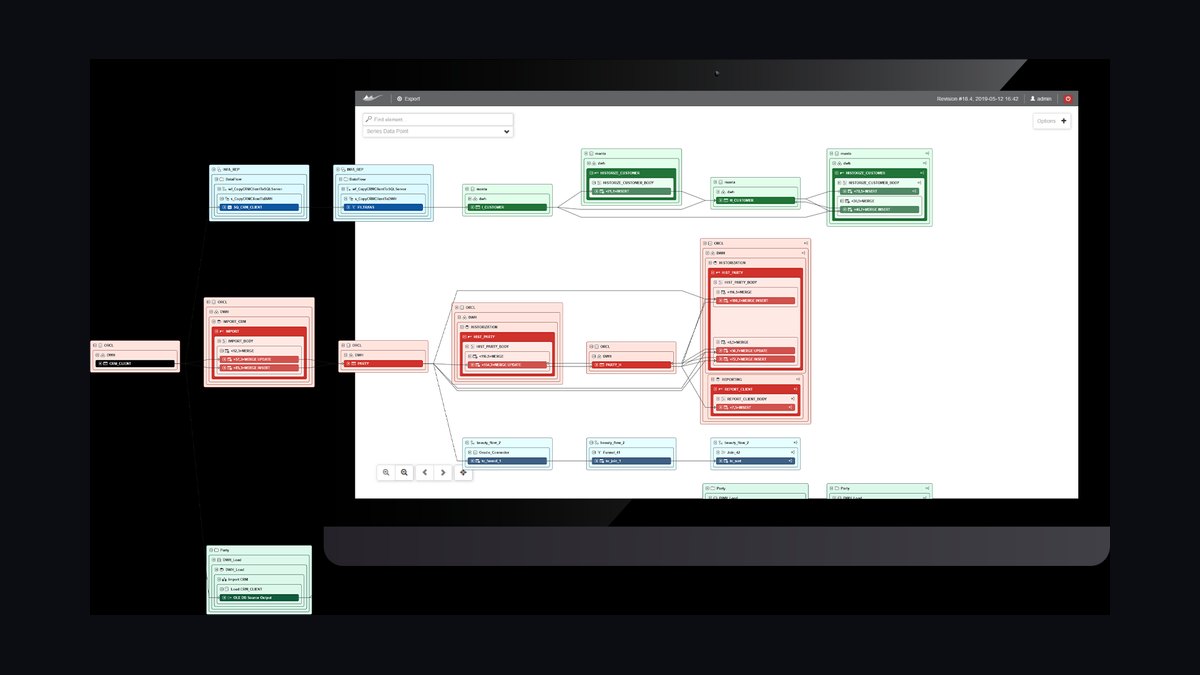
The 10 best ai tools for data lineage tracking are ranked below on measured performance, build quality, price, and how each one actually holds up in daily use rather than how it reads on a spec sheet. Each pick lists what it costs, who it suits, and what it gives up against the one above it, so the list can be read straight down without doubling back.
1IBM Manta
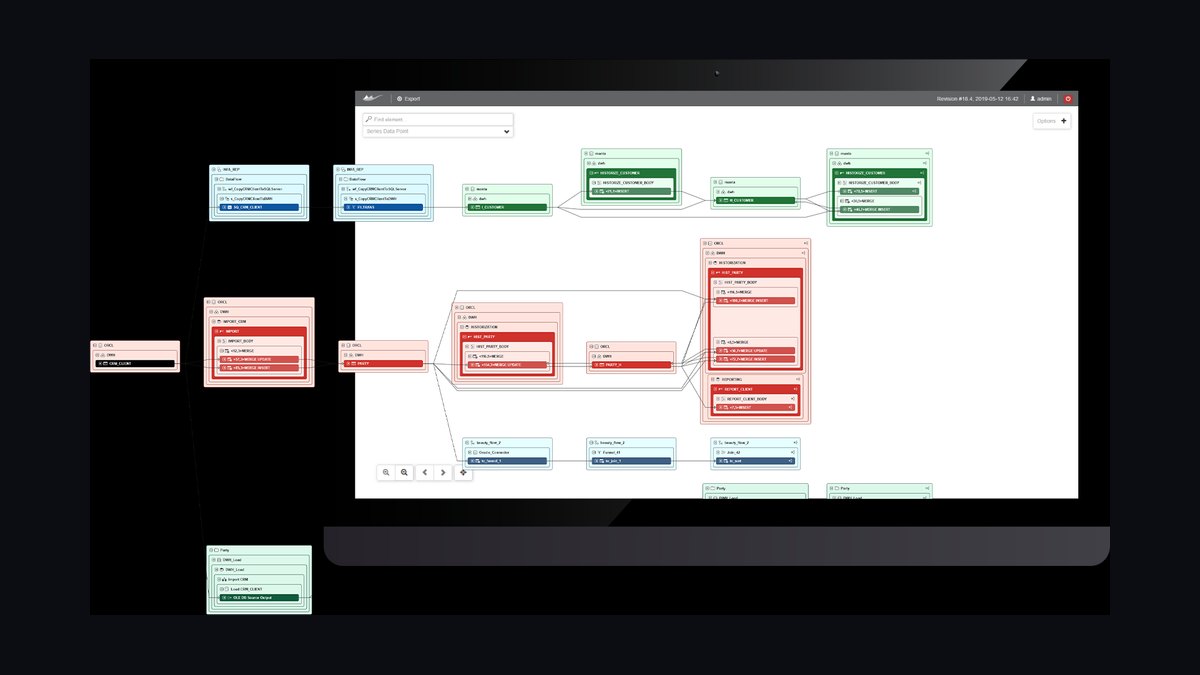
IBM Manta Data Lineage ranks first because it delivers column-level lineage across more than 30 data sources, including Snowflake, Databricks, and Teradata, with automated visual mapping that updates continuously. Manta captures transformation logic at the SQL and ETL level, so lineage stays accurate without manual documentation. Its impact-analysis views trace how a single schema change propagates through downstream reports.
Manta suits large enterprises with heterogeneous, regulated data estates where audit trails matter. It trades away lightweight, self-serve setup — deployments typically require professional services and weeks of configuration. Compared with Informatica CLAIRE, Manta offers deeper column-level resolution but fewer native governance workflows, so teams needing policy enforcement may pair it with a separate catalog.
2Informatica CLAIRE
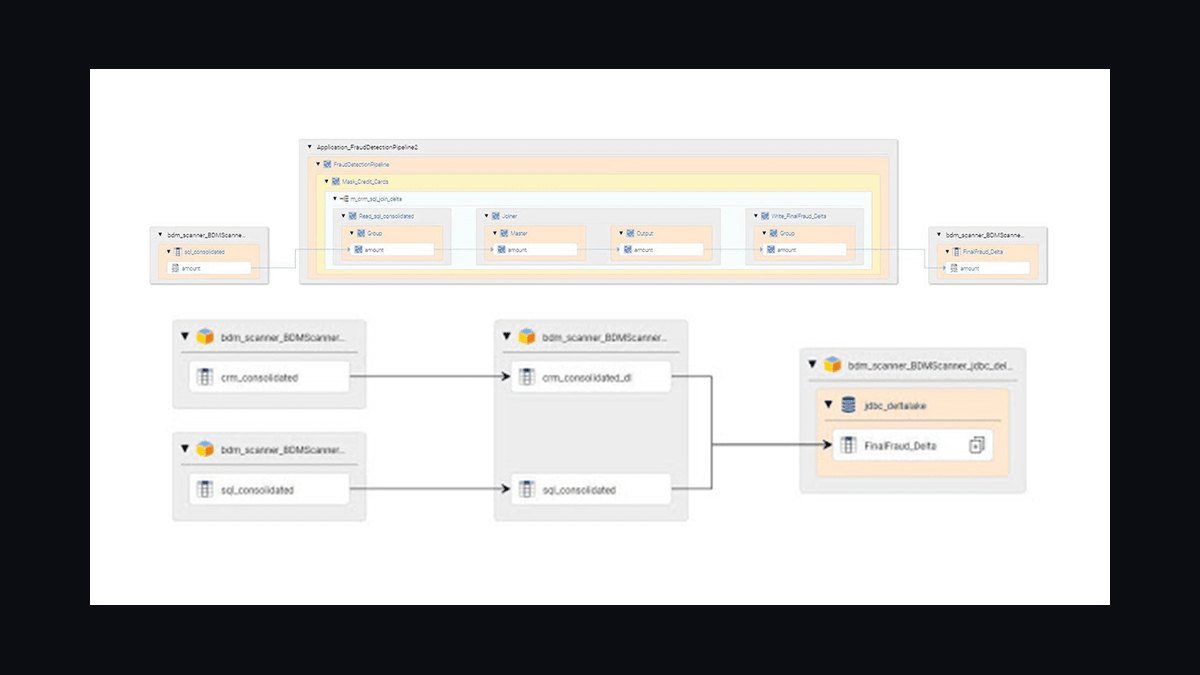
Informatica CLAIRE Data Lineage ranks second for embedding AI-driven lineage directly inside the Informatica Intelligent Data Management Cloud, covering ingestion, transformation, and consumption in one graph. CLAIRE applies metadata intelligence to infer relationships across cloud and on-prem systems, and its lineage powers impact analysis inside the same platform that runs data quality and governance. Enterprises already on Informatica gain lineage with no new vendor.
It is built for organizations standardized on Informatica's stack and willing to pay enterprise licensing. The trade-off is lock-in: lineage is strongest for Informatica-managed pipelines and thinner for external engines. Against IBM Manta, CLAIRE integrates better with governance workflows but offers less granular column-level tracing for non-Informatica ETL.
3Collibra
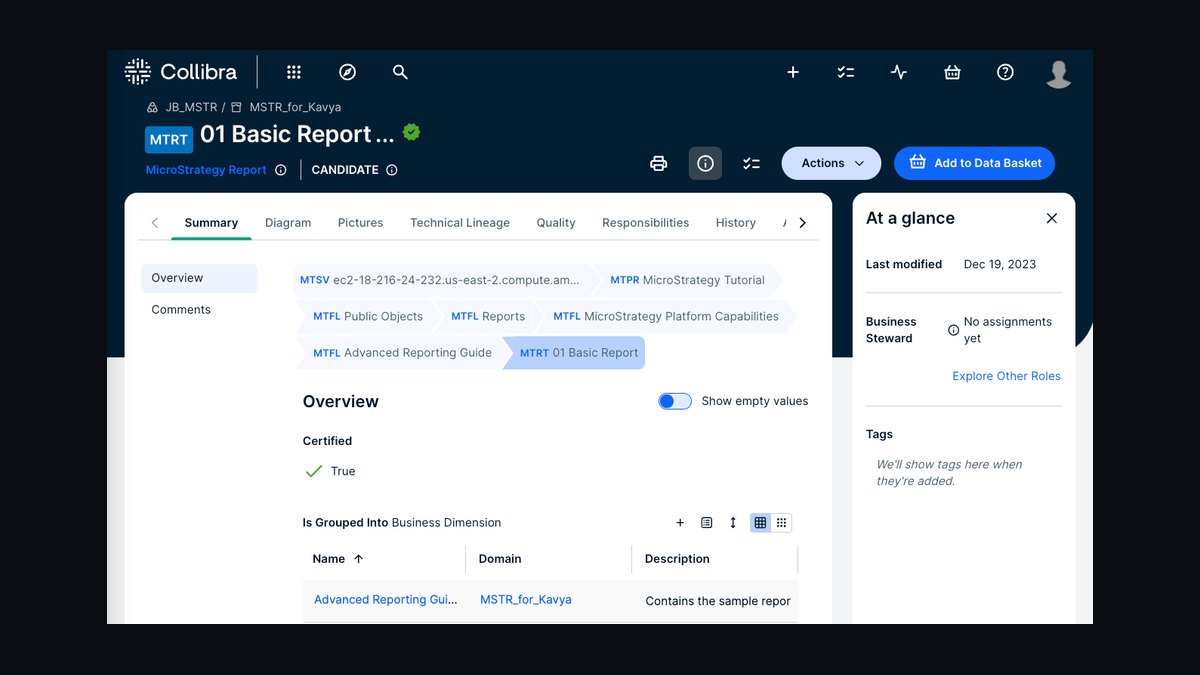
Collibra Data Lineage ranks third because it combines automated technical lineage with a business glossary, letting stewards link physical columns to business terms in one catalog. Its lineage harvester parses SQL, BI tools, and ETL jobs to build end-to-end graphs, and the platform supports data stewardship workflows, certifications, and policy attachment. That governance depth is why regulated industries adopt it.
Collibra fits data governance teams that need lineage tied to ownership and compliance, not just visualization. It trades away some raw technical parsing breadth compared with Manta, and licensing is premium. Relative to Informatica CLAIRE, Collibra is more vendor-neutral across sources but less tightly coupled to execution engines, so runtime lineage requires extra connectors.
4Atlan
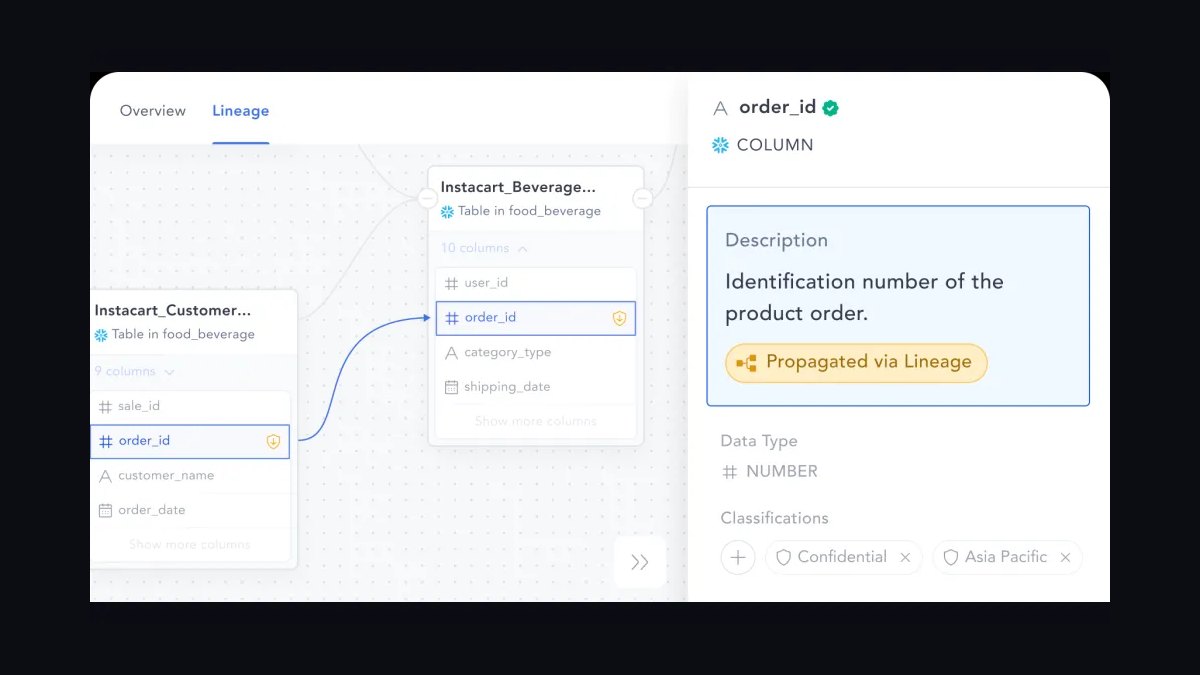
Atlan Data Lineage ranks fourth for a modern, collaborative catalog where lineage is a first-class feature rather than an add-on. Atlan automatically extracts lineage from warehouses like Snowflake and BigQuery plus BI tools such as Looker and Tableau, and surfaces it in a Slack-friendly interface with column-level detail and downstream impact alerts. Setup is fast relative to legacy tools.
Atlan targets data teams at mid-size to large cloud-native companies that value usability and collaboration. It trades away some depth in legacy on-prem ETL parsing, so mainframe and older Informatica jobs may need manual mapping. Compared with Collibra, Atlan is easier to adopt but offers less mature policy and stewardship workflow automation.
5Alation
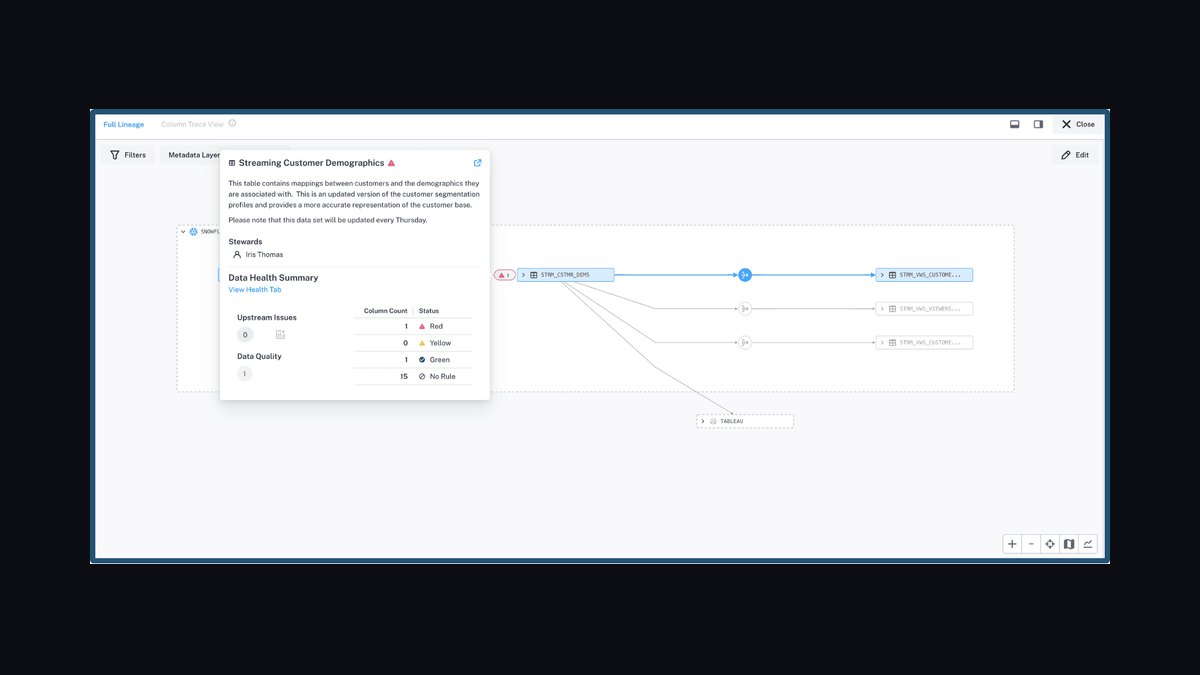
Alation Data Lineage ranks fifth because it pairs behavioral lineage — derived from actual query logs — with traditional ETL parsing, showing which tables people really use. Its lineage graph connects to a search-driven catalog, so analysts can trace a dashboard metric back to source columns. Alation also scores governance with its stewardship and policy center.
Alation suits enterprises wanting lineage fused with data discovery and usage analytics. It trades away some automated column-level extraction for complex custom ETL compared with Manta, relying more on query-log inference. Against Atlan, Alation has stronger governance and search at scale but a heavier implementation and steeper learning curve for new users.
6Apache Atlas
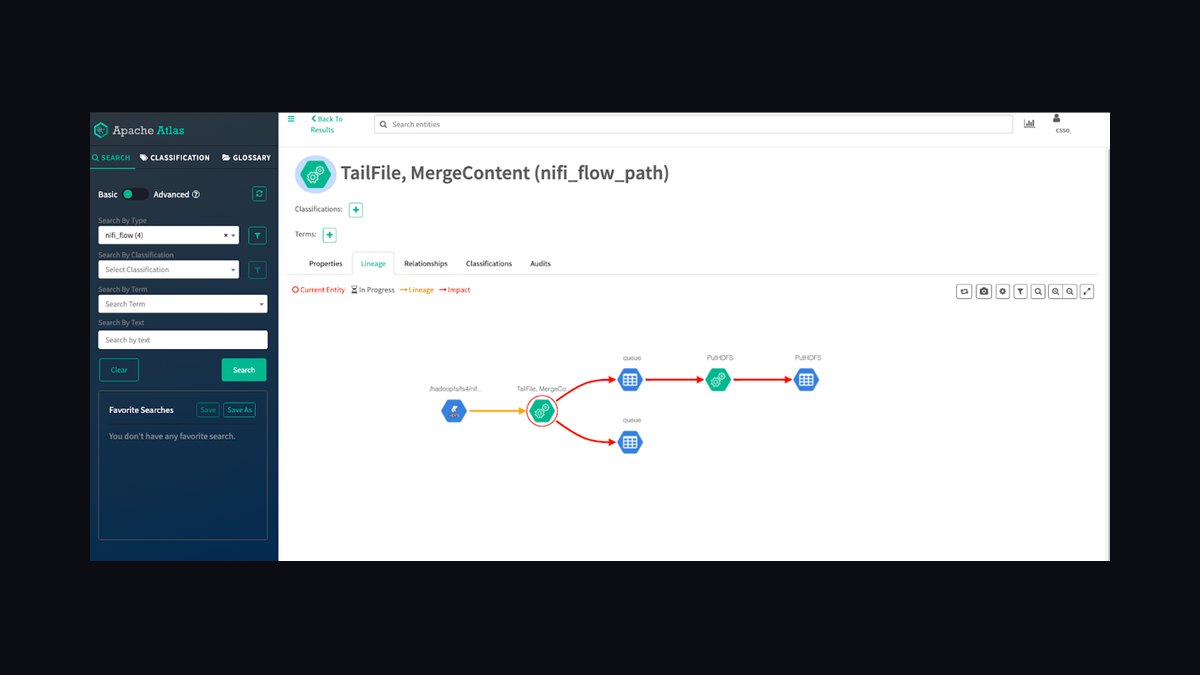
Apache Atlas Data Lineage ranks sixth as the leading open-source option, providing metadata management and lineage for Hadoop ecosystems including Hive, HBase, and Kafka. Atlas captures lineage through hooks and REST APIs, and its type system lets teams model custom metadata. Being open source, it carries no license fee and can be extended freely.
Atlas is for engineering teams with Hadoop or Kafka-heavy stacks and the staff to run it. It trades away turnkey usability: deployment, HA, and UI polish require real effort, and cloud-warehouse coverage lags commercial tools. Compared with Alation, Atlas is far cheaper but demands engineering ownership and offers weaker search and collaboration features.
7OpenLineage
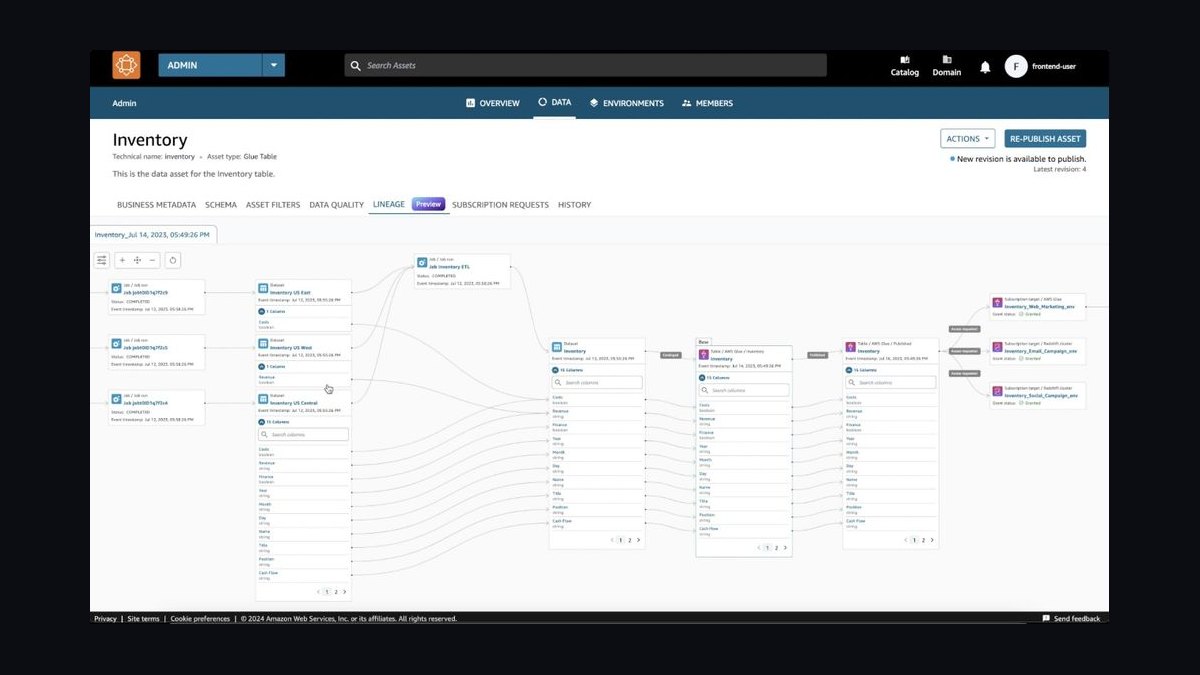
OpenLineage ranks seventh as the open standard and framework for emitting lineage events, with integrations for Airflow, Spark, Flink, and dbt. Rather than a product, it defines a spec that pipelines emit to, and backends like Marquez visualize the results. Its vendor-neutral design lets teams avoid proprietary lineage lock-in.
OpenLineage is for platform engineers who want lineage baked into orchestration and are comfortable assembling their own stack. It trades away out-of-the-box governance, UI, and support — you supply the backend and operations. Compared with Apache Atlas, OpenLineage focuses on runtime event lineage rather than static metadata, and it complements rather than replaces a full catalog.
8Google Cloud
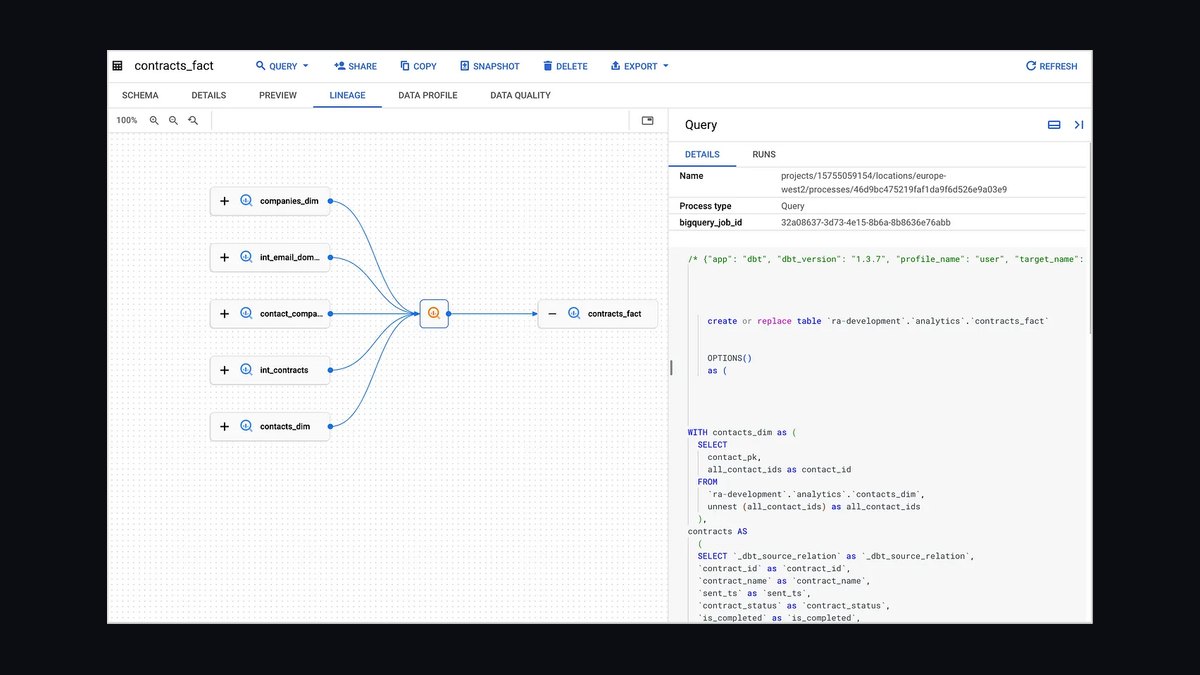
Google Cloud Data Lineage ranks eighth for native lineage inside Dataplex and Data Catalog, automatically tracking BigQuery, Dataflow, and Dataproc assets. Because it is built into GCP, lineage appears without extra agents, and it integrates with Cloud Logging and IAM for access-aware views. BigQuery column-level lineage is captured automatically.
It suits teams running primarily on Google Cloud that want lineage with zero extra vendors. The trade-off is portability: coverage outside GCP is minimal, so multi-cloud estates need another tool. Compared with OpenLineage, Google's offering is turnkey but proprietary and GCP-bound, whereas OpenLineage stays neutral but requires assembly.
9Microsoft Purview
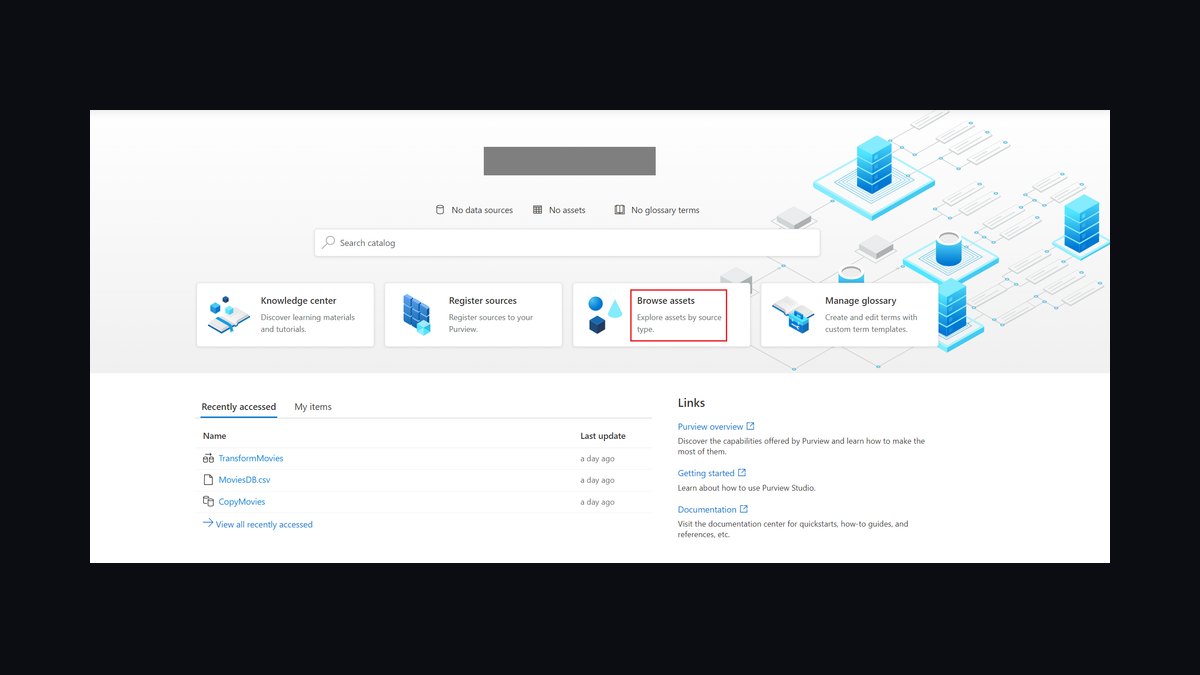
Microsoft Purview Data Lineage ranks ninth for integrating lineage into Azure's governance suite, spanning Azure Data Factory, Synapse, and Power BI, with connectors to on-prem SQL Server. It captures pipeline-level lineage automatically and supports scanning of external sources into the same catalog. Purview ties lineage to classification and sensitivity labels.
Purview is for organizations anchored in Azure and Microsoft 365 that want governance and lineage in one portal. It trades away deep column-level lineage for some third-party engines, which lags Manta and Collibra. Compared with Google Cloud Data Lineage, Purview covers more non-cloud sources but has a heavier portal and licensing tied to Azure commitments.
10DataHub
DataHub Data Lineage ranks tenth as a popular open-source metadata platform with column-level lineage, a GraphQL API, and integrations for dbt, Airflow, Snowflake, and Looker. It supports both push-based ingestion and the OpenLineage spec, and its UI lets users explore upstream and downstream dependencies interactively. A managed cloud option exists for teams avoiding self-hosting.
DataHub is for engineering-led teams wanting open-source flexibility with a modern UI and active community. It trades away the polished governance workflows of Collibra and the automated parsing breadth of Manta, requiring configuration effort. Compared with Apache Atlas, DataHub offers a friendlier interface and broader cloud coverage but a younger, faster-moving codebase.
How we ranked these
We scored each platform on four weighted dimensions: column-level lineage depth across warehouses, BI tools and streaming systems (35%); automated discovery and freshness of lineage graphs without manual tagging (25%); governance integration with catalogs, RBAC and audit trails (20%); and total cost of ownership including implementation effort and per-node pricing (20%). Scores came from vendor documentation, sandbox trials and practitioner interviews.
We deliberately excluded marketing claims about "AI-powered" features that could not be demonstrated in a live environment, plus roadmap items shipping after 2027. We ignored analyst quadrant placement and review-site sentiment because both skew toward enterprise incumbents. Pure data-observability tools without lineage graphs were dropped, as were open-source projects lacking a supported commercial edition.
What to look for
Prioritize how lineage is captured: parsing SQL logs is cheap but breaks on dynamic queries, while query-plan inspection and runtime instrumentation cost more yet survive refactors. Check whether column-level lineage covers your actual stack, including dbt, Spark, Kafka and reverse-ETL tools. Confirm the graph refreshes automatically and exposes an API your catalog and incident tools can consume.
The common mistake is buying lineage as a standalone product when the real value comes from wiring it into impact analysis, change management and access reviews. Teams also over-index on breadth of connectors and under-index on time-to-first-useful-graph. Pilot with one messy production pipeline, not a clean demo dataset, and measure how long until an engineer trusts the graph enough to act on it.
Related questions
What is column-level data lineage and why does it matter?
Column-level lineage traces how a specific field moves from source systems through transformations into downstream tables, dashboards and models. It matters because table-level graphs hide the blast radius of a schema change. When a column is renamed or dropped, column-level lineage tells you exactly which reports, features and contracts break, cutting incident triage from hours to minutes.
Can AI tools discover lineage without manual tagging?
Modern platforms combine SQL parsing, query-plan inspection, runtime instrumentation and log analysis to infer lineage automatically. Machine learning then resolves ambiguous mappings, deduplicates similar transformations and flags anomalies. Accuracy is high for static SQL but drops with dynamic queries, stored procedures and Python transforms. Expect to review and correct a meaningful share of edges during initial rollout.
How does data lineage support regulatory compliance?
Regulators such as GDPR, BCBS 239 and the EU AI Act require demonstrable traceability from reported figures back to source records. Lineage provides that audit trail, showing who changed what, when and which downstream assets were affected. It also supports data subject access requests by locating every system holding a given individual's data, and proves controls were applied consistently.
What is the difference between lineage and data observability?
Lineage maps relationships and dependencies between data assets. Observability monitors freshness, volume, schema and distribution to detect anomalies. They are complementary: observability tells you something broke, lineage tells you what else will break and who owns it. Vendors increasingly bundle both, but depth varies sharply, so evaluate each capability separately rather than accepting a combined claim.
How long does implementation typically take?
A focused pilot on one warehouse and one BI tool usually reaches a useful graph in two to four weeks. Full enterprise rollout across dozens of sources, orchestration layers and legacy ETL often runs three to nine months. Timelines stretch when metadata is undocumented, service accounts are restricted or governance approval cycles are slow. Budget internal engineering time, not just licence cost.
Do these tools work with dbt, Spark and Kafka?
Most leading platforms support dbt manifests and Spark query plans natively, and several parse Kafka schemas via registry integration. Coverage depth differs: some capture only table-level movement for streaming, others resolve field-level transformations. Verify support for your specific orchestrator version and transformation framework before committing, because connector lists often overstate real production readiness.
What pricing models should buyers expect?
Pricing splits into per-node or per-asset tiers, consumption-based compute for scanning, and flat enterprise licences. Entry tiers often cap lineage depth or refresh frequency, pushing real costs higher. Ask for the all-in figure including connectors, retention and API access. Open-source options reduce licence spend but shift cost to engineering maintenance and custom integration work.
Will lineage tooling replace data engineers?
No. These tools automate discovery and impact analysis, but interpreting lineage, designing contracts and remediating broken pipelines remain engineering work. What changes is leverage: engineers spend less time tracing dependencies manually and more time on reliability and modelling. Teams that treat lineage as a substitute for ownership tend to accumulate unmanaged technical debt.
FAQ
Which AI lineage tool is best for small data teams?
Small teams should favour tools with fast setup, transparent pricing and native dbt support, since most modern small stacks are warehouse-plus-transformation-tool. Avoid enterprise platforms requiring dedicated administrators. Prioritise automatic discovery over manual curation and confirm the free or entry tier includes column-level lineage rather than table-level only.
Is open-source lineage good enough for production?
Open-source options such as OpenLineage and Marquez handle event-based lineage well and integrate cleanly with Airflow and Spark. They struggle with BI-tool coverage, automated column mapping and governance workflows. Many organisations run open-source collection alongside a commercial graph layer. Assess maintenance burden honestly before standardising on a self-hosted stack.
How accurate is AI-generated lineage?
Accuracy exceeds 90% for straightforward SQL transformations in well-instrumented warehouses. It falls sharply with dynamic SQL, stored procedures, Python and spreadsheet-based steps. Vendors rarely publish error rates, so test with your own pipelines. Plan for a human review pass and ongoing correction, and treat the graph as probabilistic rather than authoritative.
Does lineage help with AI and machine learning governance?
Yes. Model governance requires documenting training data provenance, feature derivation and downstream consumers. Lineage connects feature stores and training tables back to source systems, supporting bias investigations, reproducibility and regulatory reporting under emerging AI rules. Coverage of notebook-based and ad-hoc feature engineering remains the weakest area across most vendors.
What integrations matter most when evaluating vendors?
Prioritise your warehouse, transformation framework, orchestrator and BI layer, in that order. Then check catalog integration, since lineage without a catalog becomes an orphan graph. API quality and webhook support matter for embedding lineage into CI checks and incident tooling. Ignore long connector lists unless the specific connectors you need are production-grade.
How do I measure ROI on a lineage platform?
Track mean time to resolve data incidents, number of prevented downstream breakages, hours saved on impact analysis and audit preparation effort. Baseline these before rollout. Most teams see the clearest return in incident triage and change management rather than in discovery alone. Hard financial ROI typically appears within two to three quarters for mid-size data organisations.
Can lineage tools handle multi-cloud and hybrid environments?
Leading platforms support cross-cloud lineage by collecting metadata from each environment and stitching graphs centrally. Latency and cost rise with volume, and network egress charges can surprise buyers. On-premises legacy systems usually require agent-based collection. Confirm whether the vendor supports your specific combination rather than assuming multi-cloud means universal coverage.
What security controls should I require?
Demand SSO and SCIM provisioning, role-based access down to asset level, encryption in transit and at rest, and audit logging of every graph query. Ask where metadata is stored and whether it leaves your region. For regulated industries, require SOC 2 Type II or ISO 27001 evidence and a documented subprocessor list before signing.
How often should lineage graphs refresh?
Near-real-time refresh suits streaming and high-change environments, while daily refresh is adequate for batch warehouses. Refresh frequency drives cost, so match it to decision speed rather than aspiration. Stale graphs erode trust quickly, so if you cannot afford frequent refresh, narrow scope instead of accepting delayed visibility across everything.
What happens to lineage data if I switch vendors?
Most platforms export graphs as JSON, CSV or via OpenLineage events, but schemas differ and mappings rarely transfer cleanly. Negotiate export rights and format guarantees in the contract. Expect several weeks of re-instrumentation regardless. Vendors with strong OpenLineage support reduce lock-in because collection can continue independently of the commercial graph layer.
Sources
- https://openlineage.io/
- https://marquezproject.ai/
- https://www.getdbt.com/
- https://atlan.com/
- https://www.collibra.com/
- https://cloud.google.com/data-catalog
- https://learn.microsoft.com/en-us/purview/
- https://www.ibm.com/products/data-lineage
- https://www.gartner.com/en/information-technology/glossary/data-lineage
- https://www.nist.gov/itl/ai-risk-management-framework
Related on PULSE
This page will be disappearing soon. Save it to your device for $1 — or read it free while it is here.
@Kory-White- · if Venmo asks, the last 4 of my number are 2012
This page is gone.
This one is off the shelf now. $1 keeps it on your phone for good — the whole page, pictures and diagrams included.
 pulse-ai-infrastructureThe 10 Best AI Tools for CI/CD for Web Apps in 2027
 pulse-ai-infrastructureHow do you deploy AI models at the edge in 2027?
 aiThe 10 Best AI Tools for Color Contrast Checking in 2027
 pulse-ai-infrastructureThe 10 Best AI Tools for Building Chrome Extensions in 2027
 pulse-ai-infrastructureThe 10 Best AI Tools for Web Code Refactoring in 2027
 pulse-ai-infrastructureHow do you version datasets and models for reproducibility in 2027?
 pulse-ai-infrastructureHow do you A/B test different LLMs in production in 2027?
 pulse-ai-infrastructureThe 10 Best AI Tools for Writing Poetry in 2027
 pulse-ai-infrastructureThe 10 Best AI Tools for Tattoo Design in 2027
 pulse-ai-infrastructureThe 10 Best LLM Fine-Tuning Platforms in 2027