


What is the average cost per square foot for a cold storage buildout with blast freezer in 2027?
Quality
Certified
<svg xmlns="https://www.w3.org/2000/svg" viewBox="0 0 1200 340" role="img" aria-label="What Is the Average Cost per Square Foot for a Cold Storage Buildout with Blast Freezer in 2027? — PULSE Buildouts"><rect width="1200" height="340" fill="#EBE9DE"/><rect width="14" height="340" fill="#C0531F"/><text x="58" y="116" font-family="Arial,Helvetica,sans-serif" font-size="32" font-weight="800" letter-spacing="3" fill="#C0531F">PULSE BUILDOUTS · COMMERCIAL REAL ESTATE</text><text x="56" y="198" font-family="Arial,Helvetica,sans-serif" font-size="60" font-weight="800" fill="#2b2b2b">Save money. Don’t get screwed.</text><text x="58" y="258" font-family="Arial,Helvetica,sans-serif" font-size="30" font-weight="600" fill="#6b5b4d">Leases, TI, NNN & buildouts — negotiated in your favor</text><g transform="translate(1010,86)" fill="none" stroke="#C0531F" stroke-width="9" stroke-linejoin="round"><rect x="20" y="40" width="150" height="130"/><line x1="20" y1="40" x2="95" y2="6"/><line x1="170" y1="40" x2="95" y2="6"/><rect x="50" y="80" width="36" height="36"/><rect x="104" y="80" width="36" height="36"/><rect x="74" y="128" width="42" height="42"/></g></svg>
The average cost per square foot for a cold storage buildout with a blast freezer in 2027 lands in a wide range of $250 to $600 per square foot, depending on whether you're retrofitting an existing shell or building ground-up, the refrigeration system type (ammonia vs. CO2 vs. HFC), and the insulation thickness required for blast freezing temperatures (typically -20°F to -40°F). A blast freezer alone adds a significant premium—roughly $50 to $150 per square foot over standard cold storage—because it demands high-velocity airflow, specialized evaporator coils, and heavy-duty floor insulation to handle rapid temperature swings. The key driver in 2027 is energy efficiency and refrigerant regulation: as the industry phases down HFCs under the American Innovation and Manufacturing (AIM) Act, systems using natural refrigerants like CO2 or ammonia are becoming the default, pushing upfront costs higher but lowering long-term operational expenses. Expect $350 per square foot as a realistic midpoint for a mid-sized facility (50,000–100,000 sq ft) with blast freezing capacity, but always budget for 10–15% contingency because refrigeration commissioning and electrical upgrades are notorious for cost overruns. If you're leasing, negotiate tenant improvement (TI) allowances that cover at least $200 per square foot—anything less and you'll be eating the difference out of pocket.
The 2027 Cost Breakdown: What You're Really Paying For
A cold storage buildout with a blast freezer isn't one line item—it's a stack of specialized systems. Here's the rough per-square-foot split for a 2027 project:
- Structural shell and slab: $60–$120/sq ft. The floor must handle heavy rack loads and heated slab systems to prevent frost heave. Blast freezer zones need extra-thick concrete (8–12 inches) with embedded hydronic loops.
- Insulated metal panels (IMP): $30–$50/sq ft. Blast freezer areas require 6–8 inches of polyurethane foam with a high R-value (R-40+). Standard cold storage uses 4–6 inches. Labor for panel installation is tight in 2027 due to skilled trades shortages.
- Refrigeration system: $80–$200/sq ft. This is the biggest variable. A CO2 booster system with blast freezer capacity runs $150–$200/sq ft installed; an ammonia system is $100–$150/sq ft but requires more safety compliance (ventilation, leak detection, operator licensing). HFC systems are cheaper upfront but face phase-down penalties.
- Blast freezer equipment: $50–$150/sq ft. High-velocity evaporators, defrost cycles, and control systems. A single blast freezer cell (e.g., 2,000 sq ft) can cost $100,000–$300,000 depending on capacity.
- Electrical and controls: $30–$60/sq ft. Blast freezers demand high amperage for compressors and fans. Backup generators or UPS systems add $10–$20/sq ft.
- Fire protection: $10–$20/sq ft. Dry-pipe sprinklers or pre-action systems are required in freezer environments to prevent pipe freezing.
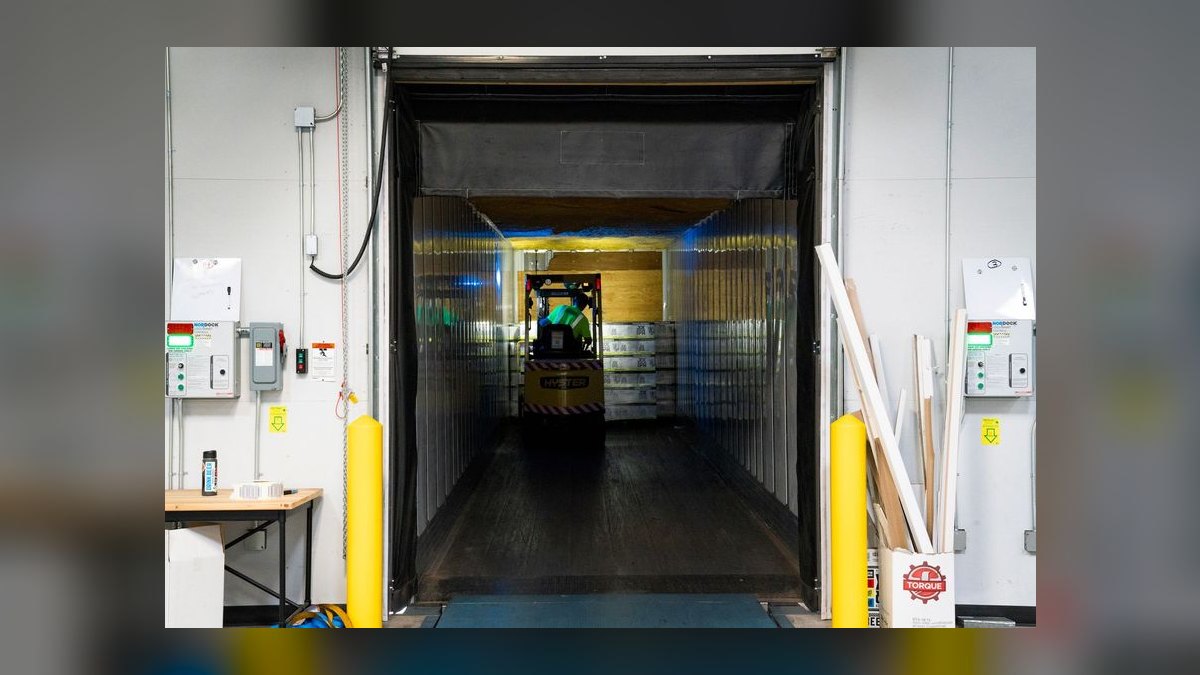
- Dock equipment and site work: $15–$30/sq ft. Insulated dock levelers, door seals, and truck staging areas.
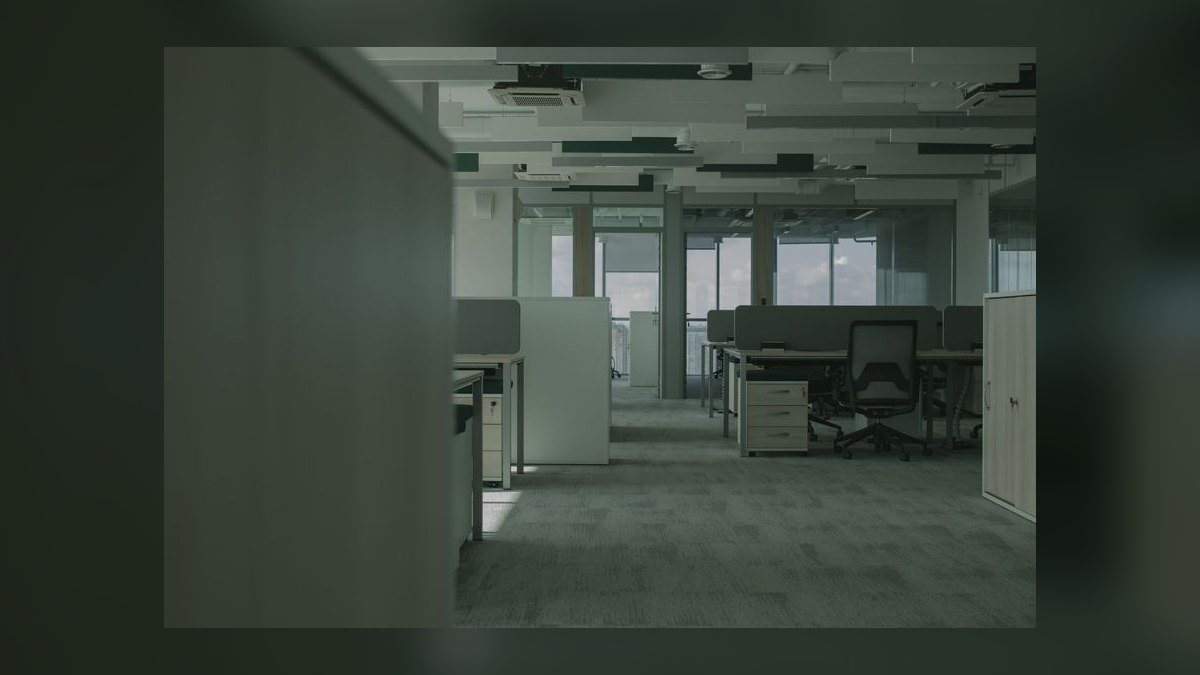
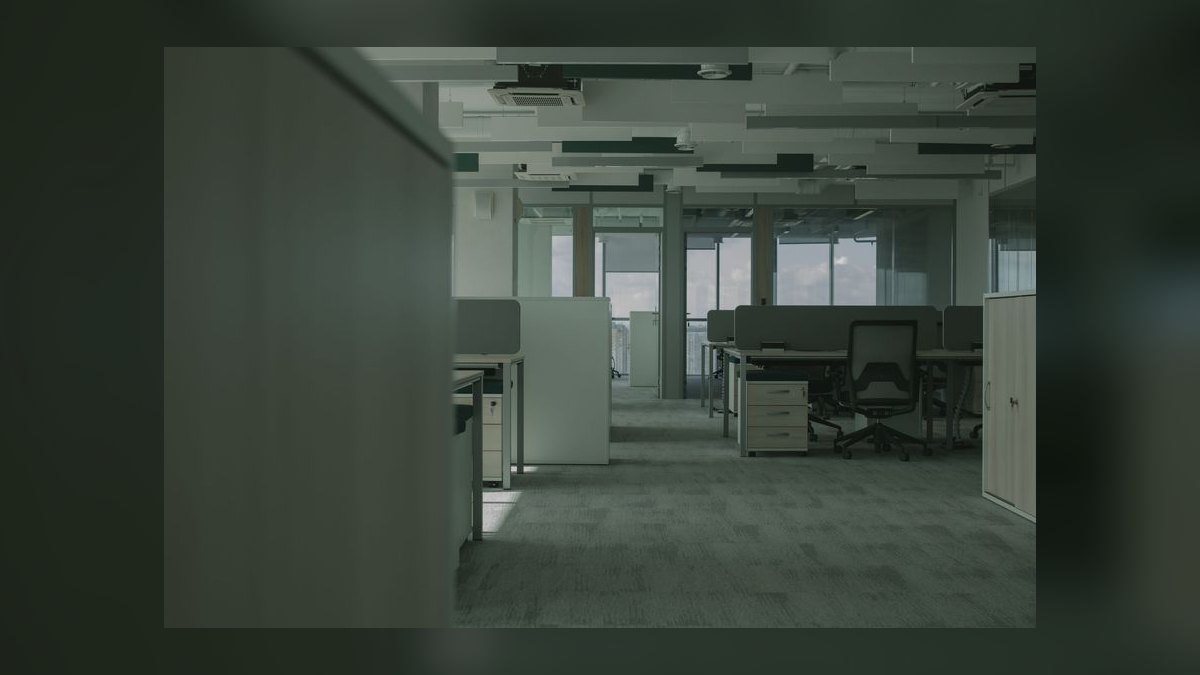
The total: $250–$600/sq ft, with the blast freezer component driving the upper half. For a 50,000 sq ft facility, that's $12.5 million to $30 million all-in.
Why Blast Freezers Cost So Much More Than Standard Cold Storage
A blast freezer isn't just a colder cold storage room. It's a process system designed to freeze product rapidly (core temperature from 40°F to 0°F in under 4 hours). This demands:
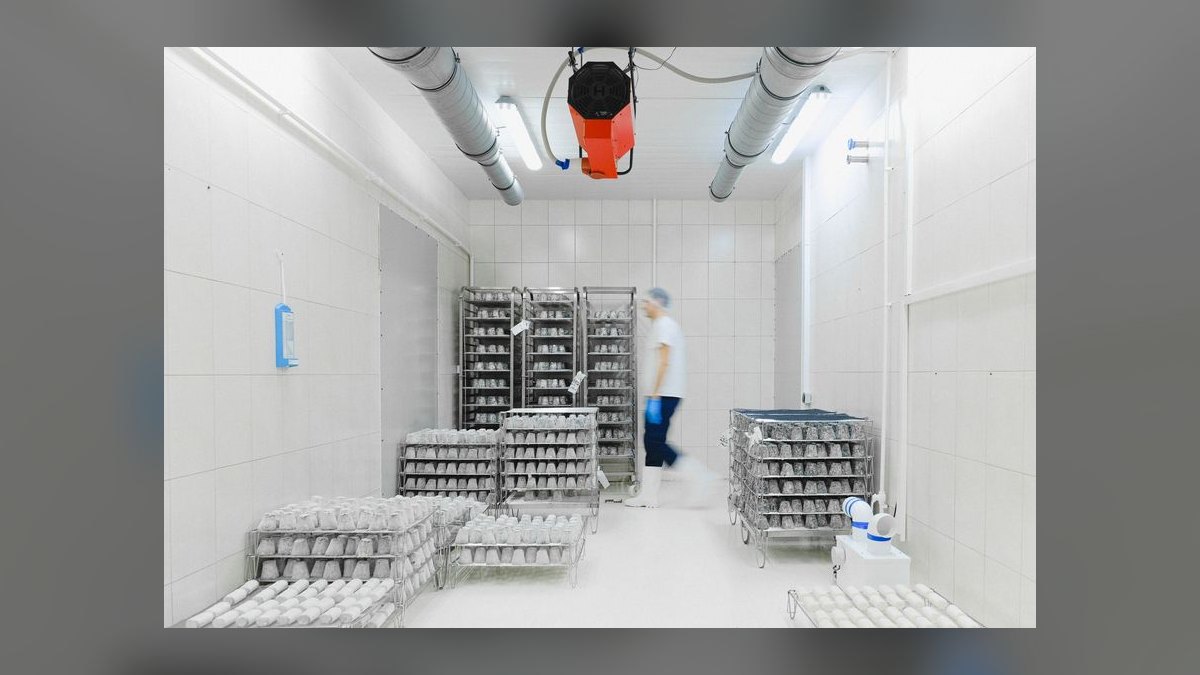
- Higher refrigeration capacity: Blast freezers require 2–3 times the tonnage of standard freezer space. A standard -10°F freezer might need 1 ton of refrigeration per 1,000 sq ft; a blast freezer at -30°F needs 3–5 tons per 1,000 sq ft.
- Specialized evaporators: High-velocity fans (2,000+ fpm) with stainless steel coils and electric defrost. Standard hot-gas defrost won't keep up with ice buildup.
- Floor construction: Blast freezer floors need 6–8 inches of rigid insulation (extruded polystyrene or polyurethane) under the slab, plus a vapor barrier and heated hydronic loops to prevent frost heave. A standard freezer floor uses 4 inches of insulation.
- Structural reinforcement: The thermal shock of rapid temperature changes can crack standard concrete. Blast freezer slabs use steel fiber-reinforced concrete with expansion joints every 15–20 feet.
- Energy costs: Blast freezers consume 2–4 times the energy of standard freezers per square foot. In 2027, with electricity rates up 15–20% from 2020, this is a major operational cost.
The premium: a blast freezer zone adds $50–$150/sq ft over standard cold storage. If your facility is 20% blast freezer by area, that's a 10–20% total cost increase.
Ground-Up vs. Retrofit: Which Path Costs Less?
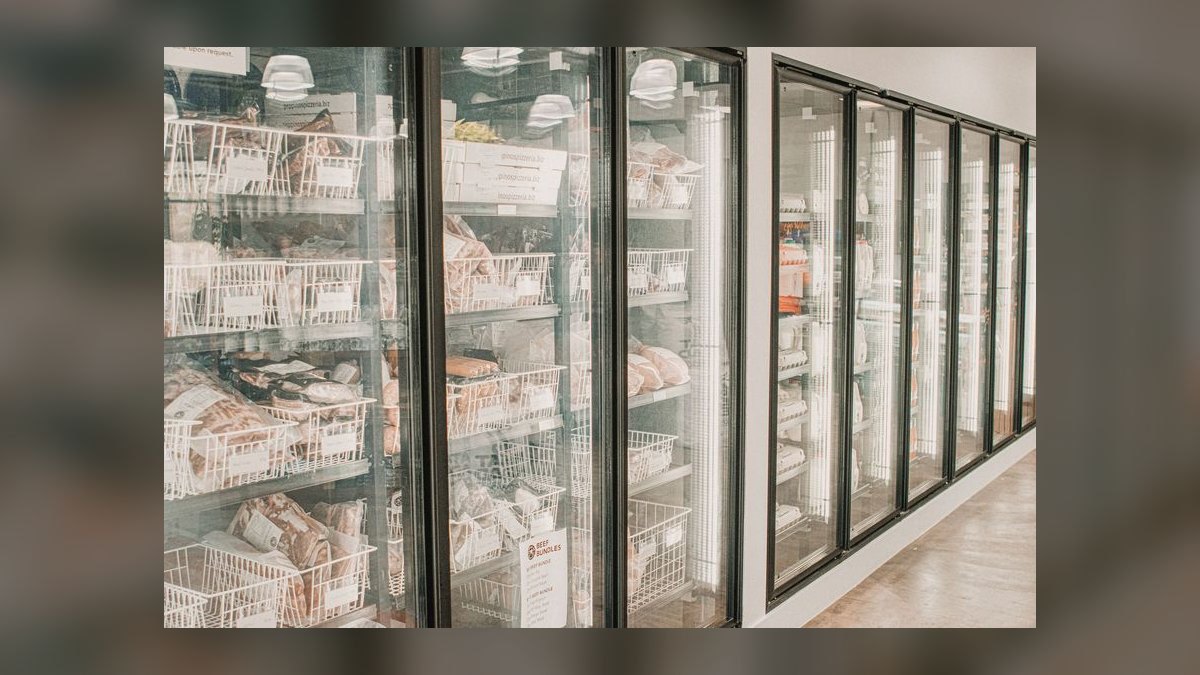
The cost gap between ground-up construction and retrofit is narrower for cold storage than for general warehouse space because the refrigeration and insulation systems dominate. Here's the 2027 comparison:
- Ground-up cold storage with blast freezer: $350–$600/sq ft. You get optimal clear height (40+ feet for racking), column spacing (50x50 feet or larger), and slab design. No surprises with existing utilities or structural limitations.
- Retrofit of existing warehouse: $250–$450/sq ft. You save on shell and roof costs but pay for structural upgrades (floor reinforcement, column spacing issues, roof load capacity for refrigeration units). Older buildings may need new electrical service (2,000+ amps) and roof penetrations for condensing units.
- Retrofit of existing cold storage: $150–$300/sq ft. If the building already has insulated panels and a refrigeration system, adding a blast freezer is cheaper—but you still need new evaporators, controls, and floor work.
The retrofit advantage shrinks when the existing building has clear height under 30 feet or column spacing under 40 feet—you lose racking density and efficiency. In 2027, many developers are choosing ground-up because the energy code (ASHRAE 90.1-2022) requires higher insulation R-values and tighter building envelopes, making retrofits harder to meet code without gutting the shell.

Rule of thumb: If the existing building needs more than $100/sq ft in structural and shell upgrades, ground-up is cheaper in the long run. Always get a structural engineer's assessment of floor load capacity (needs 250+ psf for racking) and roof load (needs 30+ psf for refrigeration units).
Refrigerant Regulations and Their Cost Impact in 2027
The American Innovation and Manufacturing (AIM) Act is the single biggest cost driver in 2027 cold storage. It mandates a phasedown of HFC refrigerants (like R-404A and R-507) by 85% by 2036. In 2027, HFC prices have already risen 300–500% since 2020 due to production caps. This forces three choices:
- CO2 (R-744) systems: $150–$200/sq ft installed. CO2 is the 2027 default for blast freezers. It's efficient at low temperatures, non-toxic, and non-flammable. But it requires high-pressure piping (1,300+ psi) and specialized technicians. Installation costs are 20–30% higher than HFC, but operational costs are 15–25% lower.
- Ammonia (R-717) systems: $100–$150/sq ft. Ammonia is cheaper and more efficient than CO2 for large facilities (100,000+ sq ft), but requires safety compliance (leak detection, ventilation, operator certification). Insurance premiums are higher. Blast freezers with ammonia need secondary coolant loops (glycol or CO2) in occupied spaces.
- HFC systems (legacy): $80–$120/sq ft. Cheapest upfront, but refrigerant costs are skyrocketing and availability is shrinking. In 2027, many jurisdictions are banning new HFC installations. If you choose HFC, budget for retrofit to natural refrigerants within 5–7 years.
The 2027 trend: CO2 booster systems are the standard for blast freezers in facilities under 200,000 sq ft. For larger facilities, ammonia with CO2 cascade systems is common. Don't spec HFC for a new buildout—you'll pay twice.
How to Budget and Negotiate TI Allowances for Cold Storage
If you're leasing cold storage space with a blast freezer, the TI allowance is your most critical negotiation point. Standard warehouse TI allowances are $20–$50/sq ft—nowhere near enough. Here's how to structure it:

- Target allowance: $200–$350/sq ft for cold storage with blast freezer. This covers insulation, refrigeration, electrical, and floor work. Anything less means you're funding the gap.
- Landlord contribution: In 2027, many landlords offer $100–$150/sq ft for cold storage tenants because the improvements are specialized and have high re-leasing value. Push for $200/sq ft if you're signing a 10+ year lease.
- Blast freezer premium: Negotiate a separate allowance for blast freezer equipment—$50–$100/sq ft above the base cold storage allowance. Landlords may resist because blast freezers are tenant-specific, but if you're a creditworthy tenant, they'll often split the cost.
- Lease term: Cold storage buildouts require 10–15 year leases to amortize the costs. Shorter terms mean higher rent or lower TI. Expect $12–$20/sq ft triple-net rent for cold storage space (versus $6–$10 for dry warehouse).
- Energy cost pass-through: Negotiate a cap on electrical charges in the NNN expenses. Blast freezers consume 2–4x the energy of standard space—you don't want to pay a pro-rata share of the whole building's lighting.
Pro tip: Get a refrigeration contractor's quote before signing the lease. Use it to justify your TI ask. If the landlord balks, offer to pay for the blast freezer equipment yourself in exchange for lower base rent.
The Hidden Costs That Blow Budgets
Even with a solid budget, cold storage buildouts have hidden cost traps that can add 20–30% to your project. Watch for these:
- Electrical service upgrades: Blast freezers need 1,500–3,000 amps of 480V three-phase power. If the existing service is 800 amps, a new transformer and switchgear costs $50,000–$200,000. This is often excluded from initial quotes.
- Commissioning and testing: Refrigeration systems need 72-hour performance tests at design temperature. If the system fails, you're paying for rework and lost time. Budget $20,000–$50,000 for commissioning.
- Permitting and code compliance: Cold storage with ammonia requires process safety management (PSM) plans under OSHA. CO2 systems need pressure vessel inspections. Permitting timelines can stretch 4–8 months in tight markets.
- Floor flatness and leveling: Blast freezer floors must meet FF/FL 50+ standards for racking. If the existing slab is uneven, grinding or overlays cost $5–$10/sq ft.
- Backup power: Blast freezers can't lose power for more than 2–4 hours without product loss. A generator or UPS for refrigeration costs $50,000–$150,000.
- Condenser location: Rooftop condensers need structural reinforcement if the roof wasn't designed for 30+ psf loads. Ground-mounted condensers require concrete pads and fencing—add $10,000–$30,000.
Mitigation: Add a 15–20% contingency to your budget (not the standard 10%). Get fixed-price contracts from refrigeration contractors, not time-and-materials. And never start construction without a completed refrigeration load calculation from a licensed engineer.
Energy Efficiency and Operational Cost Considerations

The operational cost of a cold storage buildout with blast freezer can equal or exceed the construction cost over a 10-year lease. In 2027, energy costs are the #1 operating expense, running $3–$8 per square foot annually for blast freezer space (versus $1–$2 for standard freezer). Key efficiency strategies:
- Variable frequency drives (VFDs) on evaporator fans and compressors: Reduces energy use 20–30%. Add $5–$10/sq ft upfront, payback in 2–3 years.
- LED lighting with motion sensors: Standard for cold storage. Reduces heat load and energy use. Cost: $2–$4/sq ft.
- High-efficiency insulation: R-50+ panels for blast freezer zones. More expensive upfront ($40–$60/sq ft) but reduces refrigeration load 10–15%.
- Heat recovery: Compressor waste heat can be used for floor heating and dock door air curtains. Add $10–$20/sq ft, payback in 3–5 years.
- Automated controls: Building management system (BMS) with refrigeration optimization. Cost: $5–$10/sq ft, reduces energy 10–20%.
Utility incentives: In 2027, many utilities offer rebates of $0.50–$1.50 per square foot for energy-efficient cold storage. Check with your local utility before construction.
FAQ
What is the typical timeline for a cold storage buildout with blast freezer? A ground-up project takes 12–18 months from design to occupancy; a retrofit takes 8–14 months. Blast freezer commissioning adds 2–4 months due to testing and temperature validation.
Can I convert a dry warehouse to cold storage with a blast freezer? Yes, but only if the existing building has 30+ foot clear height, 40+ foot column spacing, and 250+ psf floor load capacity. Otherwise, structural upgrades make it cost-prohibitive.
What is the most cost-effective refrigerant for a blast freezer in 2027? CO2 (R-744) is the most cost-effective overall for facilities under 200,000 sq ft. It has lower operating costs than HFC and avoids future phase-down penalties. Ammonia is cheaper for larger facilities but has higher safety compliance costs.
How much does a blast freezer add to the total buildout cost? A blast freezer zone adds $50–$150 per square foot over standard cold storage. For a 5,000 sq ft blast freezer, that's $250,000–$750,000 in additional equipment and insulation costs.
What is the typical rent for cold storage space with blast freezer in 2027? Triple-net rents range from $12–$20 per square foot annually, depending on location and energy costs. Blast freezer space commands a premium of $3–$5 per square foot over standard cold storage.
Do I need a special permit for ammonia refrigeration systems? Yes. Ammonia systems require OSHA Process Safety Management (PSM) plans, EPA Risk Management Plan (RMP) filings, and local fire department approvals. CO2 systems have fewer regulatory hurdles.
Sources
- International Association of Refrigerated Warehouses (IARW) – Cold Storage Construction and Cost Guidelines
- American Society of Heating, Refrigerating and Air-Conditioning Engineers (ASHRAE) – Standard 90.1 and Refrigeration Handbook
- U.S. Environmental Protection Agency (EPA) – AIM Act HFC Phasedown Information
- National Renewable Energy Laboratory (NREL) – Cold Storage Energy Efficiency Best Practices
- Building Owners and Managers Association (BOMA) – Industrial Lease and TI Standards
- U.S. Department of Energy (DOE) – Commercial Buildings Energy Consumption Survey (CBECS) – Cold Storage Data
- Refrigerating Engineers & Technicians Association (RETA) – Ammonia and CO2 System Design Standards
Related on PULSE
- What’s the average cost per square foot for a warehouse mezzanine buildout in 2027
- How Do I Budget a Cold Storage Warehouse Buildout?
- How Much Should a Tenant Improvement (TI) Allowance Be Per Square Foot?
- What's the Real All-In Cost Per Square Foot Once You Add Every Fee?
- What’s the average timeline for a full-service restaurant buildout approval in 2027
- How Do I Negotiate Exclusive Loading-Dock and Storage Rights?
This page will be disappearing soon. Save it to your device for $1 — or read it free while it is here.
@Kory-White- · if Venmo asks, the last 4 of my number are 2012
This page is gone.
This one is off the shelf now. $1 keeps it on your phone for good — the whole page, pictures and diagrams included.
 boHow do I get a performance bond from the landlord’s contractor for my buildout in 2027
 boWhat's the cheapest framing material that meets code for a private office buildout in 2027?
 boWhat happens to my buildout schedule if the landlord's lender withholds approval in 2027?
 boHow do I negotiate a co-working flex space buildout with shared corridors and common areas in 2027
 boCan I get a landlord contribution for my furniture, fixtures, and equipment in 2027?
 boWhat’s the average timeline for a full-service restaurant buildout approval in 2027
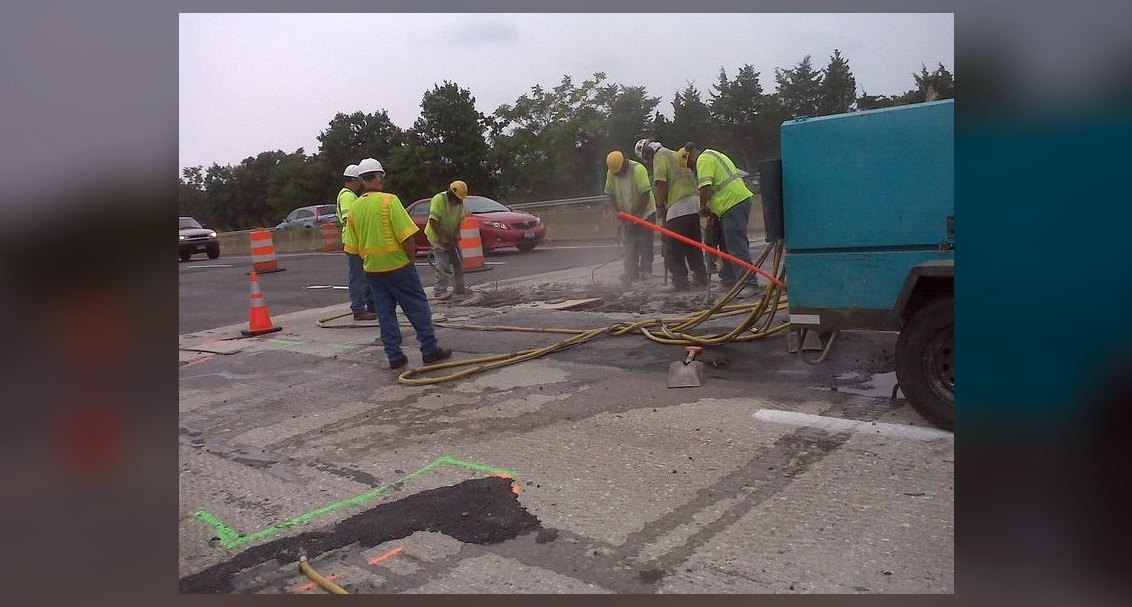 boHow do I get the landlord to pay for structural upgrades like HVAC or roof repairs in 2027?
 pulse-buildoutsIs Buildouts worth it in 2027?
 boHow do I calculate the true cost of using the landlord’s preferred GC versus my own in 2027
 boWhat is the typical markup a landlord's GC adds to material costs in 2027?