


Should I open or buy a Cracker Barrel franchise in 2027?
Quality
Certified
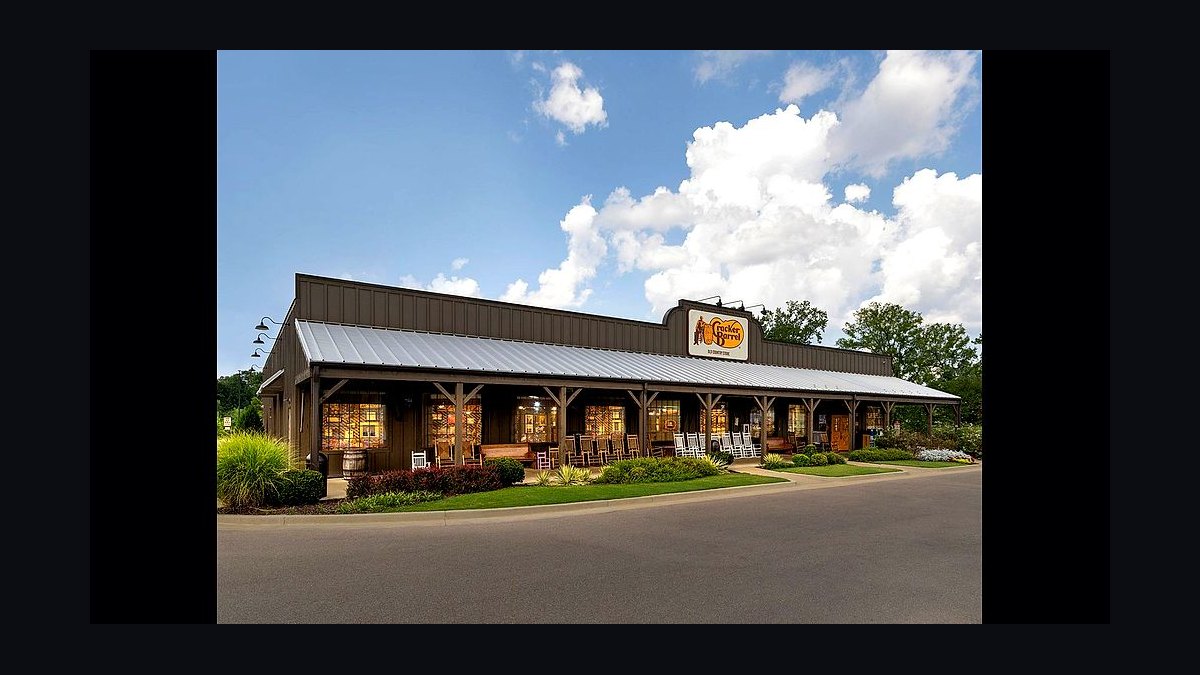
No — you cannot open or buy a Cracker Barrel franchise in 2027, because Cracker Barrel has never franchised and every location remains company-owned. If you want a comparable country-cooking or breakfast-and-comfort-food business, your real options are buying an existing independent restaurant, franchising a brand like Denny's, IHOP, or Huddle House, or opening a smaller fast-casual breakfast concept.
The Two Real Paths: Franchise Elsewhere or Buy Independent
Anyone asking whether to open or buy a Cracker Barrel franchise is really asking a broader question: how do I get into the rural, highway-adjacent, comfort-food-and-biscuits category that Cracker Barrel built? Because the brand itself is closed to outside operators — it has run a corporate-only model since its founding and has given no public signal that it intends to change that, even as it pushes through a multi-year store remodel and menu refresh — the category splits into two genuinely different paths, and conflating them is the single most common mistake first-time buyers make.
The first path is franchising a brand that occupies the same customer need. Denny's and IHOP are the closest national analogues: both run 24-hour or extended-hour family dining with a breakfast-forward menu, both have decades of unit economics on file in their Franchise Disclosure Documents, and both will sell you a license, train your managers, and hand you a marketing co-op. Huddle House is the smaller, more rural-flavored comparison — its real estate footprint, small-town siting strategy, and menu lean closer to what a Cracker Barrel customer actually wants than either Denny's or IHOP, even though its brand recognition is far lower. Maple Street Biscuit Company sits adjacent to this group in an interesting way: it is itself owned by Cracker Barrel's parent company, making it the only path on this list with any corporate kinship to the brand, but it is a narrower fast-casual breakfast concept, not a full-service sit-down restaurant, and it carries single-daypart concentration risk that a full-day concept doesn't.
The second path is buying an existing independent country-cooking or comfort-food restaurant outright — no franchise fee, no royalty, no brand standards manual, but also no training system, no national marketing, and no proven playbook. This is the path most operators underestimate, because it looks like "no reputable track record" when in fact a well-run independent with ten-plus years of local customer loyalty often has steadier, more defensible traffic than a brand-new franchise unit trying to build awareness in an unfamiliar market. The trade-off is that you are buying a single operator's judgment, recipes, and relationships rather than a system — due diligence has to work much harder to confirm the numbers are real and the goodwill will survive a change in ownership.
A third, quieter option belongs in the conversation even though it isn't operating a restaurant at all: buying Cracker Barrel's publicly traded stock to get financial exposure to the brand's turnaround without taking on operating risk, landlord exposure, or a staff. It isn't a substitute for wanting to run a business, but anyone whose actual goal is "benefit from Cracker Barrel specifically" rather than "operate a restaurant" should at least rule it out deliberately instead of defaulting to a franchise search that will never produce a match.
How To Decide Between Buying Independent and Franchising a Comparable Brand
The decision mostly comes down to three variables: how much liquid capital you have, how much operating experience you're bringing, and how much you value a proven system versus full control. Franchising a Denny's, IHOP, or Huddle House gives you training, a brand customers already recognize, supplier relationships, and a disclosure document that tells you — in writing, under Item 19 — roughly what existing units actually earn. You pay for that in a franchise fee up front and an ongoing royalty plus marketing fund contribution on top of your gross sales, typically in the mid-single-digit percentage range combined, which never goes away as long as you operate the unit.
Buying an independent flips that trade entirely. You keep 100% of the margin instead of forwarding a slice to a franchisor every week, but you also inherit whatever the previous owner built — their recipes, their supplier terms, their staff relationships, their reputation in the community — with no franchisor training program to lean on if something breaks. The capital outlay is often lower than a full-service franchise build, especially if the deal includes the real estate, but financing is harder to arrange because a lender has no franchise system track record to underwrite against — they're underwriting your operating résumé and the seller's historical P&Ls instead.
The honest tell for which path fits you is whether you've run a restaurant before. If you have multi-unit or general-manager-level experience in casual or family dining, you already know how to control food cost and labor without a franchisor's manual walking you through it — that experience is the real asset an independent purchase is betting on. If you're coming from outside the industry, the franchise route's training program and operations manual are worth their cost, because the learning curve on food cost discipline and labor scheduling is steep enough to sink an under-prepared first-time owner inside the first year.
What The Numbers Actually Look Like Across Each Option
Think in three cost tiers rather than a single number, because the spread between a fast-casual biscuit concept and a full-service family-dining franchise is enormous. The smallest entry point is a limited-service, fast-casual breakfast concept in the Maple Street Biscuit mold: total initial investment in the high five-to-low six figures, a franchise fee in the tens of thousands, and a royalty plus marketing contribution that together land in the high single digits of gross sales. Because the format is counter-service with a smaller footprint and simpler kitchen, build-out costs are a fraction of a full sit-down restaurant, but average unit volumes are correspondingly lower, and the single-daypart concentration means a slow morning has nowhere to recover the day's margin.
The middle tier is buying an existing independent country-cooking or comfort-food restaurant. Purchase prices for an established operation with a loyal customer base typically run from the high six figures into the low seven figures, varying enormously with whether real estate is included, how strong the location is, and how clean the seller's books are. There's no franchise fee and no ongoing royalty, which is the single biggest structural advantage of this path — every dollar of margin improvement you create stays with you instead of being shared with a franchisor. First-year cash flow for a well-run independent in this category is modest while you stabilize the customer base and tighten operations, and realistic payback periods tend to run two to three years for a well-bought deal, faster than most franchised alternatives because there's no royalty drag on the margin.
The top tier is a full-service family-dining franchise — Denny's or IHOP. Total initial investment for either runs well into seven figures once you account for land or a long-term ground lease, a full commercial kitchen build, extensive FF&E, and a 90-day working capital cushion. Average unit volumes for these brands are meaningfully higher than an independent or a fast-casual concept, which is the trade-off for the higher up-front capital and the ongoing royalty-plus-marketing-fund percentage of gross sales that never stops. Financing here is comparatively easier because SBA and conventional lenders can underwrite against the franchise system's established track record rather than one operator's individual history, but the higher absolute capital requirement puts this tier out of reach for a lot of first-time owners.
Across every tier, two macro conditions matter more in 2027 than they did a few years ago. Construction cost inflation that ran hot for several years has cooled considerably, which makes new-build math pencil out better than it did in 2023 or 2024. On the other side, SBA lending standards for restaurant deals have tightened — expect larger down payment requirements and higher debt-service coverage thresholds than were typical a couple of years ago, which means underwriting your deal conservatively on both revenue and your own cash reserve is more important than ever, not less.
Sequencing the Decision: A Realistic Timeline
Whichever path you choose, the sequencing matters as much as the choice itself, because rushing capital commitment ahead of diligence is the single most common way operators overpay or buy the wrong unit. Start by confirming, in writing, that Cracker Barrel itself is not an option — a direct inquiry to the company will confirm there is no franchise or licensing program, and keeping that confirmation on file protects you if you ever encounter a broker claiming otherwise, which should be treated as an immediate red flag rather than a lead worth pursuing.
Once you've ruled out the brand itself, spend real time defining which of the remaining paths actually fits your capital and your operating background before you request a single disclosure document or walk a single location — switching your thesis midway through diligence wastes months. If a franchise route fits, request the current Franchise Disclosure Documents for every brand you're seriously considering and read Item 19, the financial performance representations, before anything else; read Item 20, which covers transfers, terminations, and closures, right after it, because a brand with a high churn rate in its franchise base is telling you something no sales conversation will.
In parallel, get prequalified with an SBA-approved lender so you know your real borrowing capacity and down payment requirement before you fall in love with a specific deal. If you're pursuing an independent purchase, start building a list of candidate businesses in your target geography through local business brokers, and don't stop at the first listing — a shortlist of eight to twelve candidates gives you enough comparison points to recognize a fairly priced deal when you see one.
The due diligence phase deserves more time than most first-time buyers budget for it. For an independent purchase, that means verifying the seller's reported cash flow against actual point-of-sale data rather than taking their adjusted numbers at face value, confirming the lease or real estate terms transfer cleanly, and planning explicitly for staff retention through the ownership change — a kitchen team walking out the week you take over can undo months of careful underwriting. For a franchise purchase, due diligence is less about verifying one seller's story and more about confirming the specific territory and site you're being offered actually matches the performance the FDD's Item 19 numbers represent, since those figures are typically system-wide averages, not a guarantee for your particular corner.
Related questions
Why doesn't Cracker Barrel franchise when most restaurant chains do?
Cracker Barrel has kept a company-owned model since its founding to maintain tight control over food quality, store experience, and its retail merchandise mix, all of which it treats as inseparable from the brand. Franchising would dilute that control, which management has consistently chosen not to do.
Is Huddle House easier to get into than Denny's or IHOP?
Generally yes — Huddle House's total investment range runs meaningfully lower than Denny's or IHOP, and its small-town, rural siting strategy is closer to Cracker Barrel's own customer base. Brand recognition is lower, which is the trade-off.
Can I buy real estate from Cracker Barrel directly?
No. Cracker Barrel does not sell individual store locations to outside operators or franchisees; every property in its system remains under corporate ownership and operation.
Does owning Cracker Barrel stock give me any operating say in the company?
No — owning shares gives you financial exposure to the company's performance only. It carries no operating role, no store access, and no influence beyond the standard shareholder voting rights tied to a publicly traded company.
Is a fast-casual breakfast concept less risky than a full-service franchise?
It requires less capital, but it concentrates almost all of your revenue into a single daypart, so a weak morning has no other meal period to offset it. Full-service concepts spread risk across more dayparts but require a much larger capital commitment.
FAQ
Does Cracker Barrel offer any kind of franchise or licensing program? No. Every Cracker Barrel location is company-owned and operated, and the brand has never franchised. There is no indication that this will change, even as the company pursues a significant store remodel and brand refresh.
What's the realistic cost to buy an existing independent country-cooking restaurant?
Purchase prices vary widely by market and whether real estate is included, but established independents with a loyal local following typically trade in the high six figures to low seven figures. Deals without real estate included tend to sit at the lower end of that range.
How long does it typically take to break even on an independent restaurant purchase? A well-bought independent with stable existing traffic commonly reaches breakeven in roughly two to three years, assuming conservative revenue assumptions and no major surprises during the transition from the previous owner.
What are my best franchise alternatives if I want a similar breakfast-and-comfort-food concept? Denny's, IHOP, and Huddle House are the closest full-service comparisons, each with a public Franchise Disclosure Document you can request. For a smaller, lower-capital option, a fast-casual biscuit-and-breakfast concept like Maple Street Biscuit Company is worth evaluating, with the caveat that it concentrates revenue into a single daypart.
Can I negotiate to buy a Cracker Barrel location from the company directly? No. Cracker Barrel does not sell individual stores to outside buyers or franchisees. All of its locations remain under direct corporate ownership, and the company has not signaled any interest in changing that.
If a broker tells me they can get me into a Cracker Barrel franchise, what should I do? Treat it as a red flag immediately. No legitimate Cracker Barrel franchise program exists, so any such offer is, at minimum, based on a misunderstanding and, at worst, a deliberate misrepresentation worth reporting to the relevant franchise regulatory authority in your state.
Sources
- https://www.sec.gov/cgi-bin/browse-edgar?action=getcompany&company=cracker+barrel
- https://investor.crackerbarrel.com
- https://www.dennys.com/franchising
- https://ihoprestaurantfranchise.com
- https://www.huddlehousefranchise.com
- https://www.ftc.gov/business-guidance/industry/franchises
- https://www.franchise.org
- https://www.bls.gov/oes/current/naics4_722511.htm
- https://www.ers.usda.gov/topics/in-the-news/food-price-outlook
- https://www.ibisworld.com/united-states/industry/full-service-restaurants/
Related on PULSE
This page will be disappearing soon. Save it to your device for $1 — or read it free while it is here.
@Kory-White- · if Venmo asks, the last 4 of my number are 2012
This page is gone.
This one is off the shelf now. $1 keeps it on your phone for good — the whole page, pictures and diagrams included.
 franchiseShould I open or buy a Jiffy Lube franchise in 2027?
 franchiseShould I open or buy a Dunkin' franchise in 2027?
 franchiseShould I open or buy a Pizza Hut franchise in 2027?
 franchiseShould I open or buy an Auntie Anne's franchise in 2027?
 franchiseShould I open or buy a Servpro franchise in 2027?
 franchiseShould I open or buy a Valvoline Instant Oil Change franchise in 2027?
 franchiseShould I open or buy an Orangetheory Fitness franchise in 2027?
 franchiseShould I open or buy a Cook Out franchise in 2027?
 franchiseShould I open or buy a Papa John's franchise in 2027?
 franchiseShould I open or buy a Matco Tools franchise in 2027?