


Should I open or buy a Granite Transformations franchise in 2027?
Quality
Certified
Probably not as a first franchise. Granite Transformations fits an existing remodeling or kitchen-and-bath owner who can bolt a fast-install countertop overlay onto a warm customer list. Cold-start buyers face roughly $185,000 to $435,000 all-in, a 6% royalty, and a 22-to-30-month breakeven that most first-timers underestimate.
Buying an existing unit versus opening a cold start
The decision most prospective owners frame as "should I do this at all" is really two very different transactions wearing the same brand name, and they carry almost opposite risk profiles.
Path A — the cold start. You sign a fresh franchise agreement, pay the $45,000 initial franchise fee, and build the unit from nothing: lease a 1,200–2,000 sq ft showroom, build it out ($35,000–$110,000), buy fabrication tooling and sample boards ($18,000–$42,000), stock opening inventory of slabs, mosaic, and adhesives ($22,000–$48,000), wrap an installer van ($12,000–$38,000), and fund a grand opening ($10,000–$25,000). Add training travel to the Sevierville, Tennessee HQ, insurance, deposits, licenses, legal, and three months of working capital and you land inside the $185,000–$435,000 band. What you get for that money is a virgin territory, no inherited reputation problems, and total control over hiring. What you do not get is a single lead. Every appointment in Month 1 is purchased at cold-market rates, which for a design-led home improvement offer typically runs a few hundred dollars per booked in-home appointment depending on market competitiveness and how badly the local big-box installed-sales programs have trained homeowners to expect discount pricing.
Path B — the resale. You buy an operating unit from an existing franchisee. Price is negotiated between you and the seller, subject to franchisor approval and usually a transfer fee, and it is typically anchored to a multiple of trailing owner earnings rather than to the FDD's Item 7 startup table. The advantage is enormous and often undervalued: you inherit a customer database, a referral pipeline, an installed base for warranty callbacks that generate word-of-mouth, trained installers, and — critically — an existing appointment flow. Your Month-1 revenue is not zero. The disadvantage is that resales rarely come to market because the business is thriving. Read a resale the way a lender reads it: ask why the seller is out, pull three years of tax returns and not just a broker's "seller's discretionary earnings" summary, and separate revenue that belongs to the territory from revenue that belongs to the departing owner's personal relationships in the local builder and realtor community. If half the book walks out the door with the seller, you overpaid.
Path C — the conversion. This is the path the brand is genuinely built for and the one almost nobody models. You already own a remodeling, countertop, cabinet, or general contracting operation. You add the franchise as a product line, run it out of existing or lightly upgraded space, and cross-sell the overlay product into a database of prior customers who already trust you. Your lead cost collapses because the leads are warm. Your installer bench already exists. Your working-capital cushion is your existing business. The realistic startup number for a conversion sits at the low end of the range because you skip the most expensive line items — a greenfield showroom and a from-scratch marketing ramp.
Rank them by expected value for a typical buyer and the order is conversion, then a well-diligenced resale, then cold start a distant third.
How to decide between them
Work the decision as a sequence of disqualifying gates rather than a scoring rubric. Any single hard no should end the process, because in home-improvement franchising the failure modes are usually structural — a market that will not support the ticket, or a capital stack too thin to survive a slow first winter — not tactical.
Gate one: your background. Have you personally sold a five-figure in-home project to a homeowner sitting at their own kitchen table? Not managed people who did — done it. This model depends on an in-home close rate. A design-center or premium-retail sales background (the sort of person who ran a high-end furniture, closet, or window showroom) transfers well. A corporate management background transfers poorly. If the answer is no, either partner with someone who has done it or pick a lower-ticket concept.
Gate two: your market's housing stock. The overlay product sells against tear-out granite and quartz on price and against laminate on quality. That squeeze means it needs homeowners with equity and aging kitchens. Screen your trade area with Census American Community Survey data — median owner-occupied home value, year structure built, and household income — and look for a meaningful base of owner-occupied households above roughly $400,000 in value and built before the mid-2000s. Markets with median home values under about $290,000 tend to default to painted cabinets, laminate, or DIY rather than an overlay priced in the neighborhood of $78–$110 per installed square foot.
Gate three: capital honesty. Not "can I raise $300,000" but "can I lose $60,000 in Year 1 and still make payroll in Month 14." Underfunding working capital below roughly $50,000 is the single most common way these units die, because material lead times of several weeks on some colors create receivable-payable timing gaps that a thin balance sheet cannot absorb.
Gate four: the Item 19 read. Do not decide off a headline average. Get the current FDD from the franchisor directly, read Item 19 including every footnote, and find out how many units the average includes, how long they have operated, and whether it is a mean or a median. A system-average gross-sales figure in the seven figures usually reflects mature multi-unit operators running several showrooms off shared install crews — not a first-year single unit.
Concrete numbers behind each option
Here is where the three paths actually separate. The franchisor-published figures are the fee structure and the Item 7 range; everything below that is a modeling exercise you must do yourself, and any broker who hands you a completed pro forma is selling, not advising.
Fixed obligations, identical across all three paths. A $45,000 initial franchise fee on a new agreement. A 6% royalty on gross sales. A 2% brand-fund contribution. A local advertising minimum on top of that, typically in the mid single digits as a percentage of sales. Add those up and roughly 12–14% of every dollar of revenue is committed before you have paid for a single slab, an installer hour, or a month of rent. That is the number to internalize: your gross margin has to clear the mid-forties before the model works at all.
Cost-of-goods and labor reality. In this segment materials commonly run in the high thirties to low forties as a percentage of revenue, and installer labor in the high teens to low twenties. Stack materials, labor, and the 12–14% franchise-and-marketing load and you have consumed most of the revenue dollar before rent, showroom staff, a design consultant's commission, insurance, vehicle costs, and your own salary. That is why realistic owner-operator EBITDA in this category lands in the high single digits to low teens rather than the 20%+ that first-time buyers pencil in. Multi-unit operators do better — sharing install crews across two or three showrooms and spreading marketing spend over a bigger revenue base is worth several margin points — which is precisely why system averages skew high.
Cold start, Year 1. Model revenue well below the system average. A single new showroom building a referral base from zero is a fraction of a mature unit's volume, and the gap does not close in twelve months. Assume cash flow somewhere between meaningfully negative and modestly positive, with the swing factor being lead flow, not cost control. Payback on a cold start realistically sits in the two-to-three-and-a-half-year range, and the long end of that is not a tail risk — it is what happens when your first two showroom hires do not close.
Resale. Price against trailing owner earnings, then stress-test. Take the seller's trailing twelve months, strip out any revenue tied to relationships that leave with them, add back a market-rate salary for yourself if the seller was working unpaid, and subtract the capital expenditure the business has deferred — an installer van at the end of its life or a showroom that has not been refreshed in eight years is real money you will spend in Year 1. If the adjusted earnings still support the ask plus your debt service with a genuine cushion, a resale usually beats a cold start on risk-adjusted return, because you are buying a demonstrated appointment flow instead of a hypothesis about one.
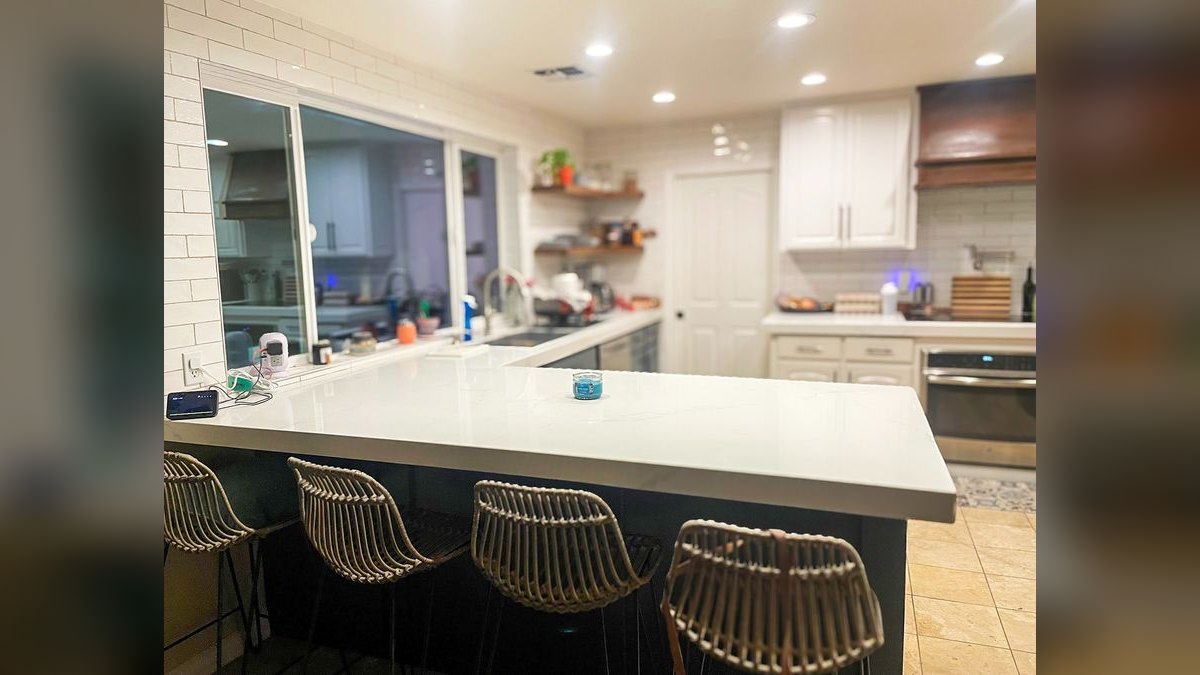
Conversion. The cheapest and best-returning version. You avoid the greenfield showroom, you avoid most of the pre-opening marketing spend, and your customer-acquisition cost on the first hundred jobs is a fraction of cold-market rates because you are calling people who already paid you once. The trap is capacity: if you pull your best installers off higher-margin work to chase overlay jobs, you can add revenue and lose money. Model the new line with its own dedicated crew, or at minimum with an honest internal transfer price for shared labor.
Occupancy discipline. Get three letters of intent on 1,400–1,800 sq ft of retail-adjacent space before you commit, and walk if total occupancy cost exceeds roughly 7% of your pro-forma Year-2 revenue. Rent is the one cost you cannot cut after signing, and an overbuilt showroom has killed more home-improvement franchises than bad product ever has.
Financing. This is a standard SBA 7(a) profile. Expect a 20–25% equity injection, a variable rate priced off SOFR with a spread of roughly 2.5–3.5%, and a ten-year term on the non-real-estate portion. Lenders that do high volume in franchise lending will underwrite off the FDD and their own internal loss history for the brand — which is, incidentally, one of the best free diligence signals available. If an experienced franchise lender declines the brand or prices it punitively, they are telling you something about their default data that no broker will.
Implementation details and sequencing
If you clear the gates, run a disciplined ninety-day process. The point of the calendar is not thoroughness for its own sake — it is to make sure the emotional decision comes last, after the disqualifying facts have had a chance to surface.
Days 1–10: get the primary documents. Request the current FDD from the franchisor. Ignore third-party franchise-portal summaries entirely; they recycle stale figures and lose footnotes. Read Items 5, 6, 7, 11, 19, and 20 in full. Item 11 tells you what the franchisor actually owes you in training and marketing support, which is usually less than the discovery-day presentation implied.
Days 11–25: call franchisees, not the franchisor's reference list. Item 20 gives you the full franchisee roster and, separately, the list of units that closed, transferred, or terminated in recent years. That second list is the most valuable page in the document. Call eight to twelve current owners, deliberately sampling three cohorts: units open under two years, units three to five years in, and units six-plus years in. The young cohort tells you what the ramp really looks like. The middle cohort tells you whether the ramp ends. The mature cohort tells you whether the brand's product story still wins on the showroom floor. Then call two or three former franchisees. Ask each one for gross sales, EBITDA, lead-source mix, and what they would do differently. Ask specifically about material lead times and whether supply timing has cost them jobs.
Days 26–40: build the market model bottoms-up. Do not start from "system average revenue times my optimism." Start from households. Count owner-occupied homes in your trade area that clear the value and age thresholds, apply a realistic annual remodel-participation rate, estimate the share that will consider an overlay rather than tear-out, and back into how many appointments per week you need. Then invert it: at your projected average ticket and close rate, what weekly appointment volume produces breakeven by Month 18? If that number is not comfortably under about 22 appointments a week, the model is too tight.
Days 41–55: quote real space. Three LOIs, same size band, real landlords. This exercise reprices your entire pro forma, because retail-adjacent rent in a market with the household demographics you need is rarely cheap.

Days 56–70: lock financing before you fall in love. Get a term sheet. A lender's conditions — how much equity, what collateral, what personal guarantee — are a market-priced second opinion on your business plan.
Days 71–85: independent legal review. Use a franchise attorney, not your general business lawyer. Budget a few thousand dollars. Spend the negotiation energy on territory definition, renewal terms, transfer conditions, and post-term non-compete scope — not on the franchise fee, which is almost never negotiable and is the least consequential number in the agreement.
Days 86–90: sign or walk, and mean the walk. The sunk cost of ninety days of diligence is trivial next to the sunk cost of a five-year lease and a personally guaranteed SBA note.
First 180 days after signing. Hire the design consultant before you open, not after; a showroom with no closer is a very expensive lobby. Build the local lead engine on three legs — paid search, home shows, and a systematic referral ask on every completed job — and treat the brand fund as a floor rather than the plan. Photograph every single install; in this category your own before-and-after library out-converts any national creative. And instrument the funnel from day one: leads, set rate, sit rate, close rate, average ticket. Owners who cannot recite those five numbers are the owners who discover a problem two quarters after it started.
The 2027 market backdrop and where the product story helps
Three currents shape the environment you would be opening into, and they do not all run the same direction.
The remodeling cycle has cooled off the pandemic-era surge. Harvard's Joint Center for Housing Studies publishes the Leading Indicator of Remodeling Activity, and the post-boom picture is low-single-digit growth rather than the high-single-digit expansion of 2021–2023. That matters less than it sounds for this specific concept, because the second current partially offsets it: financing costs. A large share of kitchen remodels are funded with home-equity borrowing, and when that money is expensive homeowners do not cancel projects — they shrink them. A countertop-only overlay that finishes in a day or two is structurally well positioned against a full tear-out-and-rebuild when the customer is trading down from a $40,000 renovation to an $8,000 refresh. Fast-install resurfacing is a recession-resilient shape inside a cyclical industry.
The third current is regulatory and genuinely underappreciated. Engineered stone has come under sustained occupational-health scrutiny over crystalline silica dust exposure among fabricators — OSHA has prioritized enforcement in stone fabrication, and Australia moved to prohibit engineered stone outright in 2024. Any product line whose composition and install method reduce on-site cutting and silica exposure has a real story to tell to both regulators and safety-conscious homeowners. That is a durable differentiator against the generic local quartz fabricator, and it is the kind of advantage that widens rather than erodes.
Competitively, you would be fighting on two fronts. Above you sit the big-box installed-sales programs — the home-center and warehouse-club countertop programs — which compress labor pricing and train consumers to shop on price. Beside you sit the other fast-install home-improvement franchises: cabinet refacing, one-day bath, and adjacent resurfacing concepts, all selling the same "done in a day or two" promise. The winning position is not price. It is design consultation quality plus a credible material story plus install speed, sold in a showroom where the customer can put their hands on the product.
Adjacent plays worth modeling before you sign
Run the same gates against the neighbors before you commit, because the diligence work is transferable and the risk profiles differ meaningfully.
Cabinet refacing concepts. Lower all-in capital, often home-office rather than showroom-based, smaller average ticket, higher job volume. Better fit for an owner who wants to start lean and does not have showroom-retail experience. The trade-off is a lower revenue ceiling per unit and more jobs to manage for the same top line.
One-day bath remodel concepts. Comparable capital band, tight product scope, and in several cases a parent company running national lead generation. Attractive if you want the franchisor doing more of the demand creation. Watch the terms: heavy national lead-gen support usually comes with heavier fees or lead costs charged back to you.
Garage and specialty coatings. Single-day install, less category competition than kitchens, lower ticket, and a much simpler operation — no design center required. Often the best fit for an operator who is strong on execution and weaker on premium retail selling.
Staying independent. No franchise fee, no royalty, no brand fund — which is 12–14% of revenue you keep. What you buy with that money in a franchise is a product supply chain, a brand, a training system, and a marketing engine. If you already have a customer list, established suppliers, and a functioning local reputation, the honest question is whether the franchise adds enough revenue to more than cover 12–14% of it. For an established remodeler in a strong market, it often does, because the product genuinely opens a price point they cannot otherwise serve. For a beginner with no list, independence just means paying for leads through the aggregator platforms at rates that rival the royalty anyway, without any of the support.
The multi-unit thesis. If you have real capital and management depth, the version of this business that actually produces the headline numbers is two or three showrooms in one metro with a shared install operation and pooled marketing. That is a different business than one store — it is an operating company with a general manager layer — and it should be modeled as one from the start rather than stumbled into after unit one stabilizes.
Related questions
How much does a Granite Transformations franchise cost all-in?
Plan on roughly $185,000 to $435,000 for a cold start, including the $45,000 initial franchise fee. The spread is driven mostly by showroom build-out, opening inventory, and how much working capital you fund. Conversions from an existing remodeling business land near the low end.
Can this be run semi-absentee?
Not realistically. Revenue depends on in-home selling, installer scheduling, and showroom conversion — three things that degrade fast without an owner present. Semi-absentee attempts in design-led home-improvement franchising routinely stall short of breakeven. Budget for owner-operator involvement through at least Month 24.
Is buying an existing unit better than opening a new one?
Usually yes on risk-adjusted return, because you inherit appointment flow instead of buying it cold. But verify how much of the revenue transfers with the business rather than with the departing owner, and price in deferred capital expenditure on vans and showroom refresh.
What kills these units most often?
Thin working capital colliding with multi-week material lead times, and an owner who cannot close in the home. Occupancy cost set too high at lease signing is the third. All three are decided before opening day, which is why the ninety-day process matters more than the first ninety days of trading.
Does the low-silica angle actually matter to customers?
To some, increasingly. It matters more to regulators, insurers, and your own fabricators than to the average homeowner, but it gives your design consultant a differentiated story against a local quartz fabricator, and it reduces your own occupational-health exposure as an employer.
FAQ
What are the ongoing fees on a Granite Transformations franchise?
A 6% royalty on gross sales plus a 2% brand-fund contribution, with a local advertising minimum on top. Combined, expect roughly 12–14% of revenue committed to franchise and marketing obligations before cost of goods. That load is normal for the home-services franchise sector, but it sets the gross-margin floor your pricing must clear.
How long until I break even?
For a cold-start owner-operator, plan on 22 to 30 months, with a realistic tail out toward the three-year mark if lead flow underperforms. Conversions from an existing remodeling book can break even substantially faster because customer acquisition cost starts low. Anyone quoting you twelve months is quoting a best case, not a plan.
Why is the system average revenue so much higher than what a new unit earns?
Because a system average is usually a mean, not a median, and it blends mature multi-unit operators with shared install crews into the same figure as first-year single units. Read Item 19's footnotes for the unit count and average tenure behind the number, then build your own bottoms-up forecast from household data instead.
Do I need construction experience to open one?
You need sales-in-the-home experience more than construction experience, though both help. The install work can be hired. The in-home close cannot be delegated in Year 1, and it is where the revenue is won or lost. Prior kitchen-and-bath, countertop, or premium-showroom retail experience is the strongest predictor of a fast ramp.
What should I negotiate in the franchise agreement?
Territory definition, renewal terms, transfer and resale conditions, and post-term non-compete scope. Not the initial fee — that is rarely movable and matters least. Have a franchise attorney, not a generalist, do the review, and treat their questions about Item 11 support obligations as the core of the exercise.
Is 2027 a good year to open in this category?
Mixed, but the shape of the concept helps. Remodeling growth has cooled to low single digits and home-equity borrowing is expensive, which pushes homeowners toward smaller, faster projects — exactly the niche a countertop overlay occupies. The regulatory pressure on silica in stone fabrication also favors lower-exposure, faster-install products.
Sources
- Federal Trade Commission — Franchise Rule and buying-a-franchise consumer guidance: https://www.ftc.gov/business-guidance/industries/franchises
- U.S. Small Business Administration — 7(a) loan program terms and eligibility: https://www.sba.gov/funding-programs/loans/7a-loans
- Joint Center for Housing Studies of Harvard University — Leading Indicator of Remodeling Activity (LIRA): https://www.jchs.harvard.edu/research-areas/remodeling
- National Association of Home Builders — Remodeling Market Index: https://www.nahb.org/news-and-economics/housing-economics/indices/remodeling-market-index
- OSHA — Respirable Crystalline Silica standards and enforcement: https://www.osha.gov/silica-crystalline
- U.S. Census Bureau — American Community Survey (housing value, year built, income): https://www.census.gov/programs-surveys/acs
- International Franchise Association — franchise research and outlook: https://www.franchise.org/
- U.S. Bureau of Labor Statistics — Producer Price Index: https://www.bls.gov/ppi/
- SBA Franchise Directory: https://www.sba.gov/document/support-sba-franchise-directory
- Safe Work Australia — engineered stone prohibition: https://www.safeworkaustralia.gov.au/safety-topic/hazards/crystalline-silica-and-silicosis
Related on PULSE
This page will be disappearing soon. Save it to your device for $1 — or read it free while it is here.
@Kory-White- · if Venmo asks, the last 4 of my number are 2012
This page is gone.
This one is off the shelf now. $1 keeps it on your phone for good — the whole page, pictures and diagrams included.
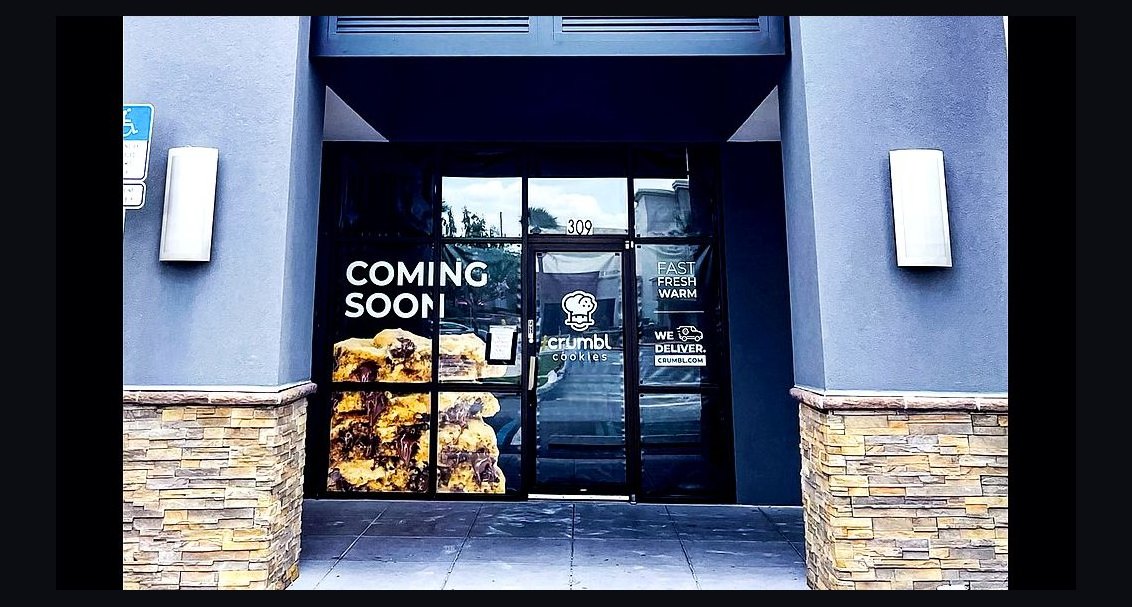 franchiseShould I open or buy a Crumbl Cookies franchise in 2027?
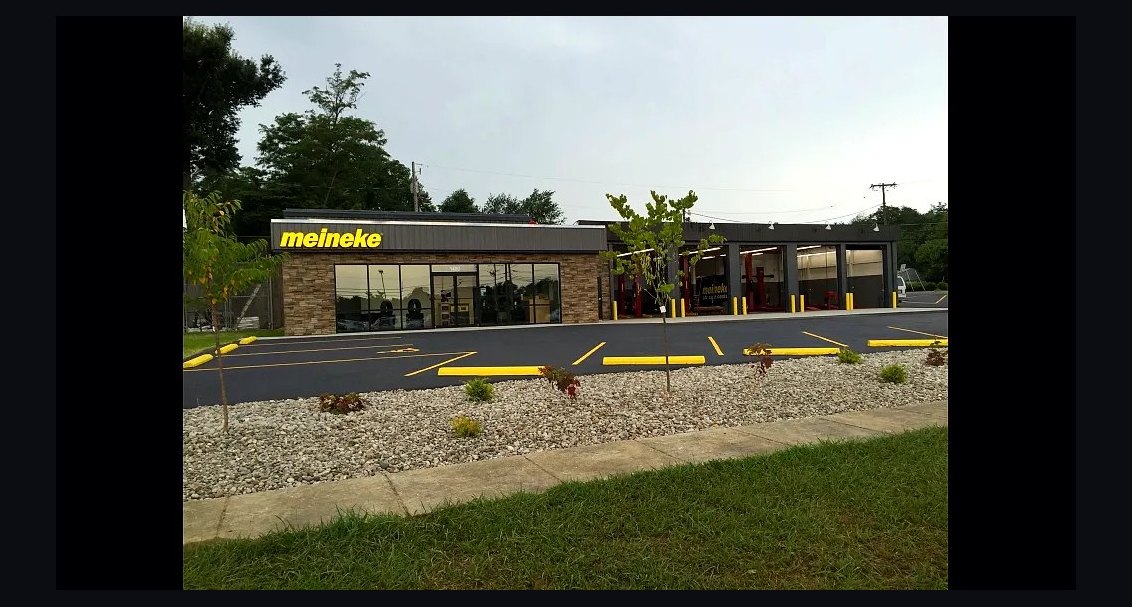 franchiseShould I open or buy a Meineke franchise in 2027?
 franchiseShould I open or buy a Bojangles franchise in 2027?
 franchiseShould I open or buy a Culver's franchise in 2027?
 franchiseShould I open or buy a Jamba franchise in 2027?
 franchiseShould I open or buy a Smoothie King franchise in 2027?
 franchiseShould I open or buy a Primrose Schools franchise in 2027?
 franchiseShould I open or buy a Supercuts franchise in 2027?
 franchiseShould I open or buy a Cold Stone Creamery franchise in 2027?
 franchiseShould I open or buy a Wendy's franchise in 2027?