


Should I open or buy a Mr. Gatti's Pizza franchise in 2027?
Quality
Certified
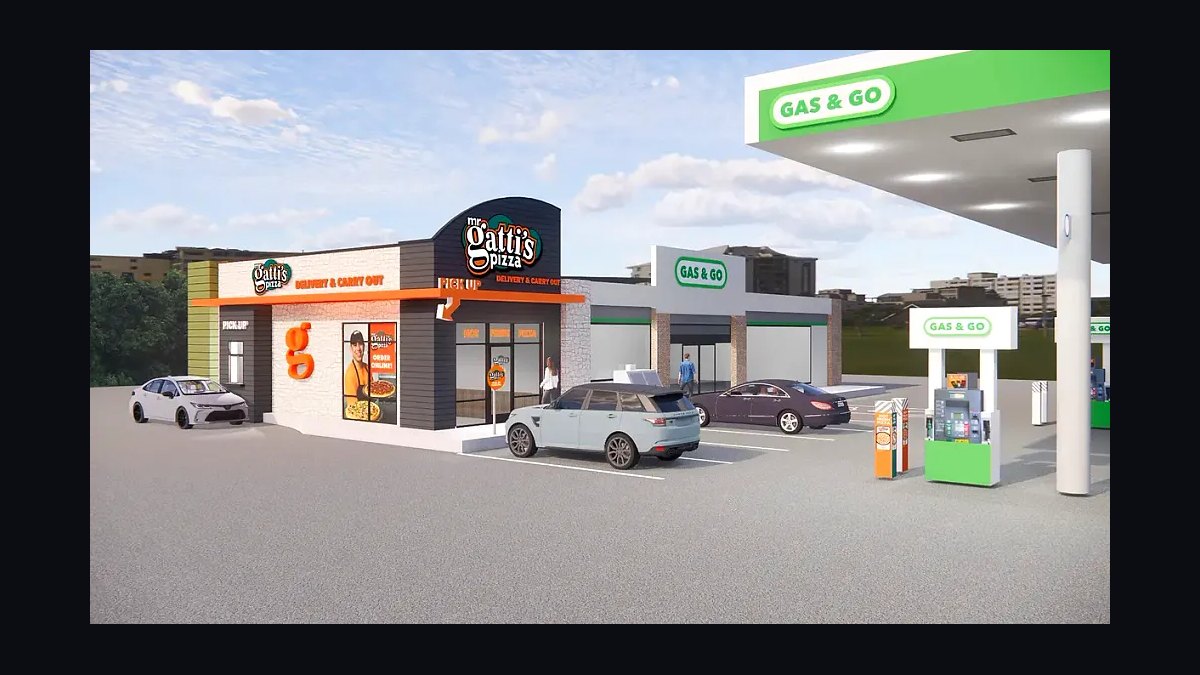
Probably not, unless you already run a multi-unit restaurant or family-entertainment operation, have $2.5M–$3.8M in unencumbered capital, and sit in a Texas, Oklahoma, or Southeast secondary market where the Mr. Gatti's Pizza name still pulls weight. The buffet-and-arcade FEC format breaks even around Year 3–4; the smaller DELCO delivery-carryout model, at $195K–$604K, is the more realistic way to open this franchise in 2027 for most buyers.
Picture the Decision Before You Sign Anything
Imagine a franchisee named Dana who already operates three Golden Corral units outside Tyler, Texas. Dana has a working back-office team, an existing relationship with a regional food-service distributor, and a banker who already understands buffet-model cash flow. A Mr. Gatti's area representative pitches the FEC format — buffet, arcade, birthday-party rooms — as a natural extension. Dana's first instinct is to run the comparison against what she already knows: a Golden Corral unit her size turns roughly $3M a year, and she wants to know whether a Mr. Gatti's FEC, averaging $1.06M in reported unit volume, clears her hurdle rate once a $2.1M–$3.8M build-out, a 5% royalty, and a 4% combined marketing assessment are stacked against it.
Now picture a second buyer, Marcus, who has no restaurant background at all but loves the brand from childhood birthday parties in Lubbock. Marcus has $400,000 saved, no multi-unit infrastructure, and is looking at the DELCO model — a 1,200–2,000 square foot delivery-and-carryout kitchen with no dining room, no arcade, and a much smaller $195,087–$604,177 all-in cost per the 2026 Franchise Disclosure Document. Marcus is weighing Mr. Gatti's against opening a Marco's Pizza or a Papa John's in the same college-town footprint near a regional university.
These two buyers are not solving the same problem, even though they're both reading the same franchise brochure. Dana's question is really about fixed-overhead absorption: can she bolt a capital-intensive FEC onto an existing operating platform and get the labor, purchasing, and management efficiencies that make $150,000–$280,000 in conservative Year-1 owner cash flow turn into something closer to the top-quartile $2.61M AUV some FEC operators report? Marcus's question is about captive-market economics: does his trade area have enough delivery-radius density, and few enough entrenched competitors, to hit the 18–30 month payback that makes a $400,000 DELCO investment defensible against safer alternatives?
This is the lens through which every Mr. Gatti's franchise decision in 2027 should run. The brand is not uniformly good or bad — it is two almost unrelated businesses wearing the same logo, and the right answer depends entirely on which business you're actually buying, and whether your market, your capital stack, and your operating background match the version you're signing up for. A buyer who treats the FEC and DELCO as interchangeable, or who assumes brand nostalgia substitutes for trade-area analysis, is the buyer most likely to regret opening this franchise.
How the FEC and DELCO Engines Actually Make Money
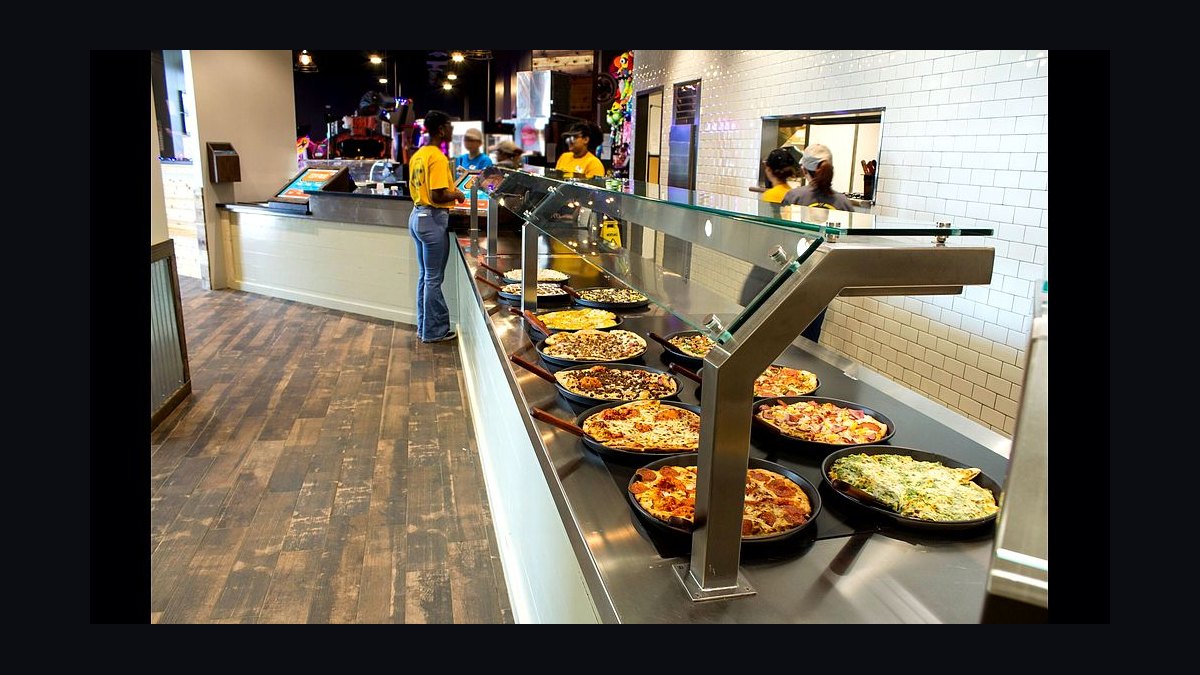
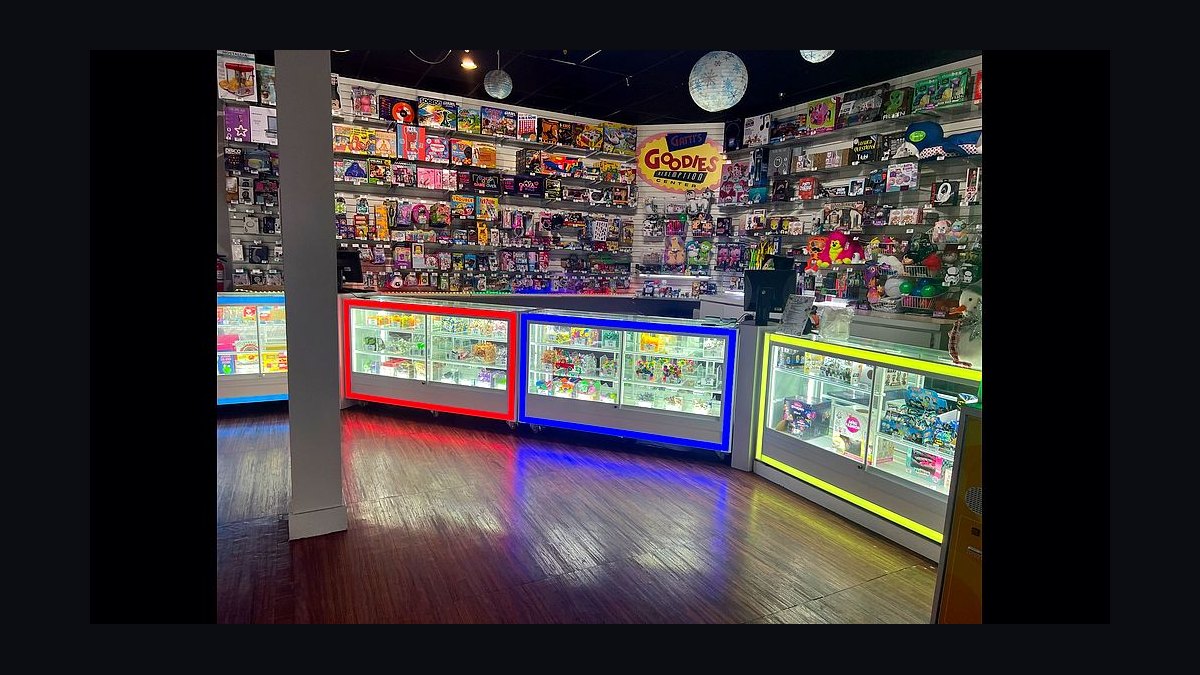
The mechanism behind a Mr. Gatti's Pizza unit is different depending on which format you open, and understanding the mechanism — not just the headline cost — is what separates a buyer who survives Year 2 from one who doesn't. In the FEC format, the buffet itself is almost a loss leader for traffic; the real margin driver is the arcade redemption system and birthday-party booking calendar, which together make up 35–45% of FEC gross revenue. That means an FEC operator who runs the business like a traditional pizza restaurant — focused on food cost and ticket times — is optimizing the wrong lever. The party-room booking rate, the arcade card reload frequency, and the prize-redemption inventory turn are what move an FEC from the $1.06M system average toward the top-quartile $2.61M AUV some operators report.
In the DELCO format, the mechanism is almost purely a function of delivery-radius density and competitive saturation. A DELCO unit has no dine-in subsidy and no party-room upside; its entire economic engine is how many households sit inside a profitable delivery radius and how many of those households already order from a Domino's, Papa John's, or Marco's. This is why the franchise disclosure document's Item 19 average unit volume for DELCO ($617,000–$820,000) sits well below the FEC number in absolute dollars but can produce a faster payback — 18–30 months versus 36–54 — because the capital at risk is a fraction of the FEC build-out.
Royalty and marketing fund structure is identical across both formats: 5% royalty plus a 2% national marketing contribution plus a 2% local marketing minimum, for 9% combined off the top of gross sales. That combined rate is lower than the roughly 10% combined royalty-plus-marketing seen at Domino's, Papa John's, and Marco's, which is a genuine structural advantage baked into the Mr. Gatti's agreement — but it only matters once gross sales exist. A unit that never reaches a defensible AUV never benefits from a favorable royalty rate; the lower percentage just means a smaller bite out of a smaller number.
The other mechanism worth understanding is capital intensity versus revenue scaling. The FEC build-out is roughly five times the cost of a comparable Papa John's and three times a Marco's, but FEC revenue does not scale five times higher — it scales roughly in line with the DELCO's upper range, just with a materially higher ceiling if the trade area supports party-room throughput. That mismatch between capital multiple and revenue multiple is exactly why FEC payback runs into Year 3 and beyond in anything but a strong heartland market, and it's the single most important mechanical fact a buyer needs to internalize before opening either version of this franchise.
The Real Numbers You Need Before Wiring a Deposit
The 2026 Mr. Gatti's FDD, filed through the Texas Secretary of State and registered across 16 franchise-registration states, lays out two very different cost structures. The DELCO model requires a $25,000 initial franchise fee against a total Item 7 range of $195,087 to $604,177, covering $75,000–$250,000 in build-out and leasehold improvements, $50,000–$140,000 in equipment and smallwares, $8,000–$15,000 in initial inventory, and $25,000–$75,000 in working capital. The liquidity requirement sits at $100,000 with a $300,000 net worth threshold — figures well within reach of a single operator with a modest savings cushion or a partner.
The FEC model is a different order of magnitude: a $50,000 initial franchise fee against a total Item 7 range of $2,143,000 to $3,837,097, driven by $1.2M–$2.4M in build-out and leasehold improvements alone, plus $400,000–$700,000 in equipment, $200,000–$450,000 in arcade and redemption games, and $150,000–$300,000 in working capital. Liquidity and net worth requirements scale accordingly: $500,000 in liquidity and $1.5M in net worth. Store-level EBITDA margin targets run 14–19% for FEC versus 12–17% for DELCO, and conservative Year-1 owner cash flow ranges from $150,000–$280,000 for FEC against $55,000–$95,000 for DELCO.
Context matters as much as the raw ranges. Cheese — the single largest variable food cost in any pizza concept — priced at $1.85–$2.10 per pound for block cheddar through 2026 on the CME, up roughly 18% from the 2024 floor, with USDA forecasts holding in the $1.95–$2.20 range through 2027. That's a 3–4 point margin headwind baked into every pie regardless of format. Labor is the other major variable: pizza labor typically runs 28–34% of revenue, but FEC arcade attendants push that toward 32–38%, and in the 27 states with minimum wages above the $7.25 federal floor — California at $16.50, Washington at $16.66, New York at $16.50 — FEC labor cost can clear 30% of revenue before a single slice is sold.
Third-party delivery economics deserve their own line item for DELCO buyers specifically. Post-2026 regulatory enforcement actions like California's AB 286 settled commission take rates at DoorDash, Uber Eats, and Grubhub around 18–22%. A DELCO running more than 40% of orders through third-party platforms can see store-level EBITDA collapse below 8%, which erodes the entire payback-period advantage that makes the DELCO format attractive in the first place. On the growth side, the family-entertainment-center industry itself is a tailwind: 2026 IBISWorld data shows the category growing at a 5.8% CAGR through 2026, projected at 4.2% through 2030 — faster than full-service restaurants at 1.1% or traditional pizza at 2.4%. Mr. Gatti's added 11 net new units in 2026, concentrated in Texas and Oklahoma DELCO formats, a measured expansion pace rather than an aggressive rollout.
Trade-Offs Against Marco's, Papa John's, and the Pure-Play Entertainment Operators

No franchise decision happens in a vacuum, and Mr. Gatti's has to be weighed against the real alternatives a buyer with the same capital would otherwise consider. On the DELCO side, Marco's Pizza sits at $300,000–$685,000 all-in with a 5% royalty and a $936,000 reported AUV, backed by a larger system (1,200-plus units) with more unit-economics data for a lender or franchise attorney to underwrite against. Papa John's, at $150,000–$870,000 with a 5% royalty and roughly $1,062,000 AUV, has rebuilt its franchisee-financing posture since its 2024 restructuring and is often the easier loan to get approved. Against both, Mr. Gatti's structural advantage is the lower combined royalty-and-marketing load — 9% versus the roughly 10% typical of its competitors — but that only compounds in your favor at scale, so a single-unit buyer may not feel the difference enough to offset weaker brand recognition outside Gatti's home territory.
On the FEC side, the honest comparison set includes Peter Piper Pizza, at $1.5M–$2.8M, which is a smaller-footprint, lower-capital FEC alternative with a similar buffet-and-arcade model. Chuck E. Cheese stopped franchising new units after its 2024 recapitalization, removing it from consideration entirely. For buyers willing to drop the pizza component altogether, pure-play entertainment concepts like Urban Air Adventure Park ($2M–$5M, roughly $1.8M AUV) and Sky Zone ($2.5M–$4.5M, roughly $2.1M AUV) post 20–25% EBITDA margins against Mr. Gatti's 14–19%, because they carry none of the food-cost volatility — cheese, dough, protein — that compresses pizza-adjacent margins.
The trade-off that doesn't show up on a comparison chart is geographic and brand equity. Mr. Gatti's brand recognition is real but narrow, concentrated in Austin, San Antonio, Houston, Dallas–Fort Worth, Oklahoma City, Tulsa, Memphis, Little Rock, Lubbock, Tyler, and Waco, where it can drive 30–40% of first-year traffic without paid acquisition. Outside that footprint — Denver, Seattle, Boston — a buyer is essentially launching an unknown brand at FEC capital intensity, which erases the single biggest advantage the concept has over a nationally known competitor. An independent local concept, unencumbered by a 9% royalty-and-marketing drag, can sometimes outperform any of these franchise AUVs by 15–25% if the operator already has the brand-building skill to do it alone — a real alternative for a buyer with restaurant experience but no attachment to franchising as a model.
Pitfalls That Sink First-Time Mr. Gatti's Operators
The clearest pattern among failed or underwater Mr. Gatti's franchisees is signing an FEC agreement in a non-heartland market purely on nostalgia for the brand's buffet concept, which dates back to a 1969 Stephenville, Texas pizza shop. Without the 30–40% organic-traffic bump that brand recognition provides in Texas and Oklahoma, a $2.5M-plus FEC build-out against a $1.06M average AUV means debt service alone — typically $250,000–$320,000 a year on financing of that size — can consume nearly all of the cash flow, leaving an operator with negative owner take-home through Year 2. The fix is not to avoid the FEC format entirely but to refuse to open one outside a market where you can independently verify, through demographic data and a drive-by site visit, that the brand carries real local recognition before signing.
A second pitfall is treating the franchise as a passive investment. Mr. Gatti's franchise agreements require owner-operator presence for at least the first 18 months, which disqualifies the absentee-investor model some buyers expect from a franchise purchase. A third is opening an FEC without any arcade, redemption, or birthday-party operating background and running it like a sit-down restaurant — since party and arcade revenue is 35–45% of FEC gross, an operator who under-invests attention there is leaving the most profitable part of the business on the table. A fourth, specific to DELCO buyers, is opening in a trade area that already has a Domino's, a Papa John's, and a Marco's within a two-mile radius; in that kind of saturated footprint, delivery margins compress to 4–7%, erasing the format's main appeal.
A fifth and increasingly relevant pitfall is underestimating labor cost creep. Baseline pizza labor runs 28–34% of revenue, but FEC arcade staffing pushes that to 32–38%, and in any of the 27 states with minimum wages well above the federal $7.25 floor, that number climbs further before a single marketing dollar is spent on driving traffic. The practical defense against every one of these pitfalls is the same: pull the current FDD, call existing and former franchisees listed in Item 20, drive comparable units in person, and stress-test a three-year P&L at 70% of system-average AUV — roughly $745,000 for FEC or $432,000 for DELCO — before committing capital. If the model survives that floor, the opportunity is real; if it doesn't, no amount of brand affection should override the math.
Related questions
Should I open a Mr. Gatti's DELCO or a Marco's Pizza in a college town?
Compare local brand recognition first. In a Mr. Gatti's heartland market, its 5% royalty and existing name recognition edge out Marco's; outside that footprint, Marco's deeper unit-economics data and $936,000 AUV make it the safer bet.
How long does it take to break even on a Mr. Gatti's FEC?

Realistically 36–54 months in a strong trade area, driven by the $2.1M–$3.8M build-out against a $1.06M average unit volume. Weaker markets or thin party-room bookings can push payback well beyond that range.
Can I finance a Mr. Gatti's franchise with an SBA loan?
Yes — Mr. Gatti's is listed on the SBA Franchise Directory with a current Form 2462 addendum, making both DELCO ($200K–$450K) and FEC ($1.5M–$2.8M) loan amounts eligible for SBA 7(a) financing.
What's the difference between opening a Mr. Gatti's and a Peter Piper Pizza franchise?
Both are buffet-and-arcade FECs with similar economics, but Peter Piper typically runs a smaller footprint and lower build-out ($1.5M–$2.8M), making it a reasonable lower-capital alternative in the same competitive set.
Is a Mr. Gatti's franchise worth it without restaurant experience?
It's materially riskier. The brand expects owner-operator presence for 18 months and rewards operators who already understand buffet labor, arcade redemption, and party-booking systems — skills a true first-timer has to learn under live capital pressure.
FAQ
What is the difference between the FEC and DELCO models? The FEC model is a full family entertainment center with buffet and arcade, requiring $2.1M to $3.8M in startup costs. The DELCO model is delivery and carryout only, costing $195K to $604K, suited to smaller footprints near colleges or military bases.
How much can I realistically earn in the first year of opening this franchise? For an FEC, conservative owner cash flow ranges from $150,000 to $280,000 annually, based on average unit volumes around $1.06M. DELCO units reach profitability faster, often within 18 to 30 months, but at lower absolute cash flow.
What are the biggest risks of opening a Mr. Gatti's Pizza franchise? High upfront capital for FECs, dependence on heartland markets in Texas, Oklahoma, and the Southeast, and break-even timelines of three to four years. Brand equity is thin outside those regions, and pizza-plus-entertainment competition is intense.
Do I need pizza or entertainment industry experience to buy a Gatti's franchise? It isn't strictly required, but it's strongly preferred. Franchisees coming from existing FEC operations have a clear edge given the operational complexity and capital intensity of the buffet-plus-arcade format.
What support does Mr. Gatti's provide to franchisees? Training, site-selection assistance, and marketing support are included, but day-to-day operational help varies and franchisees should expect to lean heavily on their own management teams, especially for FEC party and arcade operations.
Is 2027 a good year to open a Mr. Gatti's Pizza franchise? It depends on capital and location. Operators with $2.5M-plus in unencumbered funds in a core heartland market can make the FEC model work; everyone else should weight the lower-risk DELCO path or a competing brand more heavily.
Sources
- Mr. Gatti's Pizza Franchise — Official Startup Costs and Fees Page (gattispizzafranchise.com/why-mr-gattis/startup-costs-and-fees)
- VettedBiz — Mr. Gatti's Pizza Franchise Insights: FDD, Costs & Fees (vettedbiz.com/franchises/mr-gattis-pizza)
- Sharpsheets — Gatti's Pizza Franchise FDD, Profits & Costs 2025 (sharpsheets.io/blog/gattis-pizza-franchise-fdd-profits-costs)
- Franchimp — Mr. Gatti's Pizza FEC Franchise Database (franchimp.com/franchise/mr-gattis-124026)
- The Franchise Mall — Mr. Gatti's Pizza Franchise Costs & Fees
- Franchise Gator — Gatti's Pizza Franchise Cost, Fees, Opportunities 2026
- IBISWorld — Family Entertainment Centers in the US (NAICS 71311b) 2026 Industry Report
- USDA Economic Research Service — Dairy Outlook 2026-2027 (Block Cheddar CME forecast)
- SBA Franchise Directory — Mr. Gatti's Pizza listing and SBA Form 2462 addendum
- International Franchise Association — 2026 Franchise Economic Outlook Report
Related on PULSE
- Should I open or buy a Gatti's Pizza franchise in 2027?
- Should I open or buy a Mr. Appliance franchise in 2027?
- Should I open or buy a Mr. Pickle's Sandwich Shop franchise in 2027?
- Should I open or buy a Mr. Mike's SteakhouseCasual franchise in 2027?
- Should I open or buy a Mr. Electric franchise in 2027?
- Should I open or buy a Mr. Handyman franchise in 2027?
This page will be disappearing soon. Save it to your device for $1 — or read it free while it is here.
@Kory-White- · if Venmo asks, the last 4 of my number are 2012
This page is gone.
This one is off the shelf now. $1 keeps it on your phone for good — the whole page, pictures and diagrams included.
 franchiseShould I open or buy an F45 Training franchise in 2027?
 franchiseShould I open or buy a Meineke franchise in 2027?
 franchiseShould I open or buy a Sonic Drive-In franchise in 2027?
 franchiseShould I open or buy a Supercuts franchise in 2027?
 franchiseShould I open or buy a Goddard School franchise in 2027?
 franchiseShould I open or buy a Bruster's Real Ice Cream franchise in 2027?
 franchiseShould I open or buy a Whataburger franchise in 2027?
 franchiseShould I open or buy a Taco Bell franchise in 2027?
 franchiseShould I open or buy a Hand and Stone Massage franchise in 2027?
 franchiseShould I open or buy a Jiffy Lube franchise in 2027?