


Should I open a Christmas light installation business in 2027?
Quality
Certified
Yes — open a Christmas light installation business in 2027 if you can self-fund $8,000–$25,000 for a residential-only independent launch (or $29,550–$116,250 for a Christmas Decor franchise), tolerate a brutally seasonal cash cycle (October–January generates 85% of revenue), and have the sales muscle to pre-sell 40–60 residential jobs by August to hit a $120,000–$180,000 Year-1 gross. Probably not — unless you already own a truck, ladder gear, and can land two or three commercial anchor accounts (HOAs, country clubs, retail centers) at $8,000–$25,000 each before Halloween. Breakeven typically happens in Year 1 by mid-December at roughly $70,000 in booked revenue; EBITDA margins stabilize at 18–28% by Year 3 once permanent-lighting upsells and route density compound.
The Real Numbers
The Christmas light installation industry sits inside the $8.1 billion global decorative lighting market projected to grow at 5.2% CAGR through 2027 (Grand View Research). Per-job pricing in 2026 averages $300–$900 residential and $2,000–$50,000 commercial (Angi, HomeGuide, LightQuoter). Below are the two realistic paths — independent versus the dominant franchise (Christmas Decor, owned by The Decor Group).
| Line Item | Independent (Residential) | Christmas Decor Franchise |
|---|---|---|
| Franchise fee | $0 | $9,900–$17,400 |
| Initial inventory (lights, clips, timers) | $4,000–$10,000 | $8,000–$25,000 |
| Ladders, harnesses, blowers, scopes | $1,500–$3,500 | $2,000–$5,000 |
| Truck wrap or magnetic signage | $300–$1,500 | $1,000–$3,500 |
| Insurance (GL + workers comp) | $1,800–$4,200/yr | $2,500–$6,000/yr |
| CRM + routing software (Jobber, Housecall Pro) | $49–$199/mo | included partial |
| Marketing (Google LSA, door hangers, FB) | $500–$3,000 | $2,000–$8,000 |
| Working capital cushion | $2,000–$5,000 | $4,150–$50,950 |
| TOTAL Item 7 / equivalent | $8,000–$25,000 | $29,550–$116,250 |
| Year-1 revenue range | $60,000–$180,000 | $120,000–$350,000 |
| EBITDA margin Year 1 | 12–22% | 8–18% (royalty drag) |
| EBITDA margin Year 3+ | 22–32% | 14–22% |
| Royalty / brand fee | none | 2–4% + 1% ad fund |
| Payback period | 6–14 months | 18–36 months |
Christmas Decor does NOT publish an Item 19 financial performance representation, so revenue claims must be validated by calling existing franchisees in Item 20 (Vetted Biz, Sharpsheets, FranchiseHelp 2026). Independents have more upside per dollar invested; the franchise buys you commercial bid templates, training, and a 30-year brand (Christmas Decor has operated since 1986).
Who Wins With This Business
Former roofers, painters, and landscapers win biggest — they already own trucks, ladders, fall-protection gear, and a residential customer database they can reactivate with a single email blast. A landscaper with 200 existing lawn clients can typically convert 15–25 of them to Christmas light buyers, generating $10,000–$20,000 in revenue from zero new-customer acquisition cost. Sales-oriented operators with B2B commercial-bid muscle crush this category — landing one HOA contract worth $18,000 moves the entire P&L. Permanent-lighting upsellers (selling Trimlight, Jellyfish Lighting, or Gemstone Lights at $5,000–$12,000 per home with 35–45% gross margins) escape the seasonal trap entirely. Operators in the Sun Belt (Texas, Arizona, Florida, Southern California) win because dry weather extends installation windows and reduces weather-cancellation losses. Multi-truck operators with route density (60+ installs in a 3-mile radius) drive gross margins above 55% through labor amortization.
Who Loses With This Business
First-time entrepreneurs who launch in October lose — by then, residential pipelines are already filled by competitors who started outreach in June or July. Operators afraid of heights lose, because 75% of residential jobs require ladder work above 20 feet and subcontracting that piece destroys margin. Single-channel residential-only operators in cold-weather metros (Minneapolis, Boston, Buffalo) lose when an early November snowstorm wipes out two installation weekends and pushes 30% of bookings into December overtime. Anyone underinsured loses — a single ladder fall produces a $250,000–$1,500,000 workers' comp claim, and many independents skip workers' comp to save $3,000–$6,000 per year, which is a business-ending decision. Operators relying on Facebook Marketplace pricing ($150 minimums) lose — the unit economics simply do not survive below $400 average ticket. Franchisees who bought without speaking to 10+ existing operators lose when they discover the royalty + ad fund stack eats Year-1 EBITDA down to single digits.
2027 Market Conditions
Three forces reshape the category in 2027. First, the permanent-lighting boom — Jellyfish Lighting, Trimlight, Everlights, and Gemstone now represent 22–28% of total industry revenue (up from under 8% in 2022), shifting the model from one-and-done seasonal installs to $8,000–$15,000 install + $400–$900 annual maintenance contracts. Second, LED-strand input costs dropped 18% year-over-year as Chinese tariff exemptions on C9 and warm-white strands were renewed in March 2026, restoring the 48–55% gross margin that compressed during 2023–2024. Third, labor scarcity persists — BLS data shows construction-helper wages up 7.4% year-over-year to a national average of $22.80/hour, and seasonal Christmas-light crews must now pay $28–$38/hour to attract reliable installers, pressuring operators to raise minimum ticket prices to $450. The HOA and commercial property-management channel is consolidating — FirstService Residential and Associa now manage 6,200+ communities nationally and increasingly issue regional master contracts worth $50,000–$250,000, which favor franchise and multi-truck independents over solo operators.
The 90-Day Decision Tree
- Days 1–10: Validate your local market. Pull the U.S. Census ACS median household income for your three nearest ZIP codes. Christmas light installs underperform below $85,000 median HHI — if your service area sits there, abandon residential and pivot to commercial-only.
- Days 11–20: Cost the equipment stack. Get quotes on a 28-foot fiberglass extension ladder ($380), full-body harness ($240), Milwaukee M18 blower ($199), and a 3,000-strand commercial-grade LED inventory ($6,400 wholesale via Christmas Designers or Action Lighting).
- Days 21–35: Franchise vs independent decision. Request the Christmas Decor FDD via The Decor Group corporate. Call 10 existing franchisees from Item 20 and ask one question — "What was your Year-1 EBITDA in dollars?"
- Days 36–50: Insurance and legal. Bind $1M/$2M general liability through Hiscox, Thimble, or Next Insurance ($1,800–$4,200/yr). Form an LLC in your state ($50–$500 filing) and open a business checking account.
- Days 51–65: Build the sales engine. Set up Jobber or Housecall Pro ($49–$129/mo), launch Google Local Services Ads with a $1,500 monthly cap, and print 500 door hangers for affluent neighborhoods (target $750K+ home values via Zillow data).
- Days 66–80: Pre-sell. Lock in deposits (40–50% upfront) on a minimum of 15 residential jobs and 2 commercial bids before Labor Day. No deposit = no install slot.
- Days 81–90: Crew and ops dry-run. Hire two W-2 installers at $28–$32/hour or 1099 sub-crews at $45–$55/hour, run a practice install on your own house, and lock the route-density map for October 15 kickoff.
Alternative Plays
If the seasonality terrifies you, four adjacent businesses share 70% of the operational DNA with better cash-flow profiles. Permanent lighting dealerships (Jellyfish Lighting territory rights cost $25,000–$60,000, Trimlight authorized installer status is free with a $15,000 minimum inventory order) deliver year-round revenue with 35–45% gross margins and an average ticket of $7,500. Landscape lighting installation under brands like Kichler, Volt, or Unique Lighting Systems runs at 40–50% margins with installs distributed across March–November. Gutter cleaning + Christmas lights combo operations (the Window Gang and Shack Shine franchise model) smooth cash flow by adding spring gutter cleaning ($250–$450 per job) to the same residential customer list. Holiday inflatable and decor rental for HOAs and retail centers ($3,500–$18,000 per contract) carries inventory risk but avoids ladder work entirely.
FAQ
What’s the minimum I need to start a Christmas light installation business in 2027? You can launch with $8,000–$15,000 if you already own a truck and basic ladders. That covers liability insurance, a website, commercial-grade lights, clips, and extension cords. The lower end assumes you start with residential-only jobs and scale slowly.
How much can I realistically earn in my first year? A solo operator with 40–60 residential jobs can gross $120,000–$180,000, but net profit after equipment, marketing, and insurance is typically $25,000–$50,000. Commercial accounts at $8,000–$25,000 each can push gross higher, but they require more upfront sales effort.
When do I need to start selling to hit that revenue? You should have 40–60 residential jobs pre-sold by August, with installs beginning in October. Most revenue (85%) comes from October through January, so missing that window means a lean year. Start marketing in July to secure early-bird deposits.
Do I need a franchise to succeed, or can I go independent? Independent is viable if you can self-fund and build local relationships. Franchises like Christmas Decor cost $29,550–$116,250 to start but provide training, vendor discounts, and a proven sales system. The breakeven timeline is similar—Year 1 by mid-December—but franchise royalties (6–10% of revenue) eat into margins.
What’s the biggest risk I should watch out for? The seasonal cash cycle is brutal: you earn almost all revenue in four months, then have little income for eight. You need savings or a line of credit to cover living expenses and equipment maintenance from February through September. One bad weather season (e.g., a warm December) can crush cash flow.
How long until this business becomes profitable and stable? Breakeven typically happens by mid-December of Year 1 at roughly $70,000 in booked revenue. EBITDA margins stabilize at 18–28% by Year 3, once you have repeat customers, route density, and permanent-lighting upsells. Many operators plateau around Year 4–5 unless they add commercial or maintenance services.
Bottom Line
A Christmas light installation business in 2027 is a legitimate $120,000–$350,000 Year-1 revenue play for operators with sales discipline, ladder experience, and the capital to pre-stock $6,000–$10,000 of commercial-grade LED inventory by August. The independent path beats the franchise on payback period (6–14 months vs 18–36 months) and steady-state EBITDA margin (22–32% vs 14–22%), but the Christmas Decor franchise earns its royalty for operators who lack a commercial sales playbook and need turnkey HOA and property-management bid templates. The decisive 2027 move is layering permanent lighting (Jellyfish, Trimlight, Gemstone) onto your residential funnel — that single product extension converts a brutally seasonal Q4 business into a year-round 28% EBITDA operation and is the difference between owning a job and owning a business.
Sources
- Christmas Decor Franchise — FDD, Fees & Cost (2026)
- Christmas Décor Franchise FDD, Costs & Fees (2026) — FranchisePayback
- Christmas Decor Franchise Insights: FDD, Costs & Fees — Vetted Biz
- Christmas Décor Franchise FDD, Profits & Costs (2025) — Sharpsheets
- The Decor Group / Christmas Decor Franchise — Entrepreneur Directory 2026
- How Much Does Christmas Light Installation Cost? (2026) — HomeGuide
- [How Much Does Professional Christmas Light Installation Cost? [2026 Data] — Angi](https://www.angi.com/articles/how-much-does-christmas-light-installation-cost.htm)
- Commercial Christmas Light Installation: The Complete Guide (2026) — LightQuoter
- Christmas Light Installation Pricing Guide 2025 — Strandr Market Analysis
- Cost to Start a Holiday Lighting Business in 2026 — Bizzby
- U.S. Bureau of Labor Statistics — Construction Helpers Wage Data
- Christmas Decor Franchise Cost & Opportunities 2026 — FranchiseHelp
Related on PULSE
- Should I open or buy a Christmas Decor franchise in 2027?
- Should I open a security alarm installation business in 2027?
- Should I open a solar installation business in 2027?
- Should I open a flooring installation business in 2027?
- How do I franchise my own business in 2027?
- Franchise vs. independent business: which should I start in 2027?
This page will be disappearing soon. Save it to your device for $1 — or read it free while it is here.
@Kory-White- · if Venmo asks, the last 4 of my number are 2012
This page is gone.
This one is off the shelf now. $1 keeps it on your phone for good — the whole page, pictures and diagrams included.
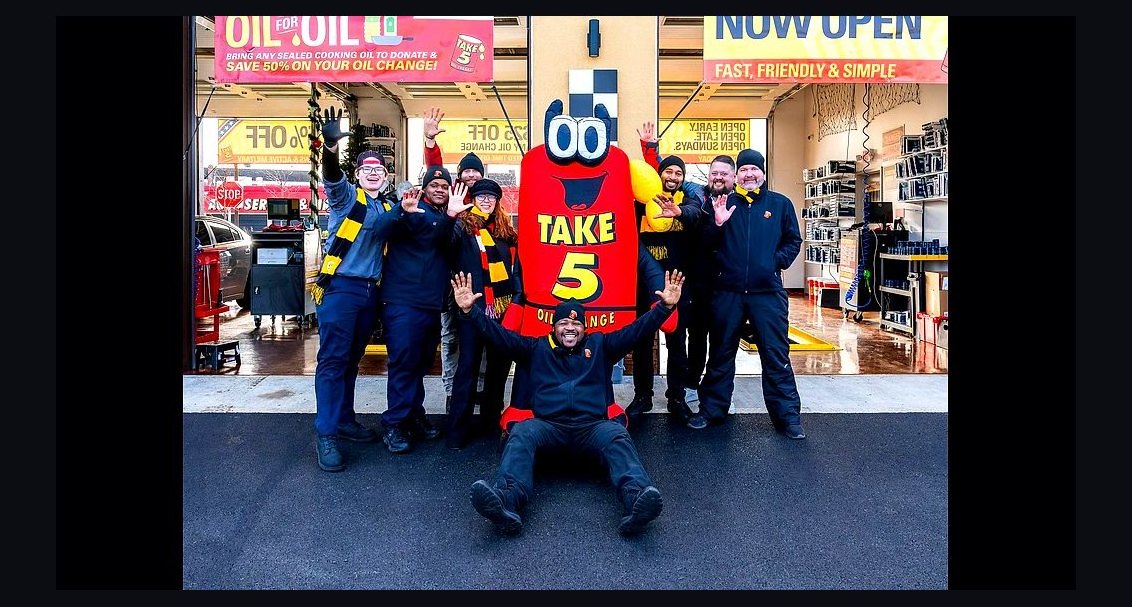 franchiseShould I open or buy a Take 5 Oil Change franchise in 2027?
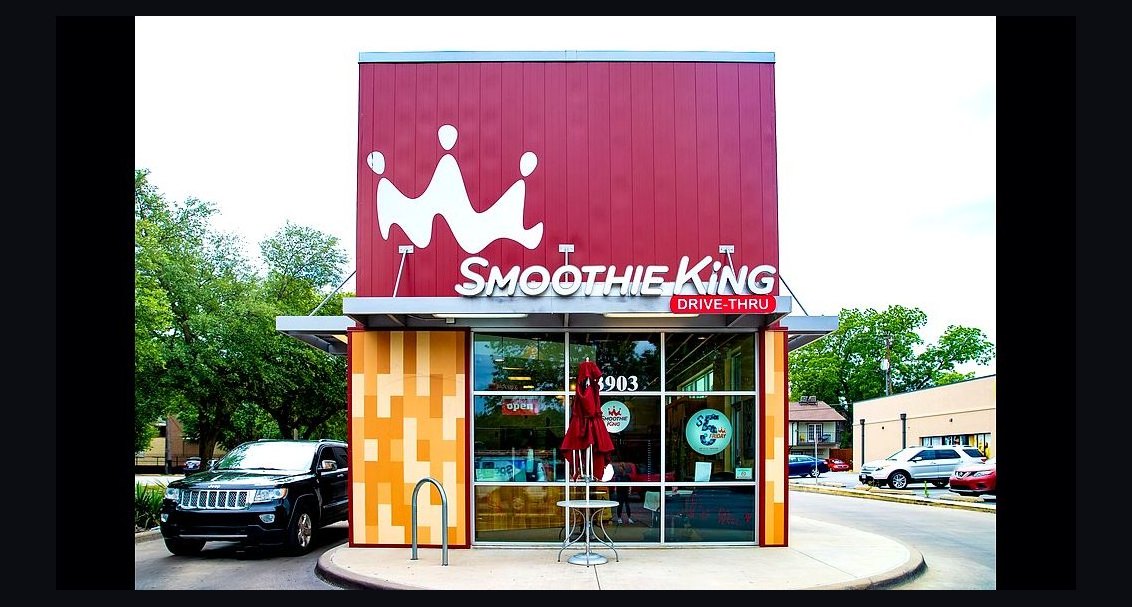 franchiseShould I open or buy a Smoothie King franchise in 2027?
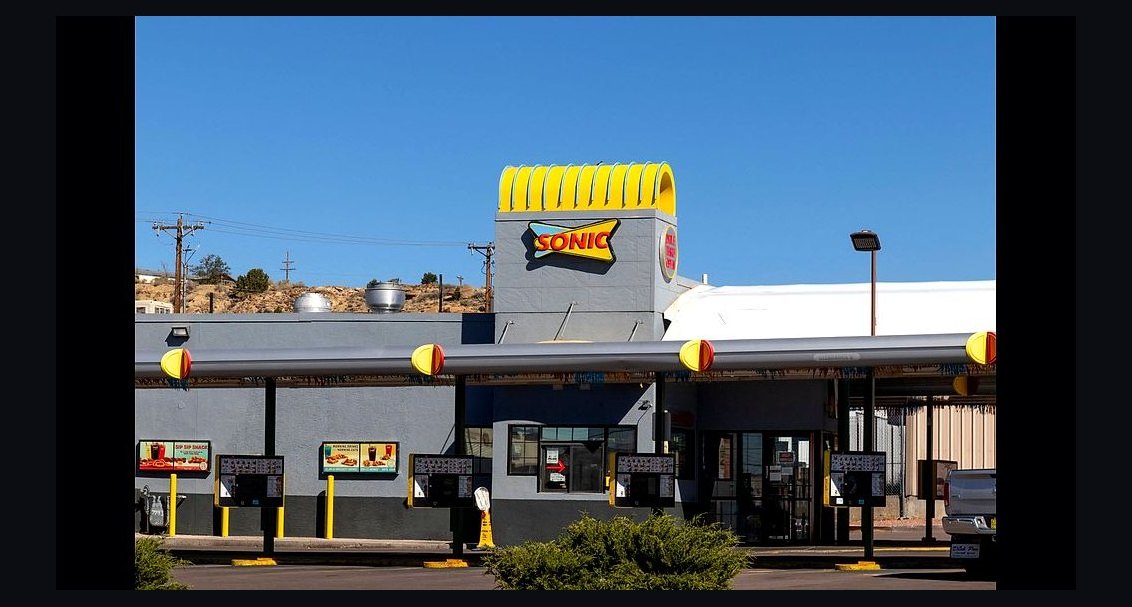 franchiseShould I open or buy a Sonic Drive-In franchise in 2027?
 franchiseShould I open or buy a Planet Fitness franchise in 2027?
 franchiseShould I open or buy a Cinnabon franchise in 2027?
 franchiseShould I open or buy a Subway franchise in 2027?
 franchiseShould I open or buy a Mathnasium franchise in 2027?
 franchiseShould I open or buy a Whataburger franchise in 2027?
 franchiseShould I open or buy a Hand and Stone Massage franchise in 2027?
 franchiseShould I open or buy a Servpro franchise in 2027?