
How often should you do water changes in a freshwater tank in 2027?
 Curated byKory White · Fractional CRO · Maryland
 PULSEKNOWLEDGE LIBRARY
Quality
Certified

For most freshwater community aquariums, a partial water change of about 20-30% once a week is the reliable standard. The right frequency depends on stocking, tank size, filtration, and live plants, so let your nitrate test guide you: change enough water often enough to keep nitrate below roughly 20-40 ppm and ammonia and nitrite at 0 ppm. Lightly stocked or heavily planted tanks may only need a change every two weeks, while crowded or heavily fed tanks may need 30-50% weekly or more.
The Standard: 20-30% Weekly
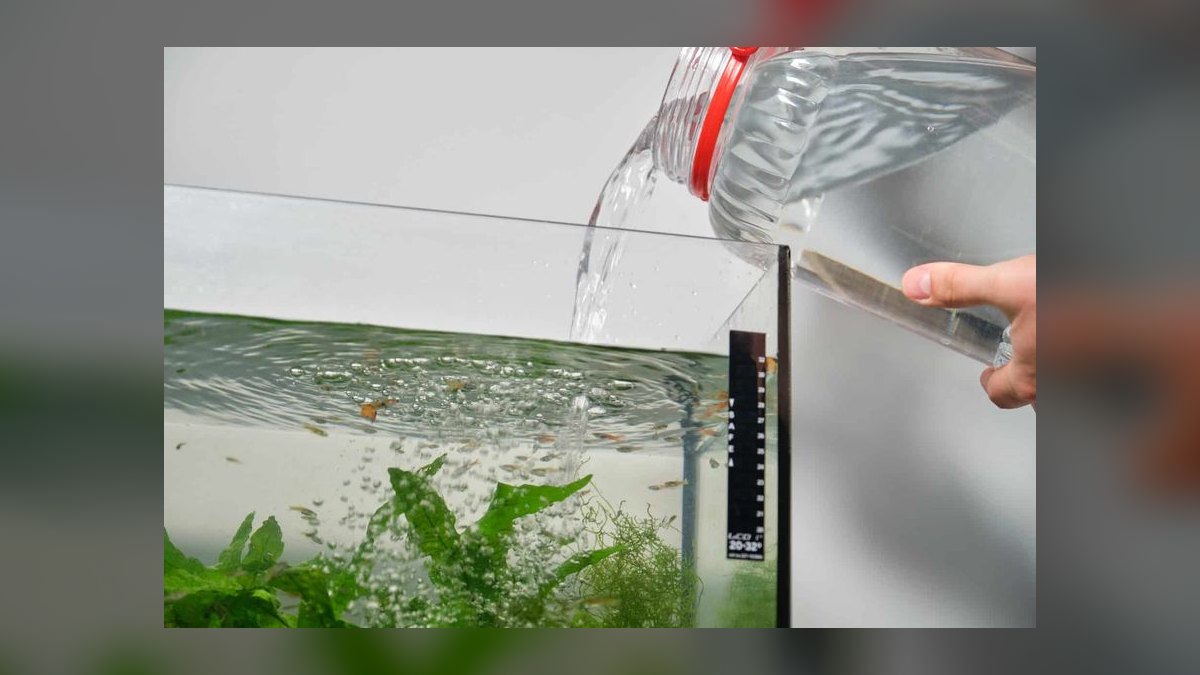
A weekly 20-30% partial water change suits the majority of freshwater tanks. It dilutes accumulated nitrate, replenishes trace minerals and buffering capacity that fish and plants consume, and removes dissolved organics before they build up. Crucially, partial changes are gentle: they refresh the water without disrupting the established beneficial bacteria living in your filter and substrate, which is why you should never do a full 100% change on an established tank. Always dechlorinate the new water and match its temperature to the tank before adding it.
Let Nitrate Be Your Guide
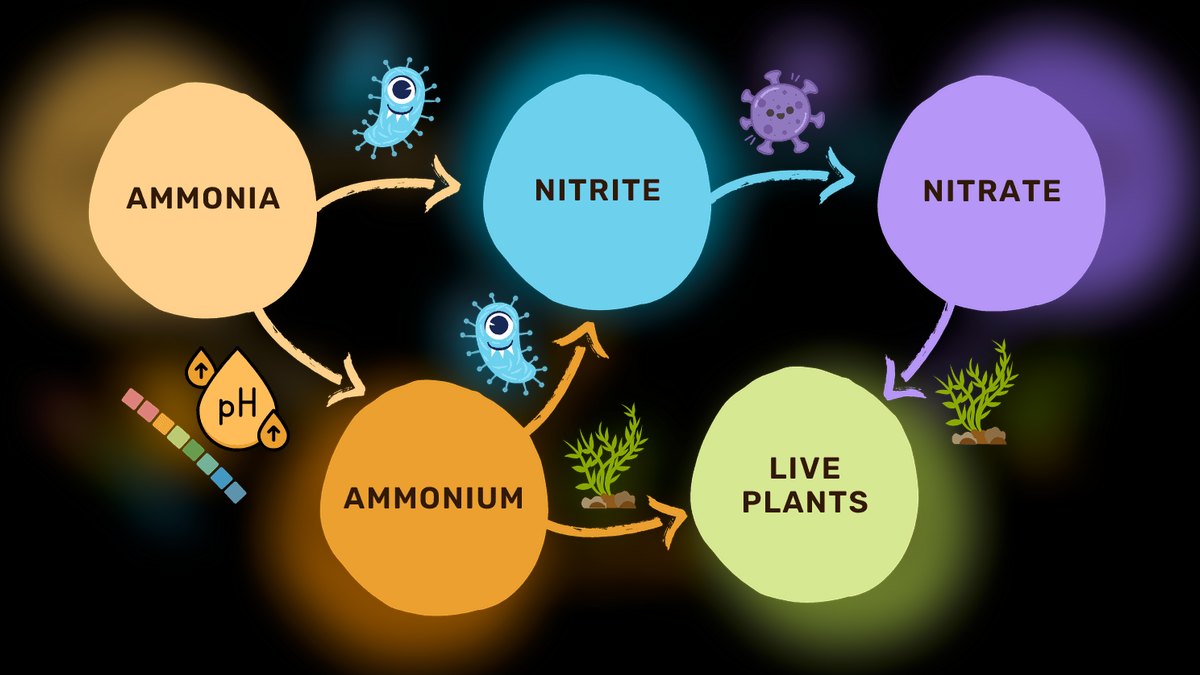
Rather than following a calendar blindly, use a nitrate test to set your schedule. Nitrate is the end product of the nitrogen cycle and the main thing water changes remove. Measure nitrate at the end of a week, just before your next change:
- Under 20 ppm: your schedule is comfortable; you could even stretch the interval.
- 20-40 ppm: a 20-30% weekly change keeps you in a healthy band.
- Above 40 ppm consistently: increase change size or frequency, and reduce feeding or stocking.
The goal is to keep nitrate from creeping ever higher. The amount of water you remove and how often should be whatever holds nitrate in a safe, stable range for your particular tank.
Factors That Change the Frequency
Stocking density. More fish means more waste and faster nitrate accumulation, requiring larger or more frequent changes. A lightly stocked tank coasts; a crowded one needs attention.
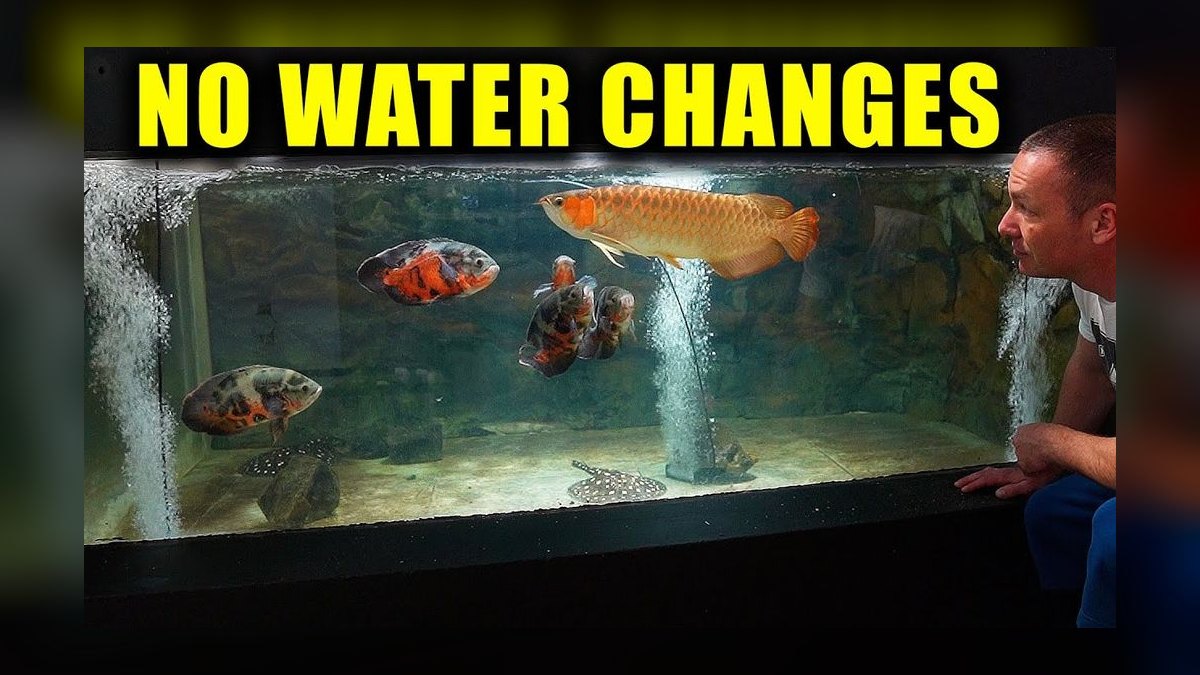
Tank size. Larger volumes dilute waste and swing more slowly, so a big tank can often go a bit longer between changes than a small one. Nano tanks (under about 10 gallons) accumulate waste and shift parameters quickly, so they benefit from smaller, more frequent changes.
Filtration. Strong biological filtration keeps ammonia and nitrite at zero but does not remove nitrate; only water changes (and plants) do that. Good mechanical filtration plus regular maintenance reduces organic buildup between changes.

Live plants. Heavily planted tanks absorb ammonia and nitrate as nutrients, often slowing nitrate accumulation and allowing longer intervals, sometimes every other week, as long as nitrate stays low.
Feeding. Overfeeding is the most common cause of fouled water and rising nitrate. Feeding sensibly and removing uneaten food reduces how much water you need to change.
How to Do a Water Change Properly
A good routine protects the bacteria and your fish:

- Test first so you know your nitrate trend.
- Turn off the heater (and unplug it before the water drops below the element to avoid cracking it).
- Siphon water out with a gravel vacuum, pulling debris from the substrate at the same time; in planted tanks, vacuum only open areas to avoid uprooting plants.
- Prepare new water at a matching temperature and treat it with a dechlorinator (such as Seachem Prime or API Tap Water Conditioner) to neutralize chlorine and chloramine.
- Refill gently so you do not stir up the substrate or stress fish.
- Restart the heater and filter once levels are back up.
Never use hot tap water straight from the tap without conditioning, and never rinse your filter media in chlorinated tap water, since that kills the beneficial bacteria.
Parameter Targets to Maintain
Water changes help you hold the readings that matter in a freshwater tank:
- Ammonia: 0 ppm and nitrite: 0 ppm at all times.
- Nitrate: under about 20-40 ppm for community fish.
- Temperature: typically 72-80°F for tropical community fish; keep new water within a degree or two of the tank.
- pH: stable is more important than any specific number; large or infrequent changes can swing pH, which is another reason consistent small changes beat occasional huge ones.
The Impact of Tank Size on Water Change Frequency
Tank size dramatically influences how often you need to perform water changes, and it’s one of the most underappreciated factors in aquarium maintenance. Smaller tanks, such as nano tanks under 10 gallons, have significantly less water volume to dilute waste products. A single overfeeding event or a small ammonia spike can become toxic much faster in a 5-gallon tank than in a 55-gallon tank. For tanks 10 gallons or smaller, a weekly 25-30% change is often the minimum, and some heavily stocked nano tanks may require 30-50% changes twice weekly to keep nitrate below 20 ppm. The margin for error is razor-thin: a missed water change in a small tank can lead to nitrate readings above 80 ppm within a week, stressing fish and inviting algae blooms.
In contrast, larger tanks—50 gallons and above—have more water volume to buffer against waste buildup. A 75-gallon tank with moderate stocking might only need a 20-25% change every 10-14 days, especially if it has robust filtration and live plants. However, larger tanks are not immune to neglect; they simply offer a longer grace period. The key is to match the water change volume to the tank’s biological load, not just its size. For example, a 100-gallon tank with a dozen large cichlids and heavy feeding may still need 30-40% weekly changes, while the same tank with a few neon tetras and a planted setup might go three weeks between changes. Always test nitrate to confirm, regardless of tank size. A simple rule of thumb: the smaller the tank, the more consistent your water change schedule must be to avoid sudden parameter swings that can kill fish overnight.
How Live Plants Change the Equation
Live aquatic plants fundamentally alter the water change calculus because they consume nitrate and other waste products as fertilizer. A heavily planted tank—one where plants cover at least 50-70% of the substrate or grow densely—can dramatically reduce the frequency of water changes. In a well-planted, low-stocked aquarium (e.g., a 20-gallon with 10 small fish and a carpet of dwarf hairgrass), nitrate may stay below 10 ppm for two to three weeks, allowing you to stretch water changes to every two weeks or even monthly. Some aquarists with heavily planted, lightly stocked tanks report doing water changes only every 4-6 weeks, relying on plant uptake to keep nitrate in check. However, this approach requires careful monitoring: if plants are not growing vigorously (due to low light or nutrient deficiencies), they won’t absorb nitrate effectively, and waste can accumulate.
The type of plants matters too. Fast-growing stem plants like hornwort, water wisteria, and duckweed are nitrate hogs and can reduce water change needs significantly. Slow-growing plants like anubias or java fern have minimal nitrate uptake and won’t help much. If you rely on plants to reduce water changes, you must also ensure they have adequate light (8-10 hours daily), CO2 (either injected or from liquid carbon supplements), and micronutrients like iron and potassium. Without these, plants may stall and fail to keep nitrate low. A common mistake is assuming any live plant will reduce water changes; in reality, a sparse or struggling plant setup can actually increase waste if decaying leaves add organic matter. For best results, combine a heavily planted tank with a low fish load and a nitrate test kit to find your personal schedule. If nitrate stays under 20 ppm for two weeks, you can safely extend the interval, but always do at least a 10-15% change monthly to replenish minerals and remove dissolved organic compounds that plants don’t touch.
Special Cases: High-Bioload and Breeding Tanks
Not all freshwater tanks fit the standard weekly schedule. High-bioload tanks—those with messy, large fish like goldfish, oscars, or plecos—produce waste far faster than community tanks. Goldfish, for example, are notorious for their heavy waste output due to their constant grazing and inefficient digestion. A single adult goldfish in a 20-gallon tank may require 40-50% water changes twice weekly to keep nitrate below 40 ppm, even with strong filtration. Similarly, tanks with large cichlids, such as flowerhorns or red devils, often need 30-40% changes every 3-4 days to prevent ammonia spikes and maintain water quality. For these setups, a weekly schedule is rarely sufficient; you must test nitrate every few days and adjust accordingly. Overfeeding exacerbates the problem—if you feed high-protein foods or multiple times daily, expect to increase water change frequency by 50-100%.
Breeding tanks present another unique scenario. Fry (baby fish) are extremely sensitive to water quality fluctuations, but they also require frequent, small water changes to stimulate growth and remove metabolic waste. Many breeders perform daily 10-20% water changes in fry tanks using aged, dechlorinated water at the same temperature as the tank. This mimics the natural renewal of water in streams and prevents the buildup of hormones that can stunt growth. For egg-laying species like angelfish or tetras, water changes can also trigger spawning behavior—a sudden 30-50% change with slightly cooler water (2-3°F lower than tank temperature) often induces breeding. However, for adult breeding pairs, the schedule depends on their bioload. A pair of discus in a 30-gallon tank may need 50% changes every other day to keep nitrate below 10 ppm, as discus are highly sensitive to water quality. In all high-bioload or breeding scenarios, the golden rule remains: test, don’t guess. Use a liquid test kit for ammonia, nitrite, and nitrate, and adjust your water change volume and frequency to keep ammonia and nitrite at 0 ppm and nitrate below 20-40 ppm, depending on the species’ tolerance.
Frequently Asked Questions
Can you change too much water at once? Yes. Very large changes (above about 50%) can swing temperature, pH, and hardness sharply and stress fish, and a 100% change can disturb the bacterial balance. If a tank is badly fouled, do a series of moderate changes over a few days rather than one massive swap.
What happens if you never do water changes? Nitrate and dissolved organics climb steadily, pH and buffering can crash ("old tank syndrome"), and fish become stressed, more disease-prone, and shorter-lived. Even a well-planted tank usually needs periodic changes to replenish minerals and remove waste.
Do heavily planted tanks need fewer water changes? Often, yes. Plants consume ammonia and nitrate, so a well-planted, lightly stocked tank may stay healthy with smaller or less frequent changes. High-tech CO2-injected tanks, however, are sometimes changed weekly to reset nutrient dosing. Always verify with a nitrate test.
Should I vacuum the gravel during every water change? Vacuuming the substrate during changes removes trapped waste and is good practice in most tanks. In heavily planted tanks, only vacuum open areas lightly to avoid disturbing roots and substrate. In sand tanks, hover the siphon just above the surface.
Do I always need a dechlorinator? Yes, if your water source contains chlorine or chloramine, which most municipal tap water does. These chemicals are toxic to fish and kill beneficial bacteria, so condition every batch of new water. Well water without chlorine may not need it, but test and know your source.
How often should I change water in a nano or betta tank? Small tanks accumulate waste and shift quickly, so frequent smaller changes work best, often 20-30% once or twice a week for a 5-10 gallon tank. A filtered, cycled betta tank still needs regular partial changes; unfiltered bowls need them even more often.
Related on PULSE
- How often should I replace the filter media in a sponge filter for a fry tank?
- Top 10 Aquarium Siphon and Gravel Cleaners for Water Changes
- Top 10 Submersible Aquarium Pumps for Water Changes and Circulation
- Can I use reverse osmosis water for a freshwater community tank?
- How do you raise water hardness in a shrimp tank?
- What is the ideal water temperature for a tropical community tank?
Sources
- Aquarium Co-Op: How often to do water changes
- Seachem Prime water conditioner
- API Tap Water Conditioner product page
- The Spruce Pets: How and why to do aquarium water changes
- Tetra: Aquarium water care and maintenance
- Fritz Aquatics: Water change and maintenance guidance
- API Freshwater Master Test Kit for nitrate testing
Bottom Line
A 20-30% weekly partial water change is the dependable default for most freshwater tanks, but the real rule is to let your nitrate test set the pace: change enough water often enough to keep nitrate under roughly 20-40 ppm while ammonia and nitrite stay at 0 ppm. Heavily planted or lightly stocked tanks may stretch to every two weeks, crowded tanks need more, and every change should use temperature-matched, dechlorinated water to protect both your fish and the beneficial bacteria.
This page will be disappearing soon. Save it to your device for $1 — or read it free while it is here.
@Kory-White- · if Venmo asks, the last 4 of my number are 2012
This page is gone.
This one is off the shelf now. $1 keeps it on your phone for good — the whole page, pictures and diagrams included.
 pulse-aquariumsHow do you cycle a new aquarium in 2027?
 pulse-aquariumsHow do you set up a shrimp-only aquarium in 2027?
 pulse-aquariumsTop 10 Auto Top-Off Systems for Saltwater Tanks in 2027
 pulse-aquariumsWhat are the most common mistakes in Aquariums in 2027?
 pulse-aquariumsHow do you remove ammonia from an aquarium quickly in 2027?
 pulse-aquariumsTop 10 best Aquariums options in 2027
 pulse-aquariumsHow do you maintain stable salinity in a reef tank in 2027?
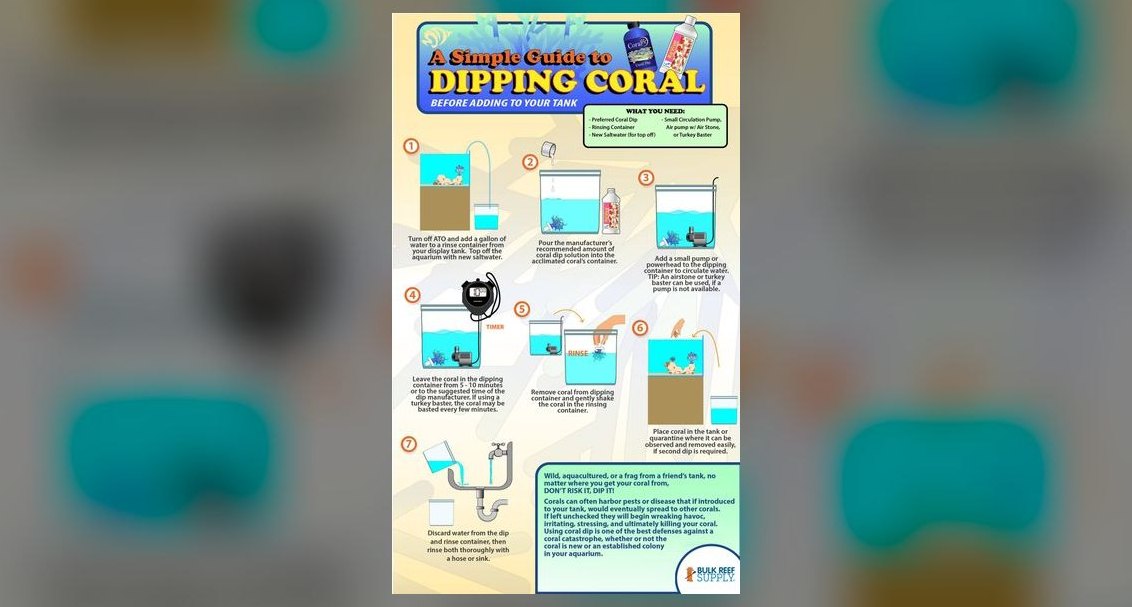 pulse-aquariumsHow do you quarantine and dip new corals in 2027?
 pulse-aquariumsHow do you raise water hardness in a shrimp tank in 2027?
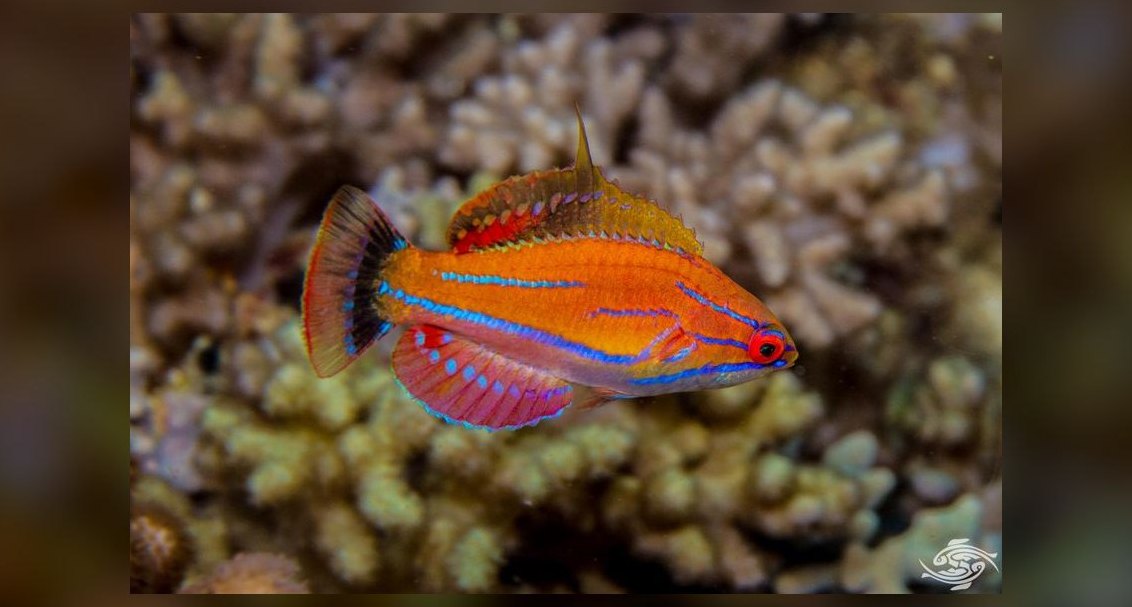 pulse-aquariumsTop 10 Reef-Safe Wrasse Species for Aquariums in 2027