


The Win Without Pitching Manifesto by Blair Enns — Cliff Notes Summary
Quality
Certified
The Win Without Pitching Manifesto by Blair Enns (Rockbench Publishing, 2010; reissued by Win Without Pitching, 2018) is a short, defiant book that tells creative agencies, consultants, and anyone who sells expertise to stop pitching — to refuse spec proposals, free strategy work, and "show us your thinking" requests, because every one of them forces the seller to give away the very expertise the client is supposedly there to buy. Enns's argument is simple and unsparing: pitching commoditizes you. It signals "vendor" instead of "expert," it trains buyers to treat judgment as interchangeable, and it drags you into price competition you can't win. The book is built as 12 Proclamations — short principles a firm adopts to sell from a position of strength — and its single most-quoted line is "diagnose before you prescribe." It has become the canonical positioning text in the agency world, cited by David C. Baker, Drew McLellan, Karl Sakas, and Jonathan Stark, and it sits naturally alongside Maister's Managing the Professional Service Firm (1993) and The Trusted Advisor (2000) as the third leg of the expertise-selling canon. If you sell judgment rather than a SKU, it reads less like a 2010 design-agency book and more like a survival guide for the AI era — because once the cost of "vendor-tier" output collapses toward zero, specialized expertise and a real point of view are the only seller-side moat left.
1The Setup — Why the Manifesto Exists
1.1 The Disease: Expertise Leakage
Enns opens by naming the problem: the RFP, the pitch, the bake-off, the chemistry meeting where the client asks for free strategy. These rituals look like sales activity but are actually expertise leakage. When a buyer asks a firm to "show us how you'd approach the rebrand" before signing anything, the firm is being asked to perform the engagement for free, against three other firms doing the same, with the lowest bidder usually winning. The work that wins the pitch is the work the client wanted in the first place — given away. Enns's whole project is to break this habit on the seller's side, because the buyer has no incentive to.
1.2 Vendor vs. Expert — the Binary Behind Everything
The spine running through all 12 Proclamations is Vendor vs. Expert. A vendor is interchangeable, competes on price, and is told what to do. An expert is hard to replace, sets the price, and tells the client what to do. Pitching signals vendor; refusing to pitch signals expert. Every behavior the book prescribes — specializing, diagnosing before prescribing, replacing presentations with conversations, charging more — is downstream of deciding which side of that line you intend to live on.

2Proclamations 1–4 — Positioning and a New Way of Selling
2.1 Proclamation 1 — We Will Specialize
Narrow focus is the foundation of the entire manifesto. A firm that does "branding for anyone" learns slowly and competes with everyone; a firm that does branding for a specific kind of client becomes the obvious choice for that client and compounds pattern recognition far faster. Specialization is what makes every later Proclamation possible — it is the precondition for authority, for premium pricing, and for the confidence to decline bad-fit work.
2.2 Proclamation 2 — We Will Replace Presentations with Conversations
The most-quoted behavioral change in the book. The deck-driven pitch — slides, capabilities, case studies, a one-way monologue — is a vendor ritual. The expert's tool is a two-way diagnostic conversation in which the seller asks more than they tell, understands the problem, and earns the right to prescribe. The capabilities presentation, in Enns's telling, is something to retire, not polish.
2.3 Proclamation 3 — We Will Diagnose Before We Prescribe
The heart of the book. Experts behave like doctors, not order-takers: you do not prescribe a rebrand, a website, or a campaign before you understand the underlying problem. Prescribing without diagnosing is malpractice. This Proclamation gives the expert seller permission — and an obligation — to slow the buyer down and ask diagnostic questions before discussing scope or price.
2.4 Proclamation 4 — We Will Rethink What It Means to Sell
Enns reframes selling itself. For the expert, selling is not persuasion, pressure, or performance — it is helping the client reach a confident, well-informed buying decision. The job is to facilitate the buyer's thinking, not to push a predetermined outcome. This reframe is what lets a reluctant-seller expert sell without feeling like a salesperson.
3Proclamations 5–8 — Expertise and Engagement
3.1 Proclamation 5 — We Will Build Expertise Rapidly
Specialization compounds expertise, but only if the firm deliberately deepens it — codifying processes, developing methodology, accumulating intellectual property. Enns treats expertise not as a static trait but as something you can build on purpose and at speed once your focus is narrow enough. David C. Baker later built an entire consultancy, Punctuation, on this idea.
3.2 Proclamation 6 — We Will Make Continuous Learning Mandatory
Expertise decays. The expert firm treats ongoing learning, study, and reflection as a non-negotiable professional obligation, not a luxury for slow weeks. This is the Proclamation that keeps the expertise from Proclamation 5 fresh — it's the maintenance plan.
3.3 Proclamation 7 — We Will Be Selective
The discipline of saying no to bad-fit clients. A firm that takes every project drifts back toward generalist commoditization; a firm that pursues only well-fit clients compounds both expertise and reputation. Selectivity also signals scarcity, which signals expertise — the firm buyers seek out is the one that doesn't chase every brief.
3.4 Proclamation 8 — We Will Not Solve Problems Without Being Financially Engaged
The anti-spec Proclamation, and the practical core of "win without pitching." The expert does not give away the thinking. Before doing real diagnostic or strategic work, the firm requires a financial commitment — typically a smaller, paid diagnostic engagement that earns the right to prescribe and leads to a larger, better-scoped implementation. The free-strategy chemistry meeting is replaced by a paid first step.
4Proclamations 9–12 — Money and Pride
4.1 Proclamation 9 — We Will Address Issues of Money Early
Surface budget and fee expectations early, before either side over-invests in a relationship the client can't afford. Enns advocates setting a minimum engagement level and declaring it openly up front — an honest early conversation that kills doomed deals before they waste anyone's time.
4.2 Proclamation 10 — We Will Refuse to Accept Work at a Loss
Discounting below profitability to win a deal is a vendor move that corrodes the firm. The expert holds the line on price even when that means walking away. Winning unprofitable work isn't a win — it's a slow way to go out of business while staying busy.
4.3 Proclamation 11 — We Will Charge More
Price from a position of expertise and value, not cost-plus and not fear. Enns argues that experts systematically undercharge and that raising prices is both possible and necessary once the positioning, expertise, and diagnostic discipline are in place. The follow-up book, Pricing Creativity (2018), is the tactical manual for this single Proclamation.
4.4 Proclamation 12 — We Will Hold Our Heads High
The closing Proclamation and the emotional core. The expert carries themselves as a respected professional, not a subservient vendor — refusing to grovel, refusing to be coerced, seeking respect above money in the belief that the respect is what ultimately commands the money. It's the dignity clause that the other eleven Proclamations exist to earn.
5Frameworks at a Glance
- The 12 Proclamations — the manifesto's spine: (1) Specialize, (2) Replace presentations with conversations, (3) Diagnose before we prescribe, (4) Rethink what it means to sell, (5) Build expertise rapidly, (6) Make continuous learning mandatory, (7) Be selective, (8) Don't solve problems without being financially engaged, (9) Address issues of money early, (10) Refuse to accept work at a loss, (11) Charge more, (12) Hold our heads high.
- The Four Conversations — Enns's deal-stage model, central to his later workshops: the Probative conversation (exploratory, no commitment), the Qualifying conversation (fit and budget), the Value conversation (the outcome the engagement will produce), and the Closing conversation (terms and the engagement agreement). Each has a distinct purpose; collapsing them into one "chemistry meeting" is where most firms lose the deal.
- Diagnose before prescribe — the single most-copied idea in the book, and the test for whether you are behaving as an expert or a vendor in any given conversation.
- Expert-not-Vendor — the binary that drives every behavior in the manifesto.
- The paid diagnostic — a small, financially engaged first step that earns the right to prescribe and de-risks the larger engagement for both sides.
6What Holds Up, What Has Aged
What has only gotten stronger. The core logic has aged extremely well. AI tools have collapsed the cost of producing "vendor-tier" proposal work, sample decks, and speculative creative toward zero — a generalist who once competed by speccing a free logo now competes with a buyer who can generate ten of their own in minutes. That makes Enns's prescription more urgent, not less: the durable seller-side advantage is genuine specialized expertise plus a real point of view. The "don't pitch, diagnose first" stance is now standard advice from credible agency-positioning voices including Drew McLellan (Agency Management Institute), Karl Sakas (Sakas & Company), Jonathan Stark (Ditching Hourly), and David C. Baker — all of whom echo the manifesto's logic.
What has aged. Two things. First, the tone is deliberately absolutist and occasionally reads as bravado to a modern ear — it's a manifesto, not a nuanced handbook, and Enns fills in the practical edges in Pricing Creativity (2018). Second, the book is written for principal-led creative firms of roughly five to fifty people; solo consultants, fractional executives, and large consultancies all have to translate the Proclamations to their own context. The underlying principles survive the translation cleanly; some of the firm-specific tactics do not.
FAQ
Who should read The Win Without Pitching Manifesto? Anyone who sells expertise: agency principals, independent consultants, fractional executives, professional-services partners, and any seller whose deliverable is judgment rather than a product. If you've ever been asked to "show us your thinking" before a contract existed, the book is aimed squarely at you.
Is "we don't pitch" actually realistic? Yes — but only if you've done the upstream work. Specialization, authority, and a defensible point of view are what let a firm decline to pitch and still get hired; the firms that refuse successfully are the ones buyers seek out by name. A generalist who simply refuses gets ignored. The Proclamations are a system, not a single tactic you can bolt on.
How is this different from The Challenger Sale? The Challenger Sale (Dixon & Adamson, 2011) teaches enterprise reps to teach, tailor, and take control inside a structured complex sale of a product. Win Without Pitching teaches expert sellers to refuse that structured bake-off entirely and replace it with a diagnostic engagement. They're complementary — Challenger for reps selling product, Enns for experts selling judgment.
What are the Four Conversations used for? They're a deal-stage map. The Probative conversation decides whether to continue at all; the Qualifying conversation assesses fit and budget; the Value conversation quantifies the outcome of solving the problem; the Closing conversation produces the agreement. Enns's point is that these are distinct stages with distinct purposes, and that compressing them into one meeting is where deals get lost.
What's the single most important idea in the book? "Diagnose before you prescribe." Every other Proclamation supports it. The moment you recommend a solution before understanding the problem, you've reverted to vendor behavior — and you've given away the diagnosis that should have been the first paid step.
What's the relationship between this book and Pricing Creativity? Pricing Creativity (2018) is Enns's follow-up and the tactical complement — options-based proposals, value-based pricing, and the mechanics of charging more. Read the Manifesto first for the philosophy and the Proclamations, then Pricing Creativity for how to operationalize Proclamation 11.
Bottom Line
Read The Win Without Pitching Manifesto in a single sitting — it's short enough to finish in an afternoon. Then do three things on Monday: pick one niche narrow enough that you could become the obvious expert in it, write and publish one strong-point-of-view piece under your own name, and the next time a buyer asks you to "spec something" before signing, hold the line and offer a small paid diagnostic instead of free thinking. The book belongs on the shelf next to Managing the Professional Service Firm and The Trusted Advisor as the third leg of the expertise-selling canon — and in the AI era, where vendor-tier output is nearly free, it has only become more relevant.
Related on PULSE
- Conversations That Win the Complex Sale by Erik Peterson and Tim Riesterer — Cliff Notes Summary
- How to Win Friends and Influence People — Cliff Notes Summary
- Zone to Win by Geoffrey Moore — Cliff Notes Summary
- How to Win Friends and Influence People by Dale Carnegie — Cliff Notes & Chapter-by-Chapter Summary
Sources
- Blair Enns — The Win Without Pitching Manifesto (Rockbench Publishing, 2010; reissued Win Without Pitching, 2018)
- Blair Enns — Pricing Creativity: A Guide to Profit Beyond the Billable Hour (Win Without Pitching, 2018)
- Blair Enns & David C. Baker — 2Bobs podcast (Win Without Pitching, 2017–present)
- Win Without Pitching — The Manifesto (publisher page)
- David C. Baker — The Business of Expertise: How Entrepreneurial Experts Convert Insight to Income (RockBench, 2017)
- David Maister — Managing the Professional Service Firm (Free Press, 1993)
- David Maister, Charles Green & Robert Galford — The Trusted Advisor (Free Press, 2000)
- Jonathan Stark — the Ditching Hourly podcast and his anti-hourly-billing writing
- April Dunford — Obviously Awesome: How to Nail Product Positioning So Customers Get It, Buy It, Love It (Ambient Press, 2019)
- Donald Miller — Building a StoryBrand (HarperCollins Leadership, 2017)
- Drew McLellan — Agency Management Institute, Build a Better Agency podcast (2015–present)
- Karl Sakas — Made to Lead (Sakas & Company, 2019) and agency-operations consulting practice
- Matthew Dixon & Brent Adamson — The Challenger Sale (Portfolio / Penguin, 2011) — complementary canonical reference
Sources used for this revision:
This page will be disappearing soon. Save it to your device for $1 — or read it free while it is here.
@Kory-White- · if Venmo asks, the last 4 of my number are 2012
This page is gone.
This one is off the shelf now. $1 keeps it on your phone for good — the whole page, pictures and diagrams included.
 pulse-recentWhat are the concrete steps in Strategic Selling for building a sales plan in 2027?
 pulse-recentWhat are the first three concrete steps in Sandler Rule #1 for a new sales rep in 2027?
 pulse-recentConceptual Selling by Robert Miller and Stephen Heiman — Top 10 Key Takeaways for Sales Leaders in 2027
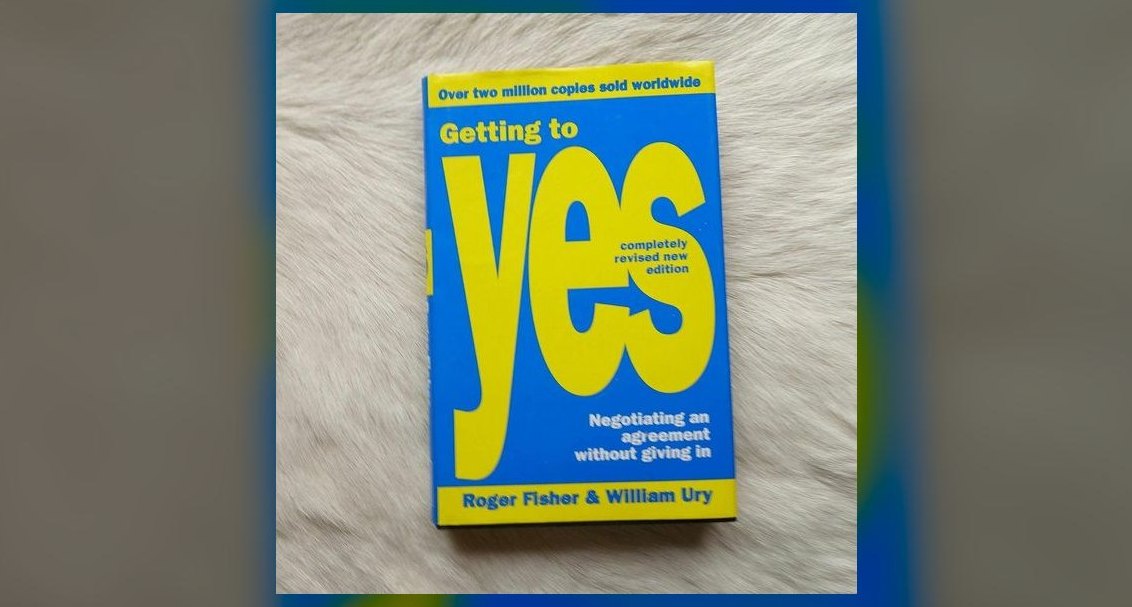 pulse-recentGetting to Yes by Roger Fisher and William Ury — Top 10 Key Takeaways for Sales Leaders in 2027
 pulse-recentWhat is the first concrete step in The Sandler Rules by David Mattson for building a sales plan in 2027?
 pulse-recentHow I Raised Myself from Failure to Success in Selling by Frank Bettger — Top 10 Key Takeaways for Sales Leaders in 2027
 pulse-recentNever Lose a Customer Again by Joey Coleman — Top 10 Key Takeaways for Sales Leaders in 2027
 pulse-recentWhat is the second concrete step in Strategic Selling by Miller Heiman for identifying a sales coach in 2027?
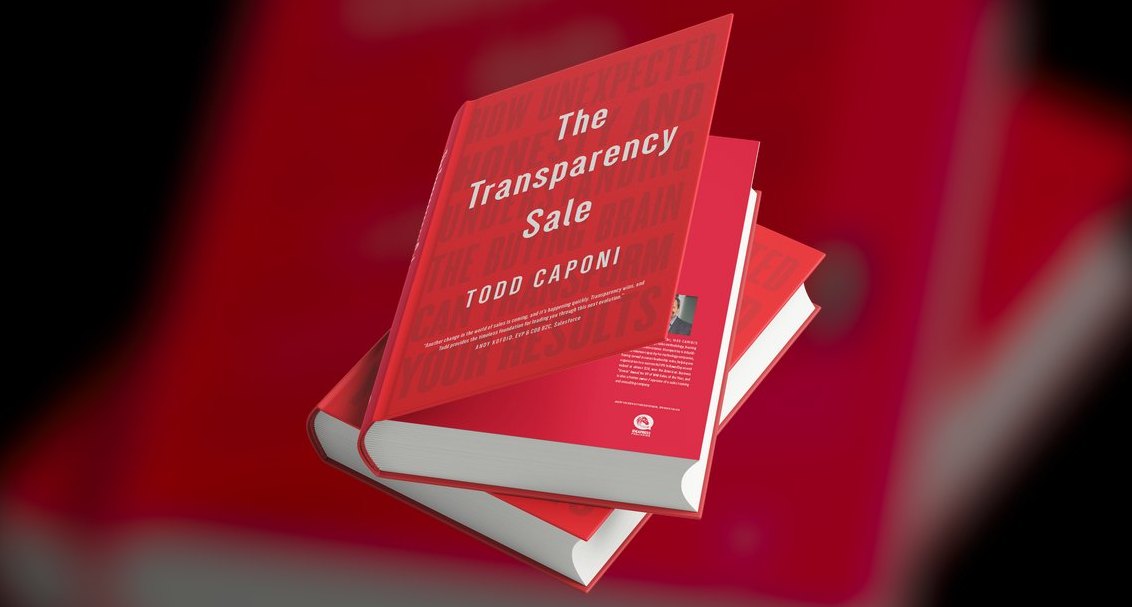 pulse-recentThe Transparency Sale by Todd Caponi — Top 10 Key Takeaways for Sales Leaders in 2027
 pulse-recentThe Sales Manager’s Guide to Greatness by Kevin Davis — Top 10 Key Takeaways for Sales Leaders in 2027