


Indistractable by Nir Eyal — Cliff Notes Summary for Sellers
Quality
Certified

Indistractable by Nir Eyal (BenBella Books, 2019) is a Cliff Notes-worthy strategy manual and Summary resource for Sellers who lose focus to notifications, Slack, and email. Eyal's core claim: distraction stems from internal discomfort, not external triggers. His 4-Part Framework — master internal triggers, timebox traction, hack back external triggers, use pacts — helps reps reclaim roughly two hours a day for real selling.
The outcome you should expect
Sellers who work through Eyal's framework report a measurable shift in how their day feels before it shows up in the pipeline. The first two weeks are usually about noticing: reps start tagging every Slack check, every inbox refresh, every "quick look" at LinkedIn as either traction (movement toward a planned task) or distraction (an escape from it). That single binary — traction versus distraction — is the whole book's engine, and it changes behavior faster than any app-blocker because it forces a judgment call in the moment rather than after the fact. A rep running a discovery-call-heavy pipeline notices this fastest, because the gap between "planned" and "reactive" hours is widest right before a call they're dreading.
By week three or four, the outcome most reps notice first isn't more calls dialed — it's fewer abandoned tasks. Before Indistractable, a rep might start a prospecting block, get pulled into a Teams ping, and never fully return to the original task. After applying the framework, the same rep still gets pinged, but the Critical Question ("Is this trigger serving me, or am I serving it?") gives them a decision point instead of a reflex. The practical result: prospecting blocks that used to yield 15 dials in 45 minutes start yielding 25-30, not because the rep works faster, but because fewer minutes bleed out of the block entirely.

The deeper outcome — the one that compounds over a full sales cycle — is better pre-call preparation. Deep, uninterrupted time before a discovery call or a negotiation lets a rep actually rehearse objection handling, review the account's history, and think through a MEDDPICC gap instead of skimming notes thirty seconds before dialing in. Reps who timebox this prep consistently describe closing conversations that feel less improvised and more controlled, which shows up downstream as fewer stalled deals and cleaner next-step commitments. Sales engineers and CS handoff partners notice a parallel effect: when a rep protects prep time, the account context they pass along at handoff is sharper, which shortens the ramp for whoever inherits the account post-close.
There's a slower-burning outcome too, one that rarely gets mentioned alongside the two-hour headline: forecast accuracy improves modestly because reps who timebox pipeline review actually do it on a fixed cadence rather than in a panicked scramble the night before a forecast call. A CRM update done calmly during a scheduled block is more honest than one done under time pressure, where reps tend to round optimistically just to get the field filled in and move on.
What drives that outcome

Eyal's mechanism is psychological before it's tactical. He argues — citing affective research and, informally, Epicurus — that people don't chase pleasure so much as flee discomfort, and a smartphone is simply the fastest discomfort-escape device ever built. For a seller, the uncomfortable state is often something specific: dread before a tough renewal call, boredom during CRM data entry, anxiety about a stalled quarter. The notification is just the exit ramp; the discomfort is the road that led there. This reframing matters for sales managers too — a rep who "can't stay off their phone" during a slow stretch isn't lazy, they're avoiding a specific discomfort, and coaching that treats it as a willpower problem will consistently miss the actual lever.
That's why the 4-Part Framework works in a specific sequence rather than as a grab-bag of tips. Internal-trigger mastery comes first because hacking back external triggers without addressing the underlying discomfort just relocates the escape hatch — block Slack and the anxious rep finds another outlet. The 10-Minute Rule (borrowed from urge-surfing research in addiction treatment) is the bridge: when the urge to check a phone or open a new tab hits, wait ten minutes and name the feeling driving it. The urge reliably fades, and the rep is left with the actual task and a diagnostic clue about what triggered the detour in the first place.

Once internal triggers are named, the timeboxed schedule becomes the second driver: every hour is pre-assigned to a value domain (self, relationships, work), so an empty calendar slot — the single biggest predictor of a distracted afternoon — simply doesn't exist. Reps who timebox judge themselves on whether they did the scheduled input (dialed for 45 minutes, wrote five emails), not on whether the universe rewarded them with a meeting booked. That shift in what "success" means for the hour removes the anxiety loop that often triggers distraction in the first place. It's a subtle but important departure from most sales productivity advice, which tends to fixate on outcome metrics (meetings booked, calls connected) that a rep can't fully control hour to hour.
Benchmarks and realistic ranges
The two-hour daily recapture figure that circulates around this book is a range, not a guarantee, and it's worth treating it that way. Sellers applying the framework consistently — meaning they timebox daily, run the 10-Minute Rule when an urge hits, and maintain at least one pact — typically report recovering somewhere between 30 minutes and two hours per day. Reps who only adopt one piece (say, batching email twice a day per Chapter 15's prescription) tend to land at the lower end, around 30-45 minutes daily, which is still a meaningful chunk of a working week — roughly two and a half to nearly four hours of reclaimed time weekly from that single tactic.

On email specifically, Eyal's three-part prescription (reduce inbound via aggressive unsubscribing, defer outbound via scheduled sends, batch process twice daily rather than continuously) is the most benchmarked chapter in the book because it's the easiest to isolate and measure. Reps who move from constant inbox-checking to two fixed batch windows a day consistently report the 30-45 minute daily recapture figure, and because email is usually the single largest external-trigger drain for B2B sellers, this one change alone often accounts for close to half of the framework's total time savings. Account executives working longer enterprise cycles tend to see a bigger relative gain here than SDRs, simply because a higher proportion of an AE's day is unstructured email and internal coordination rather than dial-driven activity.
The weekly Schedule Sync — a 15-minute check-in where a rep walks their manager through the coming week's timebox — has a different kind of benchmark: it's measured in interruption frequency, not time. Teams that adopt it report a sharp drop in mid-week "drop everything" requests, because the manager already has visibility into what's protected time and what's flexible. This isn't a universal fix — a manager who ignores the sync and interrupts anyway will erode the benefit fast — but where it's honored, reps describe entire multi-hour blocks going untouched for the first time in months.

On pacts, the realistic range depends heavily on which type is used. Effort pacts (network-level blockers like Freedom) tend to produce the most immediate, measurable reduction in idle app-switching because they remove the option rather than requiring willpower. Price pacts (Beeminder-style, with a dollar amount like $20 at stake) show a strong initial effect that can fade if the stakes feel trivial relative to the rep's income — the loss-aversion mechanism from Prospect Theory works best when the number actually stings. Identity pacts are the slowest to show a measurable benchmark but the most durable once established, because "I am an indistractable seller" becomes self-reinforcing rather than something that needs to be re-armed daily like a blocker or a bet. Sales leaders piloting this across a full pod often see identity pacts take a full quarter to visibly change team behavior, well after the effort pacts have already produced a first-month bump.
Risks, edge cases, and failure modes
The most common failure mode isn't a rep who ignores the framework — it's one who adopts the external-trigger hacks (blocking apps, batching email) while skipping the internal-trigger work entirely. Blocking Slack does nothing for the rep who's fleeing pre-call anxiety; they'll simply find a new escape hatch the blocker doesn't cover, whether that's an open tab, a coworker conversation, or an "urgent" task that conveniently isn't the hard one. Eyal is explicit that skipping straight to external-trigger hacks without first naming the internal discomfort is treating the symptom, not the cause — and it's the single most common reason reps abandon the system within the first two weeks and conclude "it didn't work for me."

A second edge case involves managers and culture. A rep can timebox perfectly and still get derailed if the sales floor culture punishes slow Slack responses or treats "always reachable" as a proxy for hustle. Eyal's later chapters on the indistractable workplace address this directly: distraction is sometimes a cultural symptom rather than a personal failing, and an individual rep's pacts will erode under sustained managerial pressure to be constantly available. Sales leaders who want the framework's benefits at scale need to create explicit psychological safety for protected focus blocks — a status emoji or headphones convention only works if the org actually honors it.
Price pacts carry their own risk: set the stake too low and loss aversion simply doesn't engage, but set it too high relative to what feels proportionate and the pact becomes a source of resentment rather than motivation, and reps quietly abandon it rather than pay up. The right number is personal and usually requires one or two rounds of calibration.
There's also a risk specific to 2026-era selling that the 2019 book didn't fully anticipate: AI-native tools now generate their own notification stream — ambient agent pings, AI-drafted follow-up suggestions, meeting-summary alerts — layered on top of the Slack and email triggers Eyal wrote about. Reps who treat their notification hygiene as "done" after handling email and chat often find the newer AI tooling has quietly reopened the same interruption pattern through a channel the original framework didn't name. The fix is the same principle applied fresh: run the Critical Question against every new tool category as it's adopted, not just the ones that existed in 2019.
Finally, a rep working a high-inbound role (heavy inbound lead flow, live chat, or a support-adjacent sales motion) will find that batching email or chat too aggressively actually costs them deals, because response speed is itself a competitive factor. The framework isn't a blanket "check less often" rule — it's a call to be deliberate about which triggers genuinely serve the goal. For inbound-heavy roles, the right adaptation is often shorter, more frequent batches rather than the twice-daily default Eyal recommends for knowledge workers generally.
A practical rollout plan
The rollout that tends to stick starts small and sequences the four parts in order rather than trying all of them in the first week. In week one, the only job is naming: every time the urge to check a phone or open a new tab hits during a work block, pause, apply the 10-Minute Rule, and write down the feeling that triggered it. No blockers, no pacts yet — just data collection on what's actually driving the reach for distraction.
Week two introduces the timeboxed schedule, built around whatever internal triggers surfaced in week one. If anxiety before difficult calls showed up repeatedly, the rep timeboxes a short pre-call prep ritual directly before those calls rather than leaving that time unscheduled and vulnerable. Every hour gets assigned to self, relationships, or work — no gaps.
Week three adds the external-trigger hacks, starting with the two highest-leverage ones: batching email to twice a day and setting a visible do-not-disturb signal during timeboxed blocks. This is also when the weekly Schedule Sync with a manager should start, so the manager isn't surprised by a rep who's suddenly less reachable during certain hours.
Week four locks in pacts. Most reps do best starting with one effort pact (a network-level blocker during prospecting blocks) and one identity pact (a specific self-description like "I am an indistractable closer" used deliberately in self-talk before a focus block begins). A price pact can be added later once the rep has a feel for which hours are hardest to protect and what stake actually motivates them personally.
The rollout is explicitly iterative — Eyal's closing chapter frames the weekly sync as a recurring renegotiation point, not a one-time setup. A pact that felt right in week four might need adjusting by week eight as the rep's actual failure points become clearer. Sales leaders rolling this out across a full team should expect the same staggered timeline at the team level: culture-level trust in protected time tends to lag individual adoption by a month or more.
Related questions
Is Indistractable just another "put your phone down" book?
No. Eyal treats willpower as unreliable and instead targets the emotional discomfort driving the reach for distraction, offering a systematic way to address root causes rather than relying on guilt or self-control alone.
How does Indistractable relate to Hooked, Eyal's earlier book?
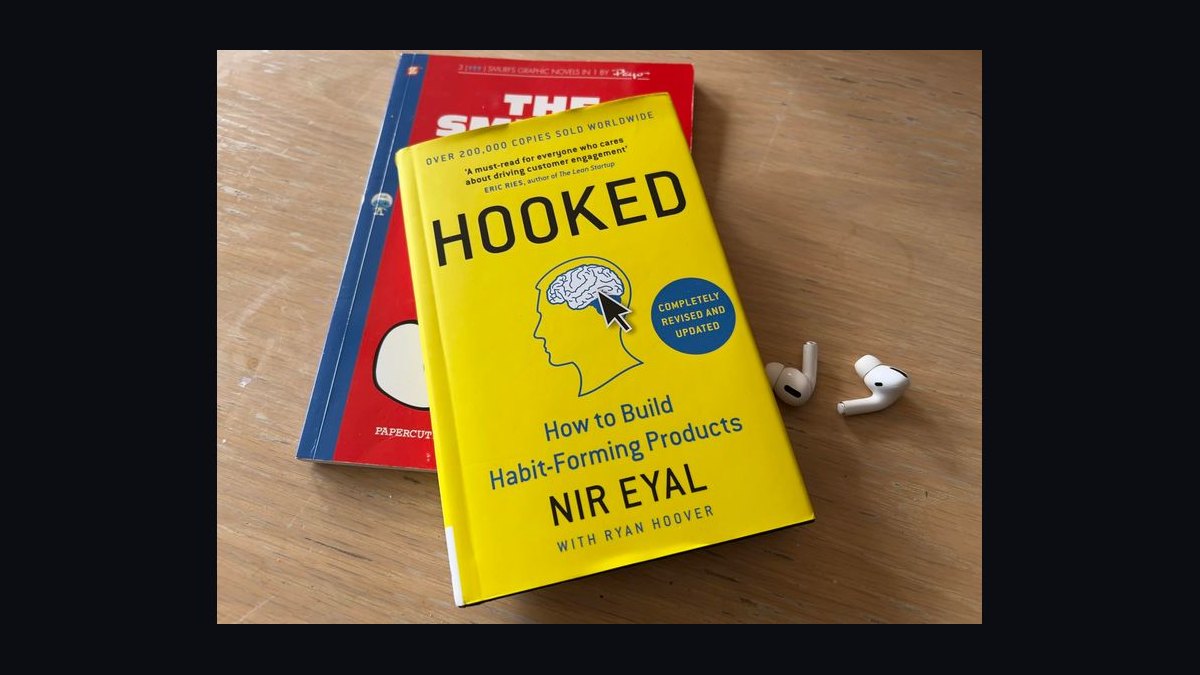
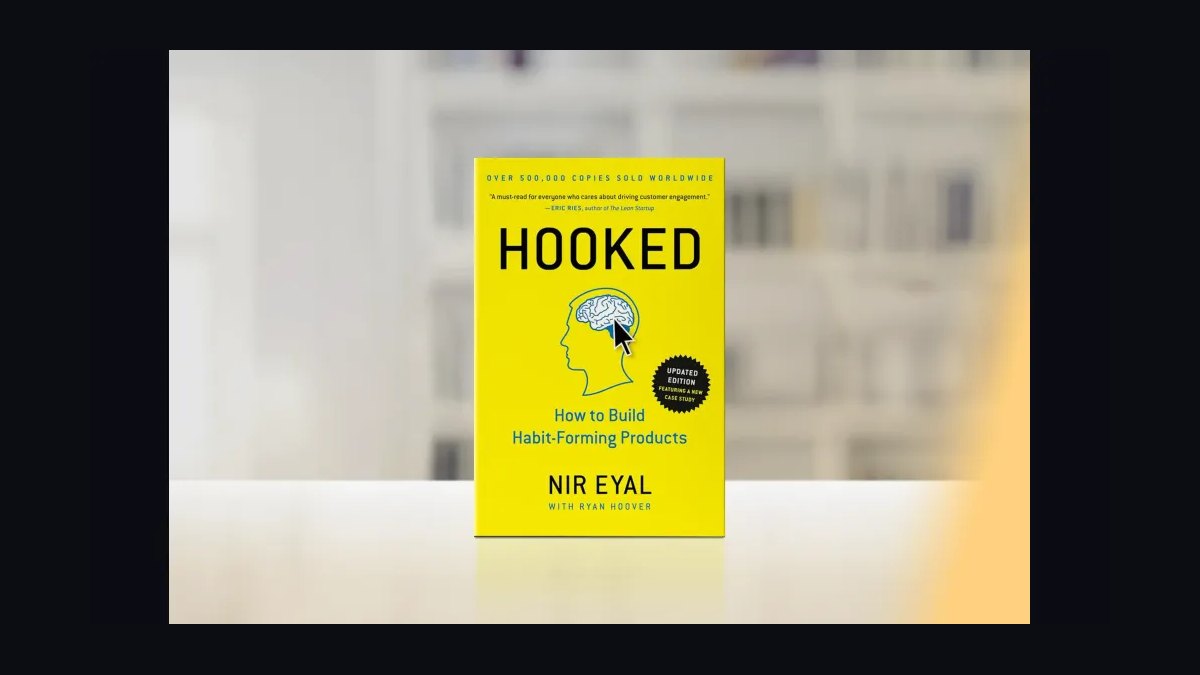
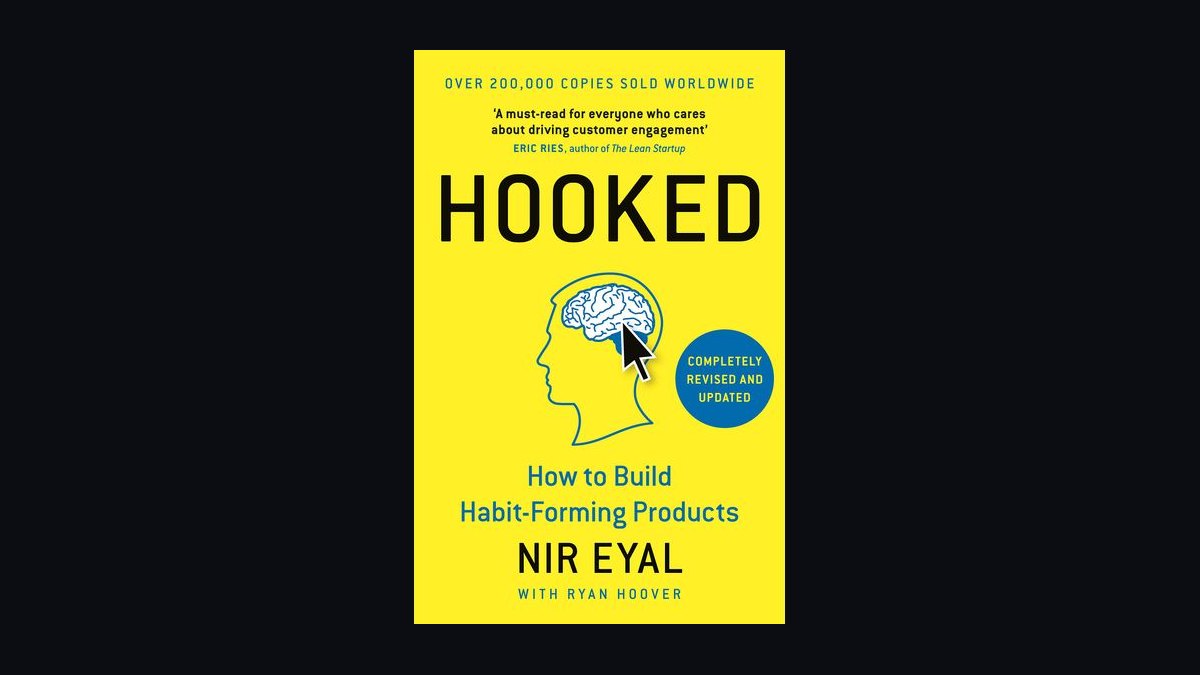
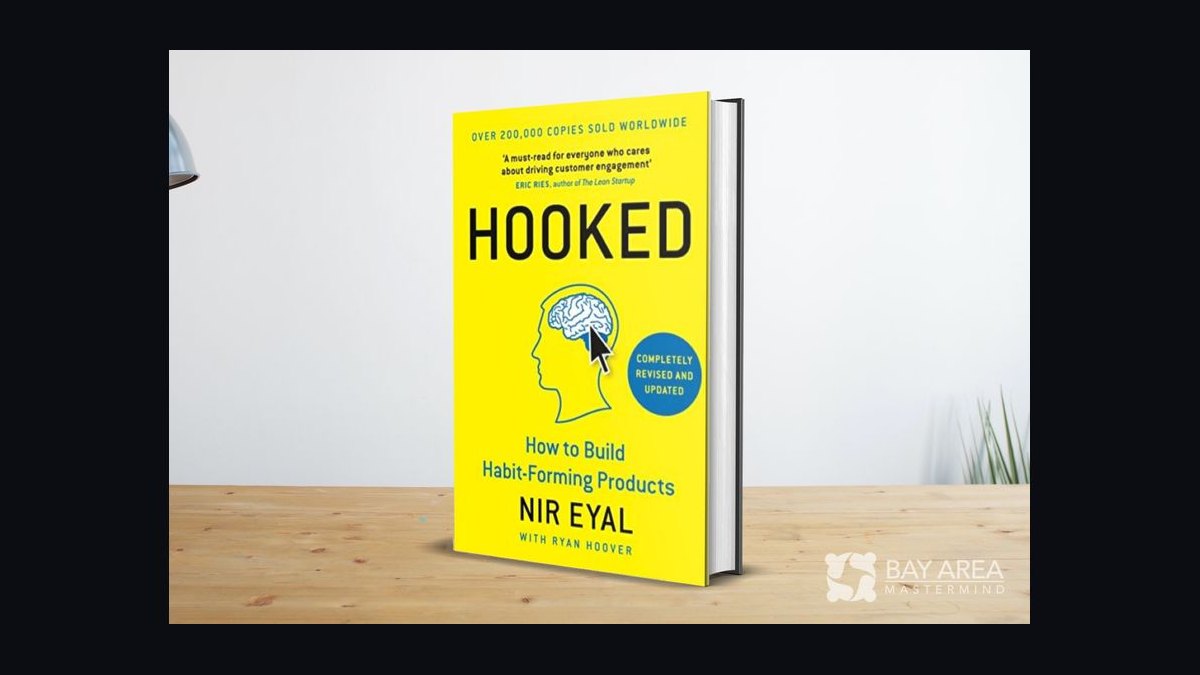
Hooked taught product builders to engineer habit-forming products; Indistractable is the user's defense manual against those same techniques. Eyal frames them as two sides of one coin.
Can this framework work for an entire sales team, not just one rep?
Yes, but it requires manager buy-in. Individual pacts erode under a culture that punishes slow response times, so leaders need to explicitly protect timeboxed focus blocks for the framework to scale.
What's the fastest single change a busy seller can make?
Batching email to two fixed windows daily, per Chapter 15, is the most immediately measurable change and typically the easiest to start without any new tools or manager conversation.
Does this framework apply to remote and hybrid sales teams differently?
Somewhat. Remote reps face fewer in-person culture pressures but more ambient notification tools (chat, video, async updates), so the external-trigger-hacking phase usually needs to cover a wider tool set than an in-office team's.
FAQ
Is this book just another "put down your phone" lecture? No. Eyal argues distraction is a symptom of emotional discomfort — boredom, anxiety, uncertainty — not a willpower failure, and offers a systematic four-part strategy to address the root cause rather than relying on guilt.
How much time can a B2B seller realistically save?
Most sellers applying the full framework consistently report recovering 30 minutes to two hours daily, with email batching alone often accounting for the largest single chunk of that recaptured time.
Does this conflict with Hooked, the book Eyal wrote before it? Not exactly. Hooked taught product designers to build habit-forming products; Indistractable is the consumer's defense manual against those same techniques — Eyal positions them as companion volumes, not a retraction.
What's the most surprising takeaway for sellers? External triggers like notifications are rarely the real problem. Eyal argues people seek distraction to escape uncomfortable internal states — anxiety before a hard call, boredom during a slow pipeline stretch — and addressing that internal trigger strips external ones of most of their power.
How does this compare to Cal Newport's Deep Work? Both protect focused time, but Newport emphasizes scheduling and minimizing shallow tasks while Eyal focuses on the psychological drivers of distraction itself. Many readers use them together: Newport supplies structure, Eyal supplies the emotional toolkit to sustain it.
Is the framework hard to implement in a busy sales role? It's designed to start small. A rep can begin by naming just one internal trigger — like checking email out of anxiety about a stalled deal — and replacing that single reflex with a short pause, well before adopting the full system.
Sources
- Eyal, Nir — *Indistractable: How to Control Your Attention and Choose Your Life* (BenBella Books, 2019)
- Eyal, Nir — *Hooked: How to Build Habit-Forming Products* (Portfolio, 2014)
- Newport, Cal — *Deep Work* (Grand Central Publishing, 2016)
- Newport, Cal — *Digital Minimalism* (Portfolio, 2019)
- Marlatt, G. Alan — University of Washington Addictive Behaviors Research Center, urge-surfing research
- Kahneman, Daniel & Tversky, Amos — "Prospect Theory: An Analysis of Decision under Risk," *Econometrica* (1979)
- Csikszentmihalyi, Mihaly — *Flow: The Psychology of Optimal Experience* (Harper & Row, 1990)
- Center for Humane Technology — humanetech.com
Related on PULSE
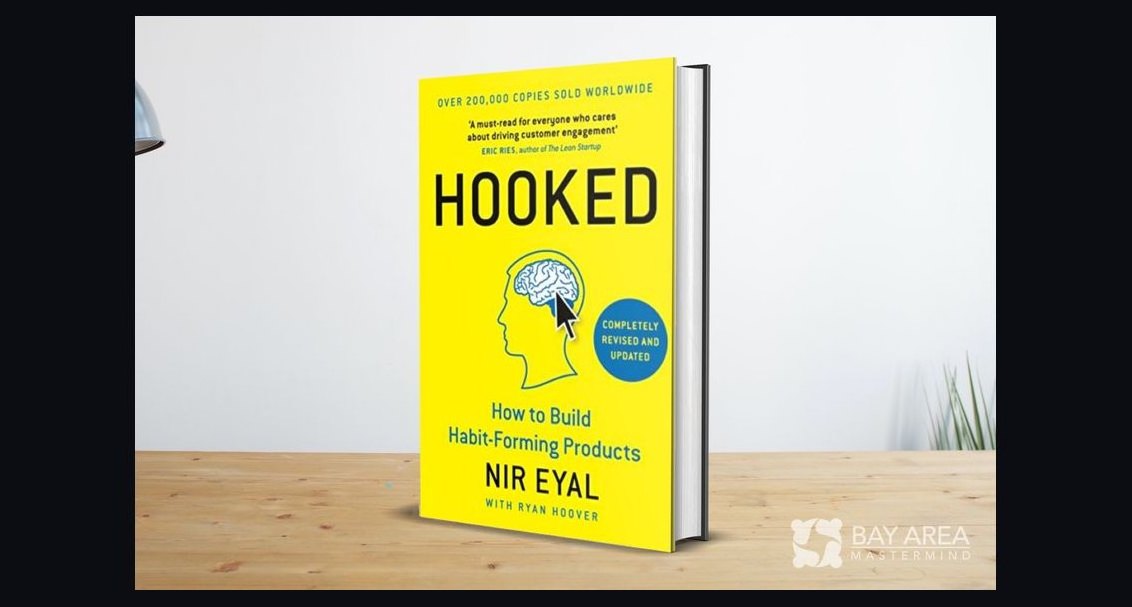
- Hooked by Nir Eyal — Cliff Notes Summary for Sellers
- The 12 Week Year by Brian Moran and Michael Lennington — Cliff Notes Summary for Sellers
- Contagious by Jonah Berger — Cliff Notes Summary for Sellers
- The Tipping Point by Malcolm Gladwell — Cliff Notes Summary for Sellers
- Exactly What to Say by Phil M. Jones — Cliff Notes Summary for Sellers
This page will be disappearing soon. Save it to your device for $1 — or read it free while it is here.
@Kory-White- · if Venmo asks, the last 4 of my number are 2012
This page is gone.
This one is off the shelf now. $1 keeps it on your phone for good — the whole page, pictures and diagrams included.
 book-summaryHooked by Nir Eyal — Cliff Notes Summary for Sellers
 pulse-recentNever Lose a Customer Again by Joey Coleman — Top 10 Key Takeaways for Sales Leaders in 2027
 pulse-recentTraction by Gabriel Weinberg and Justin Mares — Top 10 Key Takeaways for Sales Leaders in 2027
 pulse-recentMonetizing Innovation by Madhavan Ramanujam — Top 10 Key Takeaways for Sales Leaders in 2027
 pulse-recentWhat are the concrete steps to implement the Sandler Rules for Sales Leaders by David Mattson in 2027?
 pulse-recentHow to Apply Strategic Selling — Step-by-Step Playbook in 2027
 pulse-recentHyper Sales Growth by Jack Daly — Top 10 Key Takeaways for Sales Leaders in 2027
 pulse-booksTop 10 practical takeaways from Atomic Habits for building a new routine in 2027.
 pulse-recentThe Closer’s Survival Guide by Grant Cardone — Top 10 Key Takeaways for Sales Leaders in 2027
 pulse-recentThe Transparency Sale by Todd Caponi — Top 10 Key Takeaways for Sales Leaders in 2027