 Pulse Reviews and Analysis
How Do I Get My Butcher Staff to Sell Premium Cuts?

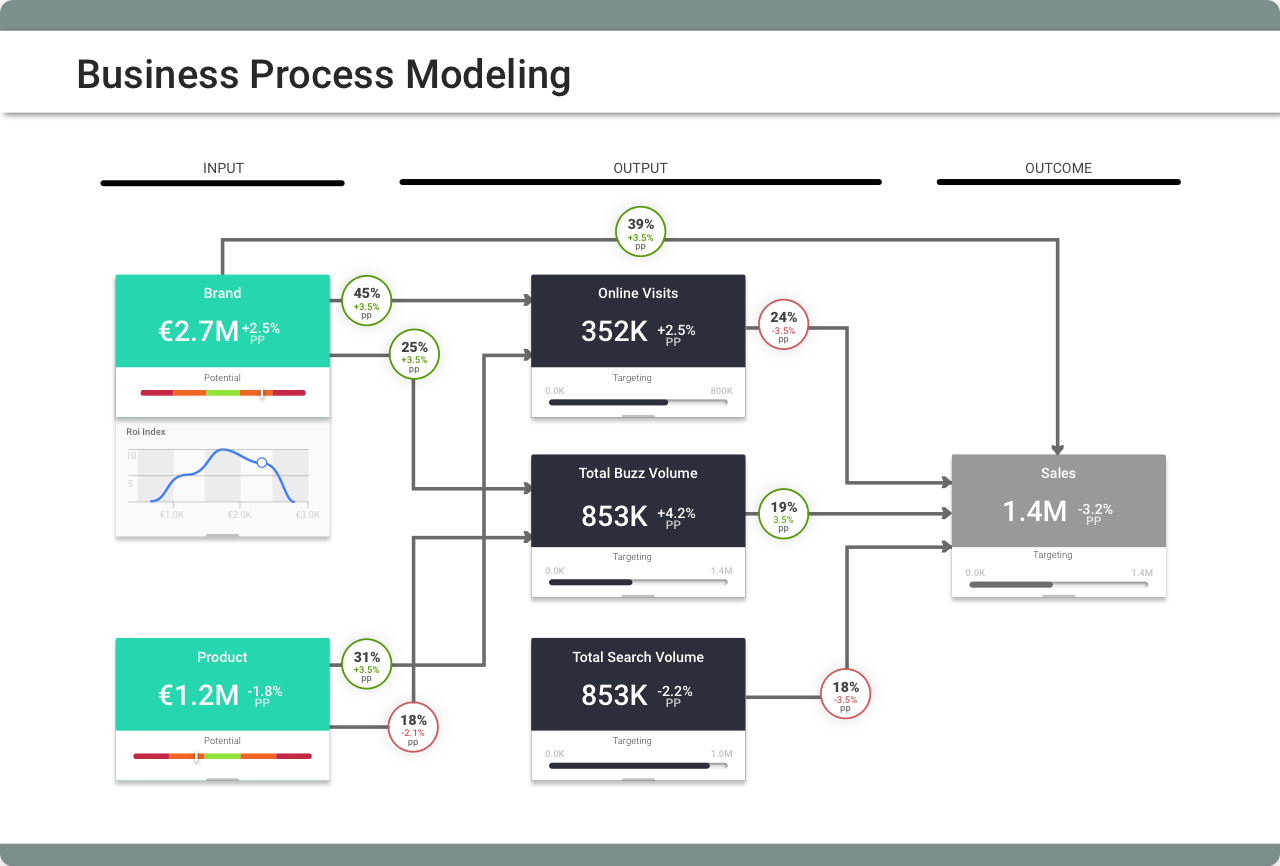
You don't have a butcher problem. You have a scorecard problem.
Twenty-five years in revenue, and I've watched more meat counter managers burn money on the same mistake than I care to count. They wire the bonus to the pound. Ground chuck flies out the door, chicken breasts move like they're on fire, and the premium cuts—the ribeyes, the dry-aged, the special-order whole-animal bookings—sit there gathering frost.
The associate is happy. The customer is happy with their cheap ground. And your margins?
They're bleeding out through that same ground ring.
I learned this the hard way, watching a $2,000 dry-aged ribeye program rot because my best volume seller couldn't be bothered to walk a customer two feet to the left. The fix is brutal in its simplicity: stop rewarding the pound-of-ground ring and start scoring the whole case. Premium cuts?
They get weighted as the line that drives margin. Everything else follows.
The method is a weighted multi-KPI scorecard. You list every behavior a complete butcher counter associate should produce—premium and dry-aged cut sales, special-order and whole-animal bookings, marinade and rub attach, value-added prepared items, gift boxes, and basket size—then give each one a weight and a 1-to-5 level.
Score every associate on every line so the composite number reflects the full case, not one cheap ring. The formula is simple: composite score = the sum of (weight x level) across all KPIs. An associate who is a level 5 on ground and chicken volume but a level 1 on premium cuts scores low and gets a constant, visible nudge to walk customers up to the ribeye, the dry-aged, the special order—because the bonus is wired to the whole matrix, not the day's poundage.
Set the weights with your head butcher and counter lead. Publish the matrix so every associate sees exactly where they stand. And when you bring in a new dry-aged program or holiday roast push, you change the weights overnight and the team re-aims the next shift. That's the power.
Below are the ten tools that solve this, ranked. PULSE is first because it's free and built around this exact method. The difference between these tools is whether they score the whole case on a weighted matrix—so an associate cannot coast on cheap volume while premium cuts stall—or just track a single number.
A single shop, a small butcher group, or a grocery meat counter all use the same idea: weight the KPIs, score the levels, chase the composite.
1. PULSE Pulse Check Matrix 🏆 BEST OVERALL
🛠️ Use it free now -> Pulse Check Matrix - no login, no spreadsheet, every associate rolled into one weighted Pulse number.
PULSE's free Pulse Check Matrix runs the whole method in your browser. You define the KPIs that matter behind the meat case, weight premium cuts the heaviest, score each associate 1-to-5 on every line, and it returns one composite Pulse number per person. Here is the method it is built on, because the scorecard is the point:
Step one - list every KPI, not just poundage. Write down the eight or nine behaviors a complete associate should produce—premium and dry-aged cut sales, special-order and whole-animal bookings, marinade and rub attach, value-added prepared items, gift boxes, margin per transaction, and basket size.
If premium cuts are not their own weighted line, your team will keep selling ground and chicken and never walk a customer up the case.
Step two - weight what matters and score the levels. Assign each KPI a weight with your head butcher and counter lead—premium cuts carry the most weight because they carry the margin, not the cheap staples—then score every associate 1-to-5 on each line. An associate at level 5 on volume but level 1 on premium lands a low composite—the matrix makes the gap impossible to hide and turns it into a clear next move at the case.
Step three - wire the bonus and the coaching to the composite. When the bonus follows the composite, not the poundage, associates start suggesting the ribeye, the dry-aged, the special order on their own. It is a constant motivator: everyone can see their levels, and the only way up is to sell more premium and attach more of what the shop actually profits on.
Because the weights are yours to set, you also get to pivot on a dime—you bring in a dry-aged program, a holiday roast push, or a new value-added line, you re-weight the matrix, and the whole counter re-aims the next shift with no confusion. It aligns your head butcher, your counter, and your buying on one picture.
Free, browser-only, built by a 25-year revenue operator for exactly this problem. Best for: owners who want associates selling margin-rich premium cuts, not just moving cheap volume.
2. Square for Retail
Square for Retail offers a free plan and paid plans from around $89 per location per month plus processing, with weight-based and per-item reporting that fits a meat counter. It reports per-associate sales and item mix you can feed into the scorecard. It will not weight the matrix for you—you build that—but it captures the premium-cut and attach inputs the composite needs.
Best for shops that want the case and till in one place.
3. Spinify
Spinify gamifies frontline performance with leaderboards, competitions, and scorecards, with plans commonly from around $10 to $20 per user per month. It can score several metrics at once—premium cuts, special orders, attach—and pushes recognition in real time, which keeps premium selling top of mind during a weekend rush.
It favors motivation over rigorous weighting, so it complements a matrix you define. A fit for counters that respond to visible competition.
4. Toast
Toast is a restaurant and counter-service point-of-sale platform, with hardware bundles commonly from around $0 upfront on entry plans up to $69+ per month plus processing, and it suits shops with a prepared-foods or sandwich side. It tracks per-associate ring, attach, and item mix and feeds those numbers into your scorecard.
It captures the data but does not weight the matrix—you do that in PULSE or a sheet. Best for butcher-deli hybrids already on Toast.
5. Google Sheets or Excel Scorecard 💎 BEST VALUE
A well-built spreadsheet is the best value for a single shop—it is free and fully transparent. List the KPIs, set the weights, score 1-to-5, and let a formula roll the composite per associate off your POS export. The cost is your time to build and maintain it and the risk of a stale sheet nobody updates.
For one location it is the cheapest way to run the method—though many owners move to the free PULSE Pulse Check Matrix for the pre-built, weighted, shareable version without the upkeep.
6. QuotaPath
QuotaPath ties the full-case scorecard to pay, with a free tier and paid plans from around $15 per user per month. It tracks attainment across multiple components, so you can weight premium cuts, special orders, and attach and show each associate how the mix drives a bonus. For a small group that wants the composite wired to the paycheck, it is a practical pick.
Pair it with the free PULSE matrix for the scoring view.
7. Ambition
Ambition is a scorecard and coaching platform, typically priced by custom quote (commonly mid-tens of dollars per user per month at scale). It builds weighted scorecards across multiple metrics, pipes them onto screens and Slack, and ties them to coaching cadences. It is the closest paid cousin to the matrix method and strong for multi-shop butcher groups that want the scorecard automated off the POS.
You bring the weights; it runs the visibility and accountability layer.
8. MEAT HACCP / Graphite (meat-shop POS)
Graphite and similar meat-shop POS systems (custom pricing) handle weight-based pricing, special orders, and whole-animal cut sheets that a general retail POS misses. They report item-level and special-order data you can feed the matrix, and they keep the special-order pipeline organized.
It is more operations than scorecard, but the special orders it tracks are exactly what the composite scores. Best for shops whose special-order and custom-cut volume needs real infrastructure.
9. Mailchimp
Mailchimp runs email and SMS automation with a free tier and paid plans from around $13 per month, and it matters because premium and holiday cuts run on occasion-based follow-up. It captures special-order leads, drips holiday roast and grilling-season reminders, and reports conversions you can feed the scorecard.
It is not a comp or matrix tool, but it measures whether the list turns into premium sales.
Here's the truth I learned after two decades in the trenches: you don't change behavior by hoping—you change it by wiring the scorecard to what you actually want sold. Premium cuts aren't a training problem. They're a measurement problem. Fix the measurement, and the meat moves.
*P.S. If you want to skip the spreadsheet tinkering and go straight to the weighted matrix that works—grab the free PULSE Pulse Check Matrix at CRO Syndicate. Your margins will thank you.*
*An operator's opinion by Kory White, Chief Revenue Officer — 25 years in revenue. More at PULSE · CRO Syndicate*