
How Do I Get My Tire Shop Staff to Sell Alignments and Road Hazard in 2026?
 Curated byKory White · Fractional CRO · Maryland
 PULSEKNOWLEDGE LIBRARY
Quality
Certified

Tie attachment sales to a weighted scorecard, not tire volume alone. Score every advisor on alignment offers, road hazard attach rate, and inspection completion, then pay the composite instead of one line. Add a 30-second scripted recommendation, a printed alignment reading on every ticket, and a daily huddle. Expect attach rates to roughly double in 60 to 90 days.
The outcome you should expect
Before you change anything, get honest about where you start, because the gap between "we offer alignments" and "we sell alignments" is almost always bigger than shop owners believe. Pull ninety days of tickets and calculate two numbers: alignment attach rate (four-wheel alignments divided by tire installations of four tires) and road hazard attach rate (protection plans sold divided by tires sold). Most independent shops that have never managed these numbers land somewhere in the teens to low twenties on alignments and the low twenties on road hazard. Shops that manage the numbers deliberately — with a scorecard, a script, and a machine that prints evidence — tend to land meaningfully higher, often in the range where roughly one in three to one in two four-tire jobs carries an alignment.
The revenue math is what makes this worth your attention. A four-wheel alignment retails in most markets somewhere in the $90 to $150 range, and because the labor is already loaded into a rack you own, the incremental gross profit on that sale is very high compared to a tire, where you're often fighting for a thin margin against online sellers and a customer holding a phone with a competing price on it. Road hazard behaves the same way: the plan costs you a defined amount, sells for a defined amount, and the spread is protected margin that no online tire retailer can undercut, because they can't mount, balance, or repair anything.
So run your own version of this arithmetic instead of borrowing someone else's. If you do 40 four-tire jobs a week and your alignment attach rate is 18%, that's about seven alignments. Move to 36% and it's roughly fourteen. Seven additional alignments a week at, say, $110 each is a bit over $1,100 in incremental revenue weekly, and because the rack and the tech are already paid for, most of that drops through. Annualized, that single behavior change is worth more than most equipment purchases you're contemplating. Road hazard stacks on top of it without adding a minute of bay time.

The second outcome, the one owners underrate, is retention. A customer who buys road hazard has a reason to come back to you specifically when they pick up a nail, and that visit is a free chance to sell rotation, balance, brakes, or the next set. A customer who bought an alignment with their tires is a customer whose tires wear evenly, which means the set actually delivers the mileage you promised, which means they believe you the next time. The attach sale isn't a tack-on; it's the mechanism that makes the tire sale keep its promise. Frame it that way to your staff and you'll get less resistance than if you frame it as an upsell.
Set your expectations on timeline honestly. Behavior change at the counter is not instant. The first two weeks you'll see almost nothing move except offer rate — the percentage of eligible tickets where the recommendation was actually made — and that's fine, because offer rate is the leading indicator and attach rate is the lagging one. Weeks three through six is where the numbers start to bend. By day 90 the new pattern is either habit or it isn't, and if it isn't, the problem is almost never the staff; it's that the measurement or the pay didn't actually change.
What drives that outcome
The single biggest driver is that most compensation plans quietly punish the behavior you say you want. If an advisor earns meaningfully more per tire than per alignment, their brain does the math in about four seconds and optimizes for the tire. They aren't being disloyal; they're responding correctly to the incentive you built. I've watched shops run six months of "sell more alignments" meetings while the pay plan screamed the opposite, and the pay plan won every single time. Pay plans always win. Meetings never do.

The second driver is evidence. Nobody can sell an alignment they can't prove is needed, and no honest advisor wants to. This is the piece that separates shops that get to 40% attach from shops stuck at 15%: the ones that get there run every four-tire job across the alignment rack as a standard step and hand the customer a printed before-reading. When the advisor can point at a sheet and say "your left front camber is out of the manufacturer's range — that's why the inside edge of this tire is bald and the outside isn't," the conversation stops being a sale and becomes a diagnosis. Modern imaging aligners take a reading in a couple of minutes; the cost of making it a default step is small and the conversion effect is large. If you don't have a rack, a tread-depth reading across the inside, center, and outside of each tire, written on the ticket, does most of the same work.
Third is the script, and specifically its length. A 30-second recommendation converts; a three-minute technical explanation does not. Train the exact words. For alignment: "I've got your alignment reading here — your front camber's outside spec, which is what caused this wear pattern. Aligning it today protects the new set for the full mileage. It's $X and adds about half an hour." For road hazard: "These come with a road hazard option — if you pick up a nail or hit a pothole in the next few years, we repair or replace instead of you buying a tire. It's $X per tire." Then stop talking. The silence after the number is the whole technique, and it's the part every untrained advisor fills with a discount.
Fourth is the technician-to-advisor handoff. In shops where attach rates are high, the tech is the one who flags it. A tech who writes "inside edge wear LF/RF, recommend alignment" on the work order is handing the advisor a sale with evidence attached. If your techs are flat-rate and get nothing for that note, they'll stop writing it by Thursday. Spiff the tech, not just the advisor — a modest per-alignment amount to the person who found it keeps the pipeline full.

The fifth driver is visibility of the number itself. People chase what they can see. A whiteboard in the back with each advisor's offer rate and attach rate, updated daily, does more than any training deck, because it converts a private performance into a public one. Keep it about offers and attaches, not dollars — dollar boards encourage discounting behavior and make the low performer feel targeted rather than coached.
And the sixth, which owners skip: the manager has to take the counter occasionally and do it in front of everyone. If you've never demonstrated the pitch on a live customer while your staff watched, you're asking them to trust that a thing you've never done works. Take three tickets a week yourself. Your attach rate on those three is either proof or a lesson, and both are useful.
Benchmarks and realistic ranges
Treat every number below as a planning range to test against your own tickets, not a law. Markets differ enormously — a shop on rough winter roads in the upper Midwest has a fundamentally different alignment story than one on smooth suburban asphalt, and a shop selling $80 tires has a different road hazard conversation than one selling $300 performance rubber.

Alignment attach rate. Unmanaged shops commonly sit in the mid-teens to low twenties on four-tire jobs. Deliberate shops — scorecard, mandatory reading, scripted pitch — commonly operate in the 30% to 50% band. Anything above roughly 60% deserves a hard look at whether alignments are being sold on cars that don't need them, which is a reputation problem disguised as a win. The honest ceiling is set by how many vehicles are actually out of spec, and that's a function of your roads, not your sales skill.
Road hazard attach rate. This one is more elastic because it's a price decision rather than a need decision. Shops that make it a default line on the estimate rather than a verbal offer see materially higher take rates than shops that ask. Presenting it as included-unless-declined — legally and ethically, that means it's visible on the quote and clearly declinable, never silently added — routinely moves attach by a large margin versus asking. Price it as a percentage of the tire, typically a modest single-digit to low-double-digit percentage of the tire's retail, so it scales sensibly across a cheap tire and an expensive one.
Spiff sizing. Keep individual spiffs small and frequent rather than large and rare. Something in the range of a few dollars per road hazard plan and a somewhat larger amount per alignment works in most shops. The reason to keep it small is that oversized per-unit spiffs are how you get sold services the customer didn't need — the spiff should tip a close decision, not create pressure. Pay it weekly. A bonus paid five weeks after the behavior teaches nothing.

The composite scorecard. This is the structural piece. List every line that matters at the counter and in the bay — four-wheel alignments, road hazard attach, TPMS service and sensors, valve stems, balancing, rotation scheduling, the alignment inspection offer itself, and average ticket. Assign each a weight reflecting its importance to your P&L, score each person 1 through 5 on each line, and compute composite = sum of (weight × level). A person who is a 5 on tires and a 1 on everything else scores poorly and can see exactly why. Publish the matrix. The transparency is the point: nobody argues with a number they helped design and can read.
Weight the matrix toward whatever is currently broken, and change the weights when the business changes. Running a tire promo that crushes tire margin? Raise the alignment and road hazard weights that month so the team re-aims. This is the mechanism that lets you steer behavior without rewriting a compensation plan every quarter.
Timeline benchmarks. Offer rate should move within two weeks — if it doesn't, the script isn't memorized or the alignment reading isn't happening. Attach rate should bend by week four to six. By day 90, expect the new rate to be roughly stable at its new level. If you've had a full quarter with no movement, audit in this order: is the rack reading actually being pulled on every eligible ticket; is the offer being made and logged; is the pay plan actually different; is the manager reviewing the board daily. In my experience the failure is at step one or step three roughly nine times out of ten.
Adjacent categories worth scoring the same way. Once the mechanism works for alignments and hazard, the same scorecard carries brake inspections, cabin and engine air filters, battery testing, and wiper sales. This is not scope creep — it's the same behavior, and shops that build the muscle on alignments find the next category takes a fraction of the effort. The same pattern shows up outside tires entirely: quick lube shops score filter and fluid attach, collision shops score supplement capture, and the underlying principle is identical. Score the whole book, pay the composite, make the evidence visible.

Risks, edge cases, and failure modes
The oversell risk is real and it is the one that can actually hurt you. The instant an alignment spiff is large enough to change a technician's judgment about what's out of spec, you've built a machine that sells alignments to cars that don't need them. That shows up eventually as a review that says "they tried to sell me an alignment on a car I aligned last month," and one of those costs more than a quarter of attach gains. Guardrails: keep spiffs modest, require the printed reading to be attached to any sold alignment, and audit a random sample of sold alignments each month against the readings. If a car was in spec and got aligned anyway, that's a coaching conversation, immediately, in front of nobody but that person.
Road hazard needs to be genuinely declinable and genuinely explained. Adding protection plans to invoices without a clear disclosure is the sort of thing that generates complaints, chargebacks, and in some jurisdictions regulatory attention. Consumer protection rules vary by state, and service contracts are regulated products in many of them. Have the customer's acceptance or declination captured on the signed estimate. Know your own state's rules or ask your attorney — this is one of the few places in shop operations where a shortcut has legal exposure rather than just reputational cost.
The scorecard becomes theater if nobody looks at it. A weighted matrix that gets built in a burst of enthusiasm and then never reviewed is worse than no matrix, because it teaches the team that your initiatives have a two-week half-life. That belief is expensive and it lingers. If you build it, review it every single day for the first month in the huddle, even for ninety seconds. The consistency is the credibility.

Top tire producers may resist, loudly. Your highest-volume tire seller is often the one most hostile to a composite score, because a composite reveals that their strength is narrow. Expect friction. Handle it by showing them the money — a top producer who adds attachments earns more under a composite, not less, and if that's not true in your plan, your plan is wrong. Model their last quarter under the new plan and show them the number before you roll it out. If a top producer would lose money under the new structure, fix the structure, not the producer.
Understaffing kills attach rate silently. If the bay is jammed and there's a two-hour wait, advisors stop offering alignments because the alignment adds thirty minutes to a queue they're already apologizing for. This is the most common invisible cause of a stalled rollout, and it will not appear in any sales report. Watch attach rate against bay utilization. If they're inversely correlated, your problem is capacity, not motivation, and the fix is scheduling or a second rack, not another meeting about selling.
Equipment downtime. A rack that's out of calibration or out of service takes your alignment attach rate to zero and nobody tells you for a week. Put alignment machine calibration on a scheduled interval and treat a down rack as a revenue emergency, because it is one.

Winter and seasonality distort your read. Pothole season drives genuine alignment demand up; a mild stretch drives it down. Don't conclude your program failed because attach dipped in a quiet month — compare against the same month last year where you can, and always look at offer rate, which is seasonality-resistant, alongside attach rate, which isn't.
Turnover resets the clock. Every new advisor arrives with whatever habits their last shop taught them. Bake the script and the scorecard into week one of onboarding, with role-play, before they ever touch a live customer. Shops that do this hold their gains through turnover; shops that don't watch attach rate decay every time someone leaves.
Finally, watch for discount leakage. An advisor under attach-rate pressure who hasn't been trained to hold the price will simply discount the alignment to close it. Your attach rate looks great and your gross profit per alignment quietly falls off a cliff. Track average alignment ticket alongside attach rate. If attach is up and average ticket is down, you've traded margin for a metric.

A practical rollout plan
Run this over four weeks, not four days. The compression is where most rollouts die.
Week one — measure and design, change nothing. Pull ninety days of history and compute baseline alignment attach, road hazard attach, and average ticket, per advisor. Do not share individual numbers publicly yet. Build the weighted matrix with your service manager: eight or nine lines, a weight on each, a 1-to-5 scale. Model every advisor's last quarter under the proposed pay so you know exactly who wins and who loses. Fix the plan until nobody who is doing the right things loses money. Simultaneously, verify your alignment rack's calibration and confirm you can pull and print a reading in under five minutes.
Week two — teach. Publish the matrix. Walk the whole team through how the composite is calculated, using their own baseline numbers as the starting scores. Write the two scripts on a card — alignment and road hazard — and role-play them until each person can do it cold. Fifteen minutes a morning, one person plays a skeptical customer, another delivers the pitch, everyone else watches. Include the techs; their job is the note on the work order and they need to know exactly what to write. Set the standard that every four-tire job gets a rack reading, no exceptions, and that the reading gets printed and handed over whether it's in spec or out.

Week three — go live with offers, not quotas. The only metric you enforce this week is offer rate: was the recommendation made on every eligible ticket. Post it daily. Do not put an attach quota on anyone yet — quotas this early produce pressure selling, which produces the reputation problem described above. Start paying the spiffs immediately, weekly, in a visible way. Take the counter yourself for a few tickets and let the team watch.
Week four and beyond — pay the composite and coach the gaps. Switch the pay to the composite score. Run a daily huddle: yesterday's offer rate, yesterday's attaches, one specific coaching point, done in under five minutes. Once a month, audit a random sample of sold alignments against their printed readings, and review average alignment ticket for discount leakage. Adjust weights quarterly, or immediately when a promo or a supplier change alters your margins.
One note on tooling, because owners ask. You can run the entire composite scorecard on a spreadsheet and a whiteboard, and plenty of profitable shops do exactly that. Sales-gamification and commission-tracking platforms exist that automate leaderboards and pay calculations off your point-of-sale data, and they're worth evaluating once you have more than a handful of advisors and the manual math starts eating a real hour every week. But do not buy software to fix a behavior problem you haven't defined yet. Build the matrix by hand first, run it for a quarter, learn which lines actually move your P&L, and then decide whether automation is worth a per-user monthly fee. The method is what works; the tool only makes the method cheaper to maintain.
Related questions
Should the technician or the service advisor get the alignment spiff?
Both, in different amounts. The technician who spots and documents the wear pattern is the origin of the sale; the advisor closes it. Splitting a modest spiff between them keeps the diagnostic pipeline full and prevents techs from silently skipping the reading when the bay is busy.
What if my shop doesn't have an alignment rack?
Sell the inspection differently: record tread depth at inside, center, and outside of each tire on the ticket and show the customer the difference. You can still recommend and sub-let or refer the alignment. Road hazard, meanwhile, needs no equipment at all and should be your first win.
How do I present road hazard without it feeling like a warranty upsell?
Put it on the written estimate as a visible, clearly declinable line rather than a verbal add-on at payment. Explain it once in plain terms — repair or replace after a nail or pothole — give the price, and stop. Capture acceptance or declination on the signed estimate.
Does a composite scorecard work for shops with only two or three advisors?
Yes, and it's often easier. With a small team the whiteboard is the whole system and the daily huddle takes three minutes. The risk in a small shop is that the composite feels personal, so build the weights together and keep coaching private while keeping the numbers public.
How often should I change the scorecard weights?
Quarterly as a default, and immediately whenever a promotion, supplier change, or margin shift alters what you need the team chasing. Announce weight changes in the huddle so the team can re-aim the same shift — responsiveness is the whole advantage of a weighted matrix over a fixed commission plan.
FAQ
Why won't my staff sell alignments even though they're excellent at selling tires?
Because tires are a stated need and alignments are a discovered one. A customer walks in asking for tires; nobody walks in asking for an alignment. Selling a discovered need requires evidence, a script, and a reason to bother — and if the pay plan rewards tire volume far more than attachments, your team is behaving rationally by skipping it. Fix the evidence (a printed rack reading on every four-tire job), fix the words (a memorized 30-second recommendation), and fix the pay (a composite score rather than a single line). Training alone, without those three, changes almost nothing.
How large should the spiff be per alignment or road hazard plan?
Small enough that it tips a close decision but never large enough to bend judgment about whether the service is genuinely needed. A modest per-unit amount, paid weekly, outperforms a big monthly bonus because the connection between the action and the reward stays fresh. Oversized per-unit spiffs are the most common cause of overselling, which costs far more in reviews and refunds than the attach rate gains are worth. Pair the spiff with a monthly audit comparing sold alignments against their printed readings.
How long before I see the attach rate actually move?
Offer rate — whether the recommendation was made at all — should move within about two weeks. Attach rate typically begins bending in weeks four through six and stabilizes at a new level around day 90. If a full quarter passes with no change, the failure is almost always upstream of the staff: the alignment reading isn't being pulled on every eligible ticket, or the pay plan didn't actually change, or the daily huddle quietly stopped happening after week two.
What's the risk of pushing attach rates too hard?
Selling services the customer doesn't need, which shows up as bad reviews and eroded trust long after the quarter's numbers look great. Guardrails: require the printed alignment reading as documentation for any sold alignment, audit a random sample monthly, keep road hazard clearly declinable on the written estimate, and never set a quota so aggressive that an advisor has to close a car that's in spec to hit it. An honest ceiling exists and it's set by how many vehicles genuinely need the work.
Can I use a weighted scorecard if I only have two service advisors?
Yes. Small teams often adopt it faster because a whiteboard and a three-minute daily huddle are the entire system — no software required. The one adjustment: build the weights collaboratively so the composite doesn't feel like a verdict handed down. Keep the numbers public and the coaching private, and model each person's pay under the new plan before you switch so nobody is surprised on payday.
What should I do if my top tire seller resists the new scorecard?
Show them their own last quarter modeled under the new plan before you roll it out. A genuinely strong producer who adds attachments should earn more under a composite, not less — and if your model shows otherwise, the plan is wrong and needs fixing before launch, not after. Resistance from a top performer is usually a signal that the plan penalizes their strength rather than adding to it. Also be honest that a composite reveals narrow performance, which is uncomfortable; name that out loud rather than pretending the change is neutral.
Sources
- https://www.tireindustry.org/ — Tire Industry Association: training programs, safety standards, and best practices for tire service professionals.
- https://www.moderntiredealer.com/ — Modern Tire Dealer: trade coverage of tire retailing, shop management, and service attach strategies.
- https://www.tirereview.com/ — Tire Review: reporting on tire retail operations, alignment service, and customer retention.
- https://www.asashop.org/ — Automotive Service Association: business management resources and operational guidance for repair shops.
- https://www.ase.com/ — National Institute for Automotive Service Excellence: technician certification and competency standards.
- https://www.ratchetandwrench.com/ — Ratchet+Wrench: shop operations, pay plan, and management coverage for independent repair businesses.
- https://www.aftermarketnews.com/ — Aftermarket News: automotive aftermarket industry news and market context.
- https://www.consumer.ftc.gov/ — FTC consumer protection guidance, relevant to disclosure requirements on service contracts and protection plans.
Related on PULSE
- How Many Employees Should I Schedule Each Shift at My Tire Shop?
- Should I open or buy a RNR Tire Express franchise in 2027?
- Should I open or buy an Express Oil Change & Tire franchise in 2027?
- How Do I Get My Wine Shop Staff to Sell Club Memberships?
- How Do I Get My Coffee Shop Staff to Drive Loyalty App Signups?
- How Do I Get My Deli Staff to Sell Catering?
This page will be disappearing soon. Save it to your device for $1 — or read it free while it is here.
@Kory-White- · if Venmo asks, the last 4 of my number are 2012
This page is gone.
This one is off the shelf now. $1 keeps it on your phone for good — the whole page, pictures and diagrams included.
 pulse-qWhat Add-On Fees Should I Be Charging That I'm Not in 2026?
 pulse-qHow Many Employees Should I Schedule Each Day at My Bookstore in 2026?
 pulse-qHow Many Employees Should I Schedule Each Shift at My Skate Park in 2026?
 pulse-qHow Many Baristas Should I Schedule Each Shift at My Coffee Drive-Thru in 2026?
 pulse-qWhat Service Fees Should a Painting Contractor Charge in 2026?
 pulse-qWhat Service Fees Should a Mobile Mechanic Charge in 2026?
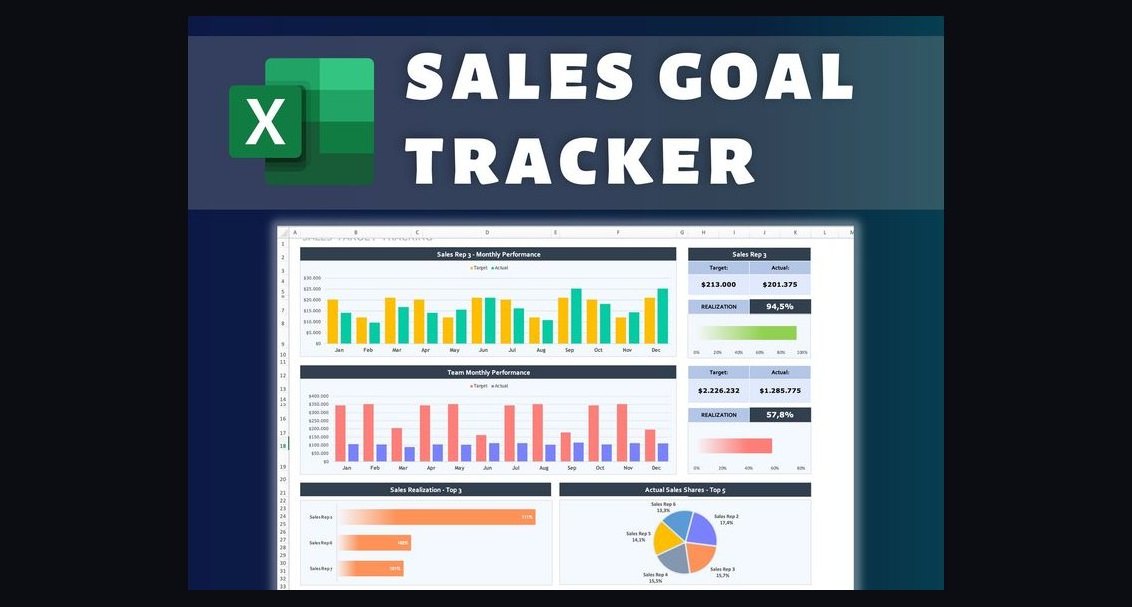 pulse-qHow Do I Make My Sales Goals Visible to the Whole Team in 2026?
 pulse-qHow Many Sales Reps Do I Need to Hire for My Window Blinds Company in 2027?
 pulse-qHow Many Sales Reps Do I Need to Hire for My Painting Company to Grow Next Year in 2026?
 pulse-qHow Many Sales Reps Do I Need to Hire for My Pharmaceutical Company in 2026?