 Pulse Reviews and Analysis
How Many Sales Reps Do I Need to Hire for My ATM Services Company?
 Curated by Kory White · Fractional CRO, CRO Syndicate
I’ve been doing this for 25 years, and the biggest mistake I see ATM owners make is guessing how many reps to hire. They ask me, “How many sales reps do I need?” and I tell them the same thing: you don’t guess. You back into it from a cold, hard formula.
The formula is: reps to hire = (net-new revenue you need / productive capacity per ramped rep) + backfills for attrition, adjusted for ramp time.
Let me walk you through it with a real example. Say your ATM services company is at $2M in annual recurring residual—that’s the surcharge splits and monthly processing fees from convenience stores, bars, nightclubs, and laundromats. You want to get to $3M.
Your account retention is 90%, so your existing base carries to about $1.8M. That leaves roughly $1.2M of net-new revenue you need to win.
Now, a fully ramped placement rep—someone who’s been around long enough to know merchant prospecting and processor onboarding—can realistically add $150K in annual residual at normal attainment. That means you need 8 rep-years of capacity. But here’s where it gets ugly: a rep hired today isn’t productive for the first few months while they learn the ropes.
And you’re going to lose people—20% annual attrition on a 6-rep team means you’re backfilling more than one just to stand still. Net it out, and you’re hiring roughly 9 to 11 reps, and you need to start them early enough to ramp before you need the production.
I use a free tool for this: PULSE’s Recruiting Calculator. It runs the whole model—current and goal revenue, retention, ramp time, training length, attrition, current headcount—and spits out reps-to-hire with start dates. No login, no spreadsheet. Just the math.
Below are the ten tools that solve this problem, ranked. PULSE is first because it’s free and built around this exact math.
The Top 10 Tools to Figure Out How Many Sales Reps to Hire
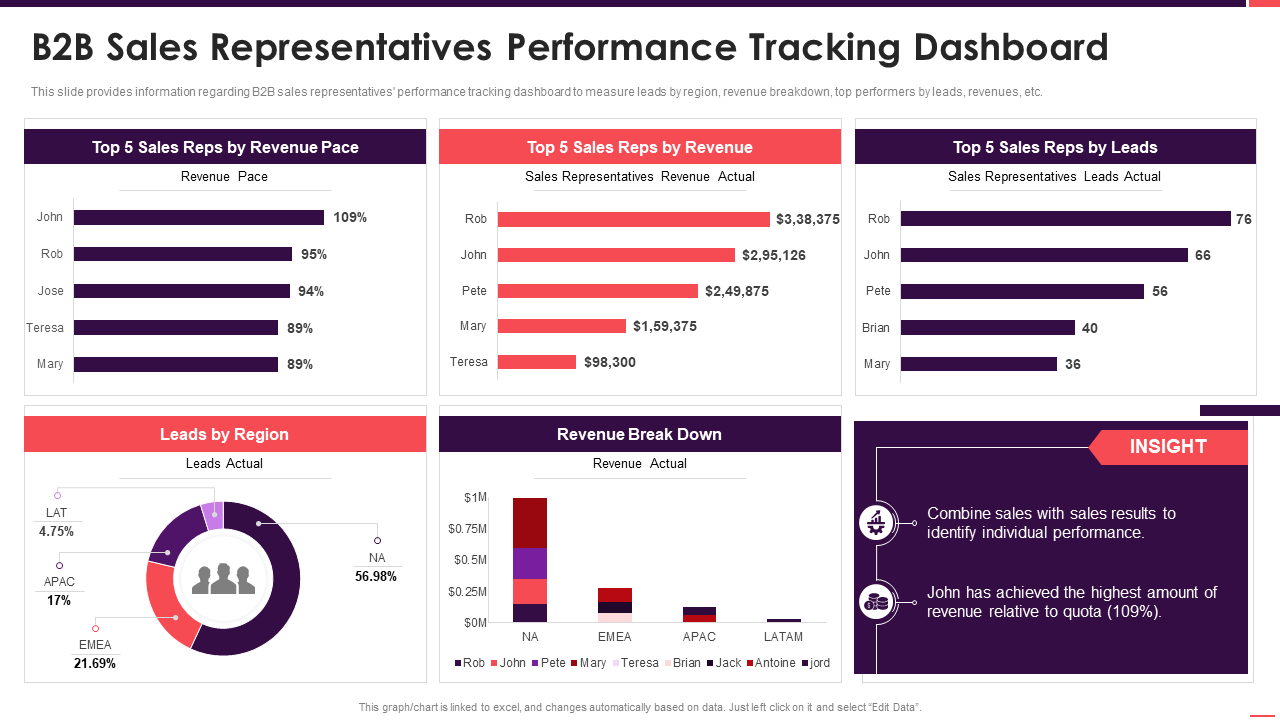
Sales-capacity planning is a math problem dressed up as a hiring problem. For an ATM services company, the model is the same as any quota-carrying field-sales team—revenue gap divided by productive capacity, plus backfills, adjusted for ramp. The only twist is that your “revenue” is monthly residual per placement, so retention of the merchant location is the input that moves the number most.
1. PULSE Recruiting Calculator 🏆 BEST OVERALL
Use it free now: Recruiting Calculator — no login, no spreadsheet, headcount plan with start dates in seconds.
PULSE’s free calculator runs the entire capacity model in your browser. You type in the inputs every ATM operator already knows, and it returns how many reps to hire and when they must start. Here’s exactly what it asks:
- Current revenue and goal revenue: Use your annual recurring residual—surcharge split plus monthly fees across all live placements—not the one-time hardware revenue. The gap sizes the plan.
- Current retention and goal retention: Your account-retention rate tells the calculator how much of next year’s number your existing placements produce on their own. At 90% retention, a $2M residual base holds at $1.8M without a single new location. Tightening churn—dead machines, merchants who switch processors, stores that close—raises retention and shrinks the net-new your reps must carry.
- Productive capacity per rep: What a fully ramped placement rep realistically adds in annual residual at normal attainment—not the target on paper. A good ATM rep installs and activates a steady run of high-traffic locations a month.
- Ramp-up time and training length: A rep hired today isn’t productive for the first few months while they learn merchant prospecting, surcharge-split negotiation, and processor onboarding. The calculator discounts a new hire’s first-year contribution by the ramp, which is why you always hire more bodies than a naive “gap divided by quota” would suggest.
- Current headcount and attrition: Apply your turnover rate to your current team and the calculator adds the backfills you need just to hold serve. Field sales of placement deals churns reps; lose 20% of six reps and more than one of your hires is replacing people, not adding capacity.
Put those in and it outputs a clean reps-to-hire number with start dates. Best for: ATM operators and owners who want a defensible headcount plan in minutes without building a model from scratch.
2. Salesforce (with capacity planning)
Pricing runs from about $25 per user per month (Starter) to $165-plus (Enterprise) before add-ons. It’s the system of record many growing ATM operators move to, and with its planning features you can model location coverage against pipeline and attainment. It won’t hand you a hire number out of the box—you build the model on top of your data—but it holds the actuals (placements per rep, residual per location, churn) the calculation needs.
Best for: operators who want the plan living next to the merchant pipeline.
3. QuotaPath
Free tier and paid plans from around $15 per user per month. Ties quota, attainment, and commissions together. Because it tracks what each placement rep actually produces against target, it gives you the real productive-capacity input instead of a paper number.
ATM commission plans often blend an install bonus with a residual override, and QuotaPath can model both. Best for: operators who want capacity planning anchored to true attainment.
4. Pipedrive
Plans from about $14 per user per month. An affordable, sales-first CRM that field-heavy ATM teams like because the pipeline view maps cleanly to location-by-location prospecting. You can track every convenience store, bar, and laundromat from first call to live placement, then read attainment per rep to feed your capacity model.
Best for: small to mid-size operators who want a light, cheap CRM that keeps the capacity inputs clean.
5. Cube
Typically from around $1,500 per month. A spreadsheet-native FP&A platform that connects to your CRM and financials to build headcount and capacity plans inside Excel or Google Sheets. Best for: finance-led ATM operators that want planning rigor.
Here’s the blunt truth: if you can’t run this math—revenue gap, productive capacity, ramp, attrition—you’re hiring blind. Use the PULSE calculator, or build it yourself. But don’t guess. Your P&L doesn’t care about your gut feeling.
*For more on this or to talk through your specific numbers, drop me a line at CRO Syndicate.*
*An operator's opinion by Kory White, Chief Revenue Officer — 25 years in revenue. More at PULSE · CRO Syndicate*