


Best fast-casual food franchises to buy in 2027
Quality
Certified
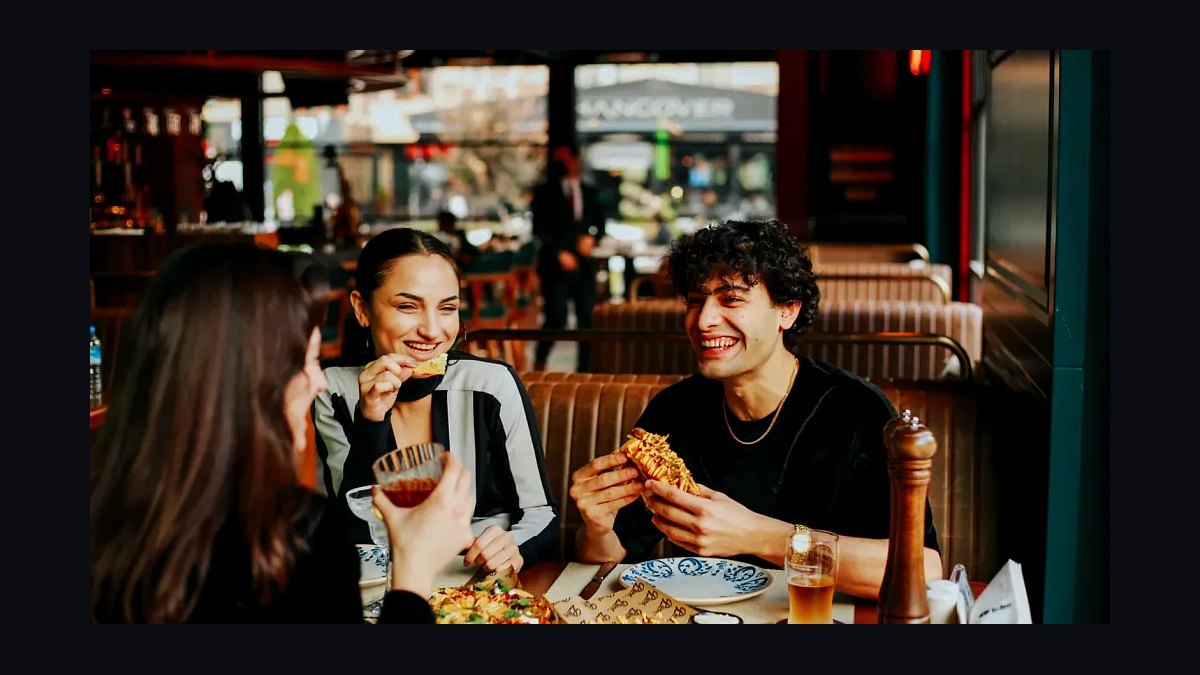
The best fast-casual food franchises to buy in 2027 are the brands that pair a proven unit economics model with build-out costs you can actually finance. Chipotle does not franchise, so the strongest fast-casual options are CAVA, Jersey Mike's Subs, Mediterranean and bowl concepts like Garbanzo and Pokeworks, better-burger names like Wayback Burgers, and chicken-forward concepts like Dave's Hot Chicken and Slim Chickens — each with a verifiable Franchise Disclosure Document you should read before signing anything.
What it is and why it matters
Fast casual sits in the gap between a drive-thru quick-service restaurant and a tablecloth full-service dining room. Guests order at a counter or kiosk, food is assembled or finished to order in front of them, and the perceived quality — fresh produce, visible grills, customizable bowls — lets operators charge a meaningfully higher ticket than a traditional burger-and-fries counter. For a buyer evaluating franchises, that distinction is not cosmetic. It determines your labor model, your real estate footprint, and how much capital you need before you ever serve a customer.
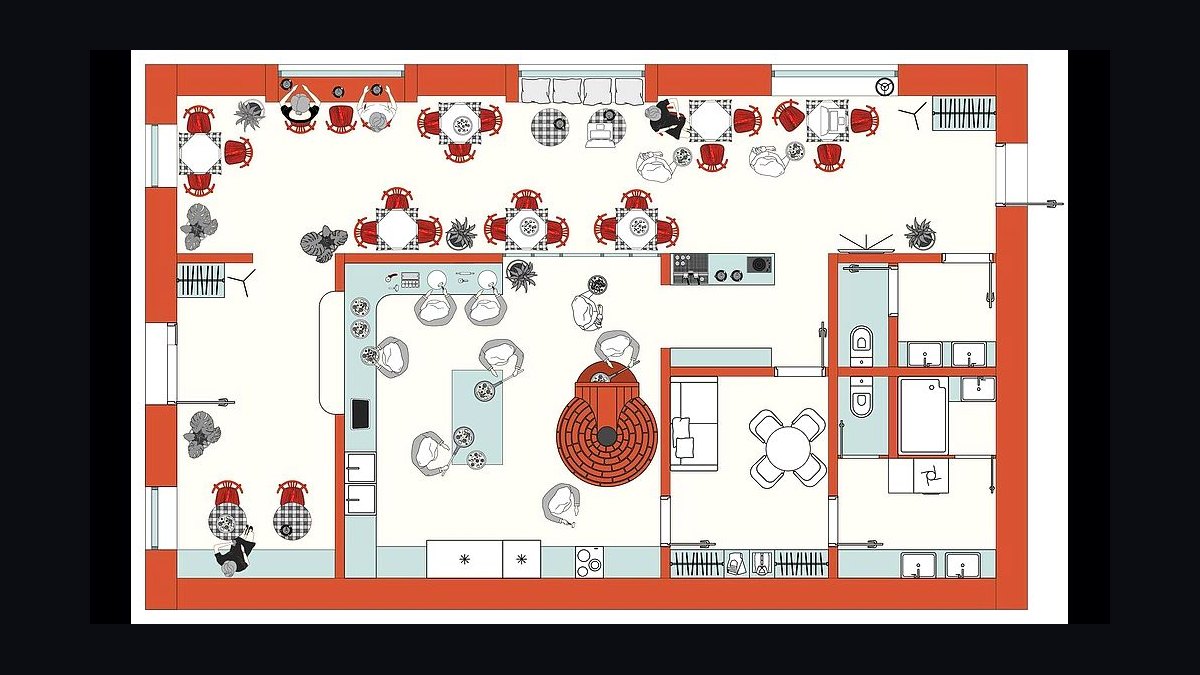
A fast-casual unit typically needs trained line staff who can assemble a custom order correctly and quickly, rather than workers running a single repetitive station. That raises your labor cost percentage relative to a straight quick-service model, but it also supports the premium price point that makes the unit economics work. The footprint matters too: most fast-casual concepts run 1,800 to 2,800 square feet, built around an open assembly line, a commercial kitchen with hood and ventilation systems, and enough seating to capture the dine-in occasion alongside takeout and delivery.
Why does this matter specifically in 2027? Three forces are converging. First, commercial real estate in many suburban and secondary markets has loosened slightly compared with the post-pandemic leasing crunch, which means better availability of second-generation restaurant space — former QSR or casual-dining boxes that already have hoods, grease traps, and adequate parking. Converting one of those spaces instead of building a cold shell can meaningfully reduce your Item 7 total investment. Second, labor markets remain tight in many metro areas, which keeps wage pressure on the labor line and makes scheduling discipline and training quality a real differentiator between franchise systems, not just a footnote. Third, brand consolidation among private equity-backed franchisors has made some systems more professionalized — better supply chains, more consistent training — while also raising royalty and brand-fund obligations in a handful of cases. A buyer weighing the best fast-casual franchises to buy has to read the FDD against this backdrop, not against a decade-old mental model of what franchising costs.
The category leaders worth real evaluation each sit in a different lane. CAVA has historically been selective and largely company-operated, so any franchised unit, where offered, commands a higher capital bar — commonly $700,000 to $1,500,000+ — because of its larger open-kitchen format. Jersey Mike's Subs remains one of the more approachable entry points, with Item 7 ranges commonly between $190,000 and $955,000, a franchise fee near $18,500, and a royalty around 6.5%. Dave's Hot Chicken has grown explosively on brand heat, with Item 7 figures frequently landing between $500,000 and $1,800,000 depending on format — a buyer needs to look past the hype and confirm the current Item 19 financial performance representation. Garbanzo Mediterranean Fresh and Pokeworks sit in the bowl-concept lane, with Pokeworks' express formats pulling the capital requirement down toward $200,000 on the low end. Wayback Burgers offers a modest-footprint, cooked-to-order burger model, while Slim Chickens occupies the high end of this list — Item 7 frequently $1,000,000 to $3,800,000+ — because its units run larger and are often free-standing with drive-thrus, making it a multi-unit, well-capitalized play rather than a first franchise.
The step-by-step process for evaluating and buying a franchise
Buying into any fast-casual system follows a sequence that does not change much brand to brand, even though the dollar amounts at each step vary enormously. Skipping a step — especially the franchisee calls — is the single most common reason buyers end up disappointed by numbers that looked fine on paper.
The sequence starts with requesting the current Franchise Disclosure Document from every brand you are seriously considering — never rely on a franchise broker's summary or an old FDD pulled from a general franchise directory, since royalty structures and investment ranges get amended annually. Item 7 gives you the total initial investment range, but Item 19 is where the real due diligence happens: it discloses actual or representative unit-level financial performance, when the franchisor chooses to make a claim at all. Many franchisors decline to include an Item 19, in which case the burden of verifying performance shifts entirely to your franchisee calls.
Those calls are the step buyers most often shortcut, and it is the single costliest mistake on this list. You want eight to ten conversations with current operators, not two or three cherry-picked by the franchise development team. Ask about actual average unit volume, food and labor cost as a percentage of sales, how long it took to reach break-even, and whether the franchisor's support — marketing, supply chain, remodel mandates — matched what was promised during the sales process. Only after that verification should financing conversations start in earnest, typically through an SBA 7(a) loan or a franchisor-preferred lender list, followed by signing the agreement, securing a site, and finalizing a build-out budget that has padding beyond the franchisor's Item 7 estimate.
Costs, timelines, and typical ranges
The Item 7 table is the franchisor's own estimate of total initial investment, and across the fast-casual category it spans roughly $300,000 to $1,500,000 or more, with the wide range driven almost entirely by whether you convert existing restaurant space or build a cold shell. Franchise fees commonly run $30,000 to $50,000, and royalties typically land between 5% and 6.5% of gross sales, with an additional brand or marketing fund contribution of roughly 1% to 4% on top.
Three unit-economics benchmarks determine whether a fast-casual franchise will actually produce positive cash flow within your first year. Average order value for resilient fast-casual brands in 2027 tends to run $12 to $18 per transaction — bowl and Mediterranean concepts often sit at the higher end of that band, $14 to $18, while sub and chicken concepts cluster closer to $11 to $14. A higher AOV matters because it means fewer transactions are needed to cover fixed rent and utility costs each month. Cost of goods sold typically runs 28% to 35% of gross sales; simpler ingredient lists, like chicken tenders or burgers, tend to hold closer to 28%, while multi-topping bowl concepts edge toward 33% to 35% because of fresh-protein and produce waste. Labor, including payroll taxes and workers' compensation, should be budgeted at 28% to 35% of gross sales in most markets in 2027, with made-to-order assembly concepts running toward the higher end of that range. If a brand's Item 19 shows labor consistently above 34%, that is worth investigating directly with franchisees rather than assuming it is a one-off.
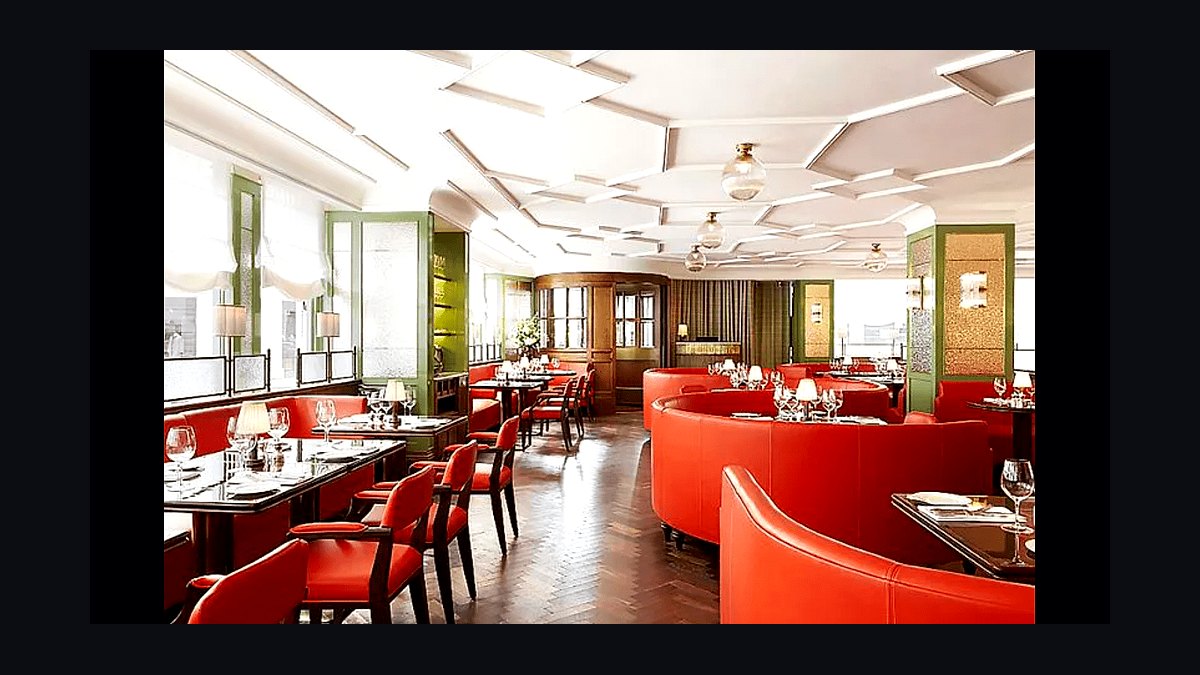
Real estate is the line item most buyers underestimate. In high-demand suburban markets, triple-net lease rates for a 2,000 to 2,500 square foot fast-casual space can run $40 to $65 per square foot annually, which means base rent alone can reach $80,000 to $162,500 a year before percentage rent, common-area maintenance, or property taxes. A ground-up build-out in a Class A center can run $150 to $250 per square foot, meaning $330,000 to $550,000 in construction costs for a 2,200-square-foot unit; converting a second-generation restaurant space can cut that by 20% to 30%, but you will still pay for updated hoods, refrigeration, grease traps, and point-of-sale systems. Beyond construction, budget for pre-opening labor and training travel, a working-capital reserve covering three to six months of ramp-up losses, and periodic equipment and remodel refreshes that most franchise agreements mandate on a multi-year cycle. Break-even timelines across the category commonly run 12 to 24 months, depending heavily on site selection and local competitive density.
Where teams get it wrong
The most expensive mistake is treating the Item 7 range as a ceiling rather than a floor. Buyers anchor on the low end of a published range, then get surprised when their specific site, labor market, or build-out scope lands them at the high end or above it — particularly on real estate, where published ranges rarely reflect current lease rates in a hot submarket. The fix is simple but underused: ask the franchisor for actual build-out costs from the last five franchisees who opened in your target state, not a national average that blends a $300,000 conversion in a low-cost market with a $1,200,000 new build in a coastal city.
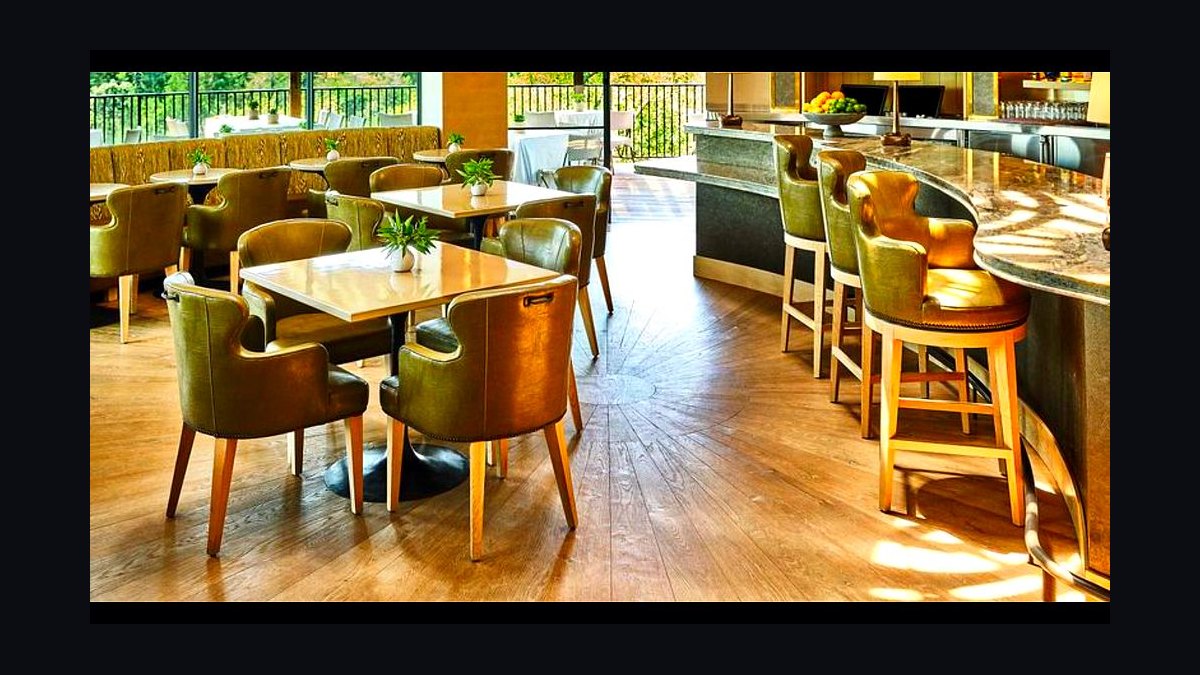
A second common error is skipping or superficially completing franchisee due diligence calls. Buyers who call two or three franchisees handpicked by the franchise development team get a curated, optimistic picture. The franchisees worth calling are the ones you find yourself, ideally in your target region, and the questions that matter are blunt ones about labor turnover, actual food cost versus the FDD's representation, and how responsive the franchisor's field support has been. A related error is ignoring Item 20, which lists outlet counts, transfer history, and franchisee turnover — a system with a high rate of transfers or closures in your target region is disclosing a problem buyers often miss because they never read past Item 7.
Underfunding working capital is the third recurring failure. Restaurants ramp sales slowly, and a franchisee who finances only the Item 7 minimum with no cushion for a slower-than-expected first six months often runs out of cash before the unit stabilizes — even when the long-run unit economics are sound. Finally, buyers frequently plan the opening in detail and never think about the exit. Most franchise agreements include a right of first refusal that lets the franchisor match or approve any sale, and some charge a transfer fee of $5,000 to $15,000 on top of requiring the buyer to complete the same training program. A single well-performing unit typically sells for 2.5 to 3.5 times annual EBITDA, while a multi-unit operation can command 3.5 to 5 times EBITDA — numbers worth knowing before you sign, not after you decide to sell.
Decision framework: when to choose what
Not every brand on this list fits every buyer, and the right match depends mostly on available capital, operating experience, and whether you intend to own one unit or build a small portfolio.
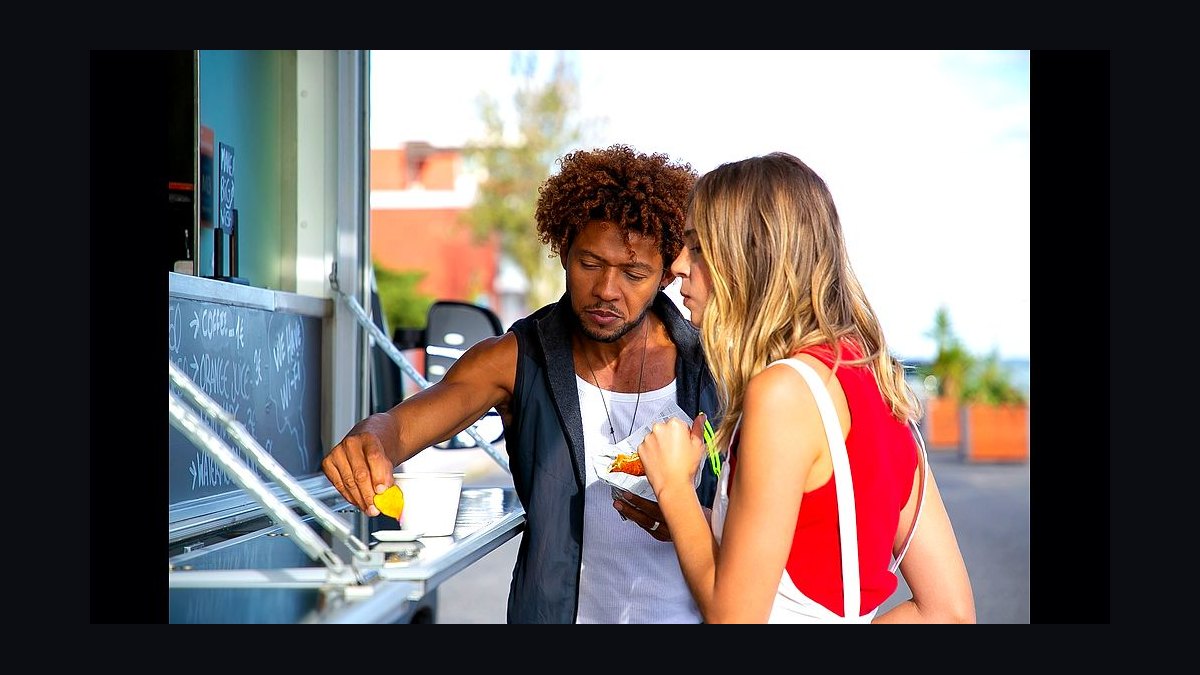
A first-time owner-operator working with roughly $500,000 or less, including financing, is generally better served by a sandwich or express bowl concept such as Jersey Mike's or Pokeworks' smaller-footprint format, where the labor model and build-out are simpler and the downside of a slow first year is more survivable. An experienced operator with $500,000 to $1,000,000 in available capital is positioned to take on a Mediterranean or burger concept, or a standard-format chicken brand, where average unit volume potential is higher but so is the real estate exposure. A buyer with $1,000,000 or more and genuine multi-unit ambitions — particularly someone willing to negotiate an area-development agreement — is the right profile for a large-format chicken or bowl brand like Slim Chickens, where the franchisor may waive part of the initial franchise fee in exchange for a three-or-more-unit commitment, and where a regional operations team can absorb the complexity that a single-unit owner could not handle alone.
Related questions
Does Chipotle franchise its restaurants?
No. Chipotle, along with Sweetgreen and Shake Shack, remains almost entirely company-operated and does not offer franchise opportunities to outside buyers, so it is not part of any realistic 2027 franchise shopping list.
How much cash reserve should I keep beyond the Item 7 estimate?
Plan for three to six months of operating losses beyond the FDD's working-capital line. Fast-casual sales ramp slowly, and underfunding this reserve is one of the most common reasons otherwise sound units run into trouble early.
Is converting existing restaurant space always cheaper than a new build?
Usually, often by 20% to 30%, but only if the space already has adequate hoods, grease traps, and electrical capacity. A conversion missing those systems can approach new-build costs once you account for the retrofit.
What's a reasonable multi-unit discount to expect?
Many franchisors will waive or reduce the $30,000 to $50,000 initial franchise fee for buyers committing to three or more units within a set development window, though the exact terms vary by brand and region.
FAQ
What is the total investment range for a fast-casual franchise in 2027? Total initial investment typically runs $300,000 to $1,500,000 or more, depending on whether you convert existing space or build new. Franchise fees are usually $30,000 to $50,000, with ongoing royalties around 5% to 6.5% of gross sales.
Which fast-casual franchises are most affordable to start? Concepts like Garbanzo, Pokeworks, and Wayback Burgers often start around $200,000 to $500,000. Chicken concepts such as Dave's Hot Chicken can run higher, often $500,000 to $1,000,000+. Always confirm exact figures in the current Item 7.
Do any top fast-casual brands not franchise? Yes. Chipotle, Sweetgreen, and Shake Shack are largely company-operated and not realistically available to franchise buyers. Focus on available leaders like CAVA (where offered), Jersey Mike's, and the Mediterranean and chicken concepts above.
How long does it take to break even on a fast-casual franchise? Most operators reach positive cash flow within 12 to 24 months, depending on site selection, build-out cost, and local sales volume. Review each brand's Item 19, when available, for realistic benchmarks.
What costs sit beyond the initial franchise fee? Beyond the $30,000 to $50,000 fee, expect leasehold improvements, equipment, working capital, royalties of 5% to 6.5%, and a brand fund contribution of roughly 1% to 4%. Premium builds can push total investment toward $1.5 million or more.
How do I verify a franchise's financials before buying? Request the current FDD and read Items 6, 7, 19, and 20 closely, then call eight to ten current franchisees directly — not ones hand-picked by the sales team — about actual volume, costs, and break-even timing. Loop in a franchise attorney or accountant before signing.
Sources
- https://www.ftc.gov/business-guidance/industry/franchises
- https://www.sba.gov/business-guide/plan-your-business/franchise-businesses
- https://www.franchise.org
- https://www.franchisetimes.com
- https://www.nrn.com
- https://www.qsrmagazine.com
- https://www.entrepreneur.com/franchises
Related on PULSE
- Best Mexican food franchises to buy in 2027
- Should I open a food truck in 2027?
- Should I open or buy a Mo' Bettahs Hawaiian Style Food franchise in 2027?
- Best window and gutter-cleaning franchises to buy in 2027
- Best handyman and home-repair franchises to buy in 2027
- Best Asian-cuisine franchises to buy in 2027
This page will be disappearing soon. Save it to your device for $1 — or read it free while it is here.
@Kory-White- · if Venmo asks, the last 4 of my number are 2012
This page is gone.
This one is off the shelf now. $1 keeps it on your phone for good — the whole page, pictures and diagrams included.
 pulse-franchisesBest franchises for veterans in 2027
 pulse-franchisesHow do I sell or exit a franchise in 2027?
 pulse-franchisesBest B2B and commercial-services franchises to buy in 2027
 pulse-franchisesShould I open or buy a Caliber Collision franchise in 2027?
 pulse-franchisesHow much does it really cost to open a franchise in 2027?
 pulse-franchisesShould I open or buy a Super 8 franchise in 2027?
 pulse-franchisesBest chicken and wings franchises to buy in 2027
 pulse-franchisesBest cleaning and janitorial franchises to start in 2027
 pulse-franchisesBest real estate and property franchises to buy in 2027
 pulse-franchisesBest auto-parts and tire franchises to buy in 2027