

A Speech for a Coach’s End-of-Season Talk
 Curated byKory White · Fractional CRO · Maryland
Quality
Certified
A good end-of-season speech should acknowledge the team's collective effort, highlight specific moments of growth or resilience, and express genuine gratitude for their commitment. It’s best to keep the tone appreciative and forward-looking, avoiding blame or overemphasis on wins and losses. A simple structure works: thank them for their hard work, share one or two memorable examples of teamwork, and encourage them to carry those lessons forward. This approach transforms a routine farewell into a lasting memory that reinforces team culture and individual pride long after the final buzzer.
How do you craft a speech that feels genuine and not generic?
The most powerful end-of-season speeches avoid clichés by anchoring every sentiment in a real, shared experience. Start by listing three to five specific moments that only your team would recognize—a grueling practice where nobody quit, a game where a bench player made a crucial stop, or a bus ride where the team sang together after a tough loss. These details are your emotional raw material.
Don't just mention a win; describe the huddle before the winning play. "I remember looking at your faces before that fourth-down stand. You weren't scared. You were ready." This specificity makes each player feel seen. It also prevents your speech from sounding like a template you downloaded. For deeper guidance on structuring these personal stories, see How to write a speech for a retiring coach.

Weave these moments into a narrative that shows growth. For example, contrast the team's first disjointed scrimmage with their final cohesive performance. "In August, you couldn't run a simple give-and-go without two turnovers. By November, you were running set plays in your sleep." This before-and-after framing demonstrates progress without needing a winning record. It also gives players tangible proof of their development, which boosts their confidence for the next season or chapter.
What are the key emotional phases of a memorable end-of-season talk?
A great end-of-season speech follows a deliberate emotional arc: reflection, gratitude, and forward-looking hope. This structure guides your players from a shared acknowledgment of the past to a collective embrace of the future. Skipping any phase leaves the team feeling either unresolved or unmotivated.

Phase one: Reflection. Open by acknowledging the season as a whole journey, not just a collection of scores. "We started in August, not knowing what we'd become. Some of you were nervous. Some of you were cocky. But every single one of you showed up, day after day, and gave something of yourself." This phase honors the work, not just the results. It sets a tone of quiet pride and creates a shared space for the team to remember together.
Phase two: Gratitude. Shift from "we" to "you." Thank specific groups—seniors for their legacy, underclassmen for their energy, parents and coaches for their support. Be specific in your thanks. "To our seniors—you've been the heartbeat of this team for four years. You taught the younger players what it means to be accountable. You set a standard that will outlast your time here." Gratitude is contagious. When you model it, you give your players permission to feel it too, deepening their connection to the team and to each other.

Phase three: Hope. End by looking forward, not back. For seniors, express confidence in their next chapter. "You've learned to handle pressure, to communicate under stress, to pick each other up. Those are skills that will carry you through anything." For returning players, frame the end as a beginning. "What we built this year is a foundation. Next season starts now—in how you train, how you lead, how you carry this experience forward." This forward-looking close leaves your team feeling motivated and purposeful, not nostalgic or melancholy. For more on delivery structure, explore A coach's pre-game speech.
How do you balance humility and pride in a losing season?
A losing season tests a coach's ability to find value beyond the scoreboard. The speech must acknowledge disappointment honestly while reframing the season's worth. Start with a simple, direct admission. "This season didn't go the way we wanted. I know you're disappointed. I am too." This honesty builds trust—players respect a coach who doesn't sugarcoat reality.
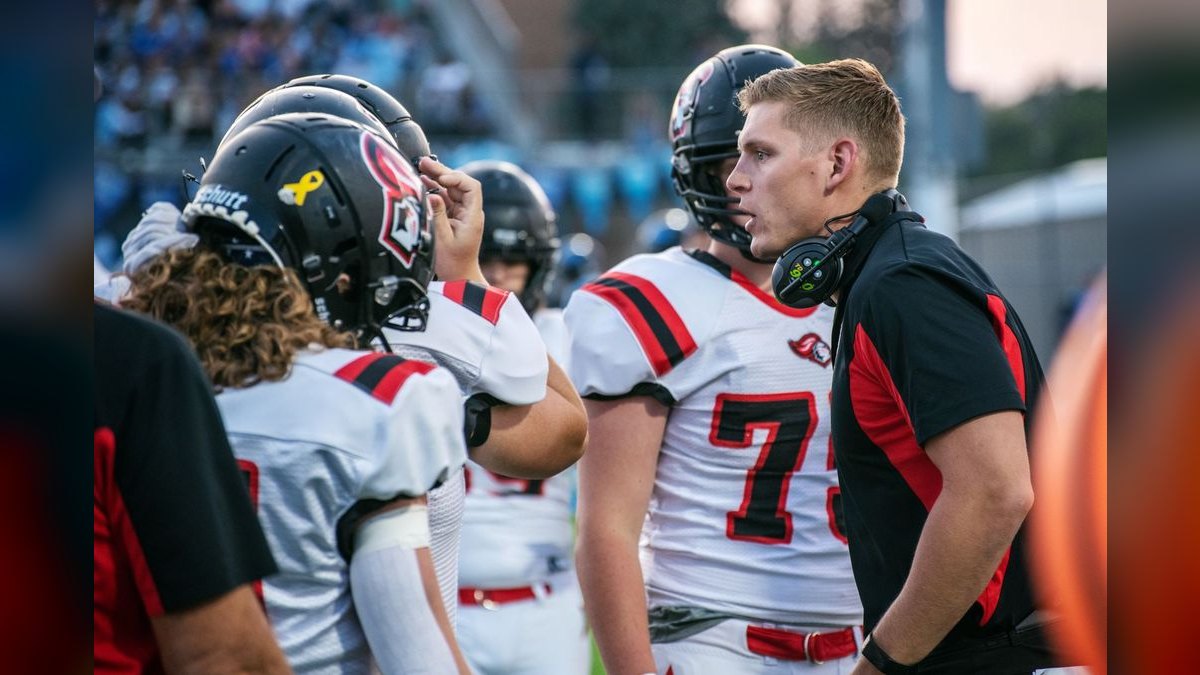
Then pivot quickly to the lessons learned. "But the scoreboard doesn't tell you everything. It doesn't show the practice where [Player A] stayed an extra hour to work on footwork. It doesn't count the times you picked each other up after a tough loss." Focus on character, effort, and resilience. These are the traits that matter in life, long after the season ends. Avoid blaming referees, injuries, or bad luck. That shifts responsibility away from the team and undermines the lesson of accountability.
End with a message of transferable strength. "This year taught you how to handle adversity. That's a skill you'll use in college, in your career, in every tough moment ahead. You didn't win the championship you wanted, but you built something that can't be taken away—the ability to keep going when things are hard." This reframes the losing season as a crucible for growth, not a failure. It gives players a sense of purpose and pride in their endurance. For more on framing tough seasons, see How to deliver a halftime speech after a bad first half.
What delivery techniques make the speech land emotionally?
Even a perfectly written speech falls flat without strong delivery. As a coach, you command attention on the field. Bring that presence to your talk, but adjust your tone. This isn't a halftime huddle—it's a moment of connection.
Control your pace. Many coaches rush through emotional moments because they're uncomfortable with silence. Resist that urge. After you say something meaningful—"I'm proud of you"—pause for three full seconds. Let the weight of the words settle. That silence is not awkward; it's powerful. It gives your players time to absorb what you've said and feel its truth.
Use your eyes, not your notes. Memorize the key points so you can make eye contact with your players. Look at individuals, not just the group. When you mention a specific player's name, find them in the room and hold their gaze for a beat. This nonverbal connection signals that you mean what you say. If you're reading from a page, you're talking at them. If you're speaking from memory, you're talking to them.

Drop your voice at the end of sentences. In high-energy coaching, we often end sentences on an upward inflection to project enthusiasm. For this speech, end key statements on a downward inflection. It signals finality and sincerity. "That's who you are." (Say it like a statement, not a question.) This vocal technique makes you sound grounded and authentic, not performative.
Let your body be still. During a game, you're in motion—pacing, clapping, gesturing. For this speech, plant your feet. Keep your hands at your sides or clasped loosely in front of you. Stillness communicates that this moment is different, that you're giving them your full, undivided attention. It also helps your players settle and focus on your words rather than your movements.

End with a simple, repeatable line. The last sentence should be something your players can carry with them. "Be proud of who you became this season." Or "The scoreboard doesn't define us—how we treated each other does." A strong closing line gives your players a mental bookmark. Deliver it slowly, make eye contact, and then let the silence hold. That's how you end a speech that lingers long after the clapping stops.
How do you include parents and supporters without making the speech too long?
Parents and supporters are an essential part of the team ecosystem, but a speech that thanks every family individually drags. Keep their acknowledgment concise but meaningful. Dedicate one paragraph specifically to them, about thirty seconds of speaking time.

"To the parents and families—thank you. For the early mornings, the cold bleachers, the snacks, the patience. You trusted me with your kids, and that's not a small thing. I hope I gave them something worth the drive." This single, heartfelt paragraph covers everyone without naming names. It also recognizes the sacrifice inherent in youth sports—the time, money, and emotional investment.
If you want to go deeper, mention a specific supportive act that benefited the whole team. "I'll never forget when [Parent A] organized that pasta dinner before the big game. It wasn't just the food—it was the way you made us feel like a family." This specificity makes the thank-you feel genuine without turning into a laundry list. Keep it to one or two sentences at most. The focus of the speech should remain on the players and their growth.

How do you adapt the speech for different age groups and sports?
The tone and content of your speech should shift based on the age of your players. For youth teams (ages 8-12), keep the language simple and positive. Focus on fun, effort, and friendship. Avoid abstract concepts like "character development" or "accountability." Instead, say, "I loved watching you all play together. You passed the ball, you cheered for each other, and you never gave up. That's what makes a great team."
For high school teams (ages 13-18), you can introduce more nuanced themes like leadership, resilience, and legacy. Use specific examples of growth and challenge. "This season taught you that success isn't just about winning—it's about how you handle setbacks. You showed me that you can be counted on when it matters most." This age group responds well to being treated as young adults, so avoid overly simplistic or patronizing language.

The sport also dictates the rhythm of your speech. In team sports like basketball, soccer, or football, emphasize collective effort and trust. "You learned to move as one unit, to trust the player next to you, to sacrifice individual glory for the team's success." In individual sports like wrestling, track, or swimming, acknowledge personal breakthroughs alongside team spirit. "I saw you push past your own limits, set personal records, and still cheer for your teammate in the next lane. That's the mark of a true competitor."
For more on specific sport contexts, see How to give a speech after a championship win. Tailoring your words to the age and sport ensures every player feels the speech was written just for them.
Related questions
How long should a coach's end-of-season speech be?
Aim for 3 to 7 minutes. That's enough to cover key points—gratitude, growth, and looking ahead—without losing the team's attention. Shorter speeches often feel more powerful and sincere.
What should the main message of the speech focus on?
Center it on appreciation and collective effort, not just wins or losses. Highlight individual and team growth, resilience, and the relationships built. Avoid singling out star players; instead, celebrate everyone's contribution.
Is it okay to get emotional during the speech?
Yes, showing genuine emotion is a strength, not a weakness. Coaches who express pride, gratitude, or even sadness about the season ending connect more deeply with their team. Just keep it authentic—don't force tears or drama.
Should I mention specific players or moments?
Briefly, yes—but keep it balanced. Mentioning a few memorable plays or quiet contributions can make the speech personal, but avoid lengthy stories or comparing players. The goal is to make everyone feel valued, not to spotlight a few.
How do I handle a losing season in the speech?
Acknowledge the disappointment honestly, then pivot to lessons learned and effort given. Focus on character development, teamwork, and the fact that setbacks are part of growth. Never blame or make excuses—keep the tone constructive and forward-looking.
What's the best way to end the speech?
Close with a clear, positive call to action or a unifying statement—like "Carry this bond into next season" or "Take the work ethic you've built here into everything you do." A simple thank-you to the team, families, and supporters also leaves a lasting, warm impression.
FAQ
How can I make my speech memorable for years to come? Anchor your speech in two or three specific, shared moments that only your team would recognize. Describe them vividly—the weather, the scoreboard, a player's expression. These details create mental bookmarks your players will revisit. End with a simple, repeatable line that encapsulates the season's lesson, like "You learned to be counted on."
Should I use notes or memorize the speech? Use notes for your opening structure and key points, but memorize the final three lines. Deliver those from memory, looking up at your players. This combination gives you security while allowing genuine eye contact and emotion in the most critical moment. Practice the closing lines until they feel natural.
How do I handle a player who didn't play much? Acknowledge their contribution without drawing unwanted attention. A simple, "To every player who showed up to practice, who pushed the starters, who made us better every single day—thank you. Your effort didn't go unnoticed," covers everyone. If you mention a specific bench player, frame it as a growth story, not a pity moment.
What if I get too emotional and can't finish? That's okay. Pause, take a breath, and let the emotion sit. Your players will respect your vulnerability. You can even say, "Give me a second, this one matters to me." The pause becomes part of the speech. Don't apologize for caring—it's why they trust you.
Can I use humor in an end-of-season speech? Yes, but use it sparingly and strategically. Open with a light, shared joke—a running team gag or a funny "remember when" moment—to break the ice. Then transition to sincerity. Avoid sarcasm or jokes that could be misinterpreted. The humor should unite, not divide.
How do I address a season with injuries or tragedy? Acknowledge the hardship directly and honestly. "This season tested us in ways we never expected. We lost [Player A] to injury early on, and we felt that absence every day. But you showed me something—you didn't use it as an excuse. You used it as fuel." Focus on the strength revealed by adversity, not the pain itself. End with a message of resilience and gratitude for the time you had together.
What's the best time to give the speech? Give it at the final team gathering—after the last game, at the banquet, or in the locker room before everyone leaves. Avoid giving it immediately after a tough loss if emotions are raw. Let the team decompress for a few minutes, then bring them together. The speech works best when the team is calm and present.
Should I include assistant coaches in the speech? Yes, briefly. "To my assistant coaches—thank you for your tireless work, your honest feedback, and your passion for these kids. This team wouldn't have been the same without you." A single sentence of acknowledgment goes a long way. It also models gratitude for your players.
Sources
- National Federation of State High School Associations (NFHS) - Coaching Resources
- Positive Coaching Alliance - End of Season Messaging
- American Sport Education Program (ASEP) - Team Motivation
- Harvard Business Review - Leadership and Team Dynamics
- Psychology Today - Motivation and Group Psychology
- The Aspen Institute's Project Play - Youth Sports
- USA Football - Coach Communication
- National Alliance for Youth Sports - Season Wrap-Up
Related on PULSE
This page will be disappearing soon. Save it to your device for $1 — or read it free while it is here.
@Kory-White- · if Venmo asks, the last 4 of my number are 2012
This page is gone.
This one is off the shelf now. $1 keeps it on your phone for good — the whole page, pictures and diagrams included.
 pulse-speechesA Speech for Accepting an Industry Award
 pulse-speechesA Toast for a Baby Shower
 pulse-speechesA Retirement Speech for a Teacher
 pulse-speechesA Wedding Speech for a Maid of Honor
 pulse-speechesA Toast for a New Year’s Eve Gathering
 pulse-speechesA Speech for a Team Offsite Kickoff
 pulse-speechesHow to Add Humor to a Retirement Speech in 2027
 pulse-speechesA Speech for a Customer Appreciation Event
 pulse-speechesHow to Beat Public-Speaking Nerves in 2027
 pulse-speechesA Speech for a Sales Kickoff