
A Wedding Speech for a Second Marriage
 Curated byKory White · Fractional CRO · Maryland
 PULSEKNOWLEDGE LIBRARY
Quality
Certified
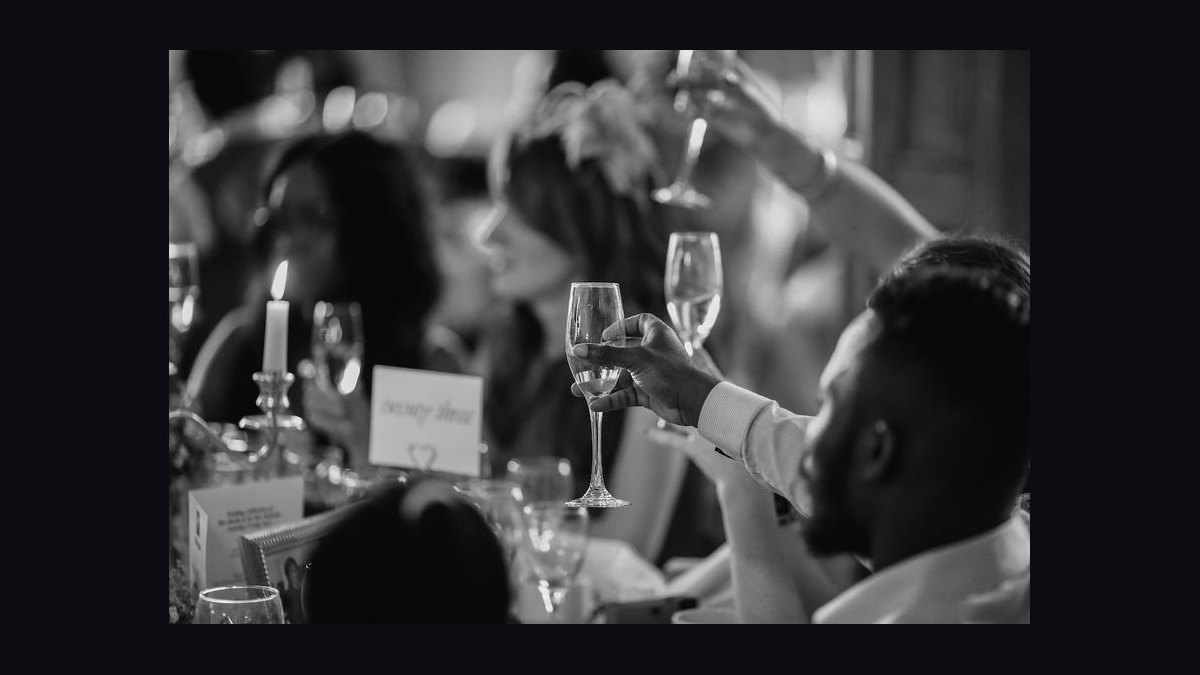
A wedding speech for a second marriage should warmly celebrate the couple’s new beginning while acknowledging their pasts with grace and respect. Avoid dwelling on previous relationships or comparing marriages; instead, focus on the love, growth, and commitment that brought them together now. A heartfelt, forward-looking tone—often shorter than a first-marriage speech—works best, emphasizing joy, resilience, and the unique beauty of this union. The most successful speeches honor the couple's complete journey without letting the past overshadow the present celebration.
The key to a memorable second-marriage toast lies in acknowledging the depth of experience that both partners bring to this union. Unlike first weddings, where hope and excitement dominate, second weddings carry the quiet confidence of people who have learned what love truly requires. Your speech should reflect this maturity—celebrating not the innocence of a first love, but the courage of choosing love again with eyes wide open. This is a moment to honor resilience, growth, and the beautiful truth that love can find us at any stage of life.
How Can I Honor the Couple's Past Without Making Anyone Uncomfortable?
The art of acknowledging past experiences without dwelling on them requires careful phrasing and intentional structure. Begin by recognizing the journey that brought the couple here—phrases like "life's unexpected turns" or "the courage to try again" work well without naming specifics. For instance, you might say, "Anyone who knows [bride/groom] knows they've faced their share of challenges, but watching them find this love reminds me that the best chapters often come after the hardest ones." This approach honors the full story without making anyone uncomfortable.
Avoid any mention of ex-spouses, divorces, or negative details—this is a celebration, not a therapy session. If you're a close friend, pivot quickly to the present: "I've seen [partner] rebuild, heal, and become more themselves than ever before—and [new spouse] saw that too." Use the past as contrast to highlight what makes this relationship special: "What [couple] has isn't the giddy rush of a first date—it's the quiet, steady certainty of two people who know exactly what they want." This technique keeps the tone respectful, uplifting, and focused on the love that brought everyone together today.
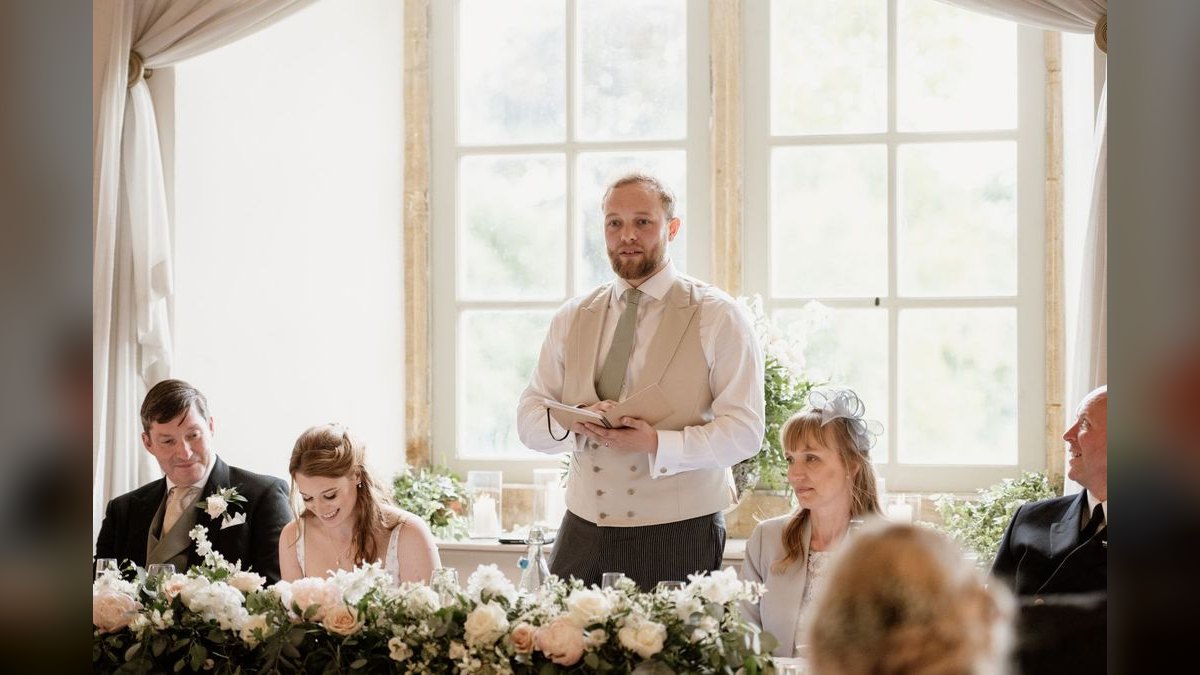
For more guidance on navigating delicate family dynamics, see our guide on How to Keep a Wedding Toast Under Three Minutes. This resource provides practical strategies for maintaining focus and brevity while honoring complex relationships.
What's the Best Way to Address Blended Families in the Speech?
If children from previous relationships are present, your words carry extra weight. Avoid the trap of pretending the past doesn't exist—instead, frame the new marriage as an expansion of love, not a replacement. For example, you might say, "When I saw how [partner] treats [child's name] with patience and genuine care, I knew this was different." If you're a child of the bride or groom, consider including a brief, heartfelt line about how you've watched your parent grow: "Mom taught me what resilience looks like, and seeing her happy with [partner] reminds me that love can find us at any stage."
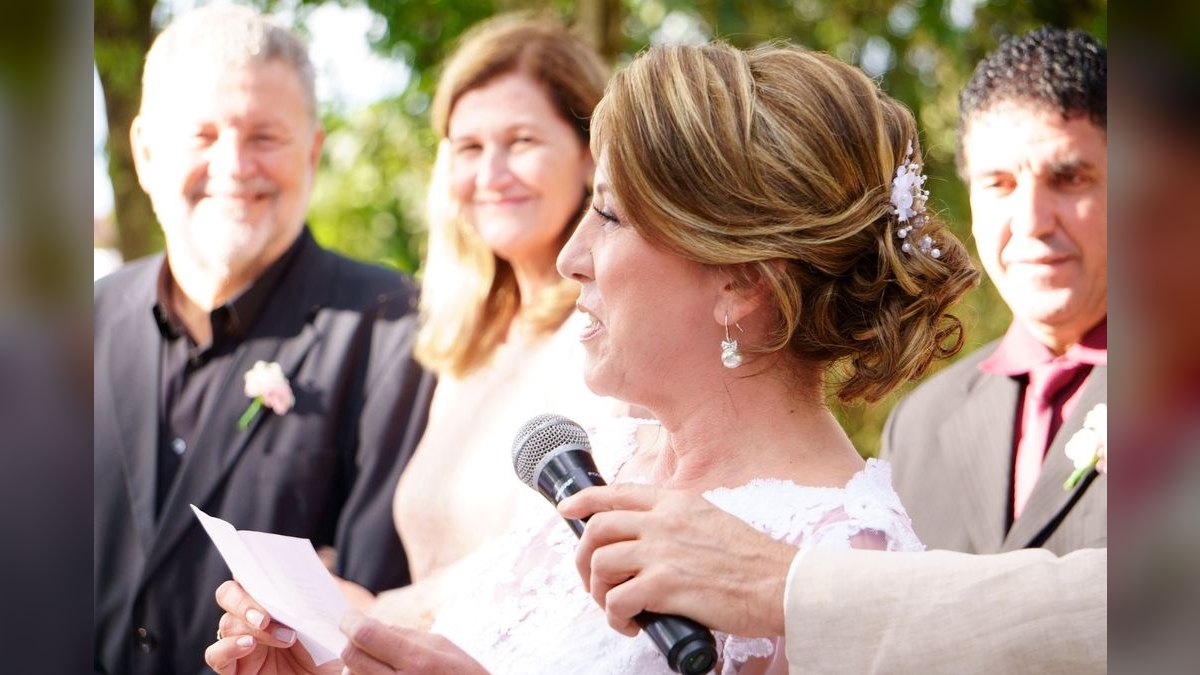
For friends or siblings, acknowledge the new step-parent role with warmth: "I've watched [partner] show up for family dinners, school events, and even the tough conversations—that's not just love, that's commitment." If stepchildren are young, keep the tone light and inclusive: "I'm not losing a friend to marriage—I'm gaining a whole new branch on the family tree." For older children, a touch of humor can ease tension: "I've never seen Dad so organized, and I think [partner] deserves an award for that alone." The goal is to make everyone in the room feel seen and valued, especially the children who might be navigating complex emotions.
How Do I Choose the Right Tone for a Second Marriage Speech?
The ideal tone for a second-marriage toast is warm, sincere, and forward-looking—neither overly giddy nor somber. Second marriages often feel more grounded, so a tone that celebrates resilience and love without over-the-top romance works well. Avoid clichés like "soulmates" or "meant to be"—instead, use phrases that reflect choice and intention: "You've chosen each other, and that choice is worth celebrating." This approach feels authentic to the couple's experience and respects the maturity of their relationship.
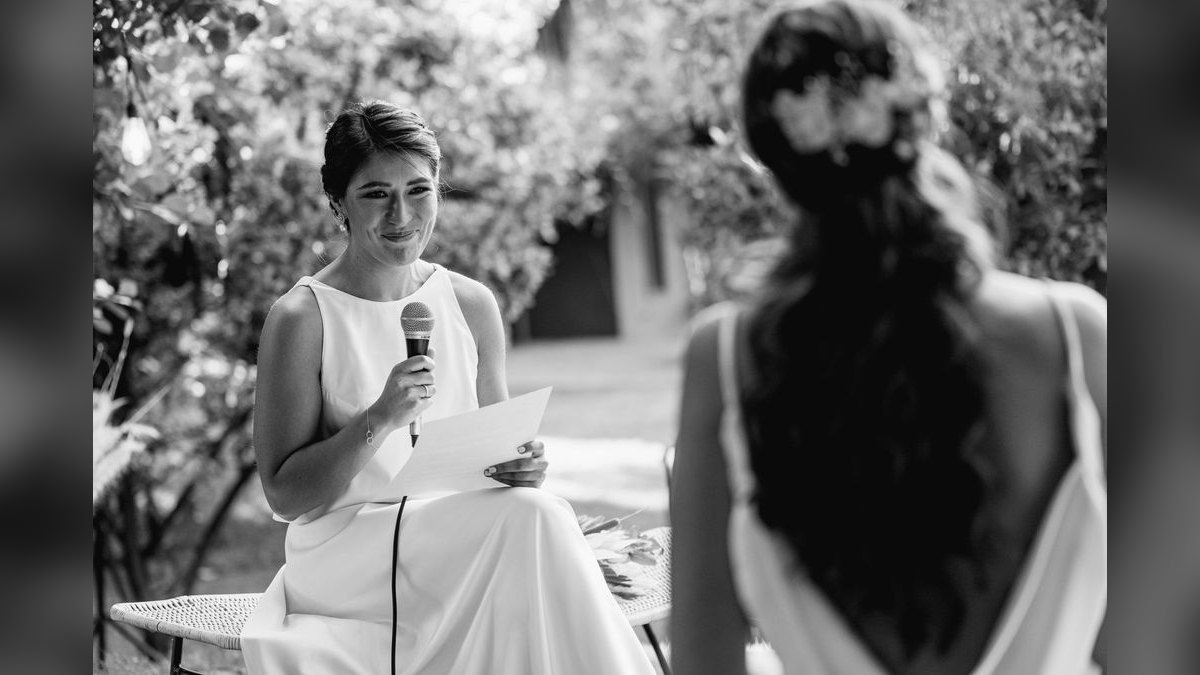
For a lighter tone, open with a gentle, affectionate joke about how long it took them to figure it out. For a more solemn tone, lean into gratitude and the quiet courage of loving again after loss or hardship. The best speeches balance both—a moment of levity followed by genuine emotion. For example: "I asked [partner] what they love most about [new spouse], and they said, 'They make me want to be a better person.' I asked [new spouse] the same question, and they said, 'They never leave the cap off the toothpaste.' That's balance." This technique keeps the speech engaging while honoring the depth of the occasion.
What Specific Structure Should a Second Marriage Speech Follow?
A well-structured second-marriage speech follows a clear arc: welcome the guests, acknowledge the couple's journey, share a personal story or observation, recognize the blended family if applicable, offer words of wisdom or encouragement, and end with a clear toast. This structure ensures the speech flows naturally and covers all the important elements without becoming disjointed. For a 3-minute speech, allocate roughly 30 seconds for the welcome, 60 seconds for the journey and story, 45 seconds for family acknowledgment, 30 seconds for wisdom, and 15 seconds for the toast.
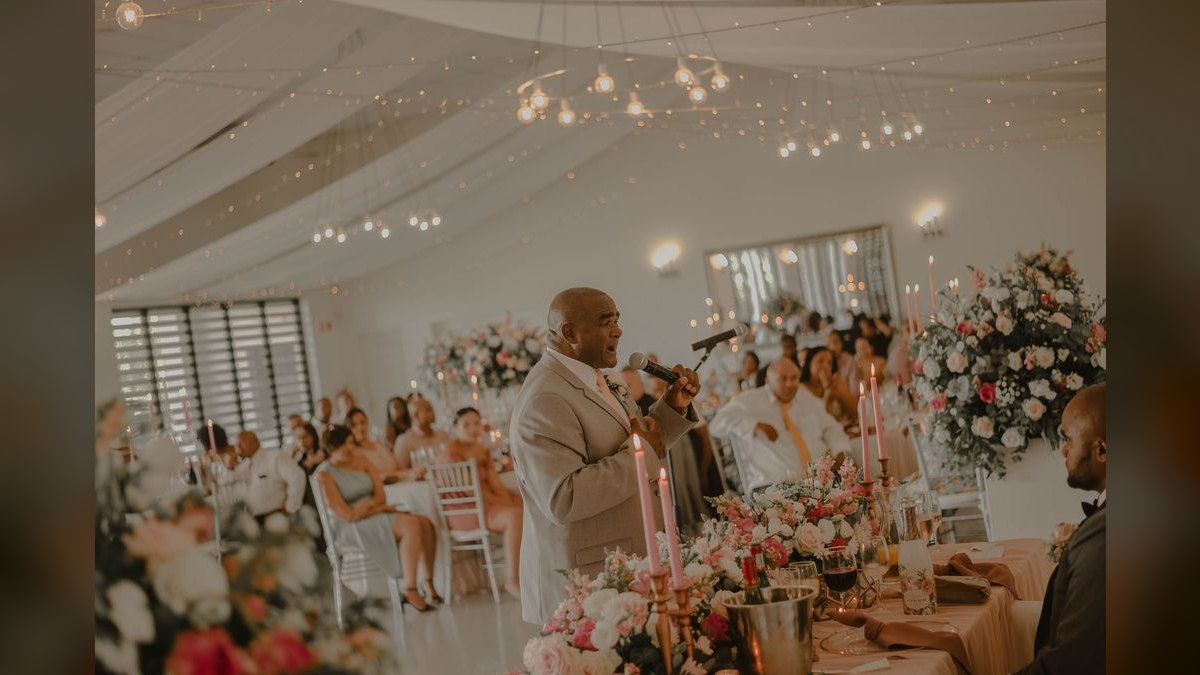
For a 30-second version when time is tight: "To [Partner A] and [Partner B] — a second wedding is love with its eyes wide open. You knew exactly what marriage asks, and you said yes anyway. That's the bravest, surest love there is. Raise your glasses: to your longest, easiest, happiest chapter yet. Cheers." This condensed version captures the essence of the longer speech while respecting time constraints.
For more examples of effective speech structures, see our guide on A Wedding Speech for a Vow Renewal. This resource provides additional frameworks for celebrating lasting love in a meaningful way.
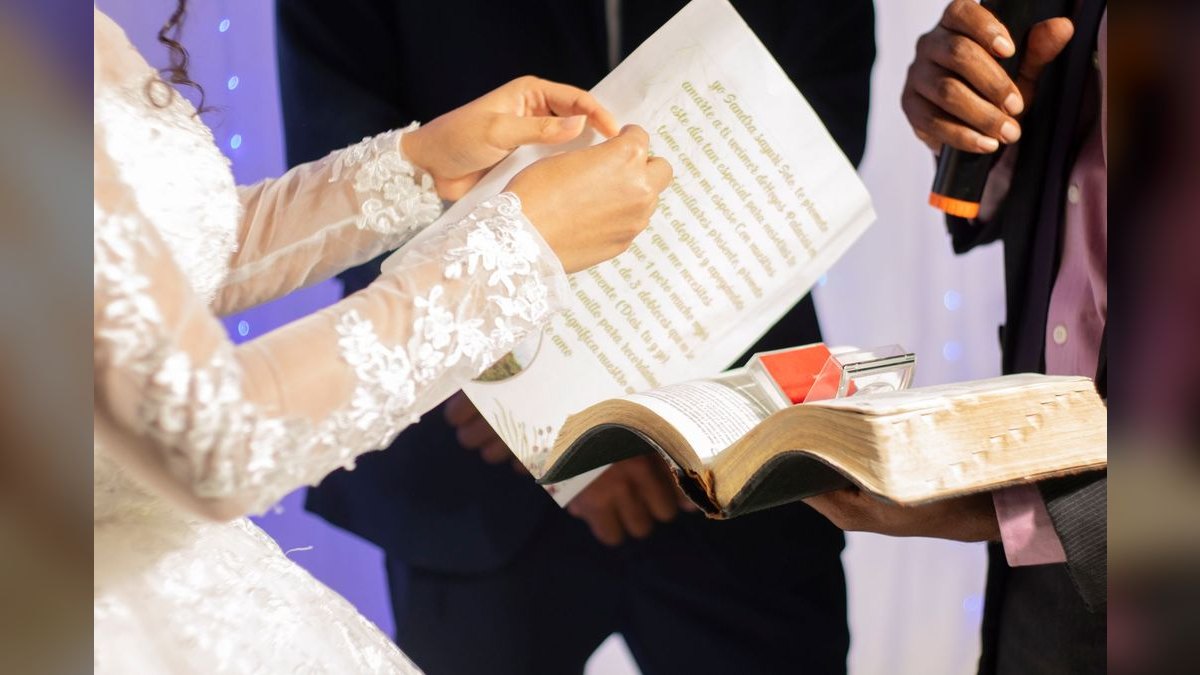
How Can I Make My Speech Feel Authentic and Personal?
The most memorable wedding speeches for second marriages are those that feel genuine to the speaker's voice and relationship with the couple. Resist the urge to copy a template—your authenticity will resonate far more than polished perfection. Start by asking yourself: What's the one thing I want the couple to know? That could be how proud you are, how much you admire their partnership, or how happy you are to welcome a new member to the family. Write that down first, then build your speech around it.
Replace generic phrases with one true, small scene—the dinner where you saw them light up, the trip that sealed it, or the day one of them told you "this one's different." Keep your language conversational—use contractions, short sentences, and natural pauses. It's okay to pause for a sip of water or a deep breath; it makes you seem human, not rehearsed. Practice out loud three times, but don't memorize every word—know your key points and let the rest flow. End with a clear, warm invitation: "Please join me in raising your glasses to [couple's names]—to their love, their family, and the beautiful future they're building together."

What Delivery Tips Work Best for a Second Marriage Speech?
Speak slower than feels natural—a second-marriage room is emotional, and people need a beat to feel it. Pause fully after key lines like "and you choose it anyway" and again before the toast itself; silence does the heavy lifting. Hold eye contact with the couple during the personal memory, then sweep the room when you address the kids or the guests. If your voice catches, stop, breathe, and let it—nobody wants you flawless, they want you honest.
Carry a small notecard with names and the memory written out, but say the toast itself from the heart, looking up. For a formal version, add a short paragraph thanking both families for blending so gracefully. For a lighter tone, open with a gentle joke about how long it took them to figure it out. Practice your speech in front of a mirror or record yourself to check your pacing and body language. Remember that the couple chose you to speak because they trust you—lean into that trust and let your genuine affection guide your delivery.

Related questions
What should I avoid saying in a second marriage speech?
Avoid any mention of ex-spouses, comparisons to the first marriage, negative details about past relationships, or phrases like "finally got it right." Also avoid clichés about soulmates or fairy-tale endings that might feel inauthentic for a second marriage.
How do I include stepchildren in the speech without making it awkward?
Acknowledge them briefly with a specific, positive observation about their role in the couple's life. For example, "I've watched [partner] show up for [child's name]'s soccer games with genuine enthusiasm—that's the kind of love that builds a family."
Is it appropriate to mention the couple's age or past experiences?
Yes, if done respectfully. Focus on the wisdom and growth that came with experience, not the specific events. Phrases like "life's journey" or "the maturity they bring to this union" work well without getting into details.
Should the speech be shorter for a second wedding?
Generally yes—aim for 2-3 minutes rather than 5-7. Second-marriage speeches often feel more intimate and grounded, and a shorter speech respects the couple's desire for a less formal celebration.
Can I use humor in a second marriage speech?
Yes, but keep it gentle and inclusive. Avoid jokes about ex-spouses, divorce rates, or the couple's age. Instead, use humor that celebrates their quirks or the funny way they complement each other.
What if I'm a child of the bride or groom giving the speech?
Speak from your personal experience of watching your parent grow and find happiness again. Share a specific memory of how the new partner has positively impacted your family. Keep the focus on your parent's joy and the new partnership.
FAQ
How long should a wedding speech for a second marriage be? Aim for 2 to 3 minutes, or roughly 300-450 words. Second-marriage speeches often feel more relaxed and intimate, and a concise speech respects the couple's desire for a less formal celebration. Shorter speeches can feel more heartfelt and less overwhelming for nervous speakers.
Should I mention the first marriage in the speech? Only if it's relevant and handled with extreme care. Focus on the present relationship and the couple's future. If you do reference the past, keep it brief, positive, and vague—avoid comparisons, names, or details that could make anyone uncomfortable.
Is it okay to use humor in a second-marriage speech? Yes, but keep it light and inclusive. Gentle jokes about second chances, the wisdom of age, or blended families can work well. Steer clear of any humor that might embarrass or exclude guests from either side of the family.
Who typically gives the speech at a second wedding? It varies widely—often the couple's children, close friends, or the parents. Many couples choose someone who represents their blended story, like a mutual friend or a child from a previous marriage. The best man or maid of honor is still common but less formal.
What tone is best for a second-marriage wedding speech? Warm, sincere, and forward-looking. Second marriages often feel more grounded, so a tone that celebrates resilience, growth, and love without over-the-top romance works well. Aim for genuine emotion over grand gestures.
Should I include the couple's children in the speech? If they're part of the family, yes—acknowledge them briefly but meaningfully. A simple line welcoming them into the new union or praising their role shows thoughtfulness. Avoid making the speech solely about the children; keep the focus on the couple.
How do I handle nervousness when delivering the speech? Practice out loud three times, but don't memorize every word—know your key points and let the rest flow naturally. Take deep breaths, pause for water if needed, and remember that the couple chose you because they trust you. Your authenticity matters more than perfection.
What if I'm a child of one spouse and the other spouse has children too? Acknowledge both sides of the blended family equally. Use inclusive language like "our family" and highlight how the new partnership has brought everyone together. Avoid favoring one set of children over the other.
Can I use a quote or poem in the speech? Yes, but keep it brief and relevant. A short quote about love, resilience, or new beginnings can add depth. Avoid long readings or religious quotes unless you know the couple and audience will appreciate them.
What should I do if I get emotional during the speech? Stop, take a breath, and let the emotion pass. Pause for a sip of water if needed. The room will be with you—people appreciate honesty and vulnerability. You don't need to be flawless; you need to be genuine.
Sources
- The Knot - Wedding Speech Etiquette
- Martha Stewart Weddings - Second Marriage Speech Advice
- Toastmasters International - Public Speaking Tips
- Psychology Today - Blended Family Dynamics
- Brides Magazine - Second Wedding Toasts
- The Spruce - Writing Wedding Speeches
- HuffPost - Wedding Speech Advice from Experts
- Real Simple - How to Give a Great Wedding Speech
Related on PULSE
This page will be disappearing soon. Save it to your device for $1 — or read it free while it is here.
@Kory-White- · if Venmo asks, the last 4 of my number are 2012
This page is gone.
This one is off the shelf now. $1 keeps it on your phone for good — the whole page, pictures and diagrams included.
 pulse-speechesWhat Makes JFK’s Inaugural Address a Great Speech in 2027
 pulse-speechesHow to Keep a Wedding Toast Under Three Minutes in 2027
 pulse-speechesA Wedding Speech for a Surprise Wedding
 pulse-speechesA Speech for an Employee of the Year
 pulse-speechesWhat Makes David Foster Wallace’s “This Is Water” a Great Speech in 2027
 pulse-speechesA Toast for a Milestone Wedding Anniversary
 pulse-speechesA Speech for a Church Anniversary
 pulse-speechesA Speech for a Memorial Day Ceremony
 pulse-speechesA Toast for a Quinceañera
 pulse-speechesA Toast for a 30th Birthday