


Top 10 Best Tech Stack Tools for Engineering Firms in 2027
Quality
Certified
The 10 best tech stack tools for engineering firms are ranked below on measured performance, build quality, price, and how each one actually holds up in daily use rather than how it reads on a spec sheet. Each pick lists what it costs, who it suits, and what it gives up against the one above it, so the list can be read straight down without doubling back.
1Bentley STAAD.Pro

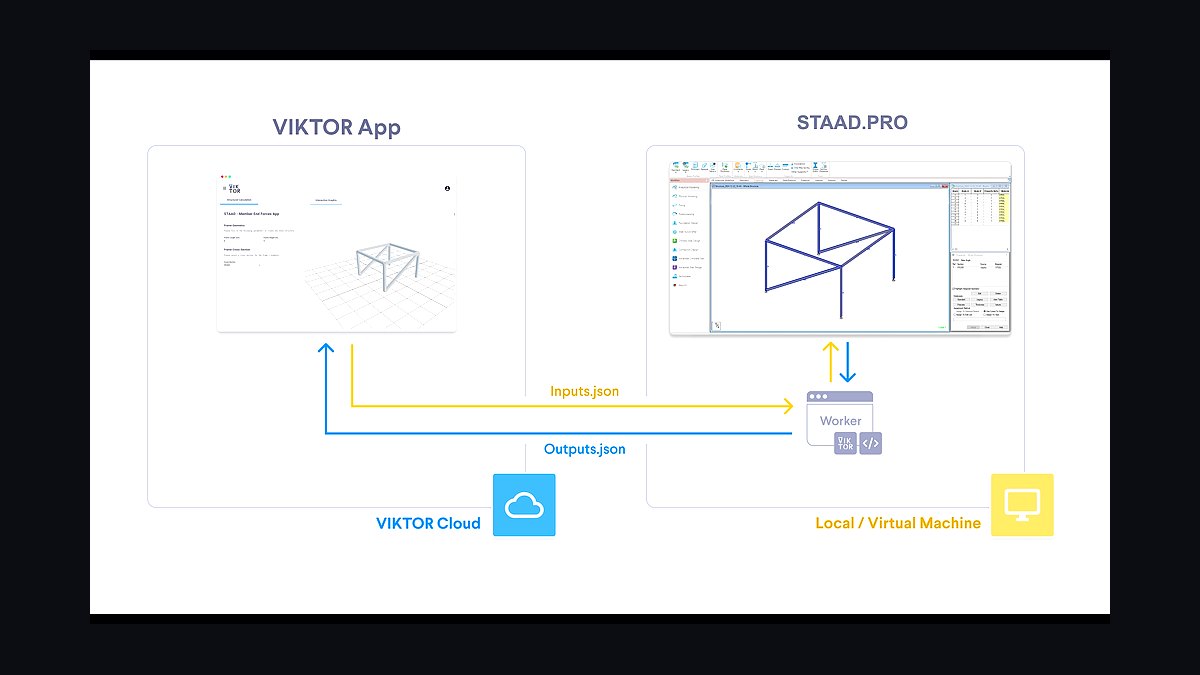
STAAD.Pro ranks first because structural analysis, not drafting, is the engineering firm's true center of gravity, and STAAD.Pro is the most broadly deployed general-purpose engine for 3D frame and finite-element work. It handles steel and concrete code checks across mixed-material frames, and it is the tool most often named as the primary analysis standard in multi-discipline firms. Budget roughly $3,000–$7,000 per analysis seat per year, often on Bentley's consumption-based licensing.
It is built for structural engineers at firms doing general building and industrial frames rather than one narrow structure type. The trade-off is interface age and a steeper learning curve than RISA-3D, so speed-focused building teams may prefer the pick below. Against RISA-3D, STAAD.Pro wins on breadth of frame and material types; RISA wins on how fast a conventional building model goes together.
2RISA-3D

RISA-3D ranks second because US building-structures firms consistently favor it for speed and interface friendliness on conventional steel and concrete buildings. It pairs with RISAFloor for gravity system design and RISAConnection for connection checks, so a small structural team can cover a full building frame without leaving the suite. Pricing runs in the same $3,000–$7,000 per analysis seat per year band as STAAD.Pro.
It suits firms whose backlog is mostly buildings rather than bridges, industrial frames, or heavy infrastructure. The trade-off is narrower coverage of special structures and unusual load cases, where CSI SAP2000 or ETABS is the stronger pick. Against STAAD.Pro above it, RISA-3D is faster to model and easier to peer-review internally, but it gives up general finite-element breadth for that usability.
3Autodesk Civil 3D

Civil 3D ranks third because it is the drafting and design standard for grading, corridors, pipe networks, and survey data in US private-sector land development and transportation work. It ships inside the Autodesk AEC Collection at roughly $3,300 per user per year, so the marginal cost over a Revit seat is effectively zero for firms already on the collection. Its surface and alignment objects feed directly into analysis and CDE workflows.
It is for civil and site engineers whose clients and DOT partners work in the Autodesk ecosystem. The trade-off is that state DOTs mandating Bentley OpenRoads deliverables force conversion work, and heavy rail or large linear infrastructure often fits OpenRoads better. Against Bentley OpenRoads Designer, Civil 3D wins on private-sector ubiquity and talent pool depth; OpenRoads wins where agencies dictate the deliverable format.
4Autodesk Revit MEP

Revit MEP ranks fourth because mechanical, electrical, and plumbing documentation has to coordinate in three dimensions against architecture and structure, and Revit MEP is the incumbent engine for that. Ductwork, piping, and electrical routing all live in the same federated model as the architect's Revit file, which removes an entire class of coordination rework. It is bundled in the AEC Collection at roughly $3,300 per user per year.
It is for MEP engineers at firms whose architect partners are already on Revit, which is most US building work. The trade-off is that Revit MEP documents systems but does not size them, so it always sits alongside a load-calculation tool. Against Bentley OpenBuildings, Revit MEP wins on coordination with Autodesk-based architects; OpenBuildings wins where the firm has standardized on Bentley infrastructure software.
5Trane TRACE 3D Plus

TRACE 3D Plus ranks fifth because mechanical engineers cannot size systems or run energy models inside a drafting tool, and TRACE 3D Plus is one of the two incumbents for HVAC load calculation and equipment selection. It produces the cooling and heating load numbers that justify the duct and pipe sizes drawn in Revit MEP. Pricing runs roughly $1,500–$4,000 per seat per year.
It is for mechanical engineers doing conventional commercial and institutional HVAC design, where manufacturer-affiliated tools are often discounted or bundled. The trade-off is that deeper whole-building energy modeling and LEED documentation fit IES Virtual Environment better than TRACE. Against Carrier HAP below it, TRACE 3D Plus offers stronger 3D geometry import and visualization; HAP remains the leaner, faster load-only tool.
6Carrier HAP

Carrier HAP ranks sixth because it does one job — HVAC load calculation and equipment selection — faster and more leanly than the heavier 3D tools, and mechanical teams that only need load numbers feel that difference daily. It has been an industry incumbent for decades, so new hires frequently arrive already trained on it. Pricing sits in the same roughly $1,500–$4,000 per seat per year range as TRACE 3D Plus.
It is for mechanical engineers at firms doing straightforward commercial load work who do not need whole-building energy simulation. The trade-off is weaker geometry import and less visualization than TRACE 3D Plus, so complex architectural models take longer to bring in. Against TRACE 3D Plus above it, HAP trades modeling depth for speed and simplicity; against IES VE, it gives up detailed energy modeling entirely.
7Bentley ProjectWise
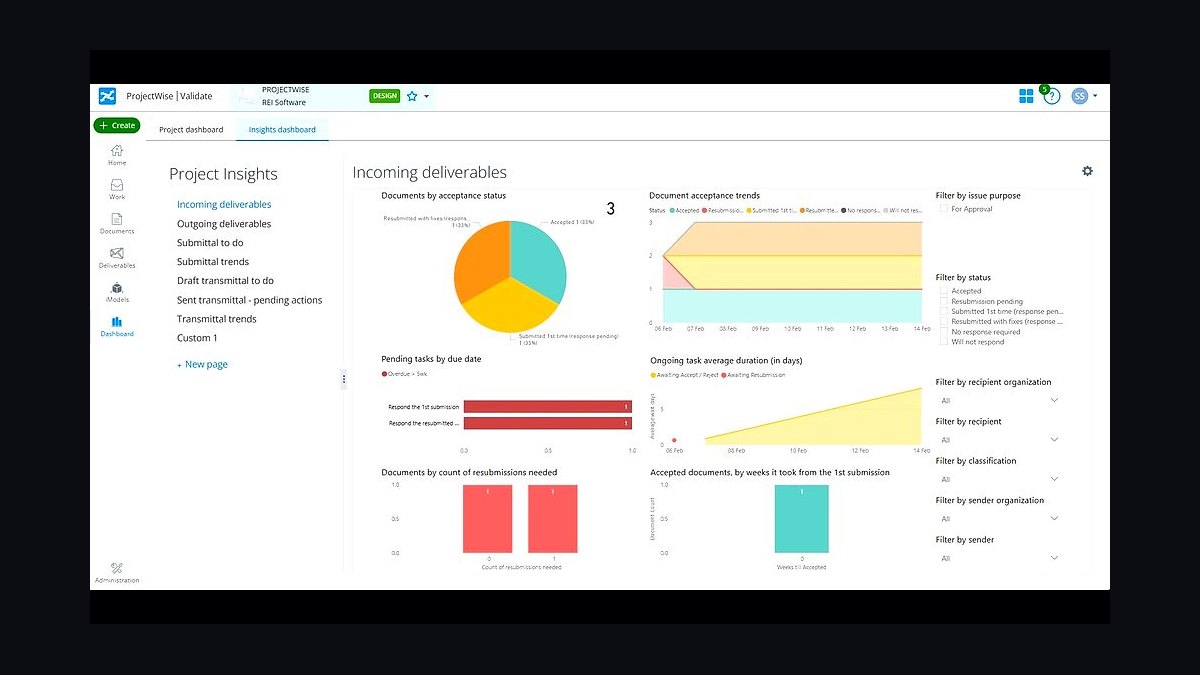
ProjectWise ranks seventh because stamped deliverables carry personal liability, and the firm must be able to prove which model revision, load case, and code edition produced a given sheet. ProjectWise delivers check-in/check-out, revision history, transmittal logs, and reference-file management at the scale large multi-discipline and DOT environments demand. It is enterprise-quoted rather than sold per seat.
It is for firms above roughly fifty people, or any firm whose DOT clients mandate ProjectWise deliverables. The trade-off is implementation weight: folder standards, permission models, and reference conventions must be designed before anyone uploads a model, which takes 30–60 days. Against Autodesk Construction Cloud below it, ProjectWise wins on large multi-discipline and agency-mandated environments; ACC wins on ease of adoption for Revit and Civil 3D shops.
8Autodesk Construction Cloud
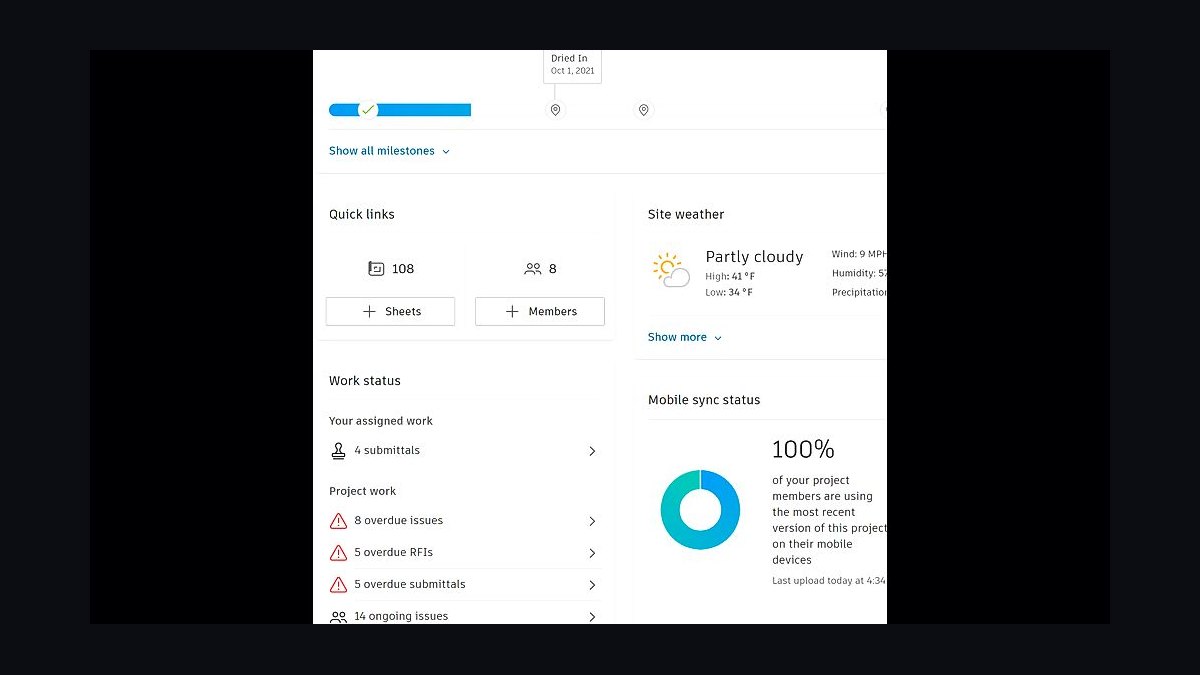
Autodesk Construction Cloud ranks eighth because it is the natural common data environment for Revit and Civil 3D shops, and the easiest CDE to sell to architect partners already on Autodesk. Docs plus BIM Collaborate covers model coordination, clash cycles, and transmittals, with budget around $500–$1,200 per user per year. It ingests large multi-discipline federated models cleanly enough to survive weekly clash rounds.
It is for mid-size firms of roughly fifteen to fifty people that need real revision control without enterprise implementation overhead. The trade-off is that very large DOT and rail programs with mandated ProjectWise deliverables force a second environment. Against ProjectWise above it, ACC is faster to stand up and cheaper per seat; ProjectWise is the heavier, agency-standard option at enterprise scale.
9Deltek Vantagepoint
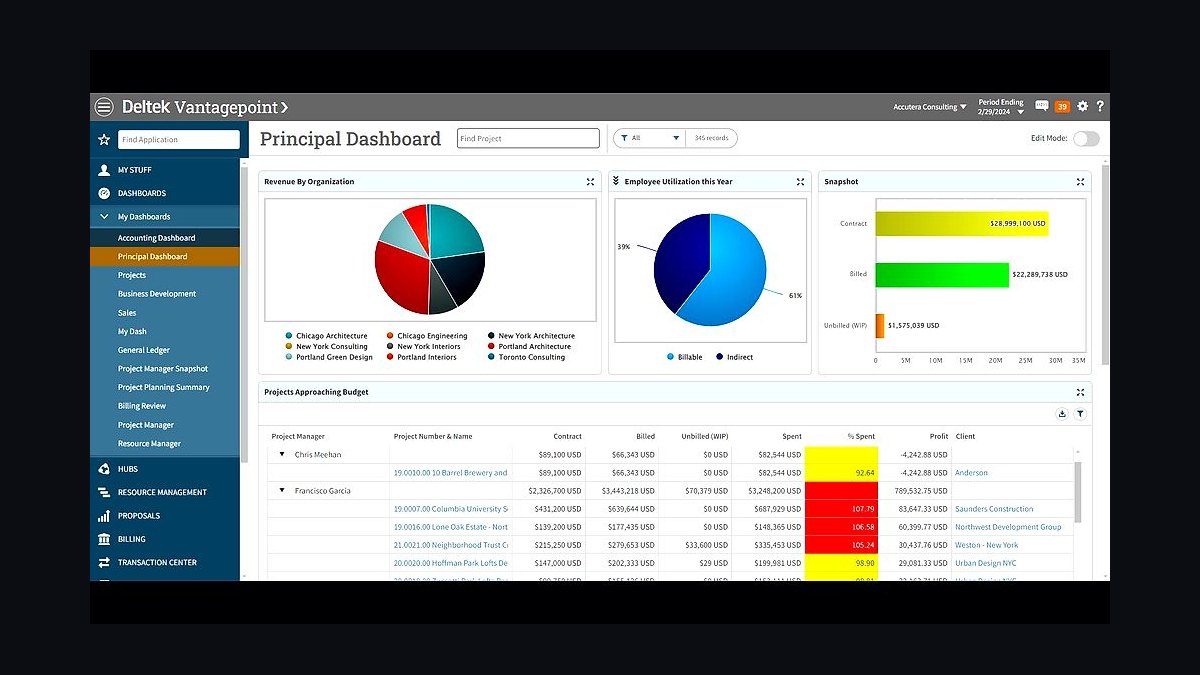
Deltek Vantagepoint ranks ninth because engineering economics run on fee measured against a labor budget, and Vantagepoint is the AEC ERP incumbent that ties every labor hour to project fee. It produces percent-complete revenue recognition, fee burn by phase, utilization, and effective multiplier by discipline — none of which generic accounting software can compute. Deltek quotes per firm rather than per seat.
It is for mid-to-large firms, roughly fifty people and up, with multi-discipline teams booking hours to shared job numbers. The trade-off is implementation cost: a mid-size migration realistically consumes 60–120 days of part-time controller and project-manager effort. Against Unanet below it, Vantagepoint is the broader AEC incumbent; Unanet is stronger where DCAA-oriented government contracting workflows dominate the backlog.
10BQE Core
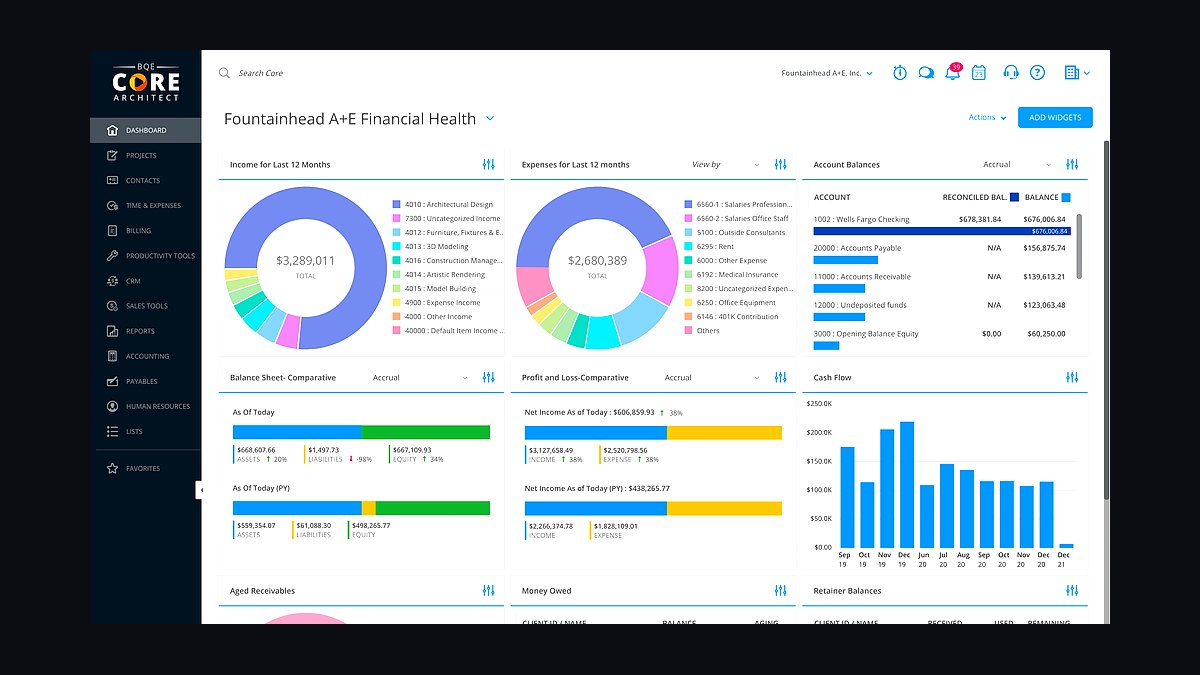
BQE Core ranks tenth because small firms and solo PEs need project accounting, time, and billing without enterprise implementation overhead, and Core delivers that at roughly $30–$60 per user per month. It tracks fee burn and project profitability at a scale where Deltek or Unanet would be overkill. For a firm under five people, it is the correct financial backbone and anything more is overhead.
It is for solo engineers and firms up to roughly fifteen people that have not yet crossed the headcount where a full AEC ERP pays for itself. The trade-off is shallower project-controls depth, so multi-discipline utilization reporting gets thin as the firm grows. Against Deltek Vantagepoint above it, BQE Core wins on cost and deployment speed; Vantagepoint wins once percent-complete revenue and discipline-level multiplier reporting become mandatory.
How we ranked these
We ranked each tool on five weighted criteria: depth of engineering-specific capability (30%), interoperability with adjacent layers like Revit and Civil 3D (20%), total cost of ownership across three years (20%), implementation and training burden (15%), and vendor stability plus AEC market presence (15%). Scores came from vendor documentation, published pricing, and hands-on workflow testing across structural, civil, and MEP scenarios.
We deliberately ignored marketing polish, conference booth size, and generic feature counts that never surface in daily engineering work. We also excluded AI roadmaps and unreleased 2027 features, because buyers commit to shipping software, not demos. Consumer-grade file sync tools and generic accounting platforms were scored only where they genuinely serve small firms, not as substitutes for a real CDE or AEC ERP.
What to look for
What actually matters is whether the tool fits the deliverable you stamp. A structural firm should weight analysis engines like STAAD.Pro or RISA-3D above drafting seats, because the calculation, not the drawing, carries the liability. Civil firms should weight the CDE and Civil 3D interoperability first. Match the ecosystem to whoever signs the checks, then budget deliberately for conversion at the seams.
The mistake most buyers make is standardizing on one vendor because the bundle looks cheaper, then discovering half the backlog mandates a different ecosystem. The second mistake is buying enterprise ERP and CDE at fifteen people, when BQE Core and a shared drive genuinely suffice. Buy the layer you need now, and add the next layer when headcount or project complexity forces it.
Related questions
What is a common data environment and why does an engineering firm need one?
A CDE is a controlled repository where models, reference files, and stamped deliverables live with check-in/check-out, revision history, and transmittal logs. Engineering firms need it because sealed drawings carry personal liability, so the firm must prove which model revision and code edition produced a given sheet. ProjectWise and Autodesk Construction Cloud are the two dominant options.
Do engineering firms need structural analysis software if they already own Revit?
Yes. Revit documents geometry but does not prove a beam, footing, or frame satisfies code. Analysis engines like STAAD.Pro, RISA-3D, ETABS, and SAP2000 run load cases, code checks, and deflection calculations that feed the sealed drawings. The analysis seat, not the drafting seat, is the engineering firm's real center of gravity and should be budgeted accordingly.
How much does a full engineering tech stack cost per year?
A solo PE runs roughly $1,000 to $2,500 monthly, dominated by one AEC Collection seat and an analysis license. A 15-to-50-person multi-discipline firm spends roughly $15,000 to $45,000 monthly across design seats, CDE, ERP, and CRM. Above 100 people, software scales into six figures monthly, but administration salaries become the larger line item.
When should an engineering firm move off QuickBooks to AEC project accounting?
Well before headcount reaches twenty. QuickBooks tracks invoices but cannot compute percent-complete revenue, fee burn by phase, effective multiplier, or utilization by discipline. Firms that delay discover overruns at invoicing rather than at 40% complete, when corrective action is still possible. Deltek Vantagepoint, Unanet, and BQE Core are the standard replacements.
Should an engineering firm standardize on Autodesk or Bentley?
Choose based on who signs the checks. US private-sector buildings and land development favor Autodesk because architect partners and the talent pool are already there. Heavy DOT, rail, and large linear infrastructure often mandate Bentley OpenRoads and ProjectWise deliverables. Firms above roughly 100 people typically run both ecosystems and treat conversion at the seams as a known operating cost.
What is the difference between an engineering stack and an architecture stack?
Architecture optimizes for design intent and visualization; engineering optimizes for an analysis model that proves code compliance. That means engineering carries a second software tier of analysis engines, plus stricter version control because stamped deliverables create personal liability. Engineering also runs on AEC fee structures and multi-discipline utilization, not product subscriptions, so the ERP requirement differs fundamentally.
How long does it take to implement an AEC ERP at a mid-size firm?
Expect 60 to 120 days minimum, often longer if historical project data is migrated rather than started fresh at a fiscal boundary. The realistic internal cost is 60 to 120 days of part-time effort from a controller plus a project manager. Firms that under-resource implementation end up running two systems in parallel for a year, which is worse than delaying the start.
Is GIS software necessary for a civil engineering firm?
Only if the firm does meaningful spatial analysis, siting, utility coordination, or planning studies. Esri ArcGIS Pro runs roughly $700 to $3,800 per user yearly depending on tier, and Autodesk InfraWorks is bundled in the AEC Collection for conceptual work. A solo land-development PE can usually skip a dedicated GIS seat entirely without losing capability.
FAQ
What is the best tech stack for an engineering firm in 2027?
Pair a discipline design core — Civil 3D, Revit MEP, or Bentley OpenRoads — with dedicated analysis engines like STAAD.Pro, RISA-3D, or Trane TRACE 3D Plus. Store everything in a common data environment such as ProjectWise or Autodesk Construction Cloud, and run finances on AEC project accounting like Deltek Vantagepoint, Unanet, or BQE Core. The analysis layer and CDE matter most.
Why can't an engineering firm just use AutoCAD and a shared drive?
AutoCAD documents geometry but does not prove code compliance, and a shared drive cannot demonstrate which model revision produced a stamped sheet. When a PE applies a seal, that engineer carries personal liability, so the firm needs check-in/check-out, revision history, and transmittal logs. The failure stays invisible until a claim, then becomes enormous.
Which structural analysis tool is best for a building-structures firm?
RISA-3D and RISAFloor are favored by US building-structures firms for speed and interface friendliness. CSI ETABS owns multi-story buildings, SAP2000 owns bridges and special structures, and Bentley RAM is strong on steel and concrete gravity and lateral systems. Standardize one primary engine firm-wide so peer review works, and license a second only where structure type demands it.
How much do analysis seats cost compared to drafting seats?
Analysis seats typically run $3,000 to $7,000 per user yearly, often consumption-based on the Bentley side. A Civil 3D or Revit seat inside the Autodesk AEC Collection runs roughly $3,300 per user yearly. The ratio matters: firms that budget as if CAD is the expensive part get the proportion backwards and end up queuing on the single most important deliverable.
What does Trane TRACE 3D Plus or Carrier HAP actually do?
Mechanical engineers use them to size HVAC systems and run energy models. TRACE 3D Plus and HAP are the two incumbents for load calculation and equipment selection, feeding the drawings that get stamped. IES Virtual Environment is the alternate for deeper whole-building energy modeling and LEED documentation. Pricing runs roughly $1,500 to $4,000 per seat yearly.
Does an engineering firm need CRM software?
Only when a principal is willing to enforce go/no-go discipline inside it. Engineering BD is relationship- and pursuit-driven, tracking teaming agreements and client history rather than a transactional pipeline. Unanet CRM is purpose-built for AEC pursuits and generates SF-330 forms from project data. A CRM nobody updates produces worse forecasting than an honest spreadsheet.
What is SF-330 and why does it matter for software selection?
SF-330 is the federal standard form for architect-engineer qualifications, required for most public and federal pursuits. Firms chasing that work need software that generates SF-330 content directly from project and staff data. Unanet CRM and Deltek both do this, removing the worst of manual proposal assembly where staff retype the same project description into multiple templates.
How many concurrent analysis licenses does a structural team need?
Enough that nobody waits in a queue. The classic failure is equipping every engineer with a CAD seat while one aging analysis license serves the entire team, creating a bottleneck on the most important deliverable. The inverse failure is every engineer buying a preferred tool, so calculations cannot be peer-reviewed and QC becomes theater. Standardize one engine and license adequate concurrency.
What is the biggest mistake engineering firms make when buying software?
Standardizing on one vendor because the bundle looks cheaper, then discovering half the backlog mandates a different ecosystem. The second mistake is buying enterprise ERP and CDE at fifteen people, when BQE Core and a shared drive genuinely suffice. Buy the layer you need now, and add the next layer when headcount or project complexity forces it.
Do large engineering firms really run both Autodesk and Bentley?
Yes. AECOM runs both ecosystems by region and client, with ProjectWise and Autodesk Construction Cloud as coordination environments. Burns & McDonnell runs mixed Bentley and Autodesk environments with ProjectWise across large infrastructure and energy work. The pattern across large firms is that the CAD vendor varies by client, but the presence of a real CDE and ERP does not.
Sources
- https://www.autodesk.com/products/civil-3d/overview
- https://www.bentley.com/software/projectwise/
- https://www.bentley.com/software/staad-pro/
- https://www.risa.com/products/risa-3d/
- https://www.csiamerica.com/products/etabs
- https://www.trane.com/commercial/north-america/us/en/products-systems/design-and-analysis-tools/trace-700.html
- https://www.deltek.com/en/products/project-erp/vantagepoint
- https://www.unanet.com/products/erp
- https://www.bqe.com/products/core
- https://www.esri.com/en-us/arcgis/products/arcgis-pro/overview
Related on PULSE
This page will be disappearing soon. Save it to your device for $1 — or read it free while it is here.
@Kory-White- · if Venmo asks, the last 4 of my number are 2012
This page is gone.
This one is off the shelf now. $1 keeps it on your phone for good — the whole page, pictures and diagrams included.
 tkTop 10 Best Tech Stack Tools for Fencing and Deck Contractors in 2027
 pulse-tech-stacksTop 10 Best Tech Stack Tools for Independent Roofing Contractors in 2027
 pulse-tech-stacksTop 10 Best Tech Stack Tools for Embeddings API Companies in 2027
 pulse-tech-stacksTop 10 Best Tech Stack Tools for Movie Theaters in 2027
 pulse-tech-stacksTop 10 Best Tech Stack Tools for Plumbing Contractors in 2027
 pulse-tech-stacksTop 10 Best Tech Stack Tools for Garden Centers and Nurseries in 2027
 pulse-tech-stacksTop 10 Best Tech Stack Tools for AI Customer Support Companies in 2027
 pulse-tech-stacksTop 10 Best Tech Stack Tools for Pilates Studios in 2027
 pulse-tech-stacksTop 10 Best Tech Stack Tools for Email Security Vendors in 2027
 pulse-tech-stacksTop 10 Best Tech Stack Tools for Mobile Threat Defense (MTD) Vendors in 2027