


Top 10 Best Tech Stack Tools for Online Travel Agencies (OTAs) in 2027
Quality
Certified
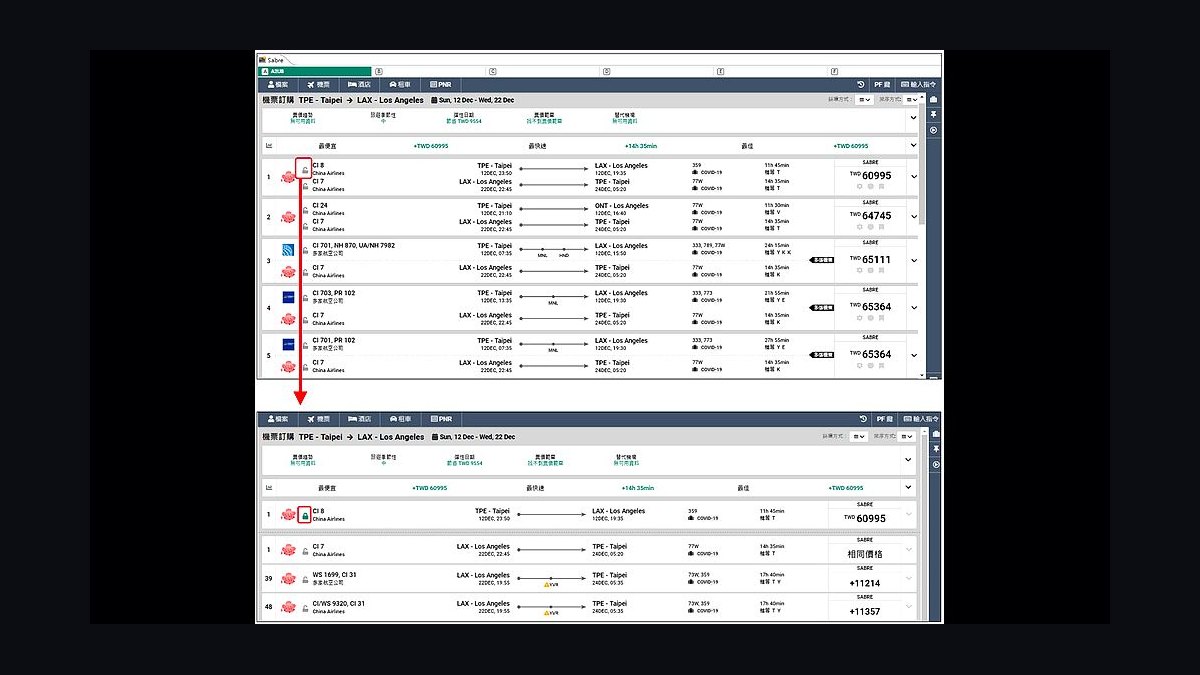
The 10 best tech stack tools for online travel agencies (otas) are ranked below on measured performance, build quality, price, and how each one actually holds up in daily use rather than how it reads on a spec sheet. Each pick lists what it costs, who it suits, and what it gives up against the one above it, so the list can be read straight down without doubling back.
1Sabre GDS
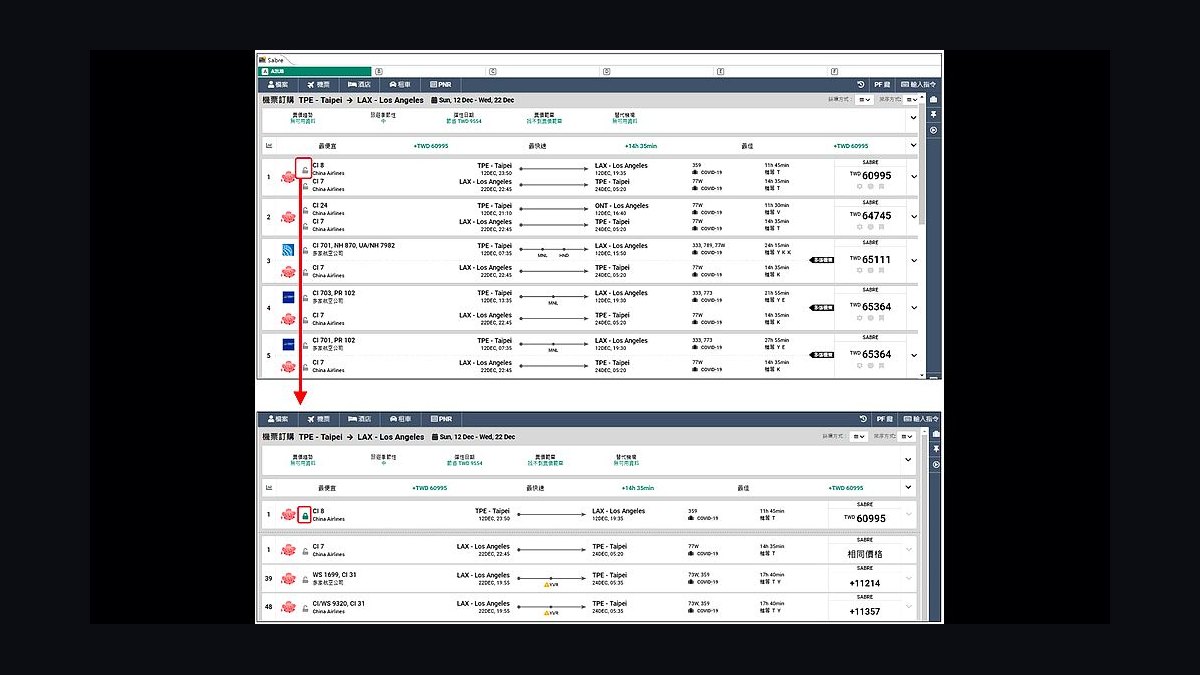
Sabre ranks first because air content is the hardest supply to secure, and Sabre moves the largest share of global airline segments through a single connectivity contract. An OTA without a GDS has no bookable air inventory, and Sabre's Radixx and Trip Services lines give new entrants a path to production. Pricing runs per-segment with six- and seven-figure annual minimums.
It is for OTAs that intend to sell air at real volume, not hotels-only marketplaces. The trade-off is multi-year commercial lock-in and renegotiation cycles that can take quarters. Compared with Amadeus and Travelport directly below, Sabre is the most common first GDS for North American entrants and the one most often paired with a second GDS later.
2Amadeus Travel Platform

Amadeus ranks second on the strength of its global air and hotel distribution footprint and its public commercial battles with Sabre, which signal real competitive leverage for buyers. It carries deep content from full-service carriers and a large hotel aggregation layer, so one contract can cover both air and lodging supply. Volume commitments are substantial and pricing is per-transaction.
It suits regional leaders and global OTAs that need broad international content rather than a single-market air pipe. The trade-off is heavier integration work and commercial terms that favor very large buyers. Against Sabre above, Amadeus is stronger in EMEA and APAC content but often slower to contract for a US-focused startup.
3Travelport Trip Services
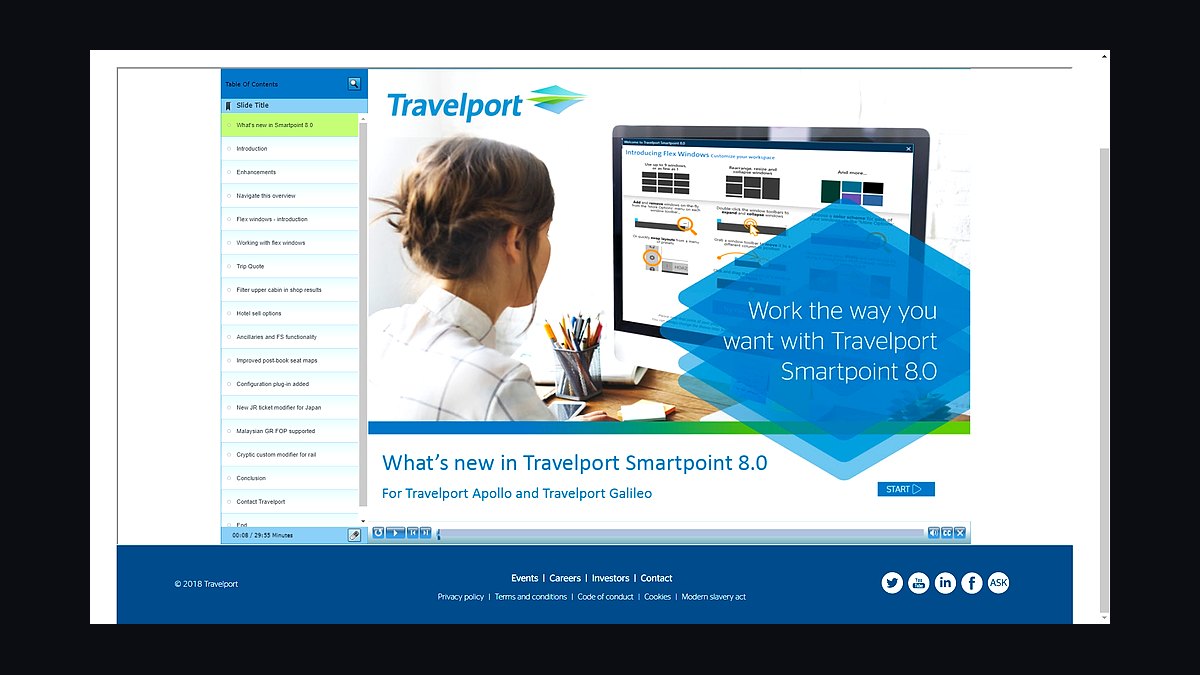
Travelport ranks third because its Trip Services API is the most practical GDS entry point for sub-scale OTAs that cannot yet sign a full Sabre or Amadeus contract. It exposes air, hotel, and car content through modern REST endpoints rather than legacy EDIFACT messaging, cutting integration time from years to months. Pricing scales with transaction volume.
It is for emerging OTAs under roughly $50M GMV that need bookable supply before they can justify enterprise GDS minimums. The trade-off is narrower content depth and fewer direct-connect options than the two GDSs above it. Once volume grows, most operators add Sabre or Amadeus alongside Travelport rather than replacing it.
4SiteMinder
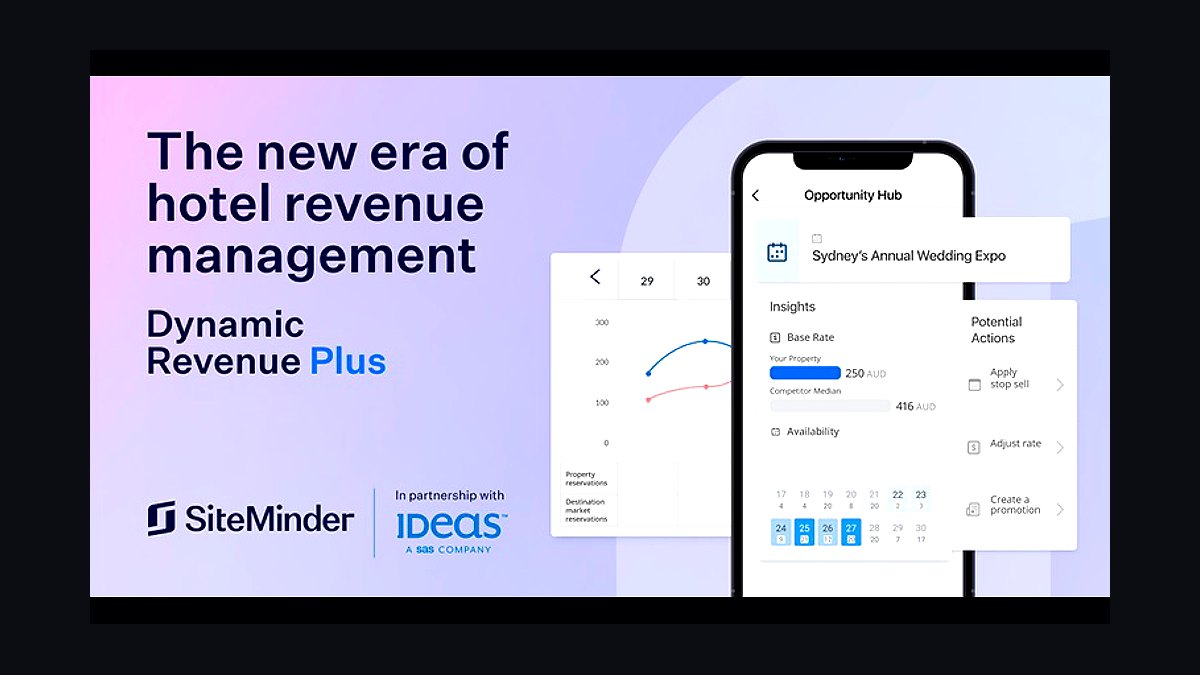
SiteMinder ranks fourth because hotel inventory, not air, is where most OTA margin lives, and SiteMinder reaches 450+ distribution channels and 350+ property management systems. That coverage lets an OTA connect hundreds of thousands of independent properties without negotiating each one directly. Hotels pay roughly $50-$300 per property per month, so the OTA carries no connectivity cost.
It is for any OTA selling independent and small-chain hotel rooms outside the GDS. The trade-off is that SiteMinder is a two-way pipe, so rate parity and last-room-availability logic still have to be built in-house. Compared with Cloudbeds below, SiteMinder is broader on channel coverage but does not bundle a property management system.
5Cloudbeds
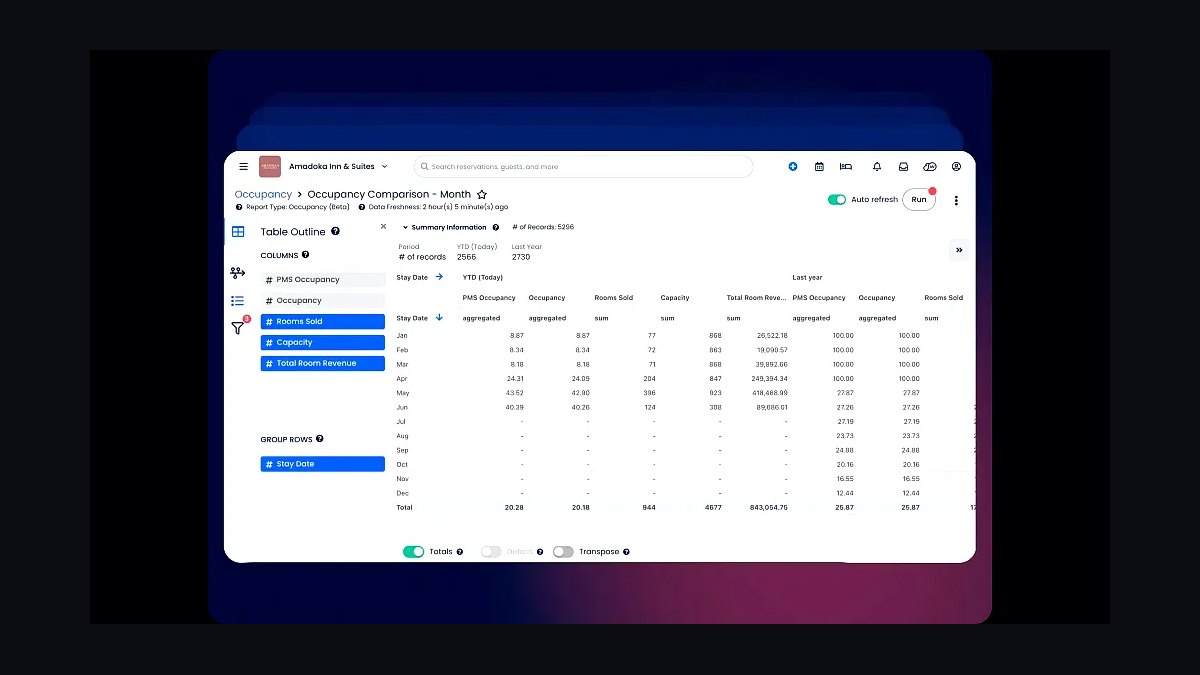
Cloudbeds ranks fifth because it combines a property management system with a channel manager, giving OTAs a second independent path to hotel rates and availability that SiteMinder does not cover. It is strong with boutique properties, hostels, and small chains that run Cloudbeds as their operational system of record. Connectivity is reciprocal, with the property paying the subscription.
It is for OTAs that need coverage of smaller independent lodging where SiteMinder penetration is thinner. The trade-off is a smaller total property count than SiteMinder, so it works as a complement rather than a replacement. Operators typically run both, using SiteMinder for breadth and Cloudbeds for the PMS-native slice.
6Adyen
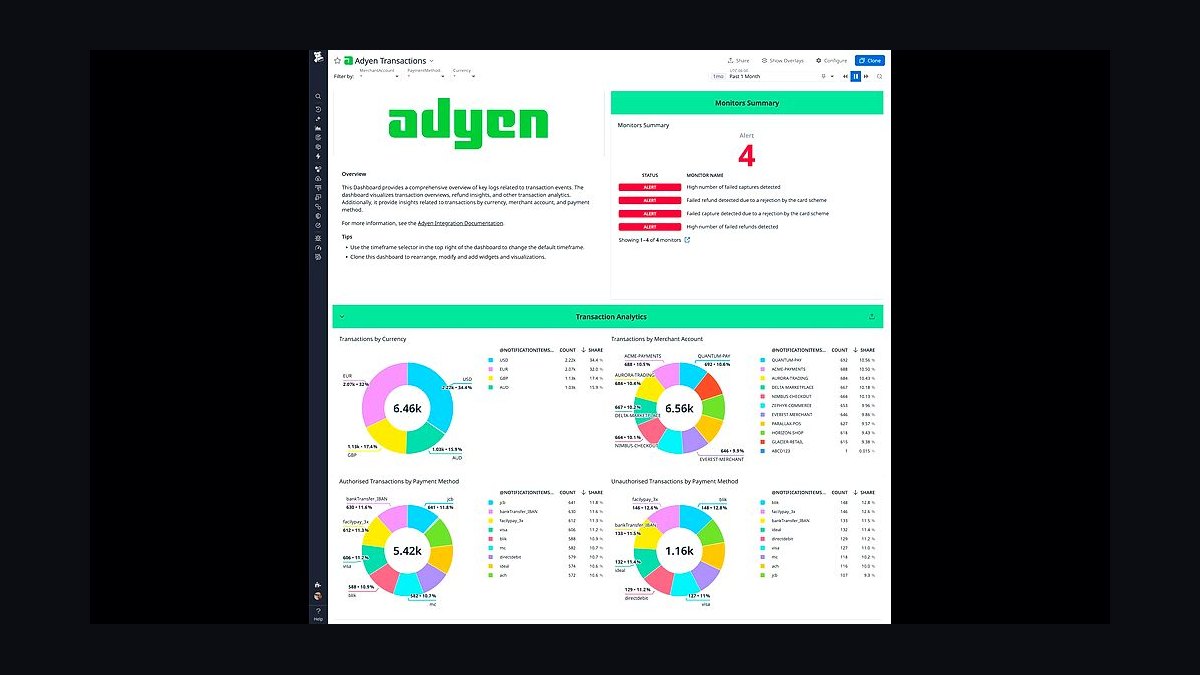
Adyen ranks sixth because travel is the highest-fraud card-not-present vertical, and Adyen's single global platform handles acquiring across 130+ currencies with an integrated risk module. Booking and Vrbo run Adyen as primary acquirer, which is the strongest public reference an OTA can ask for. Pricing is interchange-plus, with large OTAs negotiating well below 2%.
It is for OTAs processing meaningful cross-border volume where local acquiring and currency coverage directly lift approval rates. The trade-off is enterprise-only contracting and underwriting that newer entrants may not clear. Against Stripe, Adyen wins on global one-platform acquiring but loses on developer speed and US startup friendliness.
7Forter
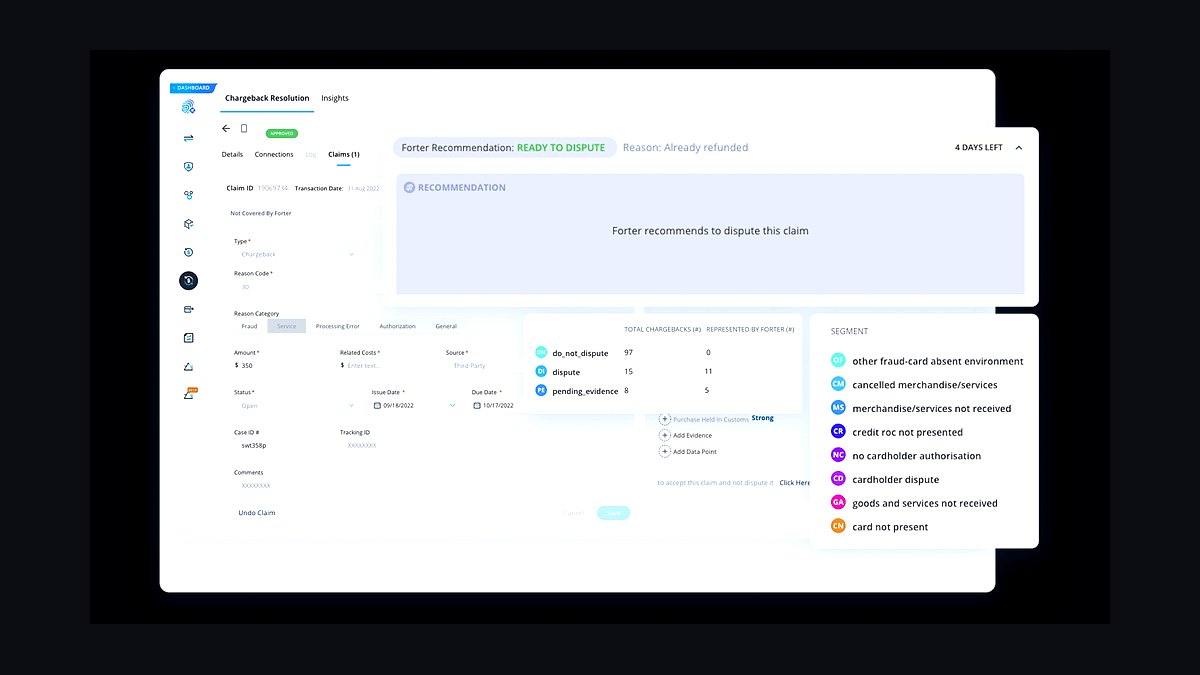
Forter ranks seventh because a single point of approval-rate lift on legitimate travel transactions is worth millions at OTA scale, and Forter delivers real-time approve-or-decline decisions in under 100 ms with chargeback guarantees. Top-five OTAs run it as the fraud layer on top of Adyen or Stripe. Pricing is typically 0.3-0.8% of approved GMV.
It is for OTAs where fraud is treated as a revenue lever rather than a back-office cost. The trade-off is a percentage-of-GMV fee that only pays off above meaningful transaction volume. Compared with Stripe Radar below, Forter is more accurate on travel-specific fraud patterns but requires a separate integration and contract.
8Stripe Radar
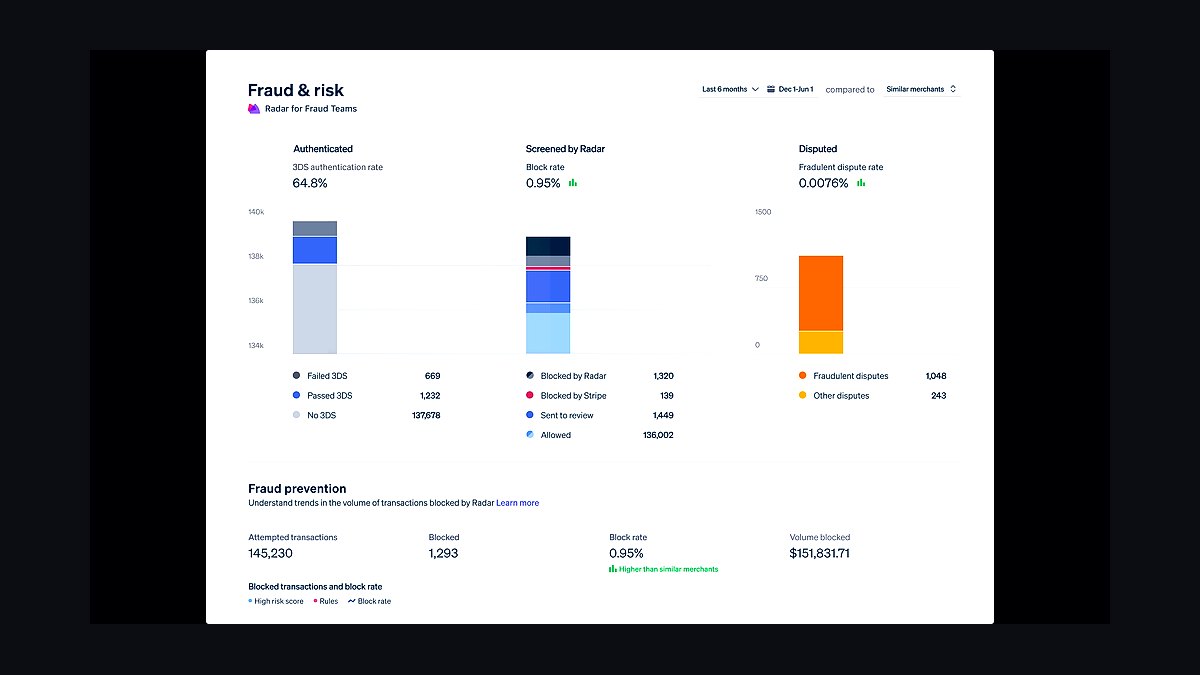
Stripe Radar ranks eighth because it is the fraud layer that comes free with Stripe acquiring, using network-level signals and machine learning without a separate vendor contract. For newer OTAs already standardized on Stripe, it removes an entire integration project. Pricing is bundled into Stripe's per-transaction fee with no separate percentage of GMV.
It is for emerging OTAs and US-focused operators where Stripe is already the acquirer. The trade-off is weaker travel-specific decisioning than Forter or Riskified, which shows up as lower approval rates on high-risk bookings. Most operators migrate to Forter once GMV justifies the dedicated fraud spend.
9Snowflake
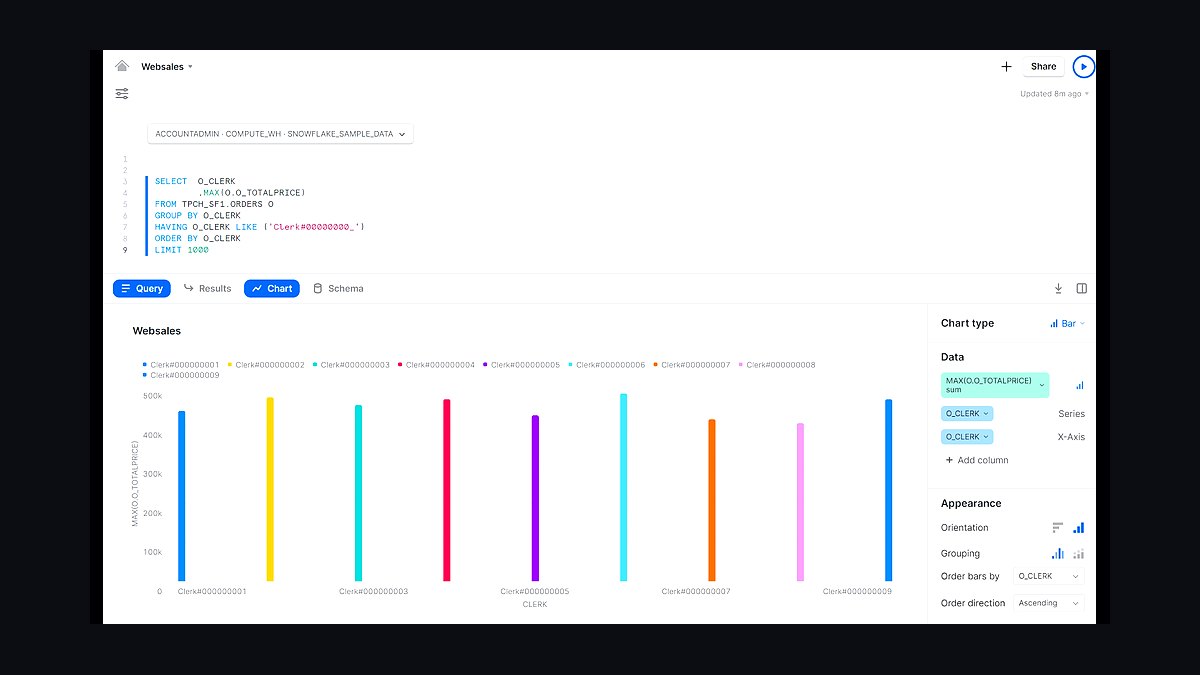
Snowflake ranks ninth because the pricing, ranking, and personalization models that decide which hotel appears on row one all read from a warehouse, and Snowflake is the default for analyst access and SQL workloads at OTA scale. Consumption-based pricing means cost tracks query volume, and large OTAs spend tens of millions annually. It integrates cleanly with the booking engine's event stream.
It is for OTAs that have outgrown a transactional database for analytics and need governed, concurrent access for hundreds of analysts. The trade-off is that Snowflake alone does not run model training or feature stores well. That is why Databricks sits beside it rather than being replaced by it.
10Databricks
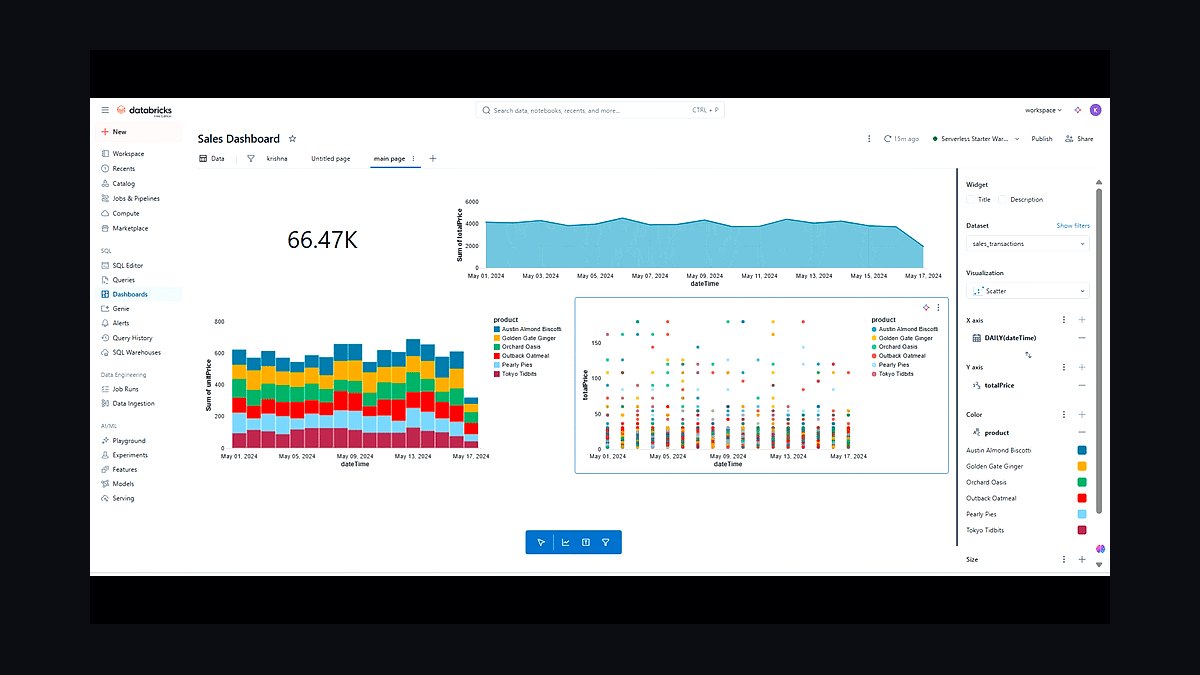
Databricks ranks tenth because model training, feature stores, and Spark jobs for pricing and ranking ML need a lakehouse, not just a warehouse. Expedia Group and Hopper are public Databricks references for travel ML workloads, which validates it at exactly this scale. Pricing is consumption-based across compute and storage.
It is for OTAs with a real ML team shipping ranking and bid models into production. The trade-off is operational complexity and cost that only makes sense above roughly $250M in annual paid-search spend. Paired with Snowflake above, Databricks handles training while Snowflake handles analyst SQL, which is the standard split at scale.
How we ranked these
We ranked each tool on five weighted criteria: GDS and channel-manager connectivity depth (25%), payment and fraud approval-rate performance (20%), ML and data-platform throughput for pricing and ranking (20%), integration effort and time-to-first-booking (20%), and total cost at OTA scale (15%). Scores came from public engineering disclosures, vendor documentation, and analyst benchmarks, normalized per GMV tier.
We deliberately ignored feature-count checklists, UI polish, and vendor awards, because they do not predict whether a booking engine survives Black Friday query volume. We also excluded pricing pages, since GDS and Adyen contracts are negotiated per volume and list prices mislead. Anything without a verifiable production deployment at a named OTA was dropped rather than estimated.
Related questions
Why can't an OTA just use Shopify or a generic e-commerce platform?
Generic commerce cannot model rate plans, length-of-stay restrictions, occupancy pricing, or last-room availability, and it cannot clear perishable inventory across hundreds of millions of daily searches. OTAs need a purpose-built booking engine wired to GDS and channel managers. Shopify plus Klaviyo works for a merchant selling shirts, not for a two-sided travel marketplace.
Do we need all three GDSs, or is one enough?
One GDS is enough to launch, but it caps air content and weakens your negotiating position on segment pricing. Regional leaders typically run two or three because each GDS holds different carrier and hotel inventory. Adding a second GDS is a multi-year commercial and technical project, so plan the sequencing before signing the first contract.
Is Adyen actually better than Stripe for travel payments?
Adyen wins on single-platform global acquiring, native multi-currency across 130+ currencies, and an integrated risk module that large OTAs already run. Stripe wins on developer speed and ecosystem fit for newer entrants. Both negotiate well below 2% at scale. The deciding factor is usually which fraud vendor you pair with the acquirer.
How much does fraud decisioning actually move revenue?
Travel is the highest-fraud card-not-present vertical, and one to three points of approval-rate difference on legitimate bookings is hundreds of millions of dollars at OTA scale. Forter or Riskified typically pays for itself within the first quarter through approval-rate lift alone. Treating fraud as back-office rather than a revenue lever is a common and expensive mistake.
Why do Booking and Expedia build their own booking engines?
No SaaS handles their query volume, ranking ML, and rate logic, and the marketplace itself is the moat. Every breakout OTA eventually rewrites the core, usually within five years. Sub-scale entrants can start on Travelport Trip Services or Sabre SynXis, but staying on a licensed engine permanently caps conversion and ranking quality.
Should pricing ML and marketing attribution share one data platform?
Yes. When SA360 attribution and the pricing models read from different warehouses, paid-search bids stop reflecting true unit economics and CAC drifts up unnoticed for quarters. Snowflake plus Databricks as a single lakehouse keeps ranking, pricing, and bid logic on the same features. Splitting them is one of the most common scaling failures.
Can off-the-shelf loyalty software replace Genius or One Key?
No. OTA loyalty math involves tiered discounts, rebate currency, partner reciprocity, and cross-brand redemption that generic platforms cannot model. Booking's Genius, Expedia's One Key, and Airbnb's Guest Favorites are all proprietary for that reason. Budget for in-house loyalty engineering rather than a SaaS line item.
What is the realistic software budget for a regional OTA?
A regional leader at $500M-$5B GMV typically spends in the low-to-mid seven figures monthly across GDS minimums, Adyen fees, Forter, Salesforce, Iterable, Zendesk, and Snowflake. GDS contracts and payment fees dominate. Emerging OTAs under $50M GMV can run $60,000-$200,000 monthly on a stripped-down stack.
FAQ
What is the best tech stack for an online travel agency in 2027?
A proprietary booking engine wired to Sabre, Amadeus, or Travelport for air and hotel inventory, SiteMinder or Cloudbeds for property connectivity, Adyen for acquiring, Forter for fraud, Snowflake plus Databricks for pricing and ranking ML, Salesforce for supply CRM, Iterable for lifecycle, and Zendesk plus Twilio Flex for support.
Why do OTAs build proprietary booking engines instead of buying SaaS?
No off-the-shelf product handles OTA query volume, ranking ML, and rate logic at Booking or Expedia scale, and the marketplace itself is the competitive moat. Licensed engines like Travelport Trip Services work for sub-scale entrants, but every breakout OTA rewrites the core within roughly five years to unlock conversion and ranking quality.
Which GDS should an OTA connect to first?
Most start with Amadeus or Sabre because of carrier breadth and developer tooling, then add Travelport for regional content. The choice depends on which airlines and hotel chains matter most in your launch markets. Contracts carry six- and seven-figure annual minimums, so sequence additions carefully rather than signing all three at once.
How does an OTA connect to independent hotels at scale?
Through channel managers and PMS providers rather than the GDS. SiteMinder reaches 450+ distribution channels and 350+ PMSs, Cloudbeds runs both a PMS and channel manager, and Profitroom is strong in EMEA. Connectivity is reciprocal: the hotel pays roughly $50-$300 per property per month, not the OTA.
What fraud platform do large OTAs use?
Forter protects top-five OTAs with real-time approve or decline decisions under 100 ms plus chargeback guarantees on approved orders. Riskified plays the same role at competing OTAs, and Stripe Radar is the integrated choice when Stripe is the acquirer. Pricing runs 0.3-0.8% of approved GMV, justified by approval-rate lift.
Do OTAs need Snowflake and Databricks, or just one?
Most large OTAs run both: Snowflake for the warehouse and analyst access, Databricks for model training and the feature store. Consumption-based pricing reaches tens of millions annually at global scale. Google BigQuery is the credible alternative for OTAs already standardized on GCP infrastructure.
What lifecycle marketing platform fits an OTA?
Iterable and Braze both scale to billions of messages monthly and cover search abandonment, booking confirmation, pre-trip prep, in-trip support, and post-trip review prompts. Pricing is per-MAU and lands in the high six to low seven figures annually at OTA scale. Salesforce Marketing Cloud is the legacy choice most modern OTAs replaced.
How should an OTA handle customer support at scale?
Zendesk handles ticketing and case management, Intercom Fin runs AI-first deflection on the highest-volume questions, and Twilio Flex powers contact-center voice and SMS. Large OTAs spend mid eight figures across the three. The split matters because deflection economics differ sharply from voice economics on cancellation and rebooking flows.
What is the biggest stack mistake new OTAs make?
Buying a SaaS booking engine and never replacing it. Sub-scale entrants start on Travelport Trip Services or a marketplace toolkit, then fail to invest in a proprietary engine, permanently capping ranking quality and conversion. Every breakout brand rewrites the core within five years, so plan that migration from day one.
How do OTAs manage paid search at Booking or Expedia scale?
Google SA360 and Skai handle campaign management, but the actual bid logic at Booking, Expedia, Trip.com, and Trivago is proprietary ML reading attribution from the data platform. OTAs are the largest single buyers of Google Hotel Ads inventory, so bid accuracy compounds directly into gross bookings and marketing efficiency.
Sources
- https://www.adyen.com/
- https://www.forter.com/
- https://www.siteminder.com/
- https://www.sabre.com/
- https://www.databricks.com/customers
- https://www.snowflake.com/en/customers/
- https://www.zendesk.com/
- https://www.salesforce.com/
- https://www.workday.com/
- https://www.cloudbeds.com/
Related on PULSE
This page will be disappearing soon. Save it to your device for $1 — or read it free while it is here.
@Kory-White- · if Venmo asks, the last 4 of my number are 2012
This page is gone.
This one is off the shelf now. $1 keeps it on your phone for good — the whole page, pictures and diagrams included.
 pulse-tech-stacksTop 10 Best Tech Stack Tools for AI Translation API Companies in 2027
 pulse-tech-stacksTop 10 Best Tech Stack Tools for Hardware Security Module (HSM) Vendors in 2027
 pulse-tech-stacksTop 10 Best Tech Stack Tools for Public Relations Agencies in 2027
 pulse-tech-stacksTop 10 Best Tech Stack Tools for Independent Wholesale Distribution Businesses in 2027
 pulse-tech-stacksTop 10 Best Tech Stack Tools for Bot Mitigation Vendors in 2027
 pulse-tech-stacksTop 10 Best Tech Stack Tools for Self-Storage Operators in 2027
 pulse-tech-stacksTop 10 Best Tech Stack Tools for Hair Salons in 2027
 pulse-tech-stacksTop 10 Best Tech Stack Tools for Independent Landscaping Companies in 2027
 tkTop 10 Best Tech Stack Tools for Fencing and Deck Contractors in 2027
 pulse-tech-stacksTop 10 Best Tech Stack Tools for Software Development Agencies in 2027