


Top 10 Best Tech Stack Tools for Golf Courses and Country Clubs in 2027
Quality
Certified

The 10 best tech stack tools for golf courses and country clubs are ranked below on measured performance, build quality, price, and how each one actually holds up in daily use rather than how it reads on a spec sheet. Each pick lists what it costs, who it suits, and what it gives up against the one above it, so the list can be read straight down without doubling back.
1foreUP Golf Management Platform

foreUP ranks first because it is the most widely deployed daily-fee engine, bundling tee sheet, online booking, POS, marketing, and dynamic pricing in one cloud product. It handles high-volume public golf where a 7:40 AM Saturday slot is perishable airline-style inventory, and pricing runs roughly $500-$1,200 monthly by rounds and modules. Integrated payments and marketing remove reconciliation seams.
It is built for public and semi-private daily-fee operators running 10,000-30,000 rounds, not private clubs needing dues and minimums billing. It trades away some retail depth that Lightspeed Golf offers, and its member-account logic is thinner than Jonas. Choose it when tee-sheet yield and marketplace demand matter more than membership billing.
2Lightspeed Golf Chronogolf
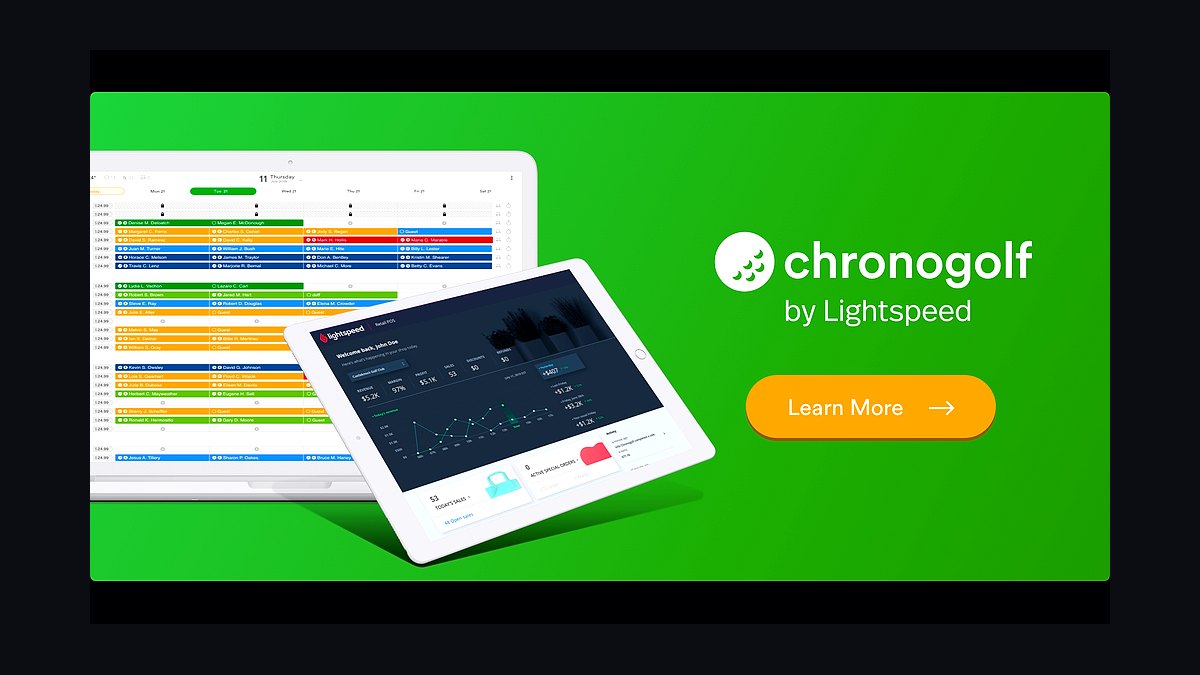
Lightspeed Golf (Chronogolf) ranks second on a cleaner cloud UI, strong retail inventory handling, and solid tee-sheet, booking, and dynamic-pricing tools. It fits operators who sell pro-shop merchandise alongside green fees, and it scales into multi-course portfolios where standardized reporting matters. Pricing sits in the same $500-$1,200 monthly band as foreUP depending on modules.
It suits public courses and resort properties that want polished retail plus golf operations in one system. It trades away foreUP's deeper daily-fee install base and bundled marketing reach, so demand generation leans more on your own channels. Compared with foreUP directly above, it wins on usability and retail, loses on public-course demand tools.
3Jonas Club Software
Jonas Club Software ranks third as the category standard for private clubs, handling membership records, dues and F&B minimums billing, statements, and accounting in one suite. Its 40-year install base reflects genuine depth in club-specific billing logic that generic retail POS cannot model, like a spouse charging to a quarterly minimum. Full-club pricing runs roughly $1,500-$4,000 monthly.
It is built for private country clubs with 300-700 members where revenue is contracted dues and minimums, not daily transactions. It trades away the tee-sheet yield and marketplace distribution tools that public courses need. Compared with foreUP and Lightspeed above, it is membership-first rather than yield-first, and the two engines are genuinely different products.
4GolfNow G1 Marketplace
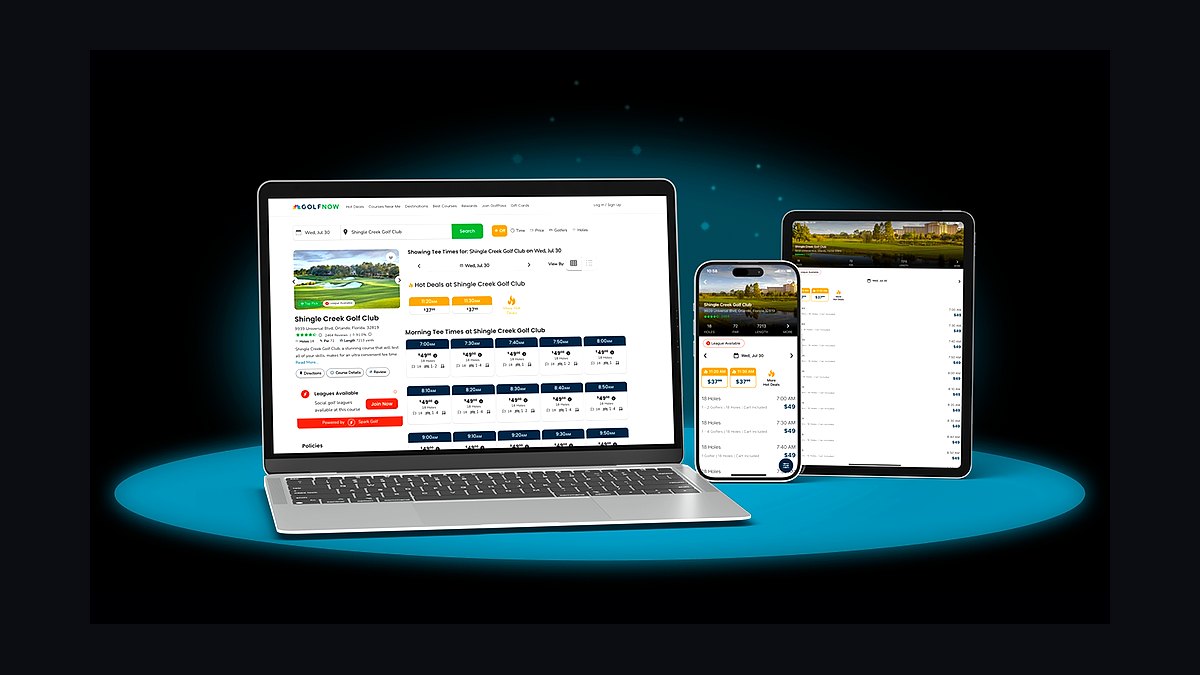
GolfNow/G1 ranks fourth because it aggregates the largest pool of golfer demand and lets courses barter unsold tee times for marketing reach rather than paying cash. G1 also sells a tee sheet from the former EZLinks platform. Cost is barter and commission based, with optional paid-search placements, so the real price is inventory rather than subscription dollars.
It suits public daily-fee courses filling shoulder times they would otherwise lose, not private clubs that guard member access. It trades away margin if over-fed, since bartered prime times can cannibalize full-rate direct bookings. Compared with foreUP directly above, it is a demand channel rather than a system of record, and it should be measured against direct-channel yield.
5ClubEssential Club Management

ClubEssential ranks fifth for combining membership billing with a strong native member portal and app, letting private clubs run dues, minimums, statements, and member self-service in one suite. It competes directly with Jonas on club-specific billing depth while offering a more modern member-facing experience. Pricing scales with club size and modules, typically in the low thousands monthly.
It suits private clubs that want billing and member experience from a single vendor rather than stitching ForeTees onto another system. It trades away some of Jonas's four-decade accounting depth and its broad third-party integration ecosystem. Compared with Jonas directly above, it wins on member app polish and loses on entrenched club-accounting maturity.
6ForeTees Member Portal
ForeTees ranks sixth as the most trusted member-facing portal for tee times, dining reservations, court bookings, and event sign-ups, integrating with Jonas, ClubEssential, and Northstar. Members expect polished self-service, and ForeTees delivers it across web and mobile at roughly $400-$900 monthly. It is the default member portal across private clubs.
It suits private clubs whose members demand app-based booking and who run one of the three major club management engines. It trades away being a system of record, since it depends on the billing platform behind it. Compared with ClubEssential directly above, it is a portal layer rather than a full billing suite, though ClubEssential's native app competes with it.
7Golf Genius Tournament Management
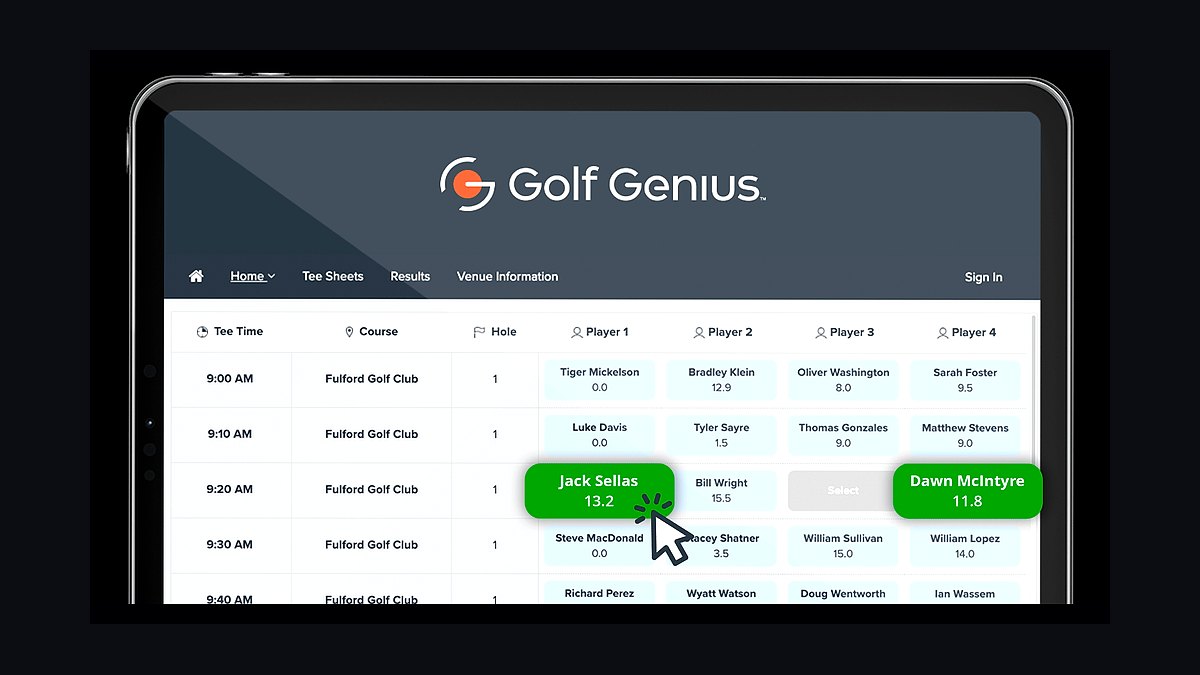
Golf Genius ranks seventh as the de-facto tournament platform, handling pairings, scoring, live leaderboards, and league management for clubs, associations, and pro tours. Golfer familiarity and reliability during member-guests make it the safe pick, priced roughly $1,000-$3,000 yearly by edition. It covers events that a tee sheet and POS do not.
It suits clubs and associations running member-guests, leagues, and outside outings, from single courses to multi-course portfolios. It trades away being a revenue engine, since it sits alongside the tee sheet rather than replacing it. Compared with ForeTees directly above, it manages competition rather than reservations, and simple in-house leagues can use native foreUP or Jonas tools instead.
8Tripleseat Banquet Software
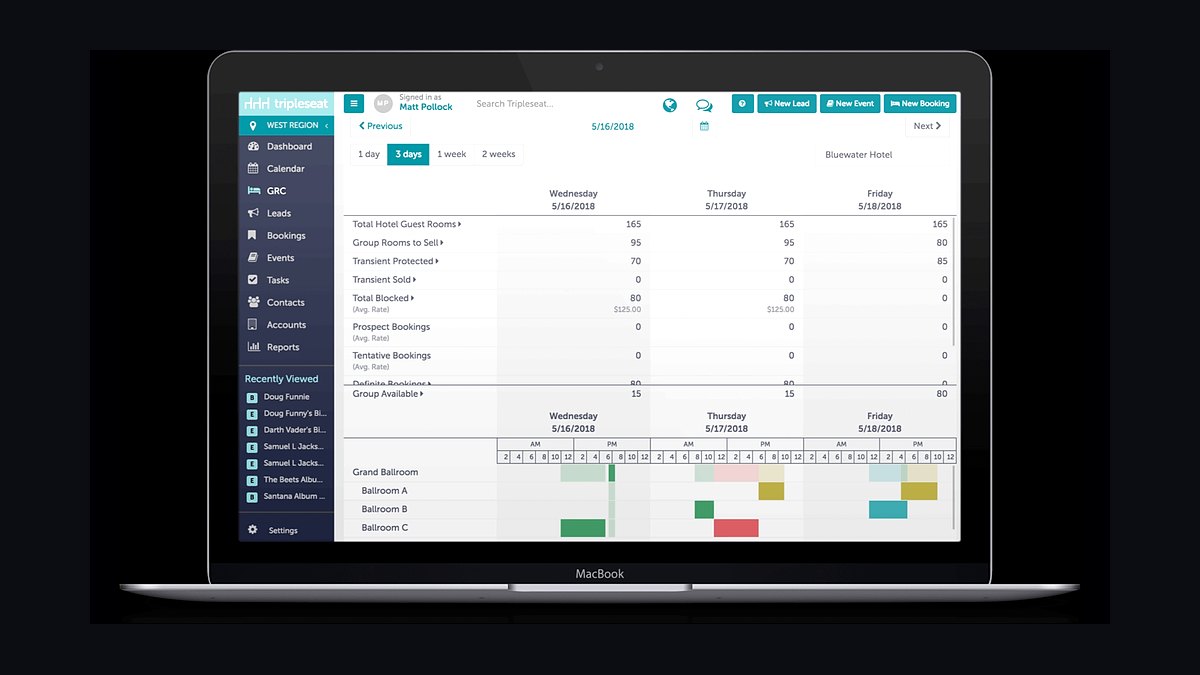
Tripleseat ranks eighth for managing the weddings, outings, and corporate events that are a major club profit center, covering sales pipeline, contracts, and banquet event orders a POS cannot. Pricing runs roughly $10,000-$20,000 yearly, reflecting its focus on serious event-sales operations. It closes the gap between booked business and executed service.
It suits clubs and resorts with dedicated event-sales staff and a steady banquet calendar, not small courses running occasional outings. It trades away tight POS integration unless paired with a platform-native catering module. Compared with Golf Genius directly above, it handles sales and BEOs rather than competition scoring, and ClubEssential or Jonas catering modules are the one-suite alternative.
9USGA GHIN Handicap System
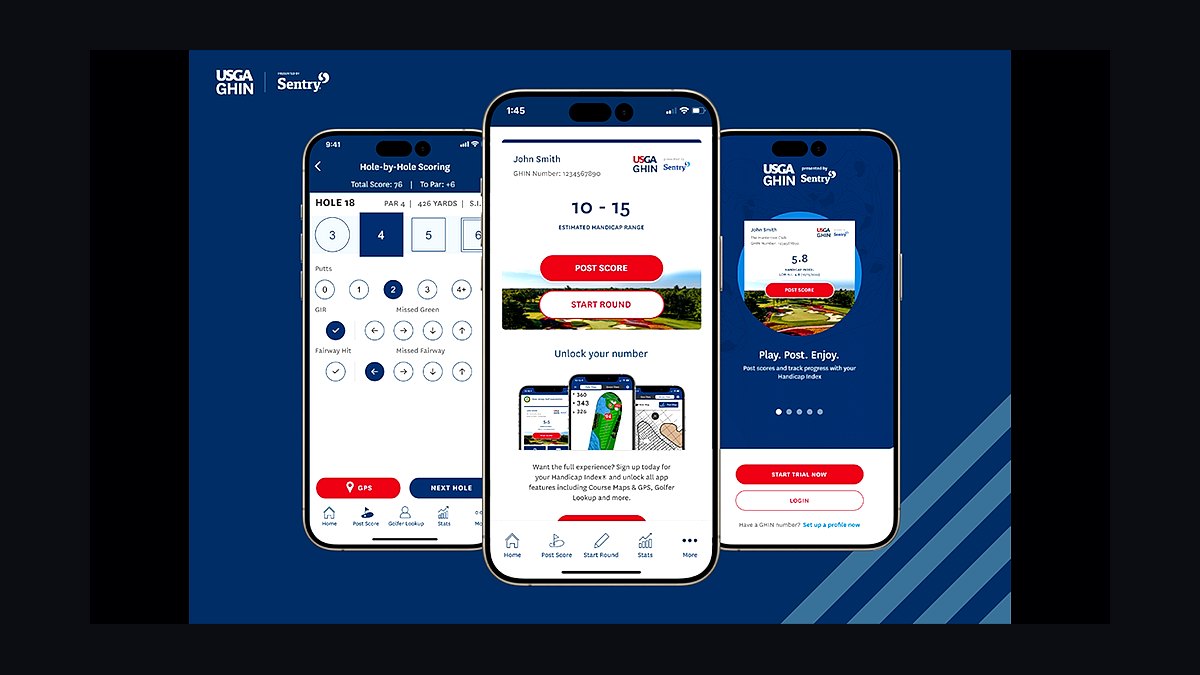
USGA GHIN ranks ninth because it is the official USGA handicap system and the system of record for any club running competitions or members carrying an index. There is no real substitute for an official handicap, billed through state and regional associations at roughly $30-$50 per member yearly. It anchors tournament fairness.
It suits every club and association that runs competitions or issues handicaps, public or private. It trades away being a management platform, since it only posts and maintains handicaps. Compared with Tripleseat directly above, it is a compliance and competition necessity rather than a revenue tool, and it integrates with Golf Genius for event scoring.
10Toro Lynx Irrigation Control
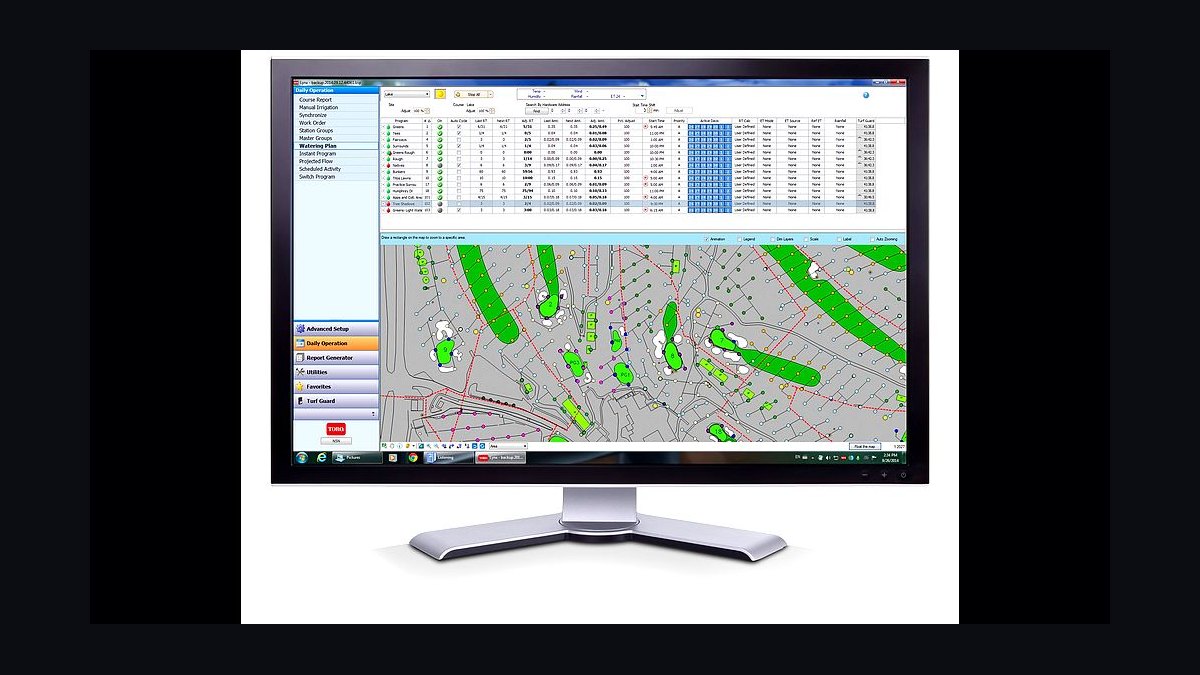
Toro Lynx ranks tenth because course conditioning is the product, and Toro is the dominant irrigation and control platform for turf management. It pairs with GreenSight monitoring at roughly $3,000-$10,000 yearly, while irrigation systems themselves run into six figures as capital plus service. Agronomy data ties revenue to playable conditions.
It suits courses and clubs investing in turf health and water efficiency, especially in seasonal climates with frost and drought swings. It trades away being a revenue or booking system, sitting entirely in the agronomy layer. Compared with USGA GHIN directly above, it is capital-heavy infrastructure rather than a per-member service, and Rain Bird is the main irrigation-control alternative.
How we ranked these
We ranked each tool on five weighted factors: golf-specific fit (30%), integration depth with tee sheets, member billing, and POS (25%), total cost of ownership over three years (20%), operator reviews and install base (15%), and vendor stability plus roadmap (10%). Scores came from vendor documentation, published pricing, G2 and Capterra reviews, and analyst commentary. Public daily-fee and private-club stacks were scored separately because their revenue engines differ.
We deliberately ignored generic hospitality and retail suites that lack tee-sheet, dues-minimums, GHIN, or tournament logic, since those gaps force costly middleware. We also excluded feature-count marketing claims, demo-only pricing, and any tool without a verifiable install base in golf. Social sentiment and conference buzz were dropped as noise. The result favors tools that run the revenue engine and reconcile every profit center into one ledger.
What to look for
What matters most is whether the platform owns your revenue engine: a perishable tee sheet with dynamic pricing for public courses, or dues, minimums, and member billing for private clubs. Then confirm one unified POS spans pro shop, F&B, banquets, lessons, cart, and range, because disconnected systems force nightly reconciliation and hide true revenue per round. Integration with GolfNow, GHIN, and your accounting GL should be native, not custom.
The mistake most buyers make is shopping features instead of architecture. They pick a flashy restaurant POS or a cheap tee sheet, then bolt on membership, tournament, and handicap tools that never share one member record. A close second is ignoring GolfNow barter economics, over-trading prime inventory for reach and quietly eroding direct-channel margin. Buy the engine first, verify integrations in writing, and price the full three-year stack before signing.
Related questions
What is the best tech stack for a public daily-fee golf course?
Lead with a tee-sheet, online booking, and dynamic pricing platform such as foreUP or Lightspeed Golf, wired to the GolfNow/G1 marketplace for fill inventory. Add a unified POS spanning pro shop, F&B, lessons, cart, and range, plus Golf Genius for leagues, USGA GHIN for handicaps, and QuickBooks or Sage Intacct for the books. The tee sheet is the system of record.
What is the best tech stack for a private country club?
Start with membership management and dues, minimums, and assessments billing from Jonas Club Software, ClubEssential, or Northstar. Layer a ForeTees member portal for tee times and dining, an integrated F&B and pro-shop POS, Tripleseat for banquets, Golf Genius for tournaments, and USGA GHIN for handicaps. Membership billing, not transactions, is the core engine.
Do golf courses really need dynamic green-fee pricing?
Yes, if you sell daily-fee rounds. A tee time is perishable inventory like an airline seat, so flat pricing either leaves Saturday-morning money on the table or gives away prime times through blanket discounts. Demand-based pricing flexes by day-part, weather, and booking pace, filling shoulder times at the right rate and lifting revenue per available tee time.
How does GolfNow barter inventory actually work?
Courses trade a portion of unsold tee times to GolfNow in exchange for marketing reach and demand aggregation, rather than paying pure cash commission. It fills inventory you would otherwise lose, but over-bartering can cannibalize full-rate direct bookings. Track marketplace tee times against direct-channel yield monthly, and cap the barter share you are willing to give away.
Can a country club run on a generic restaurant POS?
Poorly. A generic POS cannot model a member account with monthly dues, a quarterly F&B minimum, family charging privileges, and statement generation. Running the grill on a standalone system forces nightly reconciliation, breaks member-account charging, and hides true revenue per round. Use a platform-native POS or a certified integration, never a parallel ledger.
What does a golf course tech stack cost per month?
A single public daily-fee course typically runs $1,000 to $2,500 monthly all-in, plus GolfNow barter and payment processing. A private country club with 300 to 700 members runs roughly $4,000 to $9,000 monthly, excluding capital irrigation. Multi-course operators budget about $800 to $1,500 per course monthly, plus central data and BI overhead.
Is USGA GHIN required for a golf club?
Any club running competitions or with members who carry an official index needs GHIN, because it is the USGA system of record for handicaps and has no real substitute. Cost runs about $30 to $50 per member per year through your state or regional golf association. Clubs without formal competitions can technically skip it, but most members expect it.
How long does it take to implement a golf course tech stack?
Plan on 90 days for a clean core rollout. Days 0 to 30 stand up the revenue engine and unified POS and migrate member records, rate cards, and inventory. Days 31 to 60 connect GolfNow, GHIN, Golf Genius, Tripleseat, and the member portal. Days 61 to 90 wire accounting and BI, then tune dynamic pricing against real demand.
FAQ
What is the single most important tool in a golf course tech stack?
The revenue engine. For public courses that is the tee-sheet plus online booking and dynamic pricing platform; for private clubs it is membership management with dues and minimums billing. Everything else, from POS to tournaments to handicaps, layers on top. If the engine is wrong, no amount of add-on software fixes the operation.
Should public and private clubs buy the same software?
No. Public daily-fee courses optimize for tee-sheet yield, marketplace demand, and dynamic pricing, so foreUP or Lightspeed Golf leads. Private clubs optimize for membership billing, dues and minimums, and member experience, so Jonas, ClubEssential, or Northstar leads. The two models have different systems of record and should be evaluated separately.
Why does a unified POS matter so much at a golf facility?
Pro shop, grill, banquets, lessons, cart, range, and tournaments are separate margin profiles that all charge the same guest or member. If they run on disconnected systems, you cannot see revenue per round, member profitability, or which center subsidizes which. One inventory, one member record, and one accounting feed is the difference between managing and guessing.
How do we reduce dependence on GolfNow?
Build direct booking demand through your own website, SEO, email marketing, and loyalty offers, then cap the share of inventory you barter to the marketplace. Measure marketplace tee times against direct-channel yield every month. Many courses keep GolfNow for fill-only inventory while protecting prime weekend times for full-rate direct bookings.
What reporting should a golf GM actually look at?
Revenue per available tee time, rounds by channel, revenue per center, member attrition, F&B margin, and cost per round. A BI layer such as Power BI blends tee-sheet, POS, membership, and agronomy data into one dashboard. Platform-native reports work for a single course, but cross-system blending needs a dedicated reporting tool.
Do we need separate tournament management software?
For anything beyond simple in-house leagues, yes. Golf Genius handles pairings, scoring, live leaderboards, and league management, and golfers already know it from member-guests and association events. Native league tools inside foreUP or Jonas cover basic weekly leagues, but serious tournament calendars and outside events run better on a dedicated platform.
How should agronomy and turf tools connect to the business stack?
They usually join at the reporting layer rather than the transaction layer. Toro irrigation control and GreenSight turf monitoring track course conditions, while the tee sheet and POS track revenue. Blending them in BI lets you correlate conditioning and weather with revenue per round, so maintenance spending is justified against playable-condition outcomes.
What is the biggest hidden cost in a golf tech stack?
Integration tax. Disconnected systems require middleware, manual reconciliation, and duplicate data entry, which quietly consumes staff hours and hides margin. Payment processing markups, GolfNow barter, per-terminal POS fees, and per-member GHIN charges also add up. Price the full three-year stack, including integrations, before signing anything.
Can a multi-course operator standardize on one platform?
Yes, and most should. Management companies standardize on Lightspeed Golf, foreUP enterprise, or Club Prophet across the portfolio, centralize data into a warehouse, and standardize Golf Genius and GHIN. Standardization simplifies training, procurement, and reporting, and it makes portfolio-wide BI possible. Per-course exceptions should be rare and justified.
What should we implement first if we are starting from scratch?
The revenue engine and the unified POS. Migrate member records, rate cards, and inventory, and get card processing working at the point of sale. Nothing else matters until the system of record is clean. Distribution channels, tournaments, banquets, and the member portal come next, then accounting, BI, and dynamic pricing tuning.
Sources
- https://www.usga.org/content/usga/home-page/ghin.html
- https://www.golfgenius.com/
- https://www.foreupgolf.com/
- https://www.lightspeedhq.com/golf/
- https://www.jonasclub.com/
- https://www.clubessential.com/
- https://www.tripleseat.com/
- https://www.toro.com/en/golf
- https://www.golfnow.com/
- https://www.sageintacct.com/
Related on PULSE
This page will be disappearing soon. Save it to your device for $1 — or read it free while it is here.
@Kory-White- · if Venmo asks, the last 4 of my number are 2012
This page is gone.
This one is off the shelf now. $1 keeps it on your phone for good — the whole page, pictures and diagrams included.
 pulse-tech-stacksTop 10 Best Tech Stack Tools for Independent Wholesale Distribution Businesses in 2027
 pulse-tech-stacksTop 10 Best Tech Stack Tools for Private Ambulance and EMS Companies in 2027
 pulse-tech-stacksTop 10 Best Tech Stack Tools for MSP and IT Services Companies in 2027
 pulse-tech-stacksTop 10 Best Tech Stack Tools for Mobile Threat Defense (MTD) Vendors in 2027
 pulse-tech-stacksTop 10 Best Tech Stack Tools for Pilates Studios in 2027
 pulse-tech-stacksTop 10 Best Tech Stack Tools for Septic and Portable Sanitation Services in 2027
 pulse-tech-stacksTop 10 Best Tech Stack Tools for Plumbing Contractors in 2027
 pulse-tech-stacksTop 10 Best Tech Stack Tools for Pressure Washing Companies in 2027
 pulse-tech-stacksTop 10 Best Tech Stack Tools for Email Security Vendors in 2027
 pulse-tech-stacksTop 10 Best Tech Stack Tools for Appliance Repair Services in 2027