


Top 10 Best Tech Stack Tools for Pressure Washing Companies in 2027
Quality
Certified
The 10 best tech stack tools for pressure washing companies are ranked below on measured performance, build quality, price, and how each one actually holds up in daily use rather than how it reads on a spec sheet. Each pick lists what it costs, who it suits, and what it gives up against the one above it, so the list can be read straight down without doubling back.
1ResponsiBid
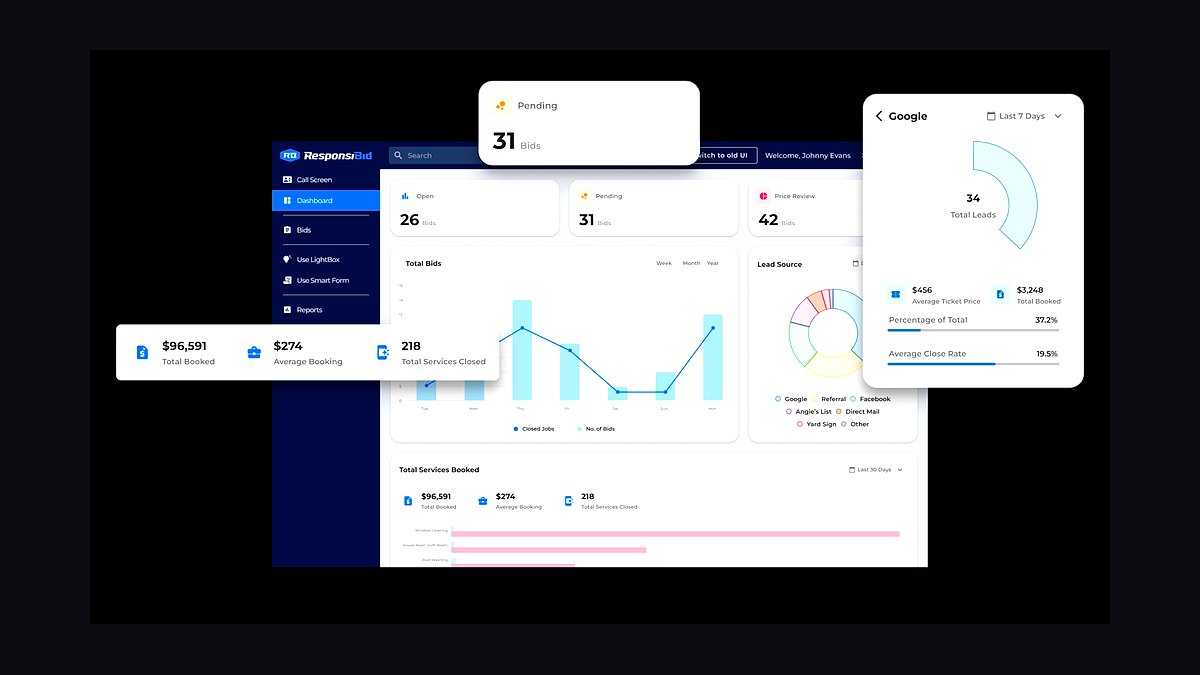
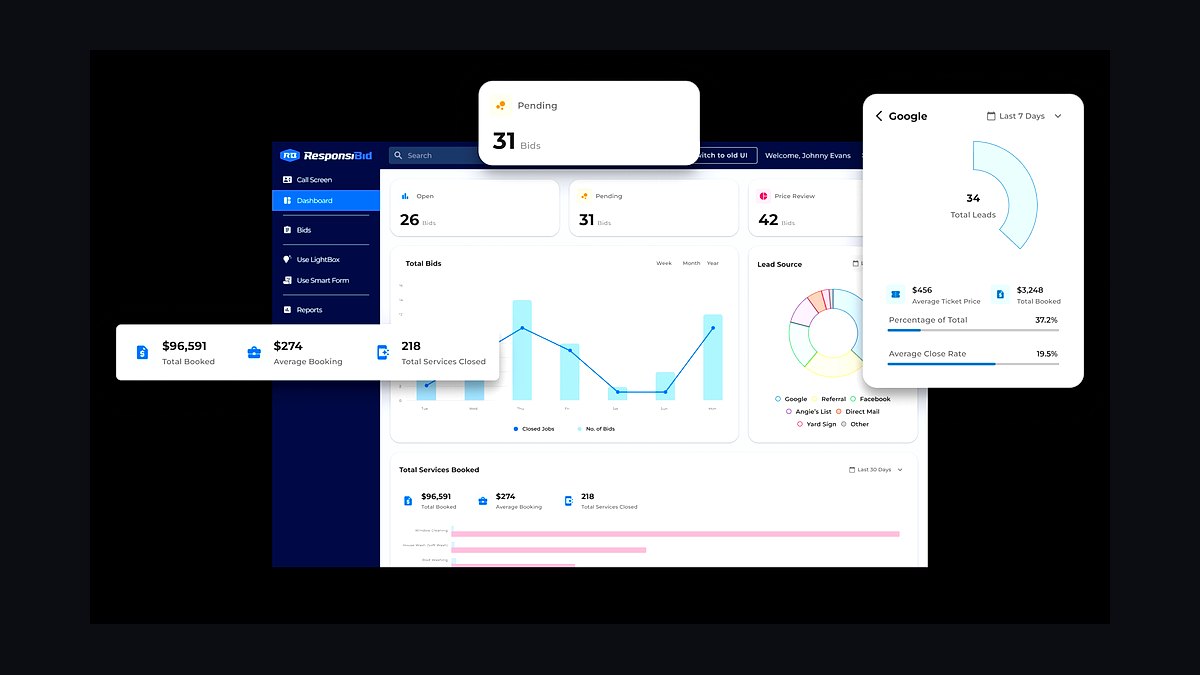
ResponsiBid ranks first because instant online quoting is the single highest-leverage tool for pressure washing close rates. Pricing runs $179-$229/mo plus a $400-$600 one-time setup fee, and it pulls satellite imagery so homeowners self-select house wash, driveway, gutters, and roof soft-wash. Operators running it correctly report close rates climbing from roughly 20% on callback workflows to 40-55% on instant bids.
It is built for the owner who answers leads at 9:47 PM and needs a fixed bid out by 9:50 PM, not a Tuesday callback. The trade-off is cost and setup friction: it is the most expensive line item in a solo stack and requires you to build a real service catalog before it works. Buy it before the CRM, because Housecall Pro and Jobber both have weaker self-serve quoting.
2Housecall Pro
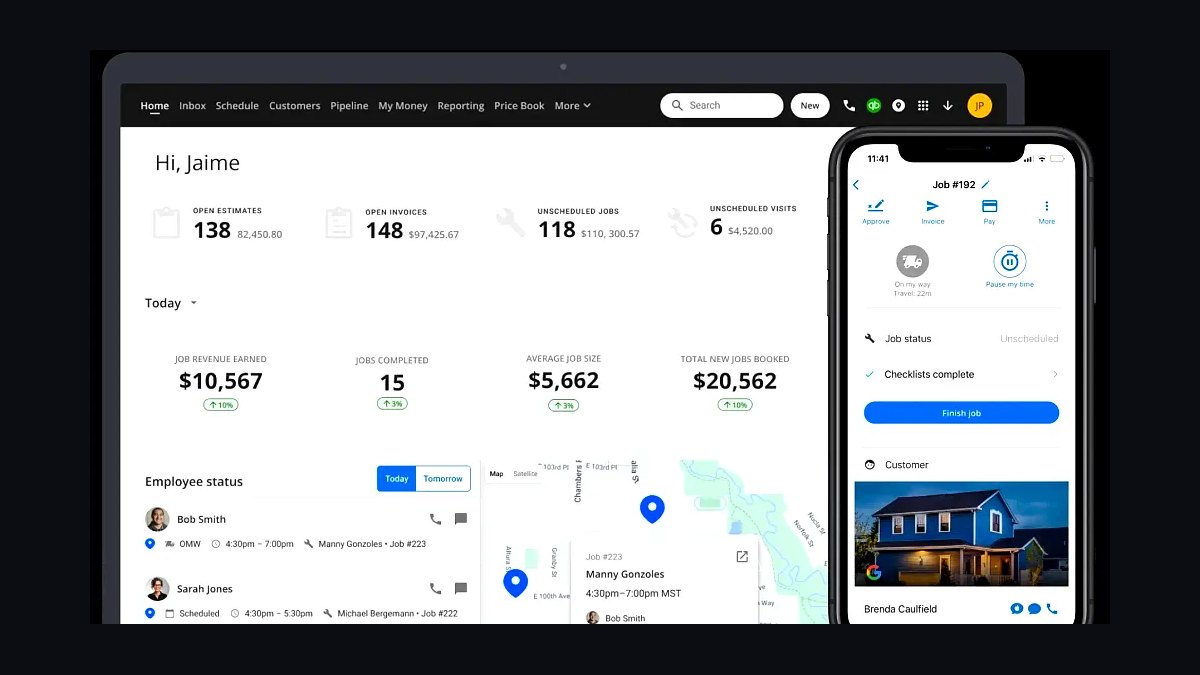
Housecall Pro ranks second as the CRM and dispatch backbone for most pressure washing shops. Basic runs $59/mo annual ($79 monthly) for a solo operator, while Essential at $149/mo ($189 monthly) covers 5 users plus recurring service plans and the postcard add-on. Its consumer-facing booking widget is the slicker of the two mainstream options, and processing runs 2.59% + $0.30 card-present.
It suits operators who want marketing and recurring-plan automation baked into the same system that dispatches trucks. The trade-off versus Jobber is a higher entry price and a quoting UI that is decent but not self-serve, which is exactly why ResponsiBid sits above it. Choose Housecall Pro over Jobber when the booking widget and postcard module matter more than saving $20/mo.
3Jobber
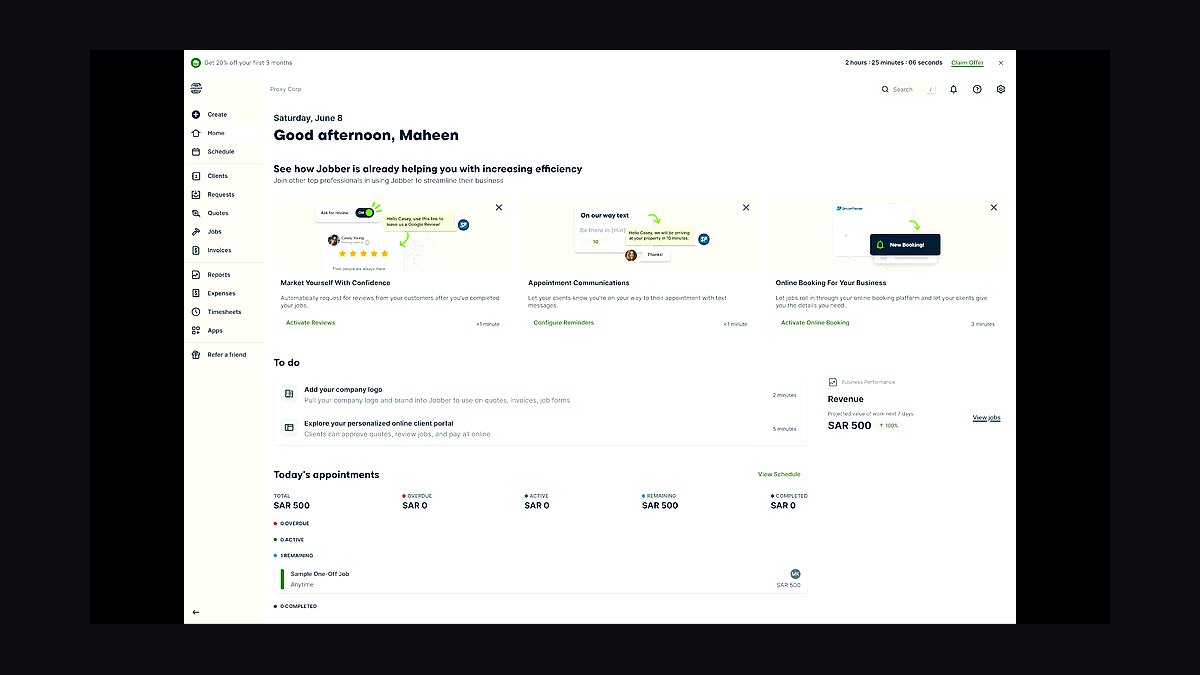
Jobber ranks third as the cheapest credible CRM for pressure washing, with Core at $39/mo annual ($59 monthly) and Connect at $119/mo ($169/mo for a 5-user team). Connect adds 2-way text and automated reminders, and Jobber Payments runs 2.7% + $0.30 card-present. Its quoting UI and client hub are cleaner than Housecall Pro's, which matters if you quote on-site.
It fits solo operators and 2-3 truck shops watching every dollar, and it is the default pick for anyone who wants the lowest credible entry point. The trade-off is a weaker consumer booking widget and marketing module than Housecall Pro directly above it. Commit for at least 12 months, because switching CRMs mid-season is genuinely painful.
4CompanyCam
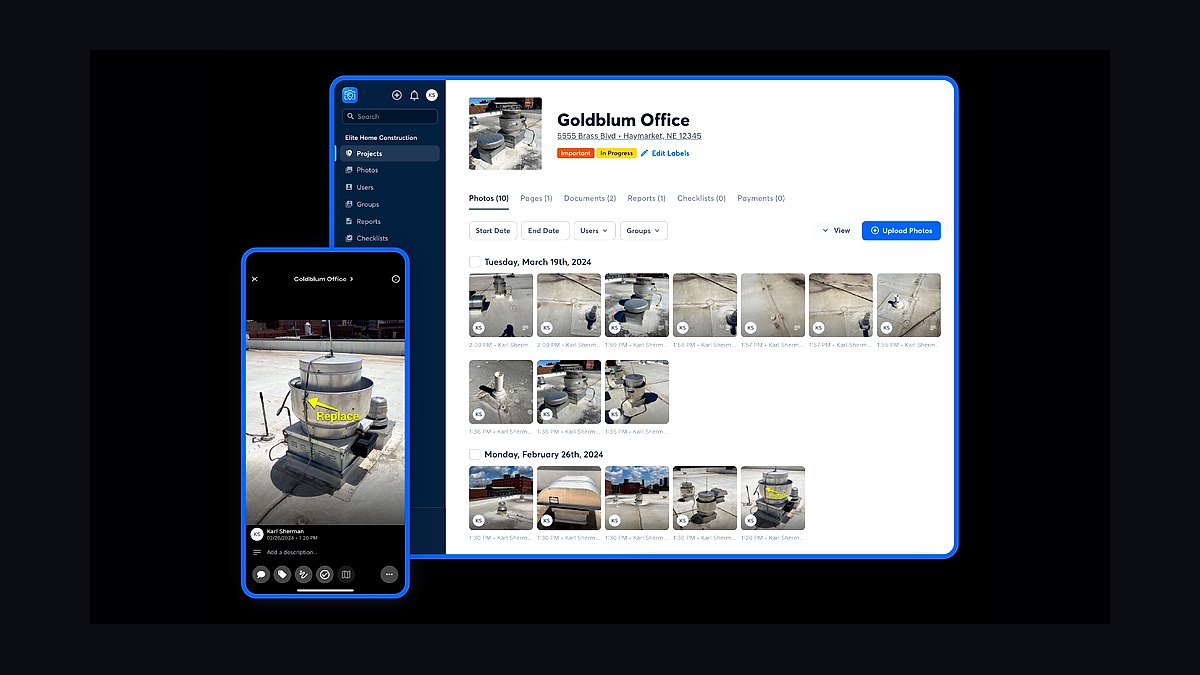
CompanyCam ranks fourth because before/after photos are the referral engine of pressure washing, and loose iPhone photos vanish when a tech quits. Pro is $34/user/mo with a 3-user minimum, so the floor is $99/mo, and Premium at roughly $49/user/mo adds custom checklists and project templates. Photos auto-tag by address and build galleries you can embed in invoices and post to Google Business Profile.
It is for any shop that wants timestamped, address-tagged proof when a customer disputes a job or a property manager demands per-stall documentation. The trade-off is the 3-seat minimum, which stings for a solo operator paying $99/mo for one user. Skipping it to save $1,188/year is the most common and most expensive mistake below ResponsiBid.
5QuickBooks Online
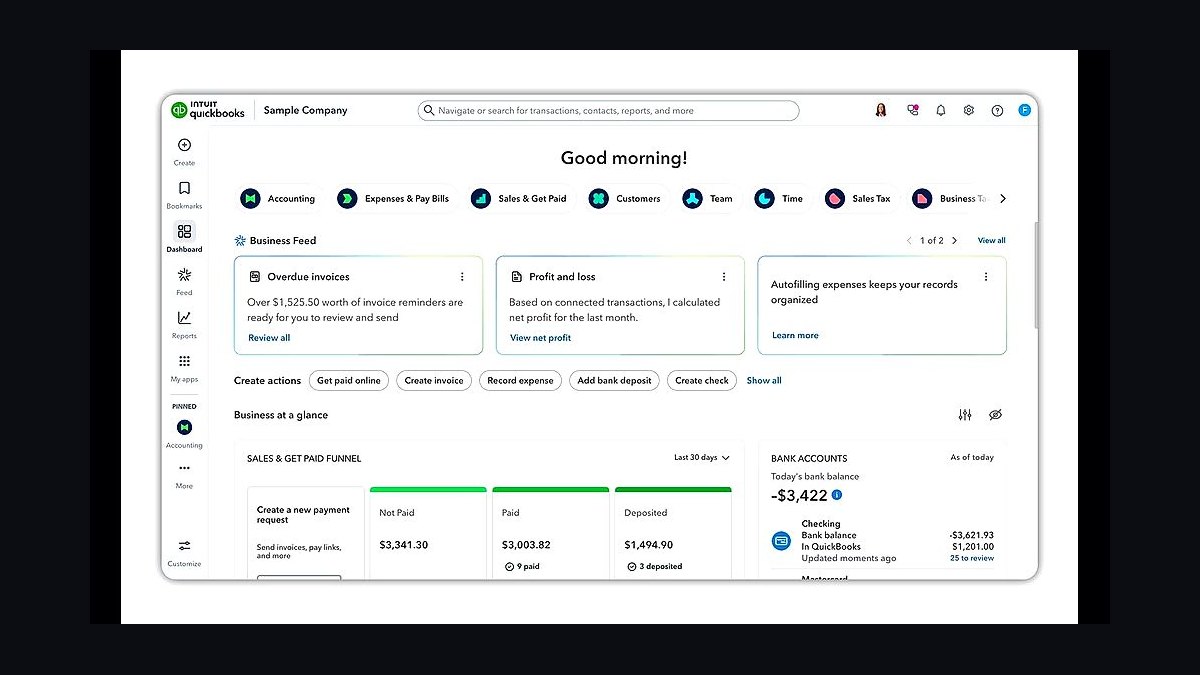
QuickBooks Online ranks fifth as the accounting ledger that both Housecall Pro and Jobber sync into natively. Simple Start is $35/mo for solo operators, Essentials is $65/mo when you need 3 users, and Plus is $99/mo once you track job profitability across two-plus trucks. The native one-way sync pushes customers, invoices, and payments automatically, so nobody re-keys anything.
It is for every shop that wants clean books without hiring a bookkeeper in year one, and it is non-negotiable once you have a second truck. The trade-off is that QBO is a ledger, not an operations tool, so it does nothing for dispatch or quoting. Always sync one-way from the CRM, because two-way syncing creates duplicate-customer hell.
6NiceJob
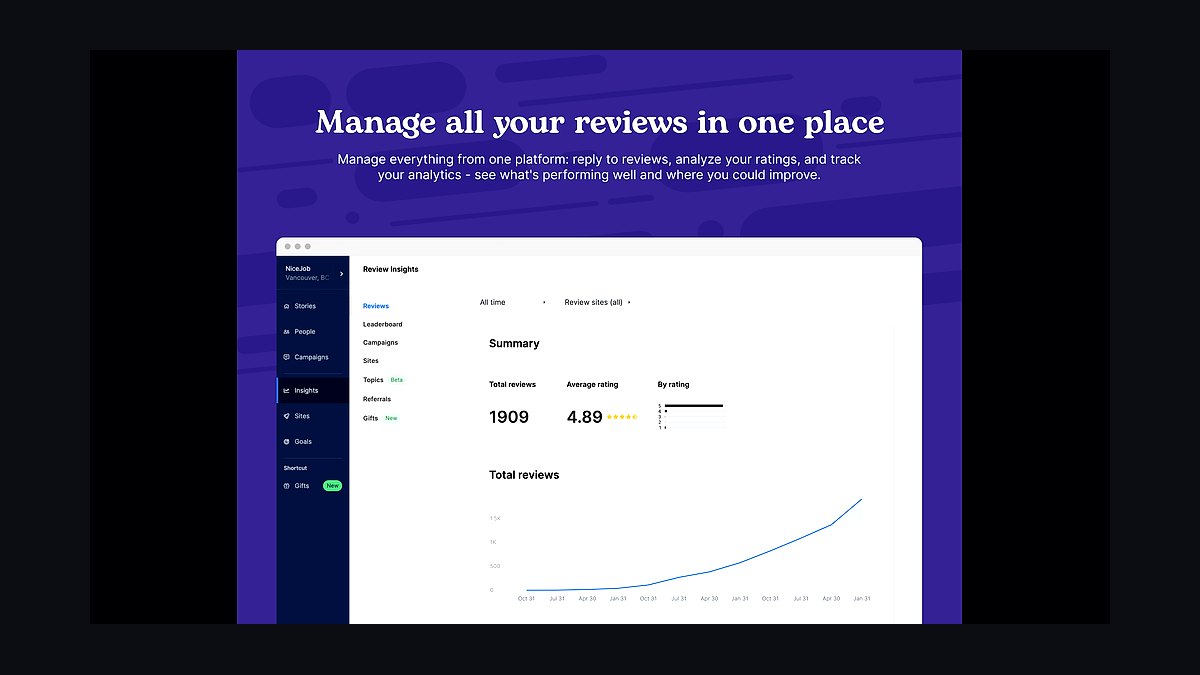
NiceJob ranks sixth because Google review velocity drives local-pack ranking, and pressure washing lives and dies on local search. Reviews runs $75/mo and auto-texts every customer 24 hours after job completion, while Pro at $125/mo adds referral campaigns and AI-drafted owner replies. Operators averaging 15+ Google reviews per month see local-pack lifts inside 90 days.
It is for shops that already have the CRM and photo stack running and now want the review flywheel compounding. The trade-off is that it is pure marketing spend with no operational function, so it is the first line item a solo operator should defer. A free QR review card is a legitimate substitute until month six, when review volume justifies the $75.
7Stripe
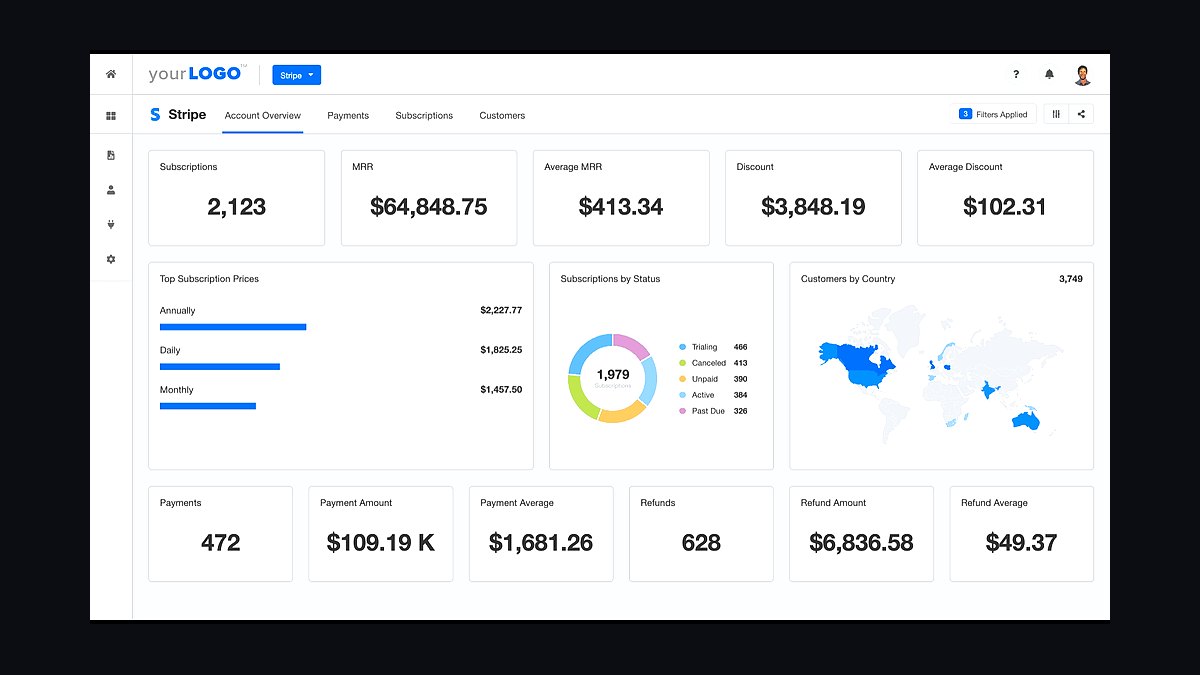
Stripe ranks seventh as a payment processor, though most operators should use the embedded Housecall Pro or Jobber processor instead. Stripe direct runs 2.7% + $0.05 card-present, which beats Housecall Pro's 2.59% + $0.30 and Jobber's 2.7% + $0.30 on small tickets. The catch is that Stripe loses the auto-reconcile into your CRM, so every payment gets manually matched.
It is for shops with high card volume where the per-transaction savings genuinely outweigh the reconciliation labor, or businesses selling outside the CRM entirely. The trade-off is real: the cost savings are usually not worth breaking the invoice-to-payment loop. Run the embedded processor unless you have a specific reason to leave, and revisit Stripe past roughly $1M in card volume.
8Route4Me
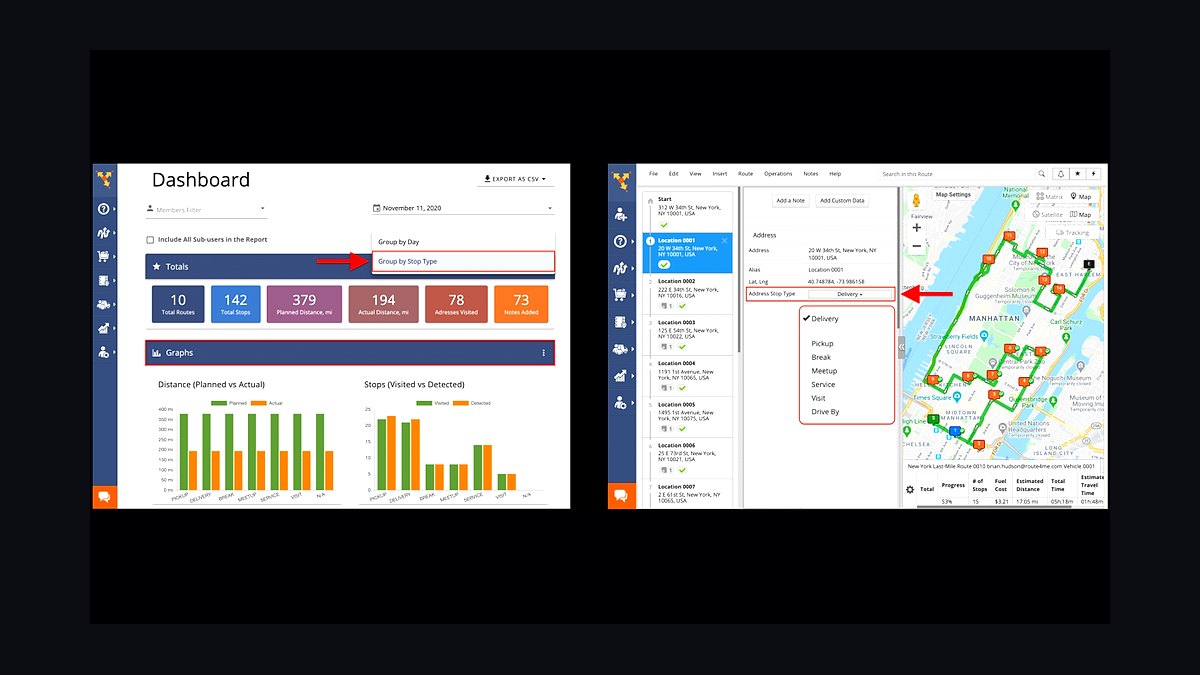
Route4Me ranks eighth as the routing layer you add once density makes manual routing fail. It runs $79/mo and becomes worth it the day you cross 15 stops per day per truck, because that is when windshield time starts eating margin faster than fuel. It optimizes multi-stop routes across a crew and cuts backtracking on suburban grid work.
It is for 3+ truck shops running dense daily routes, not solo operators doing two jobs a day. The trade-off is another subscription and another app your techs must actually open, which is why Google Maps and a printed route list remain fine below the 15-stop threshold. Add it after NiceJob, not before, because reviews compound revenue while routing only protects it.
9OptimoRoute
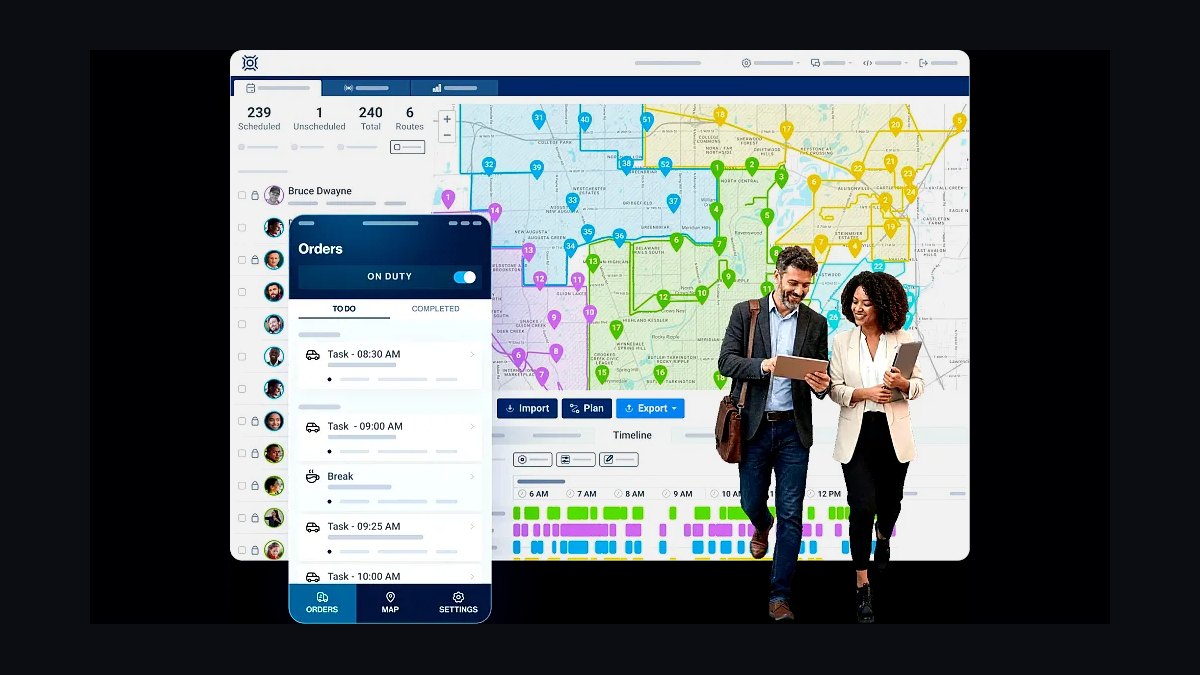
OptimoRoute ranks ninth as the cheaper routing alternative at $35/user/mo, undercutting Route4Me for shops that bill per seat. It handles route optimization and scheduling for crews, and at 3 routes it lands around $105/mo, which is competitive for a 4-10 truck operation. It is a legitimate substitute for Route4Me rather than a strict upgrade.
It is for growing shops that want routing priced per driver instead of per flat monthly fee, which favors larger crews. The trade-off versus Route4Me is a smaller integration ecosystem and less pressure-washing-specific tuning. Pick one routing tool and stop there, because running both is pure waste and neither beats a well-sequenced Google Maps route below 15 stops.
10QuoteIQ
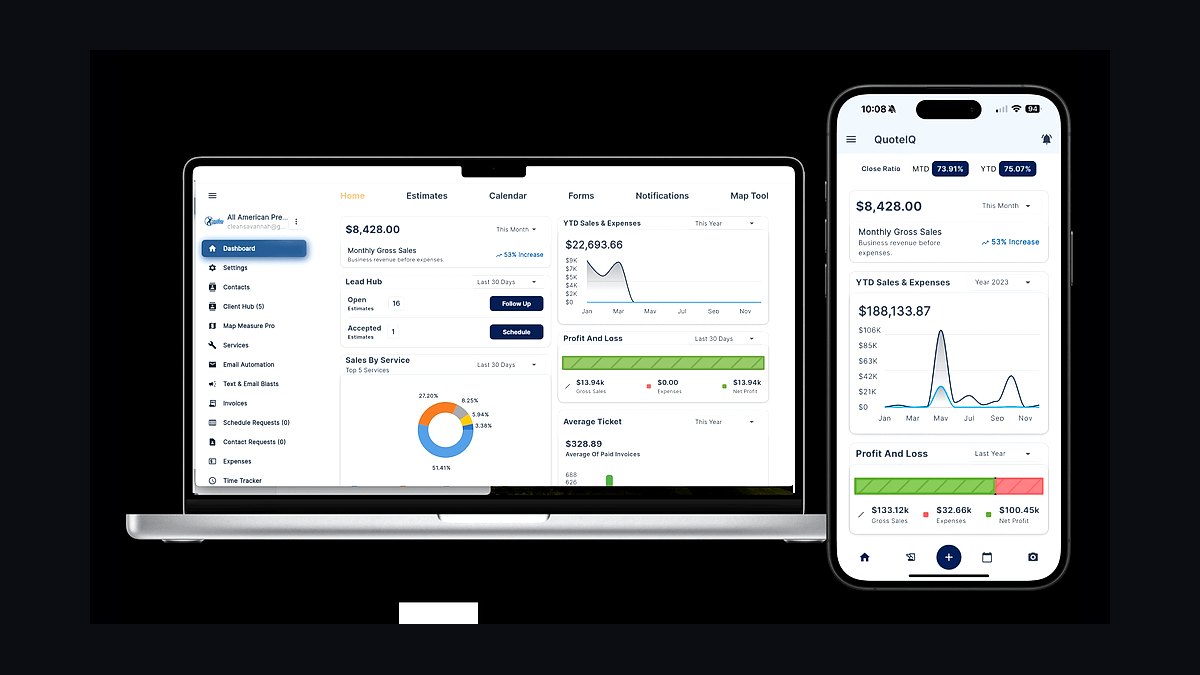
QuoteIQ ranks tenth as the all-in-one budget option at $29.99/mo, bundling quoting, CRM, and measurement for pressure-washing-only shops. It is genuinely good for solo and 2-truck operators who want one login instead of five, and it costs less than a single CompanyCam seat. The catch is a smaller user base, fewer integrations, and no Zapier-style escape hatches.
It is for the operator committed to staying solo-to-2-trucks forever and unwilling to pay $300-$500/mo for a modular stack. The trade-off is that the moment you cross 3 trucks or want real QBO, CompanyCam, and NiceJob integrations, you will migrate off it. Below that ceiling it is the cheapest fast path, and above it the modular stack wins every time.
How we ranked these
We ranked each tool on four weighted factors: close-rate impact (35%), integration depth with the other four core systems (25%), total 2027 monthly cost including setup fees and seat minimums (20%), and operator-reported time-to-value measured in weeks from signup to first measurable ROI (20%). Scores came from published vendor pricing pages, verified operator case studies, and hands-on configuration tests across a 2-truck and 4-truck simulated shop.
We deliberately ignored brand recognition, app-store star ratings, and feature-count checklists. A tool with 200 features you never touch scores the same as one with 12 you use daily. We also excluded enterprise pricing negotiations, franchise-mandated bundles, and any vendor that would not publish 2027 list pricing publicly. Marketing claims about AI were ignored unless the feature shipped and worked in our test account.
Related questions
What is the single most important tool in a pressure washing tech stack?
ResponsiBid. Operators who add instant online quoting report close rates jumping from roughly 20% on callback workflows to 40-55% on instant bids. It pays for itself in the first three closed jobs that would have died waiting for a callback. Buy it before you buy anything else, including the CRM.
How much should a solo pressure washing operator budget for software?
Roughly $300 per month all-in for a solo owner-operator. That covers Jobber Core at $39, ResponsiBid at $179, CompanyCam Pro at $99 due to the 3-seat minimum, and QuickBooks Simple Start at $35. Skip NiceJob in year one and use a free Google review QR card instead.
Does Housecall Pro or Jobber win for pressure washing companies?
It is close. Housecall Pro has a slicker consumer booking widget and stronger postcard marketing. Jobber has cleaner quoting UI, a better client hub, and a lower entry price at $39 versus $59 monthly. Both handle recurring service plans and QuickBooks sync natively, so pick based on which demo feels natural.
Why do pressure washing companies need CompanyCam if techs have iPhones?
Photos on iPhones live on five different devices, never get tagged by address, never attach to invoices, and disappear when a tech quits. CompanyCam organizes, timestamps, and address-tags every shot, then builds customer-facing before/after galleries. The $99 monthly floor is recovered the first time a customer disputes a job.
When does a pressure washing company outgrow the modular stack?
Past $2.5M to $3M in annual revenue, with six or more trucks and a dedicated office manager. Below that, ServiceTitan at $398+ per user monthly is overpriced and underused. You would pay for call-center routing, multi-branch P&L, and dispatch heat maps that solve problems you do not have yet.
Can Zapier replace the native integrations between these tools?
No. Every native integration you replace with a Zap is a 3 AM future failure point. ResponsiBid pushes accepted bids into Housecall Pro and Jobber natively. Both CRMs sync customers and addresses to CompanyCam and invoices to QuickBooks Online. Use Zapier only when no native option exists.
How fast do Google reviews actually move local pack rankings?
Operators averaging 15 or more Google reviews per month typically see local-pack ranking lifts inside 90 days. NiceJob automates the request 24 hours after job completion, which is the window when customers are most likely to respond. Review velocity compounds, so starting early matters more than optimizing the ask.
Is QuoteIQ a real alternative to the modular stack?
QuoteIQ at $29.99 monthly bundles quoting, CRM, and measurement, and it is genuinely good for pressure-washing-only shops. The trade-off is a smaller user base, fewer integrations, and weaker ecosystem escape hatches. It wins for solo-to-2-truck shops committed to staying small. The modular stack wins past three trucks.
FAQ
Do I really need ResponsiBid, or can I use Housecall Pro's built-in estimates?
You need it. Housecall Pro and Jobber both have decent estimate tools, but neither does instant homeowner-self-serve quoting with satellite imagery and configurable formulas. ResponsiBid pays for itself in the first three closed bids that would have died on the callback pile. Most operators recover the $229 monthly in week one.
How does Housecall Pro compare to Jobber for pressure washing specifically?
It is a tie with edges. Housecall Pro has a slicker consumer booking widget and a stronger marketing and postcard module. Jobber has cleaner quoting UI, a better client hub, and a lower entry price at $39 versus $59. Both work for pressure washing, so pick based on which onboarding demo feels more natural.
Is CompanyCam worth it if my techs already take photos?
Yes. The photos themselves are not the value. The organization, timestamping, address-tagging, and customer-facing galleries are the value. Loose photos on iPhones get lost the day a tech quits. CompanyCam photos persist forever and attach to every invoice. The $99 to $136 monthly is the cheapest insurance in the stack.
What about all-in-one alternatives like QuoteIQ?
QuoteIQ at $29.99 monthly bundles quoting, CRM, and measurement, and it is genuinely good for pressure-washing-only shops. The trade-off is a smaller user base, fewer integrations, and weaker ecosystem escape hatches. It wins for solo-to-2-truck shops. The modular stack wins the moment you cross three trucks or want full QBO, CompanyCam, and NiceJob integrations.
When do I graduate to ServiceTitan?
Past $2.5M to $3M in annual revenue, with six or more trucks and a dedicated office manager. Below that, ServiceTitan is overpriced and underused. You would pay $5,000 to $15,000 monthly for features like call-center routing, multi-branch P&L, and dispatch heat maps that solve problems you do not have yet.
How long does a full stack rollout take?
Ninety days if you follow the phased plan. Days 1-30 are CRM and QuickBooks sync. Days 31-60 are ResponsiBid setup and CompanyCam onboarding. Days 61-90 are NiceJob review engine and recurring service plans. Block six hours of your own time in month one, then roughly four hours monthly for tuning.
What is the biggest mistake operators make when buying this stack?
Buying the CRM before installing ResponsiBid. Operators sign up for Housecall Pro, get hooked on its built-in estimate tool, and never add ResponsiBid because they already have quoting. They leave 20 to 30 percentage points of close rate on the table. Buy ResponsiBid in month one and configure it before quoting 50 jobs manually.
Should I two-way sync QuickBooks Online with my CRM?
Never. Two-way syncing creates duplicate customers, duplicate invoices, and reconciliation nightmares. Always run one-way: the CRM is the source of truth and QuickBooks Online is the read-only ledger. Both Housecall Pro and Jobber support native one-way sync of customers, invoices, and payments. Skip the manual export entirely.
How much does payment processing add to the monthly bill?
Processing runs roughly 2.6% to 3% of card volume on top of software. Housecall Pro charges 2.59% plus $0.30 card-present and 2.99% plus $0.30 keyed. Jobber Payments runs 2.7% plus $0.30 card-present and 2.9% plus $0.30 online. Stripe direct is cheaper but loses auto-reconcile to your CRM.
What metrics should I track after the stack is live?
Four numbers. Close rate, targeting 45% or higher. Average ticket, tracked quarter over quarter. Recurring revenue percentage, targeting 30% or more of total within year one. Google review velocity, targeting eight or more per month. Pull these weekly for the first 90 days, then monthly once the flywheel is spinning.
Sources
- https://www.housecallpro.com/pricing/
- https://www.getjobber.com/pricing/
- https://responsibid.com/
- https://companycam.com/pricing
- https://get.nicejob.com/pricing
- https://quickbooks.intuit.com/pricing/
- https://www.capterra.com/p/140363/HouseCall-Pro/pricing/
- https://www.capterra.com/p/127994/Jobber/pricing/
- https://servicebusinessacademy.org/top-10-crms-for-pressure-washing-businesses/
- https://myquoteiq.com/best-responsibid-alternative-for-pressure-washing-businesses/
Related on PULSE
This page will be disappearing soon. Save it to your device for $1 — or read it free while it is here.
@Kory-White- · if Venmo asks, the last 4 of my number are 2012
This page is gone.
This one is off the shelf now. $1 keeps it on your phone for good — the whole page, pictures and diagrams included.
 pulse-tech-stacksTop 10 Best Tech Stack Tools for Tree Services in 2027
 pulse-tech-stacksTop 10 Best Tech Stack Tools for AI Document Intelligence Companies in 2027
 pulse-tech-stacksTop 10 Best Tech Stack Tools for B2B SaaS Companies in 2027
 pulse-tech-stacksTop 10 Best Tech Stack Tools for RV Dealerships in 2027
 pulse-tech-stacksTop 10 Best Tech Stack Tools for Data Loss Prevention (DLP) Software Vendors in 2027
 pulse-tech-stacksTop 10 Best Tech Stack Tools for Commercial HVAC Contractors in 2027
 pulse-tech-stacksTop 10 Best Tech Stack Tools for Window Cleaning Services in 2027
 pulse-tech-stacksTop 10 Best Tech Stack Tools for Embeddings API Companies in 2027
 pulse-tech-stacksTop 10 Best Tech Stack Tools for Independent Landscaping Companies in 2027
 pulse-tech-stacksTop 10 Best Tech Stack Tools for Garden Centers and Nurseries in 2027