


Top 10 Best Tech Stack Tools for Powersports and Motorcycle Dealers in 2027
Quality
Certified
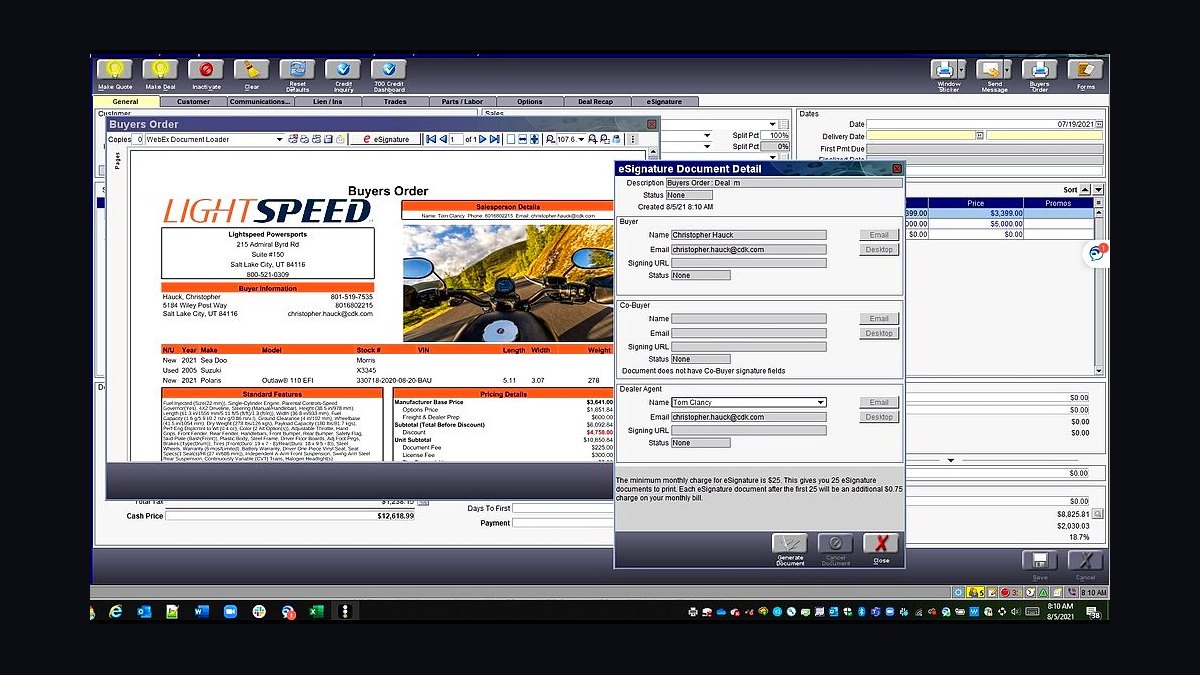
The 10 best tech stack tools for powersports and motorcycle dealers are ranked below on measured performance, build quality, price, and how each one actually holds up in daily use rather than how it reads on a spec sheet. Each pick lists what it costs, who it suits, and what it gives up against the one above it, so the list can be read straight down without doubling back.
1Lightspeed DMS
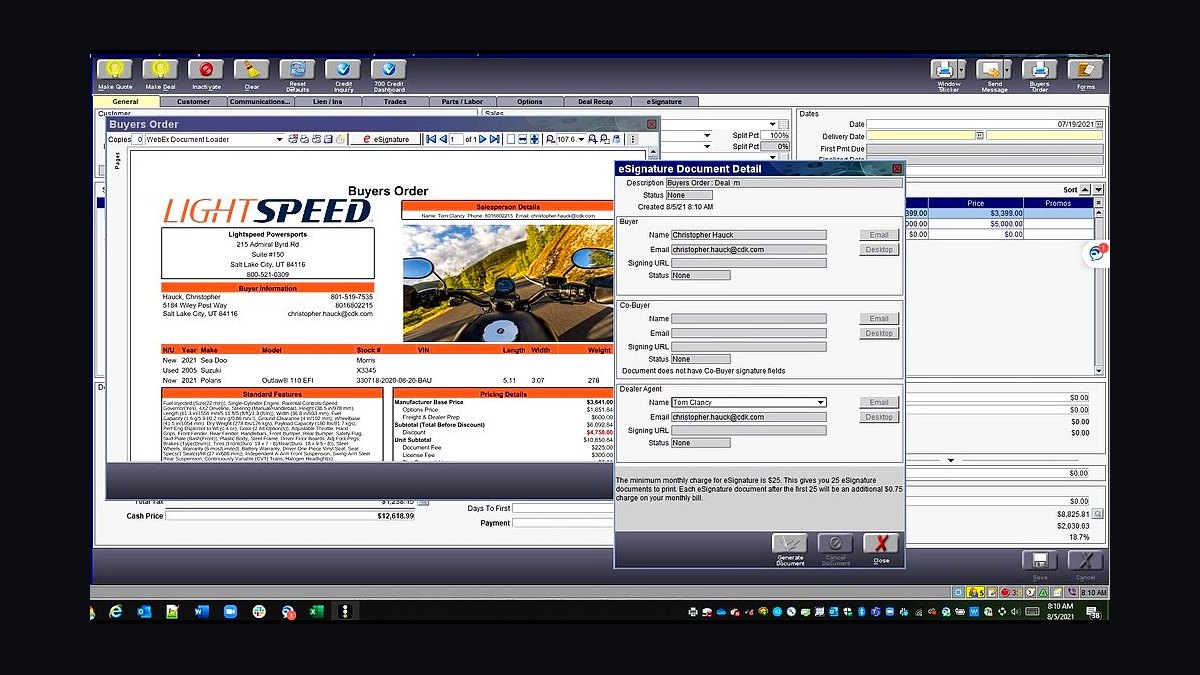
Lightspeed DMS ranks first because it is the dominant powersports dealership management system for multi-store dealers and groups, unifying VIN-serialized major-unit sales, F&I, PG&A point-of-sale, service repair orders, and accounting in one database. It runs roughly $1,000-$3,000+ per month per store depending on modules and seats. OEM-certified integrations cover Harley-Davidson, Honda, Yamaha, Polaris, and BRP for inventory feeds, ordering, and warranty claims.
It is built for multi-rooftop operators and franchise-heavy groups that need deep OEM plumbing and enterprise reporting, not single-store buyers on a tight budget. It trades away fast, lightweight setup and low monthly cost, since Blackpurl is cheaper and quicker for one rooftop. Against Dominion DX1 directly below, Lightspeed wins on multi-store scale and OEM breadth, while DX1 wins on bundling DMS, website, and CRM in one ecosystem.
2Dominion DX1
Dominion DX1 ranks second because it bundles a powersports DMS, dealer website, and CRM in one ecosystem, which suits single-rooftop and small multi-brand stores that want fewer vendors. It handles VIN-tracked unit sales, F&I, PG&A retail, and service repair orders in one system, with websites running roughly $400-$1,500 per month. It is a common fit for multi-brand ATV/UTV dealers carrying Polaris, BRP, and Honda.
It is for dealers who value one integrated ecosystem over best-of-breed depth at every layer, and who do not need Lightspeed-class enterprise consolidation. It trades away some multi-store reporting depth and OEM integration breadth that large groups demand. Compared with Blackpurl below, DX1 offers more bundled website and CRM capability, while Blackpurl is a lighter, faster cloud DMS for a single rooftop.
3Blackpurl
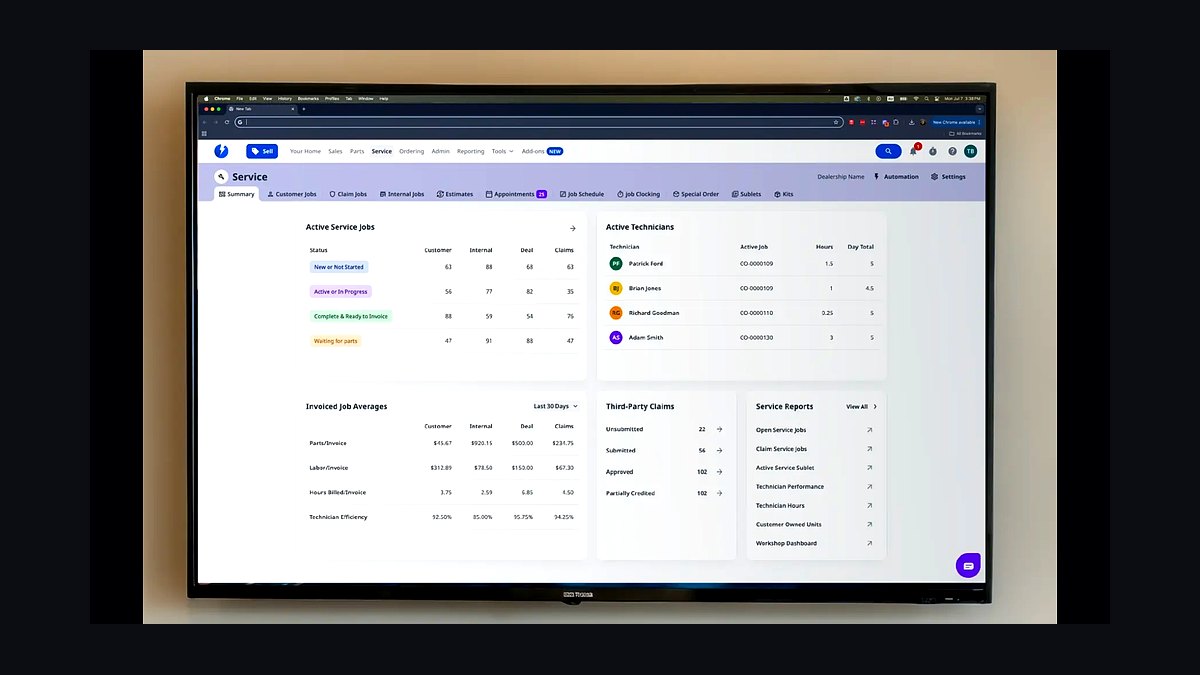
Blackpurl ranks third because it is a modern cloud DMS popular with single-rooftop powersports dealers, offering subscription pricing and faster setup than enterprise platforms. It covers unit sales, PG&A point-of-sale, service repair orders, and accounting in one cloud system without the heavier per-store cost of Lightspeed. It is a frequent pick for metric-motorcycle dealers running Honda, Yamaha, Kawasaki, and Suzuki franchises.
It is for single-rooftop operators who want a lighter footprint and quick deployment rather than enterprise consolidation. It trades away the deep multi-store reporting and extensive OEM integration breadth that Lightspeed provides for large groups. Against Dominion DX1 above, Blackpurl is lighter and faster to stand up, while DX1 bundles a website and CRM that Blackpurl dealers typically source separately.
4Cycle Trader
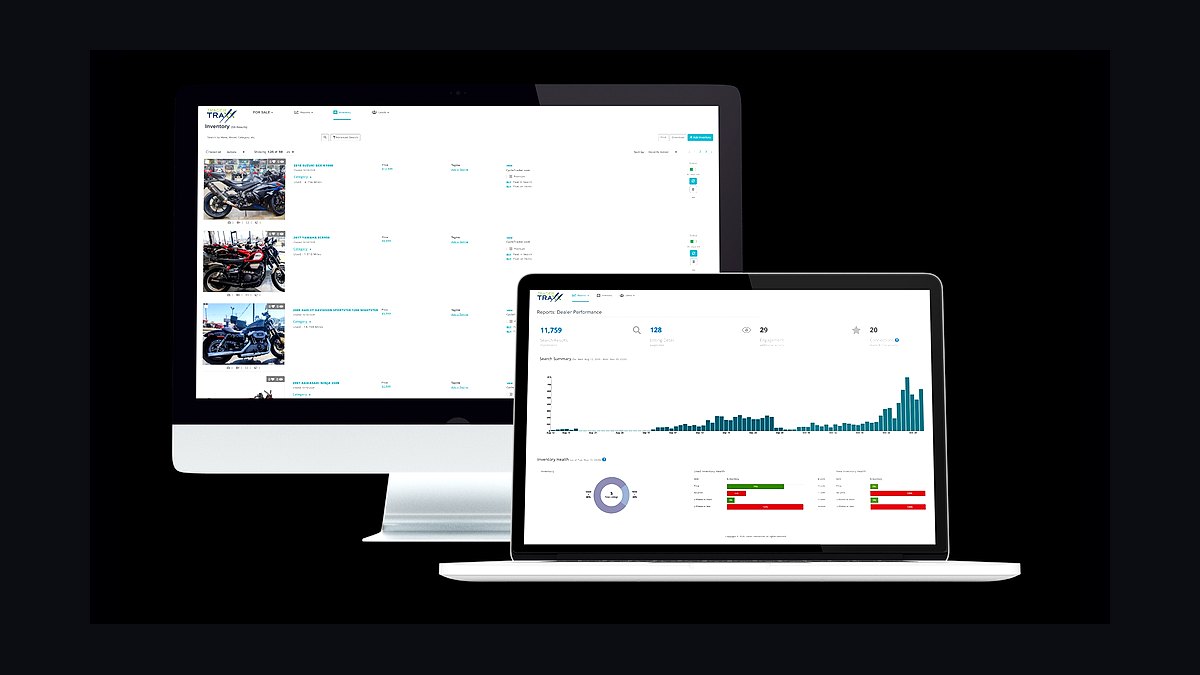
Cycle Trader ranks fourth because it is the dominant powersports marketplace for street and dirt bikes, where considered buyers comparison-shop used and overstock units across many dealers. Dealer packages commonly run $300-$1,200+ per month depending on listing volume and featured placement. Units syndicate from the DMS with photos and pricing, and sister sites ATV Trader and PWC Trader cover side-by-sides and watercraft.
It is for dealers who need high-intent marketplace exposure beyond their owned website, especially for used and aging inventory. It trades away the owned-brand control and PG&A e-commerce capability a dealer website provides, since it is a listing channel, not a storefront. Compared with Dealer Spike below, Cycle Trader drives third-party marketplace demand, while Dealer Spike builds the owned site and gear store.
5Dealer Spike
Dealer Spike ranks fifth because it is the category-leading powersports dealer website platform, showing live unit inventory with integrated lead capture and PG&A e-commerce. Dealer Spike websites run roughly $400-$1,500 per month, and the platform is widely paired with its own CRM so marketplace and site leads land in one queue with the unit attached. It feeds distributor catalogs from WPS, Tucker, and Parts Unlimited into the online store.
It is for dealers who want an owned storefront that sells parts, gear, and accessories online instead of ceding that margin to general retailers. It trades away native DMS depth, since it must integrate with Lightspeed, DX1, or Blackpurl rather than replace them. Against DX1 websites above, Dealer Spike is a standalone category leader, while DX1 bundles the site into its DMS ecosystem.
6RouteOne
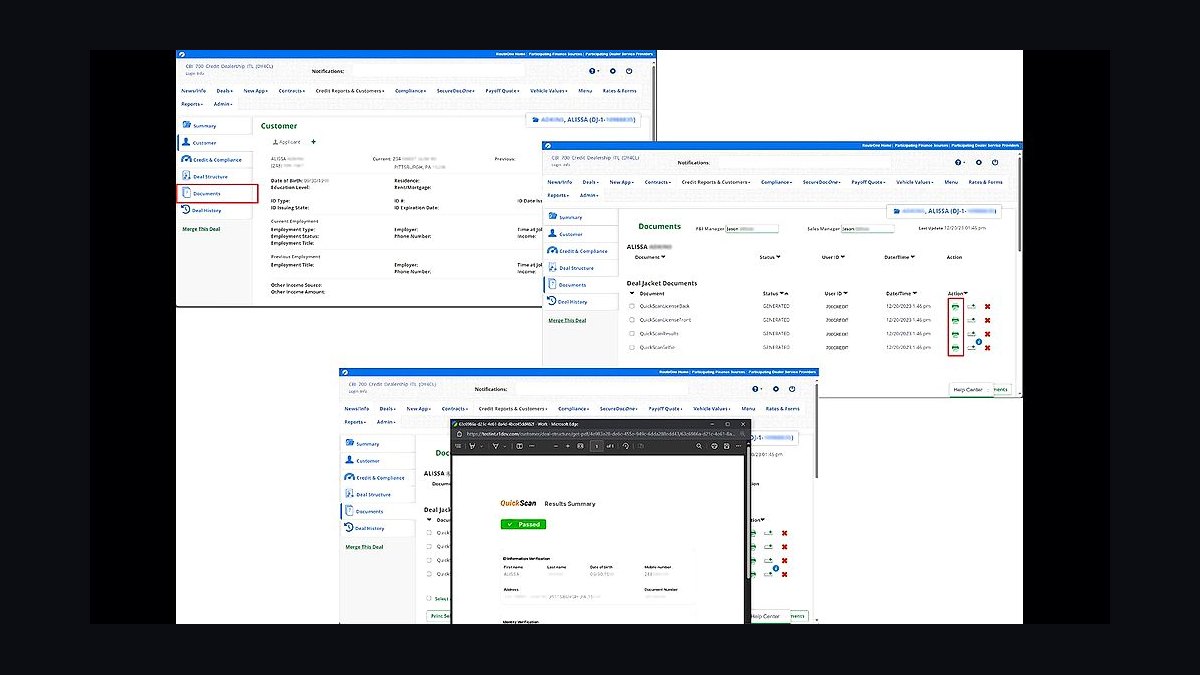
RouteOne ranks sixth because it connects the DMS to powersports lenders for credit applications and instant decisions, driving the back-end unit gross that F&I produces. It routes deals to lenders including Synchrony, Sheffield, Freedom Road, and OEM captive finance, and is largely transaction- and subscription-priced through the DMS. It pairs with F&I menu tools that present back-end products at the desk.
It is for dealers who finance a meaningful share of unit sales and need fast lender routing at the desk. It trades away standalone value, since it depends on DMS integration and lender participation to function. Against Dealertrack below, RouteOne and Dealertrack overlap heavily in function, and most dealers run whichever their DMS and lenders integrate most cleanly.
7Dealertrack
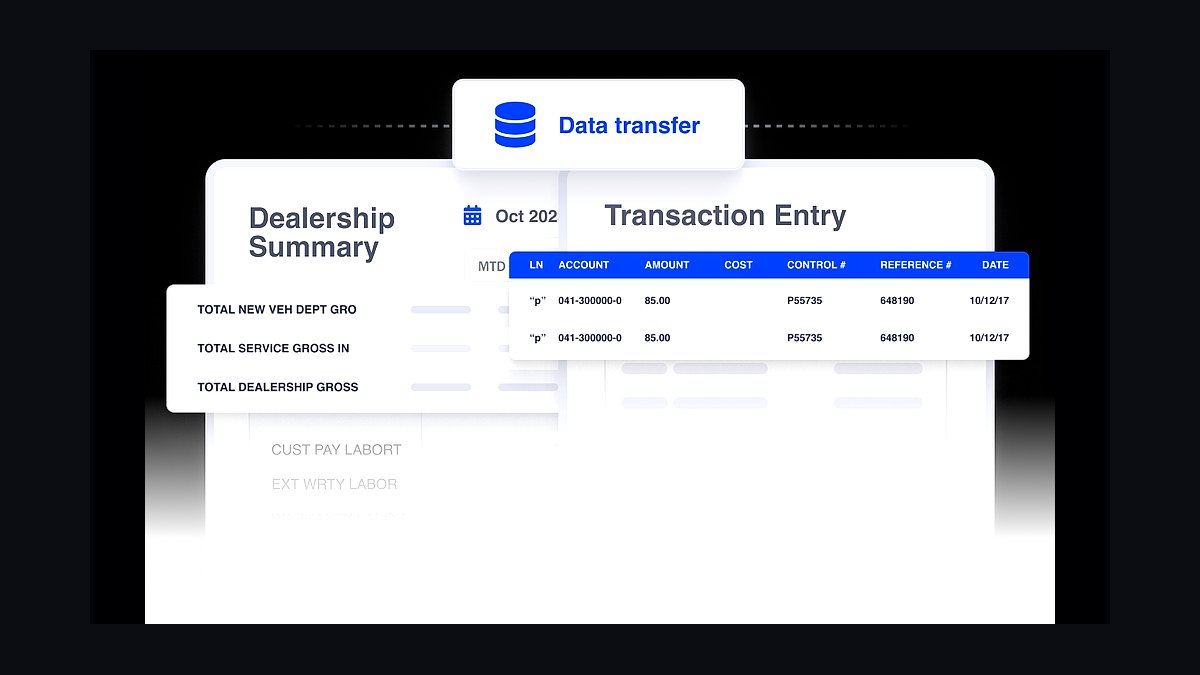
Dealertrack ranks seventh because it is the other major credit-application and lender-routing platform powersports dealers use alongside RouteOne, connecting the DMS to lenders for instant credit decisions. Like RouteOne, it is largely transaction- and subscription-priced through the DMS and layers with F&I menu tools for back-end product presentation. It routes to powersports lenders and OEM captive finance programs.
It is for dealers whose DMS or lender panel integrates more cleanly with Dealertrack than with RouteOne. It trades away independence, since it requires DMS integration and lender participation to deliver value. Against RouteOne above, the two are functional equivalents, and the deciding factor is usually which platform a dealer's DMS and lenders support best.
8Podium

Podium ranks eighth because it handles text-first lead follow-up, review automation, and messaging for the long, considered powersports buying cycle. It runs roughly $300-$600+ per month for the messaging suite and is often layered on top of Dealer Spike CRM or DX1 CRM. It centralizes Google and Facebook reviews and adds online service scheduling and reminder texting on top of the DMS service module.
It is for dealers who need fast text response and reputation management across a geographically captive buyer base. It trades away deep CRM pipeline and DMS-native lead attachment, which Dealer Spike CRM and DX1 CRM provide. Against Birdeye below, Podium leans messaging-first, while Birdeye leans review and local-marketing automation.
9Birdeye
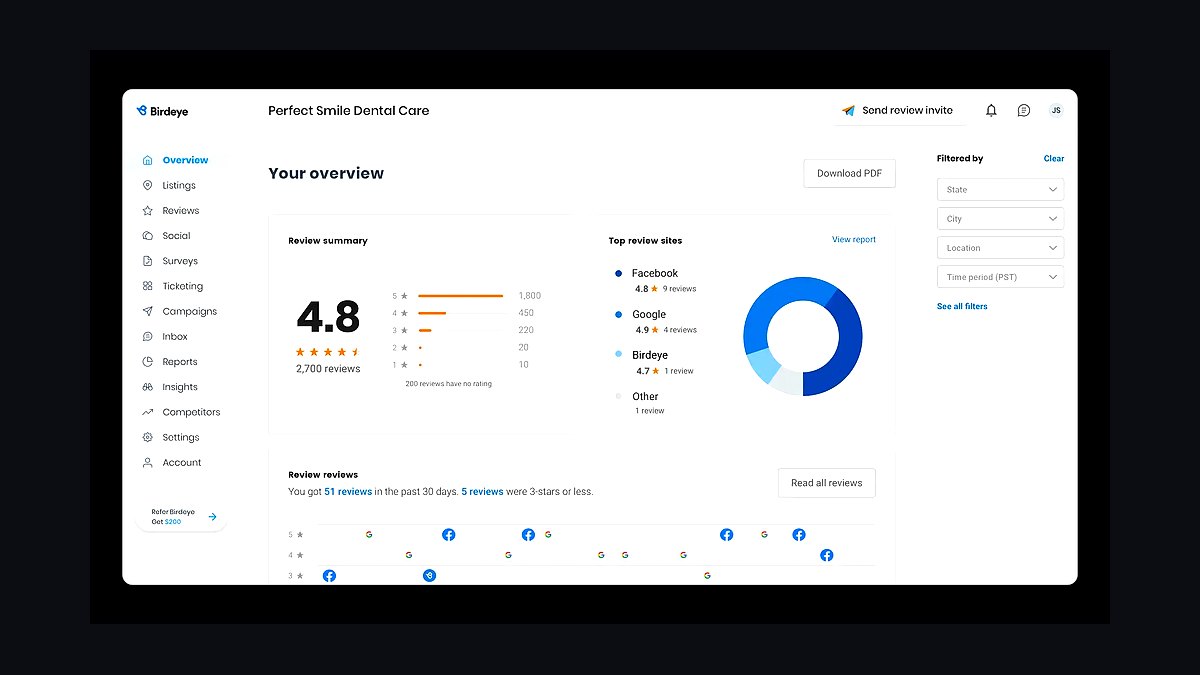
Birdeye ranks ninth because it automates review requests and local-search presence, which matter for a considered, geographically captive powersports buyer. It is priced by location and module, similar to Podium, and centralizes Google and Facebook reviews while running text-message marketing campaigns. It feeds a messaging inbox alongside review automation for multi-location dealer groups.
It is for multi-location dealers who want review and reputation automation priced per location. It trades away the messaging-first front line that Podium provides for lead follow-up. Against Podium above, Birdeye skews toward reputation and local marketing, while Podium skews toward text-first sales and service communication.
10Power BI
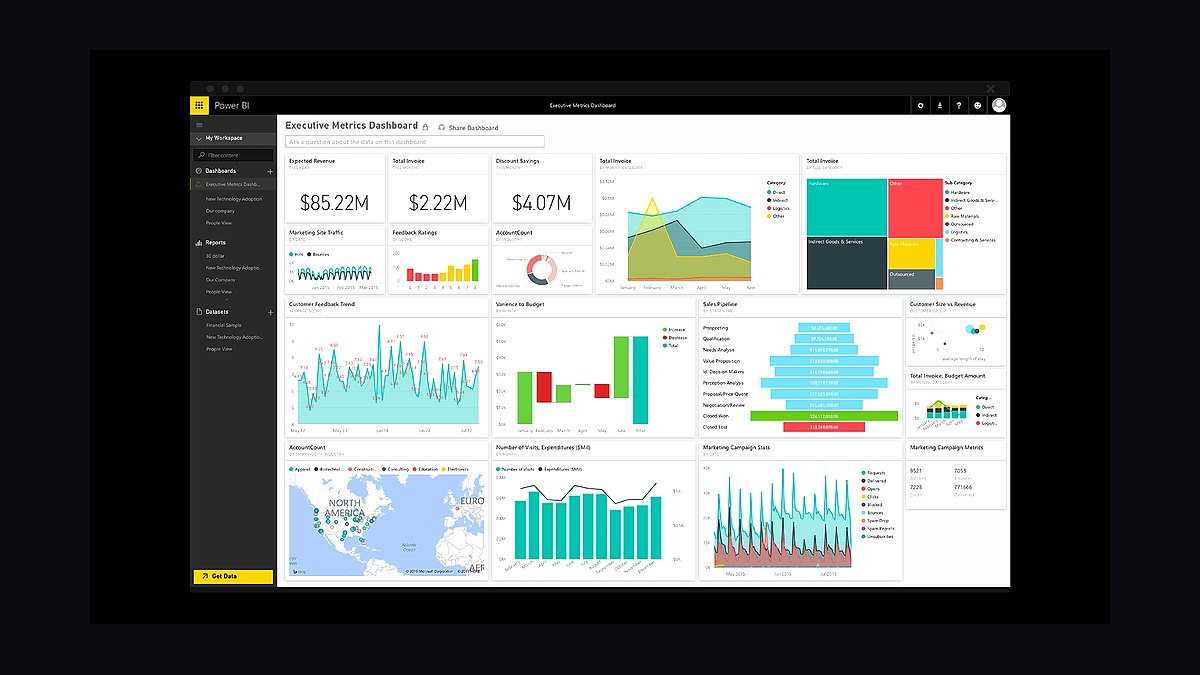
Power BI ranks tenth because it is the reporting layer that reconciles unit gross, PG&A margin, service effective labor rate, and floorplan aging across stores. Power BI Pro runs $14 per user per month, and dealer groups pull DMS exports into one model for cross-store reporting. Single stores often stay in DMS-native dashboards or free Looker Studio instead.
It is for multi-store dealer groups that need one consolidated P&L across rooftops, franchises, and departments. It trades away turnkey setup, since it requires DMS exports and modeling work to be useful. Against DMS-native dashboards above it in the stack, Power BI adds cross-store consolidation, while native dashboards are bundled and simpler for a single rooftop.
How we ranked these
We ranked tools by weighting five factors: depth of powersports-specific functionality (VIN/serial unit sales, PG&A point-of-sale, service repair orders, F&I in one database), certified multi-OEM integration for Harley-Davidson, Honda, Yamaha, Polaris and BRP portals, live Cycle Trader-family listing syndication, distributor catalog feeds from WPS, Tucker and Parts Unlimited, and total cost of ownership across a three-year horizon.
Integration depth and OEM certification carried the most weight because a broken feed costs warranty labor and phantom inventory.
We deliberately ignored generic auto-dealer DMS platforms, feature-count marketing checklists, and vendor-published ROI claims. Auto DMS tools cannot run a high-volume PG&A counter or multi-franchise parts-number reconciliation, so ranking them would mislead. We also excluded floorplan interest, inventory carrying cost, and headcount from the scoring because those are financing and staffing decisions, not software selection criteria. Analyst market-share reports were treated as context, not as a ranking input.
Related questions
Why can't a car dealership DMS run a powersports store?
A car DMS assumes a few large unit transactions daily. A powersports dealer rings a hundred small PG&A tickets for every titled unit, carries multiple franchises with different part-number schemes, and runs a service shop writing repair orders. Generic auto platforms lack VIN-serialized PG&A point-of-sale, multi-OEM warranty submission, and distributor catalog feeds, so the counter and shop fall outside the ledger.
How important is multi-OEM integration in a powersports DMS?
It is the single most important checkbox. Most dealers carry Honda, Yamaha, Polaris, BRP or Harley-Davidson simultaneously, and each runs its own portal for inventory feeds, unit and parts ordering, and warranty claims. A DMS without certified integration for the exact franchises a dealer holds means stale listings, bounced orders, and unpaid warranty labor. Verify certifications before signing.
Do I need Cycle Trader if I already have a dealer website?
Yes. Cycle Trader, ATV Trader and PWC Trader are where considered powersports buyers research for weeks before visiting a store. A dealer website captures branded search, but marketplace listings capture in-market demand across brands. Most dealers syndicate DMS inventory to both, then route every inquiry into the same CRM queue so no lead is orphaned.
Is Blackpurl or Lightspeed better for a single rooftop?
Blackpurl is a modern cloud DMS popular with single rooftops and lighter subscription pricing. Lightspeed DMS dominates multi-store groups and carries deeper enterprise reporting. A single store with one or two franchises often finds Blackpurl sufficient; a store planning to add rooftops or needing consolidated P&L across locations should weigh Lightspeed or Dominion DX1 instead.
How much should a single-rooftop dealer budget monthly for software?
Expect roughly $2,500 to $6,000 per month total across DMS, website, CRM, listings, F&I, payments, reviews and accounting. A lean Blackpurl or DX1 setup with a Dealer Spike site and Podium sits near the low end. Lightspeed with multiple OEM modules, a Shopify gear store and Power BI pushes toward the high end. Floorplan interest is separate.
Why does PG&A e-commerce matter so much for powersports dealers?
Parts, gear and accessories carry retail margins and repeat purchases that unit sales never match, and the channel runs year-round even when showroom traffic goes quiet. Dealers with thin websites cede helmet, tire and apparel sales to online retailers. Catalog discipline, live distributor availability and real fulfillment are what keep that revenue in-house.
What is the biggest integration failure dealers hit?
A silently broken OEM feed. When one of five franchise connections fails, inventory goes stale online, units get double-sold, parts orders bounce, and warranty claims pile up unpaid. The lost warranty labor and phantom inventory dwarf any software line item. Treat a dead feed as a same-day emergency and reconcile part numbers across brands routinely.
Should service scheduling live in the DMS or a separate tool?
Keep repair orders, technician time tracking and warranty-versus-customer-pay splits inside the DMS service module so the shop posts to the same ledger as units and PG&A. Layer Podium or a similar tool on top for online booking and reminder texting. Splitting service into a third app recreates the reconciliation problem the DMS was bought to eliminate.
FAQ
What is the best tech stack for a powersports dealer in 2027?
Center it on a powersports DMS: Lightspeed DMS for multi-store groups, Dominion DX1 or Blackpurl for single rooftops. Wire in certified multi-OEM integration, Cycle Trader-family listings, a Dealer Spike or DX1 website with PG&A e-commerce, a CRM with Podium messaging, RouteOne or Dealertrack F&I, distributor catalogs, payments, reviews and Power BI reporting.
How is a powersports stack different from an auto dealer stack?
A powersports dealer runs three businesses under one roof: VIN-serialized major units with F&I, high-volume PG&A retail and e-commerce, and a busy service shop. An auto store sells a few large transactions daily. That breadth forces a purpose-built DMS that keeps units, parts counter, service and the general ledger in one database.
Which DMS do most large powersports groups run?
Lightspeed DMS, owned by CDK Global, is the dominant platform for multi-store powersports dealers and groups. It handles major-unit inventory, F&I, PG&A point-of-sale, service repair orders and accounting in one database, with enterprise reporting that groups need to consolidate dozens of rooftops into a single P&L.
What does Dominion DX1 include?
DX1 bundles a DMS, dealer website and CRM into one ecosystem, which suits single-rooftop stores that want fewer vendors and native data flow. It covers unit sales, PG&A, service and F&I, and its website pulls live inventory automatically. Pricing scales with modules and seats, typically in the $1,000 to $3,000 per month range.
How do dealers handle multi-OEM warranty claims?
Through DMS integrations to each franchise portal. Harley-Davidson, Honda, Yamaha, Polaris and BRP each run their own system for inventory feeds, ordering and warranty submission. The DMS pushes claims and reconciles part numbers across brands. When evaluating a DMS, confirm certified integration for the exact franchises the store carries.
Where should used units be listed online?
Cycle Trader for street and dirt bikes, ATV Trader for side-by-sides, PWC Trader for watercraft and Snowmobile Trader for sleds. Syndicate directly from DMS inventory so photos, pricing and status stay current. Facebook Marketplace is a free supplement many dealers run in parallel. Packages commonly run $300 to $1,200 per month.
What role does Podium play in a powersports stack?
Podium handles text-first lead follow-up, review requests and messaging across Google and Facebook. Powersports buyers research for weeks, so fast text responses convert far better than phone tag. Podium typically layers on top of Dealer Spike CRM or DX1 CRM rather than replacing it, running roughly $300 to $600 per month.
How should floorplan aging be managed?
Track unit aging inside the DMS, syndicate aging inventory harder on Cycle Trader, and price to move at season's end. Every unsold unit accrues flooring interest, and seasonal demand means a snowmobile carried into summer is pure carrying cost. Aging discipline is a stack problem as much as a sales one, because the DMS is where aging data lives.
Do single stores need Power BI?
Usually not. Single rooftops often live comfortably in DMS-native dashboards or free Looker Studio reports. Power BI Pro at $14 per user per month earns its place when a group needs to reconcile unit gross, PG&A margin, service effective labor rate and floorplan aging across multiple stores in one model.
What is the most common budgeting mistake?
Underfunding PG&A e-commerce while overspending on unit-sales features. Dealers buy a full DMS then bolt on a thin website, leaving the highest-margin repeat revenue to online retailers. Budget the catalog feeds, live availability and fulfillment that make the parts and gear store competitive, not just the showroom tools.
Sources
- https://www.lightspeeddms.com/
- https://www.dx1.com/
- https://www.blackpurl.com/
- https://www.dealerspike.com/
- https://www.cycletrader.com/
- https://www.routeone.com/
- https://www.podium.com/
- https://www.wps-inc.com/
- https://www.tucker.com/
- https://powerbi.microsoft.com/
Related on PULSE
This page will be disappearing soon. Save it to your device for $1 — or read it free while it is here.
@Kory-White- · if Venmo asks, the last 4 of my number are 2012
This page is gone.
This one is off the shelf now. $1 keeps it on your phone for good — the whole page, pictures and diagrams included.
 pulse-tech-stacksTop 10 Best Tech Stack Tools for Online Travel Agencies (OTAs) in 2027
 pulse-tech-stacksTop 10 Best Tech Stack Tools for Insulation Contractors in 2027
 pulse-tech-stacksTop 10 Best Tech Stack Tools for Tire Shops in 2027
 pulse-tech-stacksTop 10 Best Tech Stack Tools for AI Customer Support Companies in 2027
 pulse-tech-stacksTop 10 Best Tech Stack Tools for Small Pest Control Companies in 2027
 pulse-tech-stacksTop 10 Best Tech Stack Tools for Home Inspection Companies in 2027
 pulse-tech-stacksTop 10 Best Tech Stack Tools for Plumbing Contractors in 2027
 pulse-tech-stacksTop 10 Best Tech Stack Tools for AI Observability Platform Companies in 2027
 pulse-tech-stacksTop 10 Best Tech Stack Tools for Window Cleaning Services in 2027
 tkTop 10 Best Tech Stack Tools for Fencing and Deck Contractors in 2027