


Top 10 Best Tech Stack Tools for Building Materials and Lumber Yards in 2027
Quality
Certified
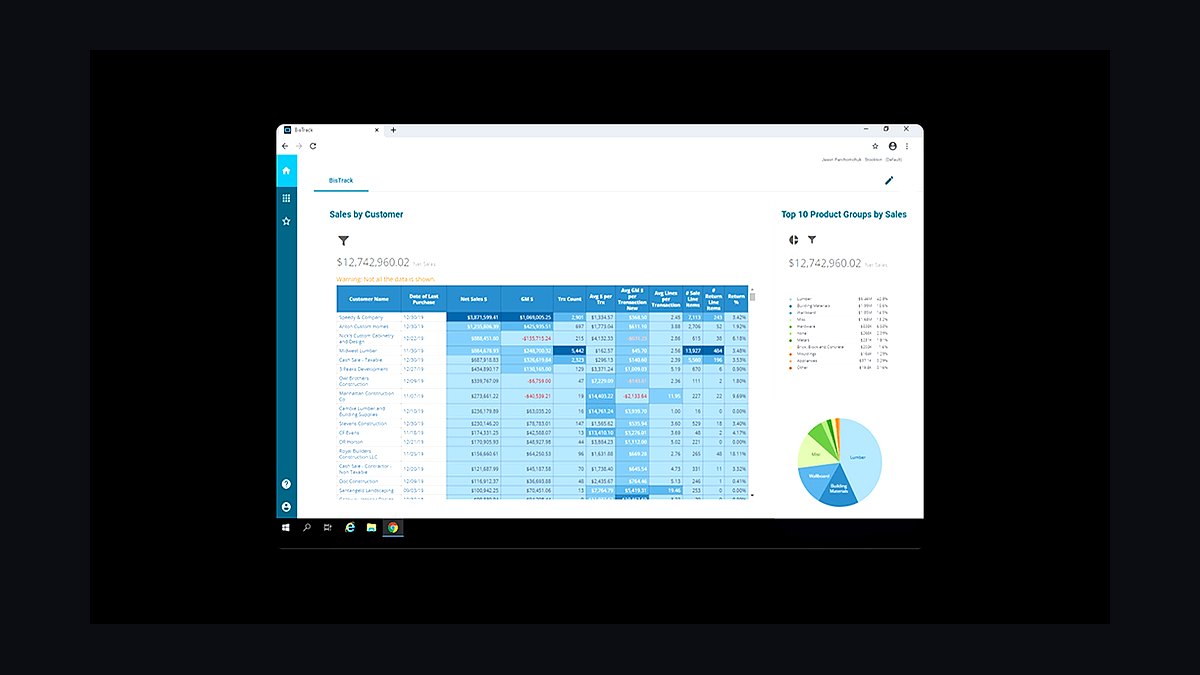
The 10 best tech stack tools for building materials and lumber yards are ranked below on measured performance, build quality, price, and how each one actually holds up in daily use rather than how it reads on a spec sheet. Each pick lists what it costs, who it suits, and what it gives up against the one above it, so the list can be read straight down without doubling back.
1Epicor BisTrack LBM ERP
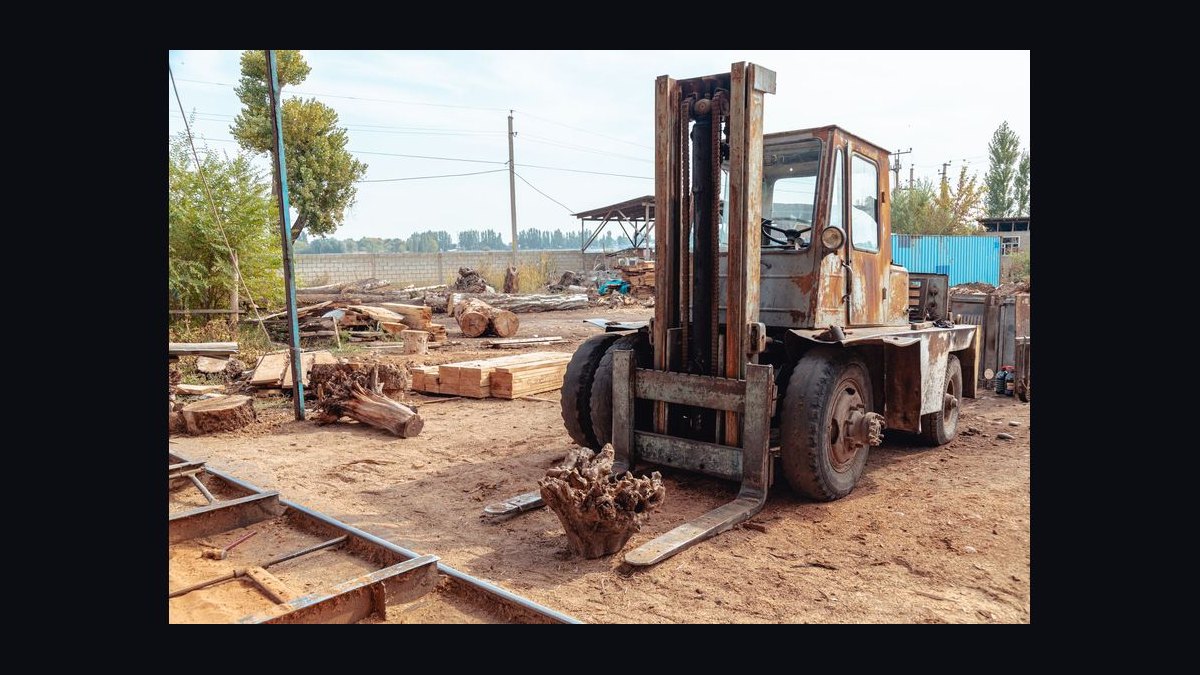
Epicor BisTrack ranks first because it is the LBM-specific system of record that natively models tally, unit conversion, and commodity costing, the requirements no generic ERP fixes. It handles piece, linear foot, board foot, MBF, and banded unit pricing on one item, tracks cost by mill, species, grade, and treatment, and carries contractor credit and job-based purchasing inside the same database.
BisTrack is built for multi-branch pro dealers and yards running component plants, not for walk-in retail trade. It trades away simplicity and low cost: implementation runs one to two quarters and the license is the smaller part of the total. Compared with DMSi Agility directly below it, BisTrack leans toward larger, more complex dealer networks.
2DMSi Agility ERP
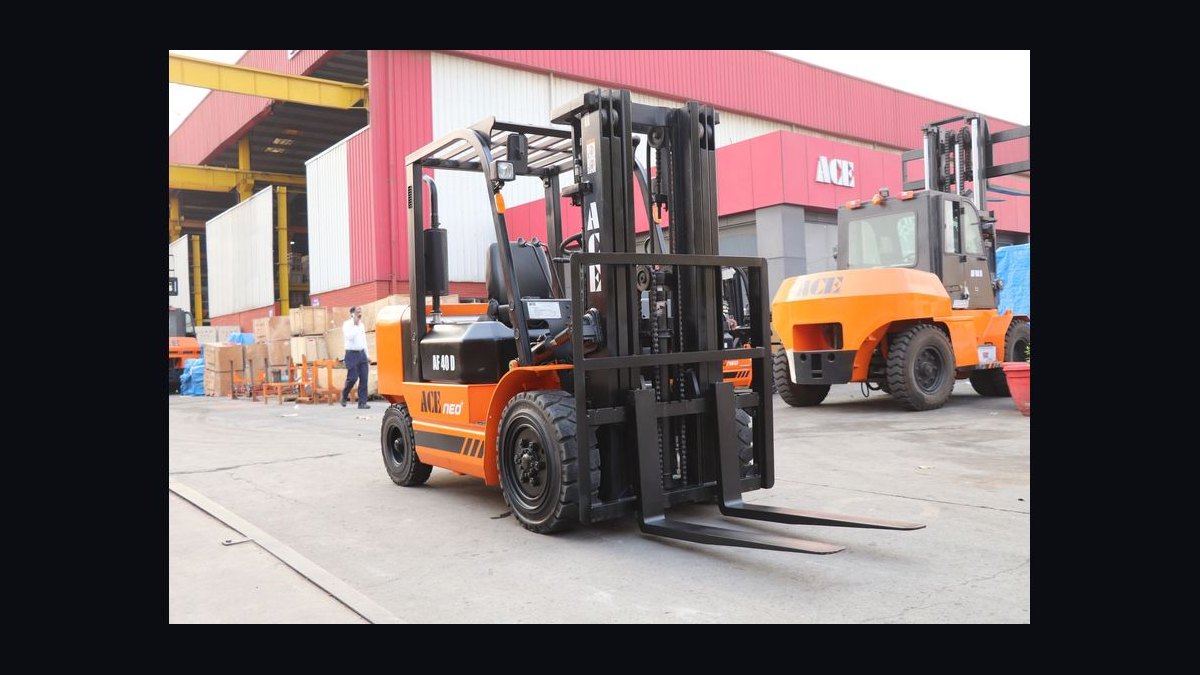
DMSi Agility ranks second as the other purpose-built LBM platform, with native tally, unit conversion, commodity cost handling, and job-based quoting in one system. It carries contractor accounts, rebate-eligible purchasing by vendor and period, and delivery dispatch inside the same system of record, so branch and margin reporting reconcile without CSV exports.
Agility fits regional multi-branch dealers with a pro-builder focus and heavier estimating needs. It trades away the smallest-yard price point and demands disciplined central item-master governance. Against ECI Spruce below, Agility is the deeper platform for dealers who quote whole house packages rather than line items.
3ECI Spruce ERP
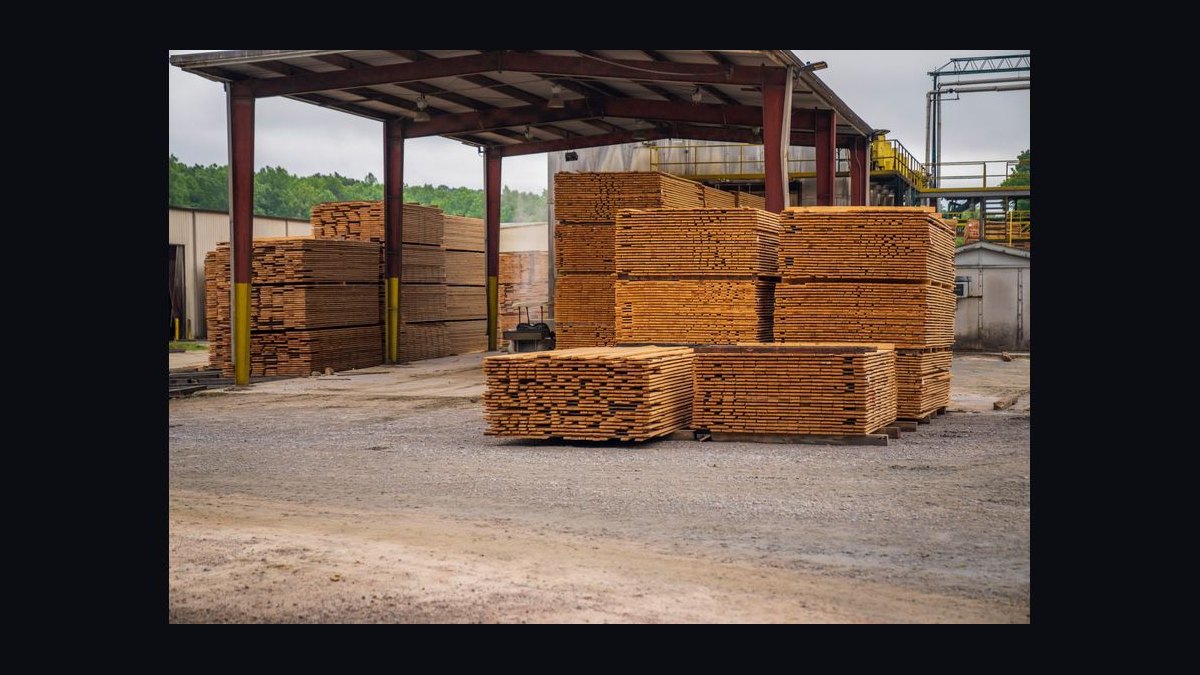
ECI Spruce ranks third because it delivers LBM-aware inventory and tally for smaller single-location and mid-size yards at a lower entry point than BisTrack or Agility. It handles dimensional units, contractor accounts, and order flow, and pairs cleanly with a small-business accounting package for the general ledger where a full ERP finance suite is unnecessary.
Spruce suits yards that need accurate cost and a clean item master more than enterprise modules. It trades away component-plant depth and some multi-branch reporting. Against DMSi Agility above it, Spruce is the lighter, faster-to-stand-up option; against MiTek below, it is the commercial system rather than the design system.
4MiTek Truss Design Software
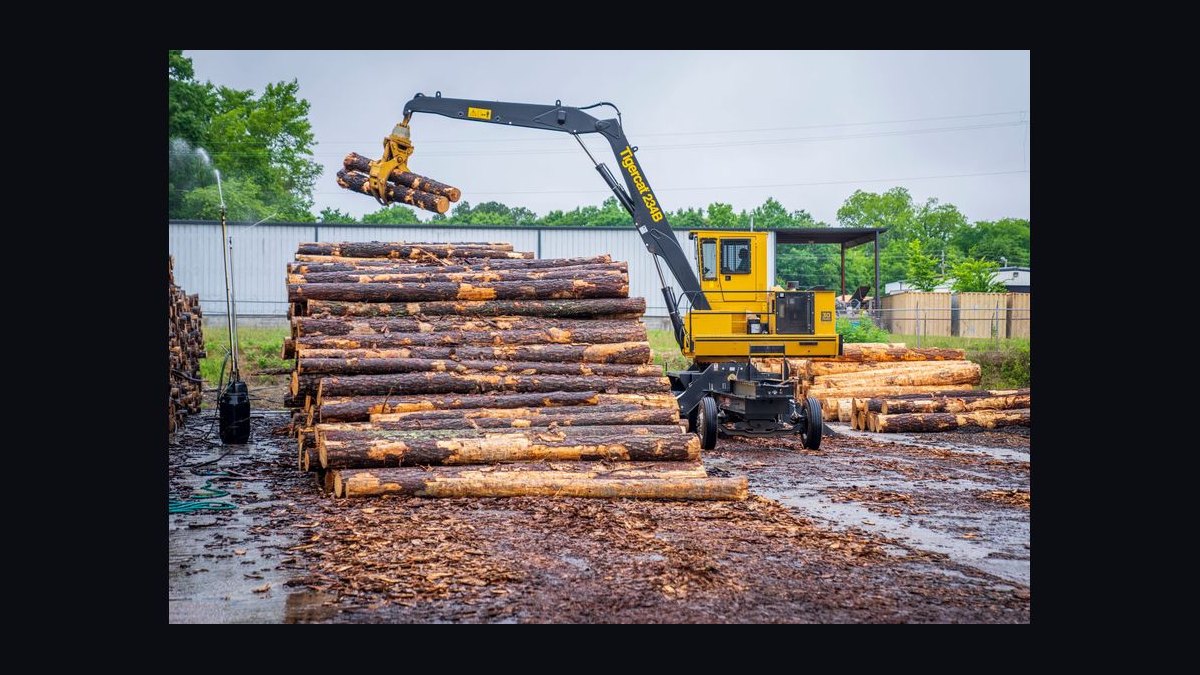
MiTek ranks fourth because component plants need structural design and manufacturing software wired into the ERP, and MiTek is the category standard for roof and floor truss and engineered wood design. It produces engineering output and cut lists, and when integrated properly, designs flow once into orders and billing instead of being re-keyed by hand.
MiTek is for dealers who operate their own component plant, not yards that buy finished trusses. It trades away standalone commercial function: orders, jobs, and billing still belong in the ERP. Against Simpson Strong-Tie Component Solutions below, MiTek is the plant-side design and manufacturing layer rather than the connector and engineering support layer.
5Simpson Strong-Tie Component Solutions
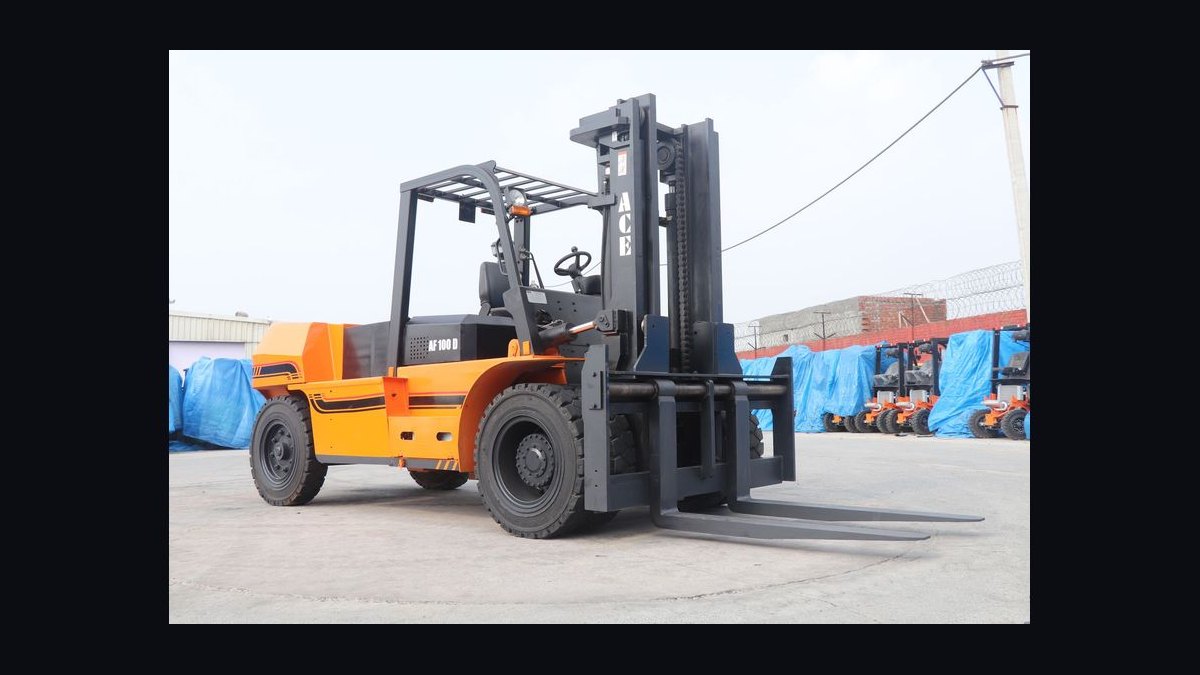
Simpson Strong-Tie Component Solutions ranks fifth because it supplies the connector, engineering, and component design support that keeps truss and engineered wood assemblies compliant and documented. Spec sheets, fire-rated assemblies, and performance documentation can be produced on demand, which matters for builder, inspector, and warranty claims.
It fits dealers running component plants or selling engineered wood who need traceable documentation alongside design. It trades away ERP and commercial order handling entirely. Against MiTek above it, Simpson Strong-Tie leans toward connectors and engineering support; against Samsara below, it is the structural compliance layer, not the fleet layer.
6Samsara Fleet Telematics

Samsara ranks sixth because delivery in this trade is a costed operation, and telematics turns re-delivery rate, deadhead miles, and damage disputes into measurable figures. GPS, driver workflow, and proof of delivery attach a real delivery cost to a real job, which most yards cannot produce when dispatch lives on a whiteboard.
Samsara fits multi-truck yards delivering on boom trucks and flatbeds with Moffett forklifts. It trades away dispatch load building and sequencing, which belong in the ERP. Against Phocas below, Samsara measures the fleet; Phocas measures the business. Against Simpson Strong-Tie above it, it is operational rather than structural.
7Phocas Distribution Analytics

Phocas ranks seventh because once a dealer runs multiple branches, ERP-native reports stop answering which branch, account, or job category is actually profitable. Phocas connects to the ERP and delivers sales, margin, inventory, and rebate analytics without hand-exported spreadsheets nobody trusts.
Phocas is for mid-size and regional dealers who already have clean ERP data and need distribution-focused reporting. It trades away operational transaction handling entirely. Against Microsoft Power BI below, Phocas is purpose-built for distribution with faster time to value; Power BI is more flexible and requires more build and ownership.
8Microsoft Power BI
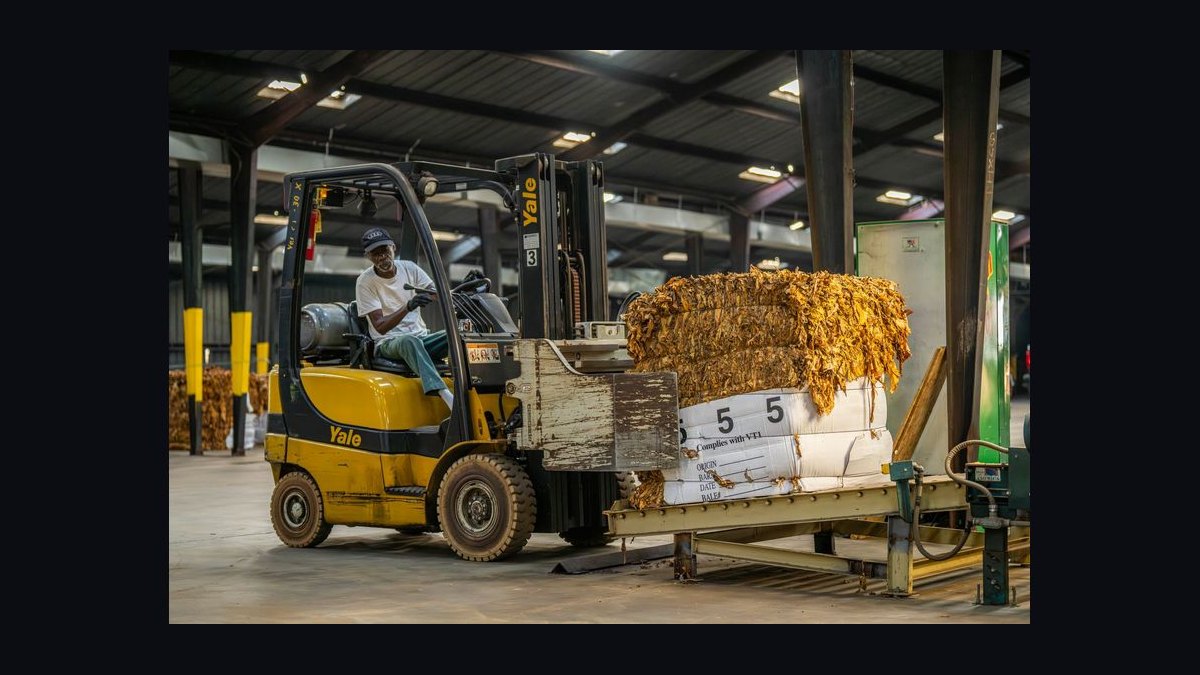
Microsoft Power BI ranks eighth because it is the flexible analytics layer that can feed from the LBM ERP, dispatch, and rebate data into branch and margin dashboards at a lower license cost than purpose-built distribution BI. It handles multi-source models and role-based reporting across branches once the underlying data is standardized.
Power BI suits dealers with internal analytics ownership and a data warehouse feeding it. It trades away prebuilt distribution content, so someone must build and maintain every model and report. Against Phocas above it, Power BI is cheaper but slower to value; against HubSpot below, it analyzes the business rather than managing the pipeline.
9HubSpot CRM

HubSpot CRM ranks ninth because outside sales pipeline management becomes genuinely useful at scale, and it captures activity the ERP does not model. It tracks prospects, follow-ups, and quote-stage pipeline for sales teams calling on builders and production accounts across a territory.
HubSpot fits dealers whose pipeline is genuinely unmanaged and whose ERP customer data is already clean. It trades away order, inventory, and job data, creating a second version of the customer if added too early. Against Power BI above it, HubSpot manages relationships rather than reporting; against Epicor BisTrack at the top, it complements the system of record and never replaces it.
10Epicor BisTrack Contractor Portal
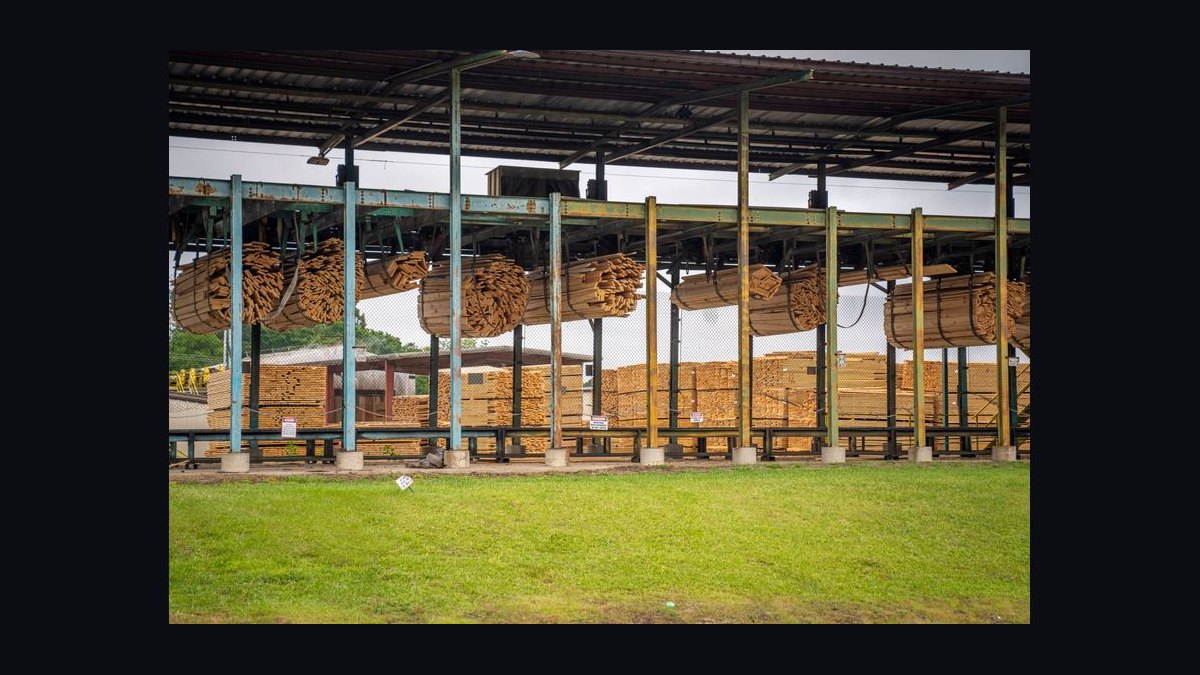
Epicor BisTrack Contractor Portal ranks tenth because a B2B webstore removes phone calls and speeds reorders for repeat builder accounts, showing job-based pricing, statements, and order history directly from the ERP. It pays off when a handful of builder accounts drive most of a yard's volume.
It fits dealers already running BisTrack as the system of record with clean item and pricing data. It trades away value for yards with mostly walk-in trade, where it is a low-priority layer. Against HubSpot above it, the portal serves existing accounts; HubSpot pursues new pipeline. Against DMSi Agility, comparable portals exist but require the matching ERP.
How we ranked these
We scored each stack layer on native tally and unit conversion (piece, LF, BF, MBF, unit), commodity cost handling by mill, species, grade and treatment, job-based quoting with quote aging, delivery dispatch with load building and telematics, component design integration, contractor portal depth, and distribution BI. Integration depth was weighted above feature breadth, since a platform that connects cleanly to estimating, dispatch and analytics beats a feature-rich one requiring custom middleware.
We deliberately ignored vendor size, brand recognition, and generic accounting depth. General ledger flexibility and report writers matter far less than whether the system can represent a board sold five different ways at five independently moving prices. We also excluded CRM pipeline features and payroll, because those sit outside the commercial flow and often duplicate data already held in the ERP.
What to look for
What matters is whether the platform models your actual selling units natively, not whether it can be customized to. Ask vendors to demonstrate a 2x6 converting from piece to linear foot to board foot to MBF on one order, with cost by mill and species attached. Then verify job-based quoting, quote aging against commodity movement, and delivery dispatch with proof of delivery and telematics in the same system.
The mistake most buyers make is evaluating the ERP on financials first. Dealers compare general ledgers and report writers, then discover the platform treats a 2x4 as a single unit. Lead every evaluation with tally, unit conversion, and commodity costing, because those are the requirements no workaround fixes. A second common error is buying for today's single branch when a second location or component plant is eighteen months away.
Related questions
Does a lumber yard need a different ERP than a building materials dealer?
Functionally they are the same problem. Both sell dimensional commodity product in multiple units against builder jobs with delivery and credit exposure. The stack that handles tally, job quoting, and dispatch serves both, which is why the same handful of LBM platforms dominate the category.
Can one ERP run both the yard and a truss plant?
The commercial side, yes — orders, jobs, and billing should live in one system. The manufacturing side usually needs dedicated structural design and plant scheduling software, integrated to the ERP rather than replaced by it. Forcing plant scheduling into a general ERP rarely works.
How long does implementation realistically take?
A single branch can be live in weeks. A regional multi-branch dealer should plan one to two quarters for full rollout. A dealer adding a component plant and a commerce portal should plan multiple quarters and staff an internal owner for the integration work.
What should we fix before buying software?
Clean your item master and standardize units of measure. Inconsistent item descriptions and mixed unit setups are the largest hidden cost in any implementation, and no vendor can fix them for you. Do that work first and the project gets materially cheaper.
Is a contractor portal worth it for a small dealer?
Usually only if a handful of builder accounts drive most of your volume. A portal pays off when it removes phone calls and speeds reorders for repeat customers. For a yard with mostly walk-in trade, it is a low-priority layer.
How do buying-group rebates connect to the ERP?
Rebates are only capturable if purchases are recorded against the right vendor, category, and period. If the system of record cannot track rebate-eligible purchases, those dollars quietly go unclaimed at year end. That is a system-of-record problem, not a finance problem.
Do we need telematics on every truck?
Start with the trucks that run the most stops and the most re-deliveries. Telematics pays off fastest where routing is complex and proof of delivery disputes are frequent. Once you can attach a real delivery cost to a real job, expand from there.
When should a dealer add a separate CRM?
Add it when pipeline is genuinely unmanaged, not because it is on a checklist. Many dealers already hold account history, quotes, and order activity inside the ERP. Bolting on a CRM before that data is clean creates two versions of the customer and no single source of truth.
FAQ
Why can't we just use a general-purpose distribution or retail system?
Because those systems assume one item equals one unit equals one price. A lumber yard sells the same board by piece, linear foot, board foot, thousand board feet, and banded unit, with cost that moves on commodity markets. Without native unit conversion and tally, your team rebuilds that logic in spreadsheets and cost accuracy collapses.
Which layer should we buy first if we can only do one thing this year?
The system of record. Get inventory, tally, units, purchasing, and contractor accounts onto an LBM-specific ERP before anything else. Estimating, dispatch, and analytics all depend on that data being right, so buying them first means building on sand.
How do we know if delivery is actually costing us money?
Measure re-delivery rate, deadhead miles, and damage disputes for one month. If you cannot produce those numbers, that is the answer — you are absorbing delivery cost invisibly. Dispatch software with load building, proof of delivery, and telematics turns those into measurable figures.
Do we need structural design software if we only occasionally sell trusses?
No. If you buy finished components from a supplier, you need clean purchasing and job costing, not design software. Design and manufacturing platforms become necessary when you operate your own component plant and need cut lists and engineering output.
How do we protect margin between quoting a house package and shipping it?
Use estimating inside the ERP with quote-aging and reprice rules. Open quotes should be flagged when commodity cost moves, pricing should expire or reprice on a defined schedule, and affected lines should be updated before the quote converts to an order.
Where does business intelligence fit for a mid-size dealer?
Once you run multiple branches, ERP-native reports stop answering questions like which branch, account, or job actually makes money. Distribution BI fed directly from the ERP closes that gap. Feed it from the system of record, never from exported spreadsheets nobody trusts.
What is the biggest hidden cost in an LBM implementation?
Data migration. Cleaning decades of inconsistent item descriptions, mixed unit setups, and duplicate vendor records is the single largest hidden cost, and it is labor you either pay a consultant for or pay your own team to do badly. Budget for it explicitly.
How many branches before a single ERP becomes mandatory?
Practically, the second branch. Two locations running separate item masters and pricing logic create reporting you cannot reconcile, and unwinding that later takes years. Standardize the item master, pricing, and delivery workflow centrally before branch two opens.
Should accounting live inside the LBM ERP?
For multi-branch dealers, yes — AR, AP, and credit belong where the orders are, because contractor credit limits must sit with the transactions. Single-location yards commonly post the general ledger to a small-business accounting package, which complements rather than replaces the ERP.
How do we handle window and door quoting without retyping part numbers?
Use a configurator wired into the ERP so openings, millwork, and options price correctly from the catalog. Hand-keyed part numbers are slow and error-prone, and they break the link between the quote, the purchase order, and the job once the house package ships.
Sources
- https://www.epicor.com/en-us/industries/building-materials/
- https://www.dmsi.com/
- https://www.ecisolutions.com/
- https://www.nahb.org/
- https://www.nlbmda.org/
- https://www.thisoldhouse.com/
- https://www.osha.gov/
- https://www.epa.gov/
Related on PULSE
This page will be disappearing soon. Save it to your device for $1 — or read it free while it is here.
@Kory-White- · if Venmo asks, the last 4 of my number are 2012
This page is gone.
This one is off the shelf now. $1 keeps it on your phone for good — the whole page, pictures and diagrams included.
 pulse-tech-stacksTop 10 Best Tech Stack Tools for Tire Shops in 2027
 pulse-tech-stacksTop 10 Best Tech Stack Tools for Public Relations Agencies in 2027
 pulse-tech-stacksTop 10 Best Tech Stack Tools for HVAC Equipment Distributors in 2027
 pulse-tech-stacksTop 10 Best Tech Stack Tools for Embeddings API Companies in 2027
 pulse-tech-stacksTop 10 Best Tech Stack Tools for MSP and IT Services Companies in 2027
 pulse-tech-stacksTop 10 Best Tech Stack Tools for Garden Centers and Nurseries in 2027
 pulse-tech-stacksTop 10 Best Tech Stack Tools for Online Travel Agencies (OTAs) in 2027
 pulse-tech-stacksTop 10 Best Tech Stack Tools for Plumbing Contractors in 2027
 pulse-tech-stacksTop 10 Best Tech Stack Tools for Independent Food Trucks in 2027
 tkTop 10 Best Tech Stack Tools for Concrete and Paving Contractors in 2027