


Top 10 Best Tech Stack Tools for Independent Martial Arts Schools in 2027
Quality
Certified
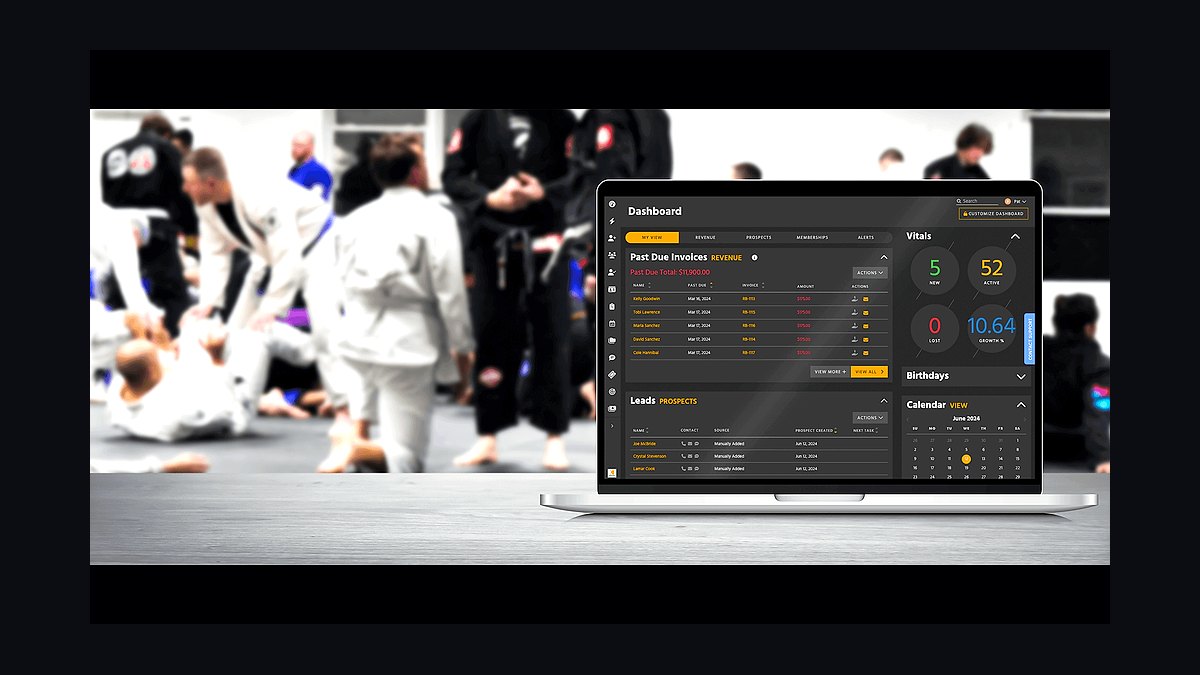
The 10 best tech stack tools for independent martial arts schools are ranked below on measured performance, build quality, price, and how each one actually holds up in daily use rather than how it reads on a spec sheet. Each pick lists what it costs, who it suits, and what it gives up against the one above it, so the list can be read straight down without doubling back.
1Kicksite Martial Arts Software
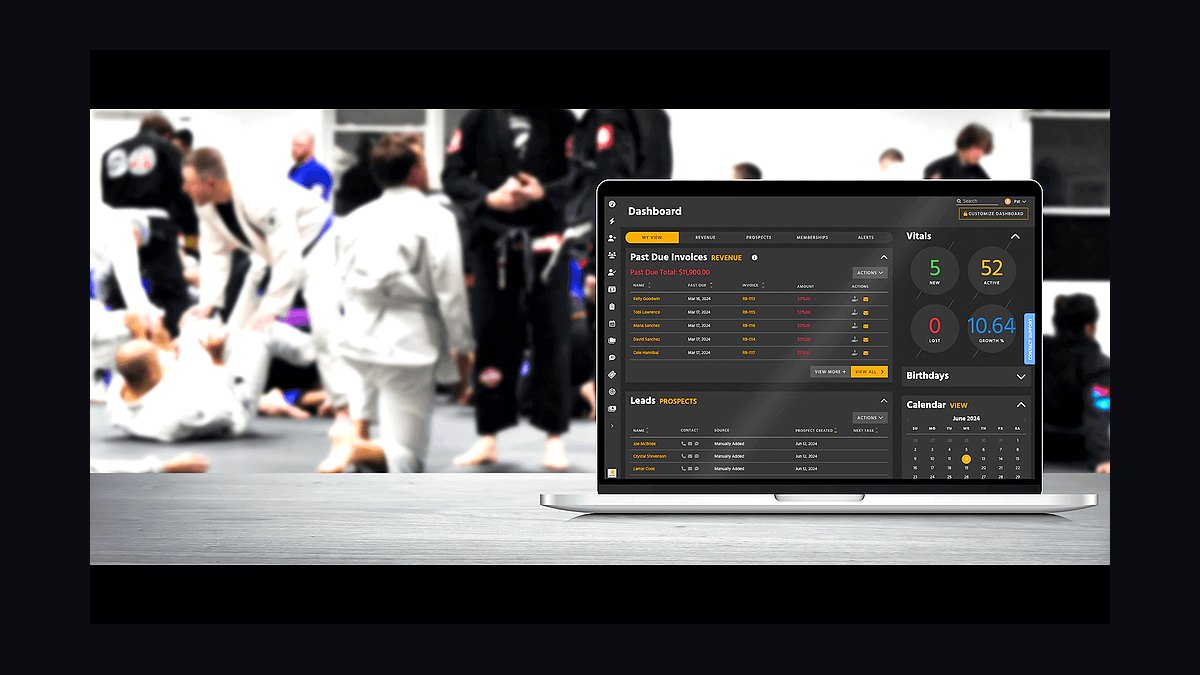
Kicksite ranks first because it was purpose-built for martial arts schools, fusing rank tracking, attendance, recurring billing, and a member app in one hub. It stores signed agreements, runs auto-draft dues, and automatically connects attendance to belt-test eligibility. Pricing runs roughly $100–$250/month depending on student count, and the branded parent app handles schedules and payments.
It fits single dojos under about 300 students that want one system for belts and dues rather than bolted-together tools. It trades away deep fitness-class-pack support, so hybrid kickboxing gyms may outgrow it. Compared with Spark Membership directly below, Kicksite leans toward traditional karate and taekwondo curriculum tracking, while Spark leans adult BJJ and marketing automation.
2Spark Membership Software

Spark Membership ranks second for its stripe and belt tracking plus marketing automation aimed at adult-heavy BJJ and MMA academies. It bundles curriculum and rank features, a branded member app for check-in and payments, and CRM pipelines for intro-offer leads. Pricing sits in the same $100–$250/month range as Kicksite, scaling with active student count.
It suits academies running paid acquisition who want pipelines and SMS baked in rather than stacked on. It trades away some of the traditional curriculum depth Kicksite offers for kids programs. Compared with Zen Planner just below, Spark is martial-arts-only, so hybrid schools selling fitness class packs should weigh Zen Planner's dual-mode scheduling.
3Zen Planner Software
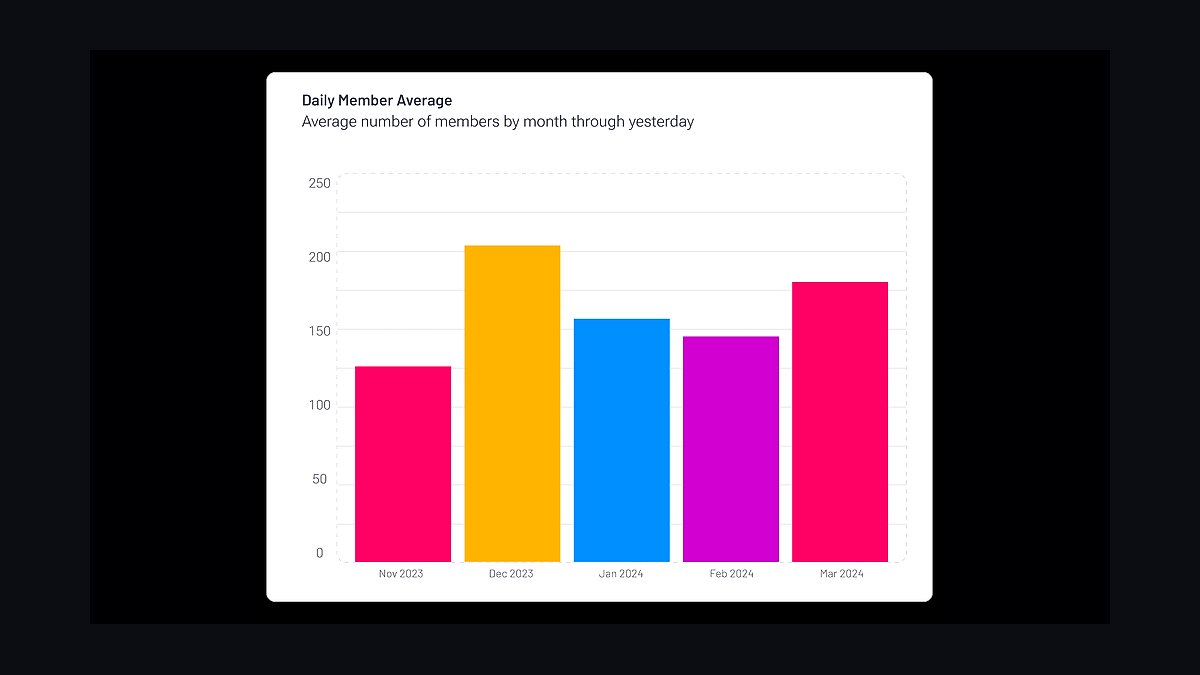
Zen Planner ranks third because it handles martial arts rank programs and general fitness class packs in one platform, which matters for hybrid MMA and kickboxing gyms. Pricing runs roughly $117–$200+ per month depending on member count, with scheduling, kiosk check-in, and a member app included. It stores agreements and runs recurring drafts natively.
It fits hybrid schools around 200–300 members that sell both belts and drop-in fitness classes. It trades away some martial-arts-specific curriculum polish that Kicksite and Spark ship. Compared with Member Solutions below, Zen Planner covers the operational hub but not dedicated past-due collections, so growing schools often pair the two.
4Member Solutions Billing

Member Solutions ranks fourth because dedicated billing and agreement management recovers past-due revenue that platform auto-dunning quietly lets slip. It stores signed contracts, runs recurring drafts, and owns the awkward collections calls that most owners avoid. Pricing typically runs 2.5–5% of processed dues or a per-draft fee.
It fits established schools around 100–300 students where failed-payment drift costs real monthly revenue. It trades away the simplicity of platform-native billing and adds a vendor to manage. Compared with GoHighLevel below, Member Solutions handles money recovery while GoHighLevel handles lead capture, and the two rarely overlap.
5GoHighLevel CRM
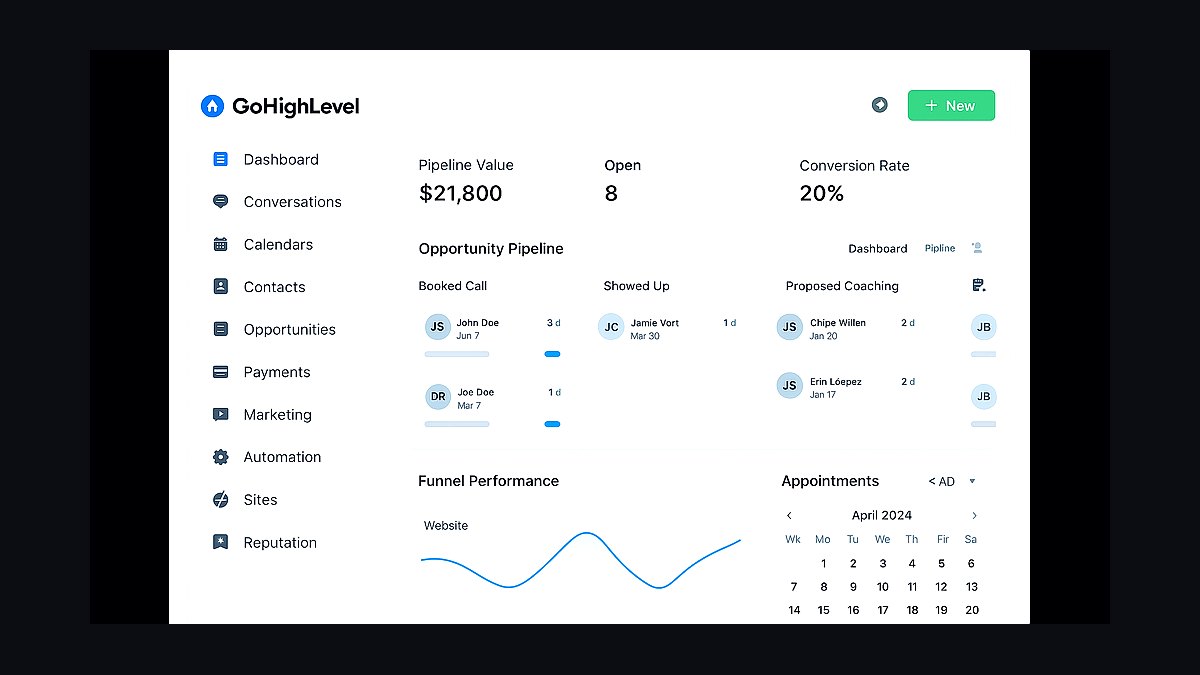
GoHighLevel ranks fifth for schools running heavy paid acquisition that need pipelines, automations, and missed-call text-back. Speed-to-lead on a $49 intro offer decides whether the mat fills, and GoHighLevel automates that follow-up cadence. Pricing runs roughly $97–$297/month depending on tier, with SMS and email bundled.
It fits schools spending $500–$3,000/month on Facebook and Instagram ads who need structured trial follow-up. It trades away simplicity, since it duplicates some platform CRM features and requires setup time. Compared with CallRail below, GoHighLevel manages the pipeline while CallRail attributes which ads actually generated the phone calls.
6CallRail Call Tracking
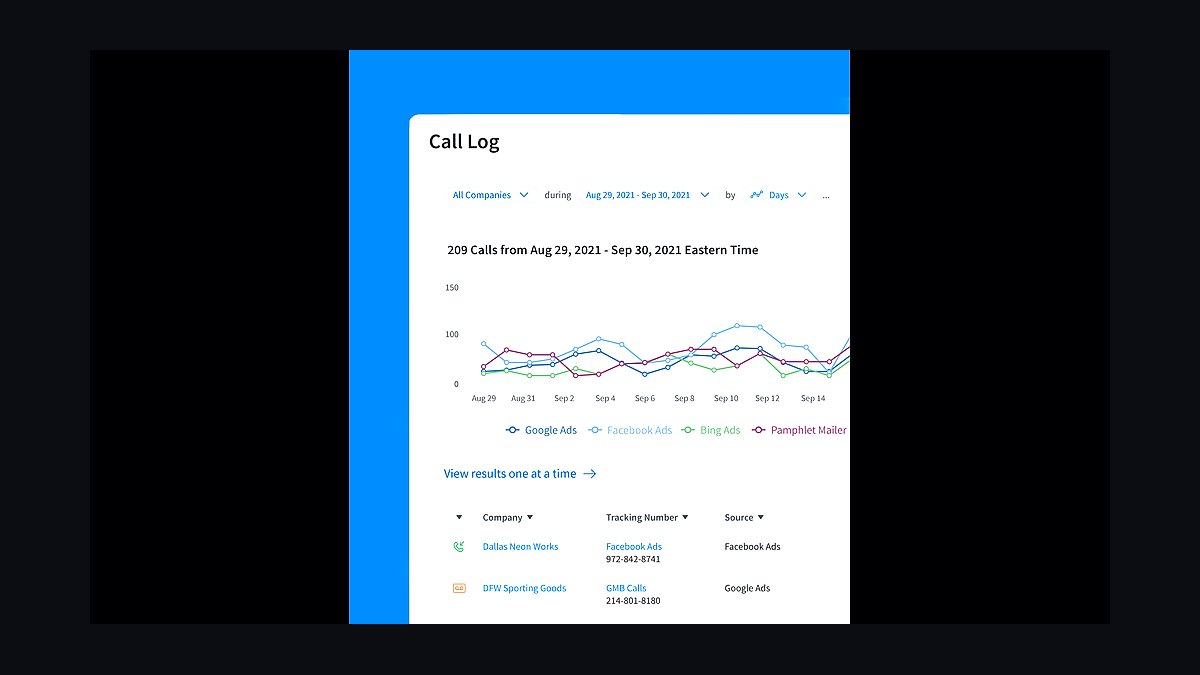
CallRail ranks sixth because you cannot optimize ad spend you cannot attribute, and parents booking intro classes overwhelmingly call rather than fill forms. It tracks which Facebook, Instagram, or Google ad generated each phone lead and records calls for follow-up quality. Pricing runs roughly $50–$150/month depending on call volume.
It fits schools running local video ads who need to know which campaigns book tours. It trades away nothing operationally but adds a subscription most sub-100-student dojos can skip. Compared with Podium below, CallRail attributes inbound calls while Podium generates the reviews that lower cost per lead.
7Square Retail POS
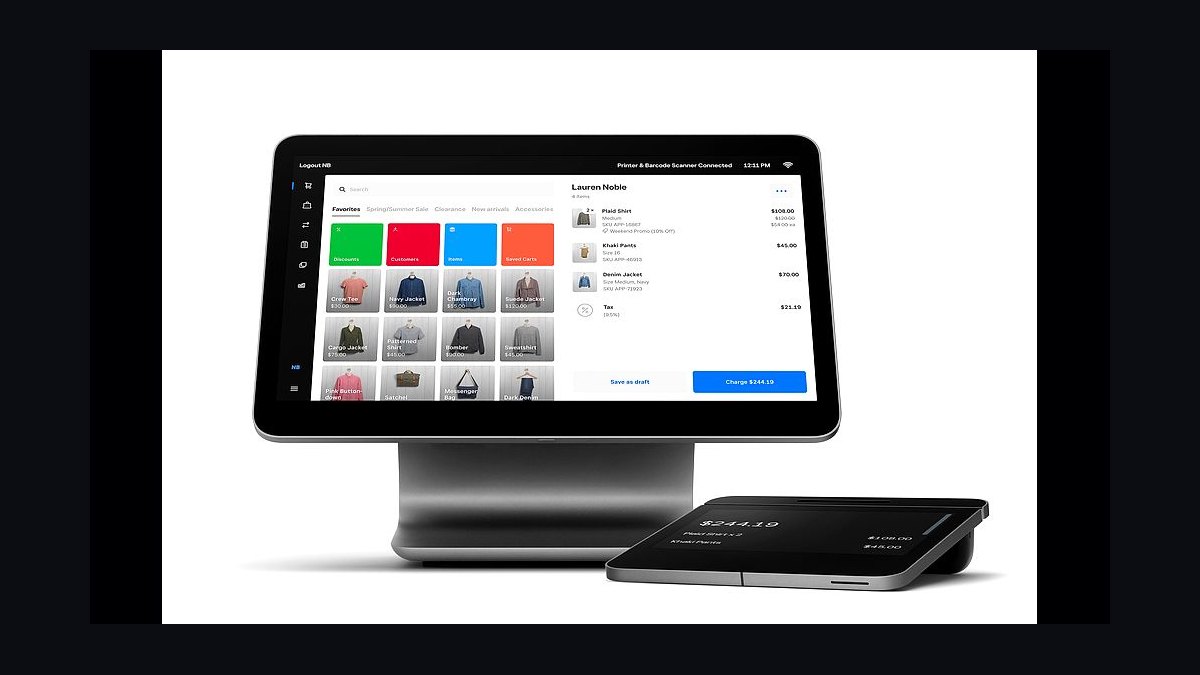
Square ranks seventh because pro-shop gear sales are real margin and Square's hardware is cheap and reliable. It processes uniforms, belts, sparring gear, and tournament fees at 2.6% plus 10 cents per swipe with free software. Setup takes minutes and the card reader works at the front desk or at tournaments.
It fits schools of any size selling retail alongside memberships, from small dojos to multi-location franchises. It trades away deep inventory analytics that Clover offers at higher retail volume. Compared with Podium below, Square handles transactions while Podium handles the review flow that drives new students to the door.
8Podium Review Management

Podium ranks eighth because parents choose martial arts schools by star rating, and a steady Google review flow directly lowers cost per lead. It requests reviews by text after class, routes responses, and centralizes messaging across locations. Pricing runs roughly $250–$450/month depending on features and location count.
It fits established schools and franchises where reputation drives enrollment decisions. It trades away budget-friendliness, since free Google review links work for very small dojos. Compared with QuickBooks Online below, Podium manages reputation while QuickBooks manages the books, and both sit outside the core platform.
9QuickBooks Online
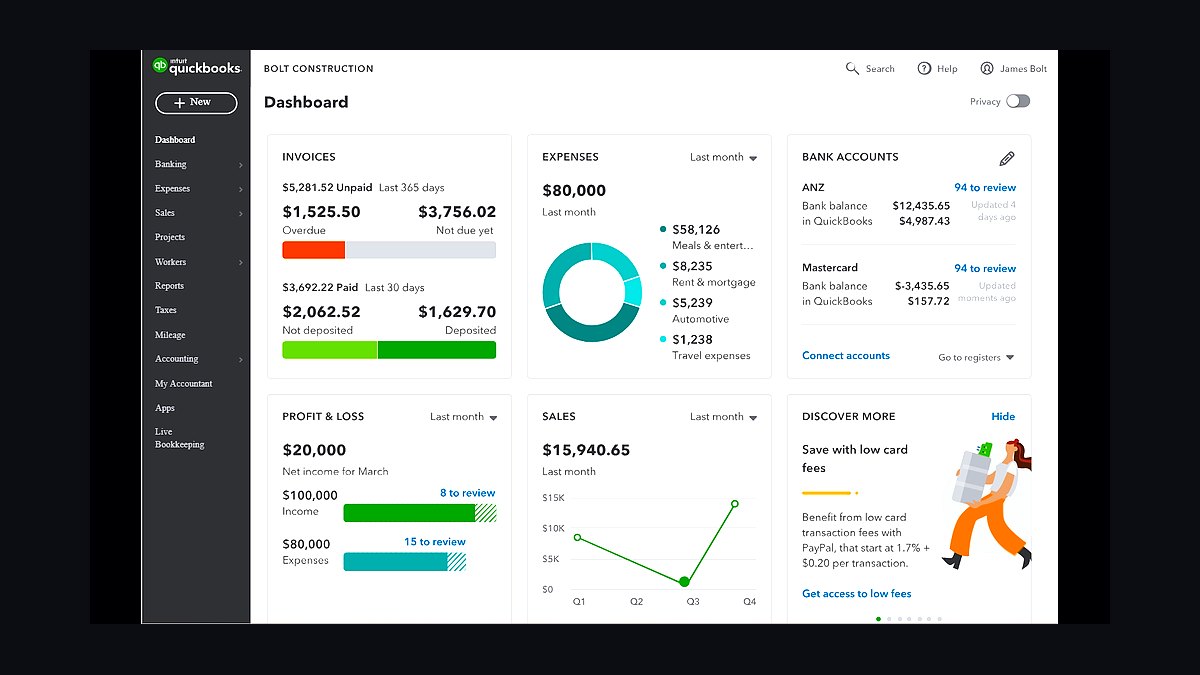
QuickBooks Online ranks ninth because every bookkeeper and tax preparer expects it, and platform billing exports cleanly into it. Plans run roughly $35–$100/month depending on tier, covering invoicing, expense tracking, and payroll add-ons. It reconciles dues drafts, pro-shop sales, and ad spend in one ledger.
It fits every school size, from a 50-student dojo to a five-location franchise. It trades away nothing critical but requires either an accountant or disciplined categorization. Compared with Power BI below, QuickBooks tracks money in and out while Power BI tracks active students and attendance trends.
10Microsoft Power BI
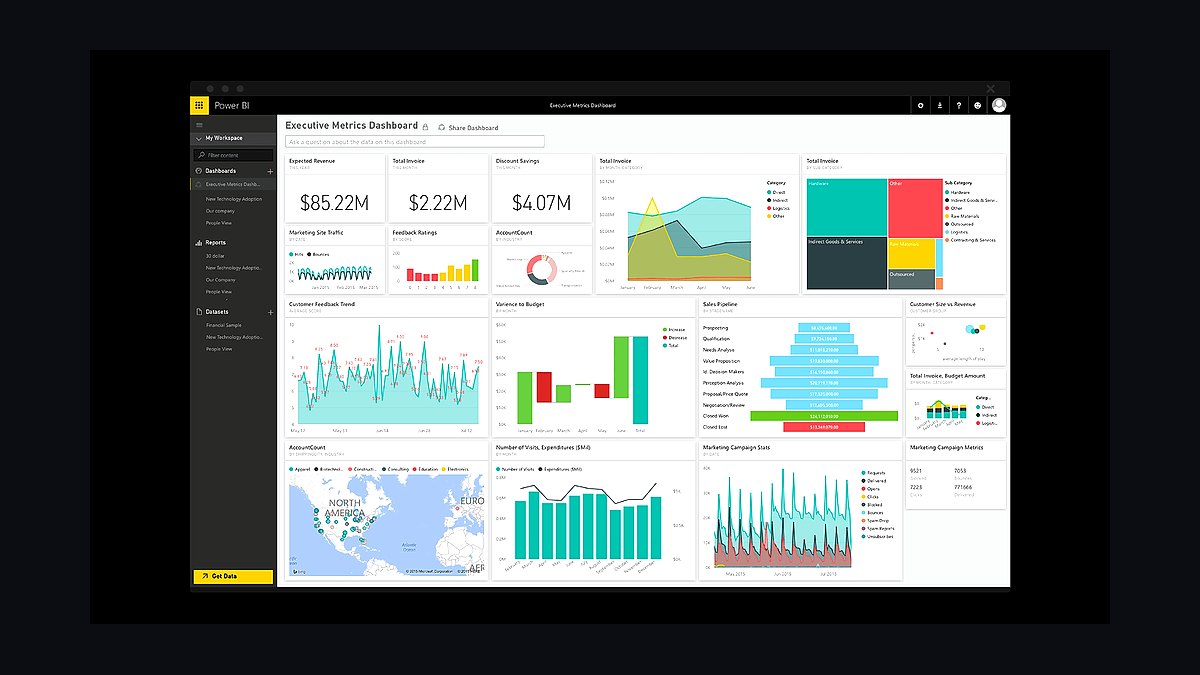
Power BI ranks tenth because multi-location owners need active-student count, attendance rate, and net member growth per site in one view. Platform dashboards stop giving clean per-site comparisons past three locations, so exporting to Power BI fills that gap. Pricing runs about $14 per user per month.
It fits franchises and multi-location schools running three or more sites with standardized curriculum. It trades away simplicity, requiring someone to build and maintain the data model. Compared with QuickBooks Online above, Power BI reads operational data while QuickBooks reads financials, and together they cover the full reporting picture.
How we ranked these
We ranked tools by weighting five factors: martial-arts-specific rank and curriculum tracking (25%), recurring billing and contract/agreement handling with dunning (25%), trial-to-member CRM and marketing automation depth (20%), daily operations coverage including kiosk check-in, scheduling, member app, and retail POS (20%), and integration/reporting depth plus verified pricing transparency (10%). Scores came from vendor documentation, published pricing pages, and operator-reported workflows, not affiliate payouts.
We deliberately ignored generic gym and fitness-only platforms, enterprise SIS or campus-wide systems, and any tool whose rank tracking is a custom field rather than a real curriculum engine. We also excluded affiliate-driven rankings, review-count vanity metrics, and feature lists that never touch dues, belts, or parent communication. Tools were judged on whether a working dojo could run billing, attendance, testing, and retention from one hub without spreadsheets.
Related questions
What is the best tech stack for a martial arts school in 2027?
Center it on a martial-arts-specific platform like Kicksite or Spark Membership for a single dojo, Zen Planner for hybrid martial arts plus fitness, or RainMaker and MyStudio for intro-offer-led marketing. Layer recurring billing and collections, rank and attendance tracking, a trial-to-member CRM, kiosk check-in, retail POS, parent SMS, reviews, and QuickBooks Online around that core hub.
Do martial arts schools need rank and belt tracking software?
Yes. Rank, stripes, curriculum, attendance streaks, and testing eligibility are the engagement engine that keeps families enrolled through the next belt. A generic gym tool cannot track a curriculum, so promotions end up on paper and quiet students go unnoticed. If your platform cannot do rank tracking natively, switch platforms rather than bolting on a spreadsheet.
How much should a martial arts school budget for software?
A single small dojo under 100 students runs roughly $250 to $700 monthly in software plus payment processing. An established school of 100 to 300 students adds acquisition tools, collections, and reviews for about $1,200 to $3,500 monthly plus ad spend. Multi-location franchises run $3,500 to $12,000 or more across sites.
Is Kicksite or Spark Membership better for a single dojo?
Both are purpose-built for martial arts and both handle dues, rank tracking, attendance, kiosk check-in, and a member app. Kicksite is often chosen for straightforward rank and billing workflows, while Spark Membership appeals to schools wanting stronger curriculum and member-app features. Pick based on which demo matches your testing and promotion process, not on price alone.
When should a martial arts school add Member Solutions or ASF?
Run platform-native auto-draft first. Add a dedicated billing and collections partner once failed payments and past-due balances are quietly aging into cancellations, usually around the established-school size. These partners own agreement management and the awkward collections calls, and they typically charge a percentage of processed dues or a per-draft fee.
Does a martial arts school need GoHighLevel if it already has a platform CRM?
Only if you run meaningful paid acquisition. Platform CRMs handle booking and trial tracking fine at low ad spend. Once you are spending real money on Facebook and Instagram intro offers, GoHighLevel adds pipelines, missed-call text-back, and automations that protect speed-to-lead. Light advertisers can skip it and stay inside the platform.
How do martial arts schools fill trial classes and convert them?
Run a paid intro offer such as two weeks plus a free uniform through Facebook and Instagram ads, track phone leads with CallRail, and follow up within minutes using a CRM pipeline or GoHighLevel missed-call text-back. Speed-to-lead and a structured trial follow-up cadence convert better than discounting the offer further.
When does a multi-location martial arts school need Power BI?
Once you run three or more locations and platform dashboards stop giving clean per-site comparisons. Export platform and billing data into Power BI or Looker Studio so you can watch active students, attendance rate, and net member growth per location in one view. Below that scale, native dashboards are usually enough.
FAQ
Do I need a martial-arts-specific platform or can I use a general gym tool?
Use a martial-arts platform. General gym software cannot track belts, stripes, curriculum, or testing eligibility, and that rank-and-attendance loop is your best retention signal. Kicksite, Spark Membership, and Zen Planner were built around dues and belts rather than retrofitted from drop-in fitness tools, which matters more than any single feature comparison.
What is the difference between Kicksite, Spark Membership, and Zen Planner?
Kicksite and Spark Membership are purpose-built for martial arts schools and fit a single dojo cleanly. Zen Planner handles martial arts plus general fitness in one platform, making it the better pick for hybrid MMA or fitness-kickboxing gyms that also sell class packs. All three cover billing, scheduling, check-in, and a member app.
Do I really need a separate billing partner like Member Solutions?
Not on day one. Start with platform-native auto-draft and watch your failed-payment rate. Add Member Solutions or ASF once past-due drift and recovery are costing real monthly revenue, usually around the established-school size. They own agreement management and collections calls, charging a percentage of dues or a per-draft fee.
How should I handle parent and family communication?
Keep it inside the platform. Use in-app push and SMS for testing dates, closures, camps, and we-missed-you nudges, and avoid running family communication through an instructor's personal phone. Parents read texts and ignore email, and messages sent outside the system never connect back to attendance or billing records.
What is the best way to fill trial classes?
Run a paid intro offer such as two weeks plus a free uniform through Facebook and Instagram ads, track calls with CallRail, and follow up fast with a CRM pipeline or GoHighLevel missed-call text-back. Speed-to-lead and a structured trial cadence matter more than the offer itself.
When does a multi-location school need a data warehouse and BI?
Once you run three or more locations and platform dashboards stop giving clean per-site comparisons. Export to Power BI or Looker Studio so you can watch active students, attendance rate, and net growth per location in one view. Below that scale, native dashboards usually suffice.
Can I run my martial arts school on Square and spreadsheets?
You can start there, but you will outgrow it fast. Square handles retail and camp payments well, yet it cannot store signed agreements, run recurring tuition drafts, track rank, or surface at-risk students. Most schools move to Kicksite, Spark, or Zen Planner before hitting 100 students.
How important is reputation management for a martial arts school?
Very. Parents choose schools by star rating and recent reviews, and a steady Google review flow lowers your cost per lead. Podium or Birdeye automate review requests after testing and promotions. If budget is tight, a free Google review request link sent by SMS after each belt ceremony still works.
What should I migrate first when switching platforms?
Move students, current ranks, and signed agreements first, then shift recurring dues to the new platform's auto-draft and verify one full billing cycle before touching anything else. Add kiosk check-in and the member app next. Marketing, reviews, and reporting layers come after billing runs cleanly.
Does a martial arts school need a retail POS separate from its platform?
Only if your platform POS is weak or you sell high retail volume. Square is cheap, reliable, and handles uniforms, belts, sparring gear, and tournament fees at 2.6% plus 10 cents per swipe. Many schools run platform billing for dues and Square purely for pro-shop sales.
Sources
- https://www.kicksite.com/
- https://www.sparkmembership.com/
- https://zenplanner.com/
- https://www.rainmakerhub.com/
- https://www.membersolutions.com/
- https://www.gohighlevel.com/
- https://squareup.com/us/en
- https://quickbooks.intuit.com/
- https://www.podium.com/
- https://powerbi.microsoft.com/
Related on PULSE
This page will be disappearing soon. Save it to your device for $1 — or read it free while it is here.
@Kory-White- · if Venmo asks, the last 4 of my number are 2012
This page is gone.
This one is off the shelf now. $1 keeps it on your phone for good — the whole page, pictures and diagrams included.
 pulse-tech-stacksTop 10 Best Tech Stack Tools for Bot Mitigation Vendors in 2027
 tkTop 10 Best Tech Stack Tools for Fencing and Deck Contractors in 2027
 pulse-tech-stacksTop 10 Best Tech Stack Tools for AI Customer Support Companies in 2027
 pulse-tech-stacksTop 10 Best Tech Stack Tools for Embeddings API Companies in 2027
 pulse-tech-stacksTop 10 Best Tech Stack Tools for Movie Theaters in 2027
 pulse-tech-stacksTop 10 Best Tech Stack Tools for Independent Landscaping Companies in 2027
 pulse-tech-stacksTop 10 Best Tech Stack Tools for Hardware Security Module (HSM) Vendors in 2027
 pulse-tech-stacksTop 10 Best Tech Stack Tools for Plumbing Contractors in 2027
 pulse-tech-stacksTop 10 Best Tech Stack Tools for Pilates Studios in 2027
 pulse-tech-stacksTop 10 Best Tech Stack Tools for Septic and Portable Sanitation Services in 2027