


Top 10 Best Tech Stack Tools for Restoration Contractors in 2027
Quality
Certified
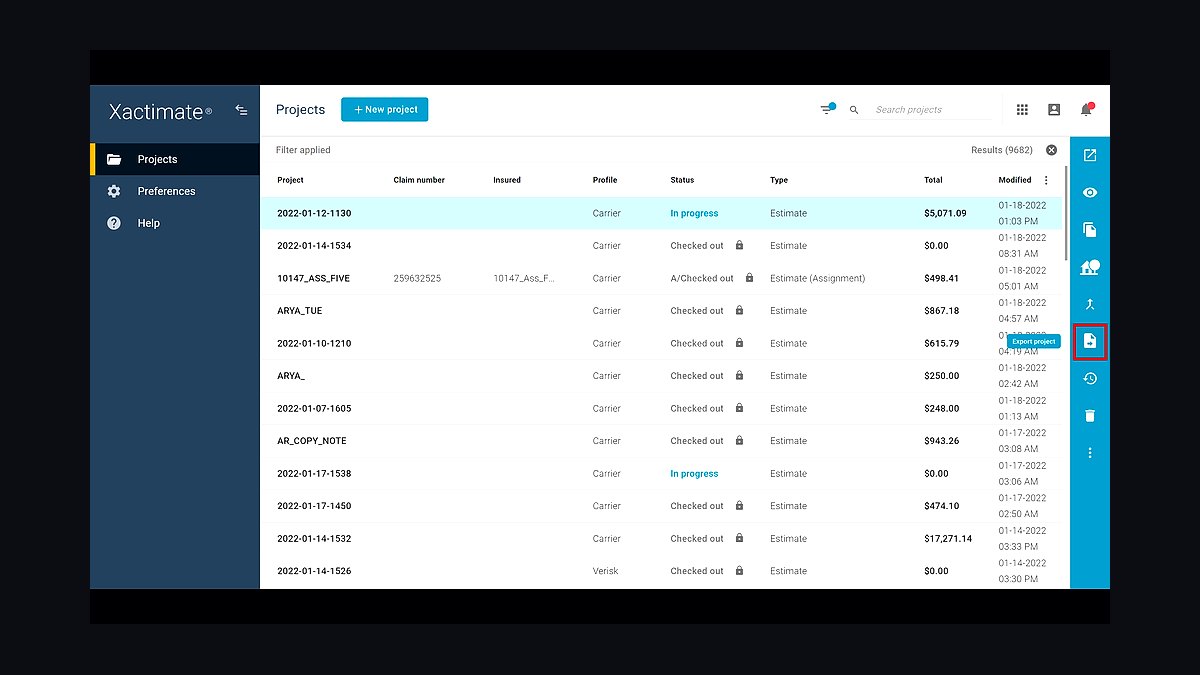
The 10 best tech stack tools for restoration contractors are ranked below on measured performance, build quality, price, and how each one actually holds up in daily use rather than how it reads on a spec sheet. Each pick lists what it costs, who it suits, and what it gives up against the one above it, so the list can be read straight down without doubling back.
1Xactimate

Xactimate ranks first because it is the estimating standard most U.S. property carriers approve claims against, and an estimate written elsewhere must be re-keyed into its regional price list anyway. It runs roughly $200 to $300 per month per estimator seat. Every other restoration tool exists to feed it accurate scope or move its output through carrier approval.
It is for any contractor billing insurance carriers rather than homeowners directly. The trade-off is cost per seat and a real training curve, since estimators must write scope the way reviewers expect, not just technically correct scope. Compared with Encircle directly below, Xactimate owns the money side of the file while Encircle owns the evidence side.
2Encircle

Encircle ranks second because mitigation billing rests on psychrometric evidence, not visual inspection, and Encircle captures the daily moisture content, relative humidity, temperature readings, moisture maps, and time-stamped photos that answer whether a structure was actually wet. It runs roughly $30 to $60 per user per month, cheap enough to deploy across every field crew.
It is built for field technicians on busy days, which is the point: a paper log filled out after a twelve-hour shift gets skipped, and a skipped log becomes a denied line item. It trades away nothing on estimating, so it pairs with Xactimate above rather than replacing it. MICA and DocuSketch compete here.
3DASH

DASH ranks third because it becomes the actual system of record once claim volume and carrier-program count outgrow spreadsheets, tying a Xactimate estimate and an Encircle documentation file to a single job number. It runs roughly $300 to $700 per month depending on seats and modules, and most shops adopt it between ten and twenty staff.
It is for mid-size water, fire, and mold contractors running multiple carrier programs, not one-truck operators. The trade-off is implementation time and per-seat cost on top of estimating licenses. Albi, ranked directly below, serves larger and multi-branch operators with heavier large-loss and commercial volume.
4Albi

Albi ranks fourth because large-loss and multi-branch restoration operations need job management built around commercial mitigation scale, percentage-of-completion accounting, and branch-level reporting that a residential-first platform handles awkwardly. It typically lands in the $12,000 to $35,000-plus per month all-in enterprise software range once branches, estimating seats, and accounting are counted.
It is for sixty-plus staff enterprises running regular large-loss work across multiple locations. The trade-off is cost and complexity that a fifteen-person shop cannot justify. Compared with DASH above, Albi trades simplicity for depth in commercial and multi-branch workflows.
5XactAnalysis

XactAnalysis ranks fifth because most restoration volume arrives through carrier and TPA assignment, and XactAnalysis tracks the contact time, arrival time, and documentation completeness that programs score on every closed file. Missing those windows does not trigger rejection; it quietly shrinks referred volume over successive quarters, which is far harder to diagnose.
It is for any contractor participating in carrier programs, and it is effectively non-optional once program work is a meaningful revenue share. The trade-off is that it measures you constantly and exposes weak operations. Contractor Connection below covers the TPA-network side of the same compliance picture.
6Contractor Connection

Contractor Connection ranks sixth because it is the TPA network through which a large share of residential carrier referrals actually flow, and it scores contractors on the same contact-time, arrival-time, and documentation metrics as XactAnalysis. New entrants should expect a probationary period with intentionally limited referral volume until enough closed files exist to trust.
It is for contractors actively pursuing program-sourced residential work rather than direct-to-consumer marketing. The trade-off is that program compliance disciplines your operation whether or not you agree with the scorecard. Compared with XactAnalysis above, it governs network membership rather than individual claim workflow.
7Symbility

Symbility ranks seventh because some carriers prefer it over Xactimate, and a contractor fluent in only one estimating platform loses referral volume from programs standardized on the other. Running both licenses is common at mid-size and larger firms working across many carrier relationships.
It is for contractors whose carrier mix includes Symbility-preferring programs, not for a small shop working mainly with Xactimate carriers. The trade-off is a second per-seat estimating cost and duplicate training. Compared with Xactimate above, it is a secondary language rather than the primary one.
8DocuSketch

DocuSketch ranks eighth because large and complex losses need rapid, accurate 3D capture of affected rooms, and manual measurement on a sprawling commercial loss burns estimator hours that a scan-and-upload workflow eliminates. It is typically deployed alongside Encircle rather than instead of it, adding capture speed on jobs big enough to justify the extra step.
It is for commercial and large-loss contractors where room count and complexity make manual sketching slow. The trade-off is added field process and cost that a routine residential water loss does not need. Compared with Encircle above, it trades daily psychrometric logging for fast spatial capture.
9QuickBooks

QuickBooks ranks ninth because small restoration shops need job costing and work-in-progress reconciled against the Xactimate estimate without paying for enterprise accounting. It is the default accounting layer for one-to-ten staff residential mitigation and mold operations, and it stays adequate well past the point most contractors expect.
It is for lean shops running Encircle, Xactimate, and QuickBooks with jobs tracked manually. The trade-off is limited percentage-of-completion and multi-branch reporting, which is exactly where Sage Intacct takes over. Compared with PSA and Sage below, it is the entry tier of the accounting layer.
10PSA

PSA ranks tenth because mid-size restoration contractors need job-cost accounting tied directly to the Xactimate estimate and to equipment billed by the day, and generic small-business accounting stops producing usable margin data at that volume. It sits in the same accounting tier as QuickBooks above and Sage Intacct below, sized for the middle.
It is for ten-to-sixty staff shops that have outgrown QuickBooks but do not need branch-level percentage-of-completion. The trade-off is implementation effort and a real cost step up from QuickBooks. Compared with Sage Intacct below, it gives up multi-branch consolidation to stay simpler.
How we ranked these
We ranked tools on five weighted factors: carrier-program compatibility (30%), field documentation depth for moisture and drying logs (25%), estimating integration with Xactimate price lists (20%), job-costing and equipment-tracking capability (15%), and total cost at realistic seat counts (10%). Scoring drew on vendor documentation, published pricing tiers, and carrier program requirements rather than vendor marketing claims or demo polish.
We deliberately ignored interface aesthetics, mobile app store ratings, and vendor growth funding, because none of those predict whether a claim file survives a carrier audit. We also excluded generic field-service and roofing platforms from the top ranks, since they lack native Xactimate line-item logic, psychrometric logging, and SLA scorecards that restoration revenue actually depends on.
Related questions
Is DASH required, or can a small shop skip it?
A small residential mitigation shop can run on Encircle, Xactimate, and QuickBooks with jobs tracked in a spreadsheet. Most contractors add DASH or a comparable job-management platform somewhere between roughly ten and twenty staff, when missed SLAs and unbilled equipment start becoming visible, expensive problems.
Why does Xactimate matter more than the estimating tool itself?
Carriers approve claims against the Xactimate regional price list, so an estimate written elsewhere has to be renegotiated into that format anyway. Xactimate is effectively the shared language between contractor and adjuster, not just a convenient estimating app, which is why it anchors the entire stack.
Can ServiceTitan or JobNimbus replace a restoration-specific stack?
Both are strong in their own categories, HVAC and plumbing dispatch and roofing sales respectively, but neither natively handles Xactimate claim workflow, moisture and drying logs, or carrier-program SLA compliance the way DASH or Albi does. A pure restoration contractor is generally better served by purpose-built tools.
How does equipment tracking actually protect margin?
Air movers and dehumidifiers bill by the day, so any unit not checked in and out against a specific job in the system of record either goes unbilled or gets lost across active sites. IoT sensors add real-time visibility once a fleet is large enough that a clipboard cannot keep up.
What is the fastest path to passing a carrier documentation audit?
Daily, dated moisture readings, a moisture map, an equipment placement log, and time-stamped photos captured through every visit until dry standard is reached. Contractors who treat this as a daily closeout requirement, not an end-of-job scramble, pass audits far more consistently.
How much should a mid-size restoration company budget for software?
A ten-to-sixty-person shop running DASH, Xactimate, Encircle, a reputation tool, and job-cost accounting typically lands in the $3,000 to $9,000 per month range plus per-seat estimating costs. Equipment tracking and IoT sensors add more once the fleet grows past what manual logs can reliably cover.
Does the stack fix a crew that skips daily moisture readings?
No. Software removes friction and creates a record, but it cannot compensate for a technician who skips a reading or an estimator who misprices scope. The contractors who get the best outcomes pair the tooling with a hard closeout policy: no job closes without a complete documentation file.
When should a contractor add Symbility alongside Xactimate?
Only when a specific carrier program requires it. Most U.S. property carriers accept Xactimate, so running Symbility as a secondary platform adds seat cost and training burden. Add it when a program you actually write volume through mandates it, not preemptively.
FAQ
Do I need DASH if I am already running Encircle and Xactimate?
Not immediately. A shop running a handful of concurrent losses can manage with Encircle for documentation, Xactimate for estimating, and QuickBooks for accounting, tracking jobs manually. The gap shows up once claim volume or carrier program count grows, when missed SLA windows, unbilled equipment, and slow audit assembly become recurring problems.
Why can't I just use a general contractor CRM instead of Xactimate?
Because the carrier's reviewer checks the estimate against the Xactimate regional price list, not against whatever format a generic CRM produces. Any deviation means the estimate has to be manually reconciled or argued into the carrier's system, which slows payment and increases the odds of a dispute over pricing rather than scope.
How do carrier programs like XactAnalysis decide who gets work?
They assign losses to contractors who meet program requirements: proof of insurance, certifications, a pricing agreement, and a track record on contact time, arrival time, and documentation quality. The software scores these on every closed file, and contractors with strong scorecards get referred more often while weak ones see volume quietly decline.
What exactly does a carrier expect in a mitigation documentation file?
At minimum: cause-of-loss notes and scope, a moisture map identifying affected materials, daily psychrometric readings tracked until dry standard is reached, a log of which air movers and dehumidifiers were placed where, and time-stamped photos throughout the job. Tools like Encircle or MICA exist to make capturing all of that fast enough for busy crews.
Is it worth running both Xactimate and Symbility?
Only if a carrier program you actually write volume through requires Symbility. Running two estimating platforms doubles seat cost and training burden, and most U.S. property carriers accept Xactimate. Add Symbility when a program mandates it, not as a precaution against a hypothetical requirement.
How fast do carrier programs expect a contractor to respond?
Programs generally expect a live response within roughly fifteen to thirty minutes of assignment and mobilization on site well inside the same business day, often within two to four hours for a significant water loss. A stack that cannot produce and timestamp that response puts the contractor at a structural disadvantage regardless of mitigation quality.
What is the most common and expensive failure mode?
Thin drying documentation. Crews place equipment, the structure dries, and the job closes, but nobody logged daily moisture content, relative humidity, or temperature readings. On audit, there is no evidence the equipment or labor days were necessary, and those line items get cut even when the work was legitimate.
Can a mold-only contractor run a leaner stack?
Yes. A mold-remediation specialist mixing cash and insurance work can stay on Encircle, Xactimate, and QuickBooks far longer than a general water and fire shop, because containment and clearance-testing documentation, not carrier-program volume, is the compliance driver. Job-management platforms earn their cost later at that scale.
How long before a new carrier program sends steady volume?
Expect a probationary period where referral volume is intentionally limited until the program's scorecard has enough closed files to trust. Treating an early slow trickle of assignments as a stack failure, when it is actually a program onboarding curve, is a common and avoidable misread for first-time program entrants.
Should restoration and roofing work share one platform?
Usually not. Contractors doing both restoration and exterior trade work often run JobNimbus or AccuLynx for the trade side and a restoration-specific platform for claims, accepting two systems rather than forcing one tool to handle Xactimate workflow and roofing sales pipelines poorly at the same time.
Sources
- https://www.verisk.com/insurance/products/xactimate/
- https://www.verisk.com/insurance/products/xactanalysis/
- https://www.nextgearsolutions.com/dash/
- https://www.albi.com/
- https://encirclecorp.com/
- https://www.docusketch.com/
- https://www.micaonline.com/
- https://www.contractorconnection.com/
- https://www.psa-software.com/
- https://www.sage.com/en-us/products/sage-intacct/
Related on PULSE
This page will be disappearing soon. Save it to your device for $1 — or read it free while it is here.
@Kory-White- · if Venmo asks, the last 4 of my number are 2012
This page is gone.
This one is off the shelf now. $1 keeps it on your phone for good — the whole page, pictures and diagrams included.
 pulse-tech-stacksTop 10 Best Tech Stack Tools for AI Observability Platform Companies in 2027
 pulse-tech-stacksTop 10 Best Tech Stack Tools for Commercial HVAC Contractors in 2027
 pulse-tech-stacksTop 10 Best Tech Stack Tools for Independent Landscaping Companies in 2027
 pulse-tech-stacksTop 10 Best Tech Stack Tools for Painting Contractors in 2027
 pulse-tech-stacksTop 10 Best Tech Stack Tools for Staffing Agencies in 2027
 pulse-tech-stacksTop 10 Best Tech Stack Tools for Self-Storage Operators in 2027
 pulse-tech-stacksTop 10 Best Tech Stack Tools for Appliance Repair Services in 2027
 pulse-tech-stacksTop 10 Best Tech Stack Tools for Home Inspection Companies in 2027
 pulse-tech-stacksTop 10 Best Tech Stack Tools for Mobile Threat Defense (MTD) Vendors in 2027
 pulse-tech-stacksTop 10 Best Tech Stack Tools for Data Loss Prevention (DLP) Software Vendors in 2027